Tool Guides
What Belongs in Your Jump Starter Kit? Six Tools Worth Considering
A good power bank jump starter is only half the solution. These pliers options cover the loose terminals, corroded bolts, and stubborn contacts you actually run into.
Introduction
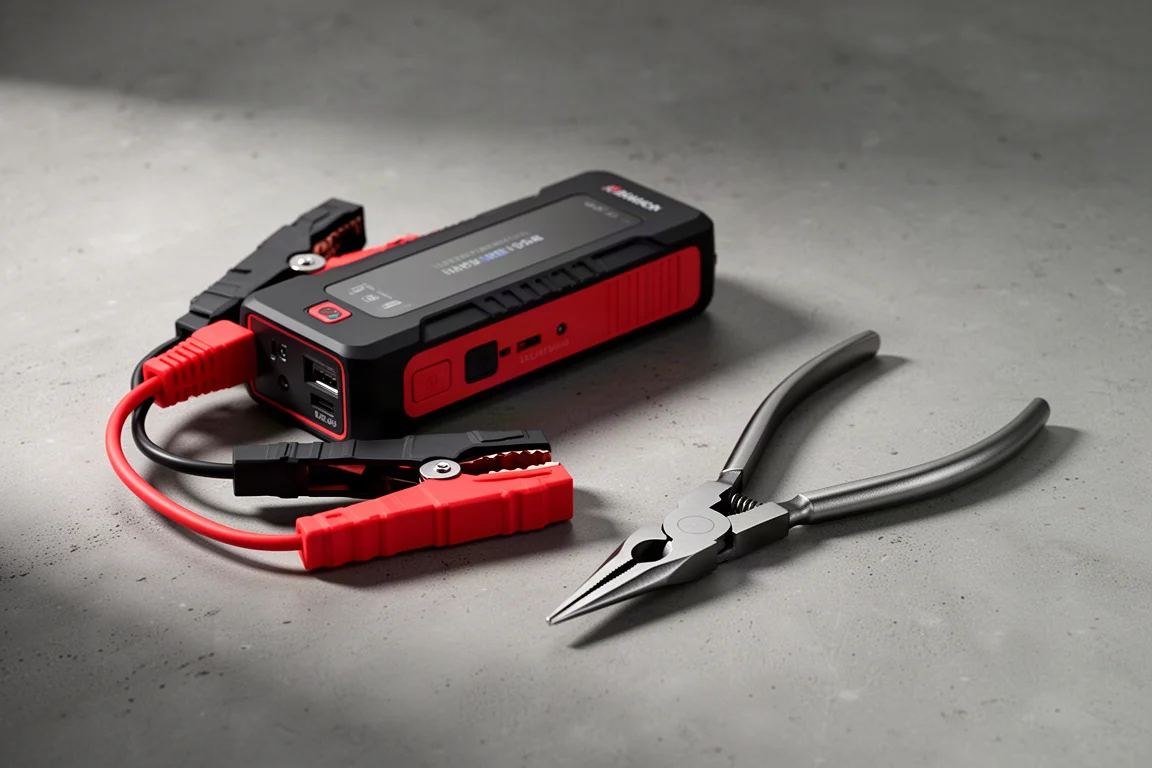
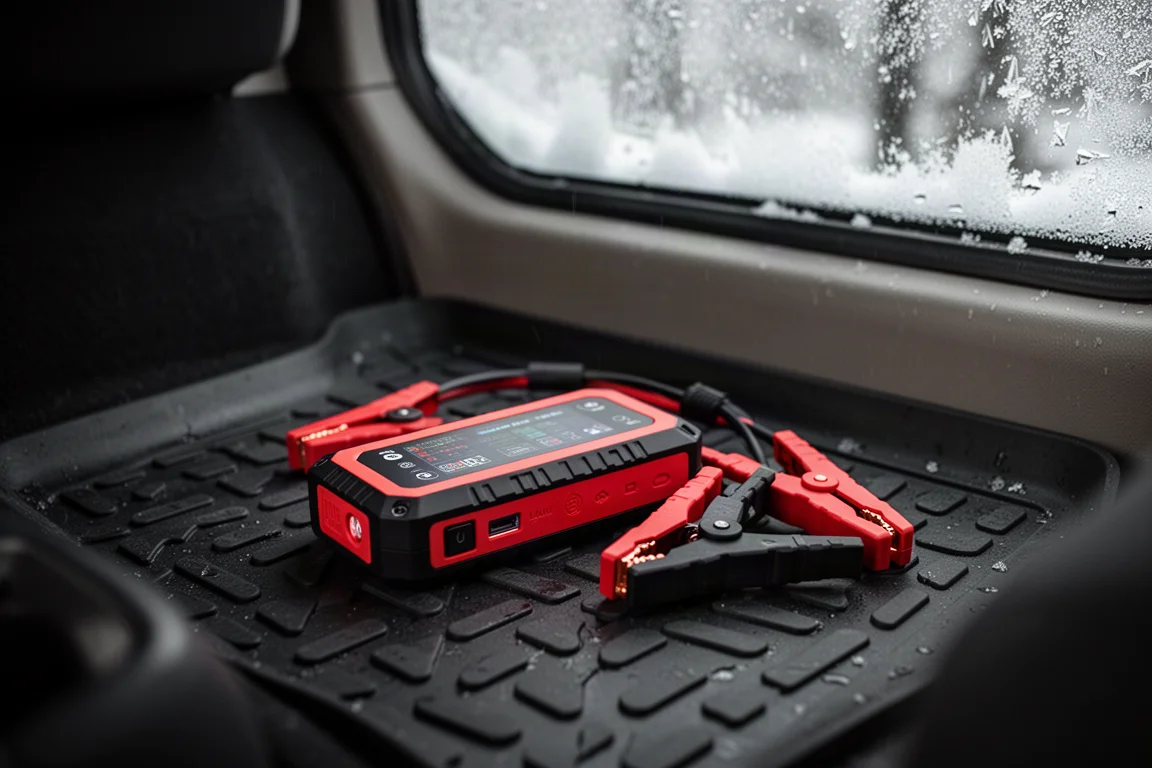
A portable power bank jump starter is one of those things you end up relying on more than you expect. In places with long, dark winters, it gets used on your own vehicles, on other people’s cars, and on small machines like snowmobiles, ATVs, snow plows, and snow blowers. It is also a safer choice than traditional jumper cables around modern vehicles full of electronics, where you really do not want to risk damaging anything.
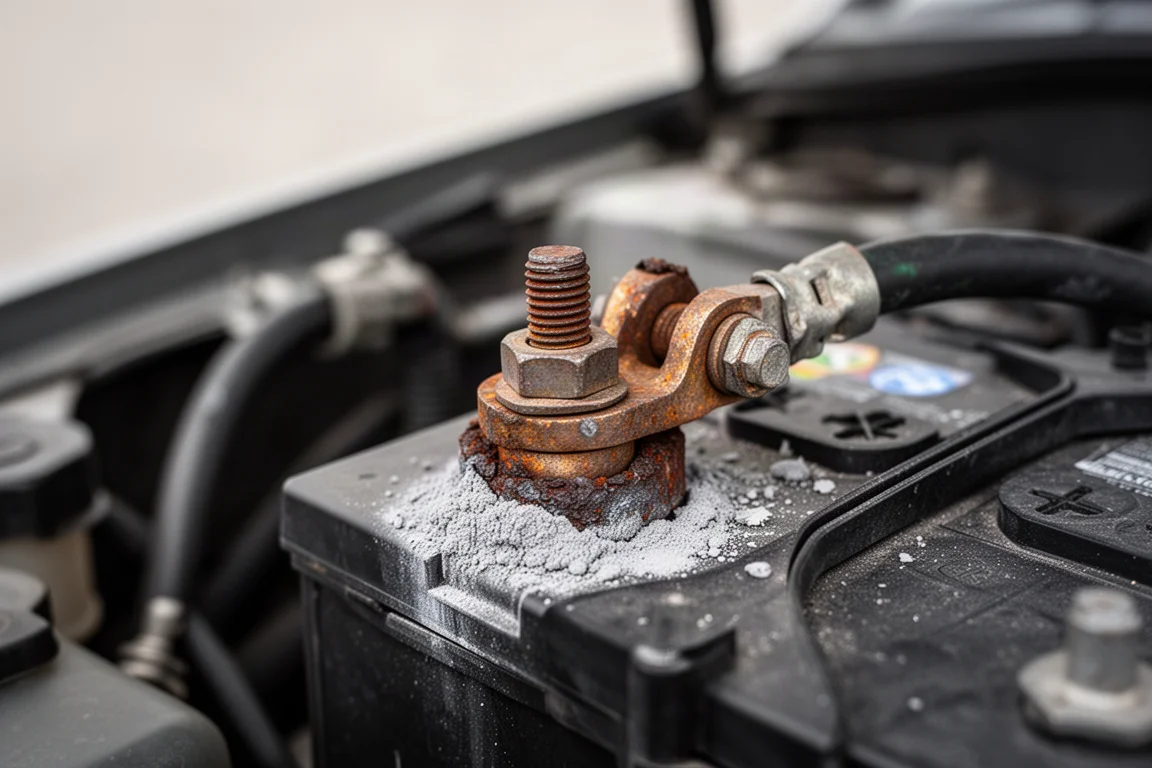
But there is a gap most people discover the hard way: jumping a dead battery is often only part of the problem. The real issue is usually a loose screw, a corroded terminal, or a rounded-off bolt that needs pliers or a screwdriver before the connection will even hold. This guide looks at one jump starter worth owning, and five pliers options that could earn a permanent spot in the same case.
Why a Jump Starter Alone Is Not Enough
The scenario is familiar: you walk out to a machine in the field with just your jump box, and you cannot get the contacts fully seated because the screws have loosened up. So you go back for a screwdriver, and the screwdriver does not fit. Then you go back for a wrench. What you actually wanted was one tool that could handle all of it in one trip.
That is the thinking behind adding a single pair of pliers to the kit. The right pair should grab stubborn clamps, twist screw contacts, survive being used as an improvised hammer, and reach terminals that point forward, sideways, or down inside a battery case. The tool also has to live in the jump starter case permanently, whether it ever gets used or not, so size and value matter.
Evaluation Criteria
What makes a good jump-kit plier comes down to a handful of practical traits:
- Grip versatility: battery terminals come in all shapes and states, so parallel jaws and adjustable opening help.
- Thin profile: long-reach, thin-nose designs can get down into tight battery cases where standard pliers bottom out.
- Hammer usefulness: persuasion is a legitimate battery-repair technique, so some mass and joint strength are a plus.
- Size and weight: the tool rides along in the case, so bulky options pay a penalty.
- Price: you are already paying a hundred dollars or more for a good jump starter, so a modest add-on is an easy sell.
Best Jump Starter: Gooloo GP4000
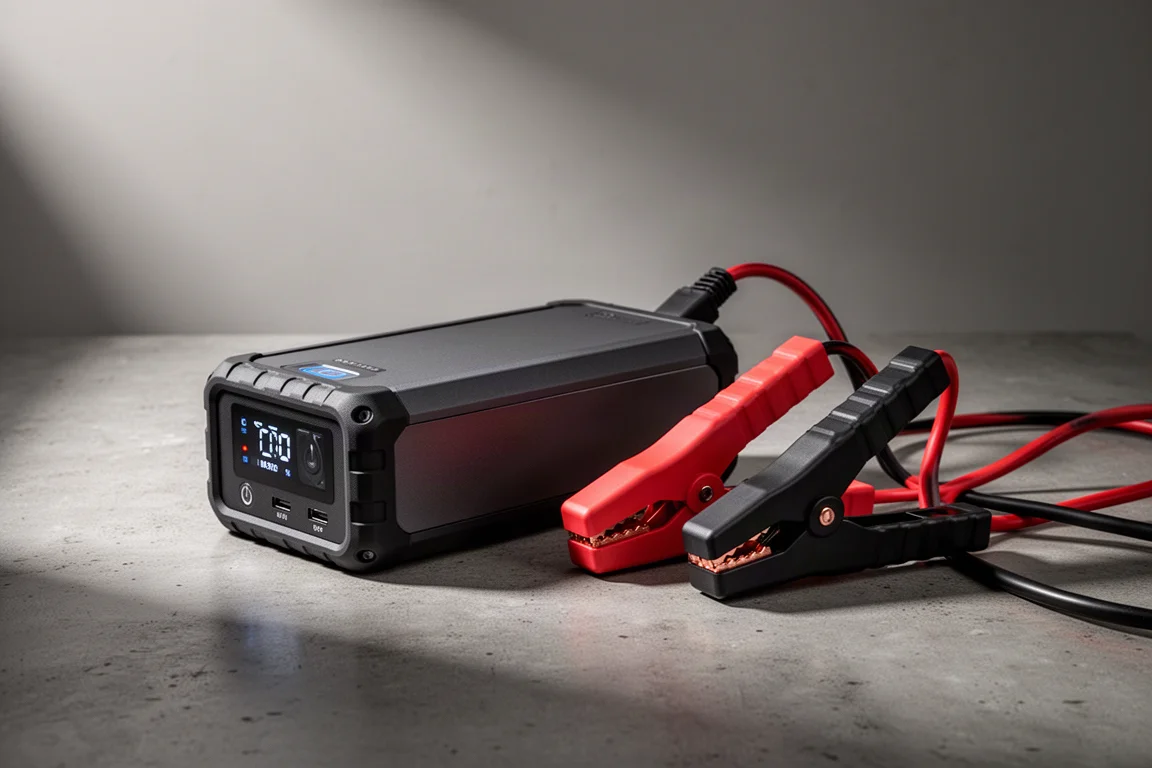
The Gooloo GP4000 is a standout power bank jump starter. It is the kind of tool you keep in every vehicle, and it has proven itself on cars, off-road vehicles, and small equipment alike. Compared with traditional jumper cables, it is the safer option around modern vehicles packed with electronics, since it reduces the risk of damaging someone else’s systems.
Like most units, it includes an adapter with a power port, though that accessory rarely sees real use. The bulk of the kit is the big jumper clamps and the connector to the power bank. The GP4000 earns its spot as the anchor of the kit, with the remaining question being what one tool should live alongside it.
The Classic: Snap-on Battery Pliers
Dedicated battery pliers have a well-earned reputation, and the Snap-on battery pliers are a classic example. They work brilliantly on one size in particular: the 10 mm battery terminal, which shows up in a huge number of situations. If your use case is mostly standard car batteries, this pair does the job with confidence.
The limitation is that they are primarily built for that single size. Battery situations have a way of surprising you, and when terminals are corroded, ground down, or simply an odd size, a single-purpose pair can leave you stuck. Still, for pure terminal-gripping competence on the common size, these remain a benchmark.
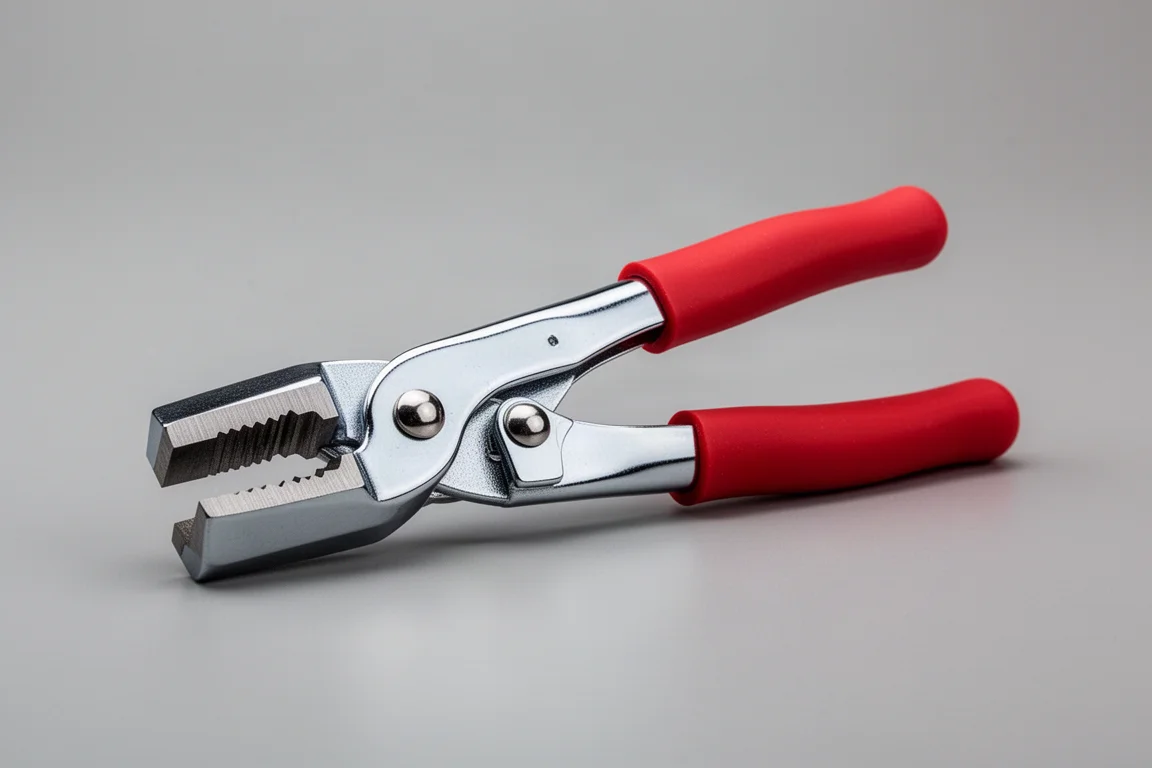
The Rare Find: Snap-on Vacuum Grip Slip-Joint Battery Pliers
This is the one many wish Snap-on still made: a vacuum grip slip-joint battery plier. The slip-joint mechanism changes the game, because it lets you grab smaller items while still delivering a nice parallel grip. That matters a lot, since grabbing things that are a little smaller is one of the classic weaknesses of standard battery pliers.
It solves a real frustration: a lot of kits include a 10 mm terminal, but a standard aftermarket pair simply does not close down enough to grab it properly. With the slip-joint, you get that parallel contact on a wider range of work. The downside is availability, since Snap-on no longer produces this design, which makes it more of a secondhand treasure than an easy purchase.
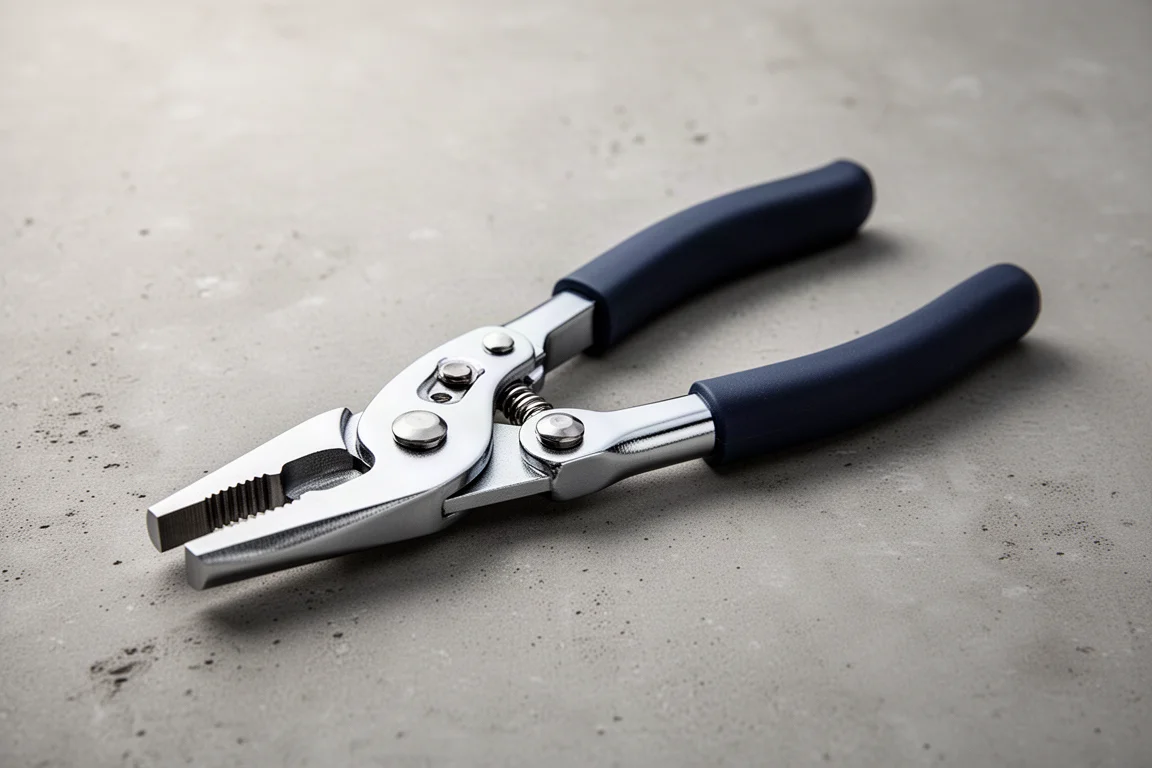
A Softer Alternative: Workpro Pliers
A larger general-purpose pair like the Workpro pliers offers a different angle on the problem. The bigger size means you can grab bulky clamps and insulation, and if contacts have screw connections, you can grab them and twist them into place. There are also some good hammer properties here, which counts for more than people admit when dealing with clamps that have been hammered out of shape.
For anyone weighing a Leatherman or a multi-tool instead, it is worth noting that those usually fall short: the pliers are too small for battery work, even if the screwdriver side is handy for screw contacts on snowmobiles and ATVs. A dedicated pair of larger pliers covers the grip and leverage roles far better.
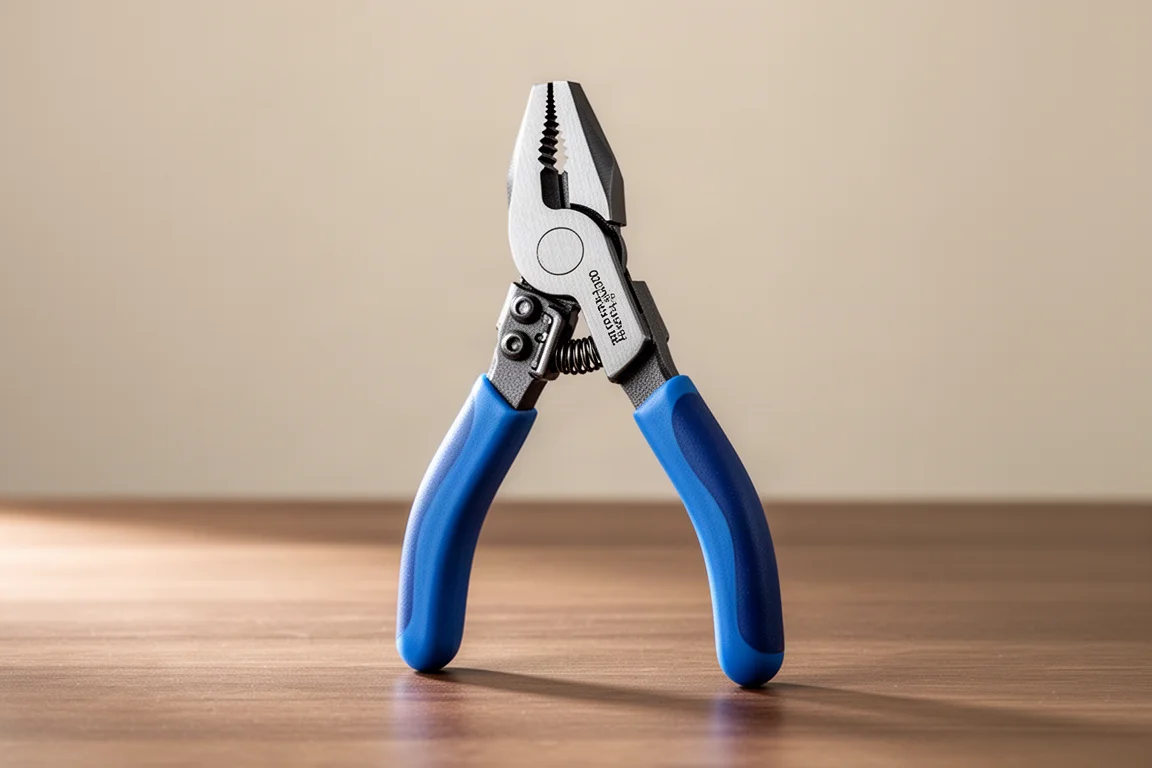
Best for Brute Force: Icon Triple Joint Pliers
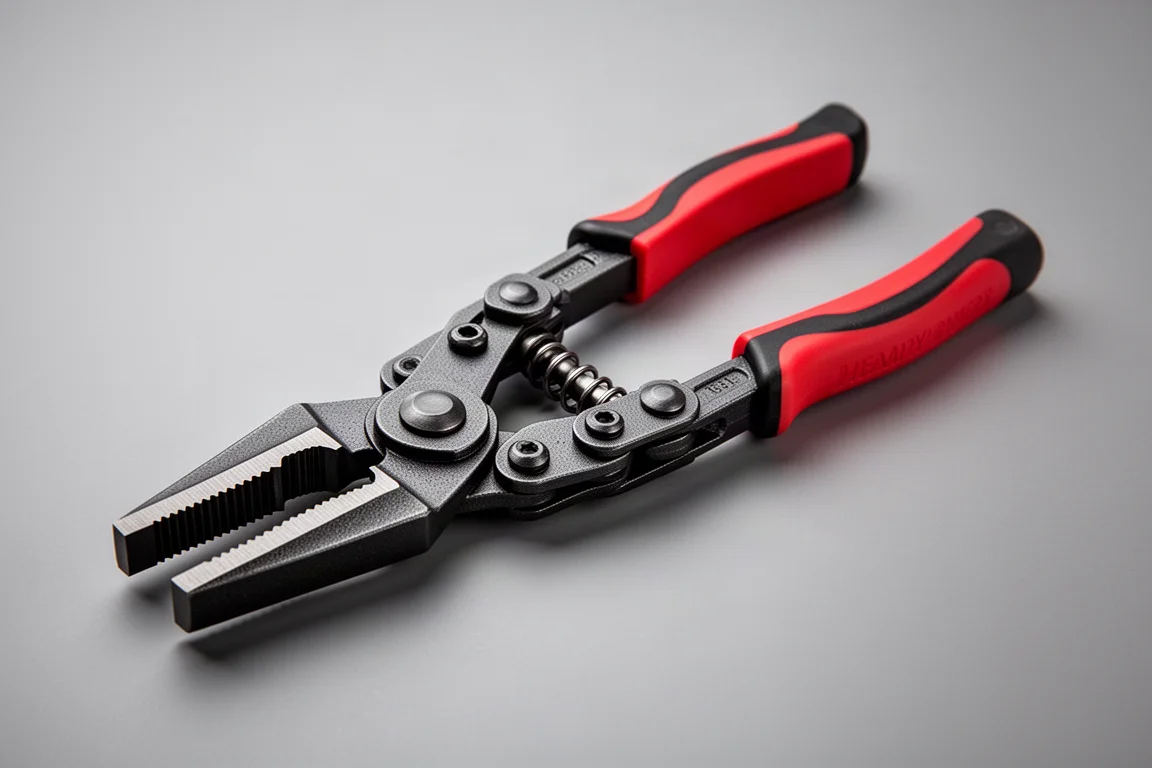
When you want brute force, the Icon triple joint pliers deliver. The whole point of the triple joint design is leverage and jaw power: grabbing cables, grabbing insulation, grabbing bolts, or grabbing what is left of the bolt. When you arrive to help someone, the fastener in question is often super corroded, ground down from the wrong tool, or simply fifty years old.
The trade-off is size. These are pretty big, and the tool has to live in the jump starter case, so dedicating the space to them is a real consideration. They are also relatively inexpensive for what they do, which makes them an attractive value if you have the room.
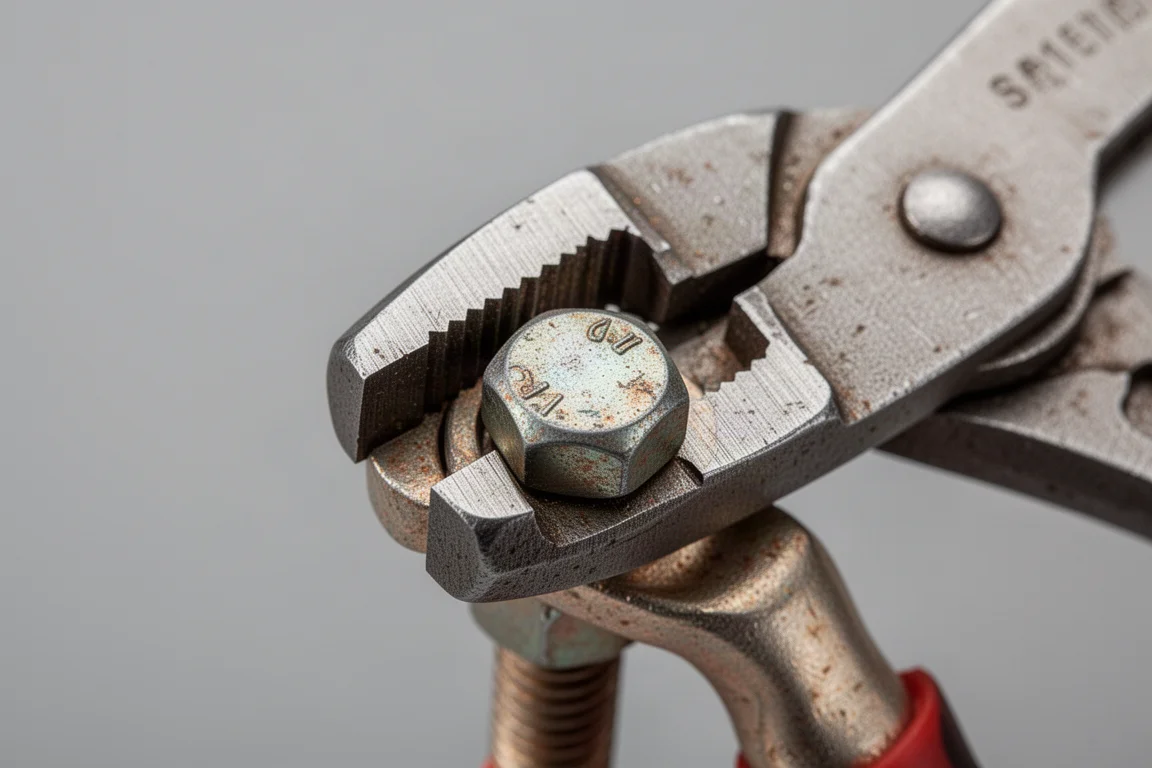
Best Overall Pick: Sonoda Bent Nose Thin Triple Joint Pliers
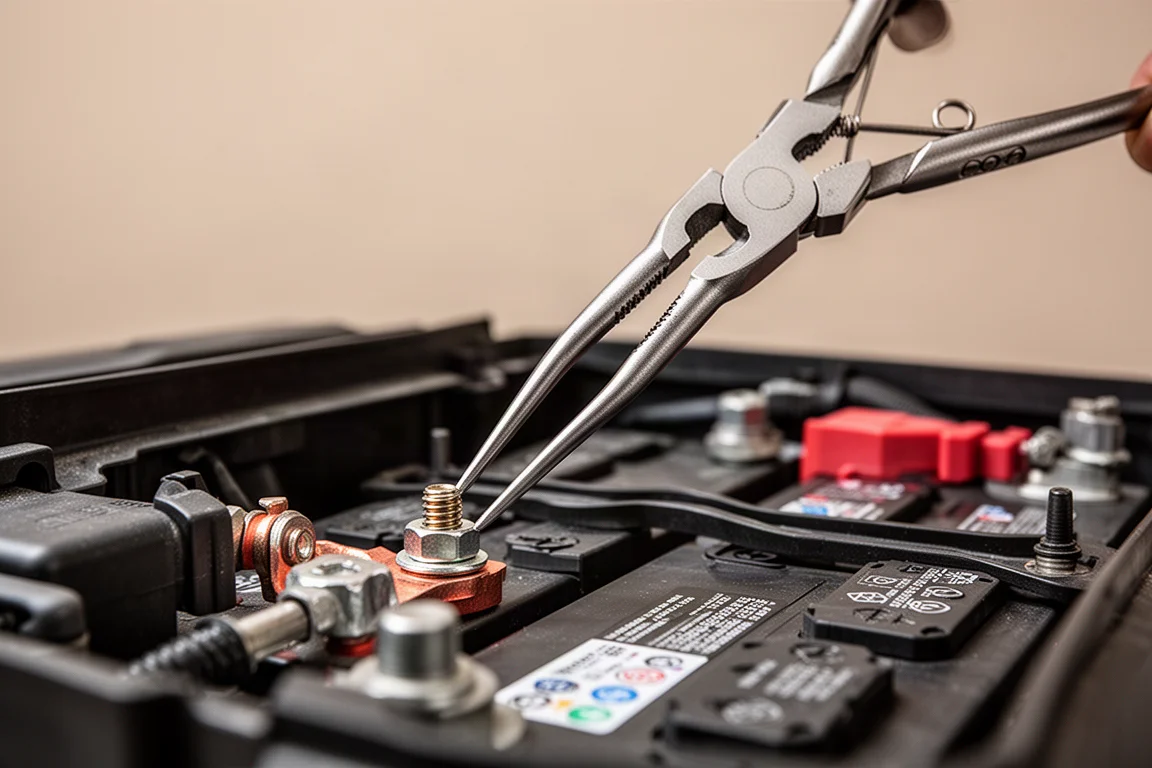
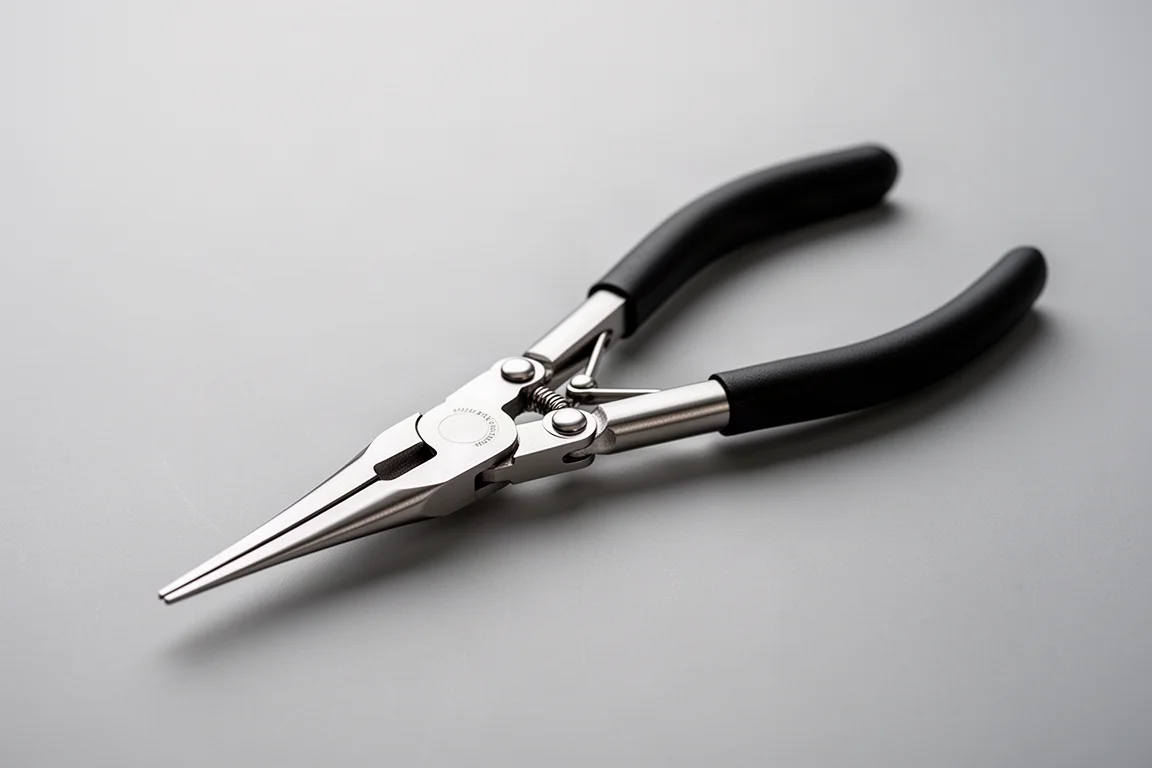
The tool that may actually live in the battery case: the Sonoda bent nose thin triple joint pliers. The thin jaws are what make them special, because they let you get down into the tight space of a battery case where standard pliers are simply too thick. On a worn, rounded-off terminal, standard thick-nose pliers barely catch any of the bolt. These give genuinely good coverage and a solid bite, and because they are triple joint, the jaws stay parallel so you can also grab something big when needed.
They bring some hammer quality too, for pounding clamps back into position. If there is a wish-list improvement, it would be a quarter-inch hex bit holder on the end, which would turn them into a proper battery plier that also drives screws. At around 23 to 24 dollars, this is an easy add to a hundred-dollar-plus jump starter. A note on practicality: a coat of bright orange or safety yellow paint would make it much easier to find in the case, since visibility is part of the point.
Buying Advice
If you are building a jump starter kit from scratch, start with a proven unit like the Gooloo GP4000, then match the pliers to your reality. For standard car battery work, the Snap-on battery pliers are hard to beat on the common 10 mm size. If you can track down the discontinued Snap-on vacuum grip slip-joint version, it is the most versatile of the traditional designs thanks to its parallel grip on smaller items.
For a single tool that handles the widest range of surprises, the Sonoda bent nose thin triple joint pliers make the strongest case: thin jaws for deep, tight reaches, triple joint leverage, parallel jaws for big clamps, and a friendly price. Choose the Icon for maximum brute force if case space allows, or the Workpro if you want a larger general-purpose pair. And remember the real payoff: with the right pliers on hand, you do not just jump the battery. You actually tighten everything up and make sure the connection is good, so you are not back out there next week.
Conclusion
A jump starter solves the dead battery, but the pliers solve everything around it: loose screws, corroded clamps, rounded bolts, and terminals hidden deep in a battery case. For most people, pairing a reliable jump starter with a thin, long-reach triple joint plier turns a good kit into a kit you can genuinely count on, whether it is your own machine in the field or a phone call from someone about to make a road trip.
Further reading
Related Reviews
Tool Guides
Inside a 12-Year AV Technician's Tool Bag: 13 Tools Worth Carrying
A practical look at the power tools, hand tools, and consumables a working AV service technician keeps in the bag after twelve years of jobs.
Tool Guides
How to Build a Basic Tool Set: Essentials Every Homeowner Should Own
A practical starter toolkit guide covering cordless power tools, hand tools, fastening bits, and the safety extras that round out a solid setup.
Tool Guides
Mini Toolbox Loadout: Ten Compact Tools That Fit a Tiny Box
A US General mini toolbox loaded with Koken, Wiha, VIM, Craftsman, Wera, and Knipex tools for a surprisingly capable portable kit.