Power Tools
Tool Truck Cordless Ratchets Face Off: Matco Infinium vs Snap-on CTR861
Two premium cordless ratchets from the tool truck brands go head to head on speed, torque, and design details worth knowing before you spend.
Introduction
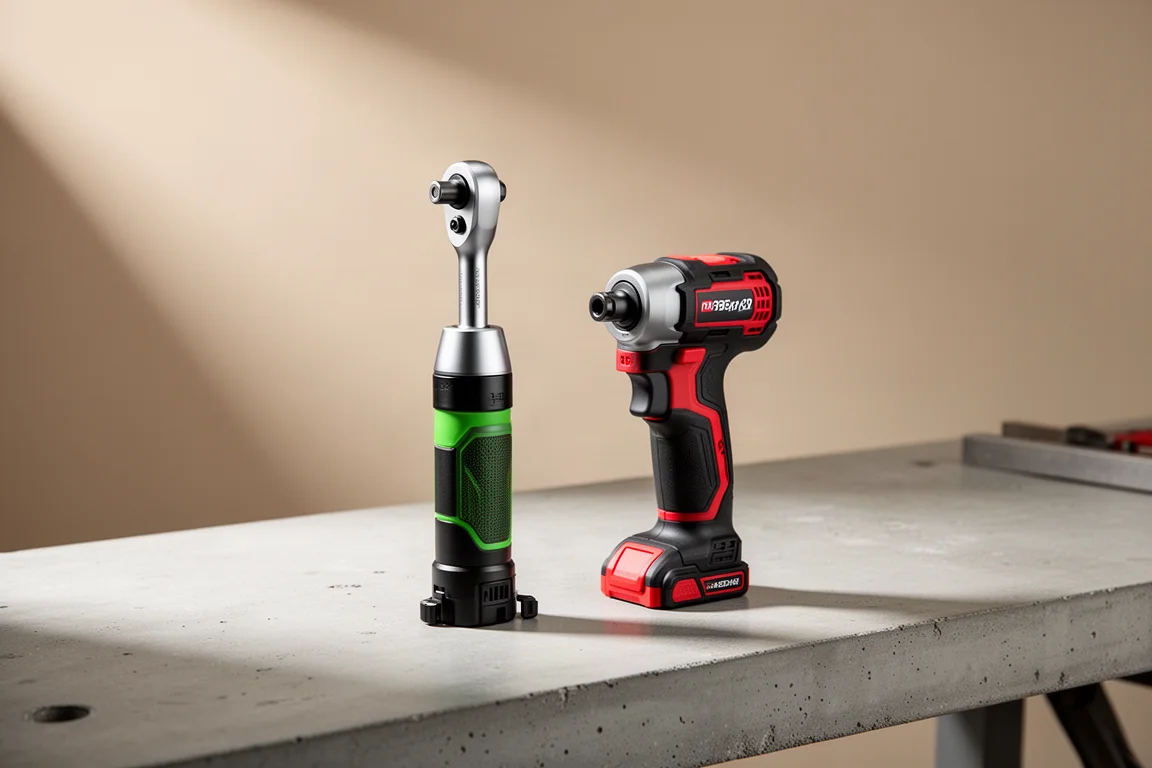
Tool truck cordless ratchets are spendy, and the two latest entries from Matco and Snap-on are no exception. Both were sent in by readers who wanted to see how they rank against recent models from brands like Milwaukee and DeWalt, so we put them through a consistent bolt-and-nylon-lock-nut gauntlet plus calibrated torque checks. The result is a clear picture of what each tool does well, where it falls short, and who should actually pay the premium.
Two Tool Truck Ratchets, One Question
The Matco MCL1638SRG Infinium 16V claims 70 foot-pounds of torque and 260 RPM, both high-end figures that lean toward torque rather than speed. The Snap-on CTR861 14.4V advertises 275 RPM and 60 foot-pounds of torque with a 158 foot-pound hand torque rating. On paper, one is the torque-focused option and the other trades some twist for speed.
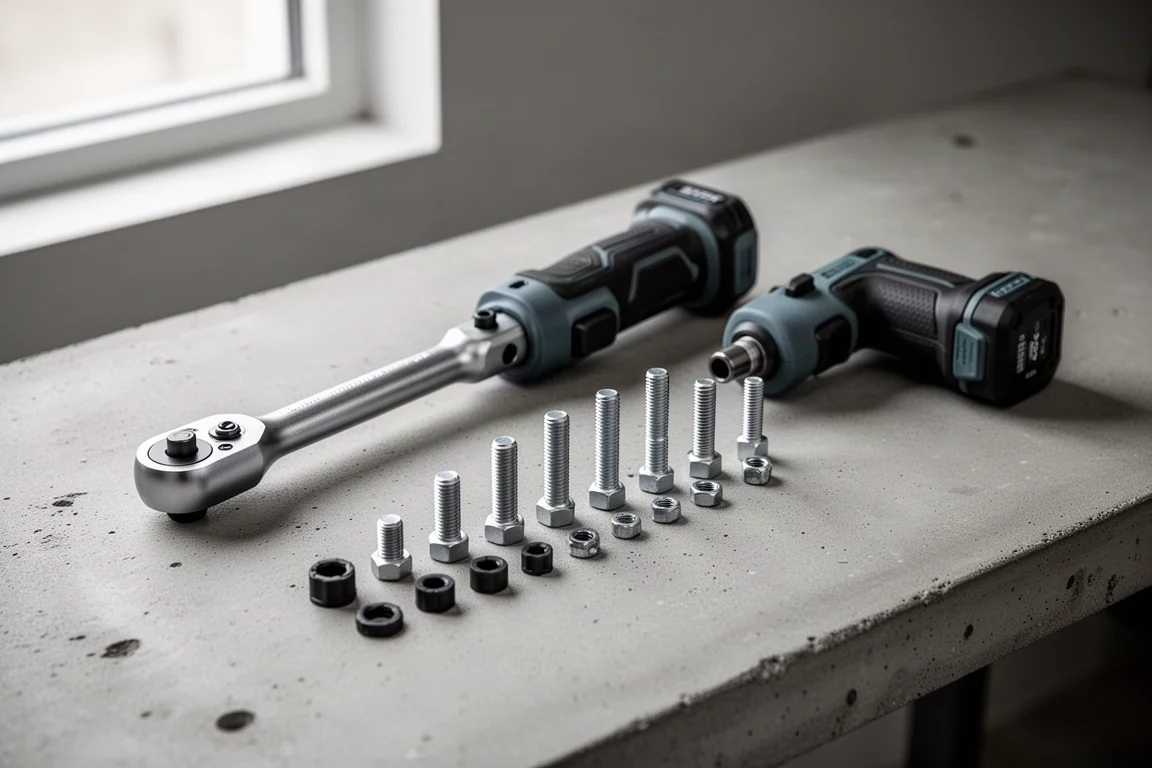
The gauntlet itself is simple: a collection of increasingly larger bolts and nylon lock nuts, each tool getting fresh hardware, with the highest torqued nuts at the end. The more a tool needs manual ratcheting help, the slower its time, just like real-world work.
Matco MCL1638SRG Infinium 16V: Slim Head, Real Torque
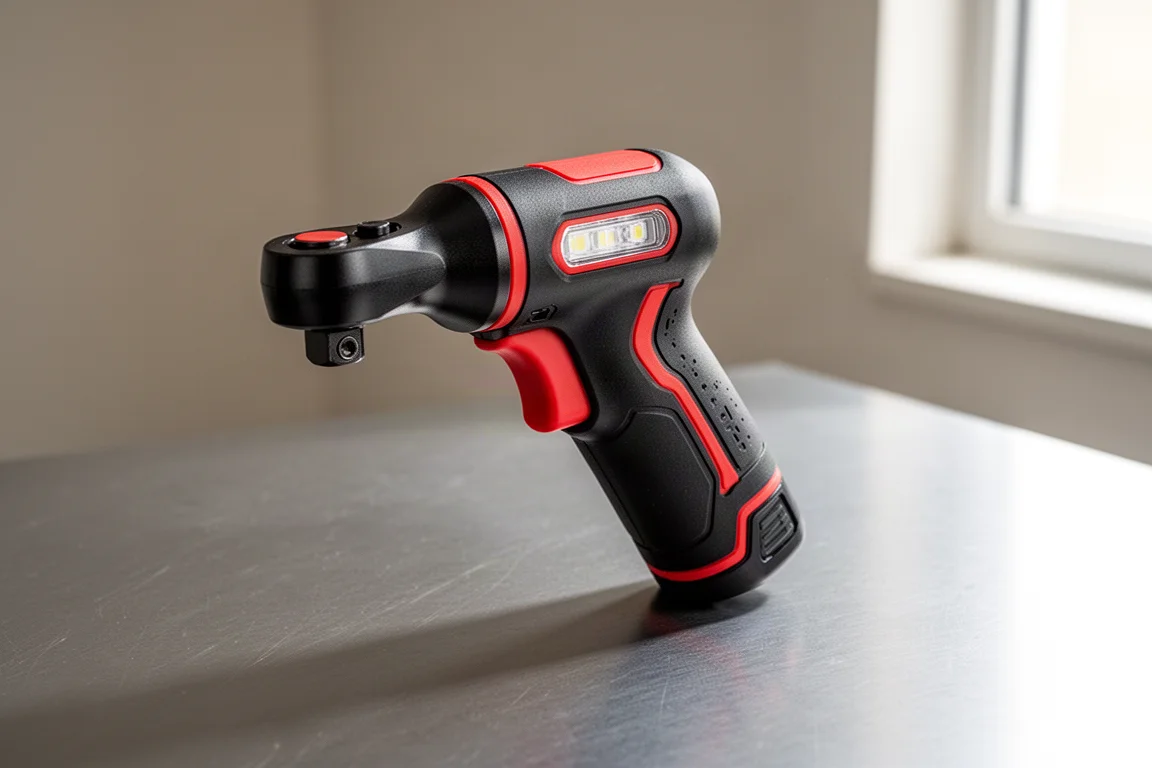
The Matco is a 16-volt ratchet in the Infinium line, priced as a bare tool at 360 dollars. It runs an extended slim-head design that stays slim along much of the tool’s length, which translates into genuine access rather than a good measurement followed by a bulky body in the way.
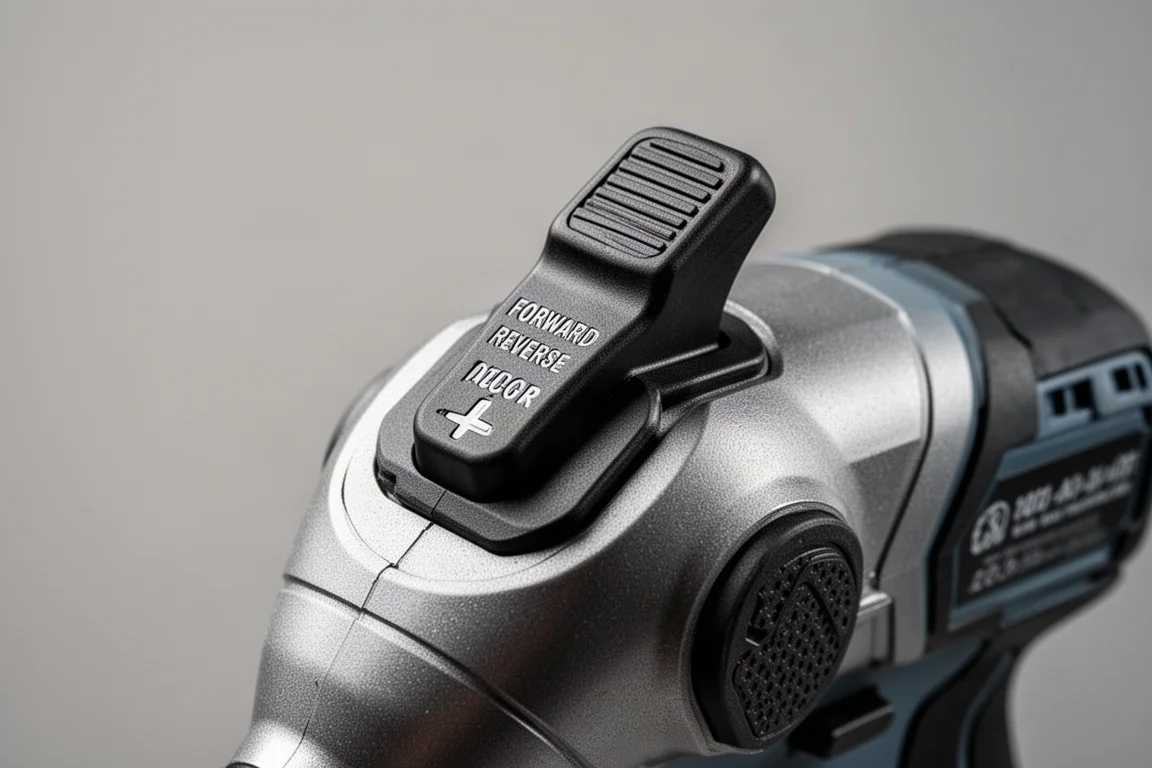
The standout feature is the forward and reverse selector, which works like a traditional hand ratchet’s toggle lever instead of the small pinch-style switch common on other slim-head designs. That is a real advantage with gloves on, and the different internal mechanism it requires may partly justify the extra cost.
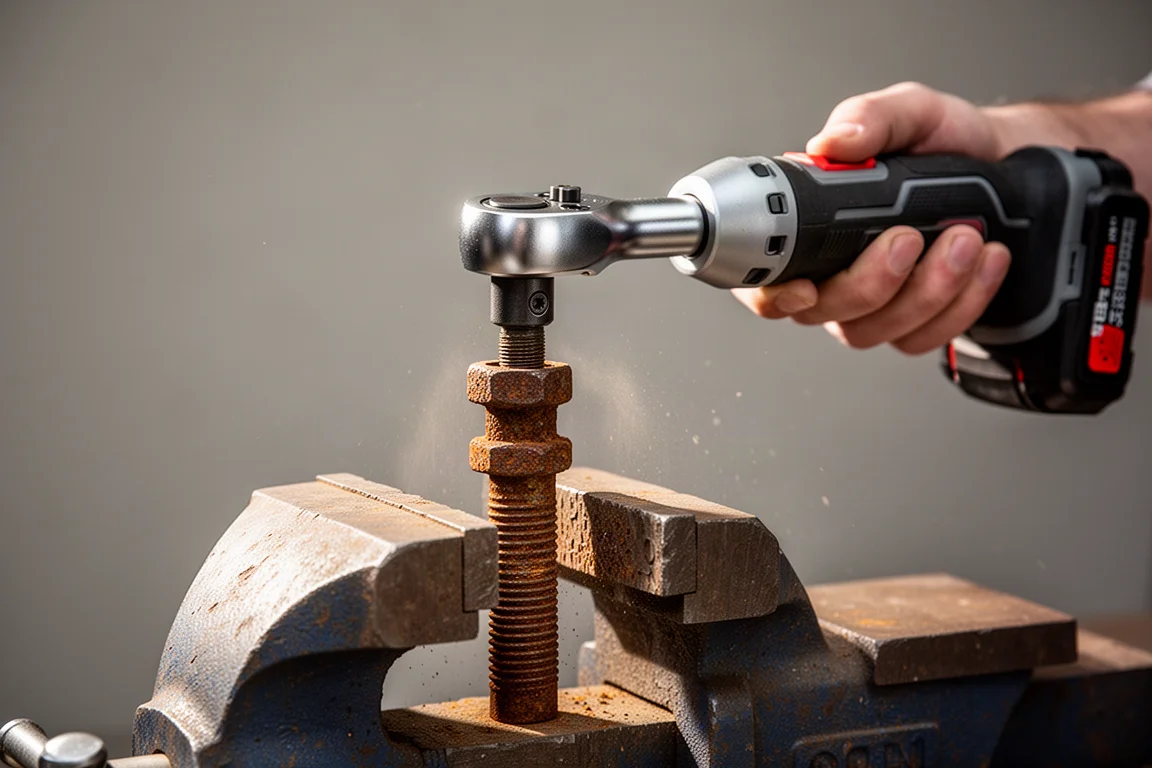
On the gauntlet it earned a 166-second finish against the 190 seconds of the comparable Milwaukee M12 high-torque model. Interestingly, the Milwaukee pulled ahead on smaller fasteners, but the Matco’s RPM barely changes between small and medium loads, and on larger, higher-resistance threads it loosened every torqued nut without manual help, something only a couple of other ratchets have managed.
Snap-on CTR861: Built in the USA With Thoughtful Touches
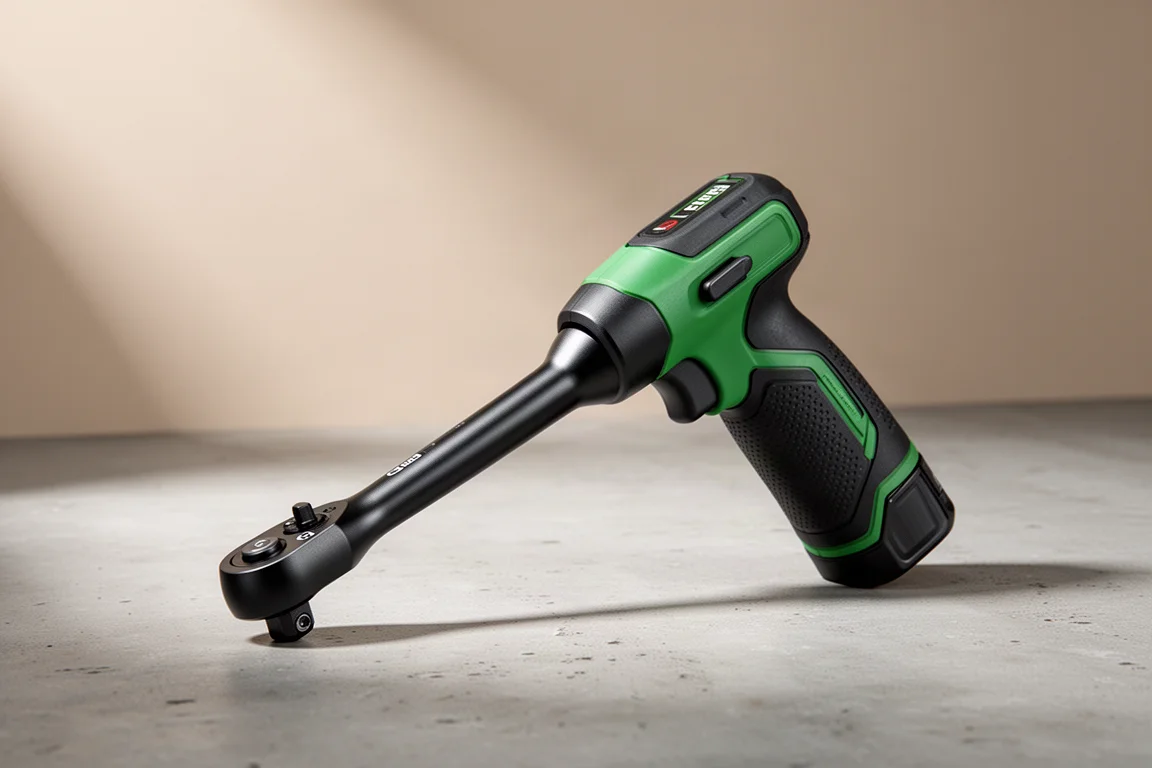
The Snap-on CTR861 is a 14.4V model that effectively behaves like a 16-volt tool, at 422 dollars as a bare tool. Unlike the Taiwan-made Matco, it is made in the USA, which accounts for part of the price difference. Its lighting is unusually good, throwing a lot of warm-toned light all around the tool instead of the token check-the-box LEDs most ratchets have.
The trigger is another highlight, with nearly everyone who tried it agreeing it beats a lever throttle for comfort and natural feel, and even edges out the DeWalt’s similar trigger. The 275 RPM high free speed paid off briefly at the start of the gauntlet, but from there the two tools ran neck and neck, with the Matco holding a slight speed edge on larger fasteners and never more than one bolt apart.
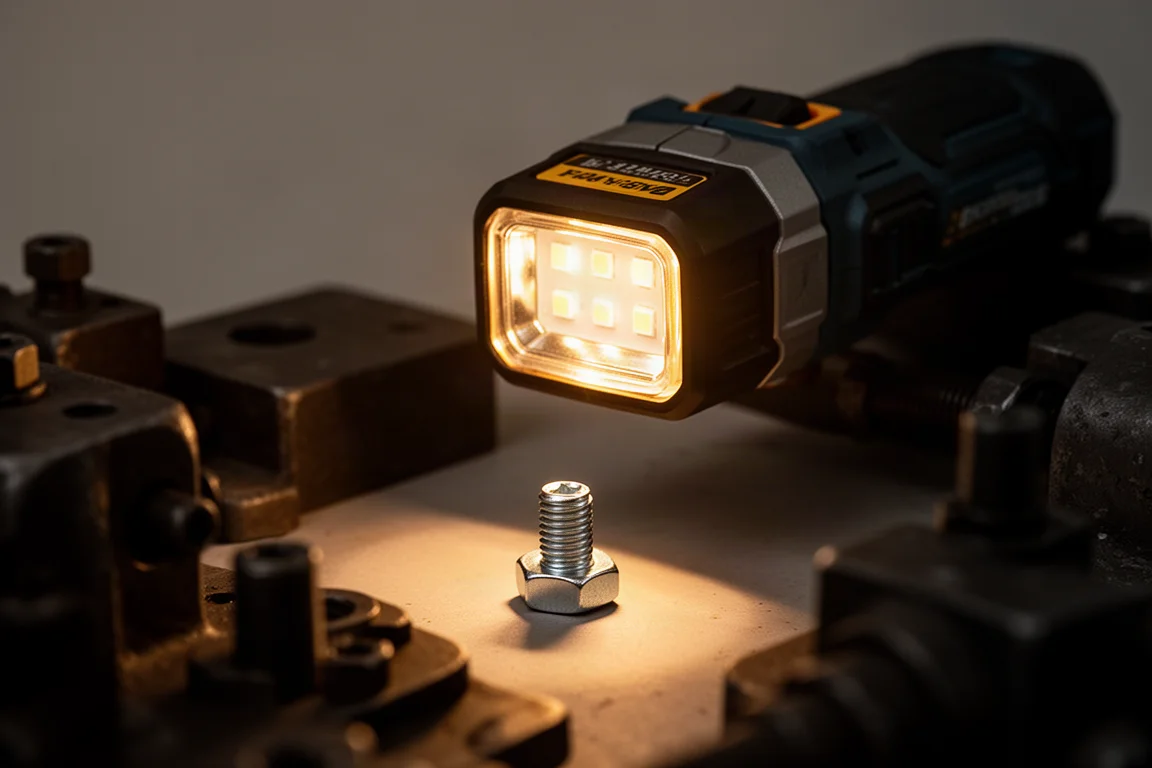
In the end, neither tool required hand ratcheting, though the Matco did get a bit hot to the touch after the run, its internal mechanism spinning hard. The Snap-on finished at 169 seconds, just behind the Matco.
Torque Reality Check
Calibrated reverse testing showed the Matco making 48 foot-pounds, coaxable to 59 foot-pounds, short of its 70 foot-pound claim. The Snap-on made 45 foot-pounds, peaking around 55 of its advertised 60. Both make more torque when breaking fasteners loose than in simple reverse, and both can be pushed by hand well past their powered limits, with the Matco reaching into the 170s without damage and the Snap-on limited mainly by leverage as the whole tool flexes and rebounds. One minor Matco gripe: a side of the battery release tab can get pressed down and unclip when pushing on the end of the tool by hand.
Overall Buying Advice
Ignoring price for a moment, both tools land between the two DeWalt models in the broader rankings. The Matco took 34 weight points versus the Snap-on’s 27, and head cross-section scores came out nearly identical at 31 and 32. If you want a torque-first ratchet with genuinely useful access and a glove-friendly selector, the Matco makes a strong case at a lower price. If you prefer a better trigger, superior lighting, and US manufacturing, the Snap-on justifies its premium. These sit in the sweet spot class of ratchets: more torque than a high-speed model, with unique brand touches rather than raw speed.
Conclusion
Neither of these tool truck ratchets is the fastest overall, and neither quite hits its advertised torque, but both cleared every torqued nut in the gauntlet without manual help, which puts them in rare company. Choose the Matco for slim access and torque value, or the Snap-on for comfort and detail work. If you want the Goldilocks option that does it all in one tool, the search continues.
Further reading
Related Reviews
Power Tools
Best 1-Inch Pistol Impact Wrenches: Three Heavy-Duty Options Compared
We compare three 1-inch pistol impact wrenches, from a budget-friendly Harbor Freight model to a premium Caterpillar unit, to help you choose the right one.
Power Tools
Best 3/4-Inch Impact Wrenches 2026: Five Contenders Compared
We compare five 3/4-inch impact wrenches across price and performance, from a budget Amazon option to Snap-on's most powerful model yet.
Power Tools
Best Budget Cordless Tools 2026: Walmart Finds That Punch Above Their Price
We tested five cordless tools from Walmart, including a high-torque impact wrench that trades blows with Milwaukee and a $35 duster that outperforms its price class.