Tool Storage
Seven Tool Bags Put to the Test: Which Ones Avoid the Venus Flytrap Problem?
We spent time loading, unloading, and staging seven popular tool bags. Some hold up well, some collapse in on themselves. Here is what to know before buying.
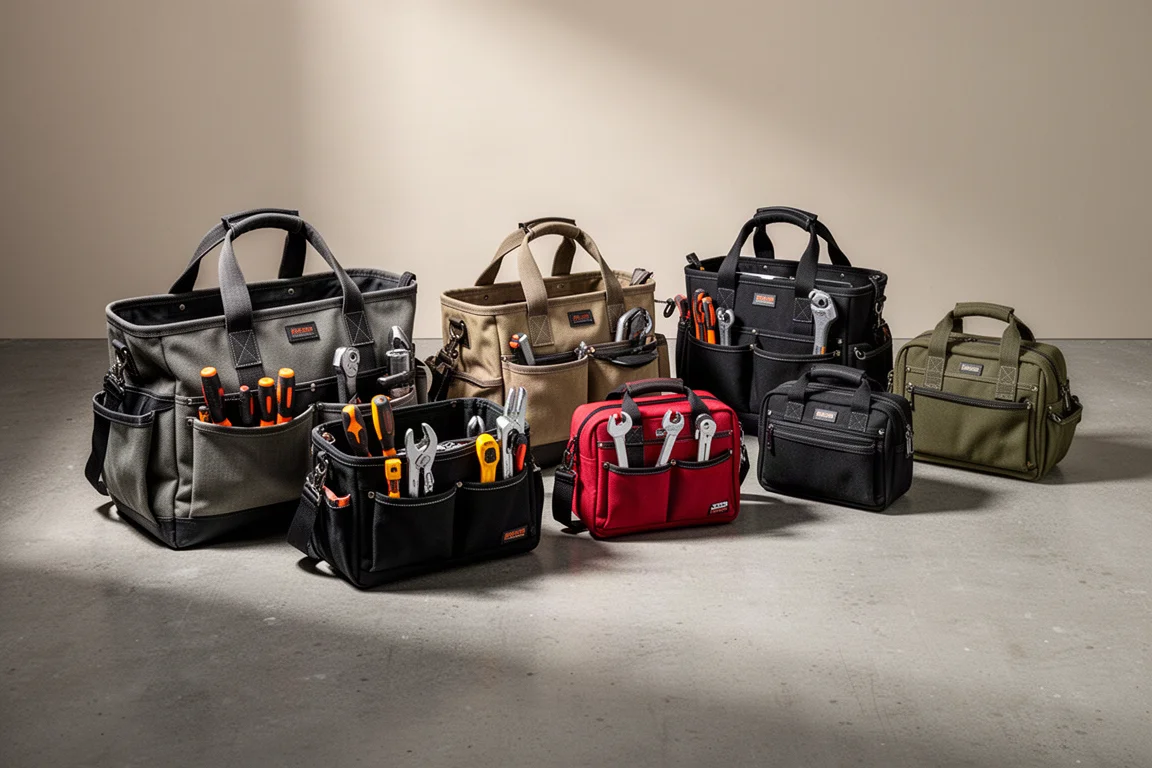
Introduction
Anyone who moves tools between job sites, garages, or staging areas eventually develops strong opinions about tool bags. After loading, unloading, and living with seven popular bags, a clear pattern emerged: the difference between a good bag and a frustrating one usually comes down to whether you can actually reach the bottom of it.
Some bags keep their structure, keep their pockets honest, and let you grab what you need. Others collapse inward the moment you reach in, tangling your hand among the very tools you are trying to retrieve. Here is how each one performed.
The Problem: What We Call the Venus Flytrap Effect
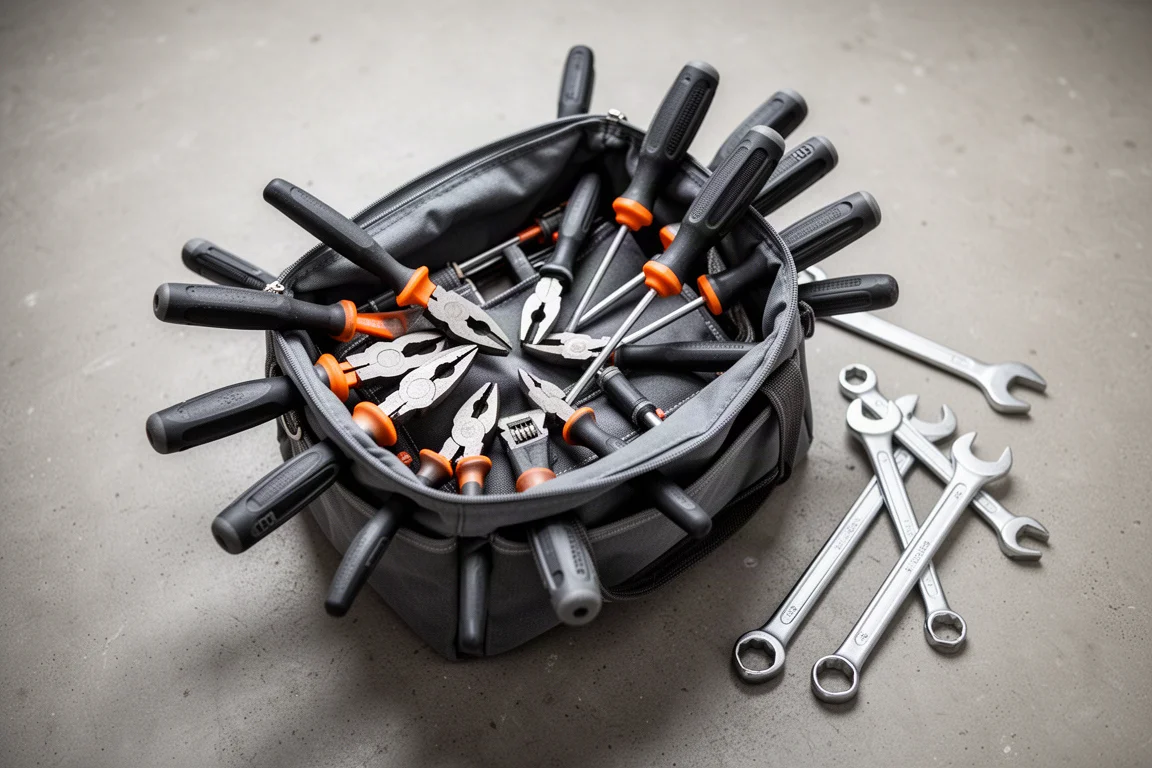
The recurring complaint across several of these bags is what we have started calling the Venus Flytrap effect. You open the bag, reach down toward the bottom for a specific tool, and the soft walls fold in around your arm. Pliers and screwdrivers close in like teeth, and instead of grabbing one tool you end up fishing through a collapsed maze.
It sounds minor until you deal with it daily. A bag that cannot stay open while loaded turns every retrieval into a two-handed struggle, and deep bags with no internal structure are the worst offenders.
The DeWalt Tool Bag
The DeWalt large bag is the most disappointing of the group, mostly because expectations were higher. It is water resistant, fairly large, and at its price point you would expect a better design. You can see down into the bottom when it is open, but actually getting down there is another story.
The moment you pull something out, the soft sides start to cover up the bottom, and the remaining tools seem to grab at you as the bag collapses in on itself. More structure inside would fix most of this. As it stands, it may need a homemade frame to behave the way a large bag should.
The Cry Pop Tool Bag
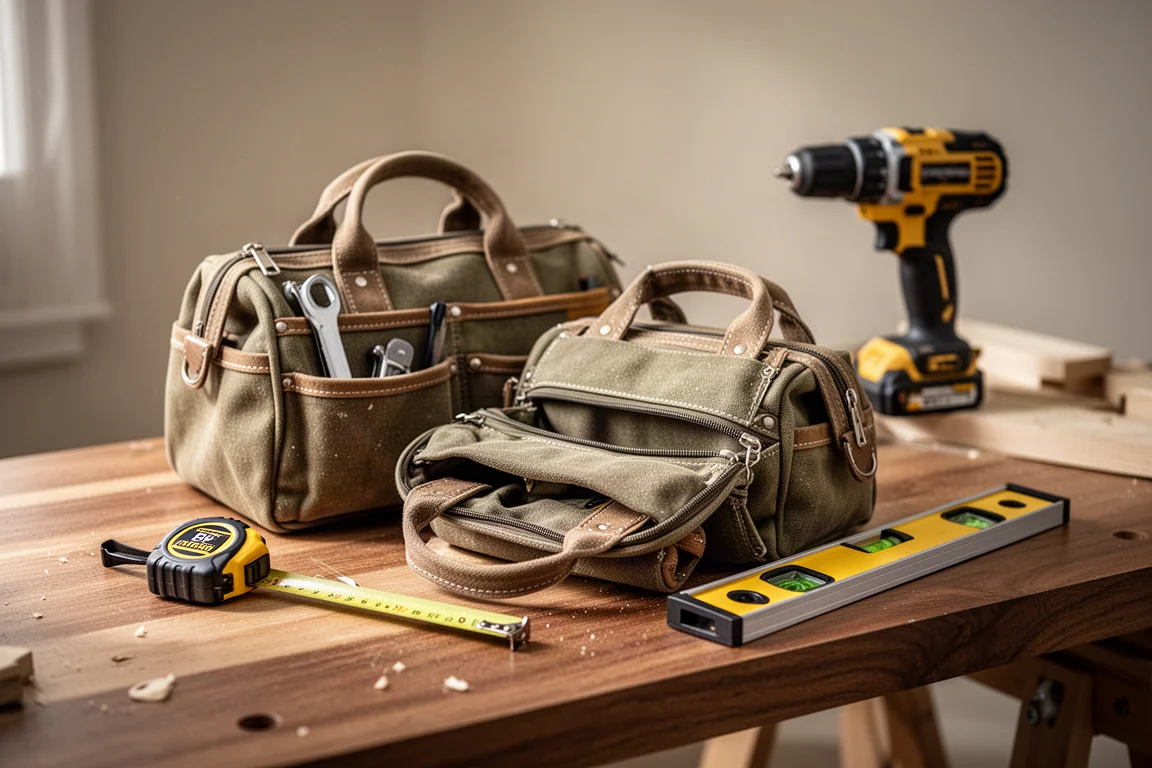
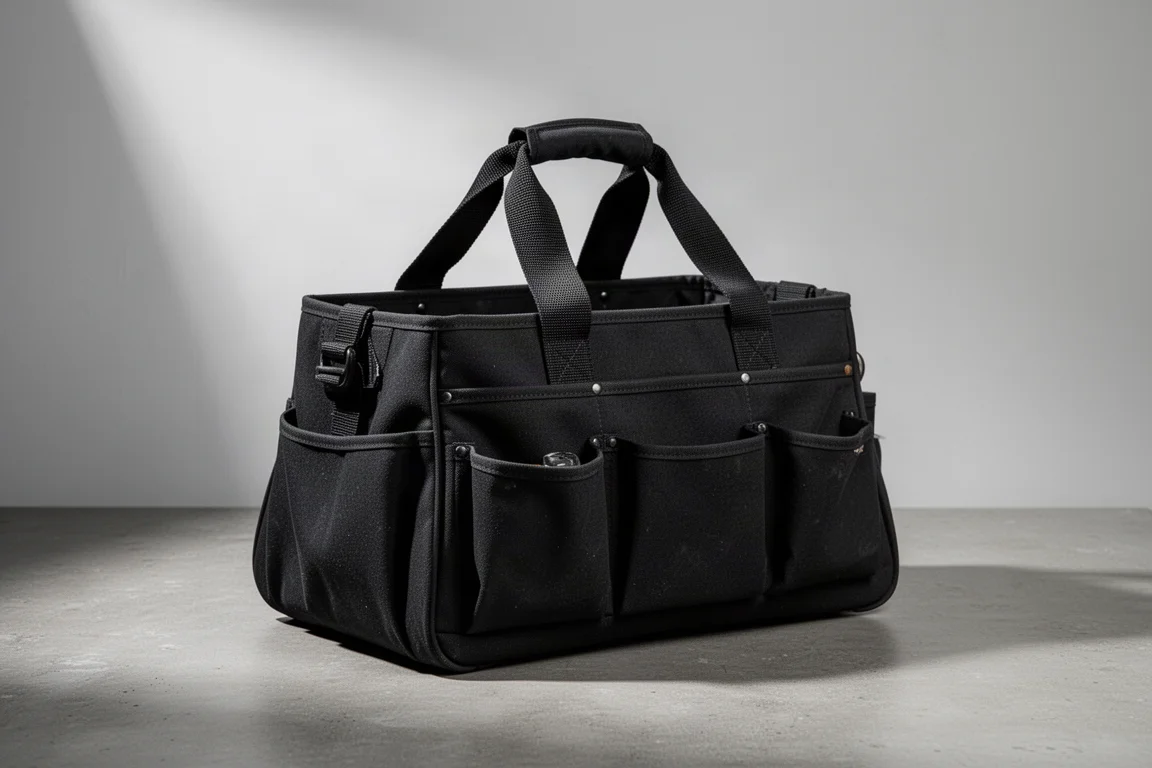
The Cry Pop is actually a solid little bag. It has a plastic base, which keeps the bottom firm, and a genuinely nice storage arrangement for its size. For a compact bag, it gets a lot right.
The catch is reach. Because it is small and the walls are soft, getting down into the bottom triggers the same Venus Flytrap effect: the opening closes in around your hand as you dig. It works best when you keep tools in the upper pockets and avoid burying anything important at the bottom.
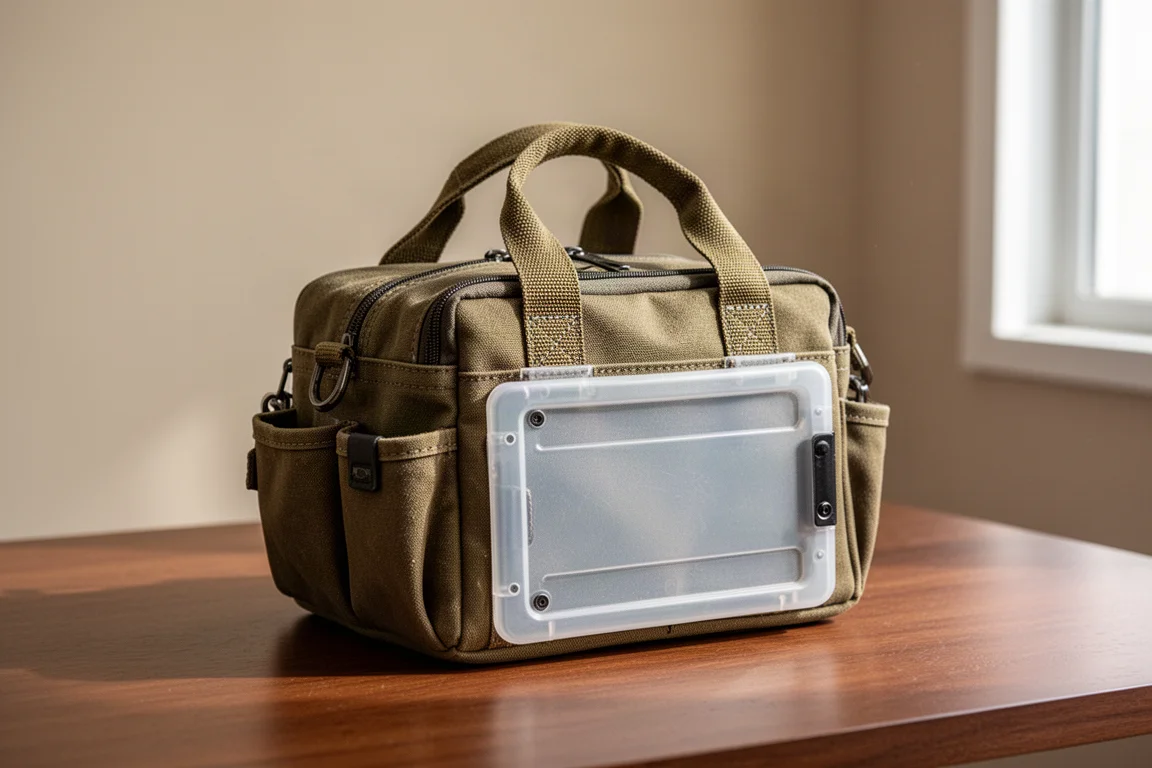
The Veto Tool Bag
The Veto is the counterexample that shows what the others get wrong. You can easily get at anything inside it. The bag holds its shape while loaded, the bottom stays accessible, and nothing collapses in around your hand.
That accessibility is the whole point of a tool bag, and the Veto delivers it consistently. If your priority is fast, frustration-free access to everything you carry, this is the one in the group that handles it best.
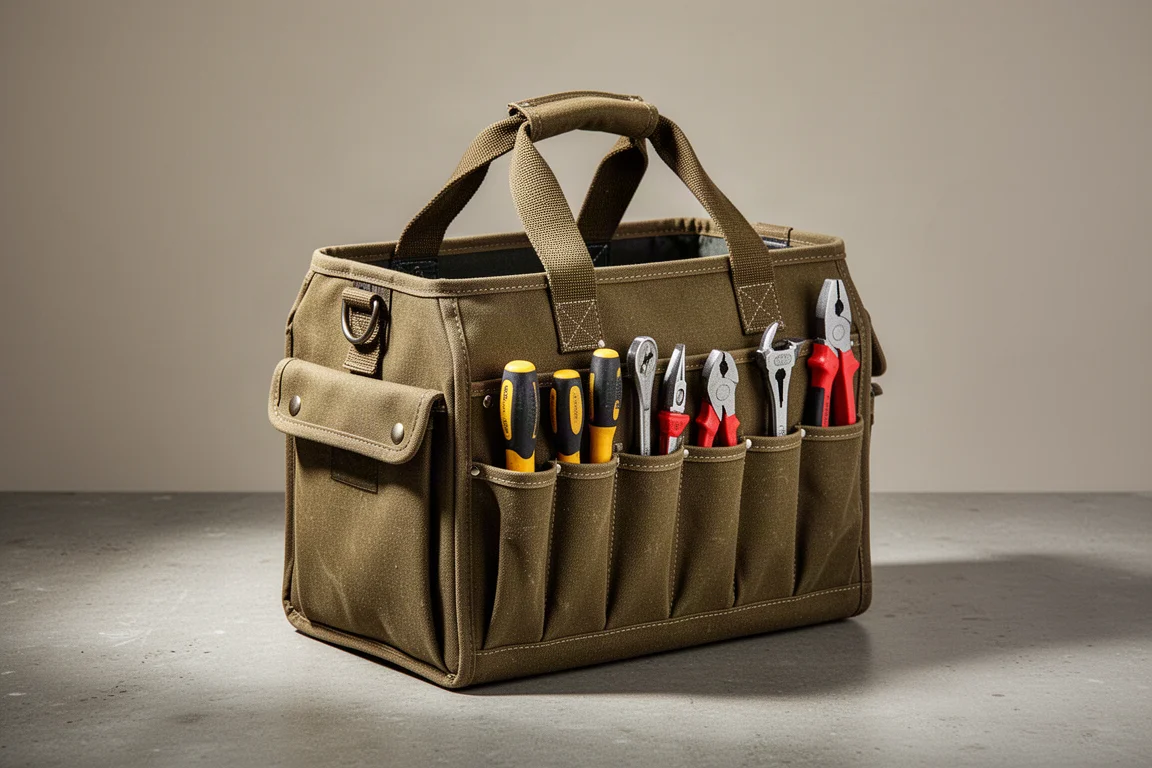
The Craftsman Professional Tool Bag
This Craftsman Professional is an open-top design, and larger open-top bags like it tend to lean over as they age. After extended use, the pockets stretch and the Venus Flytrap effect sets in too.
It also illustrates a pocket-depth problem: the side pockets are fairly short, better suited to nails or screws than full-length tools. Put tall items in them and they tip over quite a bit. As the bag gets older, those weaknesses compound.
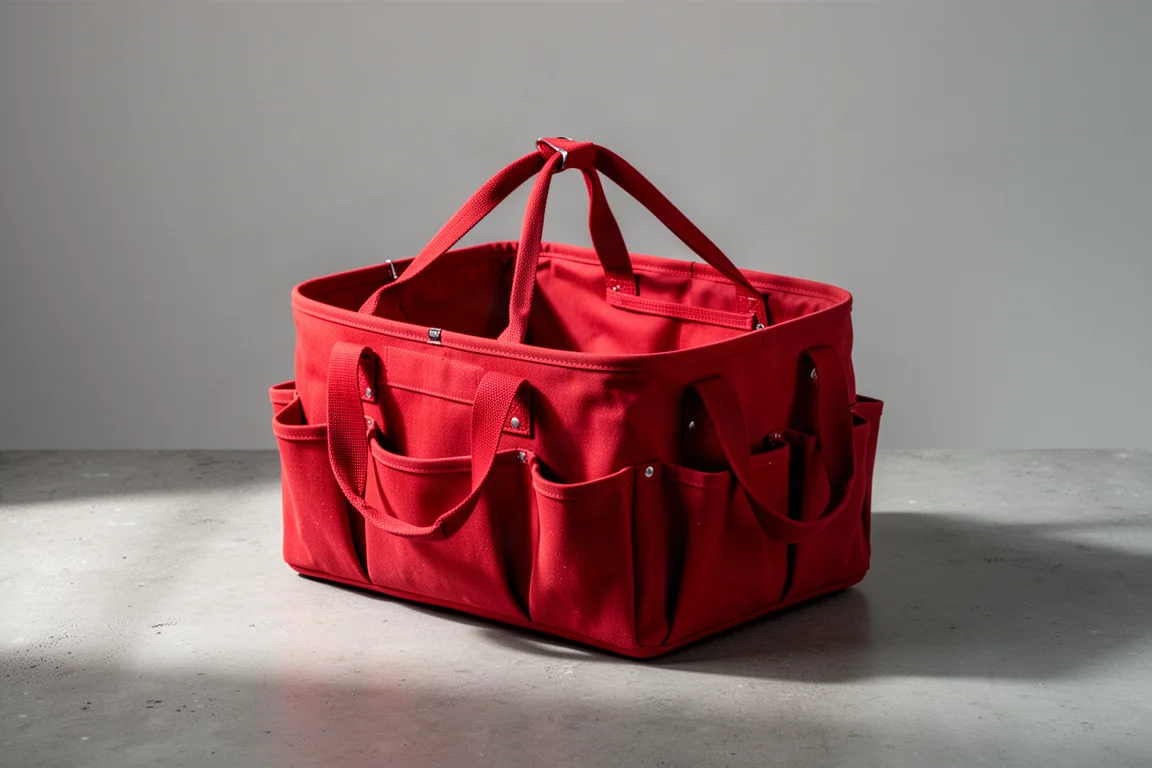
The Klein Tool Bag
The Klein stands out for its layout. It is nice and solid, the structure holds up when the bag is loaded, and everything is arranged so you can find and reach what you need without digging through a collapsed interior.
Among all the bags tested, this is one of the two that genuinely solves the access problem. The layout is thoughtful, the build feels sturdy, and it earns its place as a strong pick for tradespeople who open and close their bag constantly.
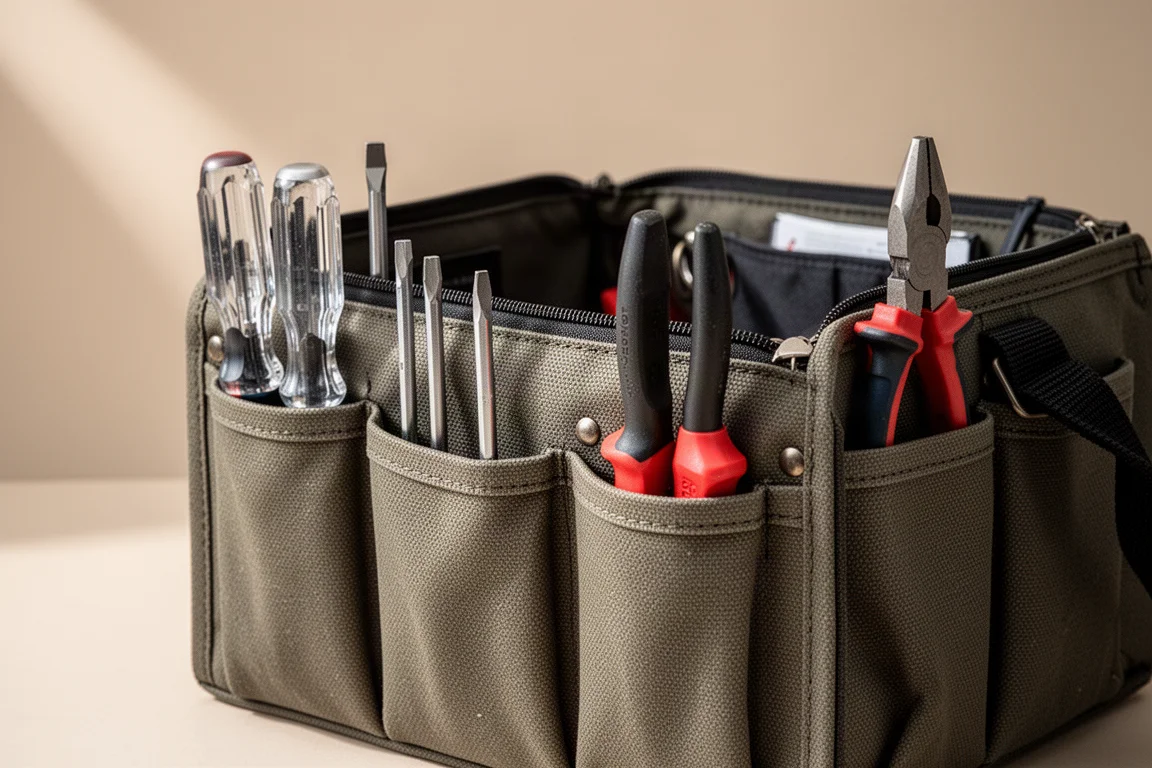
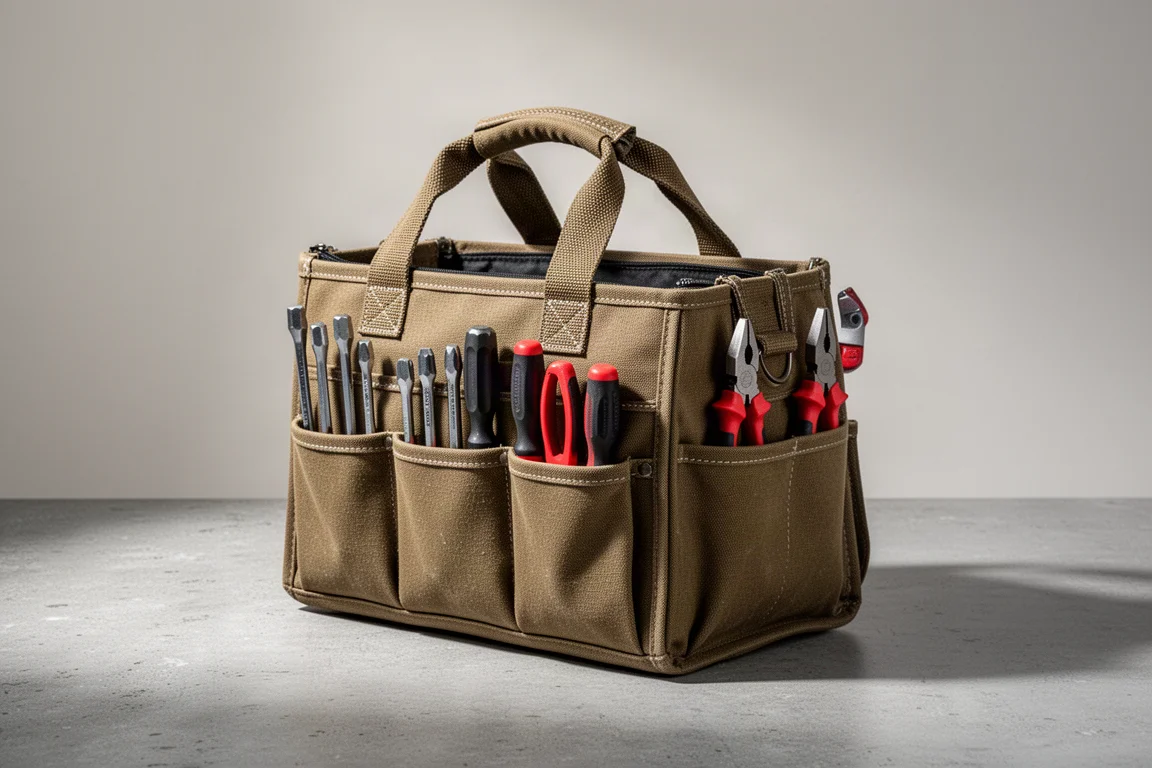
The Husky Tool Bag
The Husky in this group is being used more for storing electronics than heavy hand tools, so it is not fully loaded, but one design flaw is already clear: the tiny little pockets near the bottom mean the handles get in the way when you work around them.
Low-mounted small pockets are an awkward arrangement for any bag. If the Husky line is on your shortlist, check where the handles sit relative to the pockets before committing.
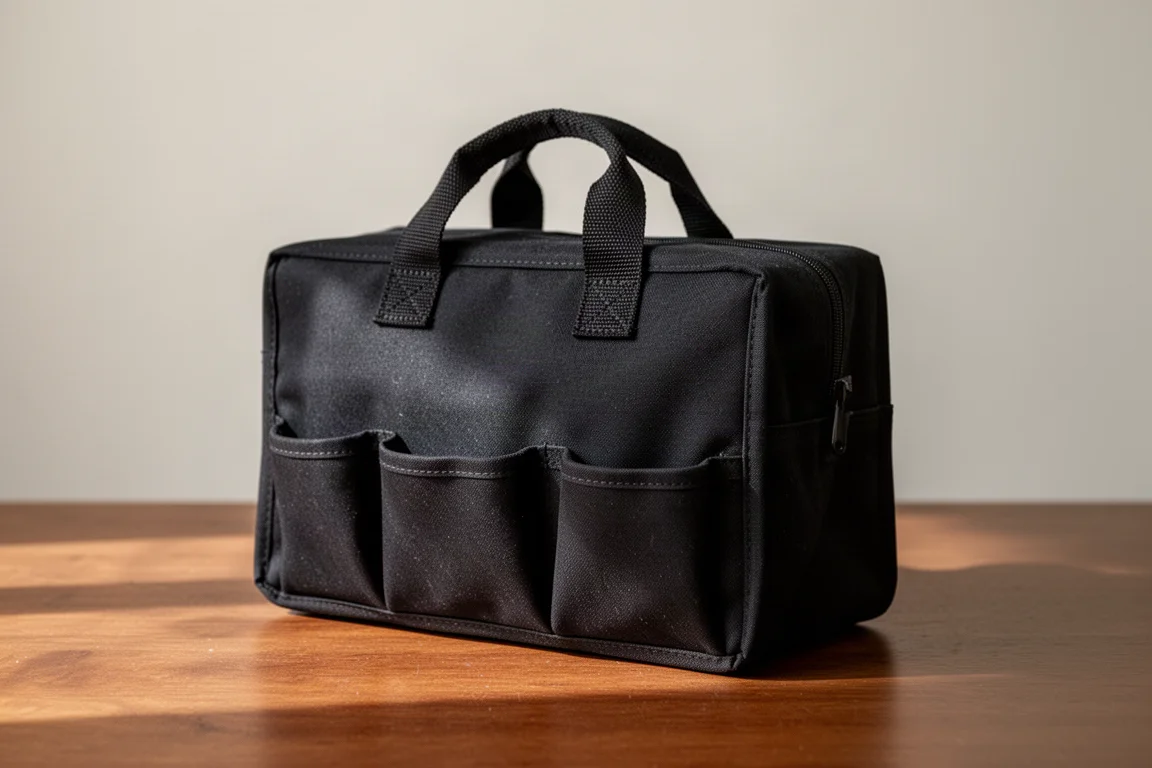
The Bucket Boss Tool Bag
The older Bucket Boss is starting to stretch out, and stretched pockets mean lost tools. The pockets are simply not as deep as they should be, and tools can slip out depending on how the bag is carried or set down.
There are a few taller pockets, but they fit tools really tightly, and getting something in or out risks ripping the fabric. Stretching fabric and tight pockets together make for a bag that wears down rather than wears in.
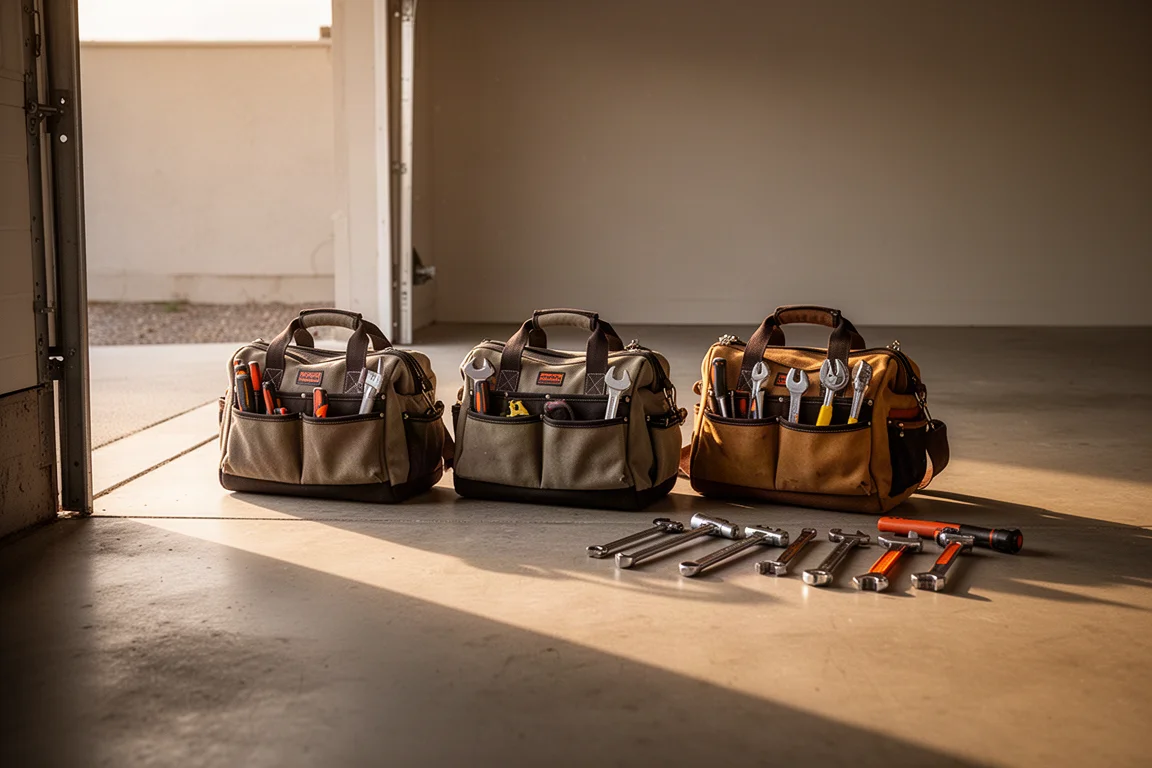
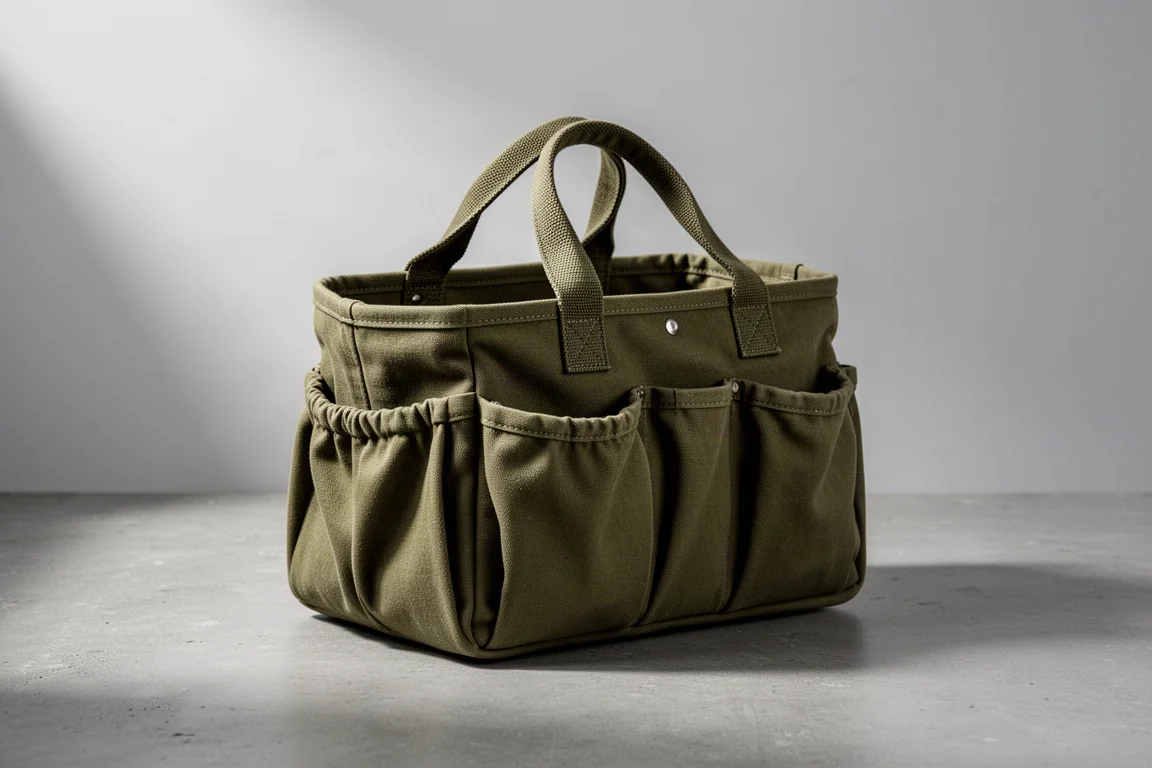
Buying Advice: How to Pick a Bag That Stays Open
The lesson from this group is simple: prioritize structure over size. A bag that holds its shape when loaded, with pockets deep enough to actually secure tools, will outperform a larger bag that folds in on itself. Plastic or reinforced bases help, internal framing helps, and well-positioned handles matter more than you would think.
If you can, load a bag before buying it. Reach to the bottom. Pull a tool out. If the walls collapse and the pockets swallow your hand, keep looking. The Veto and the Klein prove that accessible, structured designs exist at the usual price points.
Conclusion
Tool bags look similar on a shelf, but daily use separates them quickly. The Veto and Klein handle constant access well, the Cry Pop is a capable compact option with a plastic base, while the DeWalt, aging Craftsman, Husky, and stretched Bucket Boss each show the pitfalls: collapsing walls, short pockets, handle interference, and fabric that stretches out over time. Match the bag to how often you reach into it, and the frustration mostly disappears.
Further reading
Related Reviews

Tool Storage
Hilti ProKit Modular Storage System Review: A Sturdy, Stackable Tool Storage Solution
The Hilti ProKit modular storage system offers durable cases, a heavy-duty trolley, and a simple nesting latch design for professionals who need reliable tool organization.
Tool Storage
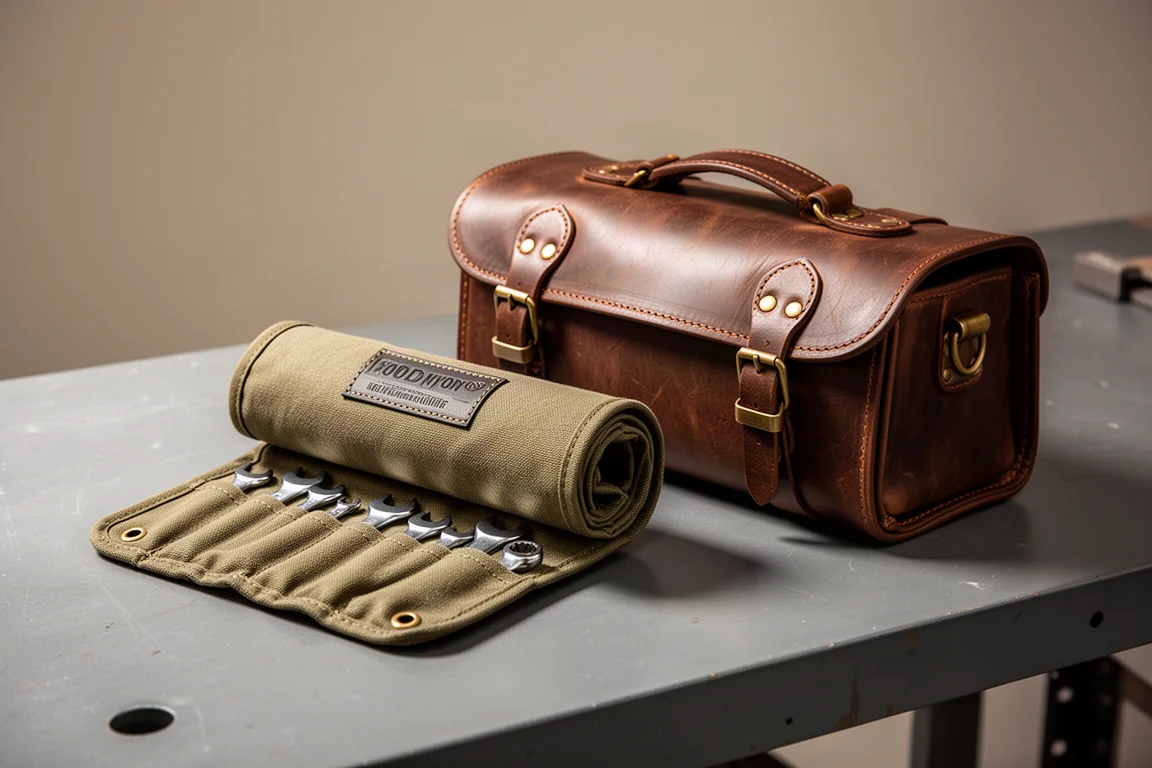
Atlas 46 Tool Rolls: Yorktown Mini and the Leather Classic Compared
Two tool rolls from Atlas 46 for different mindsets: a compact mini roll built for vehicle-based kits, and a heavy leather version for those who appreciate old-world craftsmanship.
Tool Storage
Atlas 46 vs Bucket Boss Tool Roll: Two Ways to Roll Your Tools
A first-impressions comparison of a premium American-made tool roll and a budget-friendly alternative, covering fabric quality, stitching, zipper layout, and storage design.