Hiking Gear
Best Thru-Hiking Gear for Long Trails: Seven Pieces That Earned Their Place on the Great Divide Trail
Seven thru-hiking essentials that handled 36 days and 1,100 kilometres in the Canadian Rockies, plus the trade-offs worth weighing before you buy.
Introduction
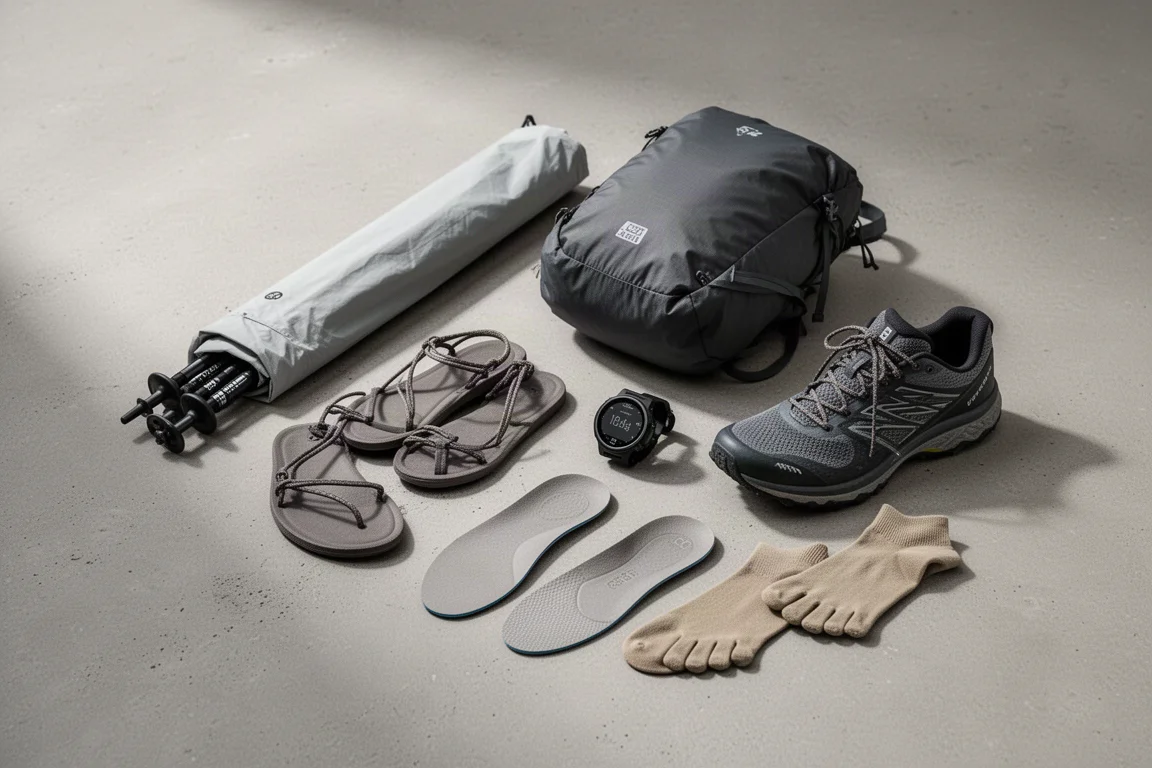
Some gear quietly disappears into the background of a long hike, and some gear actively makes hard days easier. Over 36 days and 1,100 kilometres on the Great Divide Trail in the Canadian Rockies, a small set of items did the second thing. Rain, snow, hail, cold humid nights, trackless route finding, and dozens of creek crossings all tested the kit, and a handful of pieces came out of it looking essential.
The list below covers seven items: a Dyneema shelter, a frameless pack, a GPS watch, minimal camp sandals, a cushioned trail shoe, a firm insole, and a pair of toe socks. Together they weigh very little, and each one solves a specific problem rather than adding features for their own sake.
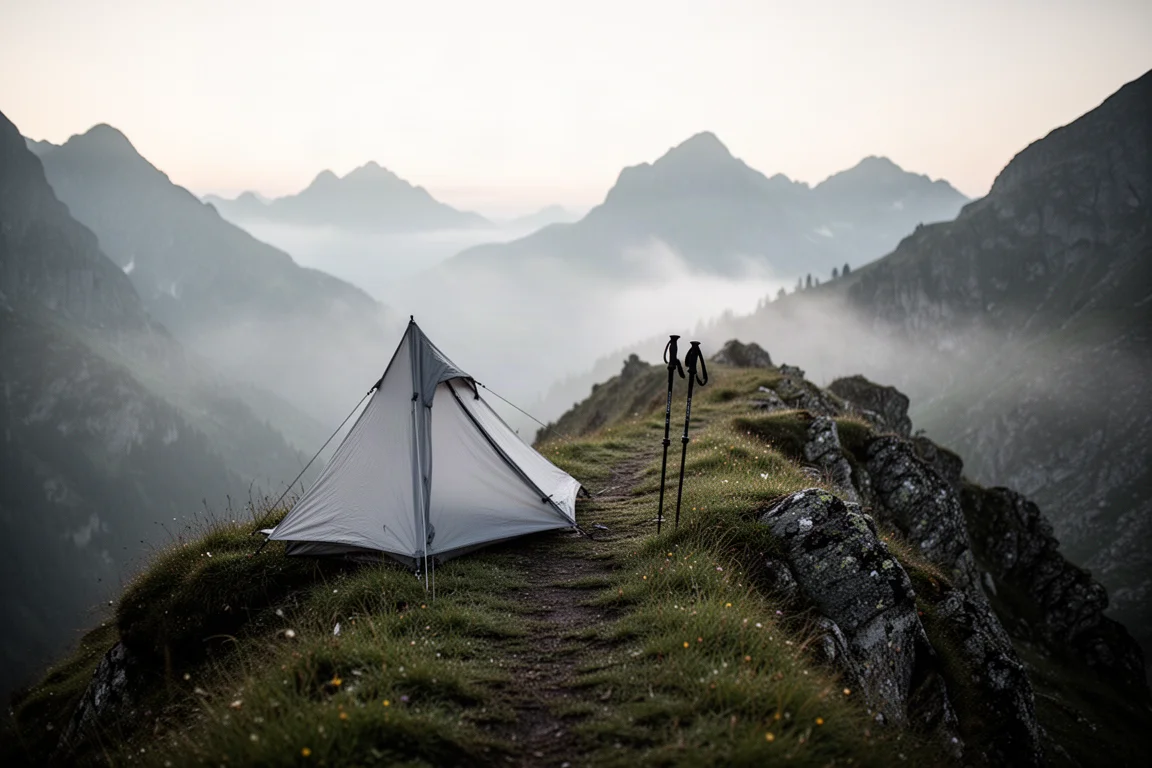
Several of these choices are unconventional. A shelter with no double wall, a pack with no hip belt, and sandals lighter than a phone all invite skepticism. What matters is whether they hold up under real conditions, and on this route they did.
Zpacks Ultraplex Tent
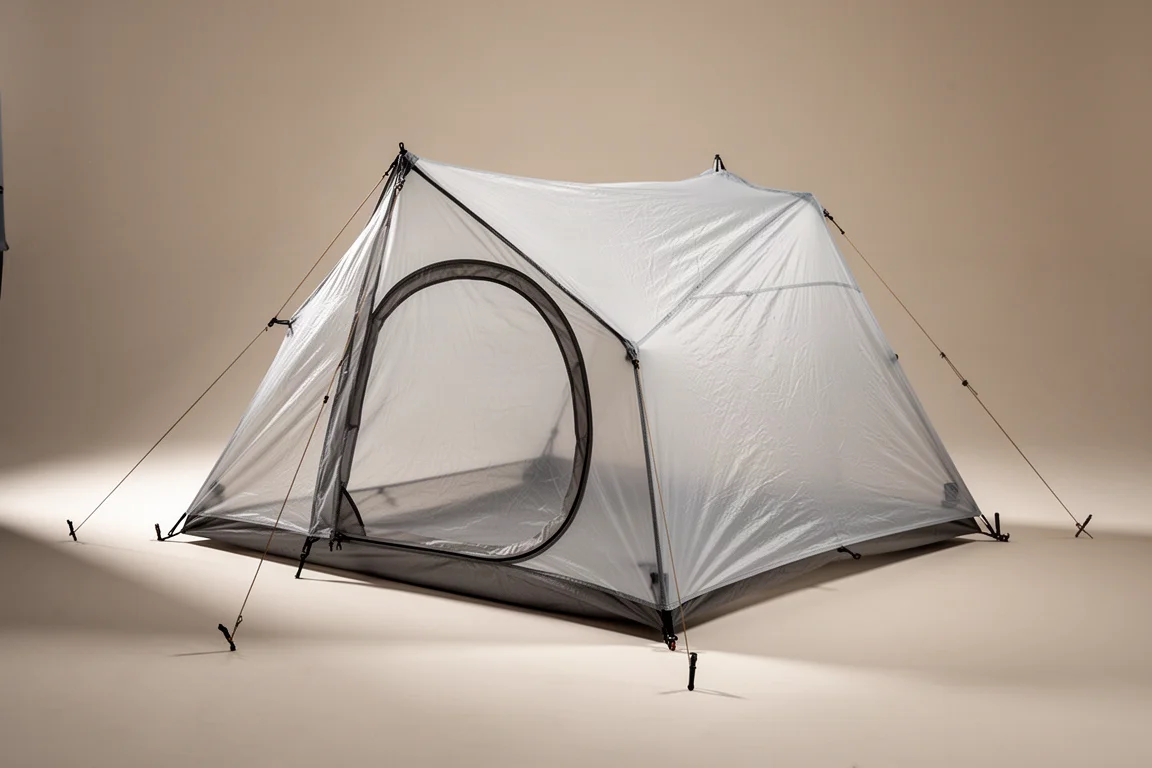
Weather on the Great Divide Trail does not negotiate. This single-wall shelter took rain, snow, and hail across the traverse and kept the sleeping setup dry throughout. At around 450 grams it stays firmly in ultralight territory, and it pitches quickly even when the rain has already started.
The bigger advantage is the material. Dyneema Composite Fabric is thin and light, and it does not absorb water or hold moisture. On cold, humid nights when condensation builds heavily inside a single-wall shelter, that difference shows: a quick wipe with a cloth removes the water, and the fabric itself is not carrying extra weight afterwards. The interior is also roomy enough that gear and a sleep system never brushed the walls.
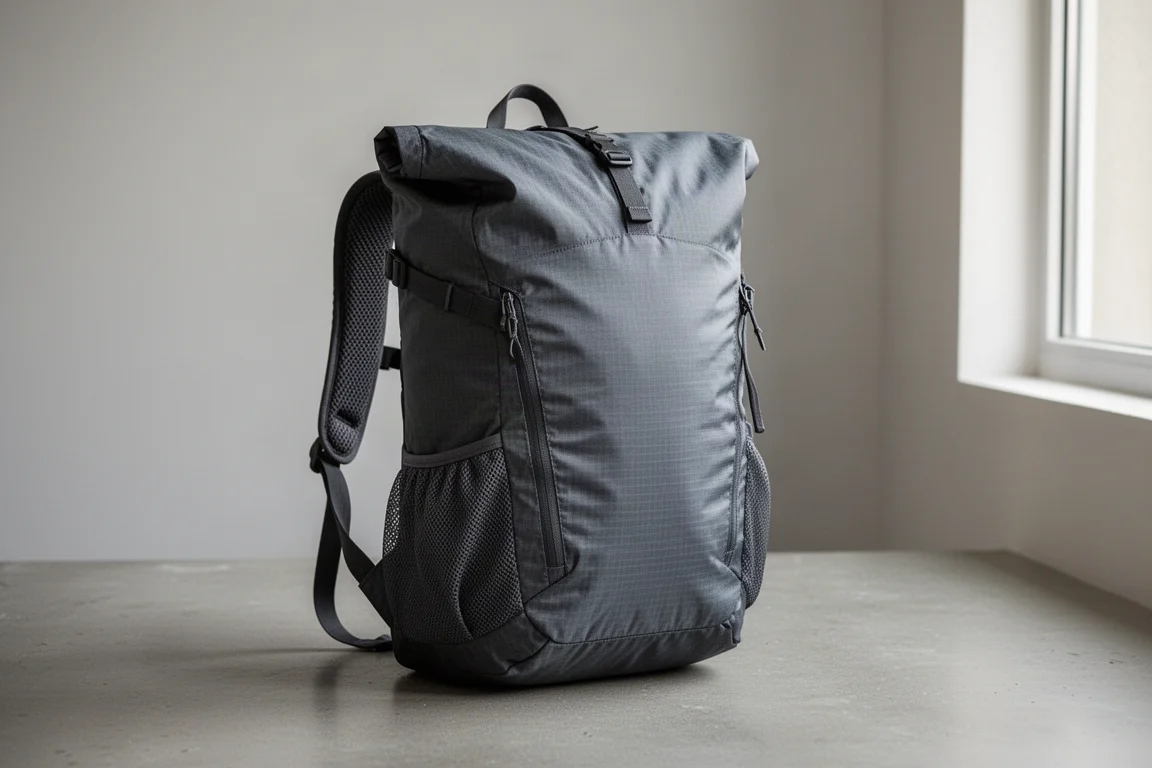
Zerk 40 Pack
Frameless packs without hip belts usually fall apart once the load gets serious, and this one was the exception. It carried a base weight of roughly 11 pounds with ease, and at its heaviest, just over 30 pounds during an eight-day food carry, it still stayed comfortable. Other frameless, hip-belt-free packs tested at that weight left shoulders sore.
The design pays off in movement. Without a hip belt and hip belt pockets, the hips stay closer to the ground when scrambling and closer to the rock when climbing. Organization is strong as well, with side pockets sized for snacks and genuinely usable pockets on the shoulder straps.
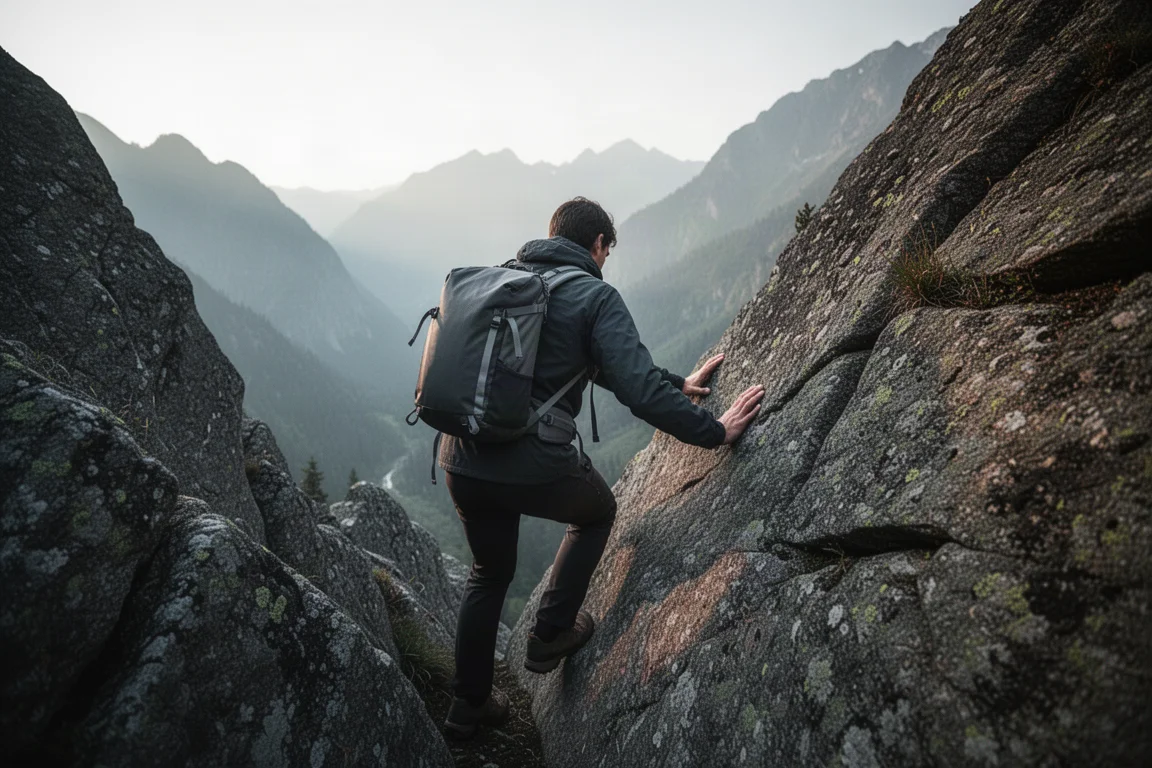
For hikers who keep base weight low, the trade-off is straightforward: less structure, more freedom of movement. Loads creep upward quickly when food carries get long, so this pack rewards discipline.
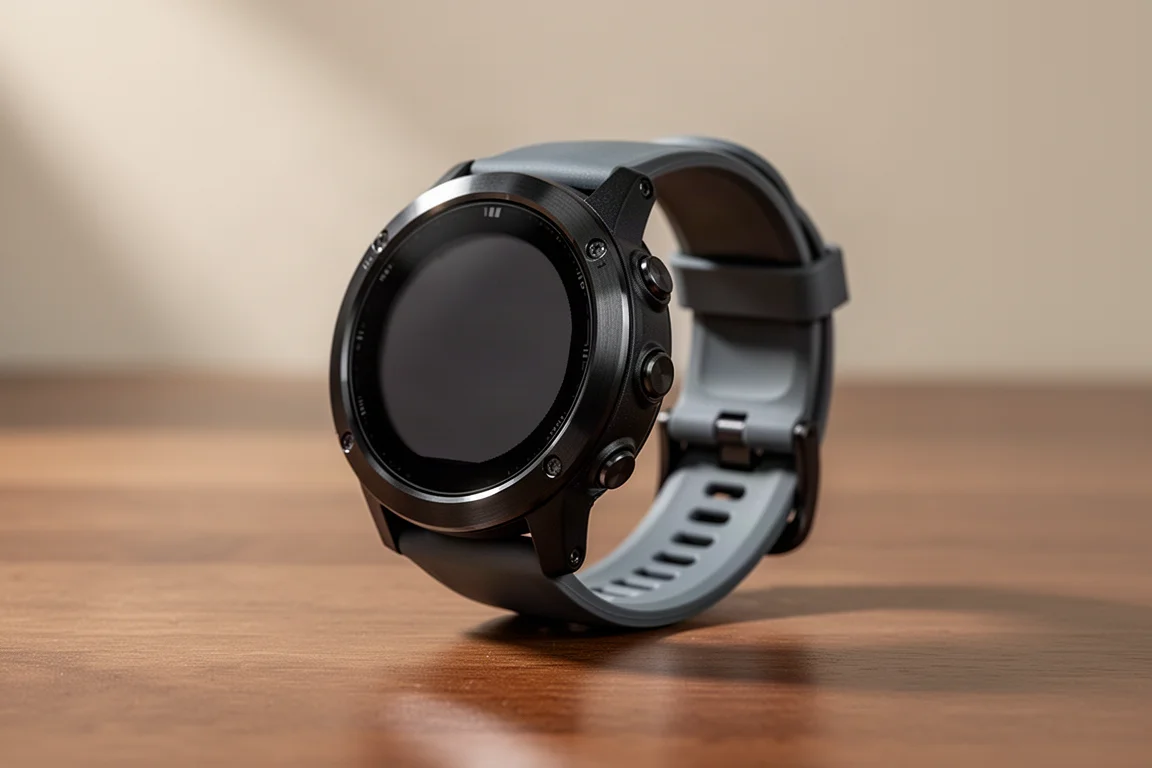
Garmin Fenix 6 Pro
Large stretches of the Great Divide Trail have no trail on the ground at all. Navigation there comes down to a compass and paper map, a phone app, or a watch, and this GPS watch turned out to be the most convenient option. Routes were planned day by day in a mapping app before the hike, downloaded, and then loaded onto the watch.
Each morning the day’s track went live on the wrist. Instead of stopping to pull out a phone or unfold a map, a glance down showed whether the route was still on line. That matters on days measured in dozens of kilometres, where every unnecessary stop adds up.
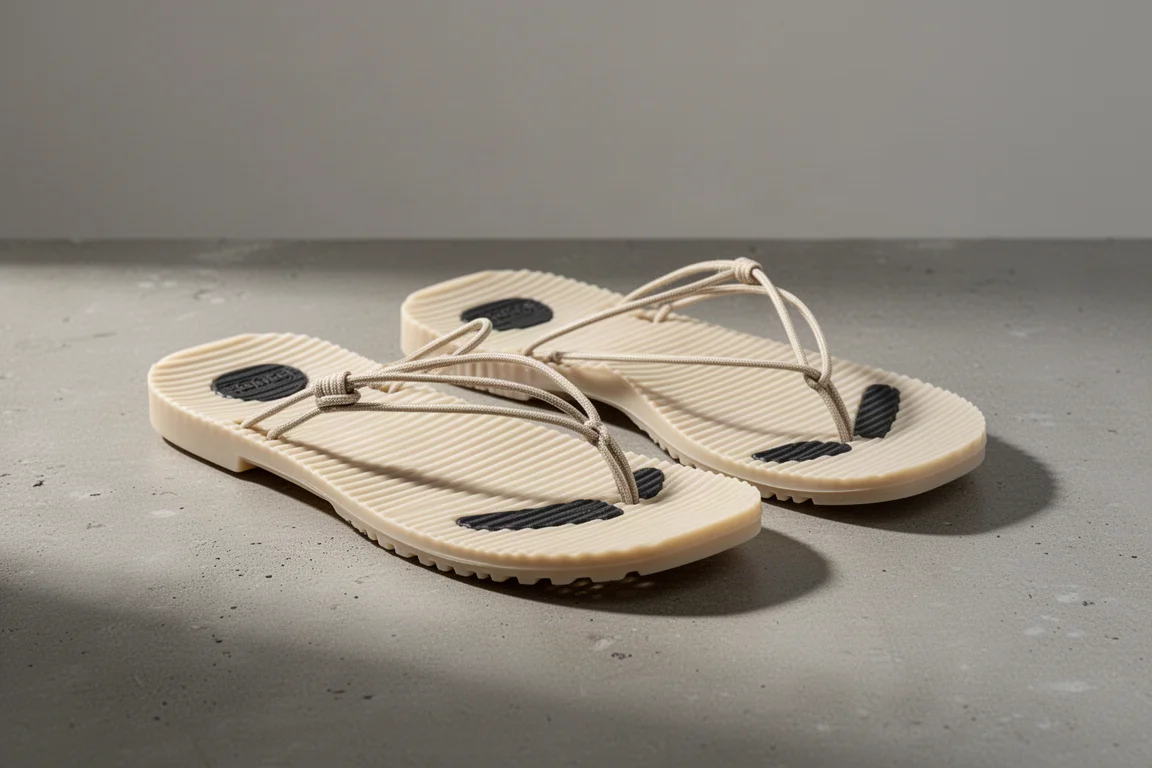
Mayfly Sandals
Camp shoes are a running argument among long-distance hikers: wonderful for tired feet, irritating for the weight. These sandals weigh about 50 grams, a fraction of typical camp shoes. The base uses a stiff, cardboard-like plastic sheet, and thin cord holds the foot in place.
The cord lacing is a little sloppy underfoot, but walking around camp is easy and town days are manageable. The real value comes after a long day of hiking. Feet get washed, and slipping them into a pair of light sandals instead of damp, smelly trail shoes is a small luxury that repeats every single evening.
Hoka One One Speedgoat 4
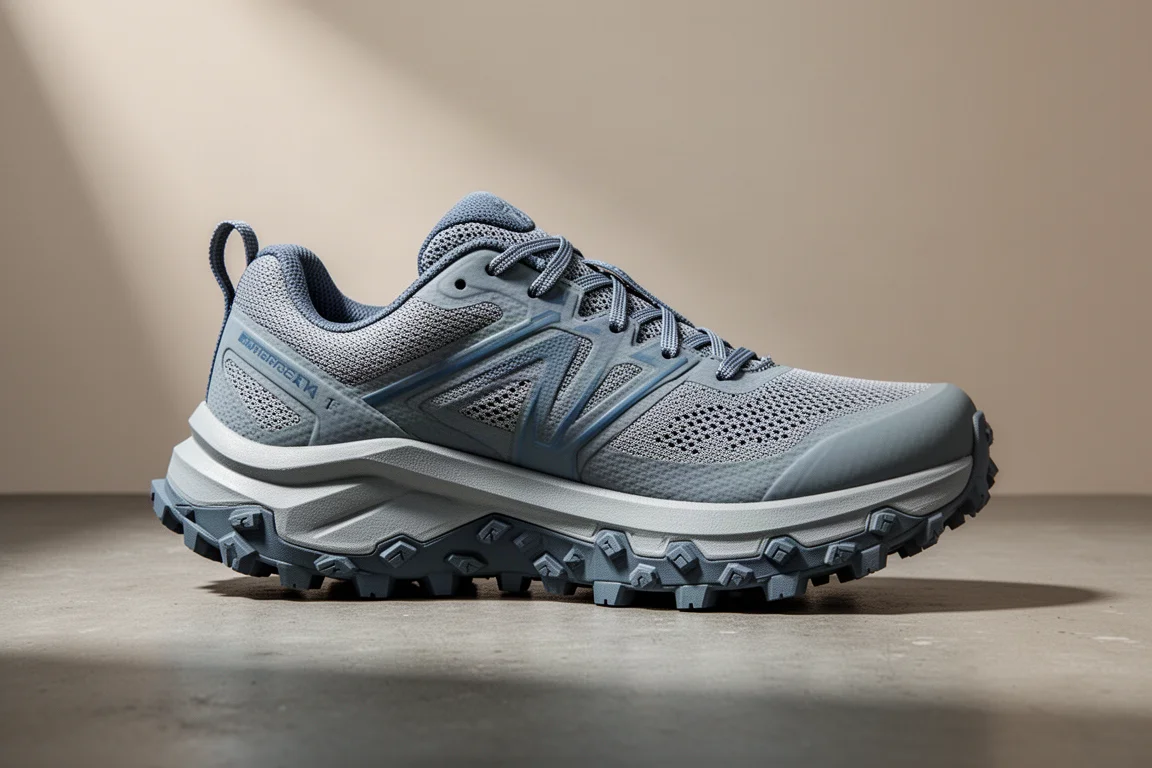
Footwear decides whether a long trail is enjoyable or miserable, and this shoe handled 1,100 kilometres without a single blister. Cushioning is generous, which reduces the pounding that long days put through the feet and the rest of the body. The Vibram MegaGrip outsole stays sticky on rock and holds up over distance.
Fit details matter just as much. A slightly wider toe box suits wider feet, and a well-shaped heel cup locks the heel down instead of letting it slide. Days over 60 kilometres and roughly 30 creek crossings produced no soreness and no hot spots.
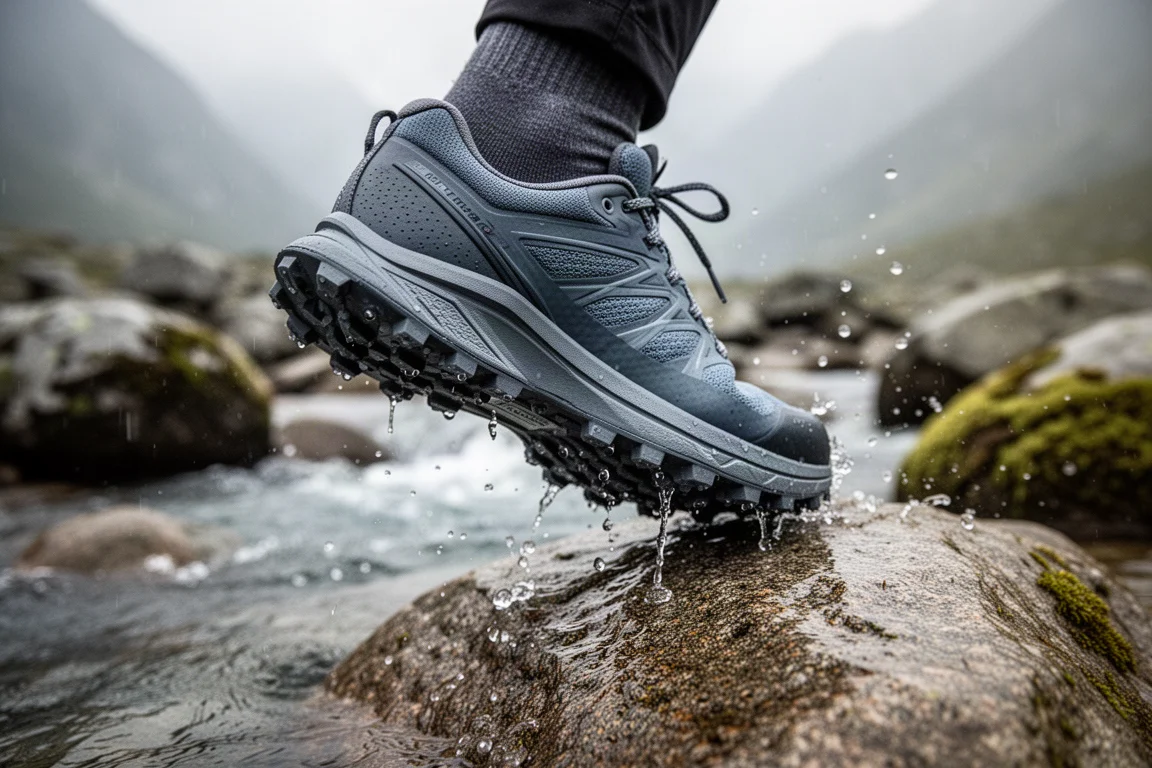
For hikers who prefer a firmer, lower shoe with more ground feel, this is not the match. For everyone else, the combination of cushioning and grip is hard to argue with on mixed terrain.
Superfeet Carbon Insoles
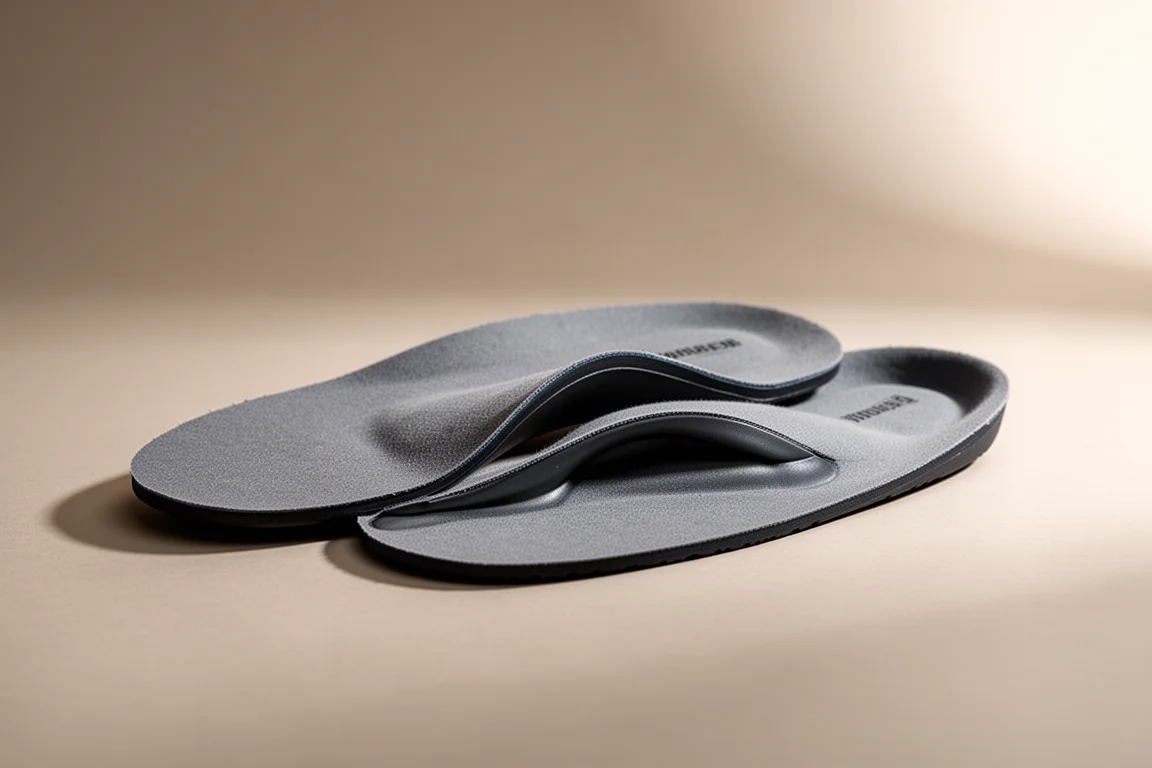
Insoles are easy to dismiss until long days start stacking up. This pair adds a firm, stiff arch support inside the shoe, which helps hold the foot in a supported position through hours of walking. Paired with a cushioned trail shoe, it kept feet comfortable across the full traverse.
The stiffness is the point, and it is also the thing to think about. Hikers who like a soft, flexible footbed may find the profile firm, and the insole takes up a little volume inside the shoe, so it works best in footwear with some room to spare.
Injinji Light Run Toe Socks
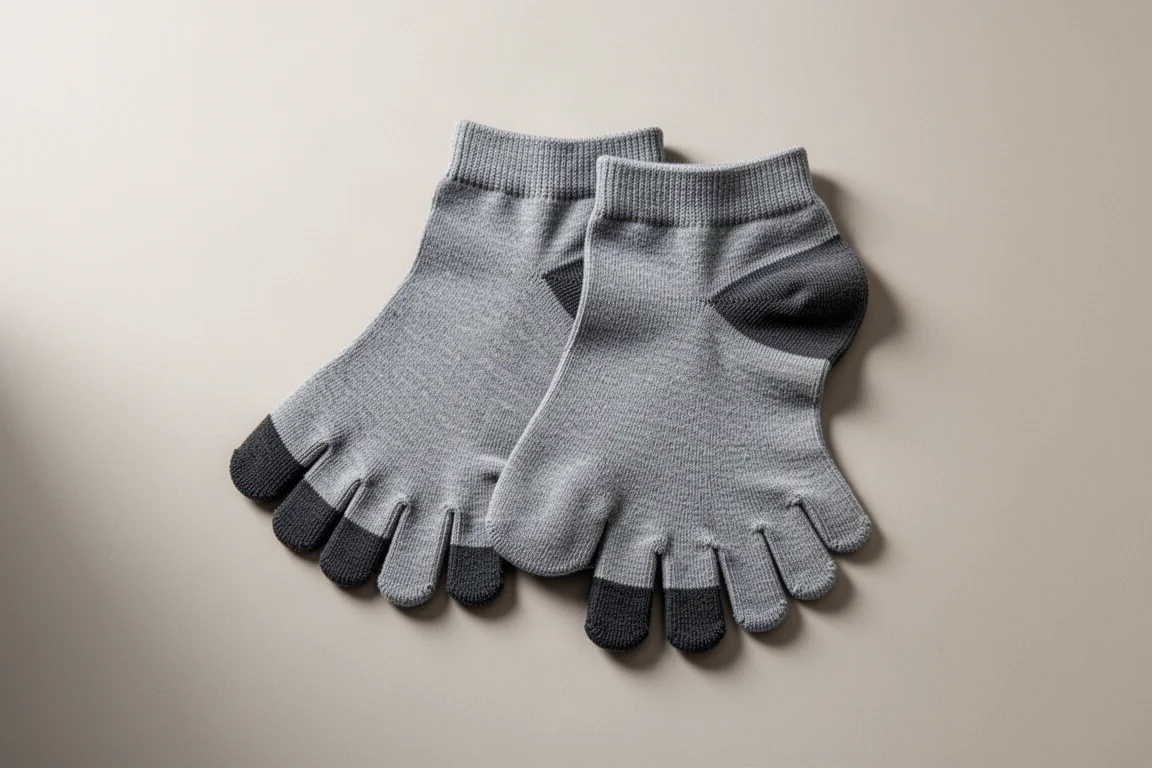
Toe socks look like a gimmick until the blister history says otherwise. This is the lightest version of the toe sock design, knitted from a synthetic material that is mostly polyester. The thin fabric dries quickly, holds very little moisture, and each toe sits in its own sleeve rather than rubbing against its neighbour.
Across the whole route there were no blisters, and the same pattern shows up widely among hikers who switch to toe socks: existing blisters settle down and new ones stop forming. The trade-off is minimal cushioning underfoot and a fitting routine that takes a few extra seconds each morning.
Buying Advice for a Long Thru-Hike
Every item on this list earned its place on one specific route, and that is the right way to read it. Start with the conditions you actually expect: how much rain, how cold the nights get, whether the route stays on marked trail, and how long the food carries run. A Dyneema shelter and a frameless pack both pay off most when base weight stays low, while a GPS watch earns its keep on routes where the trail disappears.
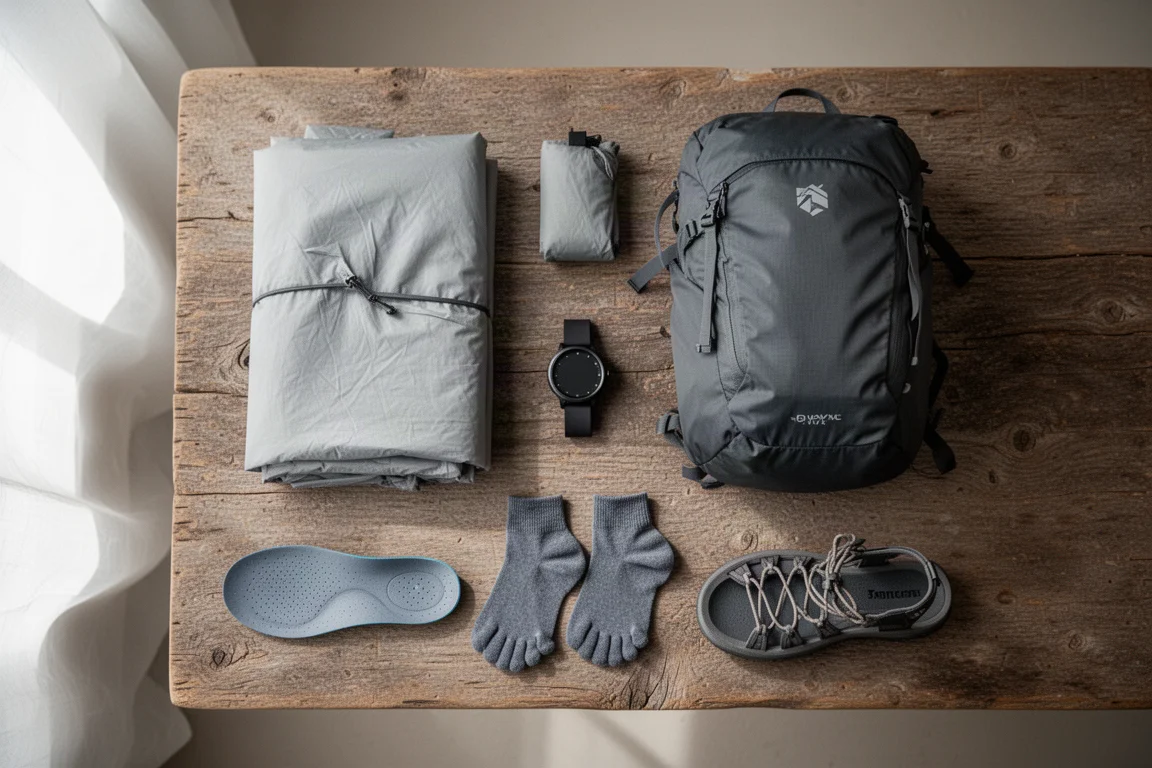
Footwear deserves the most attention. The shoe, insole, and sock combination is what carries a hiker through 60 kilometre days, and getting that combination right prevents the problems that end trips early. Cushioning, arch support, and a thin quick-drying sock layer work together rather than separately, so treat them as one system when you are choosing.
Weight is worth counting, but only after comfort and durability are settled. A pack that carries 30 pounds well, a shelter that sheds condensation, and a sandal that weighs almost nothing all reduce fatigue in ways that are hard to measure and easy to feel.
Conclusion
Seven pieces, one long trail, and a clear pattern: the best thru-hiking gear solves a specific problem. A lightweight shelter for wet, cold nights, a frameless pack for hip mobility, a watch for trackless navigation, and a carefully matched footwear system for day after day of walking.
Anyone building a kit for a long trail can start with those priorities and adjust from there. The items above held up over 36 days and 1,100 kilometres in the Canadian Rockies, which is about as honest a test as outdoor gear gets.
Further reading
Related Reviews
Hiking Gear
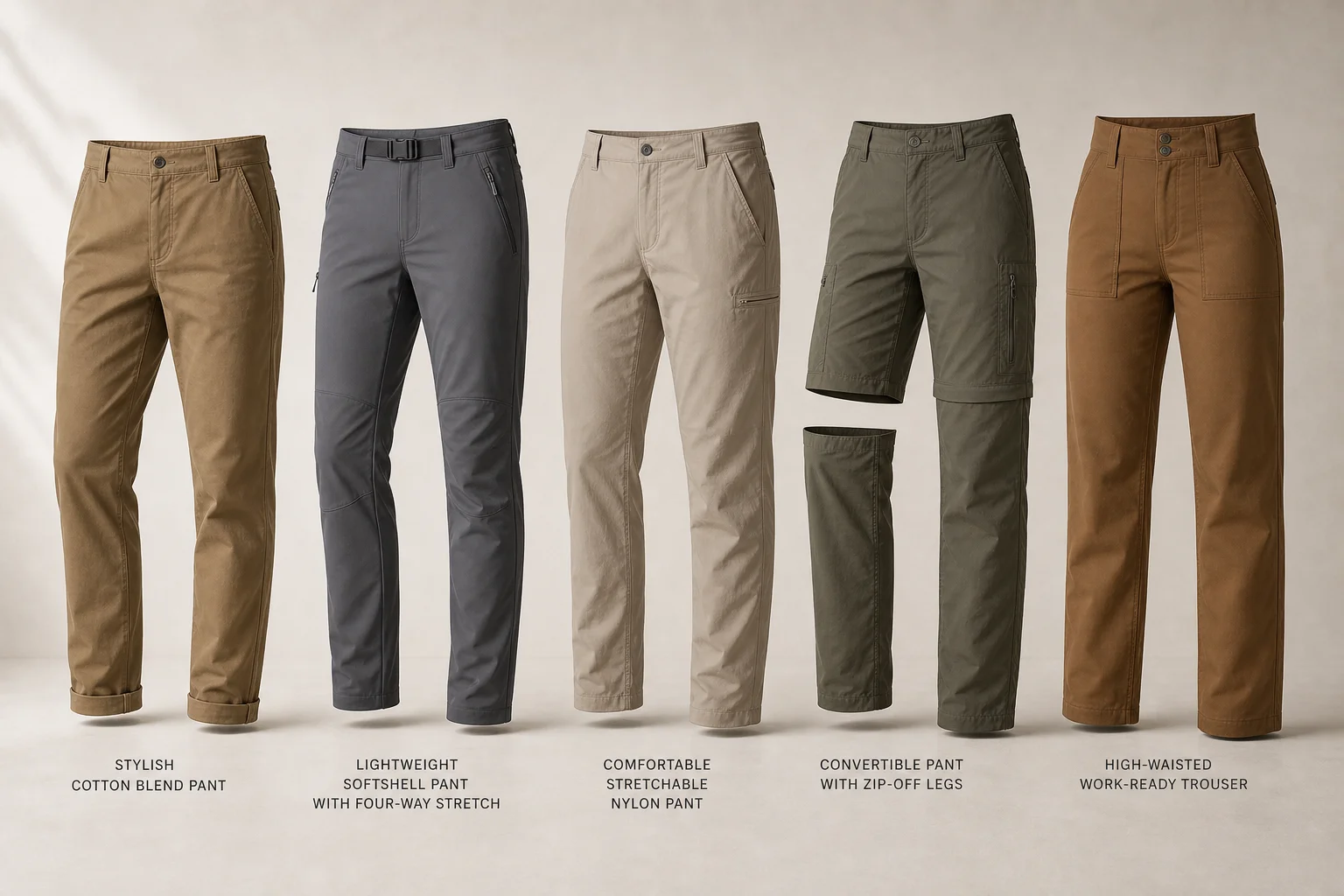
Best Hiking Pants on Amazon: Five Practical Options for Different Needs
A practical review of five hiking pants with clear strengths and trade-offs, from lightweight convertible styles to durable work-ready trousers.
Hiking Gear
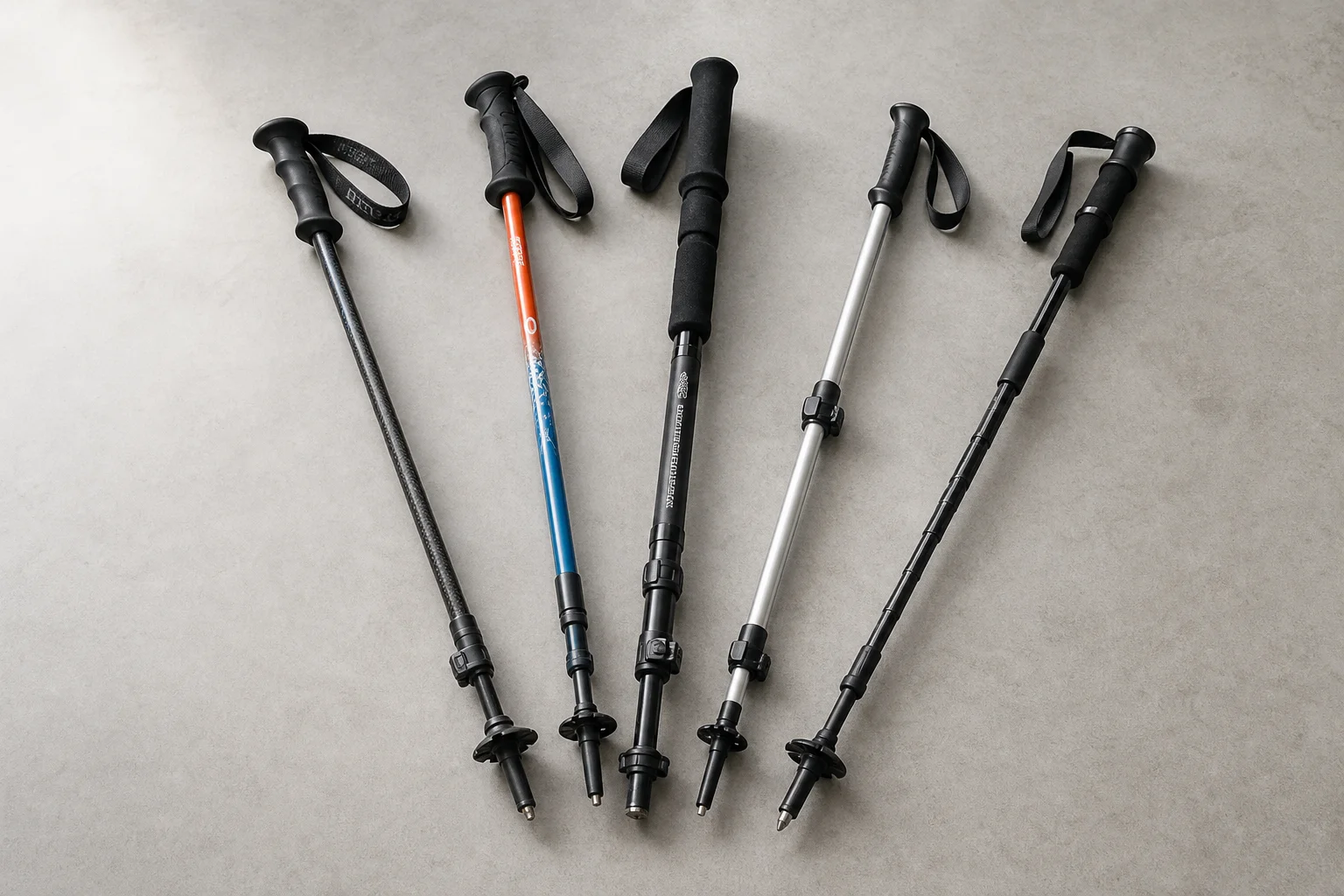
Best Hiking Poles 2026: Five Options for Different Trail Needs
A practical review of five hiking poles, from lightweight carbon designs to versatile all-terrain options, with clear strengths and trade-offs for each.
Hiking Gear
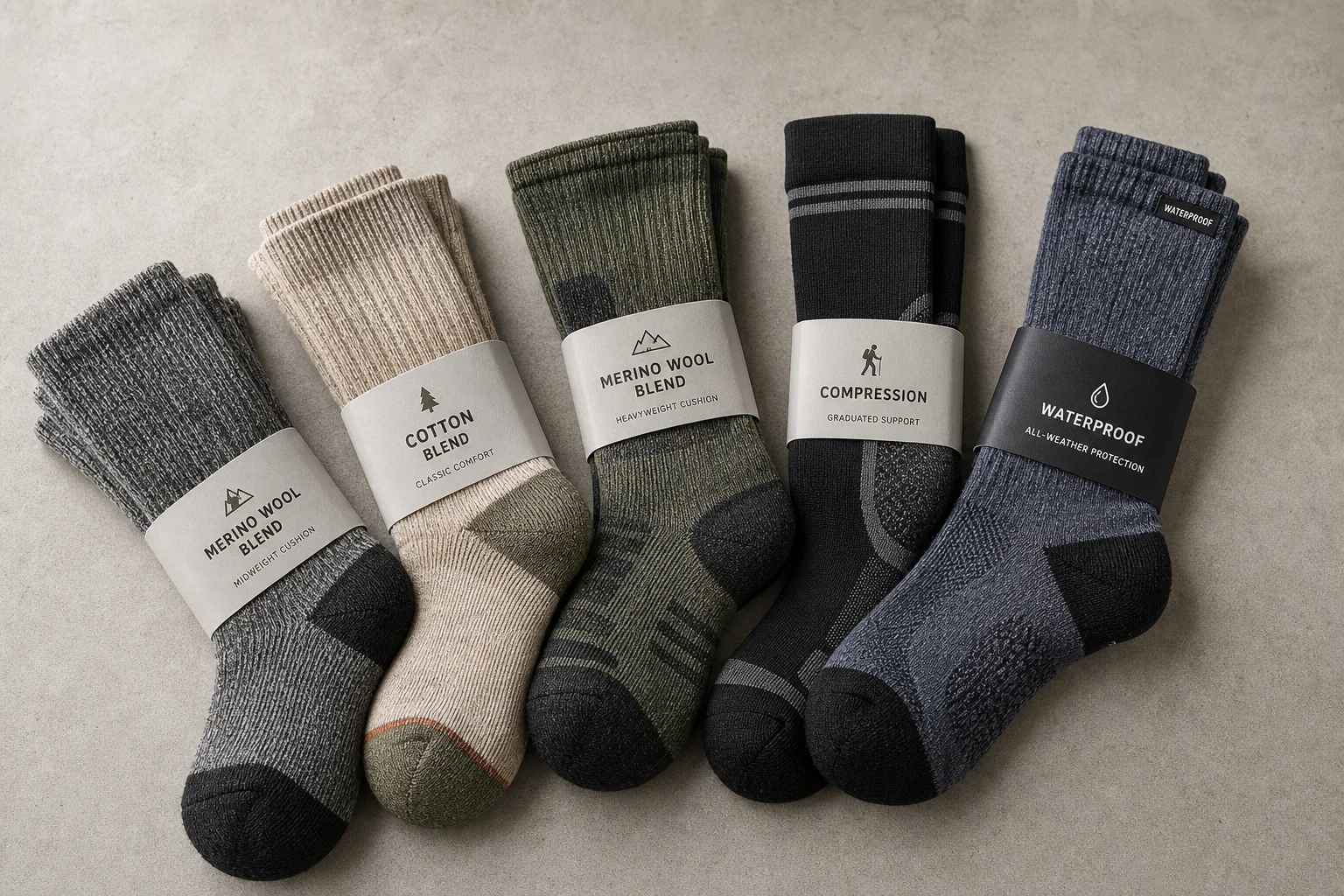
Best Hiking Socks 2026: Five Top Choices for Different Trail Needs
A practical roundup of five hiking socks, from lightweight merino options to heavy-duty compression styles, with clear guidance on which suits your outdoor activity.