Telescopes
Best Telescopes for Kids: 3 Beginner Picks That Actually Work
Three beginner telescopes that pass five practical requirements for young stargazers, plus family stargazing tips that make the hobby stick.
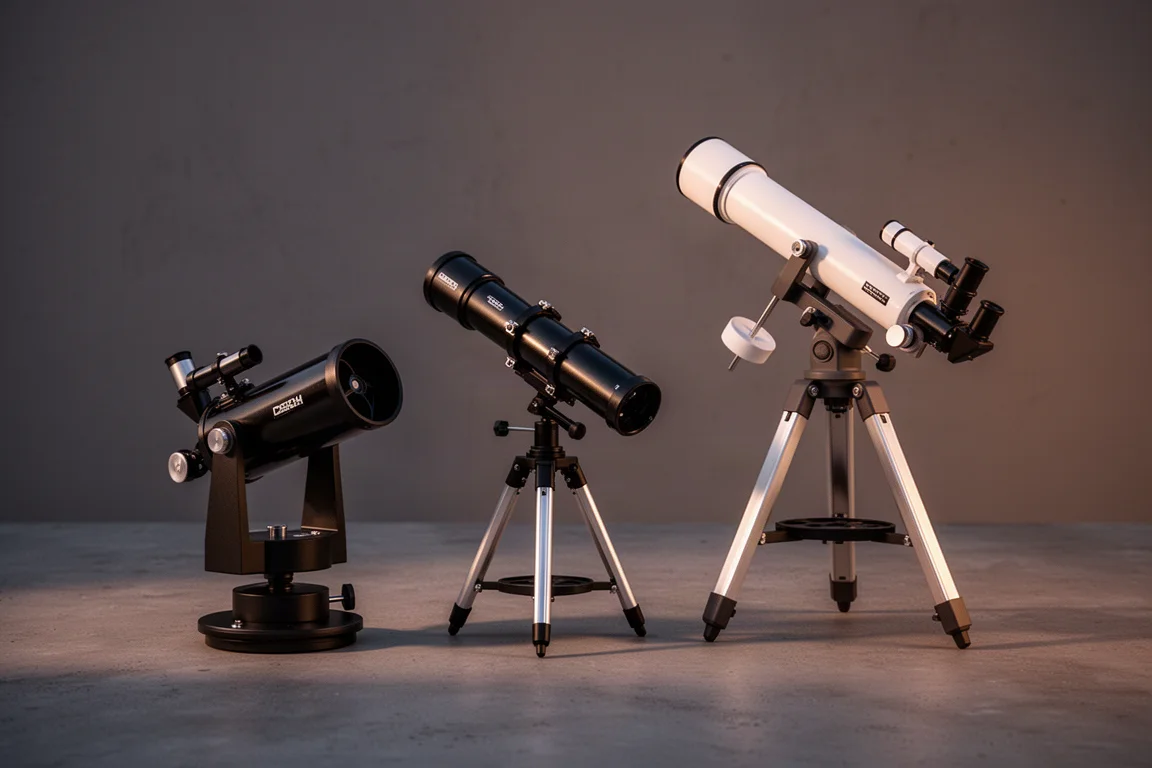
Introduction
Most telescopes marketed to kids are terrible. They magnify poorly, wobble on flimsy tripods, and frustrate young users until the hobby dies before it starts. The result is a generation of children who think telescopes simply do not work. It does not have to be that way. A telescope, used correctly, is one of the most powerful tools for inspiring the next generation about science, and children are often fascinated by the instrument itself as much as by what they see through it.
This guide covers three telescopes that pass a strict set of beginner requirements and have proven themselves with real family use over years of observing.
Five Requirements for a Beginner Telescope
Before looking at specific models, it helps to understand what separates a real telescope from what is often called a bird feeder telescope, a scope designed for terrestrial peeping rather than looking at space. Cutting corners on a first telescope is like buying a guitar without strings and expecting a child to learn to play.
- At least 4 inches (100 mm) of aperture. Aperture determines resolution. Any telescope will magnify the moon, but magnification is largely irrelevant without aperture. A small scope pushed to 250x will show nothing but a blurry mess. Aperture is what reveals fine detail on the lunar surface, Saturn’s rings, and deep sky objects like globular clusters.
- A red dot finder. Small finder scopes are frustrating even for adults: the view is hard to see and usually reversed, so stars move the opposite way from where you push. A red dot or bullseye finder simply projects a dot onto the sky without magnifying anything.
- Effortless movement in any direction. Avoid anything with EQ in the name. Equatorial mounts restrict movement and frustrate beginners. A small Dobsonian is the easiest to use: just hold it by the opening and point it anywhere.
- It stays where you put it. Rod-and-yoke mounts and anything on a camera-style tripod tend to stick and then jump, letting objects drift out of view.
- Easy to use pointed high in the sky. For refractors, that means a 90-degree star diagonal, not 45 degrees. Bird feeder scopes become nearly useless above about 30 degrees, which is exactly where the interesting objects live.
Orion SkyScanner: Best Budget Pick
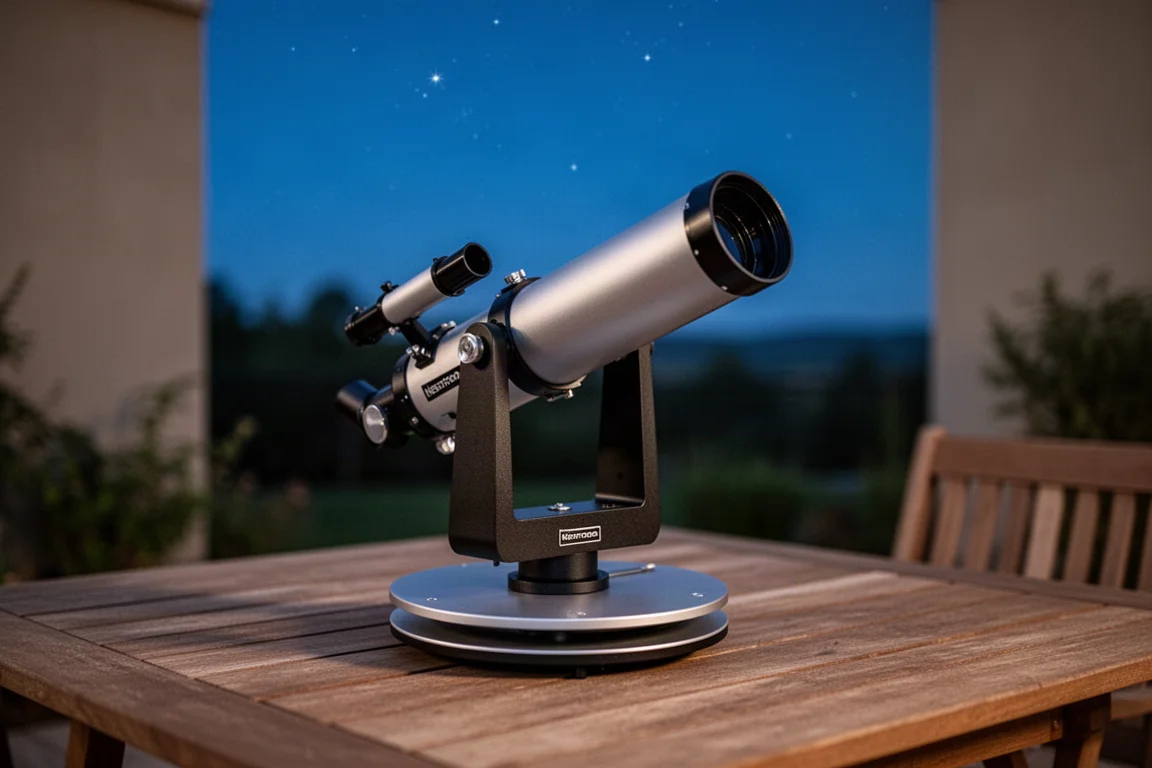
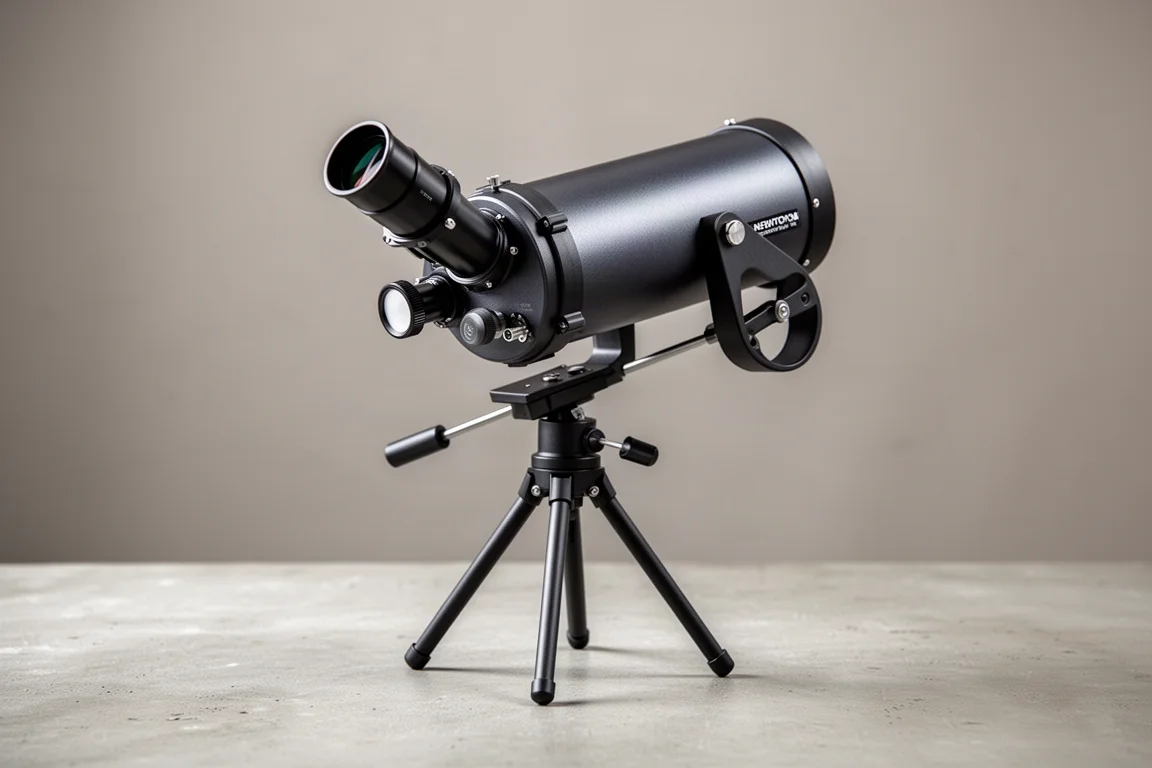
The Orion SkyScanner is a mini Dobsonian, essentially a Newtonian telescope sitting on a lazy-Susan-style base. It generally comes with two eyepieces and a red dot finder, and it passes all five requirements above. Priced at around $129, it is the natural choice for families on a budget, and it has delivered years of enjoyable observing.
Explore Scientific 114: Easiest to Use
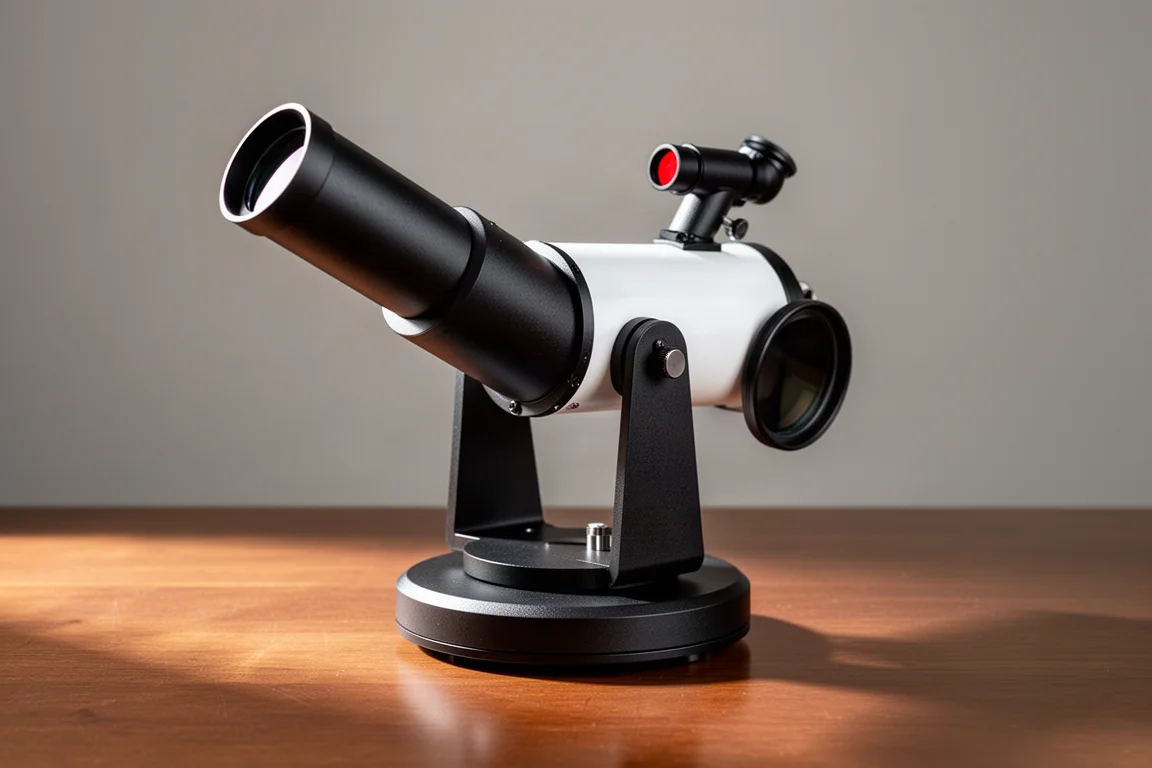
The Explore Scientific 114 is by far the easiest telescope in this group to use, and that ease of use more than makes up for optical performance that falls slightly short of a 100 mm refractor. It has handled the moon and planets well, along with brighter deep sky objects like the dragonfly cluster.
One warning applies here: many 114 mm Newtonians on the market have been, in effect, Bird-Jones designs. These use focal ratios of f/8 or higher with an extra lens hidden inside the focusing assembly, doubling magnification for marketing purposes while compensating for a poor mirror. The result is a telescope that is harder to use, with views that are simply not that great. Stick with a properly designed example.
Celestron Omni 102: Best Overall Beginner Scope
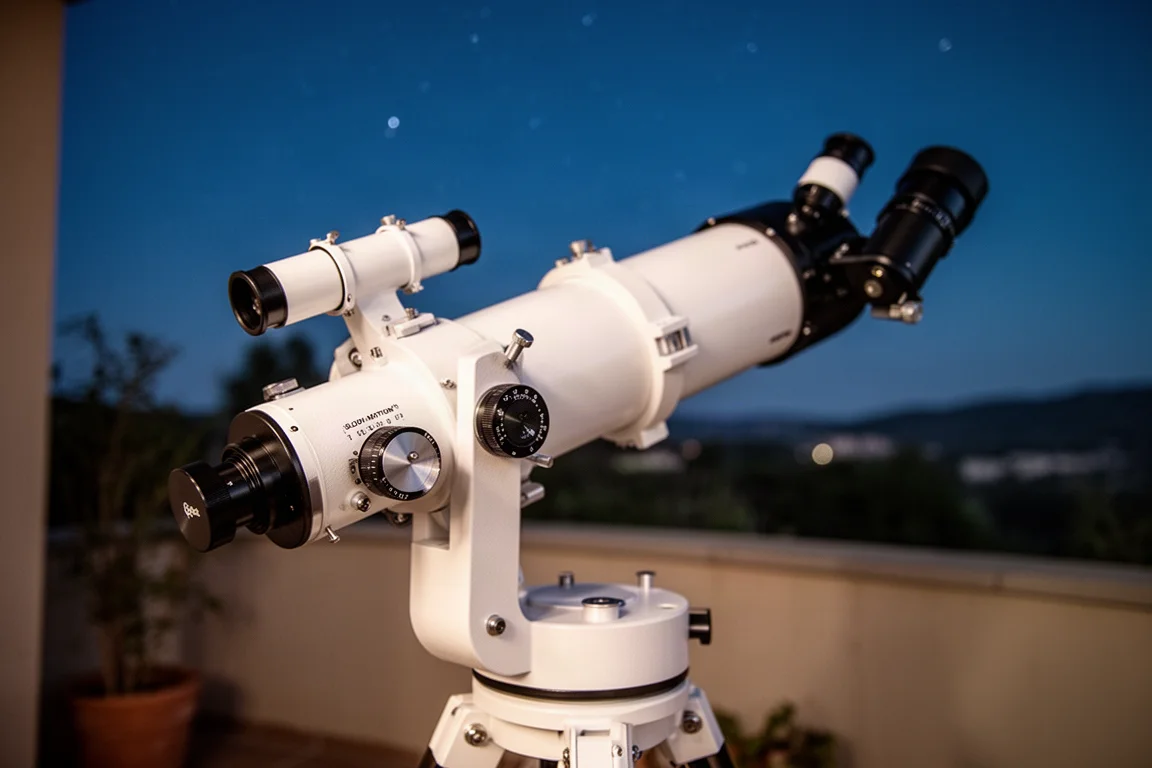
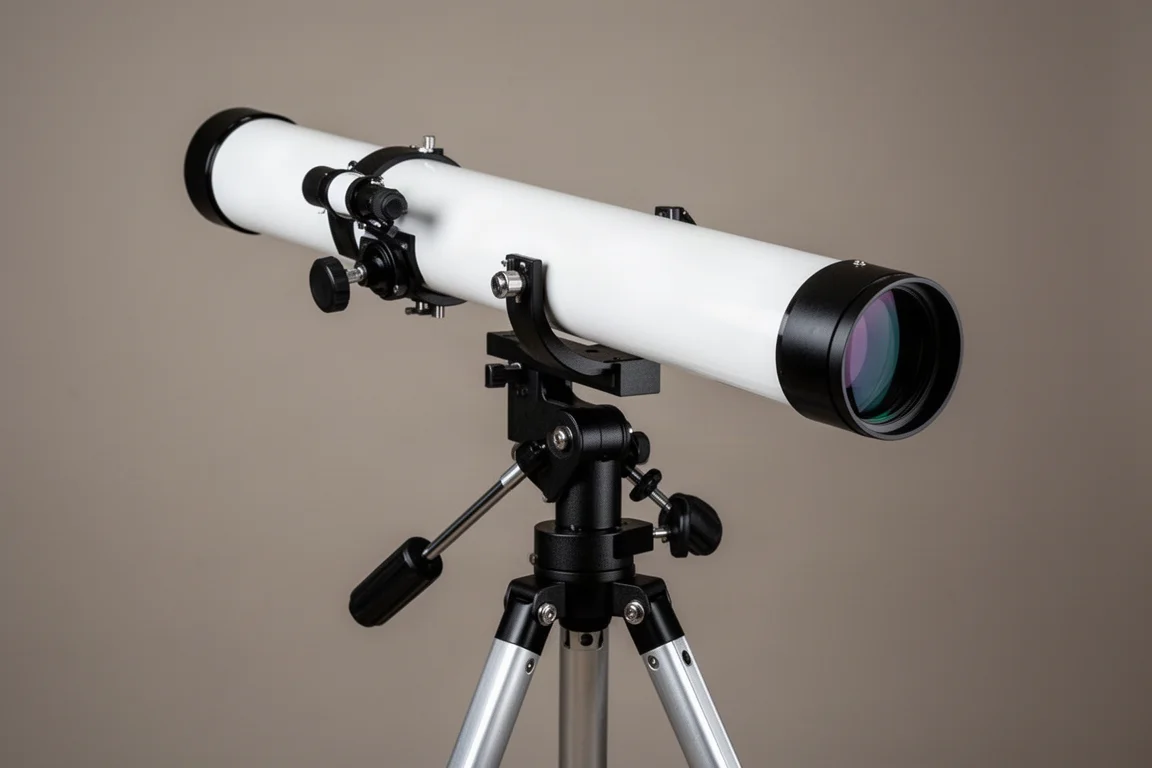
The Celestron Omni 102 has been the best beginner telescope at an entry price point in this lineup. Picked up for around $200, it stands apart from the other two with slow motion controls for smoothly following objects across the sky, upgradeability to 2-inch eyepieces, and genuinely excellent optics.
Tips for Stargazing with Kids
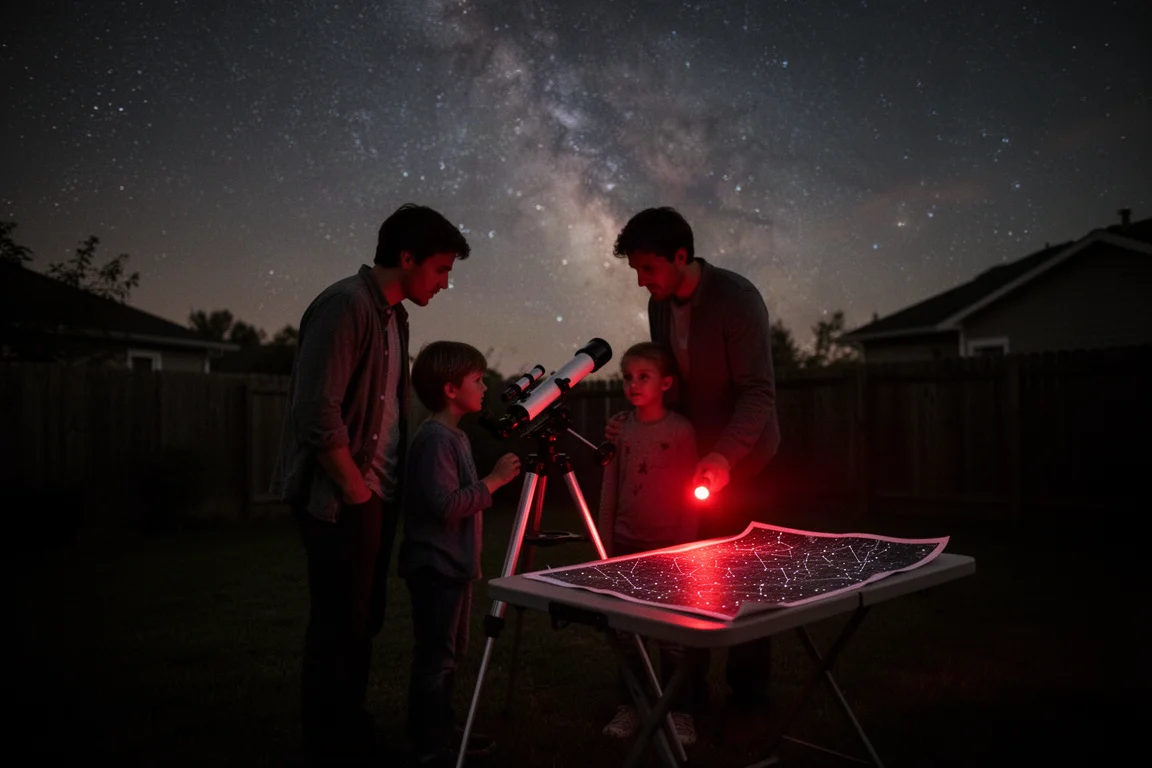
Stargaze as a family. Young kids left alone with a telescope will most likely not find anything. Parents should learn the instrument first, find the targets, and then let the kids look. Teaching these skills is part of the job.
Learn the constellations without a telescope. Only four or five major constellations are visible in a given season. Knowing Orion, Taurus, Gemini, and Canis Major in winter, or Sagittarius, Scorpius, the Northern Cross, and the Summer Triangle in summer, makes finding deep sky objects through the eyepiece far easier.
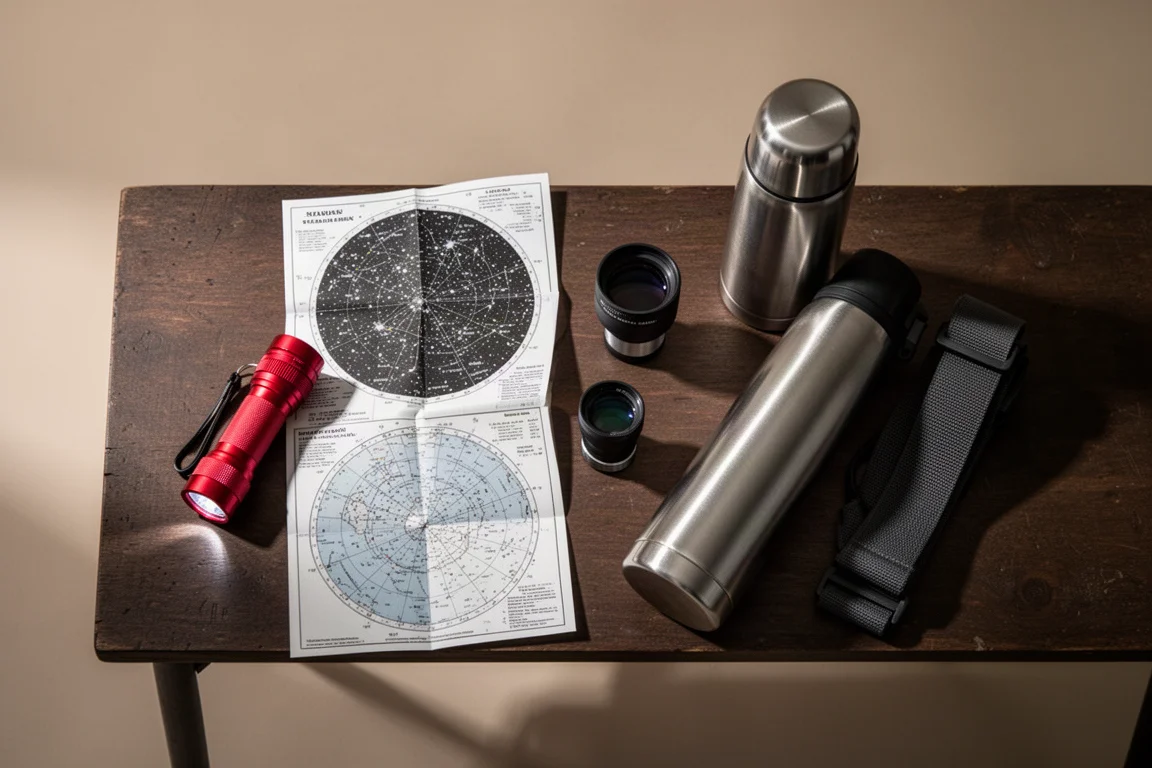
There is more to stargazing than the telescope. Use chairs, since observing seated is much easier than standing. Dress warmly even in summer, stay hydrated, and turn off all screens, because any white light ruins night vision. Red flashlights are a must so eyes can adapt to the dark.
Conclusion
A good first telescope does not have to be expensive, but it does have to meet the basics: real aperture, a red dot finder, smooth movement, a stable mount, and comfortable high-angle viewing. The Orion SkyScanner covers the budget end, the Explore Scientific 114 wins on sheer ease of use, and the Celestron Omni 102 offers the most complete beginner package with slow motion controls and upgradeable optics. Any of the three can turn a frustrating first experience into a lifelong interest in the night sky.
Further reading
Related Reviews

Telescopes
Sightron SJ75 UF and Sky-Watcher HS125: Two Telescopes Worth Watching
A look at two notable telescopes from a recent camera and optics expo: a sharp new astrograph from Sightron Japan and a compact fast reflector from Sky-Watcher.

Telescopes
SV503 102ED Review: A Budget 102mm Refractor That Surprises
The SV503 102ED is an affordable 102mm doublet refractor that delivers surprisingly decent star shapes and a smooth focuser, despite some chromatic aberration and light falloff.

Telescopes
SVBony MK127 Review: A Compact Maksutov-Cassegrain That Surprises
The SVBony MK127 is a 127mm Maksutov-Cassegrain telescope with a unique 0.65x reducer, making it a versatile option for visual astronomy and even some deep-sky imaging.