Telescopes
Best Telescopes by Category: From Smart Scopes to Classic Dobsonians
A category-by-category guide to six telescopes that genuinely serve beginners and growing amateur astronomers, from interactive push-to scopes to a fully manual light bucket.
Introduction
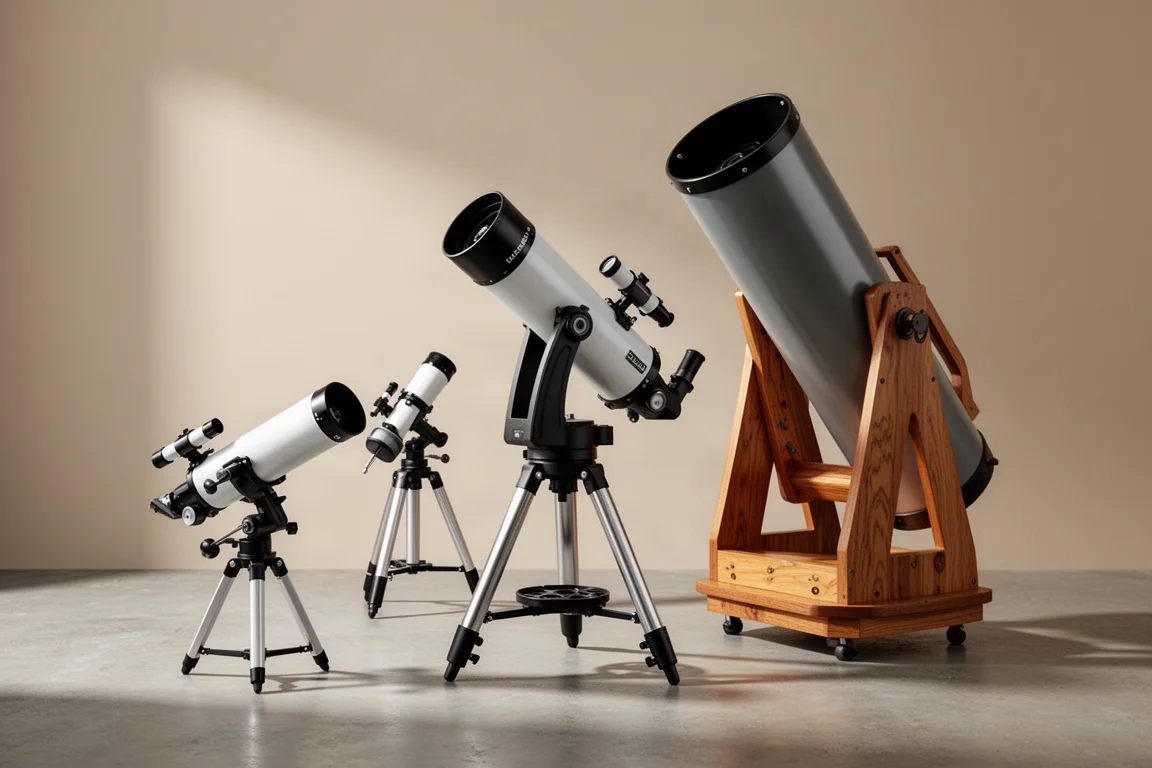
Most “best telescope” lists turn into a parade of hobby-killer bargains that frustrate new astronomers within a week. This guide takes a different approach: instead of one ranked list, it highlights the top scopes in the categories that matter most when you are choosing your first or next telescope. Each pick is a genuine, usable instrument, and each fits a different kind of observer, from app-guided beginners to hands-on deep sky hunters.
Most Interactive: Celestron StarSense Explorer DX 130
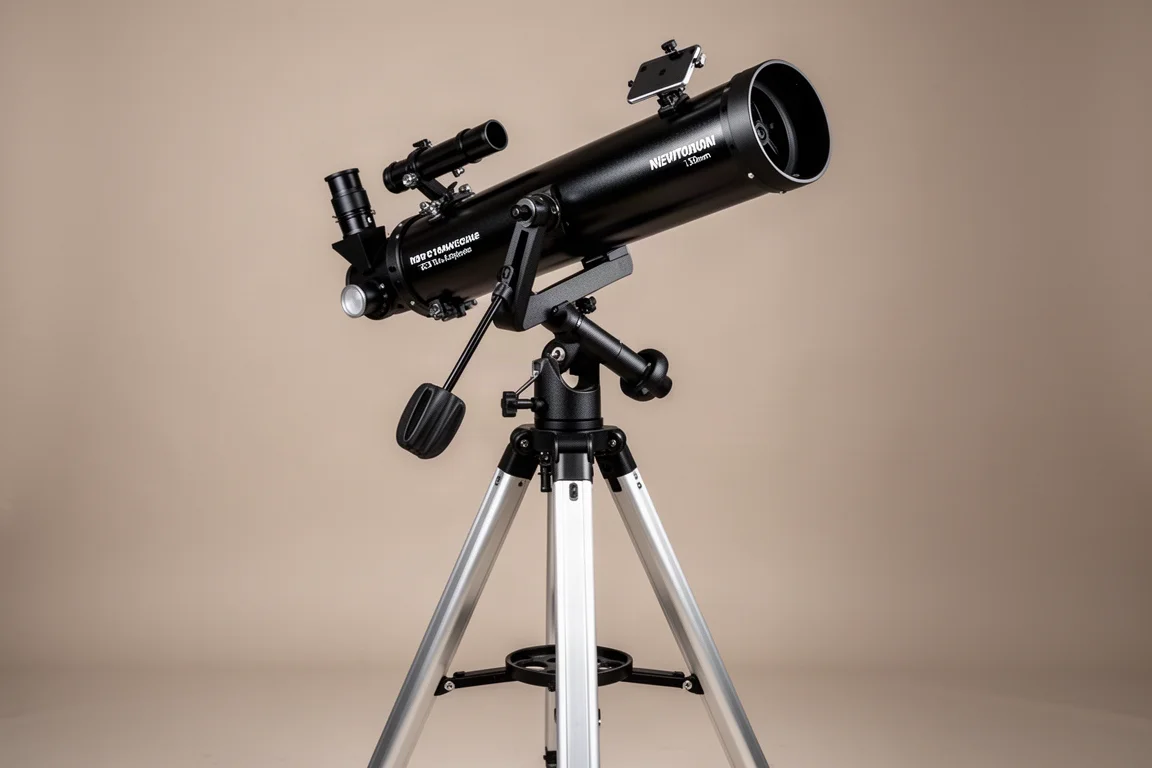
The StarSense Explorer DX 130 is built around a smartphone adapter and companion app that help you find nearly any deep sky object you could want to see. Your phone photographs the stars through the mirror in the adapter, the app identifies the stars it sees, and from there it guides you toward whatever target you choose. The interface is intuitive, and the scope physically moves with you as you push it toward your object.
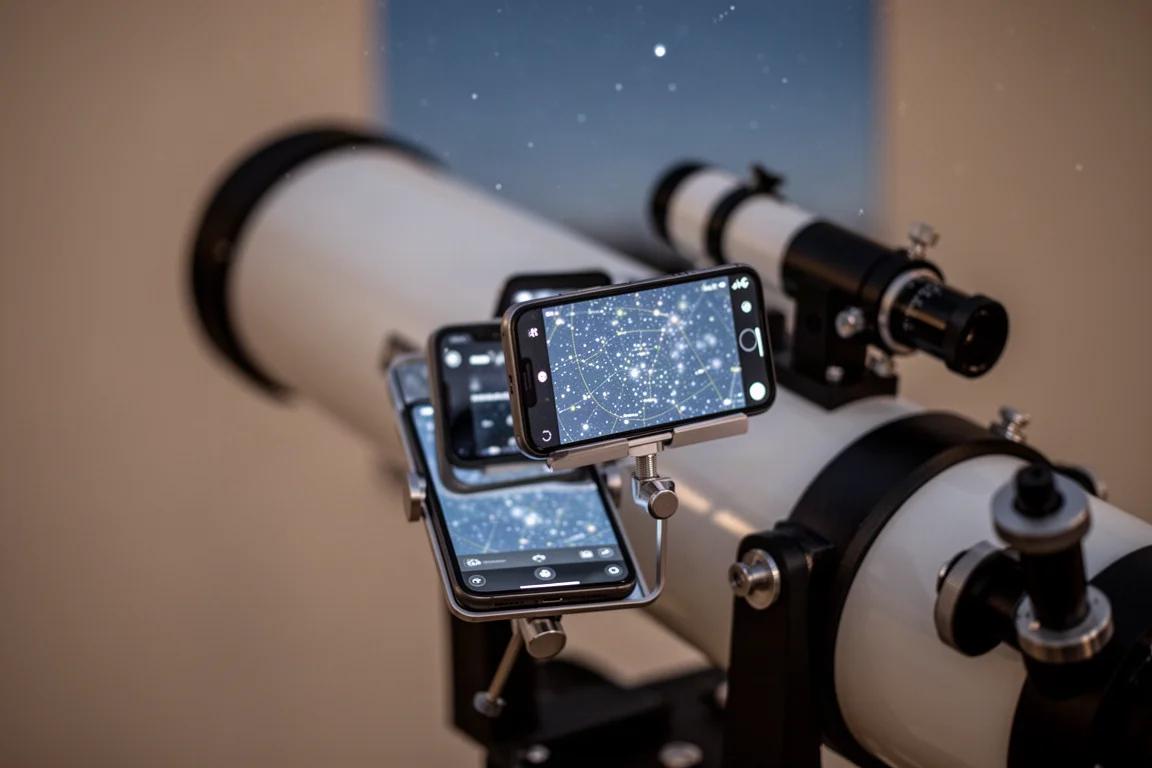
The hardware holds up its end too. The tripod is sturdy, which matters enormously for steady views, and the 130mm (5-inch) Newtonian mirror is enough to reveal star clusters, galaxies, planets, and craters on the lunar surface. Because it is a manual push-to system, you also gradually learn the night sky itself: constellations, object locations, and how to find things quickly. Many owners eventually find they barely need the app, and that makes this a scope beginners can genuinely grow with.
Most Innovative: Vaonis Vespera
The Vespera is a completely automated astrophotography system controlled entirely through the Singularity smartphone app. It tracks objects in the night sky, constantly captures images with its internal camera, and stacks them on top of each other to build a colorful, detailed picture. The longer you keep it pointed at a target, the better the image becomes as more frames accumulate through the night.
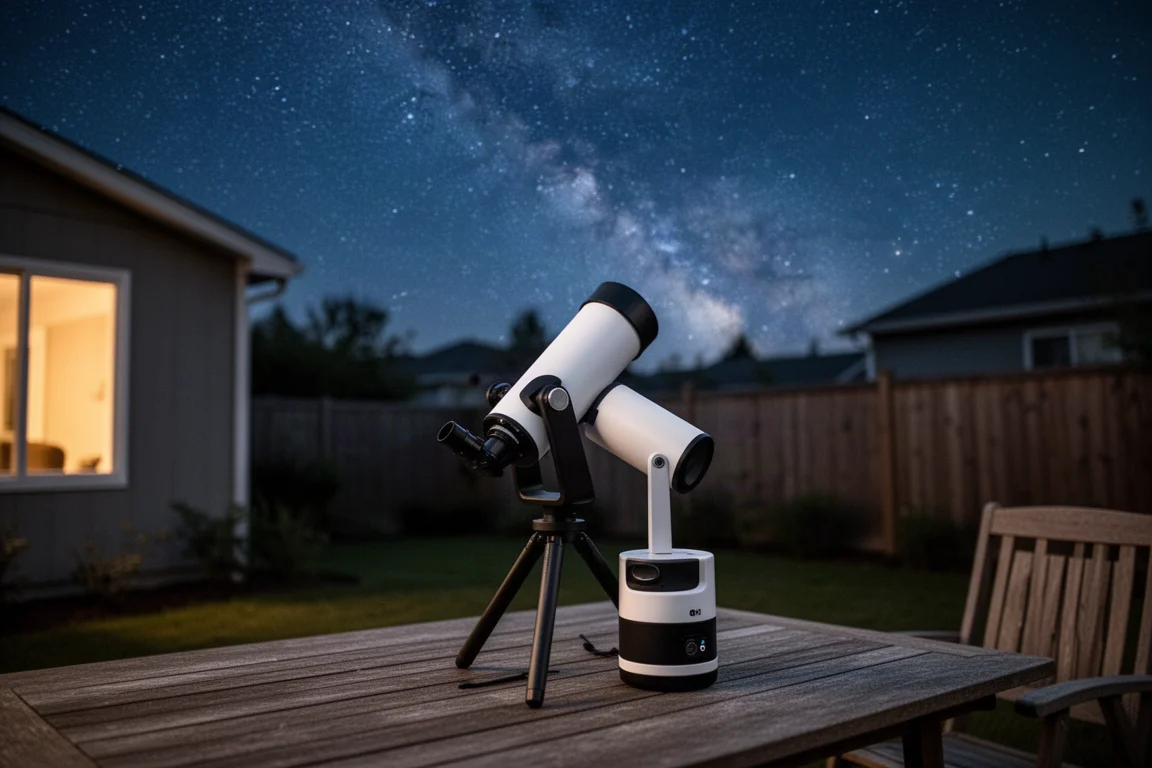
The optics are designed for good color, and the internal camera uses a highly sensitive Sony sensor. It captures both deep space objects and the Moon, and photos can be exported as raw .tiff files for further processing in tools like Photoshop or PixInsight. For anyone who loves astronomy and loves images of galaxies and nebulae but has no time for a dedicated imaging rig, this is a remarkably low-effort way to get both.
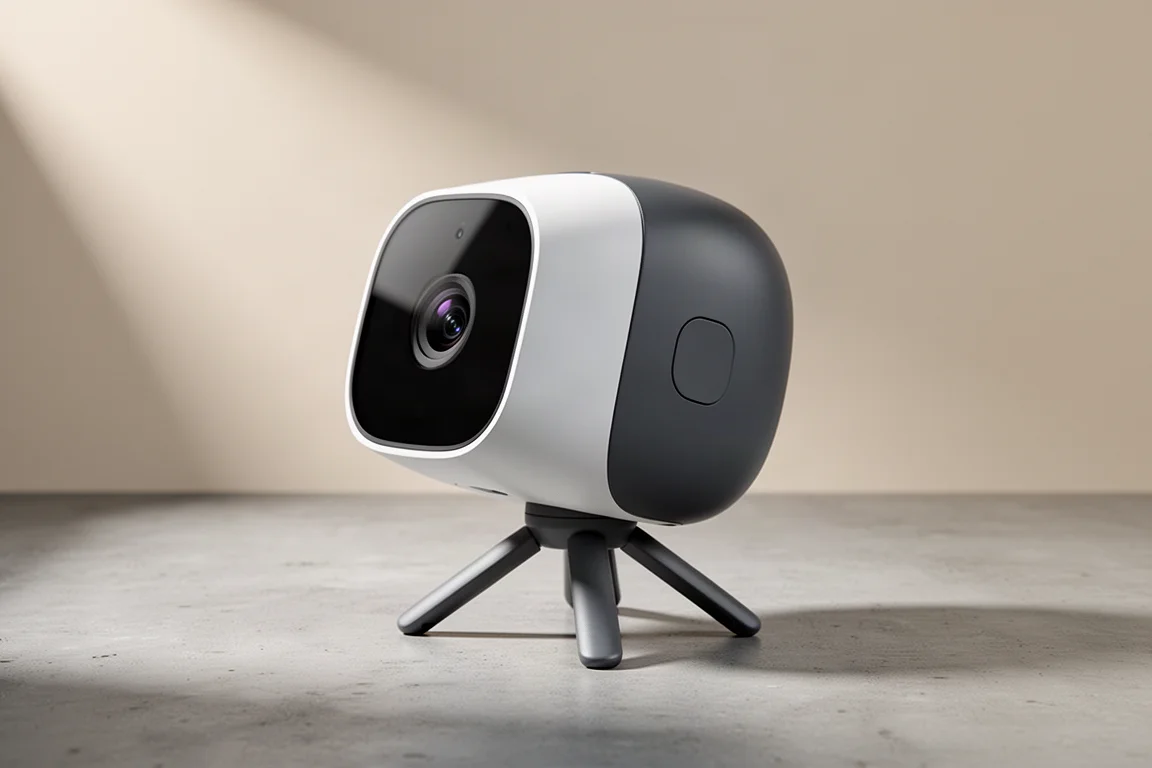
Best Computerized and Versatile: Celestron NexStar 8SE
Few telescopes have been as consistently popular as the NexStar 8SE, and it earns the versatile-computerized crown easily. It is a fully computerized go-to Schmidt Cassegrain with eight inches of aperture, the kind of telescope often described as a deep sky telescope or a lifelong telescope. From the Moon’s surface detail to planets and, under dark skies, genuinely impressive deep sky views, there is an enormous amount you can do with it.
It is also a platform. A planetary camera can be inserted where the eyepiece goes to start imaging planets or the lunar surface, and the accessory ecosystem around the 8SE is massive, so you can keep enhancing the experience for years. Bundle options include everything needed to start observing the night it arrives.
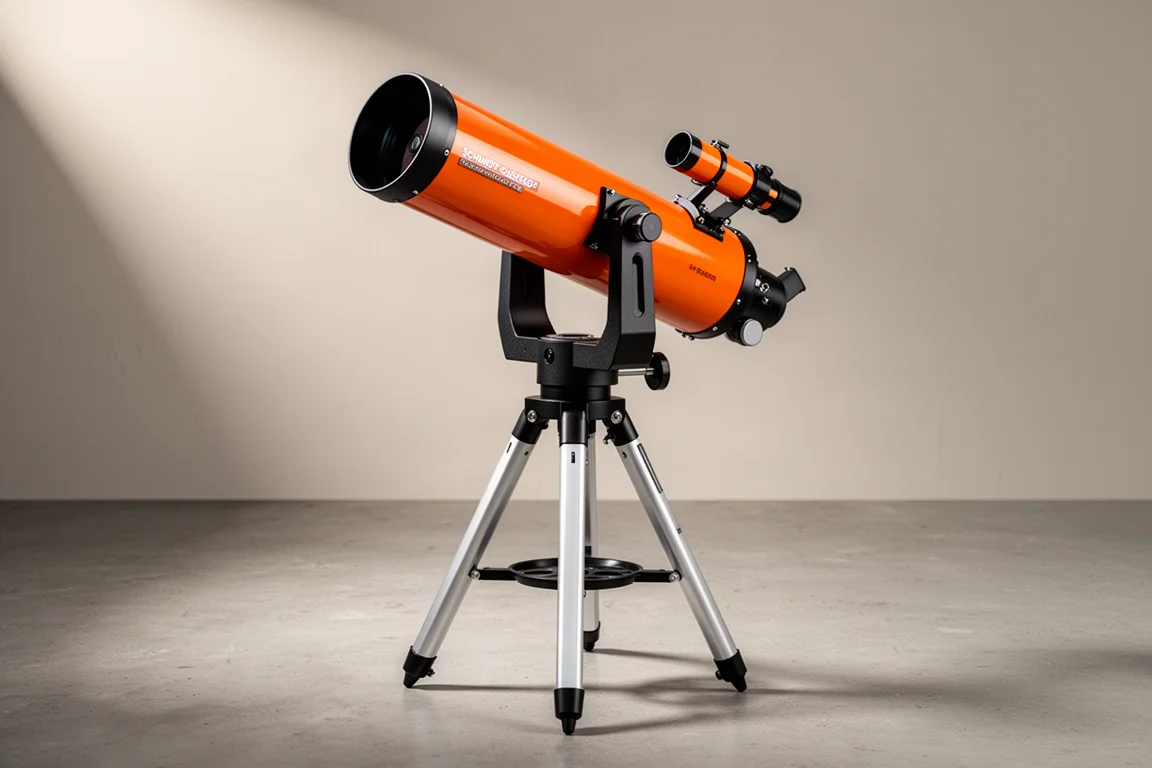
Best Tabletop Telescopes: Sky-Watcher Virtuoso GTi 130 and 150
The Virtuoso GTi line solves a problem many beginners underestimate: setup fatigue. Right out of the box the telescope is already assembled, so you can simply set it on a sturdy table and start observing the same night. It is compact enough to toss in the car for a dark-sky trip or a camping weekend, and while you could kneel on the ground with it, a proper tabletop at standing height is the far better experience.
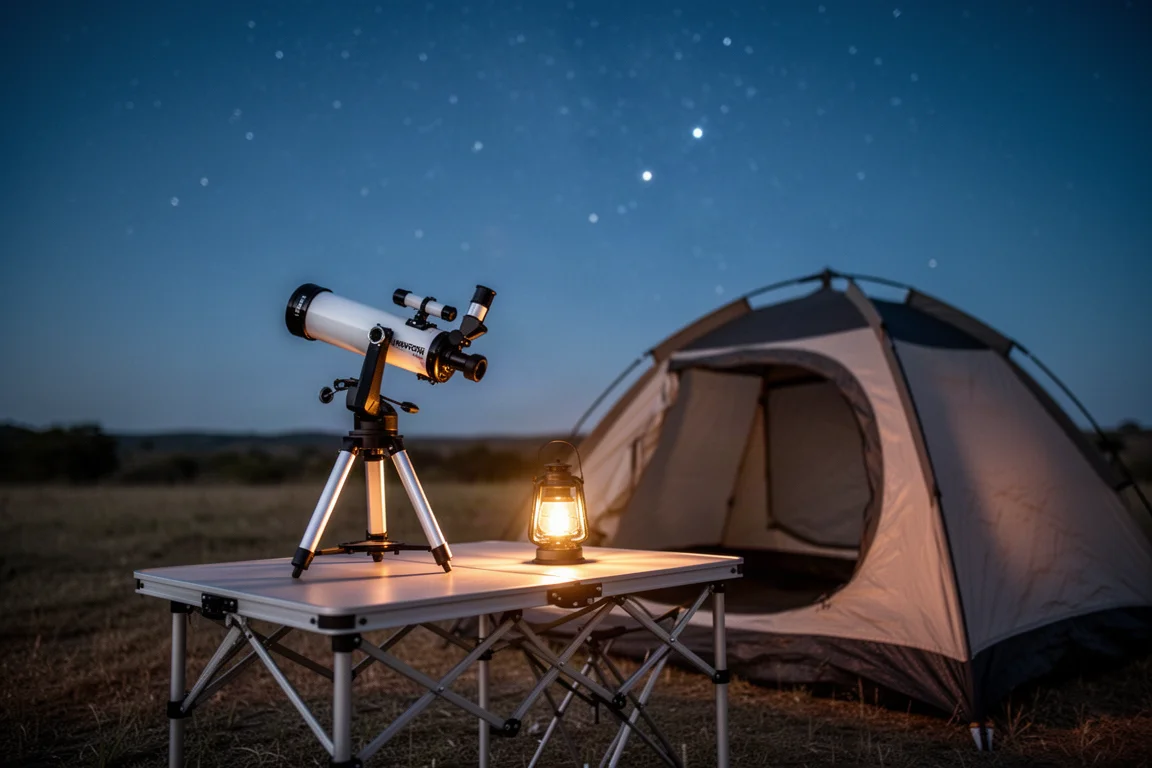
You choose between a 5-inch or 6-inch mirror, and if the 6-inch version is available to you, take it: the extra light-gathering capacity is substantial. Both sizes are capable on deep sky objects, planets, and lunar detail, and Charles Messier found all 110 of his famous objects with a smaller 4-inch refractor in the 1700s. The GTi version is fully computerized with go-to pointing and tracks objects well, making it one of the easiest ways to get a capable, portable, motorized scope.
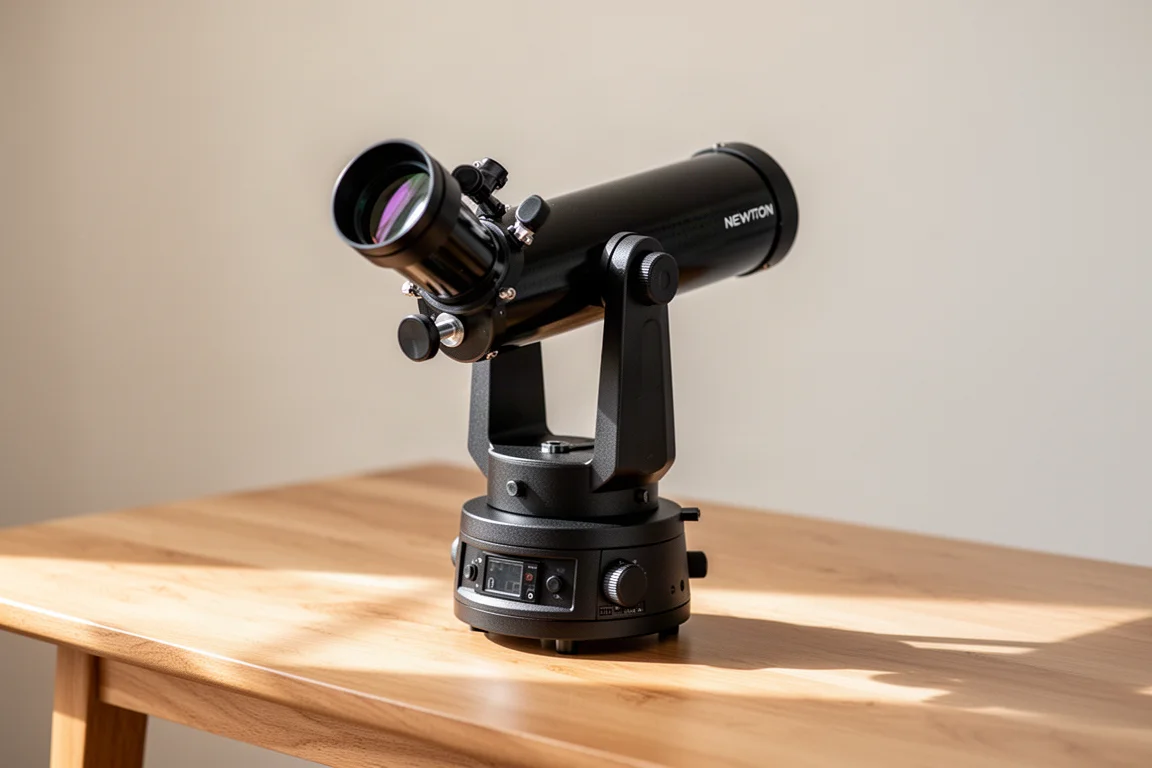
Best Intermediate Telescope: Celestron NexStar Evolution 9.25
For observers ready to step up, the NexStar Evolution 9.25 is the largest telescope here, and it pairs the same fully go-to Schmidt Cassegrain design as the 8SE with a set of meaningful upgrades. Where the 8SE stops, the Evolution series adds built-in Wi-Fi, the ability to move the scope manually, an internal lithium battery so you can charge it and observe anywhere without a power adapter, and a more robust mounting system with better tracking and overall performance.
The 9.25-inch mirror reveals fainter objects and more detail in brighter ones than the 8SE, though realistically that difference shows up under dark skies; side by side in a light-polluted area it would be hard to notice. The Evolution’s real advantages are in its build quality and convenience, and it is also the strongest planetary imaging performer in this lineup. The 8SE’s broad accessory ecosystem carries over to it as well.
Best Overall: Apertura AD8
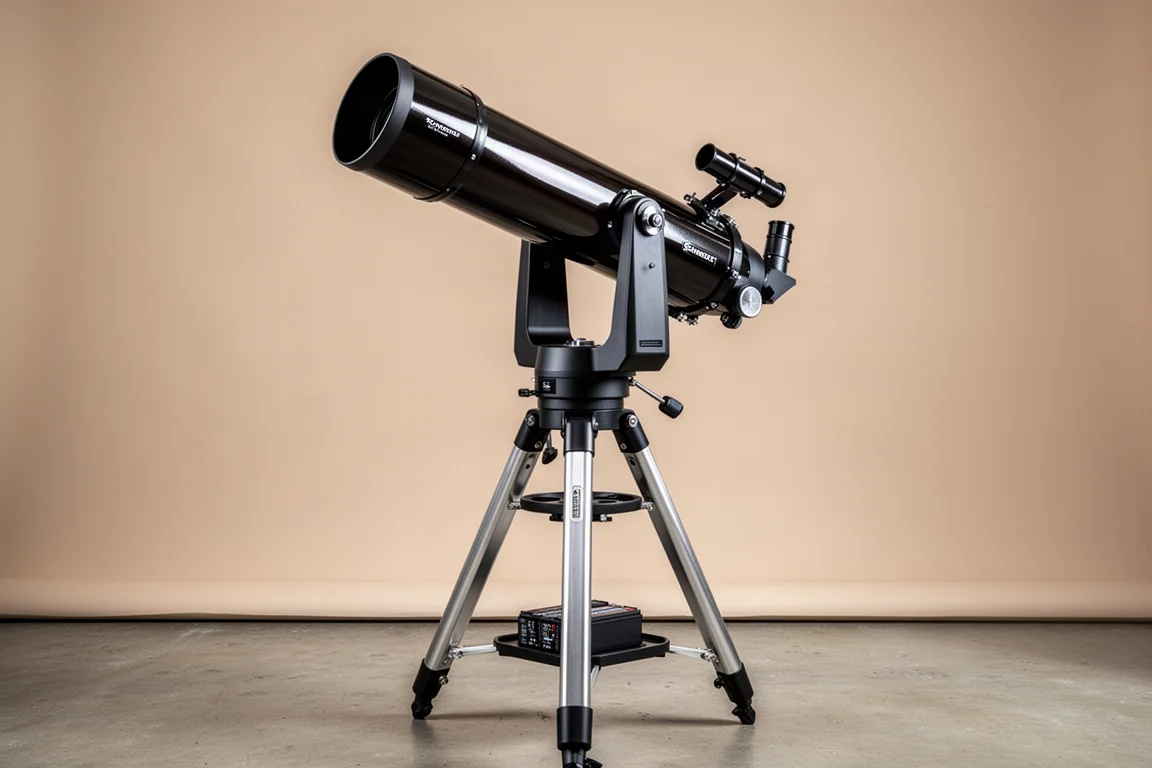
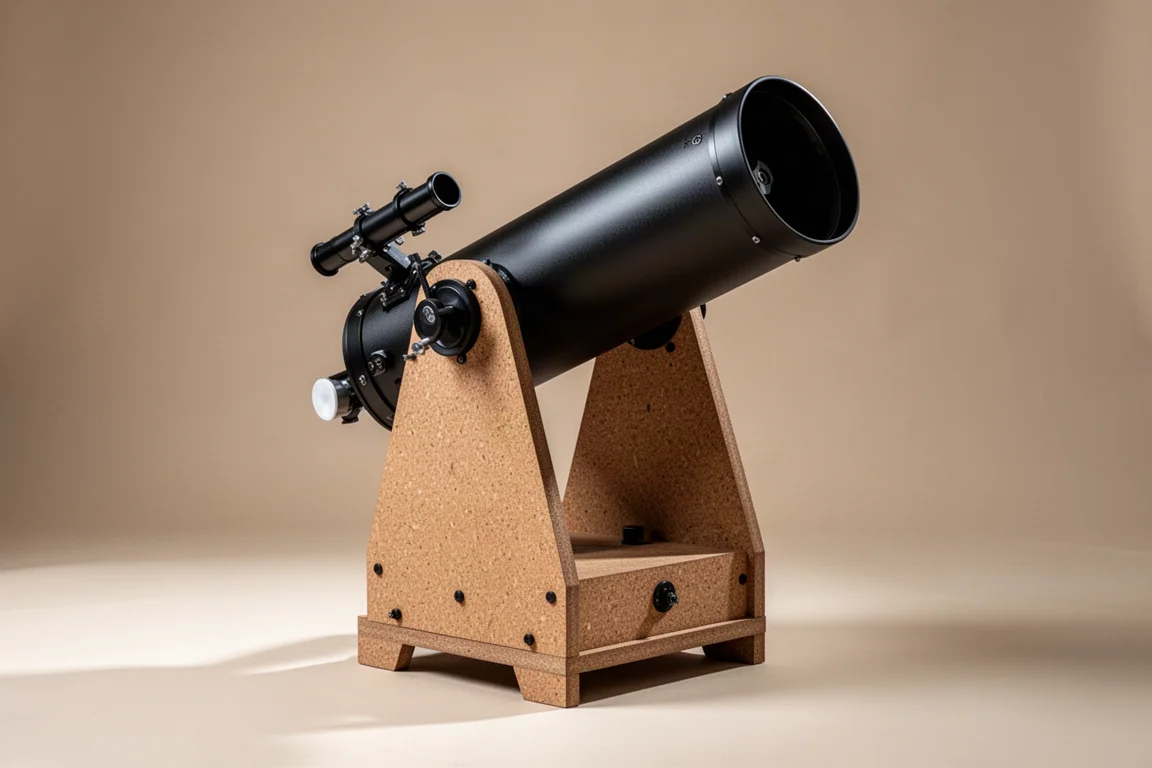
The best overall pick will not surprise experienced amateur astronomers: a Dobsonian, specifically the Apertura AD8. Nearly everything about it signals quality. Motion up, down, left, and right is smooth, and it can be tensioned if you prefer firmer movement. Balance is adjustable on the side of the tube, and it ships with a high-quality dual-speed focuser, which matters a great deal when viewing planets or globular clusters. The included accessories set you up for a great first night, and there is a large ecosystem of upgrades, including a dedicated carrying case and a performance upgrade kit, plus a transferable two-year warranty with a three-year part replacement plan.
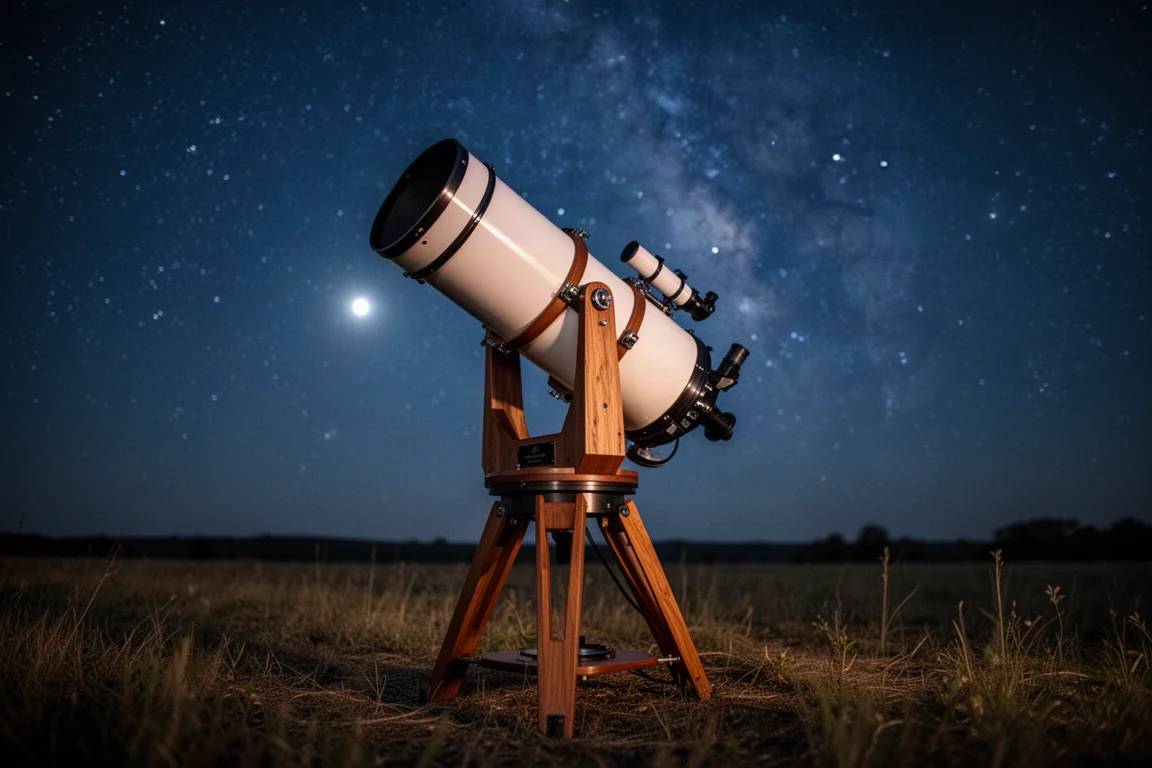
As an 8-inch “light bucket,” it excels at deep sky objects. The one thing that intimidates people about a fully manual scope like this is having to find objects yourself, and that is a fair concern to weigh. But if you want to learn the night sky, and if the idea of locating galaxies and clusters on your own sounds rewarding rather than frustrating, the AD8 is exactly the scope for it. It is by far the most rewarding telescope in this lineup, and it is the one observers keep coming back to.
Buying Advice: Matching a Scope to Your Style
If you want guidance while you learn, start with the StarSense Explorer DX 130. If your priority is images of nebulae and galaxies with almost no effort, the Vespera is the standout. If you want a versatile, upgradeable workhorse, the NexStar 8SE remains hard to beat, and the Evolution 9.25 is its more capable sibling. For portability and instant setup, the Virtuoso GTi is the easy call. And if you are willing to navigate the sky yourself in exchange for the most aperture per dollar and the deepest long-term satisfaction, the Apertura AD8 is the one to get.
Conclusion
There is no single best telescope, only the best telescope for the way you want to observe. Whether you prefer an app that walks you to your targets, an automated imaging system, a computerized go-to workhorse, or a manual light bucket that teaches you the sky, one of these six scopes will fit the journey. Clear skies.
Further reading
Related Reviews

Telescopes
Sightron SJ75 UF and Sky-Watcher HS125: Two Telescopes Worth Watching
A look at two notable telescopes from a recent camera and optics expo: a sharp new astrograph from Sightron Japan and a compact fast reflector from Sky-Watcher.

Telescopes
SV503 102ED Review: A Budget 102mm Refractor That Surprises
The SV503 102ED is an affordable 102mm doublet refractor that delivers surprisingly decent star shapes and a smooth focuser, despite some chromatic aberration and light falloff.

Telescopes
SVBony MK127 Review: A Compact Maksutov-Cassegrain That Surprises
The SVBony MK127 is a 127mm Maksutov-Cassegrain telescope with a unique 0.65x reducer, making it a versatile option for visual astronomy and even some deep-sky imaging.