Telescopes
Best Telescopes of 2026: Top Visual, Smart, Astrophotography, and Solar Picks
A category-by-category guide to the standout telescopes of 2026, from beginner tabletop Dobsonians to fast astrographs and a dedicated solar scope.
Introduction
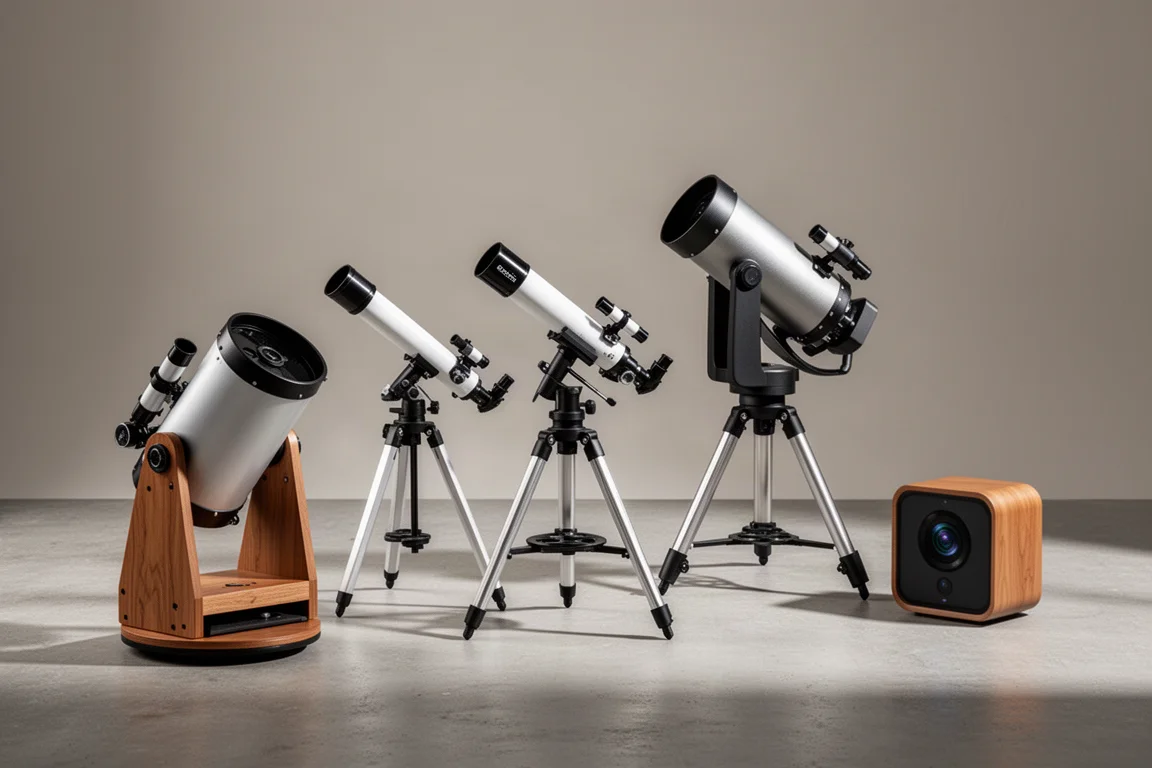
Spending more time under the night sky is one of the simplest ways to fall back in love with astronomy, and the right telescope makes that time easier and more rewarding. This guide breaks down the best telescopes of 2026 into four categories: the best visual telescopes, the best smart telescopes, the best dedicated astrophotography telescopes, and the best solar telescope. Each pick solves a different problem, so the right choice depends on how you want to observe.
Best Visual Telescopes of 2026
Visual astronomy is where most people start, and 2026 offers strong options at every size, from a picnic-table Dobsonian to a fully computerized Schmidt-Cassegrain.
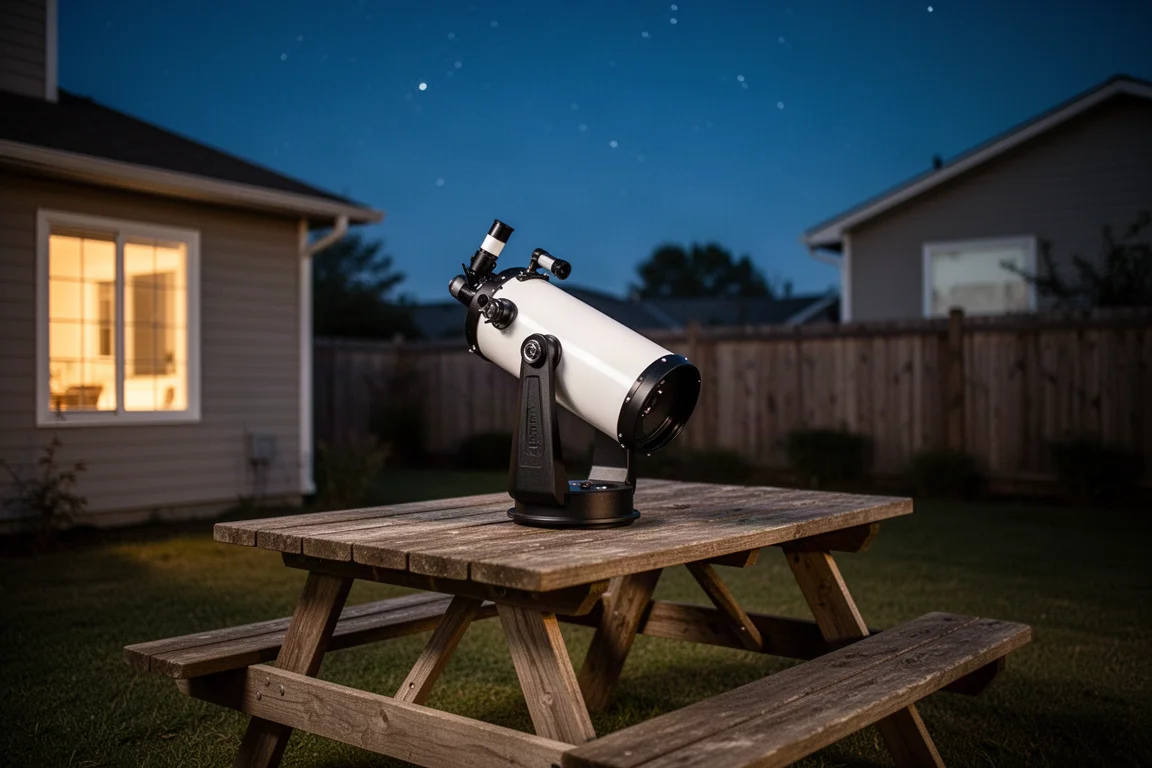
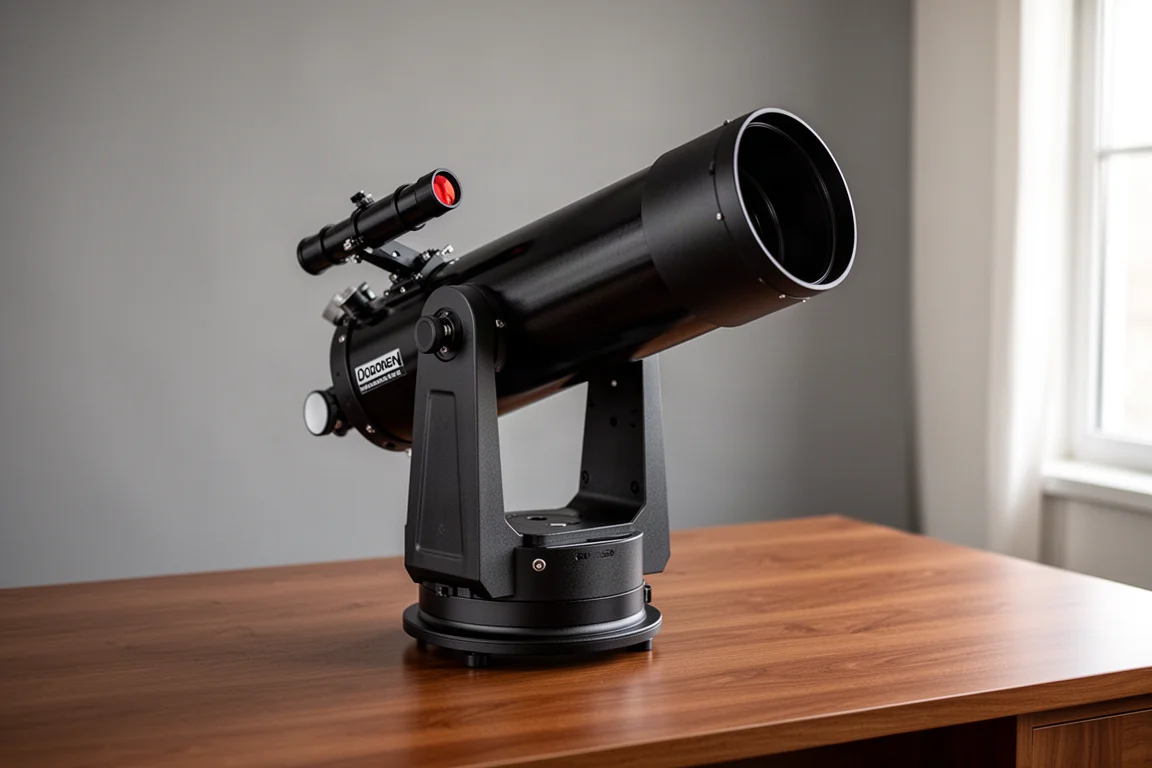
Best Tabletop Telescope: Orion StarBlast 4.5 Tabletop Dobsonian
Weighing about 10 lb, the Orion StarBlast 4.5 sets up on a picnic table, camping table, or tailgate in seconds, and its size makes it a great introduction to amateur astronomy. The 4.5-inch aperture is enough for bright deep sky objects like the Hercules star cluster and the Orion Nebula, and with the included eyepieces you can view Jupiter, Saturn, and fine detail across the lunar surface. Everything needed for a first clear night is in the box: two eyepieces, a moon filter, a red dot finder, and even a moon map. If you want a portable, easy-to-use telescope that is simply fun, this is a fantastic option, though fainter deep sky objects call for a larger aperture later in this list.
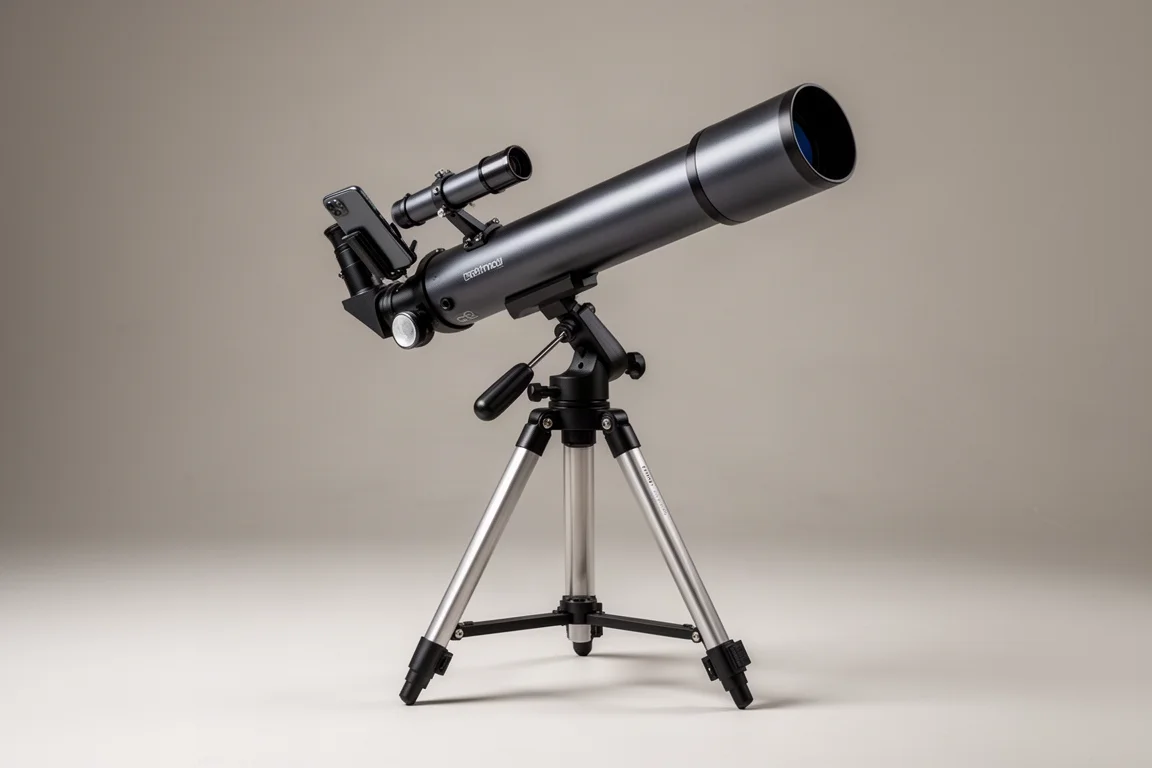
Best Visual Refractor: Celestron StarSense LT80AZ
Refractors offer sharp, clear views and nearly zero maintenance, and this one adds the Celestron StarSense app. Attach your smartphone to the StarSense dock, follow the alignment instructions, and the app guides you across the night sky and tells you exactly where to point. At just over 9 lb for telescope and tripod, it is extremely light yet surprisingly sturdy. Through it you can see Saturn’s rings and moons, Jupiter’s cloud bands and moons, lunar craters, and brighter deep sky objects like the Dumbbell Nebula, the Ring Nebula, and several open and globular clusters. It is the smallest visual telescope here, so if you want to push to fainter targets, a larger option may suit you better.
Best Computerized Option: Celestron NexStar 8SE
A staple in visual astronomy for over 20 years, the NexStar 8SE is a fully computerized Schmidt-Cassegrain whose hand controller offers a database of over 40,000 objects. The full kit weighs around 32 lb and can be carried out in one piece or broken down into lighter components. With 8 inches of aperture, expect sharp contrast across lunar craters, detail on Mars, cloud bands on Jupiter, and even the Cassini division in Saturn’s rings. Fainter deep sky objects like planetary nebulae and dimmer galaxies start to become accessible, making this a genuine deep sky telescope.
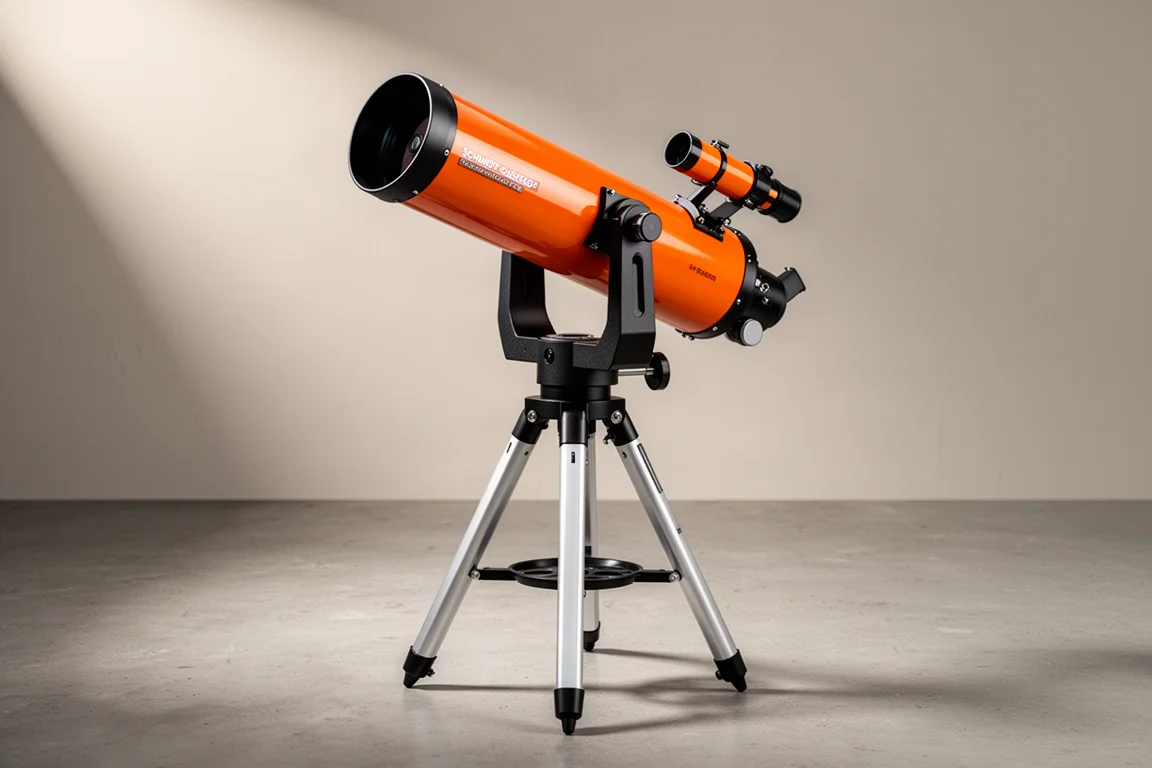
Best Overall Telescope: Apertura AD8
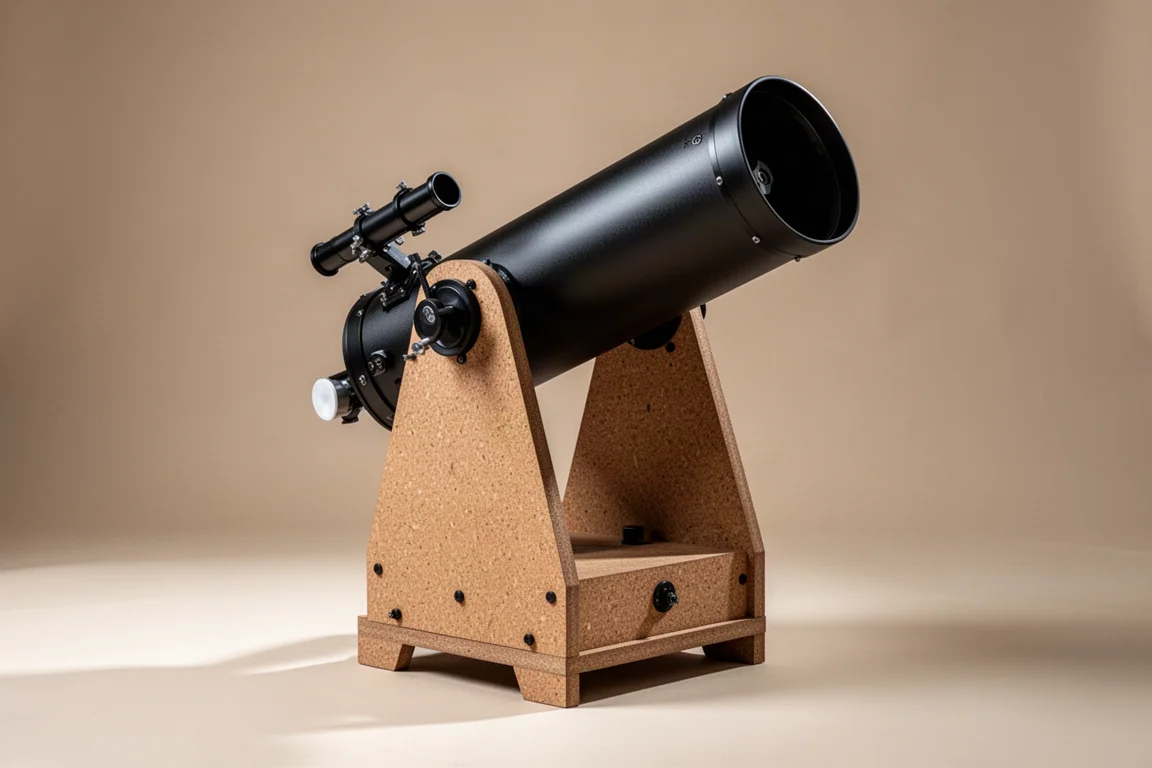
The Apertura AD8 uses smooth roller bearings on both axes, and with tension and balance adjustment knobs dialed in, small movements feel buttery smooth. A robust 10:1 dual-speed focuser makes fine-tuning focus on planets and star clusters easy, and the box includes everything you need: a wide-field eyepiece, a high-magnification eyepiece, a finder scope, a laser collimator, and a cooling fan. It is just you, the telescope, and the night sky. Paired with Apertura’s industry-leading warranty and a strong line of performance kits and accessories, it is a system that grows with you as you progress. For learning the sky with 8 inches of aperture and no electronics at a fraction of the cost of a computerized setup, it is the obvious pick and our best overall telescope of 2026.
Best Smart Telescopes of 2026
Smart telescopes have influenced amateur astronomy over the past five years arguably more than any other category. They align, track, stack, and process your images for you, all through a smartphone app.
Best Smart Telescope for Beginners: Dwarf II
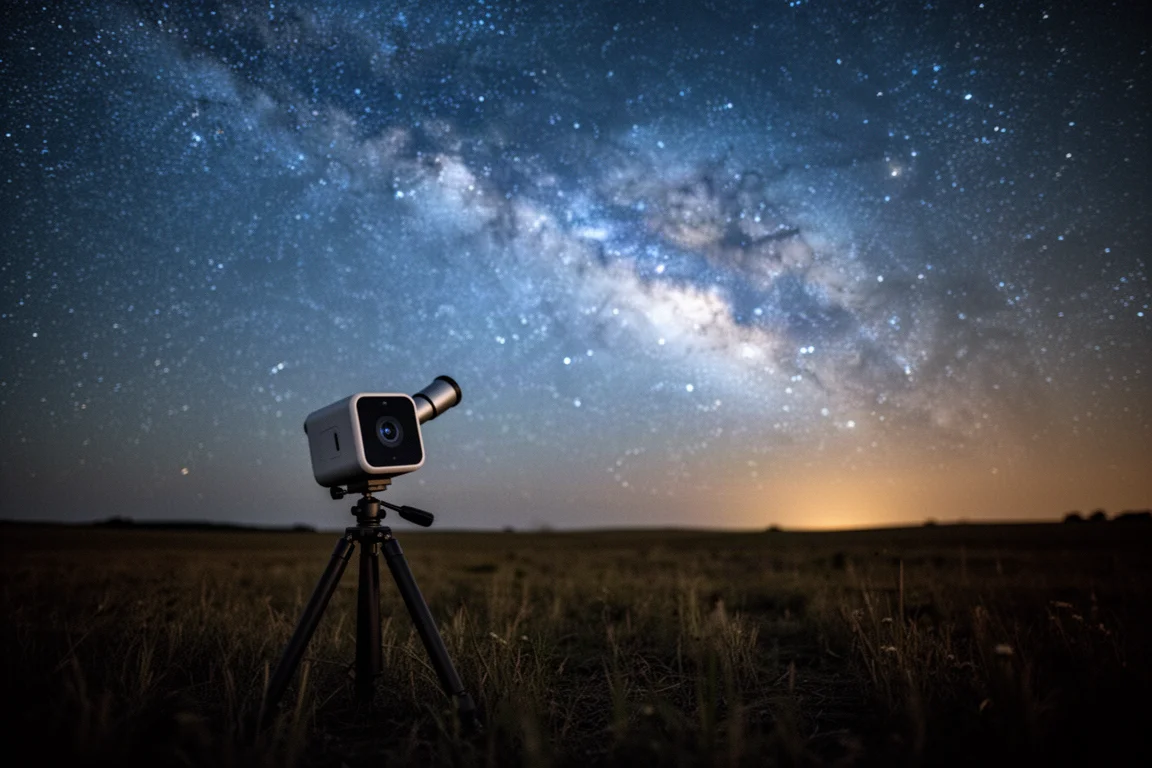
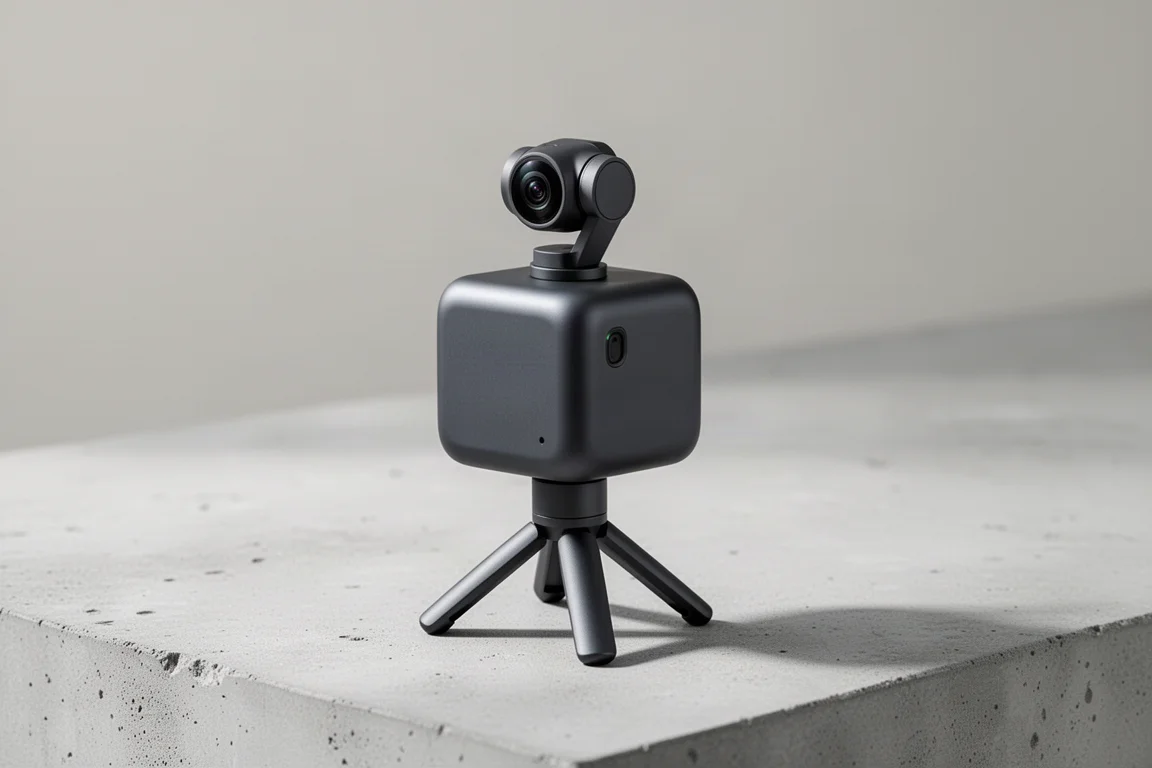
The Dwarf II weighs just under 2 lb, fits in a jacket pocket, and still captures impressive astro photos. It uses a 30 mm triplet lens with a 150 mm focal length, ideal for wide-field deep space images, Milky Way shots, and star trails. The standout feature is Sky Finder mode: point it at any area of the sky and it shows you which targets are available, then captures the one you tap. For photographing the moon, the sun, and deep sky objects with ease of use, portability, and fun in mind, it takes the win.
Best All-in-One Smart Telescope: ZWO Seestar S50 Pro
The original S50 made last year’s list, and the S50 Pro brings notable upgrades, led by a new 4K dual-lens design. The main optic is a 50 mm four-element apo with a 260 mm focal length, while a second wide-angle camera opens the door to nightscape and Milky Way compositions. Both cameras support 4K imaging and the system can build mosaics at resolutions up to 8K. The companion app remains one of the most intuitive on the market, adding time lapses, star trails, advanced editing tools, and wide-field imaging. The 50 mm aperture gathers noticeably more light than smaller 30 mm smart telescopes, giving your photos more color and detail with every session.
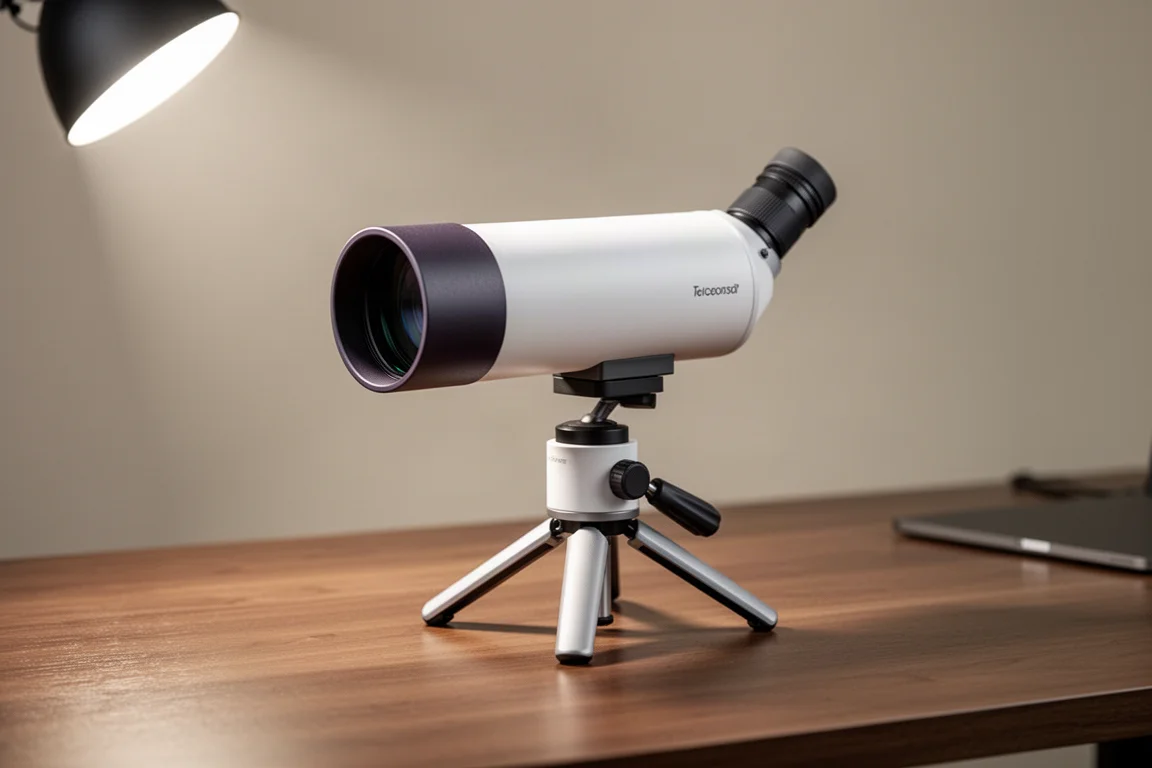
Most Elegant Smart Telescope: Vaonis Vespera Pro 2
The Vespera Pro 2 is a beautifully designed smart telescope producing 12.5 megapixel images, some of the highest native output resolution in the category, and in our experience some of the highest quality astrophotos of any smart telescope listed here. The Singularity app is top-notch, packed with thoughtful features, and gives substantial control over the experience. Beginners can capture images they never thought possible from a system this simple, while experienced astrophotographers retain enough control to manipulate their images. If premium image quality and a one-of-a-kind interface are your top priorities, this is the one.
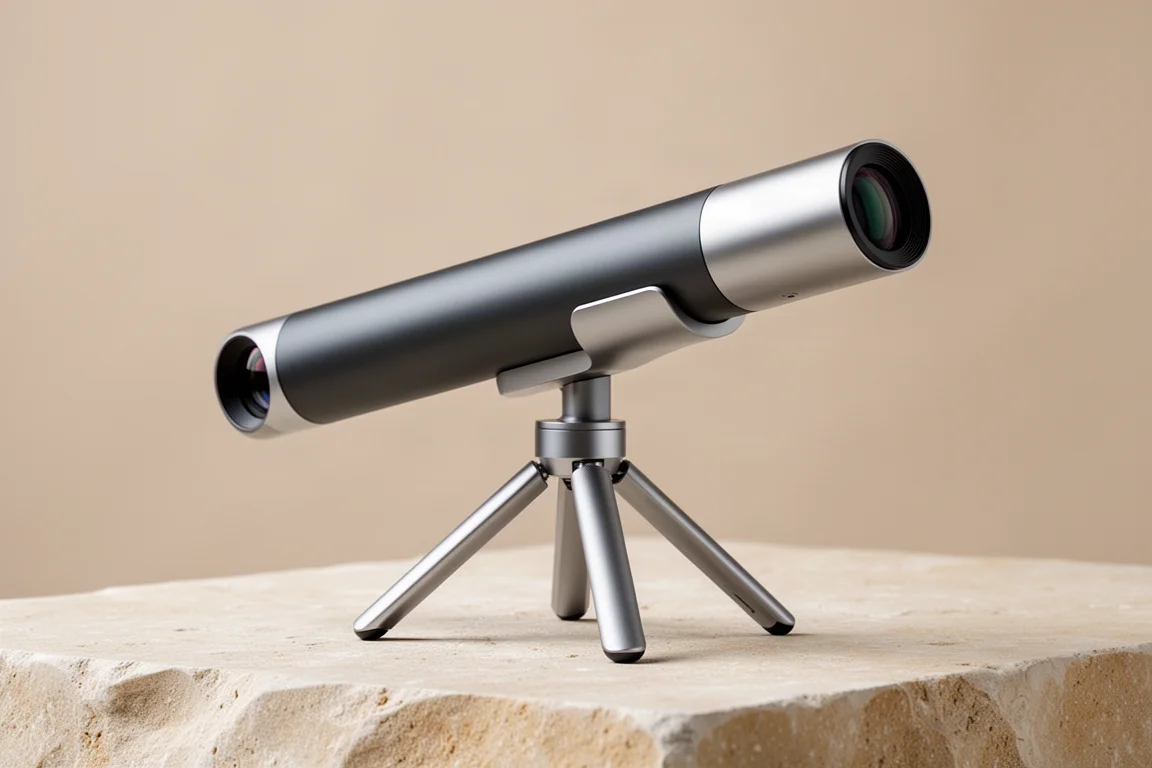
Best Overall Smart Telescope: Celestron Origin Mark II
The Origin Mark II has the largest aperture of any smart telescope here. At its heart is a 6-inch custom RASA optic with a 335 mm focal length and an incredibly fast f/2.2 focal ratio. Including the central obstruction, its 6-inch mirror delivers seven times the light gathering of the Seestar S50 Pro and the Vespera, and twenty times that of the Dwarf II, meaning far more data collected in far less time. It pairs these optics with an 8.3 megapixel Sony IMX 678 Starvis II sensor on Celestron’s proven computerized alt-azimuth platform, controlled through the Celestron Origin app. Celestron also built it with a camera upgrade in mind, backed by US customer support from one of the largest telescope manufacturers around. It is larger and less portable than the others, but that is the price of sheer imaging capability.
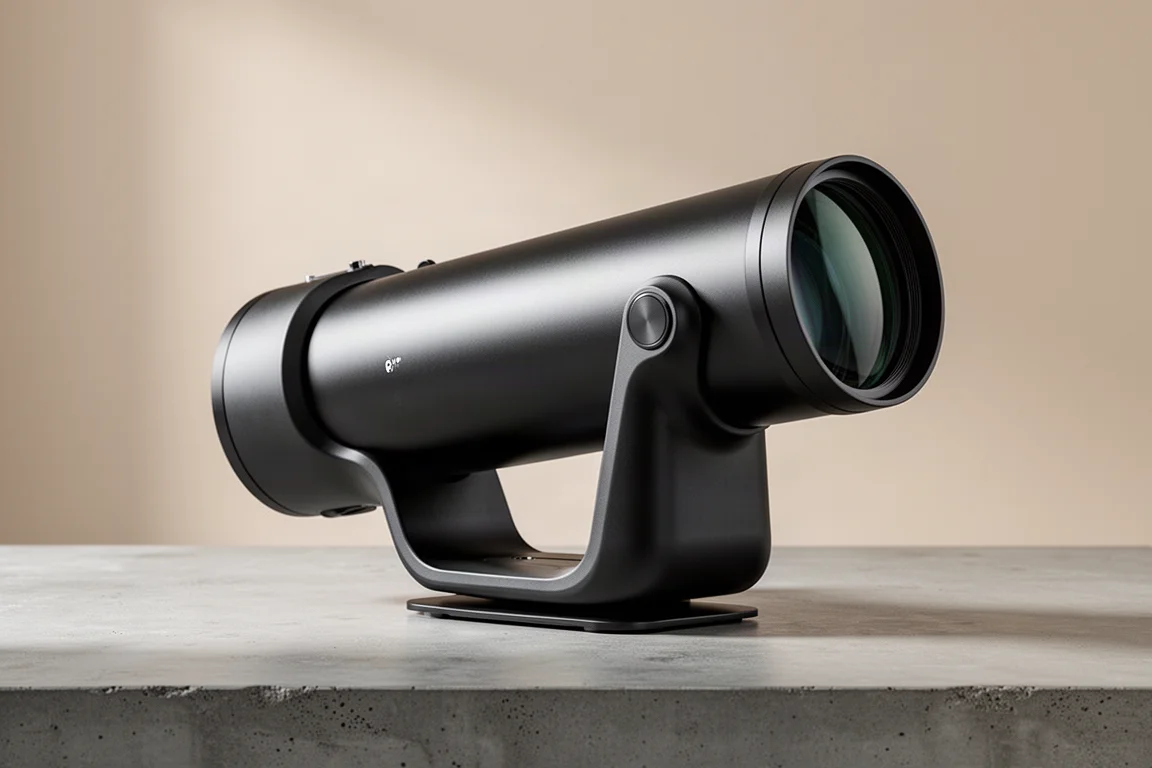
Most Promising Newcomer: Dwarf Labs Draco
This one is different: hands-on experience is still limited, but on paper it looks very promising. Draco features a 90 mm custom refractive optic, a built-in guide camera, active sensor cooling, internal field de-rotation, and single exposures up to 300 seconds. The main camera is natively a 50 megapixel 1-inch sensor, though it outputs 12 megapixel images, still among the highest resolutions in this category. Dwarf Labs offers it in an SHO configuration, meaning hydrogen alpha, sulfur II, and oxygen III data can be combined in a single system for Hubble-palette-style images. If it performs as the specifications suggest, it could push smart telescopes closer to a full astrophotography rig.
Best Astrophotography Telescopes of 2026
A dedicated rig is the end goal for many who start with a smart telescope, because it opens complete control over your camera, mount, filters, and image quality.
Best Telescope Deal: Askar FRA 300
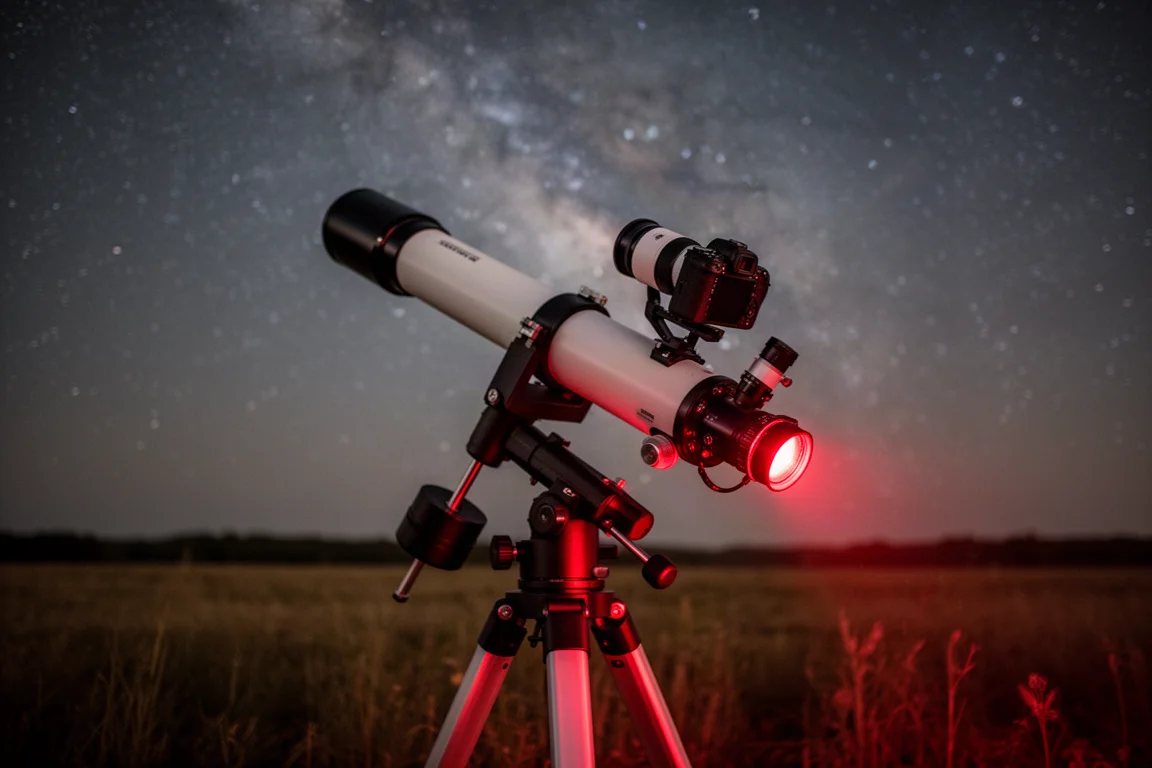
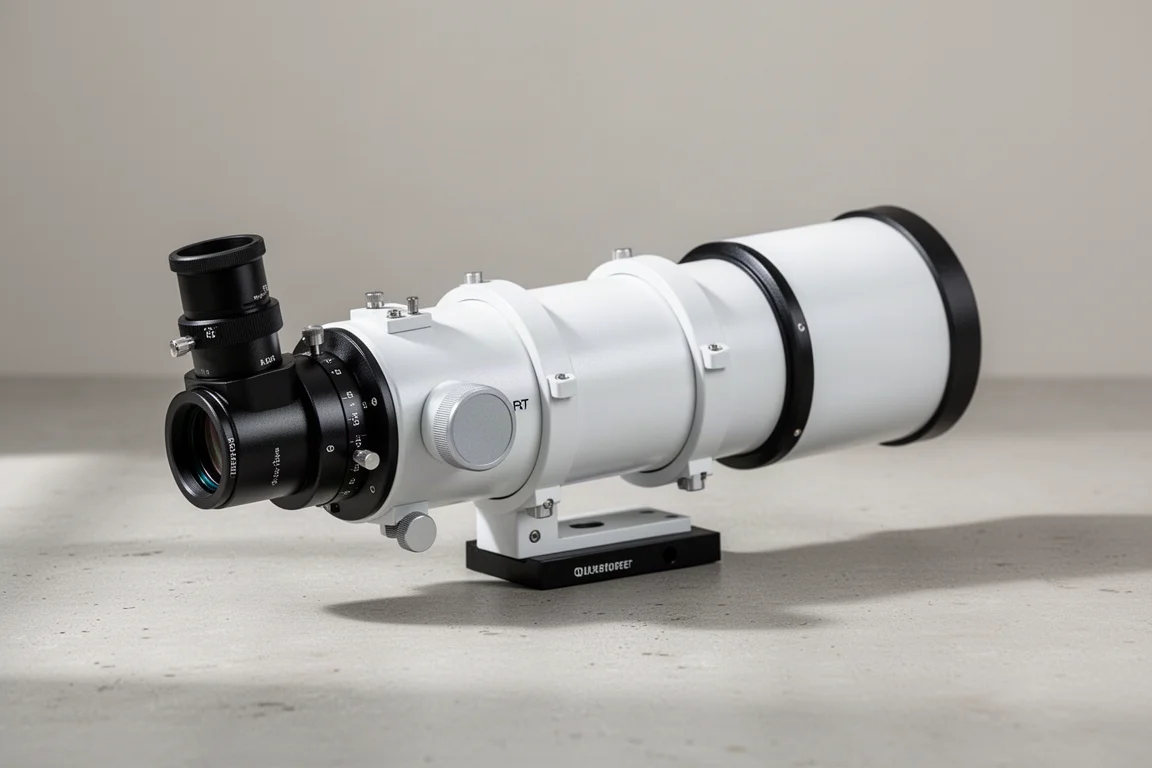
The FRA 300 is small, compact, and its optics are sharp and corrected across a 44 mm full-frame image circle. It has a beautiful dual-speed focuser, a rotator, and is an extremely straightforward imaging solution that covers nearly everything you would want in a first refractor. It is a quintuplet, and with a 300 mm focal length it is the widest-field dedicated telescope on this list, letting you fit the largest nebulae in the field of view. Paired with a camera like the ASI 2600, a camera angle adjuster, and an electronic focuser, it becomes a clean, compact setup capable of incredible results. For wide-field photography, it is nearly impossible not to recommend.
Best Full-Frame Refractor: Apertura Apo 90
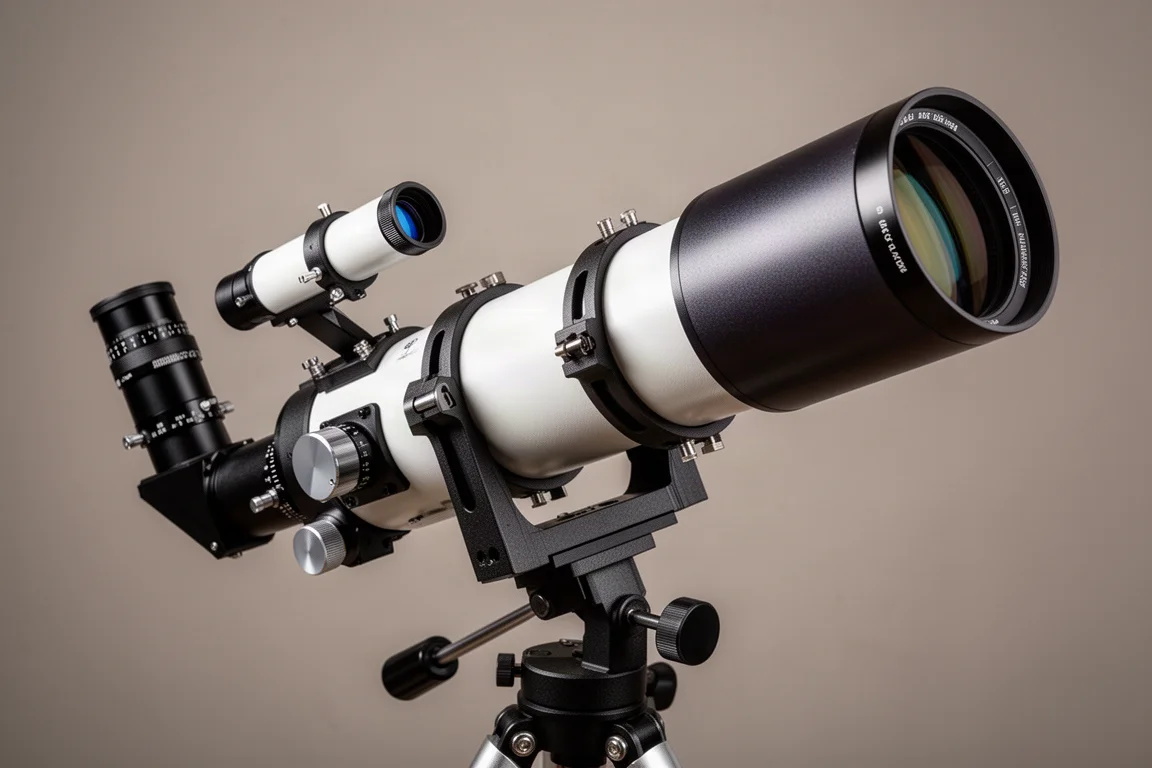
The Apertura Apo 90 has the best full-frame correction of any telescope in its class to date. The included field flattener supports a 44 mm corrected imaging circle, and stars stay sharp and round right out to the corners, which matters if you zoom into the depths and corners of your astro photos. Ninety millimeters of aperture gives more reach and light gathering than the FRA 300, and the 540 mm focal length is excellent for medium-sized nebulae and larger galaxies. It is a premium choice for a first refractor, but perfect if you want more light gathering and a longer focal length for smaller targets.
Best for Ultra-Fast Astrophotography: Celestron 8-Inch RASA
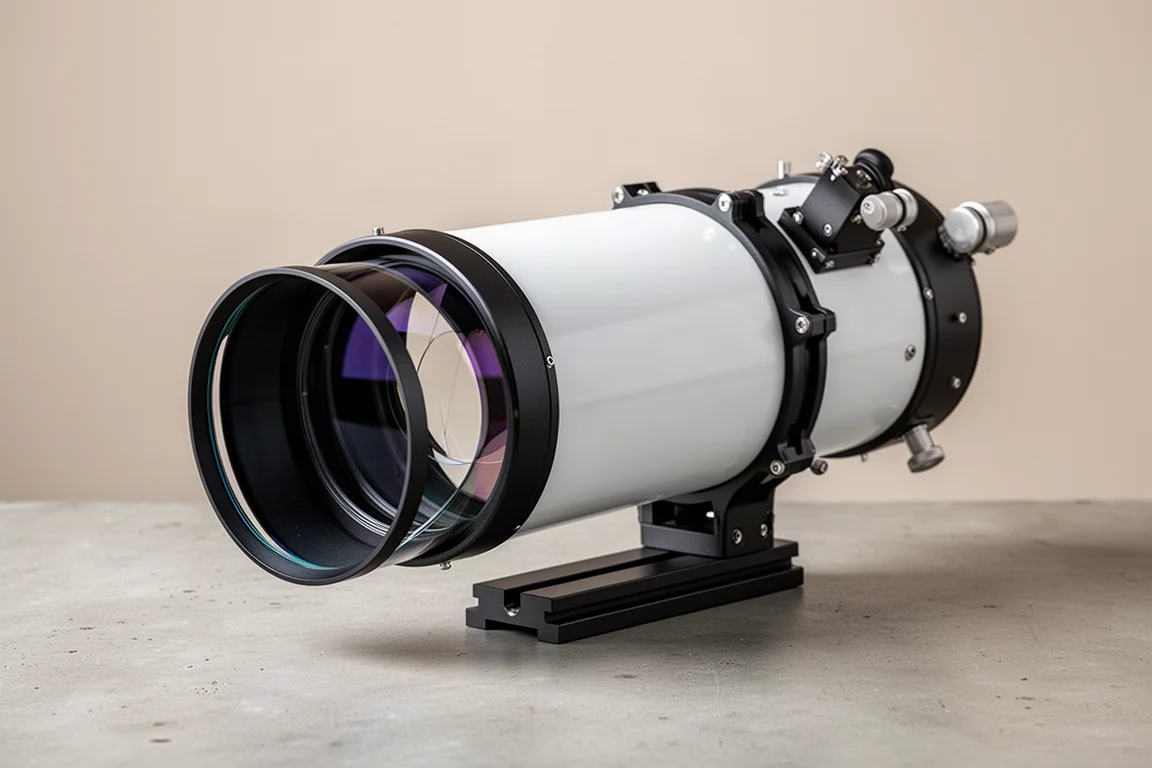
The Celestron 8-inch RASA runs at f/2, far faster than a typical refractor or fast Newtonian, combining a wide 400 mm focal length with the light gathering power of an 8-inch telescope, a fantastic combination for deep sky imaging. The short focal length pairs extremely well with modern small-pixel cameras like the ASI 585, turning it into an astrophotography powerhouse. Be honest with yourself, though: imaging at f/2 is a little unforgiving, and errors like sensor tilt, spacing issues, poor collimation, and soft focus show up immediately. You trade simplicity for sheer imaging performance, but if you want to gather an enormous amount of light quickly, it is hard to beat.
Best for Small Targets: Celestron 11-Inch EdgeHD
No telescope here matches the raw light gathering and resolving capability of the 11-inch EdgeHD. At its native 2800 mm focal length you can get up close and personal with small galaxies in stunning detail, and despite this being the astrophotography section, the views through the eyepiece are incredible. It is not the option for anyone prioritizing lightweight portability or easy mounting, but for serious high-resolution imaging of small galaxies, planetary nebulae, and other tiny targets, it delivers the aperture and focal length to do it well.
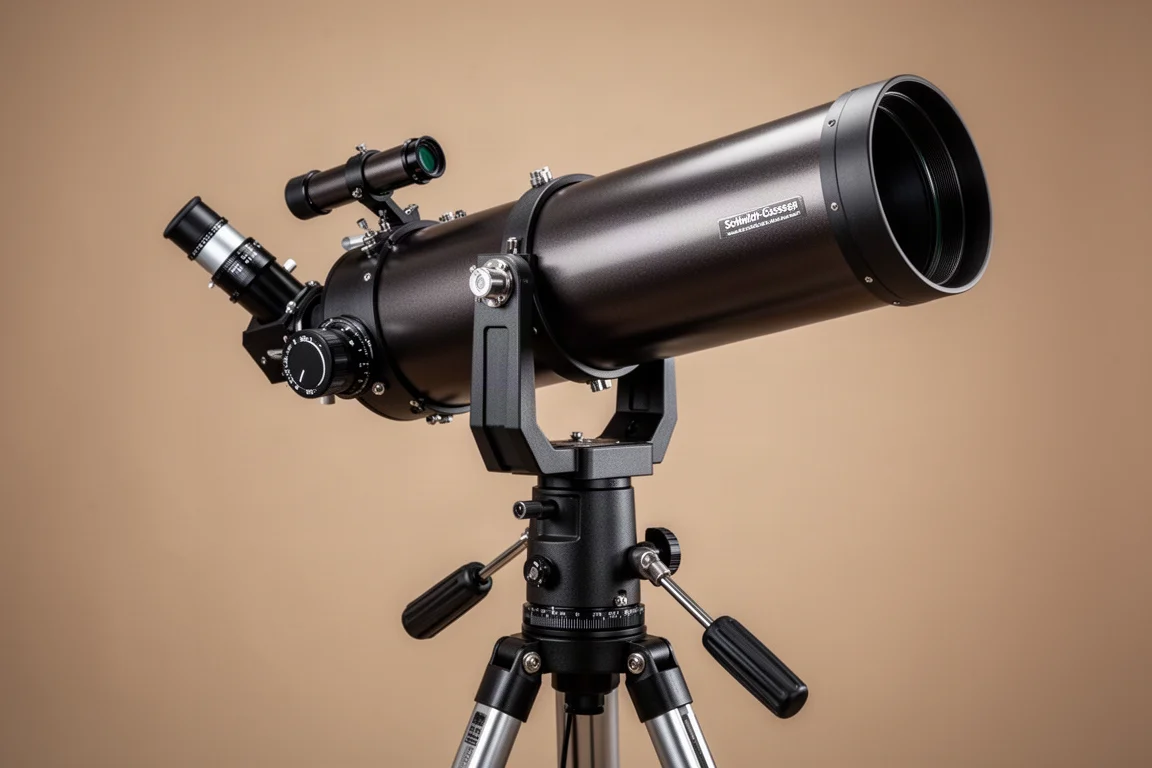
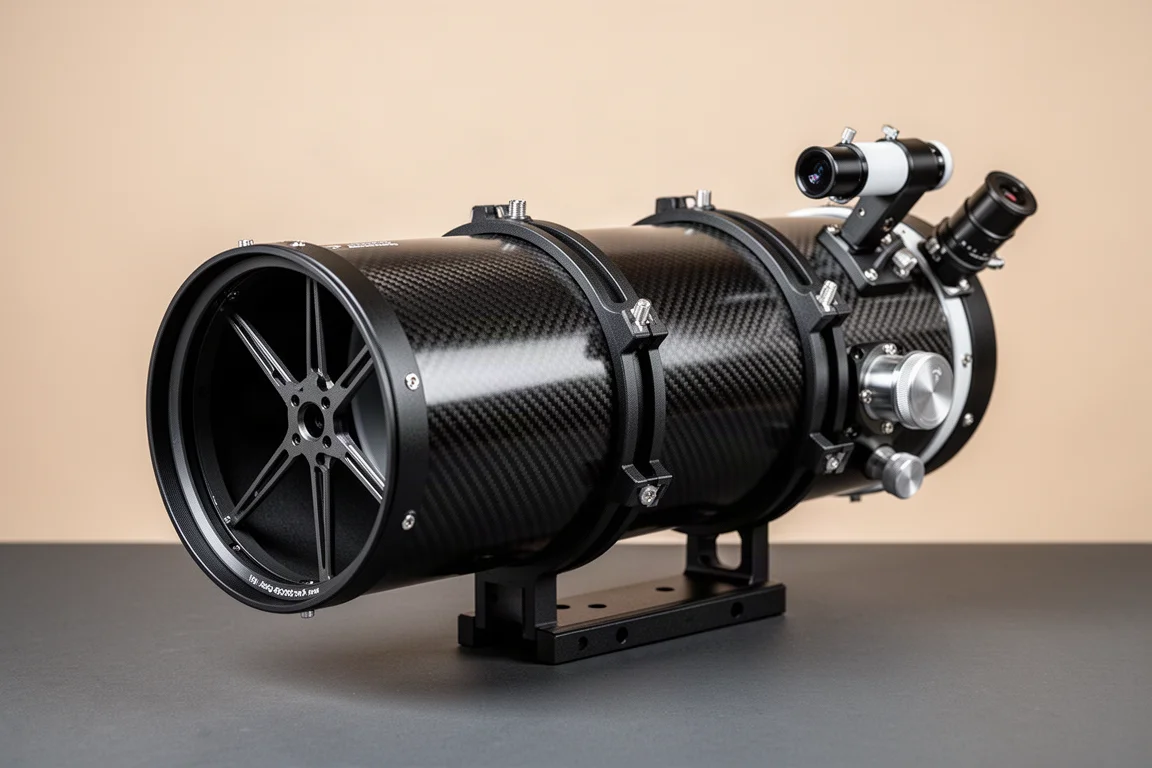
Best Newtonian for Astrophotography: Apertura Carbon Star 200
Combining 200 mm of aperture, an f/4 carbon fiber design, and an 800 mm focal length, the Carbon Star 200 addresses many frustrating problems of traditional imaging Newtonians. The carbon fiber body reduces focus shift as temperatures change through the night, while rigid CNC-machined hardware such as the spider vanes, a robust dual-speed rack and pinion focuser, and internal baffling keep the system stable. It is ideal for someone who wants something large but manageable, very fast but less sensitive than the RASA, and it pairs well with popular astronomy cameras like the APS-C ASI 2600. Collimation remains part of imaging with a Newtonian, but the CNC-machined secondary and spider vanes make adjustment and stability practically a non-issue. If you are upgrading from a small refractor, there is no better option.
Best Solar Telescope of 2026
No list would be complete without considering our nearest star, and this year’s solar pick lets you observe the cosmos in daylight.
Sky-Watcher Heliostar 76
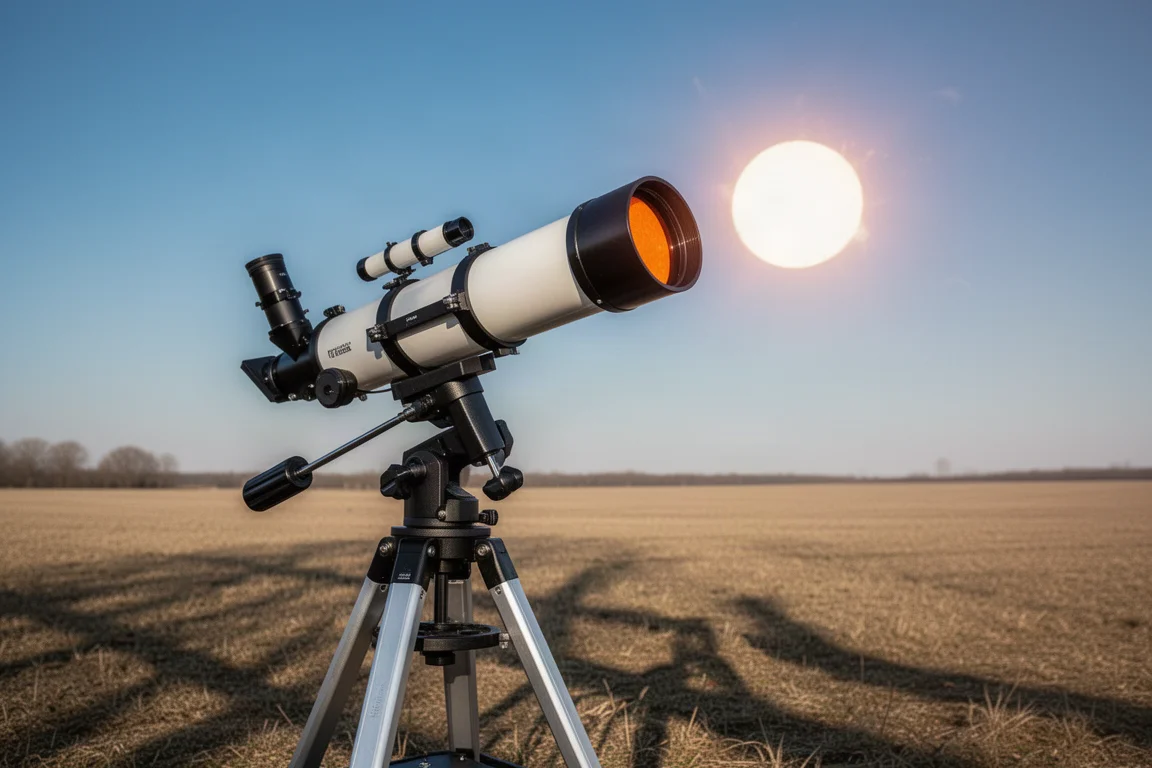
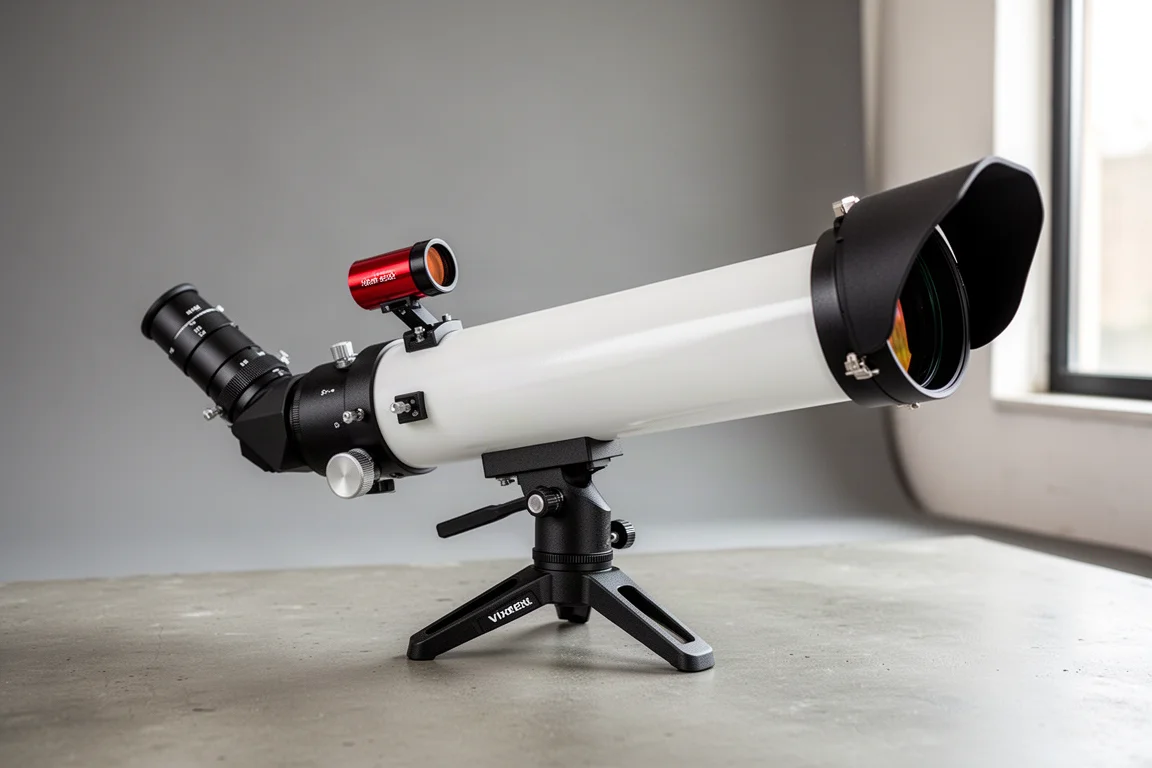
The Heliostar 76 is a single-etalon hydrogen alpha solar telescope with a narrow 0.55 angstrom bandpass designed to deliver surface detail and contrast you would normally expect from a much more expensive double-stack system. It includes a built-in solar finder, a dual-speed focuser, Sky-Watcher’s excellent tuning system, a thoughtful sunshade, and an included eyepiece that pairs perfectly with the scope. Through the eyepiece or a camera, it reveals solar prominences, sunspots, active regions, and filaments. If you want exceptional contrast and detail without paying for a double-stack system, this is the solar telescope to get, and its larger sibling, the Heliostar 100, offers even more light gathering if you want it.
Buying Advice
Match the telescope to how you actually want to observe. If you want simple, grab-and-go visual sessions, a tabletop Dobsonian or a light refractor is hard to beat. If you want guided navigation or automated pointing, look at the StarSense or NexStar platforms. If astrophotos are the goal and you value simplicity, a smart telescope delivers impressive results with almost no learning curve, while a dedicated rig rewards patience with full control. And if daytime observing appeals to you, a dedicated hydrogen alpha scope opens up a whole second half of the hobby.
Conclusion
2026 offers a genuinely strong spread of telescopes across every category, from pocket-sized smart scopes to aperture-heavy astrographs. Identify your priority, whether it is portability, automation, image quality, or raw light gathering, and the right pick from this list will keep you outside and under the stars for years to come.
Further reading
Related Reviews

Telescopes
Sightron SJ75 UF and Sky-Watcher HS125: Two Telescopes Worth Watching
A look at two notable telescopes from a recent camera and optics expo: a sharp new astrograph from Sightron Japan and a compact fast reflector from Sky-Watcher.

Telescopes
SV503 102ED Review: A Budget 102mm Refractor That Surprises
The SV503 102ED is an affordable 102mm doublet refractor that delivers surprisingly decent star shapes and a smooth focuser, despite some chromatic aberration and light falloff.

Telescopes
SVBony MK127 Review: A Compact Maksutov-Cassegrain That Surprises
The SVBony MK127 is a 127mm Maksutov-Cassegrain telescope with a unique 0.65x reducer, making it a versatile option for visual astronomy and even some deep-sky imaging.