Telescopes
Best Telescopes of 2025: Our Picks for Visual Astronomy, Smart Scopes, and Astrophotography
From classic 8-inch workhorses to app-driven smart scopes and dedicated imaging telescopes, these are our top telescope picks across three categories.
Introduction
Every year brings new ideas to telescope design. Some refine the instruments amateur astronomers have relied on for decades, while others change how beginners and experienced observers alike explore the night sky. With so many options, choosing the right one can feel overwhelming.
Drawing from hands-on experience, customer feedback, and extensive product testing, this guide pulls together our picks for the best visual telescopes, smart telescopes, and astrophotography telescopes of 2025. The list is organized by category so you can jump straight to the type of observing or imaging you care about most.
How We Chose These Telescopes
Our selections come down to a few consistent questions. For visual telescopes, we asked which single feature delivers the best experience for first-time buyers and people upgrading from an old scope; the answer was 8 inches of aperture, which opens the door to deep sky objects alongside genuinely impressive lunar and planetary views. For smart telescopes, we looked at imaging quality, ease of use, and how well the app experience holds up night after night. For astrophotography, we weighed optical performance, build quality, and overall value against what a dedicated imaging rig can realistically deliver.
Best Visual Telescopes of 2025
Visual telescopes are the grassroots of amateur astronomy, and an 8-inch aperture remains the sweet spot for shared viewing with friends and family. Two scopes stood out this year.
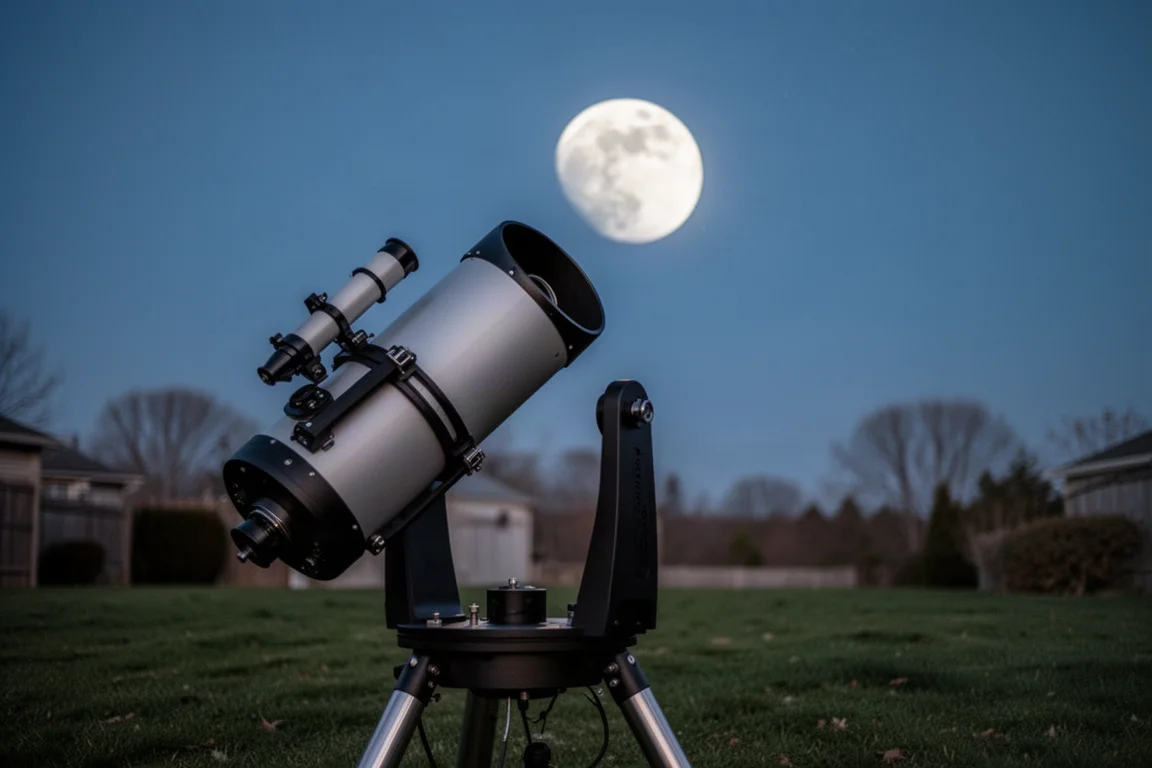
Best Computerized Telescope: Celestron NexStar 8SE
The NexStar 8SE is often described as the epitome of computerized telescopes. Its large 8-inch mirror opens up deep sky objects along with fantastic planetary and lunar detail that smaller telescopes simply cannot match. Mounted on an alt-az mount and tripod with a database containing more objects than anyone will ever need, you will never be short of something to look at.
The built-in hand controller has a tactile feel with a soft orange glow that helps preserve night vision, and the focuser operates smoothly and precisely. The community support is exceptional too, with a wide range of accessories available from Celestron and third parties, including portable power tanks, eyepiece kits, and diagonals. At its core, this is a 2032mm f/10 optical system sitting on a sophisticated yet simple-to-use alt-azimuth mount that compensates for the rotation of the Earth.
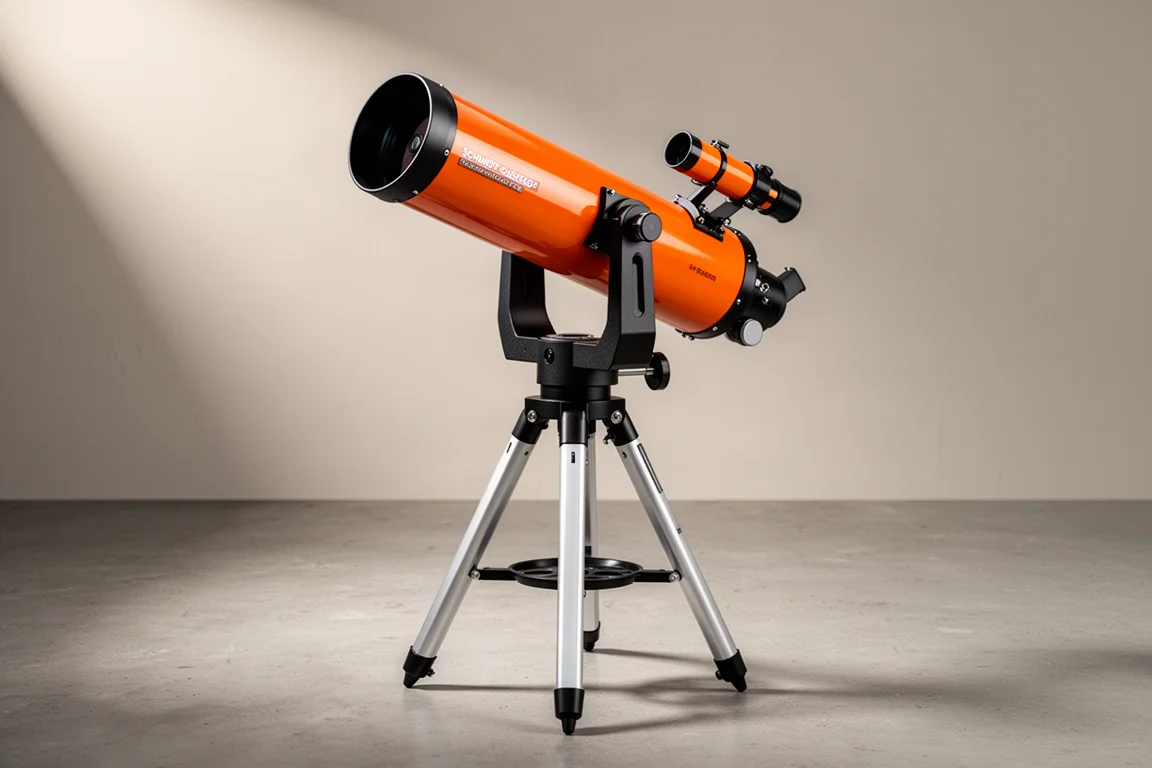
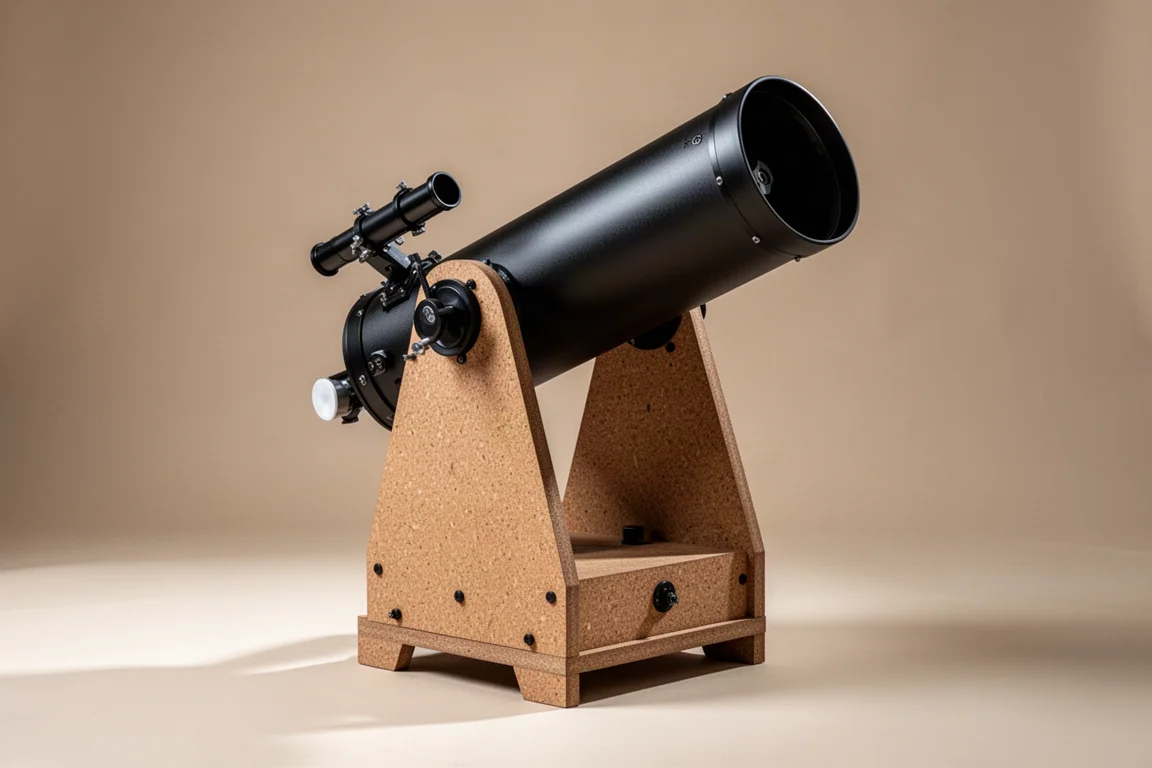
Best Overall Telescope: Apertura AD8
The Apertura AD8 is what we would call a lifetime telescope, one that grows and evolves with you as you progress through amateur astronomy. It also takes the title for best price per inch of aperture: simply put, it delivers more enjoyment and performance for the money than anything else on this list.
With a fast, highly reflective 8-inch mirror, an adjustable balance system, and a range of upgradeable features, this Dobsonian immerses you in the night sky quickly. Precision roller bearings and tension knobs make star hopping easier than ever, and the optical right-angle finder scope helps you locate faint galaxies and star clusters. The dual-speed 10:1 focuser pulls out every ounce of planetary and lunar detail. No power is required, and out of the box you get a 2-inch 30mm superview eyepiece for deep sky objects plus a 9mm eyepiece for planetary and lunar viewing. Over time, this instrument becomes a lifelong companion under the stars.
Best Smart Telescopes of 2025
Smart telescopes combine a lens or optic, an internal digital camera, a fully automated go-to system, and a mini computer that drives the whole experience. They represent the intersection between visual astronomy and astrophotography through technology, and three models earned their places this year.
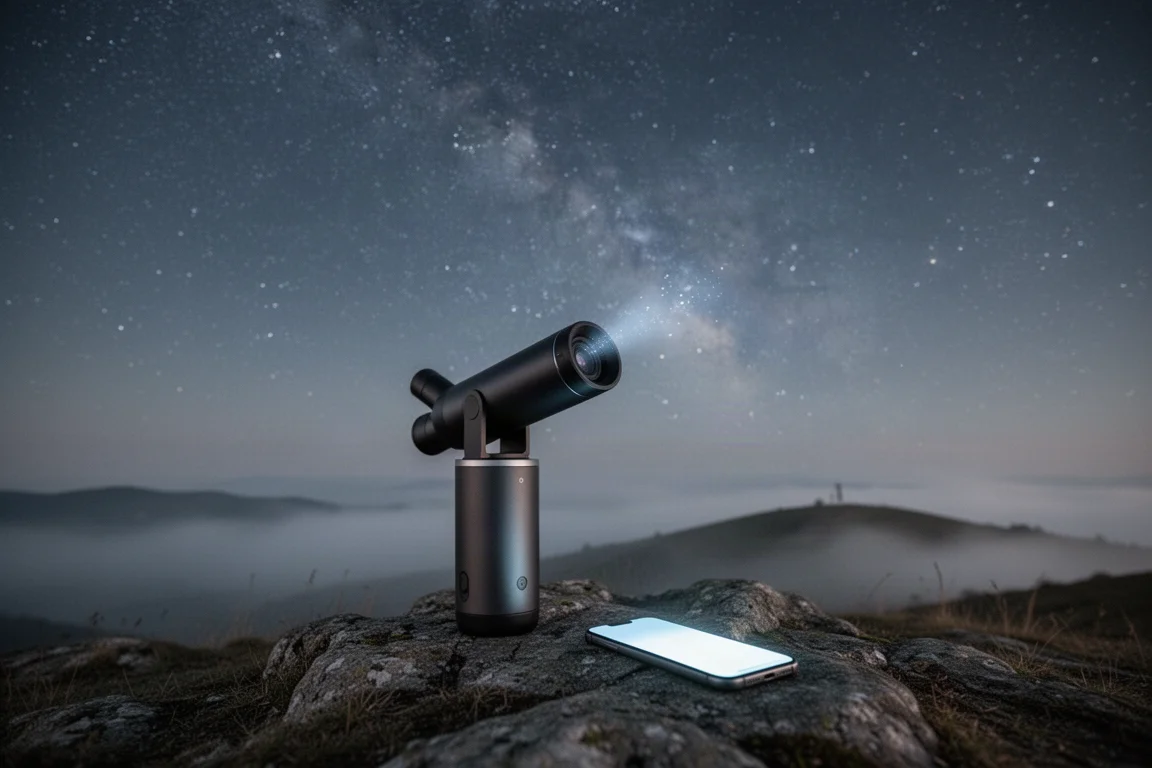
Best All-in-One Smart Telescope: ZWO Seestar S50
The Seestar S50 packs everything you need into a compact design that lets you photograph deep space objects entirely from your smartphone. It features a 50mm triplet lens with sharp stars and excellent color correction, plus a 250mm focal length that is well suited to framing medium-sized deep sky targets.
Inside, the highly sensitive Sony IMX 462 sensor drives three automated imaging modes: a deep space mode for astrophotography, a solar system mode for lunar and solar photography, and a scenery mode for daytime use. Using the integrated sky atlas, you can pan across the sky and select an object in real time, or pick from a large database of popular targets while the scope automatically centers, tracks, and stacks your images. The internal rechargeable lithium-ion battery supports several hours of imaging on a charge.
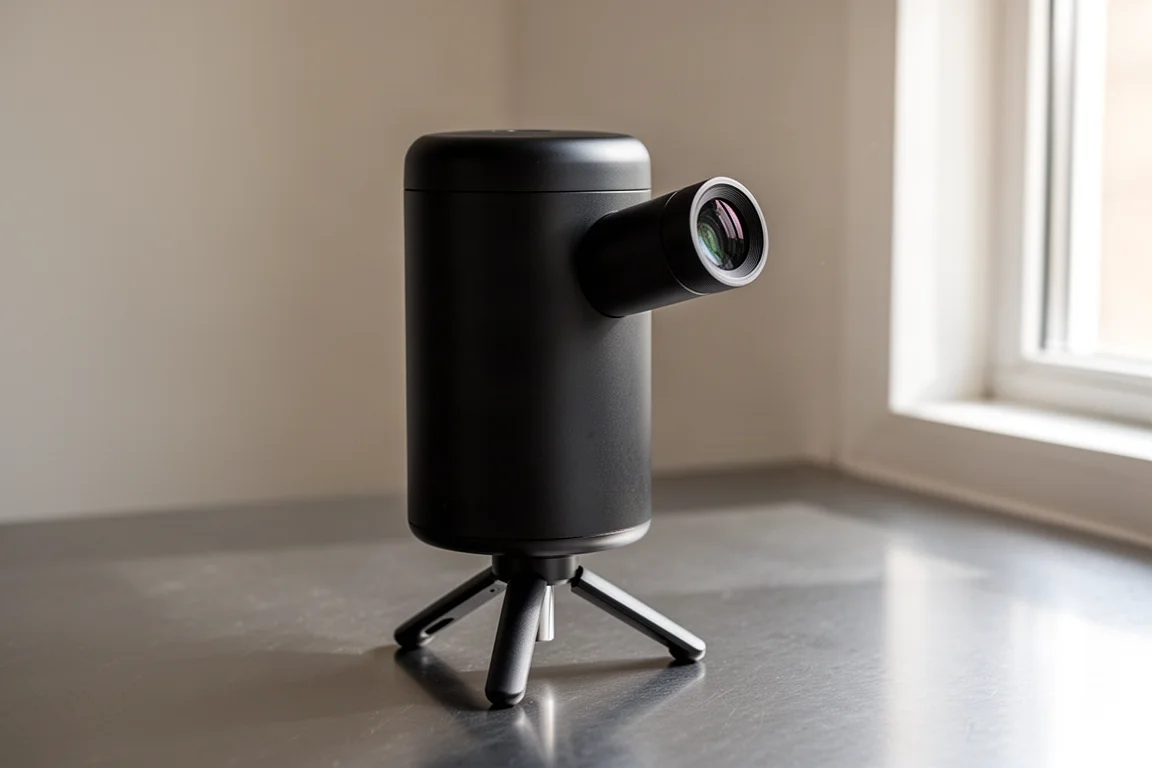
Most Elegant Smart Telescope: Vaonis Vespera Pro
The Vespera Pro is the most technologically advanced smart telescope on this list, delivering a refined and highly capable experience. It features a 50mm quadruplet lens, a 250mm focal length, and a 12.5 megapixel IMX676 sensor that produces some of the most detailed images in the category.
Like other smart telescopes, it captures and stacks photos in real time, but it stands apart with CovalENS and PerseverENS technologies, which let you create stunning 50 megapixel astro mosaics and continue imaging sessions across multiple nights. The Singularity app is intuitive and feature-rich, with a local weather forecast, multiple object catalogs, and a plan-my-night feature for hopping from one deep sky object to the next.
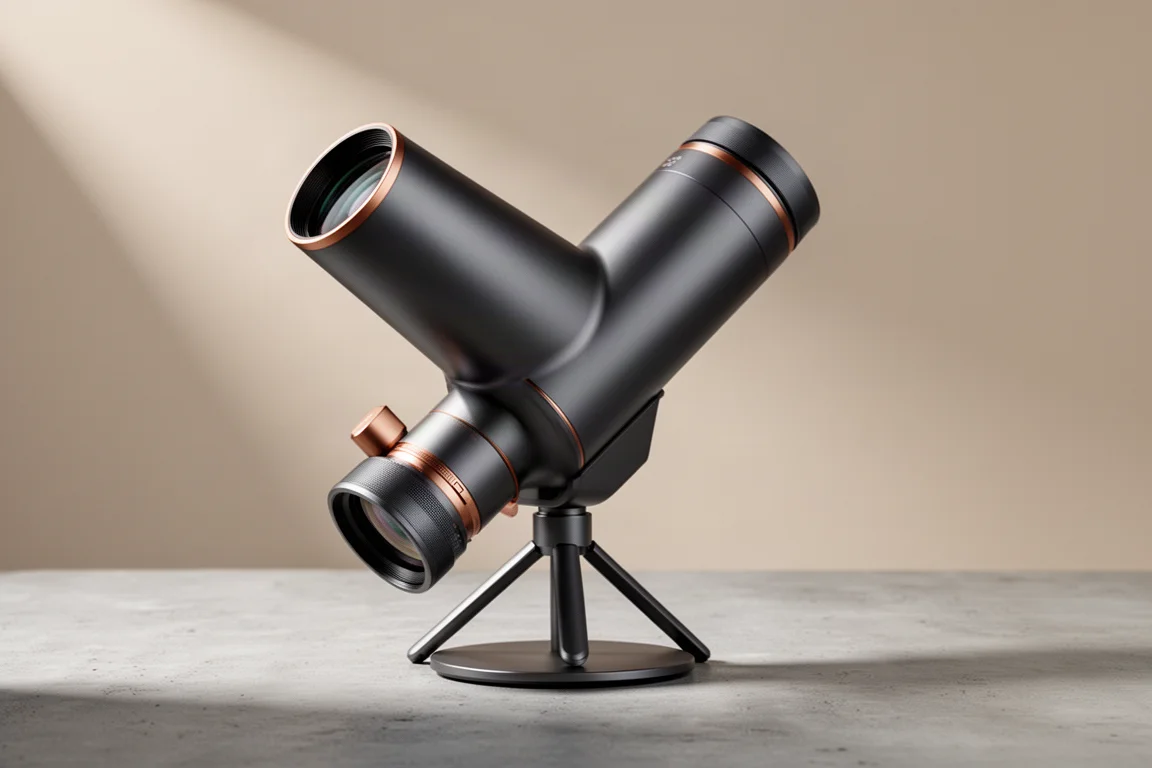
Best Overall Smart Telescope: Celestron Origin Mark II
The Origin Mark II is the largest and most powerful smart telescope here. At its core is a 6-inch RASA optical tube with an incredibly fast f/2.2 focal ratio, delivering unmatched light-gathering capability and imaging speed for the category. Paired with the Sony Starvis 2 IMX678 sensor, its 8.4 megapixel camera and 2-micron pixels work beautifully with the 335mm focal length to resolve fine structure that smaller smart telescopes cannot.
The trusted NexStar Evolution mount brings precision tracking, an internal rechargeable lithium-ion battery, and reliable go-to performance. The Origin app makes the experience immersive: point your phone at the sky, tap any visible target, and start an imaging session. This is also the kind of scope that shines at outreach events, where passing a smartphone around and letting everyone choose their own target turns a clear night into something memorable.
Best Astrophotography Telescopes of 2025
Dedicated astrophotography rigs represent what smart telescopes ultimately strive for: the pursuit of the highest image quality. Despite how good smart scopes have become, they cannot quite match what a dedicated imaging telescope delivers. Four instruments earned top honors this year.
Best Multifaceted Refractor: Askar SQA55
The SQA55 is a dual-purpose telescope and telephoto lens designed for both wide-field astrophotography and backyard nature photography, with a 250mm focal length. Five lens elements provide excellent color correction, sharpness, and full-frame compatibility, all in a no-fuss Petzval design where spacing concerns are a thing of the past.
It features precise coarse and fine helical focusers, a Vixen-style dovetail for dedicating it to an imaging rig, and a quick-release adapter for fast swaps to a photographic tripod. The standout feature is the aperture ring, which lets you stop down from f/4.8 to f/22 for complete creative control. For versatility and its ability to capture sweeping images of the largest deep sky objects, it is our pick for best multifaceted refractor.
Best Full-Frame Corrected Refractor: Apertura APO90
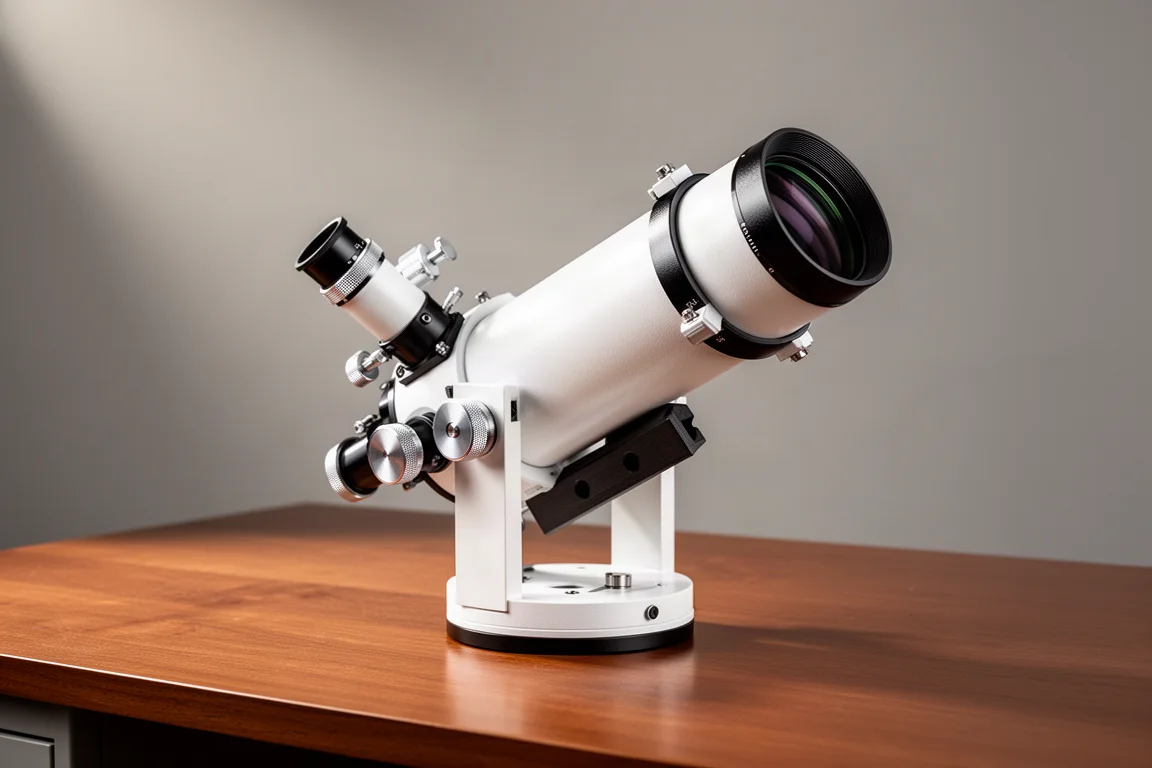
With a 90mm objective and a 540mm focal length, this f/6 triplet refractor delivers some of the sharpest stars across a full-frame camera we have tested. It is the largest and most powerful scope in the Apertura family, collecting over three times as much light as a smaller 50mm refractor, and it is ideal for deep space imaging.
The included 1x field flattener needs only the standard 55mm of spacing to achieve an incredibly flat field with full-frame sensors. Quality touches include a robust dual-speed 10:1 EAF-ready focuser, a camera rotator for precise framing, and beautifully CNC-machined blue anodized components. Pair it with the optional Apertura 0.8x reducer for a fast f/4.8 focal ratio. If you care deeply about star quality at the edges of your field of view, this is the scope for you.
Best for Ultra-Fast Astrophotography: Celestron 8-Inch RASA
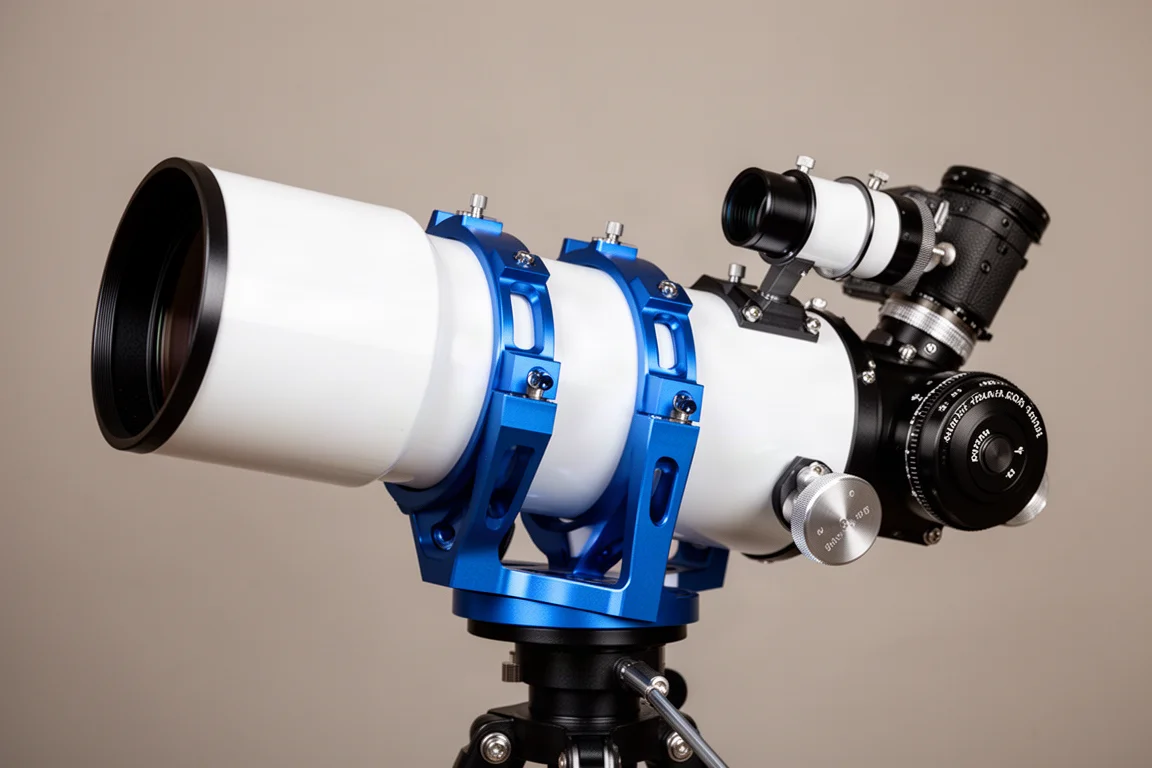
The Celestron 8-inch RASA collects light roughly 20 times faster than an identically sized telescope of a conventional design. To put that in perspective, what the RASA gathers in about 30 seconds is similar to what an f/10 SCT collects in about 10 minutes. What you could capture in a single night would take several nights with a traditional SCT.
The combination of lens groups, the Schmidt corrector plate, the primary mirror, and Celestron’s StarBright XLT coatings work together to produce exceptional detail across your images. With a 22mm corrected imaging circle, it pairs perfectly with sensors up to micro four thirds. At 400mm focal length, you get the wide immersive field of a wide-field refractor with the resolving power of a larger 8-inch telescope, and a 20-second exposure with a one-shot-color camera may be all you need for targets like the Orion Nebula or the Andromeda Galaxy.
Best Long Focal Length Telescope: Celestron 11-Inch Edge HD
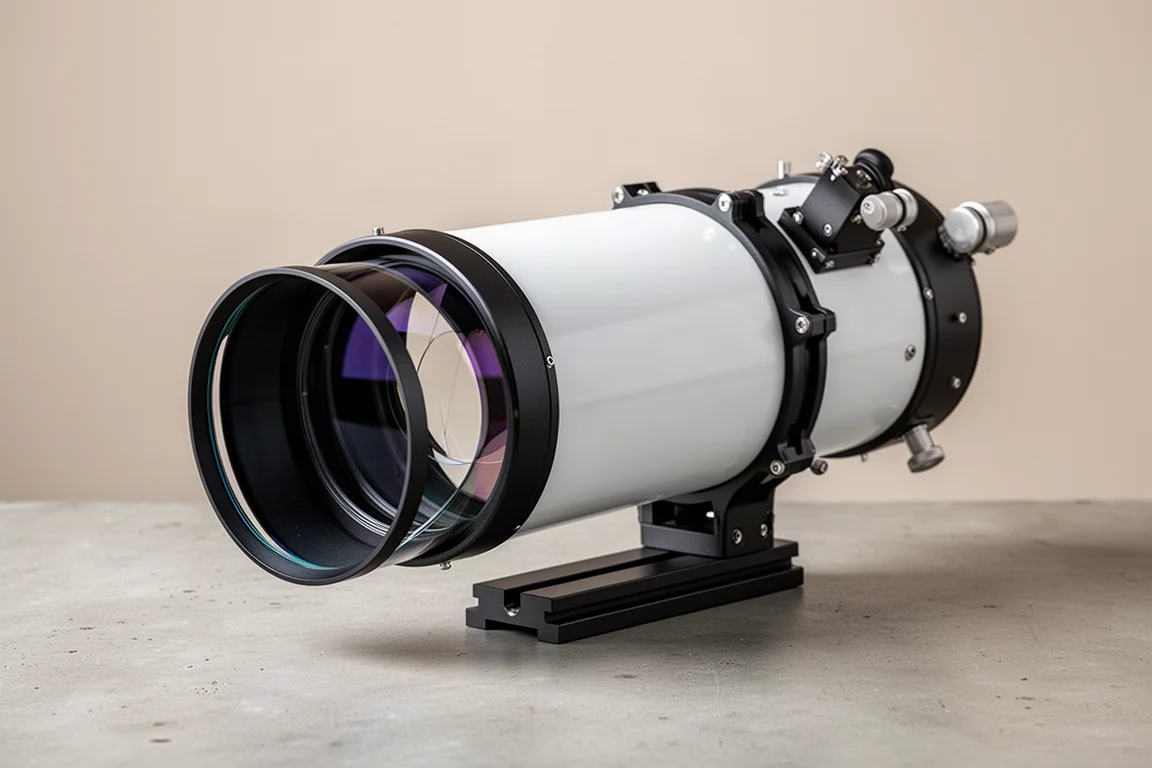
The 11-inch aperture makes this the largest telescope on our list by a considerable margin, capable of capturing unprecedented detail in small deep sky objects thanks to sheer size and reach. Celestron’s EdgeHD optics provide an extremely flat imaging plane from corner to corner on a full-frame sensor, using patented corrector lenses built directly into the rear assembly.
It comes standard with integrated mirror locks and a built-in ventilation system that reduces thermals inside the optical tube. While this is a list of astrophotography telescopes, visual astronomy and planetary imaging through a scope of this size deserve mention too: the views are stunning. Celestron includes a 2-inch 23mm Luminos eyepiece, a visual diagonal, and a straight-through finder scope, so you can start viewing on your first night out.
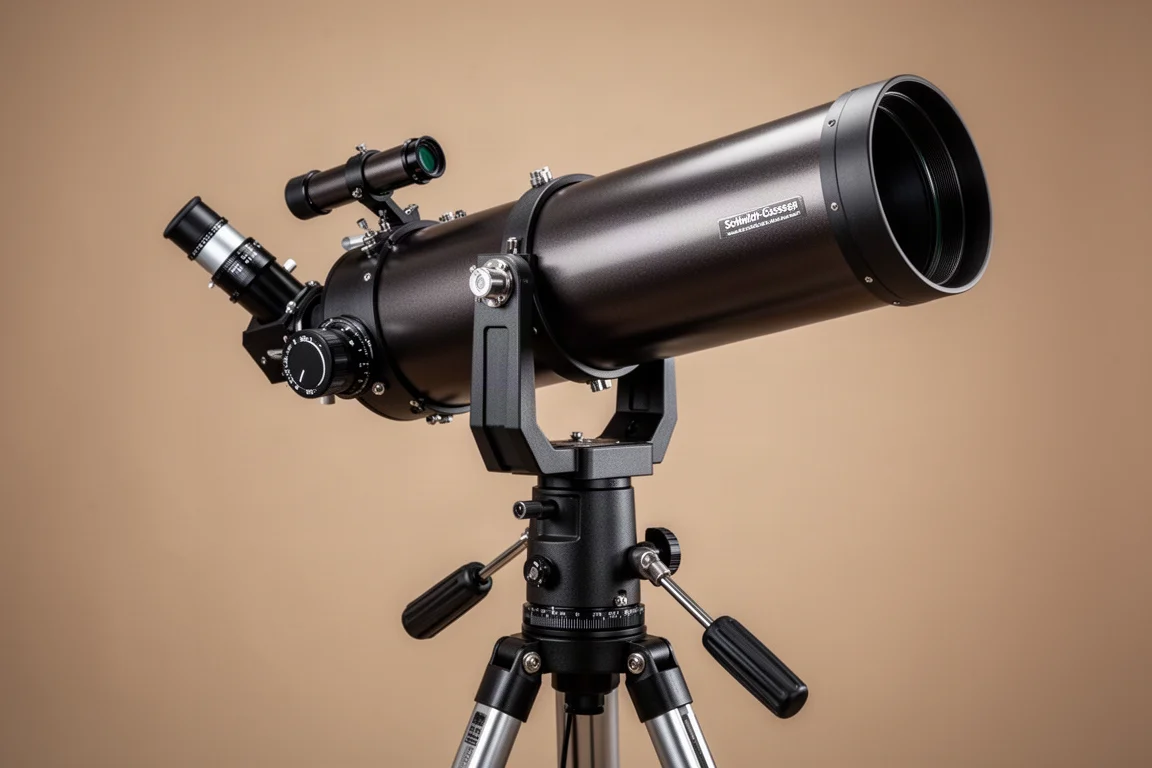
Best Overall Astrophotography Telescope: Apertura CarbonStar 200mm Imaging Newtonian
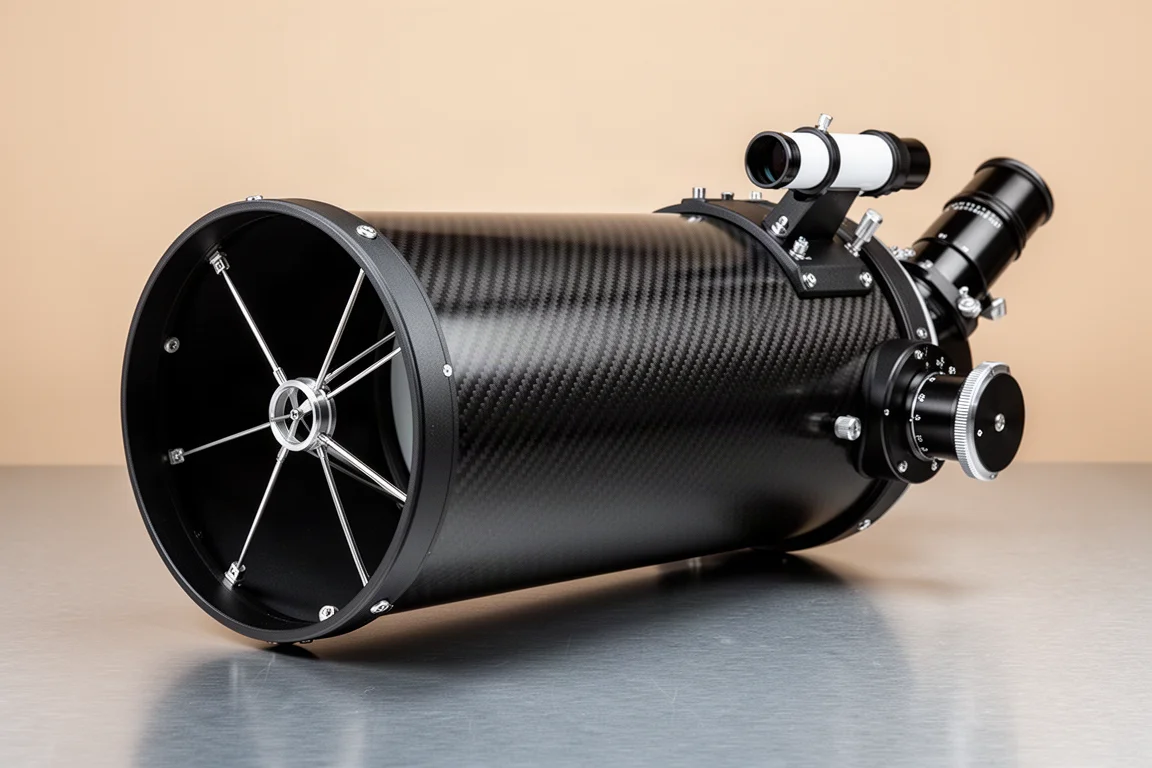
This one earns its top spot by striking a near-perfect balance between price, performance, and design. A traditional 8-inch imaging Newtonian is large enough to capture an eye-opening amount of detail while remaining light enough to work on a variety of mid-range mounts, and the CarbonStar 200 upgrades that classic formula in several meaningful ways.
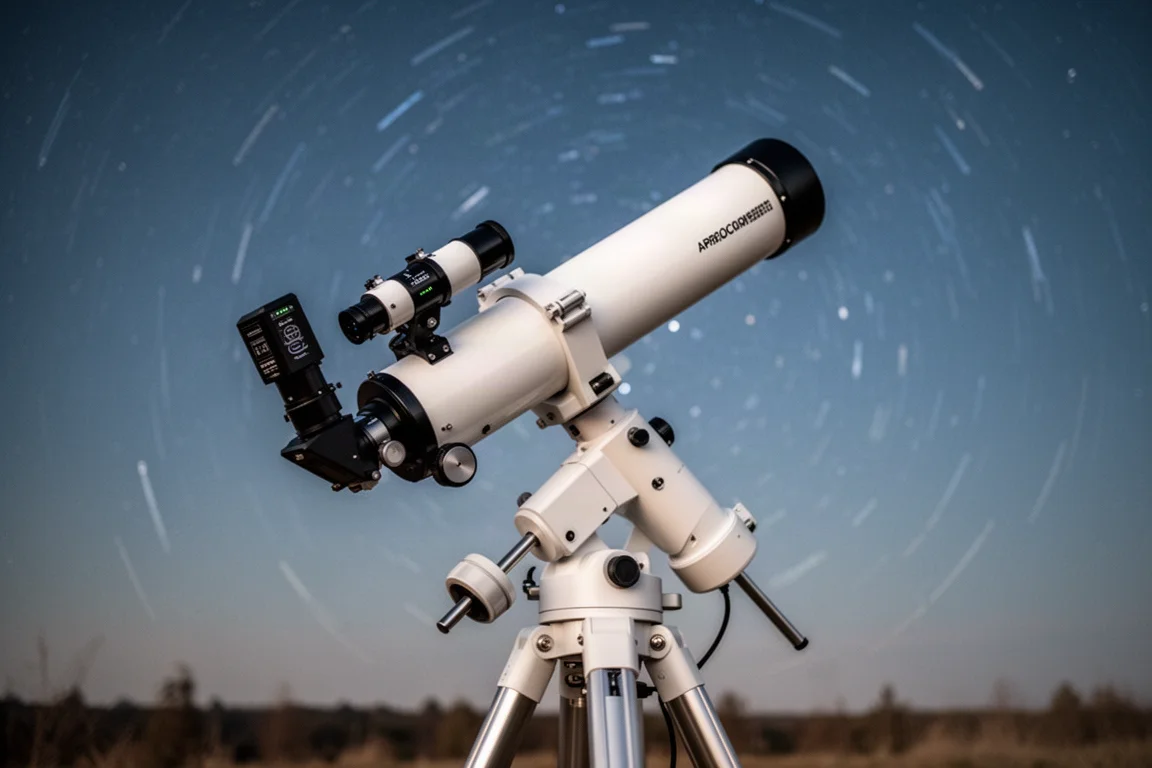
Keeping the scope under a mere 16 pounds is an impressive black carbon fiber body that also insulates against temperature drops, keeping focus and collimation on point throughout the night. The CNC-machined secondary mirror housing prevents flexing or twisting during collimation, arguably one of the best upgrades to the traditional Newtonian design on the market today. The upgraded rack-and-pinion dual-speed 10:1 focuser is EAF ready and holds heavy APS-C imaging trains with ease, while 13 internal knife-edge baffles reduce stray light and improve contrast.
Optically, it is optimized for APS-C sensors thanks to an enlarged secondary mirror for improved field illumination. Paired with the dedicated optional coma corrector, the CarbonStar 200 delivers premium imaging performance in a clean, lightweight package, with remarkably crisp detail and pinpoint stars in the images it produces.
Overall Buying Advice
If you are new to astronomy or want a scope the whole family can share, an 8-inch visual instrument like the Apertura AD8 or Celestron NexStar 8SE remains the strongest starting point. If you want astrophotography without the learning curve, smart telescopes like the ZWO Seestar S50, Vaonis Vespera Pro, and Celestron Origin Mark II remove nearly all of the friction. And if you are ready to chase the highest possible image quality, the dedicated imaging telescopes above reward the extra setup with results smart scopes cannot match.
Conclusion
From the grassroots simplicity of a Dobsonian to fully automated smart scopes and dedicated imaging instruments, 2025 offers something for every stage of the journey. Match the telescope to how you actually want to observe, whether that is through the eyepiece, on a phone screen, or in a stacked deep sky image, and any of these picks will serve you well for years. Clear skies.
Further reading
Related Reviews

Telescopes
Sightron SJ75 UF and Sky-Watcher HS125: Two Telescopes Worth Watching
A look at two notable telescopes from a recent camera and optics expo: a sharp new astrograph from Sightron Japan and a compact fast reflector from Sky-Watcher.

Telescopes
SV503 102ED Review: A Budget 102mm Refractor That Surprises
The SV503 102ED is an affordable 102mm doublet refractor that delivers surprisingly decent star shapes and a smooth focuser, despite some chromatic aberration and light falloff.

Telescopes
SVBony MK127 Review: A Compact Maksutov-Cassegrain That Surprises
The SVBony MK127 is a 127mm Maksutov-Cassegrain telescope with a unique 0.65x reducer, making it a versatile option for visual astronomy and even some deep-sky imaging.