Telescopes
Best Telescopes of 2024: Top Visual, Smart, and Astrophotography Picks
From classic visual telescopes to automated smart scopes and dedicated imaging rigs, these are the standout telescopes of 2024 across three categories.
Introduction
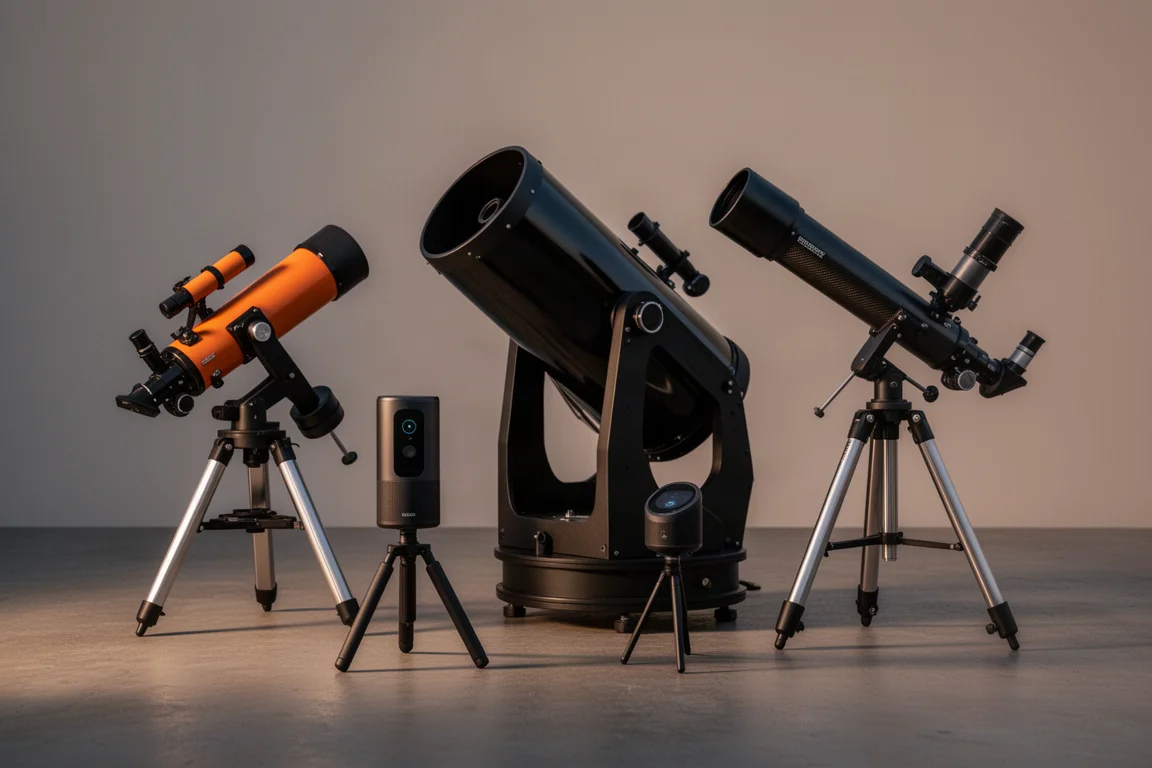
2024 has been a strong year for amateur astronomy, with gear that brings distant celestial objects within reach like never before. Whether you want immersive eyepiece views of the night sky, automated imaging at the tap of a button, or a serious astrophotography rig, there is a lot to choose from. We have narrowed the field down into three categories: visual telescopes, smart telescopes, and astrophotography telescopes, with the standout pick in each subcategory.
Visual Telescopes
Looking through an eyepiece can lack the detail of a dedicated imaging system, but it makes up for it with a feeling that is hard to replicate: seeing the moons of Jupiter, the rings of Saturn, or hundreds of stars in a globular cluster with your own eyes. Visual telescopes offer a unique connection to the stars, and the picks below give you the best opportunity to create that connection for yourself.

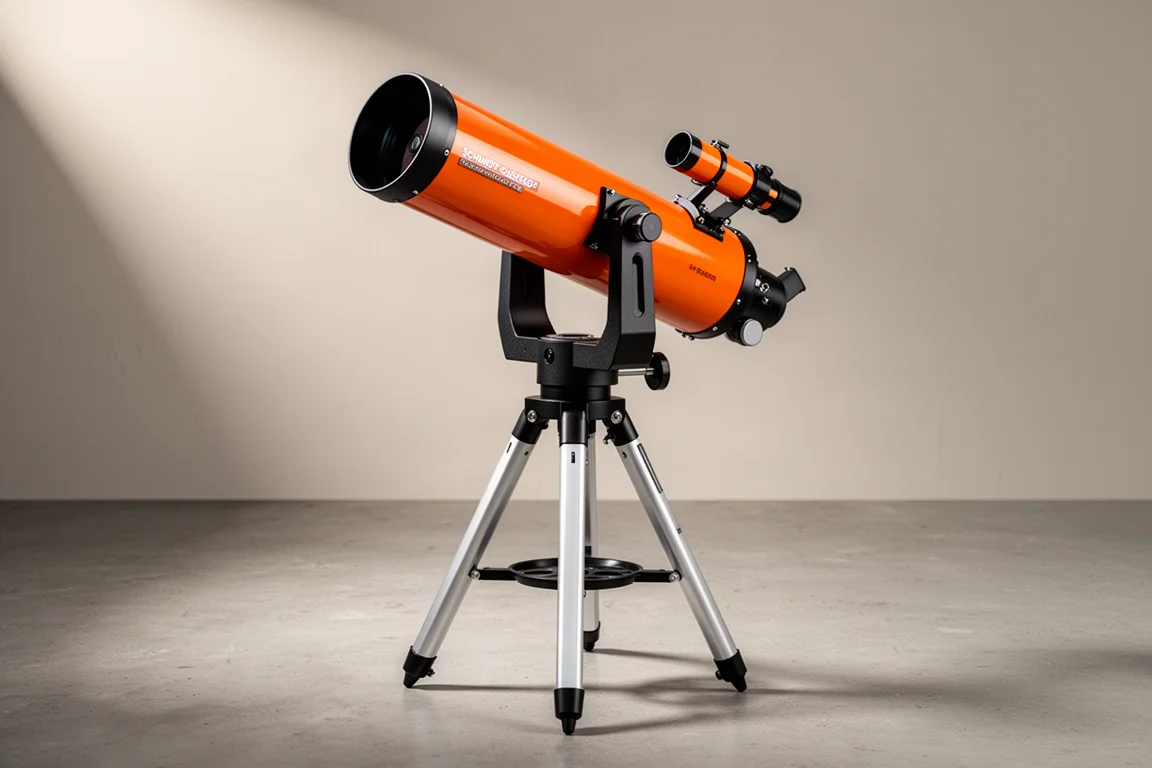
Best Computerized: Celestron NexStar 8SE
The Celestron NexStar 8SE continues to be the best computerized telescope thanks to its go-to functionality, which makes the night sky easily accessible. Setup requires little to no experience, and the 8-inch aperture pairs size and portability without sacrificing performance. The moons, the planets, and deep sky objects are all well within its reach.
Because the NexStar 8SE is so beloved, there is an abundance of accessories to personalize your astronomy journey, from upgraded eyepieces and Barlow lenses to hands-free Wi-Fi control modules and auto align systems.
Best Overall Visual: Apertura AD8
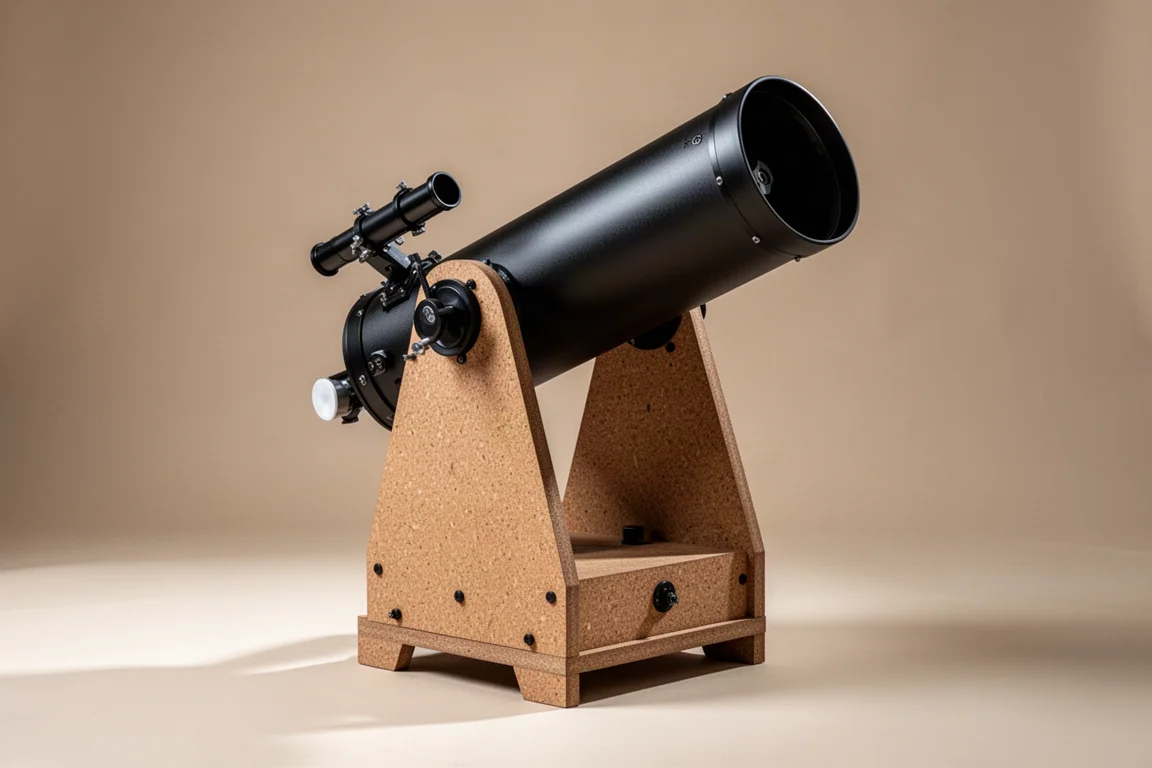
The Apertura AD8 Dobsonian remains the standard for visual telescopes. Its classic, easy-to-use mount with smooth bearings and high-quality optics pack the most light-gathering power of any telescope for the price. Solar system objects and deep sky objects alike are easily accessible with the fast, large 8-inch aperture, and the precisely machined dual-speed focuser brings them into tight focus.
This Dobsonian also ships with everything you need to be viewing on your first night out, including eyepieces, a cooling fan, a laser collimator, and a finder scope, all backed by an industry-leading warranty. Apertura offers a huge selection of AD-series accessories such as carrying cases, collimation knobs, flocking kits, and wheelie bars, so the telescope can grow with you as you progress in the hobby.
Best Portable: Sky-Watcher Heritage 150
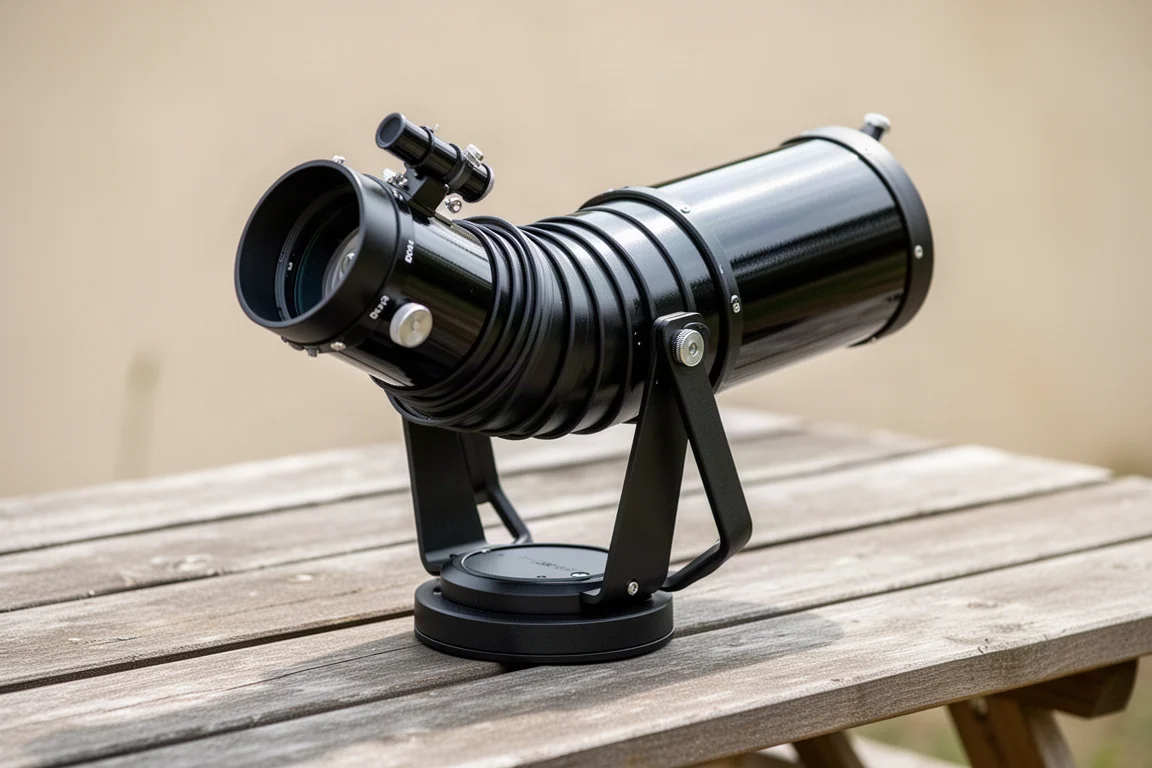
If portability is the priority, the Sky-Watcher Heritage 150 tabletop Dobsonian maximizes aperture in an ultra-portable, collapsible system. When fully collapsed the telescope sits at just 16.75 inches, and the base is sized to fit perfectly on a picnic table.
With 6 inches of aperture and a 750mm focal length, it is a relatively fast Newtonian that can access a large number of deep sky objects while still providing impressive planetary detail and stunning views of the moon. A red dot finder, multiple eyepieces, and a simple yet effective 1.25-inch helical focuser are included.
Smart Telescopes
Smart telescopes let you take beautifully detailed, color-rich photos of the night sky with little to no astronomy experience. Everything is controlled through an app on your smartphone or tablet, and this is a category that will only keep growing.
Best Overall Smart Telescope: Celestron Origin
The Celestron Origin is the culmination of everything Celestron has learned from years of building industry-leading telescopes. Custom-designed 6-inch RASA optics are mounted on a tried-and-true Evolution-style mount with a built-in lithium-ion battery, a sturdy tripod, and fully automated go-to capabilities.
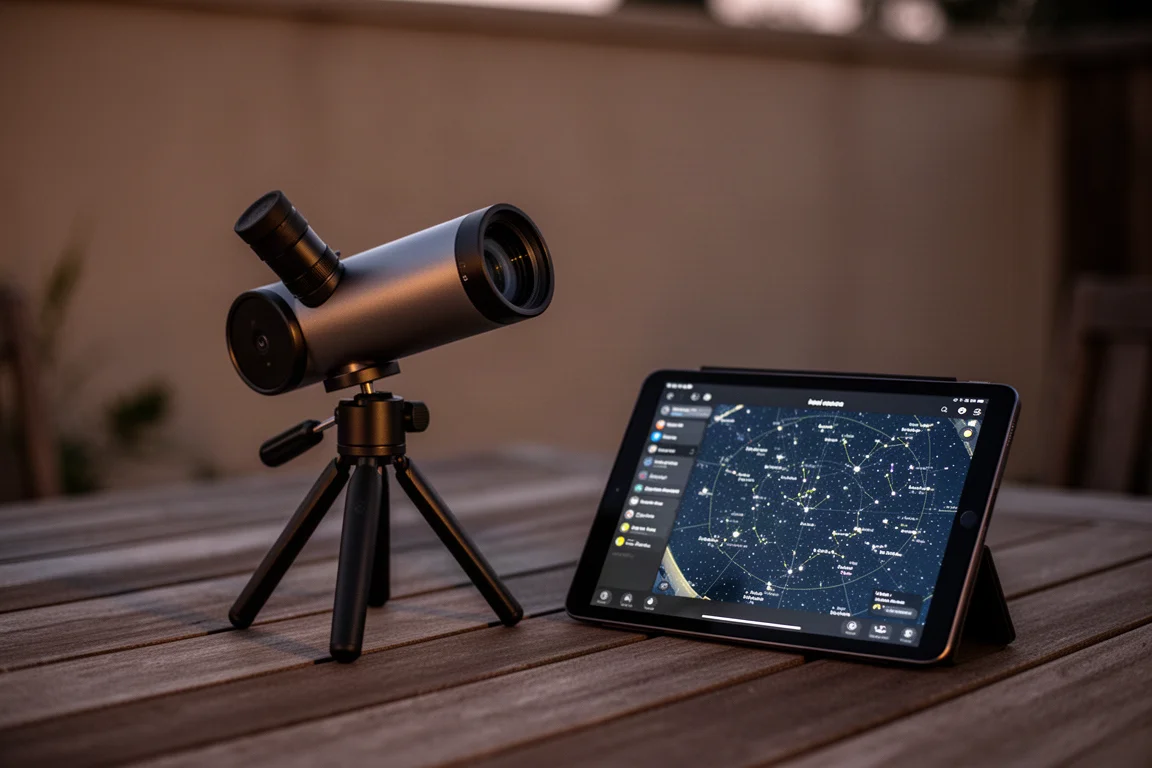
The Origin is controlled through an intuitive app with planning features, a sky atlas, and more, making the experience seamless for you and your family. The result is stunning night sky images in a fraction of the time compared to other smart telescopes, and with downloadable raw files for post-processing, your photos can even rival those from a dedicated astrophotography system.
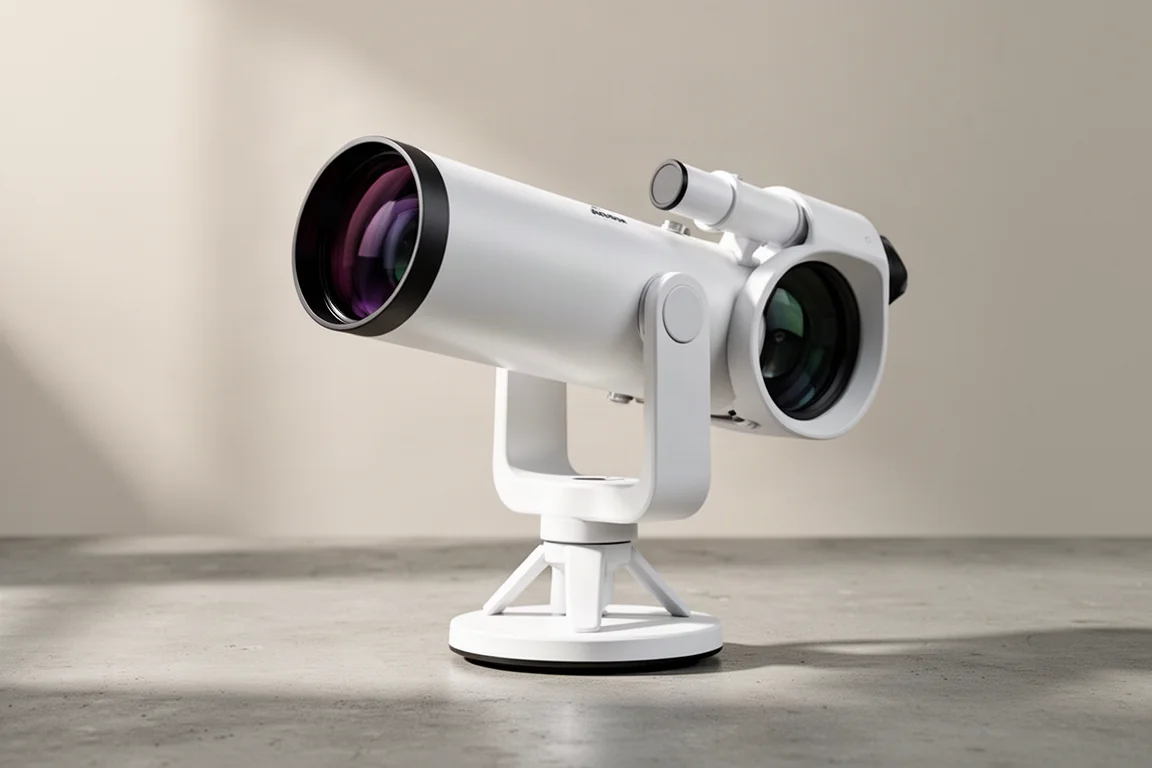
Best Value Smart Telescope: ZWO SeeStar S50
ZWO is synonymous with astrophotography, known for cameras, mounts, and full control systems like the ASIAIR. That dedication to reliable, easy-to-use products shows through in the SeeStar S50, which distills traditional astrophotography technology into a small, highly desirable package at an incredible value.
Combining plate solving, a sky atlas, and multiple imaging modes, the SeeStar is a great entry point into both smart telescopes and amateur astrophotography. It is arguably the most popular smart telescope on the market for beginners and advanced astrophotographers alike, and with the recent arrival of the SeeStar S30, ZWO looks set to keep bringing the night sky to more people at an affordable price.
Astrophotography Telescopes
Astrophotography has never been easier thanks to advances in cameras, capture programs, and post-processing software, but there is still no substitute for a high-quality, well-thought-out optical system. From short focal length refractors to longer focal length RCs, these are the picks to start your imaging journey on the right foot.
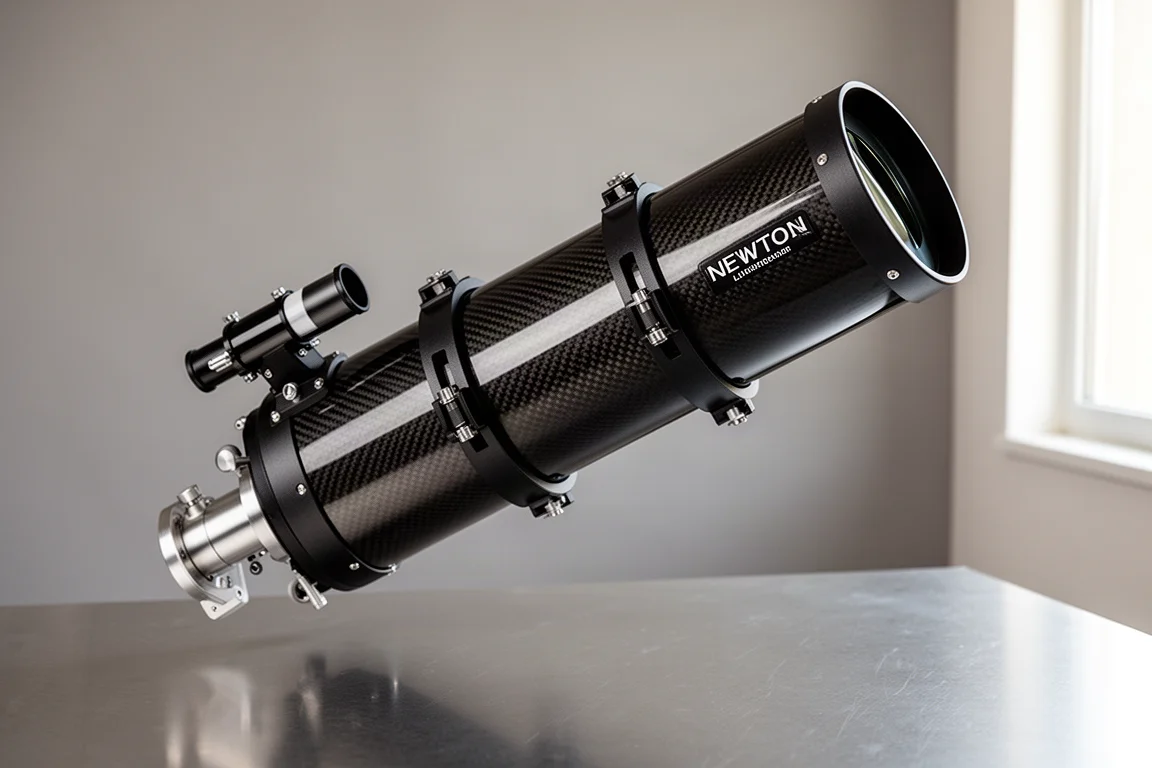
Best Newtonian for Astrophotography: Apertura CarbonStar 150
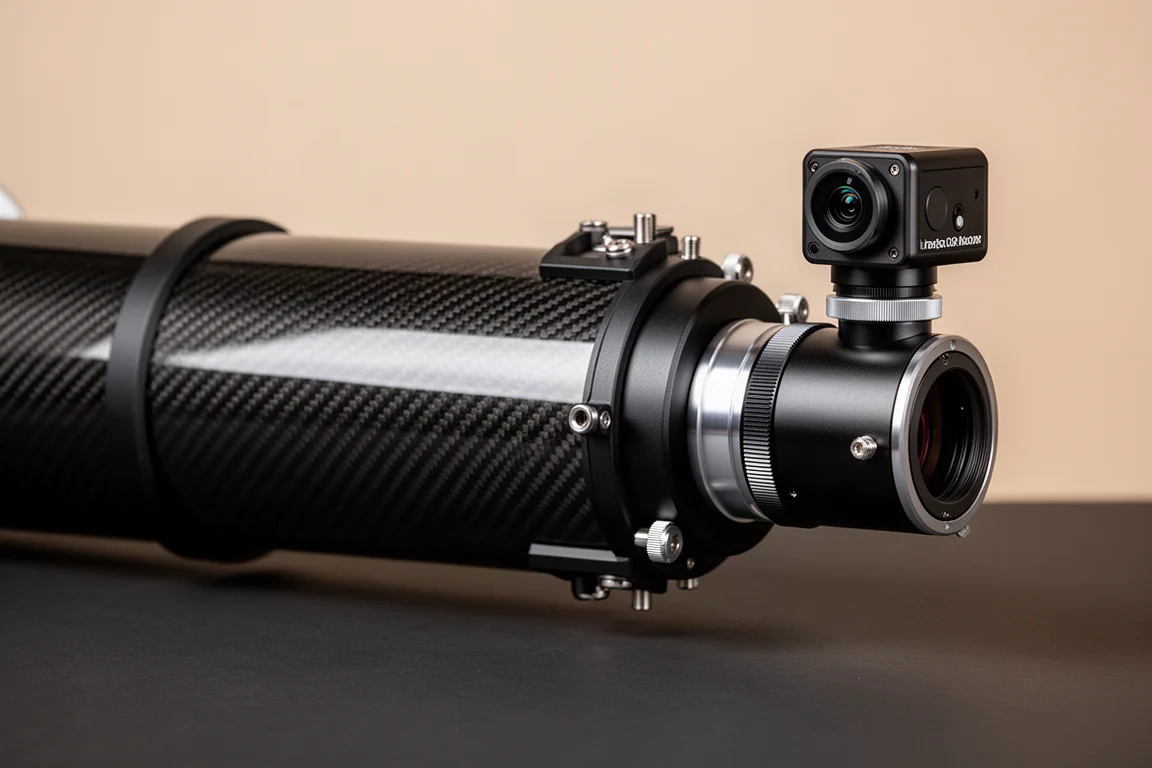
Classical imaging Newtonians often suffer from poor mechanics, suboptimal secondary mirror sizes, and a lack of baffles for contrast enhancement. The Apertura CarbonStar 150 resolves those problems with a CNC-machined secondary, a carbon fiber body, internal baffles for stray light control, and an optimized secondary sized for today’s most popular astronomy cameras.
Paired with the dedicated Apertura 0.95x coma corrector and the EAF-ready focuser, the CarbonStar 150 redefines out-of-the-box astrophotography, and Apertura’s commitment to the community means further upgrades and support are likely to continue.
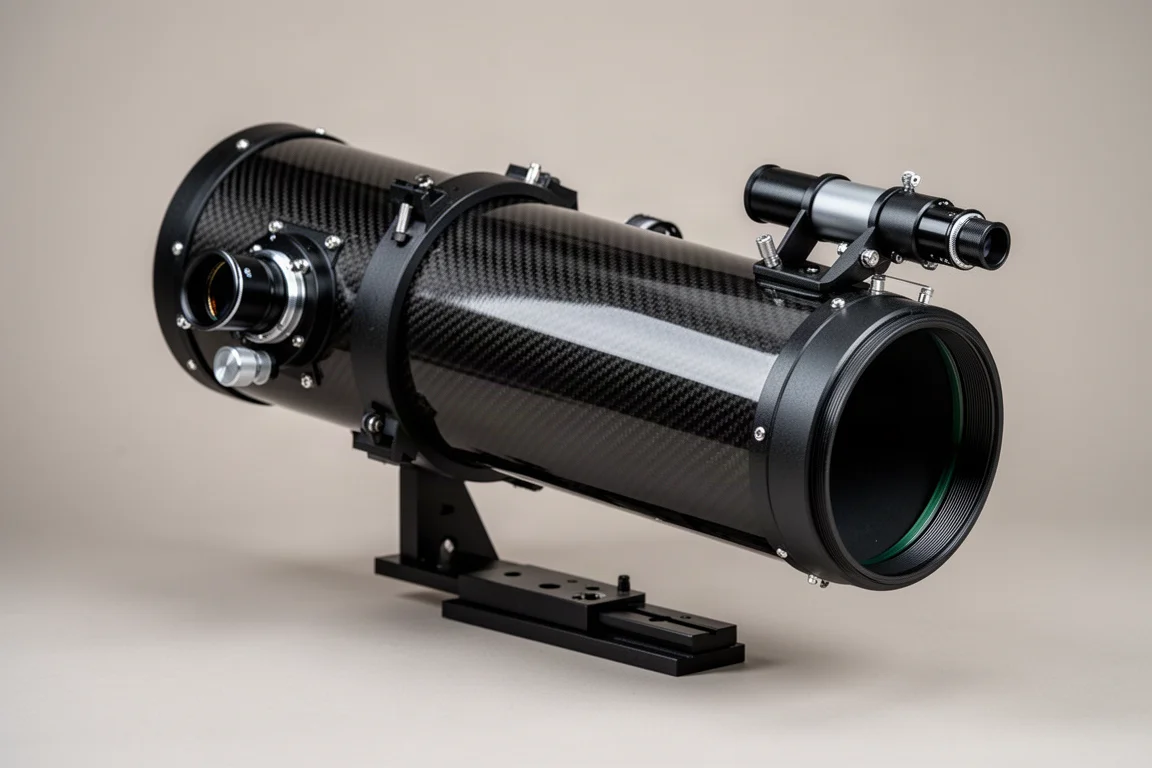
Best RC: Apertura CarbonStar 8RC
It would be hard to build a best-of astrophotography list without the design behind the Hubble Space Telescope, and the Apertura CarbonStar 8RC fills that slot. RC designs minimize optical aberrations over a large field of view, which has made them the star of imaging systems for amateurs and professionals alike.
The 8RC features a carbon fiber body and a linear bearing dual-speed EAF-ready focuser that offers better control over your star shape, with all-threaded connections reducing sag in the imaging train. To make it a more complete package, Apertura offers an M56 rotator, a tilt plate, and a threaded 0.67x focal reducer designed specifically for their CarbonStar RC line, making it the obvious choice for a long focal length imaging telescope.
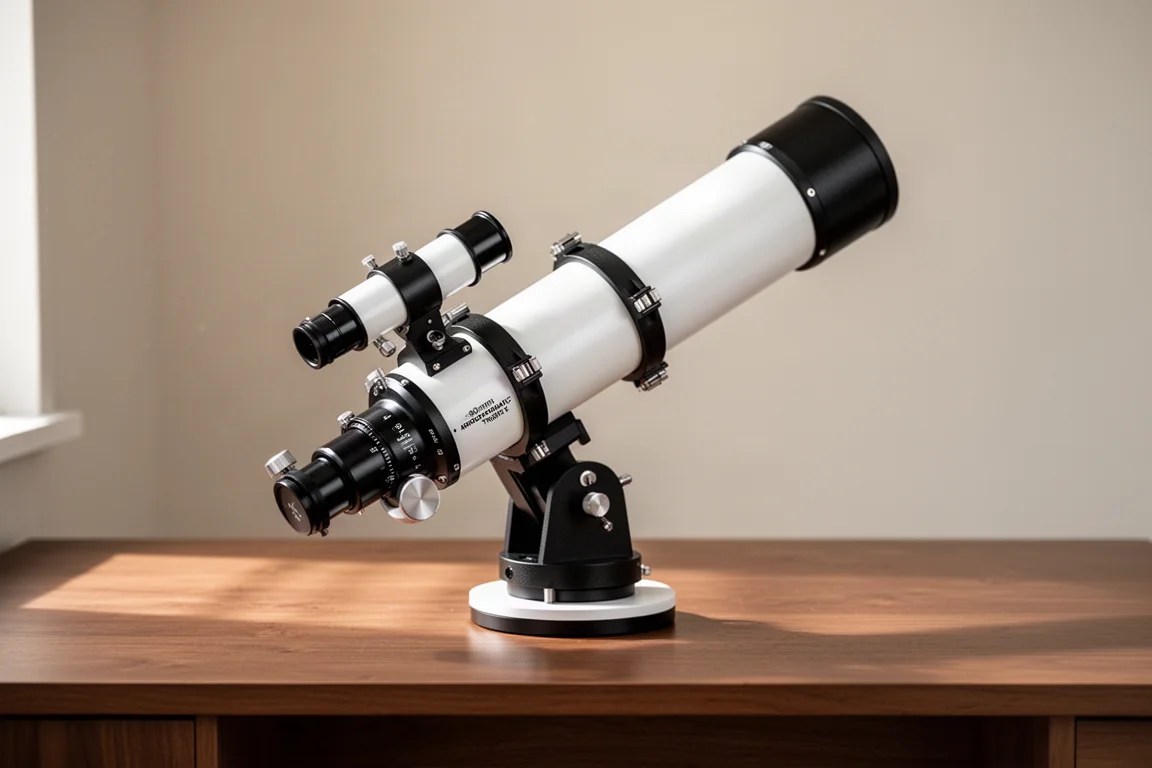
Best Full-Frame Refractor: Apertura 90mm APO Triplet
Refractors are popular because they require no maintenance, pair well with today’s small-pixel astronomy cameras, and deliver fantastic overall performance. The Apertura 90mm APO triplet uses 90mm of FPL-53 glass in a triplet design, delivering incredible color correction and sharpness.
A heavy-duty rack and pinion EAF-ready focuser with a built-in rotator makes this a powerful package for nearly any astrophotographer. Used with the dedicated 1x flattener, you get pinpoint stars not only at the center but at the very edges of a full-frame camera. A well-made case, CNC-machined rings, accessory handles, finder scope brackets, dovetails, and a built-in filter holder are included, and a 0.8x focal reducer well corrected for APS-C sensors is also available. For full-frame compatibility in a refractor at an incredible price, this is a hard package to pass up.
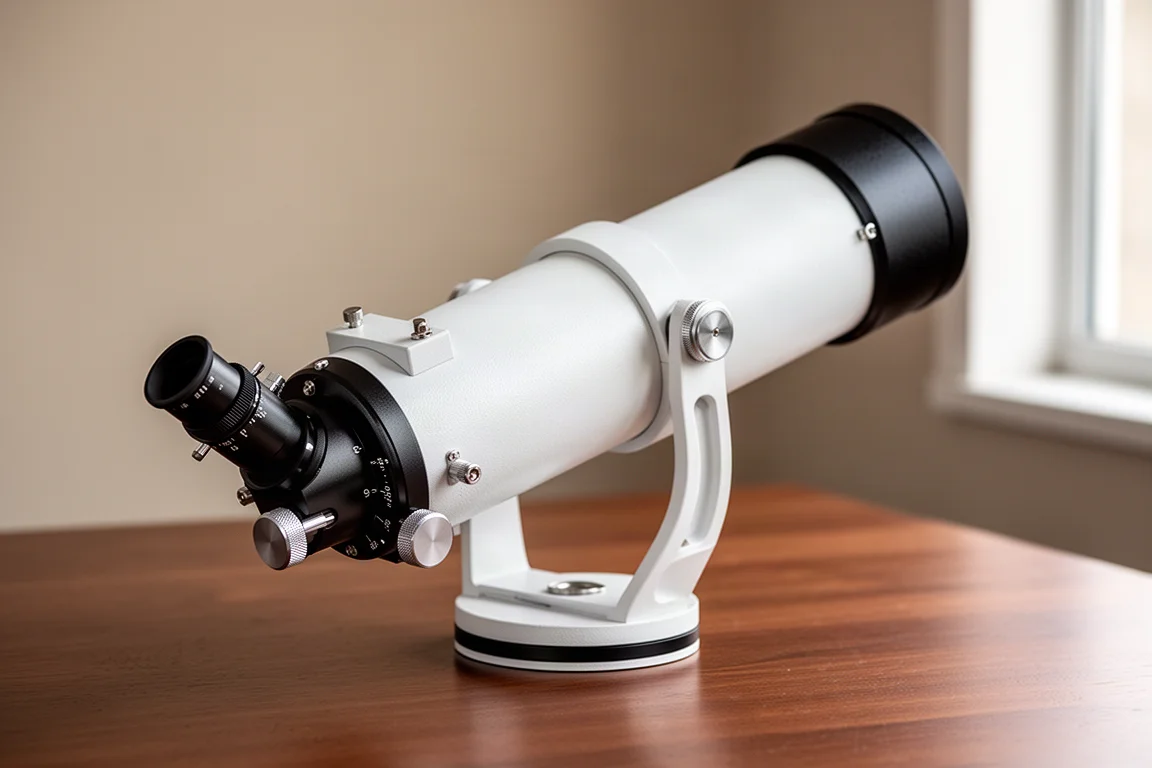
Best Widefield Refractor: Apertura 75Q
For sweeping, panoramic widefield astro photos, the Apertura 75Q and its dedicated 0.75x reducer are the pick. The 75Q is a no-fuss quintuplet lens design that makes attaching a camera simple and quick, and once paired with the reducer it becomes an unbeatable widefield telescope.

It delivers the focal length and field of view of a RedCat 61 but with considerably more aperture, letting in more light and more detail so you can create incredible astro vistas in no time. With dual dovetail options, an EAF-ready focuser rotator, and threads for 2-inch filters, this compact yet powerful widefield refractor is an outstanding choice for anyone.
Buying Advice
If you want the pure joy of eyepiece observing, start with the visual picks: the AD8 for maximum performance per dollar, the NexStar 8SE for automated convenience, or the Heritage 150 if portability matters most. If you want results with minimal learning curve, a smart telescope like the Celestron Origin or ZWO SeeStar S50 gets you imaging quickly. And if you are ready to build a dedicated astrophotography setup, the Apertura imaging scopes cover everything from widefield panoramas to long focal length targets.
Conclusion
From telescopes that satisfy our visual curiosities at the eyepiece to systems that gather photons from millions of light years away, these picks cover the best of 2024 across visual, smart, and astrophotography categories. Match the scope to how you actually want to observe and image, and you will be set up for many clear nights ahead.
Further reading
Related Reviews

Telescopes
Sightron SJ75 UF and Sky-Watcher HS125: Two Telescopes Worth Watching
A look at two notable telescopes from a recent camera and optics expo: a sharp new astrograph from Sightron Japan and a compact fast reflector from Sky-Watcher.

Telescopes
SV503 102ED Review: A Budget 102mm Refractor That Surprises
The SV503 102ED is an affordable 102mm doublet refractor that delivers surprisingly decent star shapes and a smooth focuser, despite some chromatic aberration and light falloff.

Telescopes
SVBony MK127 Review: A Compact Maksutov-Cassegrain That Surprises
The SVBony MK127 is a 127mm Maksutov-Cassegrain telescope with a unique 0.65x reducer, making it a versatile option for visual astronomy and even some deep-sky imaging.