Hand Tools
Klein vs Milwaukee 6-in-1 Super Stubby Bit Driver: Which Compact Screwdriver Is Worth Your Money
Two very similar 6-in-1 super stubby bit drivers go head to head on compatibility, bit selection, and everyday usefulness around the shop, RV, and roof.
Introduction
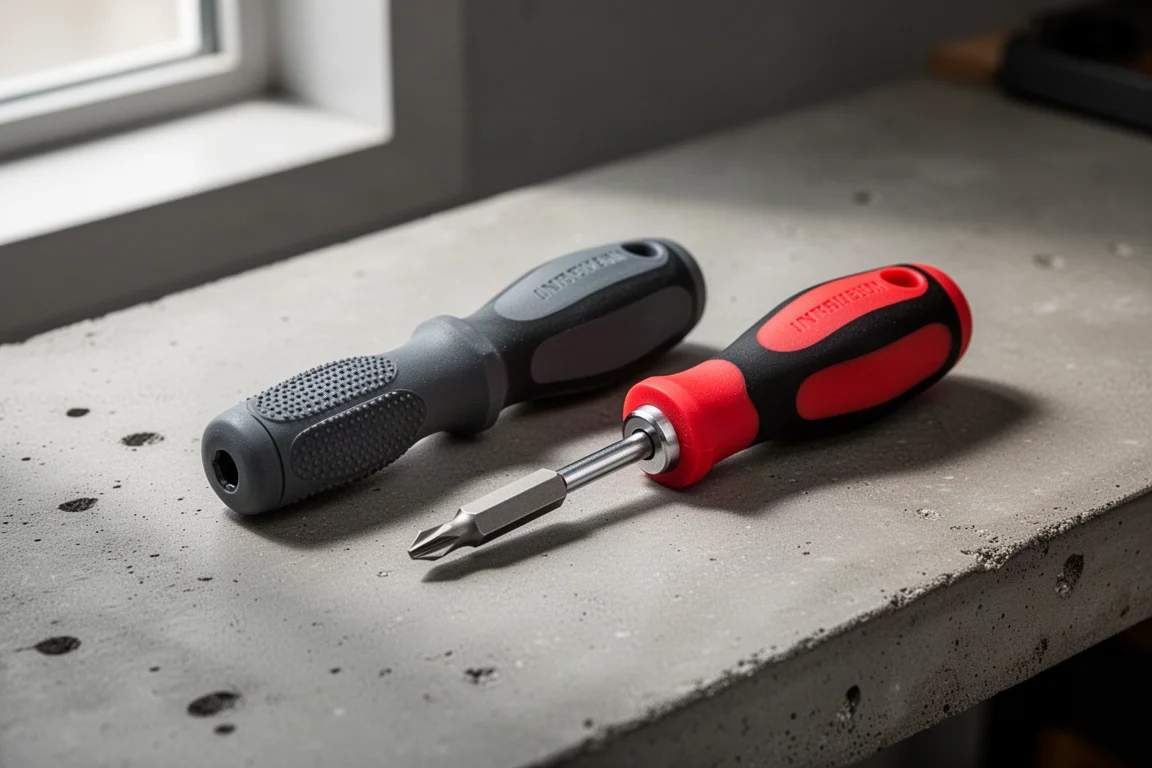
Compact multi-bit drivers are one of those tools you do not think about until the moment you need one, and then nothing else in the bag will do. The Klein 6-in-1 Super Stubby Bit Driver (32561) and the Milwaukee 6-in-1 Super Stubby Bit Driver (48-22-2762) are two of the most visible options in this format, and on paper they look nearly identical. Both cost roughly ten to eleven dollars, both carry the same complement of six bits, and both are made overseas: the Klein in Taiwan with an acetate (no rubber overmold) handle, the Milwaukee in China.
Spend a little time with both, though, and the differences start to show, and one of them turns out to matter more than you might expect.
Why a Super Stubby Bit Driver Earns Its Place
The super stubby format is exactly what it sounds like: a very short screwdriver with a slim, palm-filling handle. Compared with alternatives like the Vessel coin-sized drivers, the Wiha Teeny Turner, or the slightly larger and heavier PB Swiss equivalents, both the Klein and Milwaukee sit comfortably in the middle ground: small enough to pocket, big enough to actually turn a screw with some force.
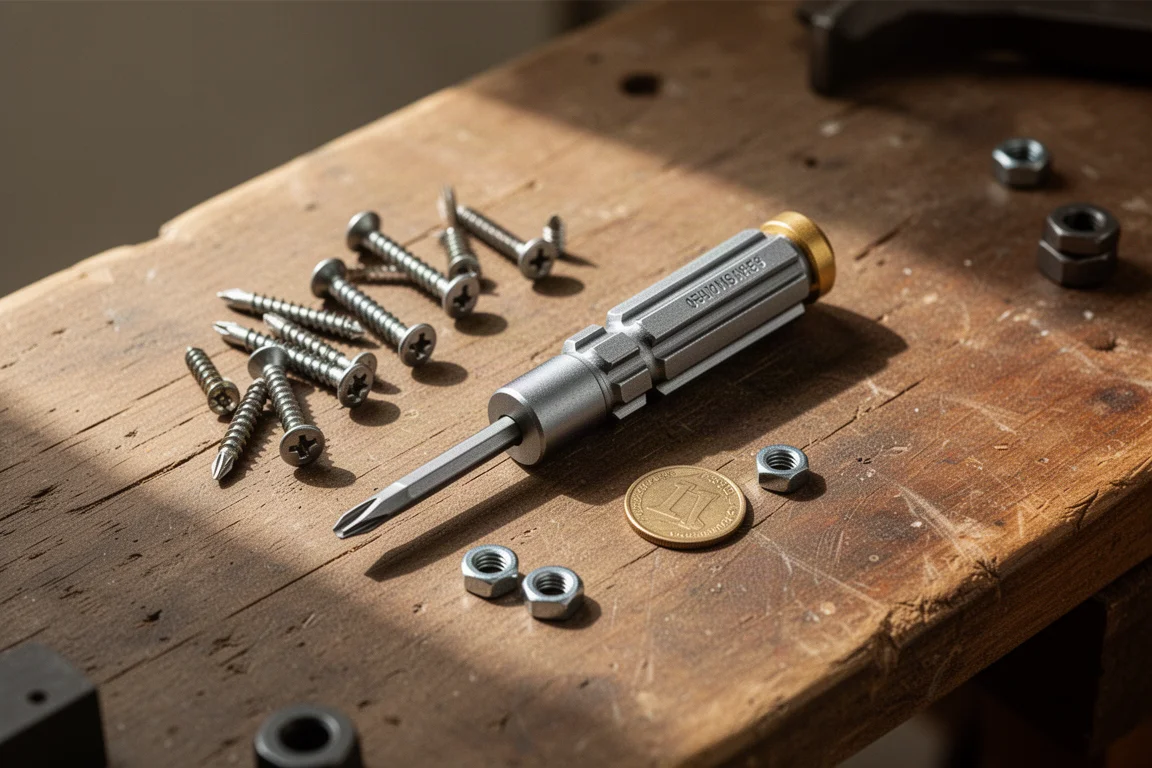
That balance is the whole appeal. It is a good, solid little tool in a format you can keep in a camper, a tool bag, or a jacket pocket without noticing it is there.
What You Get in the Bit Set
Pop the shaft off either driver and you find the same six bits in both: a number one and number two Phillips, a 3/16-inch and a 1/4-inch slotted, plus a 1/4-inch and a 5/16-inch nut driver. The bits look broadly universal in design, though they are slightly different between the two brands.
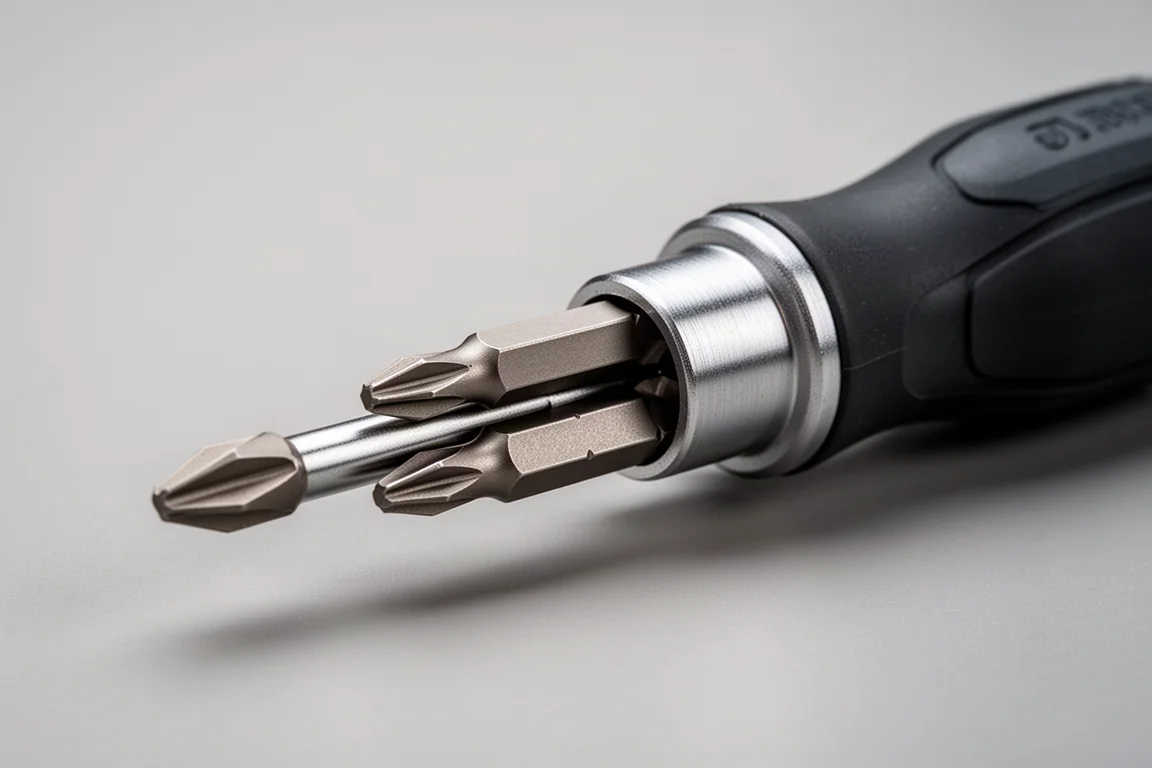
Both drivers store their bits inside the hollow shaft, and the ball bearings that hold the bits in place are not the same size across the two brands. The Klein uses larger ball bearings; the Milwaukee uses smaller ones. That detail turns out to be the giveaway if you are trying to tell the two apart once the bits are swapped around, and it also explains some of the compatibility quirks below.
Compatibility: The Klein Is More Universal
Here is where the two part ways. The Klein accepts just about everything. Its shaft fits Klein bits and Milwaukee bits without complaint, and it pops in and out easily. The Milwaukee is more restrictive: Klein bits will fit into the Milwaukee shaft, but Milwaukee bits wedge into the Klein only partway and then get stuck. The tolerances are just different enough that the Milwaukee will not reliably accept the Klein’s bits.
A third-party comparison drives the point home. An OEM-brand 6-in-1 stubby with a completely different bit design does not fit either driver at all, but the OEM’s own shaft doubles as a bit driver, something both the Klein and Milwaukee skipped. Instead of a driver end, each has a plain circle, which could have been turned into one more nut driver but was not.
Practically speaking, this matters if you ever plan to buy sets of replacement combination bits. Because the Klein seems to eat everything, it is the safer bet for mixing and matching. If you buy the Milwaukee and later pick up third-party bits, there is a chance they simply will not work with it.
Everyday Use Cases: RV, Camper, and Metal Roofing
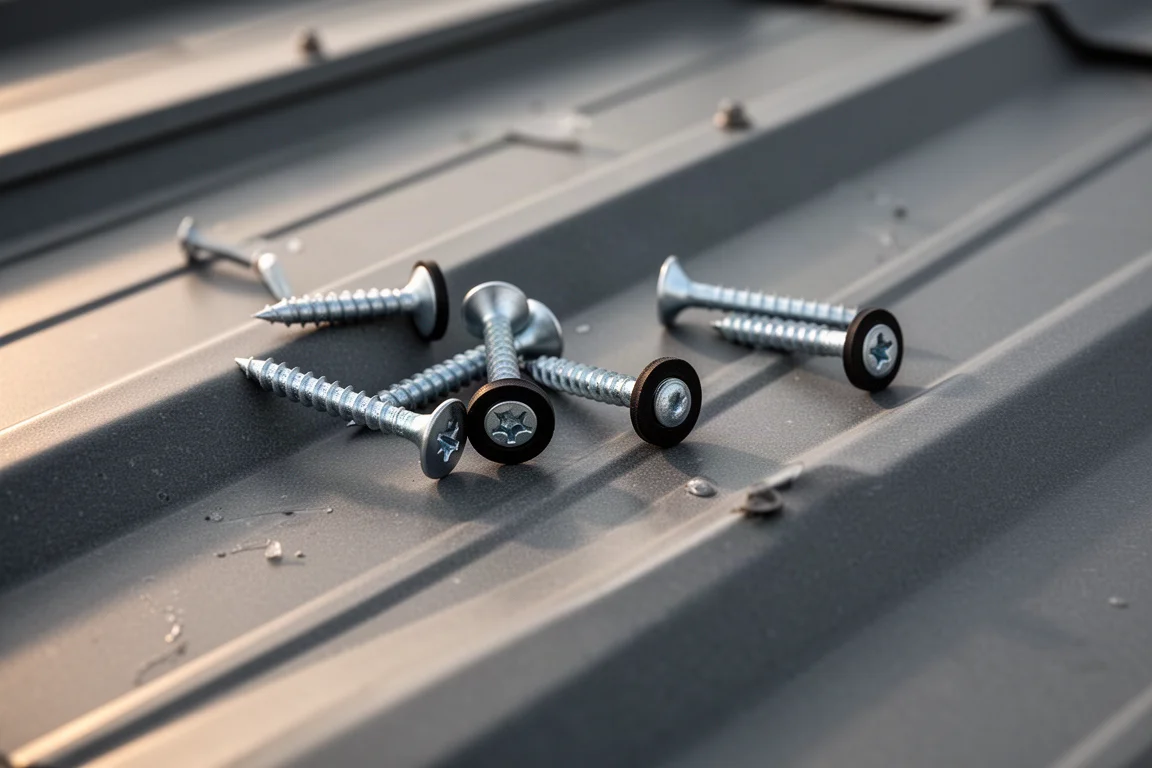
Both tools shine in three practical situations. First, campers and RVs, where 1/4-inch and 5/16-inch machine screws hold a surprising amount of everything together. Second, metal roofing: if you maintain a metal roof and clear tree debris before winter or fire season, having something you can easily tighten down roofing screws on the spot is genuinely convenient. Most roofing screws are quarter inch, but some larger 5/16-inch gasketed screws show up too, and both drivers handle them.
Third, everyday Phillips and slotted work, especially the number two Phillips, which covers most household and jobsite screws. Instead of carrying a pile of loose bits or a bulkier multi-tool that costs more than ten dollars, one of these covers the common cases in a package that fits in a pocket.
One small caveat: if you plan to carry one for everyday carry, the bit end is exposed enough that it can poke through a bag or pocket. A small piece of plastic tubing slid over the tip solves that cheaply.
Buying Advice
The dollar difference between the two is trivial; the compatibility question is not. The Klein, at about eleven dollars at Home Depot (and typically available through Amazon and Lowe’s as well), offers the more universal shaft and larger ball bearings, which makes it the more flexible long-term choice if you might mix bits from other brands. The Milwaukee, also around ten to eleven dollars, is a capable driver in the same format but is pickier about what fits its shaft, and it has been less consistently available through Amazon retailers.
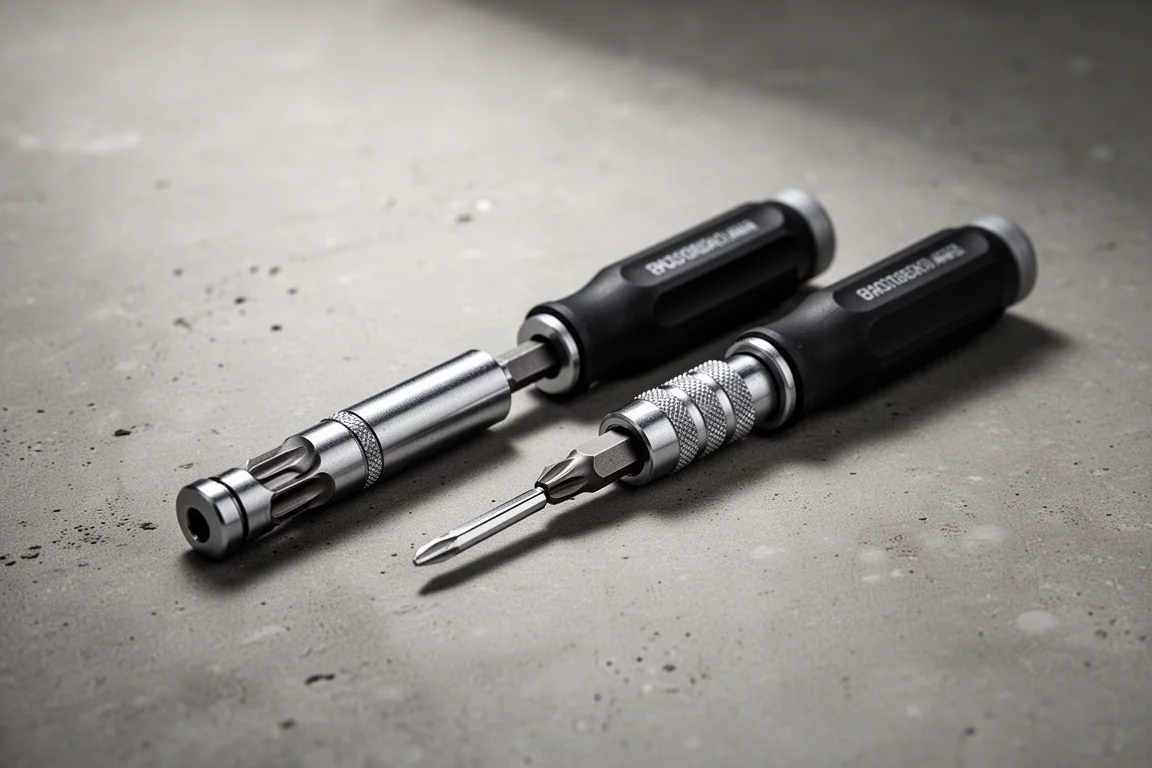
If you already own Milwaukee bits or want to stay within one brand’s ecosystem, the Milwaukee works fine and is a welcome addition to the stubby space. If you want the tool that plays nicest with everything, the Klein is the easier recommendation.
Conclusion
The Klein and Milwaukee 6-in-1 Super Stubby Bit Drivers are nearly twins on paper: same price bracket, same six bits, same compact format. The tiebreaker is compatibility. The Klein’s more forgiving shaft accepts bits from both brands, while the Milwaukee is more proprietary in its fit. For most buyers, especially anyone who values a tool that will take whatever bits turn up in a drawer, the Klein edges ahead, though either one makes a handy, inexpensive addition to a camper, roof kit, or everyday tool bag.
Product link
View more details for Klein 6-in-1 Super Stubby Bit Driver (32561)
This product is mentioned in the review. Check the specifications, options, and compatibility before buying.
View more details for Klein 6-in-1 Super Stubby Bit Driver (32561)Further reading
Related Reviews
Hand Tools
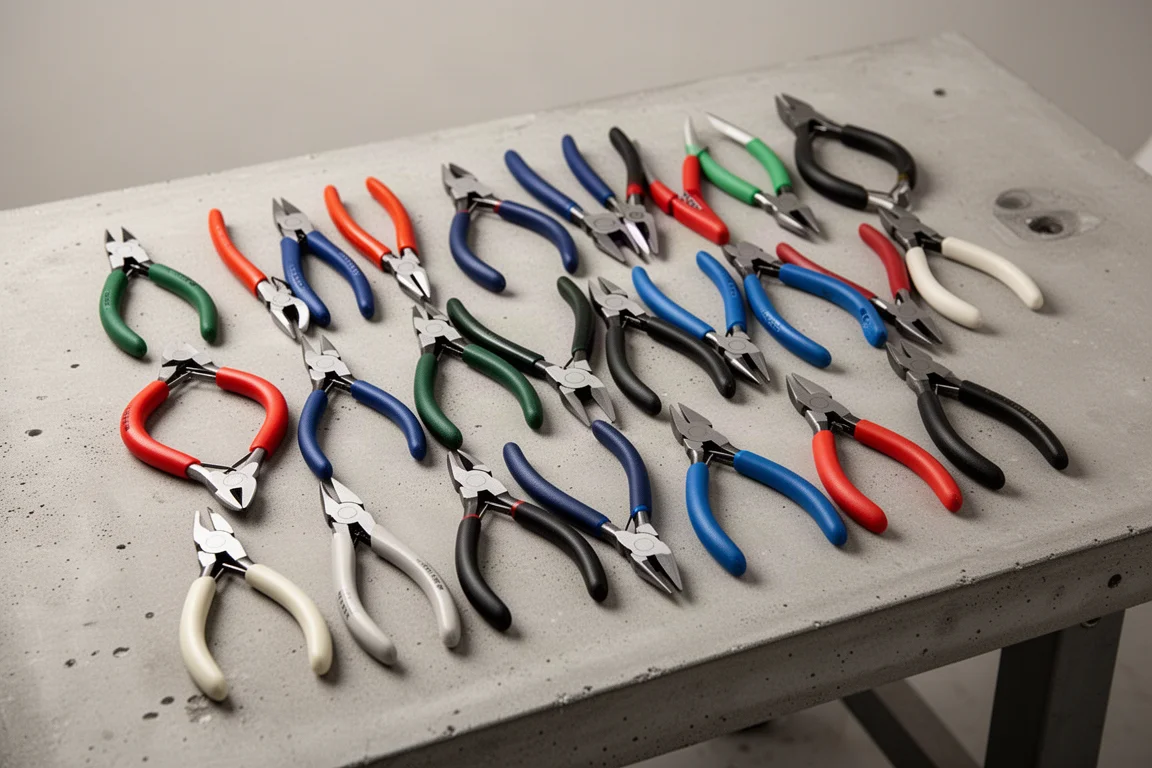
Best Diagonal Cutters 2026: 16 Pliers Tested for Cutting Power and Durability
We put 16 diagonal cutters through nail, screw, drill bit, and hex key tests to find the best value picks for your toolbox.
Hand Tools
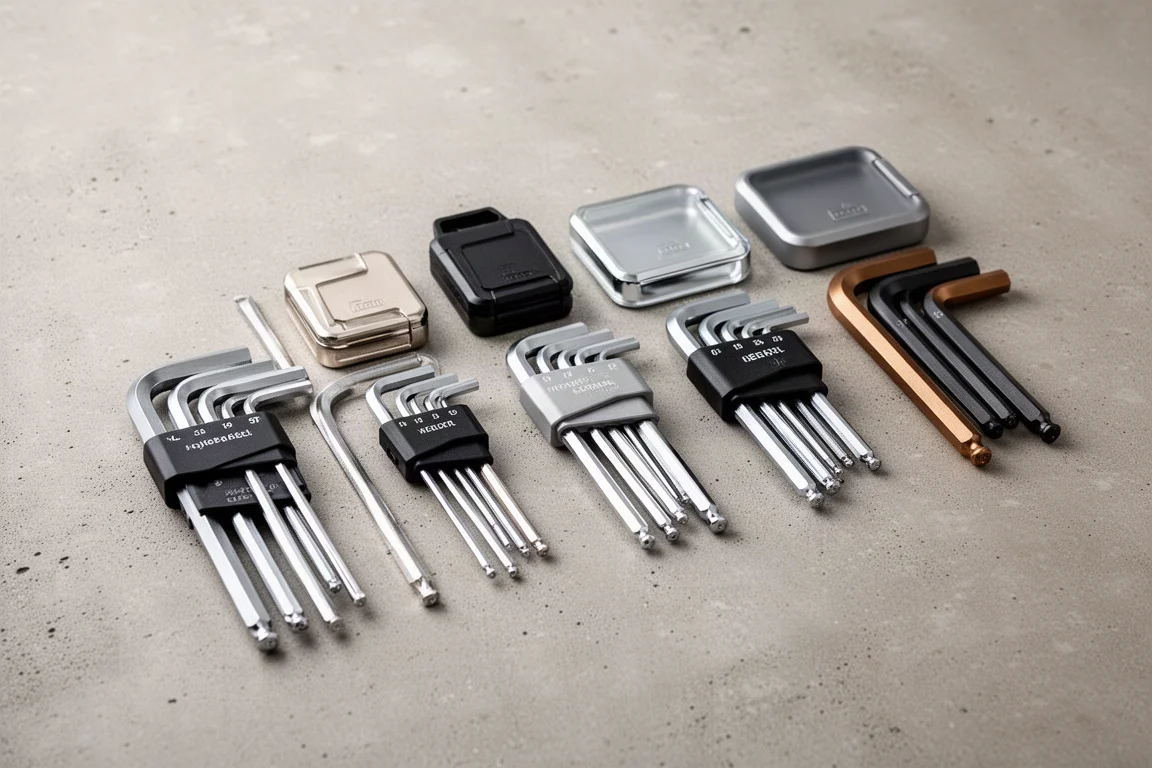
Best Hex L Key Sets 2026: Nine Sets Tested for Real-World Torque
Nine hex L key sets from budget to premium, tested for torque, fit, and durability. See which sets deliver real performance and which ones to skip.
Hand Tools
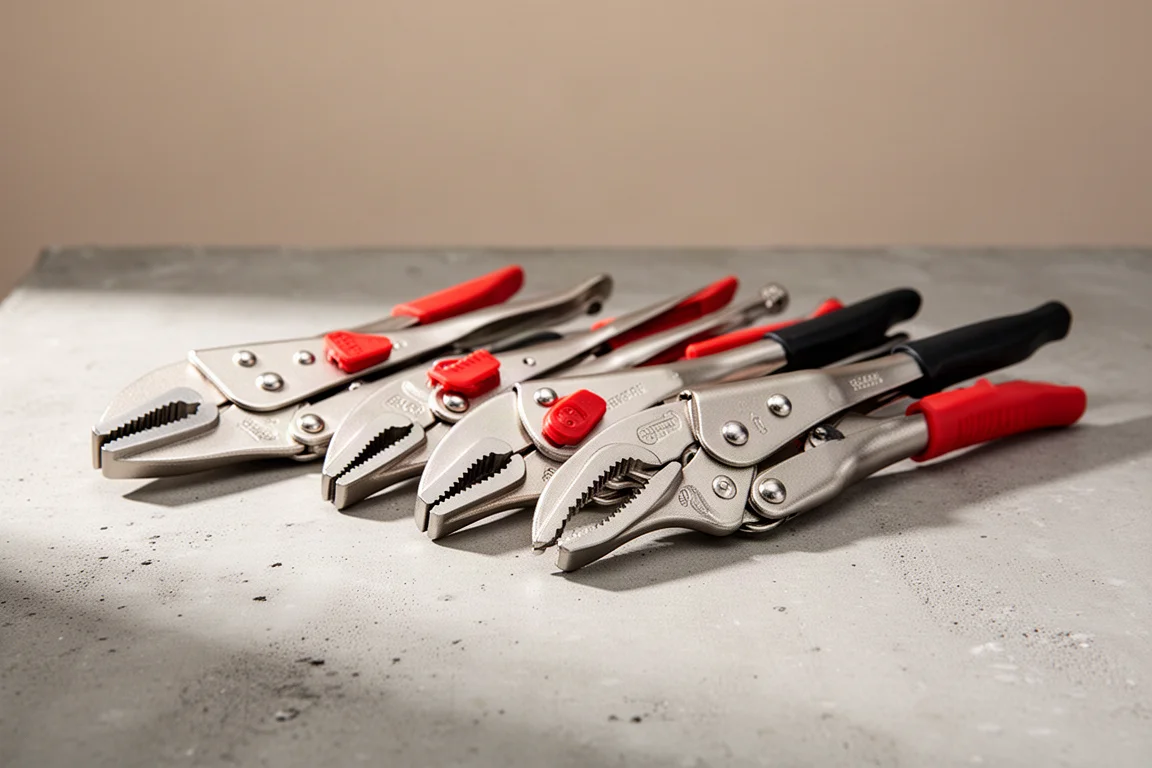
Best Locking Pliers 2026: Top Picks Tested for Grip and Durability
We tested 18 brands of 10-inch locking pliers for grip strength, jaw bite, build quality, and ease of release to find the best options for tough jobs.