Power Tools
Best Sub-Compact Impact Driver: Metabo HPT WH-18DDX vs DeWalt, Makita and Milwaukee
An 18V sub-compact impact driver comparison with real driving tests, weight and length measurements, and one standout value pick.
Introduction
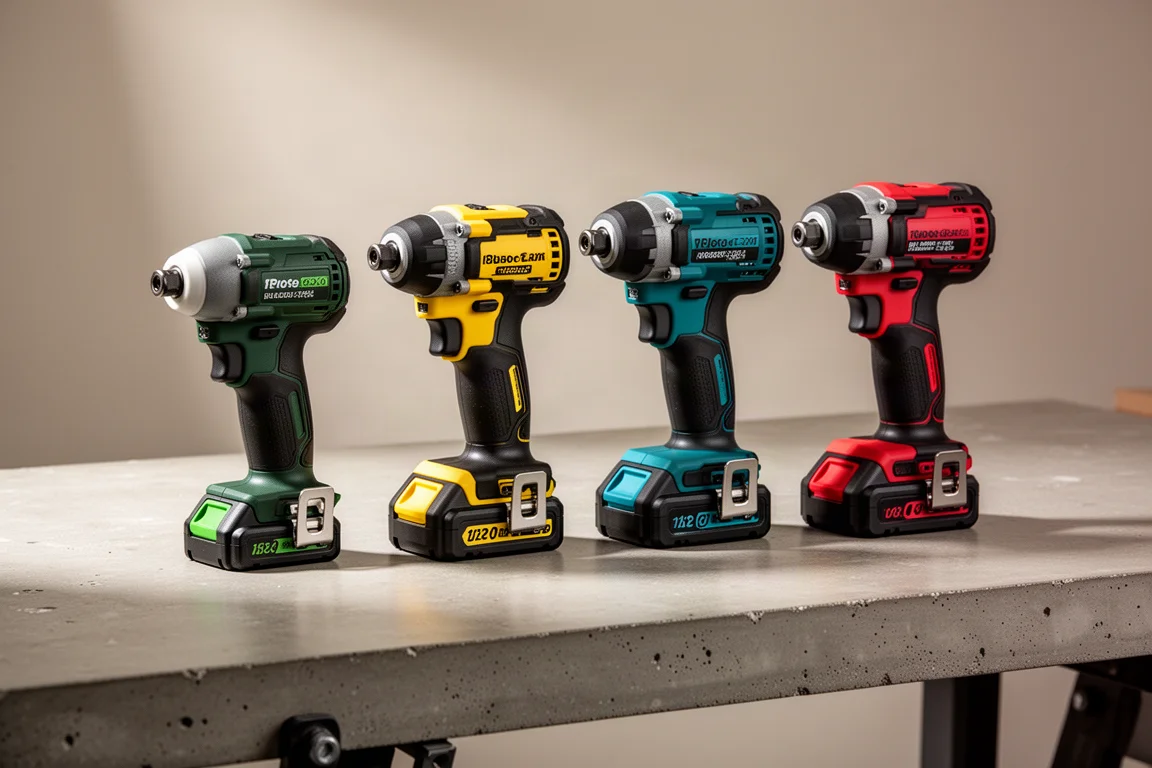
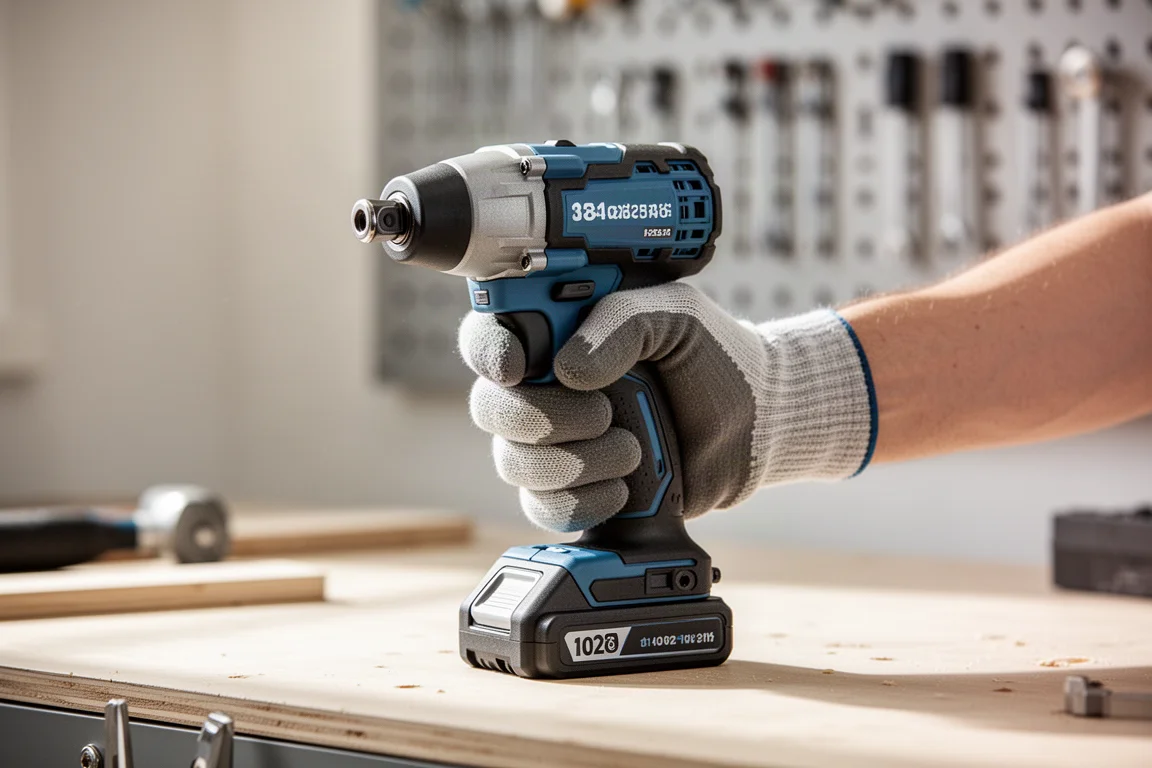
Sub-compact impact drivers occupy a sweet spot: you want the punch of an 18V tool while keeping the size and feel of a 12V. We put four contenders through the same tests: the Metabo HPT WH-18DDX, the DeWalt DCF801, the Makita XDT13, and the Milwaukee M18 Fuel Surge. All were run with fully charged 5Ah batteries, and all four are brushless designs except where noted. The results split cleanly between value and performance.
Evaluation Criteria
The comparison focused on four things: driving performance with large lag bolts, weight with and without batteries, overall length, and in-hand comfort. Price and warranty coverage were also factored in, because in this segment the kit contents and after-sales support can matter as much as raw power.
Why the Metabo HPT WH-18DDX Stands Out on Value
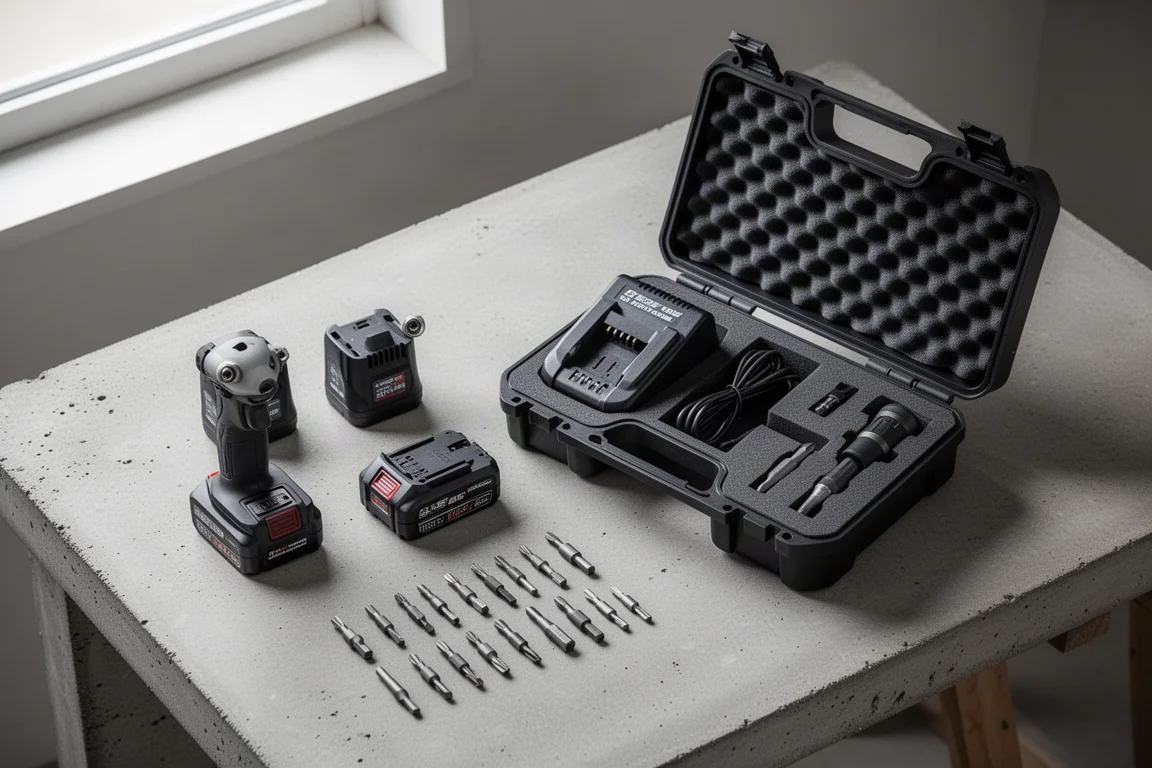
Nothing in this group comes close to the Metabo’s kit value. At $79 on Amazon, the WH-18DDX ships with two 1.5Ah batteries, a charger, and a hard case. On top of that, it is eligible for a free battery promotion: fill out a form online and Metabo sends you the larger 4Ah MultiVolt battery at no cost. The kit also carries the brand’s lifetime warranty, which in practice means Metabo will repair the tool for as long as it has parts available.
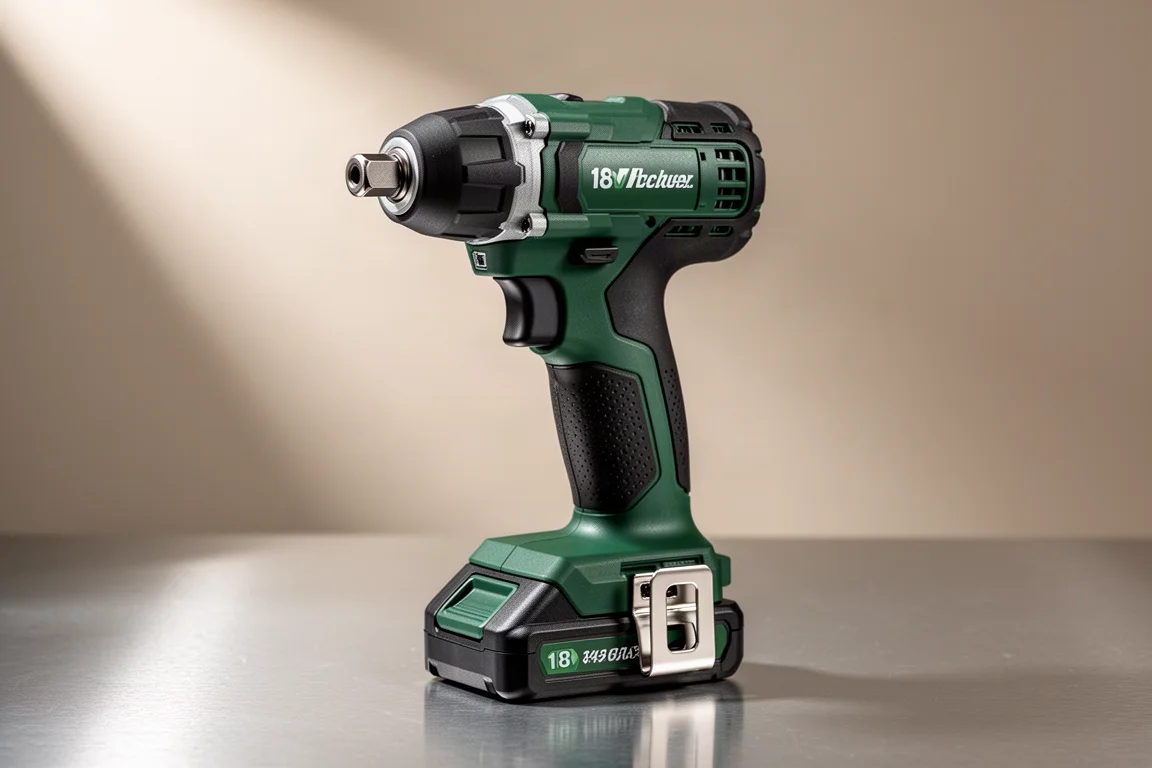
The grip deserves specific mention. It is one of the most comfortable in the group out of the box, well balanced and pleasant to hold, with an ergonomic feel closer to Makita’s tools than to most competitors. Unlike the brand’s Triple Hammer models, this is a straightforward two-hammer mechanism, and that choice works in its favor.
Driving Performance: How They Compare Under Load
The driving test used large lag bolts, measuring how far each driver could sink them in a fixed time. The Metabo managed just under three inches, while the DeWalt DCF801 edged slightly past three inches. Given that the DeWalt is a 12V tool going up against an 18V, that is a strong showing.
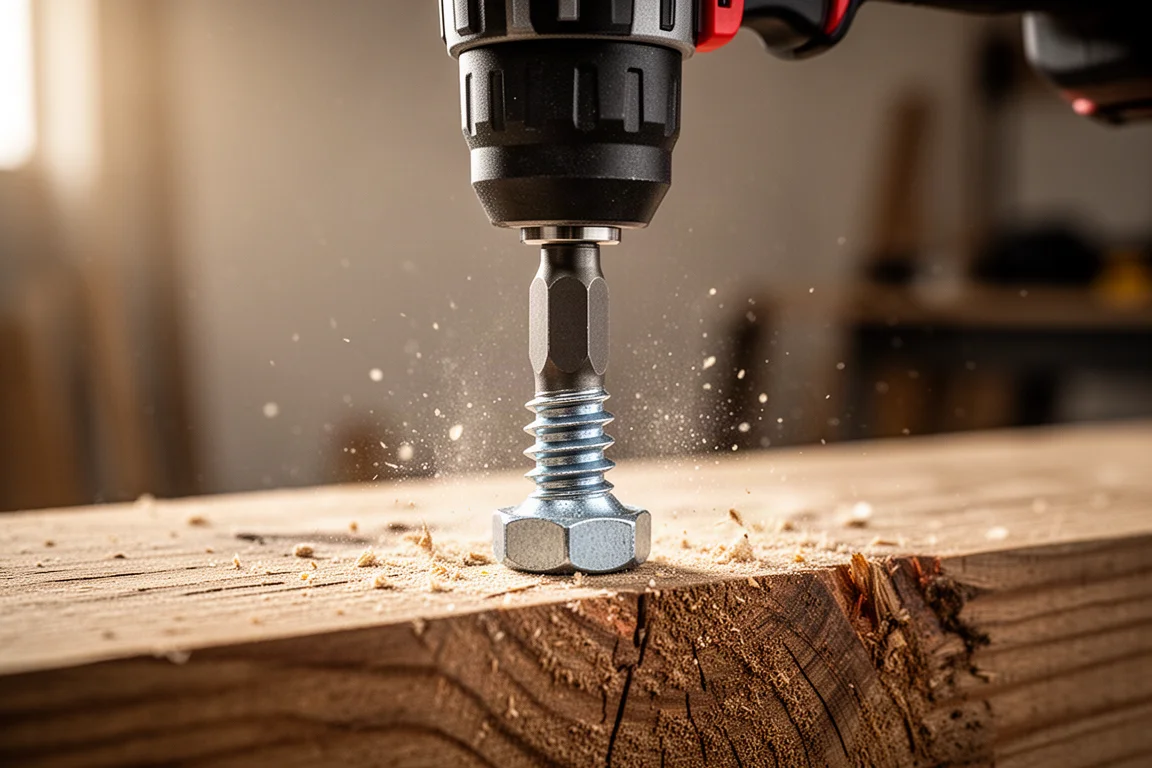
In the second pairing, the Makita XDT13 showed noticeably more power than the Milwaukee Surge, finishing its bolts with more authority. The Makita also out-drove the Metabo, which is expected given the price difference between the two. The Surge, with its oil-pulse mechanism, is a quieter and smoother tool by design, but raw speed is not its strength.
Size and Weight Compared
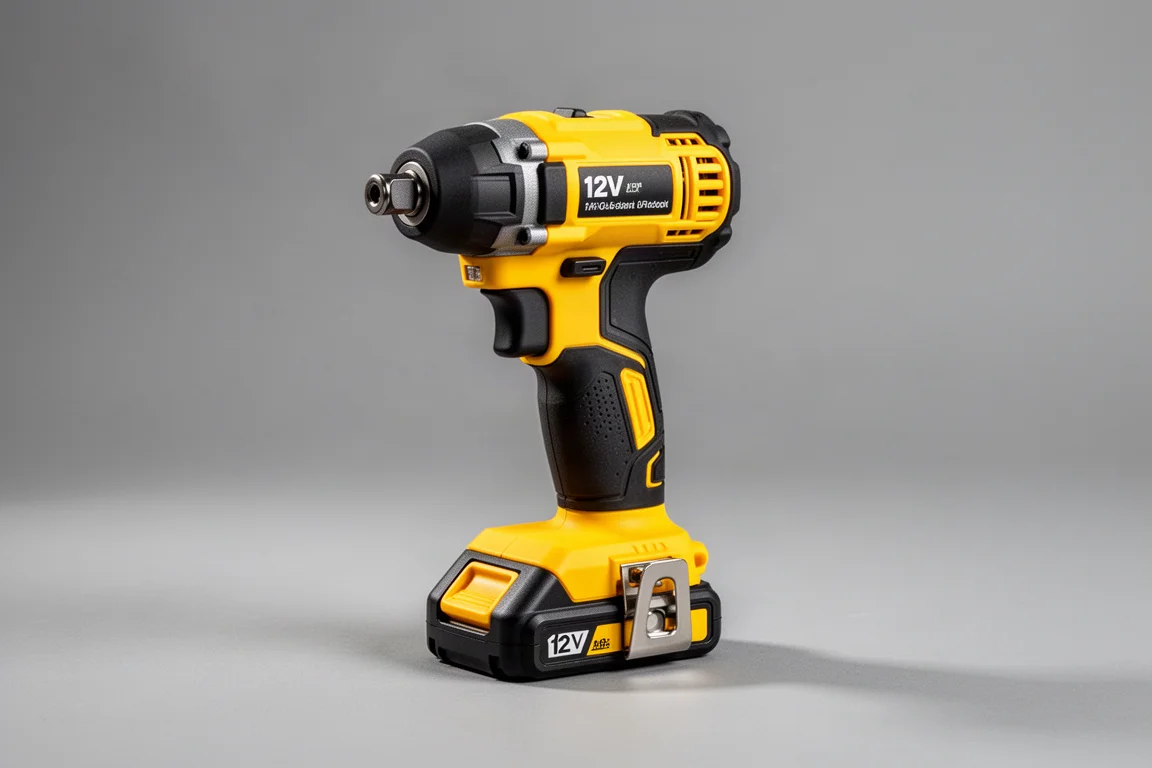
Weight rankings told an interesting story. With a 5Ah battery attached, the DeWalt came in lightest at 2 lb 10.2 oz, followed closely by the Metabo at 3 lb 7.1 oz, then the Makita, and finally the Milwaukee as the heaviest, which is typical for its oil-pulse design. Without batteries, the DeWalt again led at 1 lb 11.8 oz, with the Metabo barely behind at 1 lb 12 oz. In other words, the 18V Metabo effectively matches a 12V DeWalt on weight.
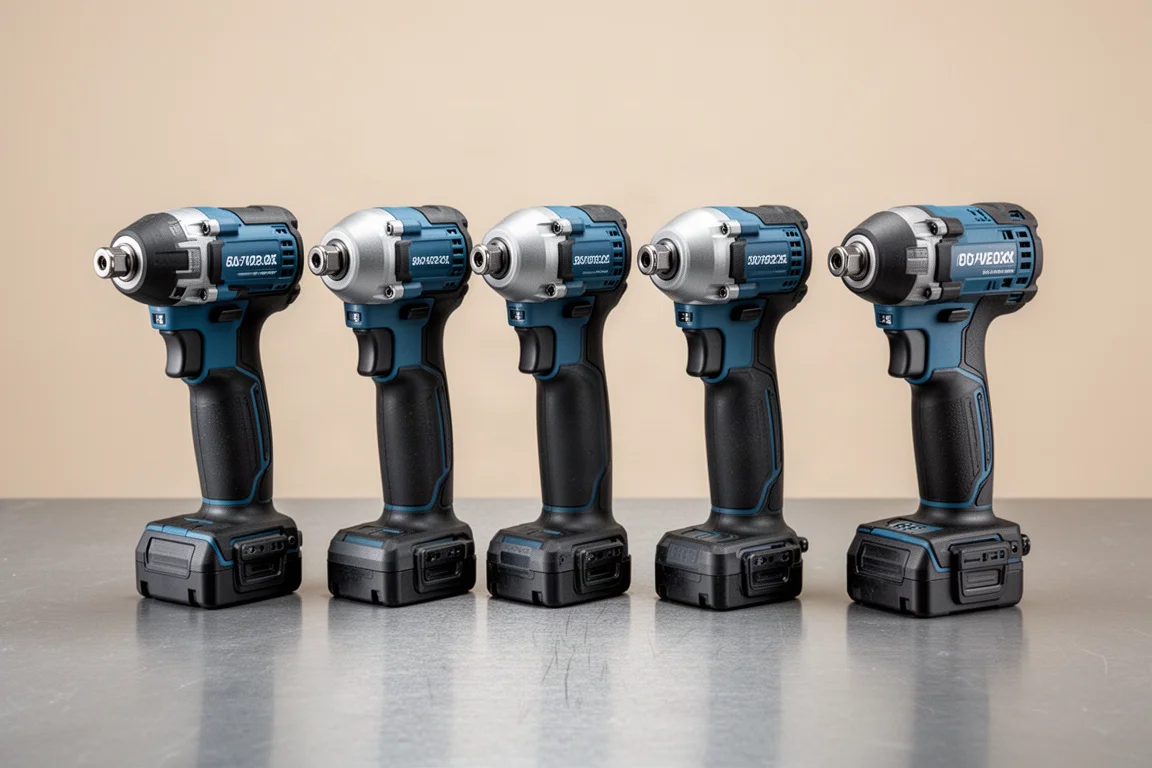
Length flipped the script. The DeWalt is the shortest at roughly five inches, the Makita and Milwaukee both measure about 5.2 inches, and the Metabo is the longest of the four at around 5.25 inches. If compact front-to-back footprint is your priority, the DeWalt wins this category outright.
Features and Trade-offs
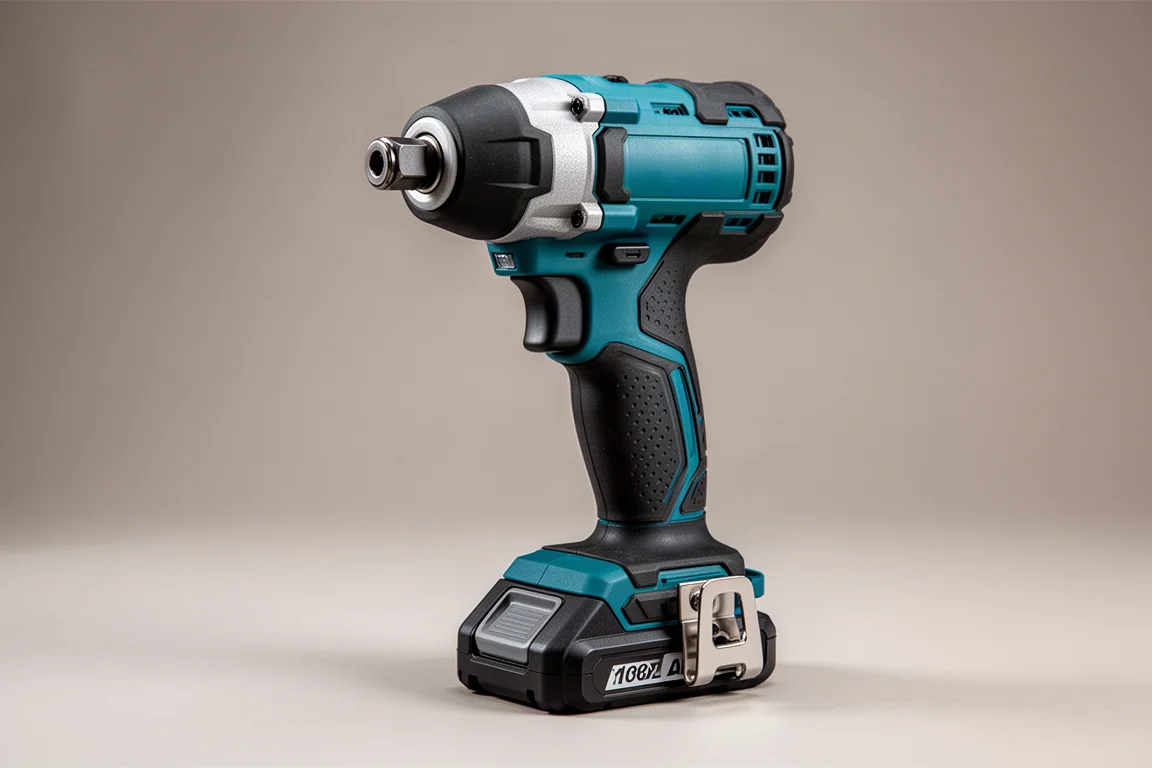
Here the Metabo shows its budget roots. There is no quick-insert collet, so bit changes are slower than on every other driver in the test. The LED light placement feels out of place compared with the under-chuck lights on the others, though it works fine. There are no speed or mode settings either, just a variable speed trigger, the same situation as the Makita. The DeWalt and Milwaukee both offer useful drive settings that the other two lack.
Comfort, Balance and Everyday Handling
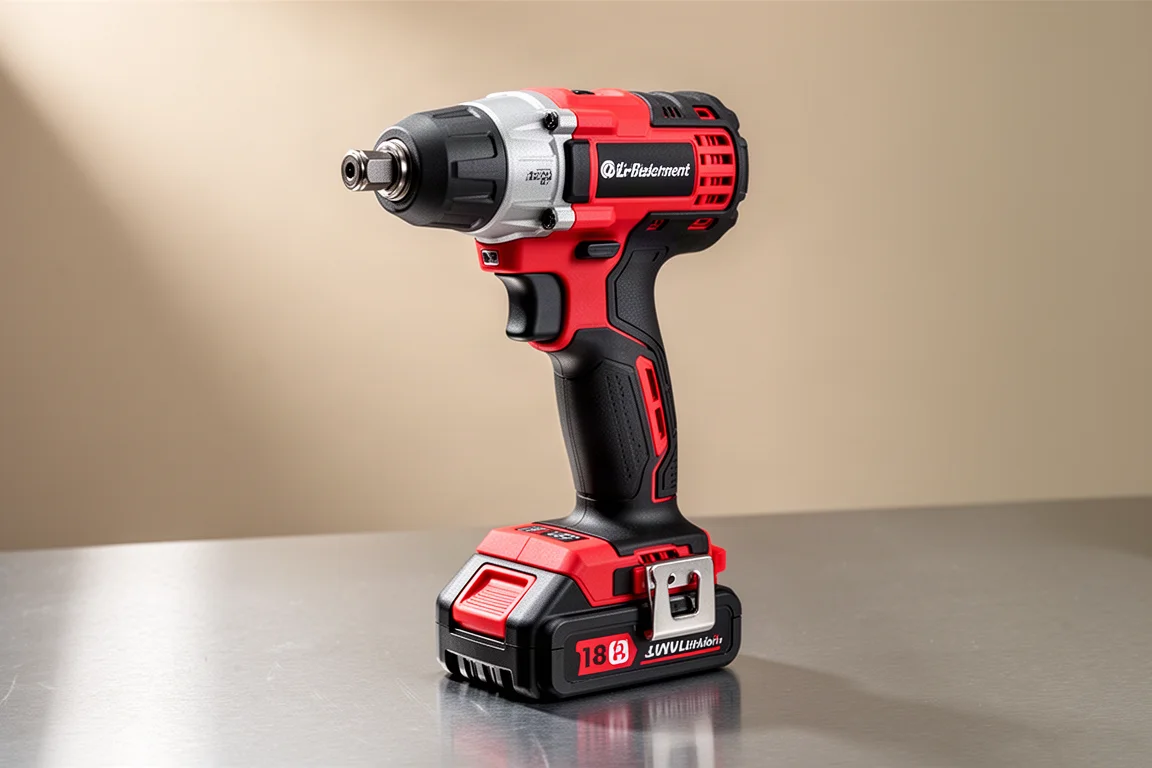
In the hand, the Metabo is arguably the best balanced of the group. The Milwaukee tends to feel head-heavy, and the DeWalt’s impact action can feel slightly rougher, while the Metabo runs silky smooth, closest in character to the Makita. The Makita remains an excellent tool, though newer Makita models climb in price quickly. Think of Metabo as sitting in the middle ground among the Japanese tool brands: solid engineering with aggressive pricing.
Overall Buying Advice
If value is the deciding factor, the Metabo WH-18DDX kit is hard to argue with: two batteries, a charger, a hard case, a free 4Ah MultiVolt battery via the promotion, and a lifetime parts-based warranty at $79. It was also noted that Metabo’s matching drill kit sells for around $77, which extends the same deal structure. The DeWalt DCF801 is the closest competitor at roughly $120 for a kit, and it is the shortest and lightest of the group with useful drive modes. The Makita XDT13 delivers more driving power than the Metabo if you can find it at a good price, and the Milwaukee Surge suits buyers who prioritize smooth, quiet operation over outright speed.
Conclusion
The Metabo HPT WH-18DDX is the value story of this comparison: an 18V sub-compact that weighs like a 12V, feels superb in hand, and comes with an unusually generous kit and warranty for $79. The DeWalt DCF801 is the better pick if you need the shortest, lightest tool with drive modes, while the Makita XDT13 and Milwaukee M18 Fuel Surge serve buyers with different priorities. Match the tool to what you actually need, and each of these four earns its place.
Further reading
Related Reviews
Power Tools
Best 1-Inch Pistol Impact Wrenches: Three Heavy-Duty Options Compared
We compare three 1-inch pistol impact wrenches, from a budget-friendly Harbor Freight model to a premium Caterpillar unit, to help you choose the right one.
Power Tools
Best 3/4-Inch Impact Wrenches 2026: Five Contenders Compared
We compare five 3/4-inch impact wrenches across price and performance, from a budget Amazon option to Snap-on's most powerful model yet.
Power Tools
Best Budget Cordless Tools 2026: Walmart Finds That Punch Above Their Price
We tested five cordless tools from Walmart, including a high-torque impact wrench that trades blows with Milwaukee and a $35 duster that outperforms its price class.