Hand Tools
Best Striking Wrenches for Stuck Bolts: Three Options Tested
Three striking wrenches put through real torque testing with hammers from 1 lb to 10 lb, with numbers to back up what each design can do.
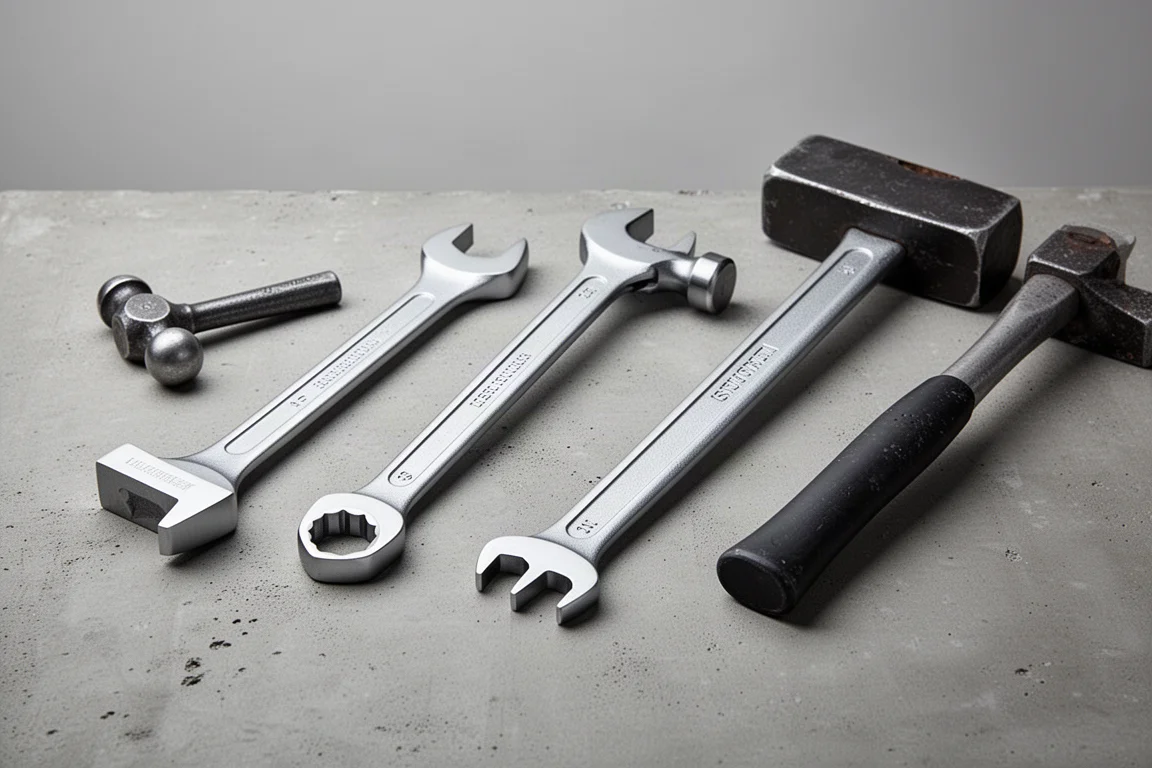
Introduction
Before cordless impact wrenches, before corded ones, and before pneumatic tools, there was a simpler way to break a stuck bolt loose: a wrench you hit with a hammer. The striking wrench, also called a slug wrench, hammer wrench, or slugging spanner, is the original manual impact tool. It still earns its keep on rusted farm equipment, ship rigging, machinery, and stubborn homestead repairs where nothing else fits.
This comparison looks at three striking wrenches at different price points, plus a homemade version cut down from a combination wrench, to see how much torque each can actually generate. All results come from a single tester working on the same reverse-threaded bolt, measured on the same dyno used for impact wrench testing, so the numbers are roughly comparable to modern tool capabilities.
How We Tested
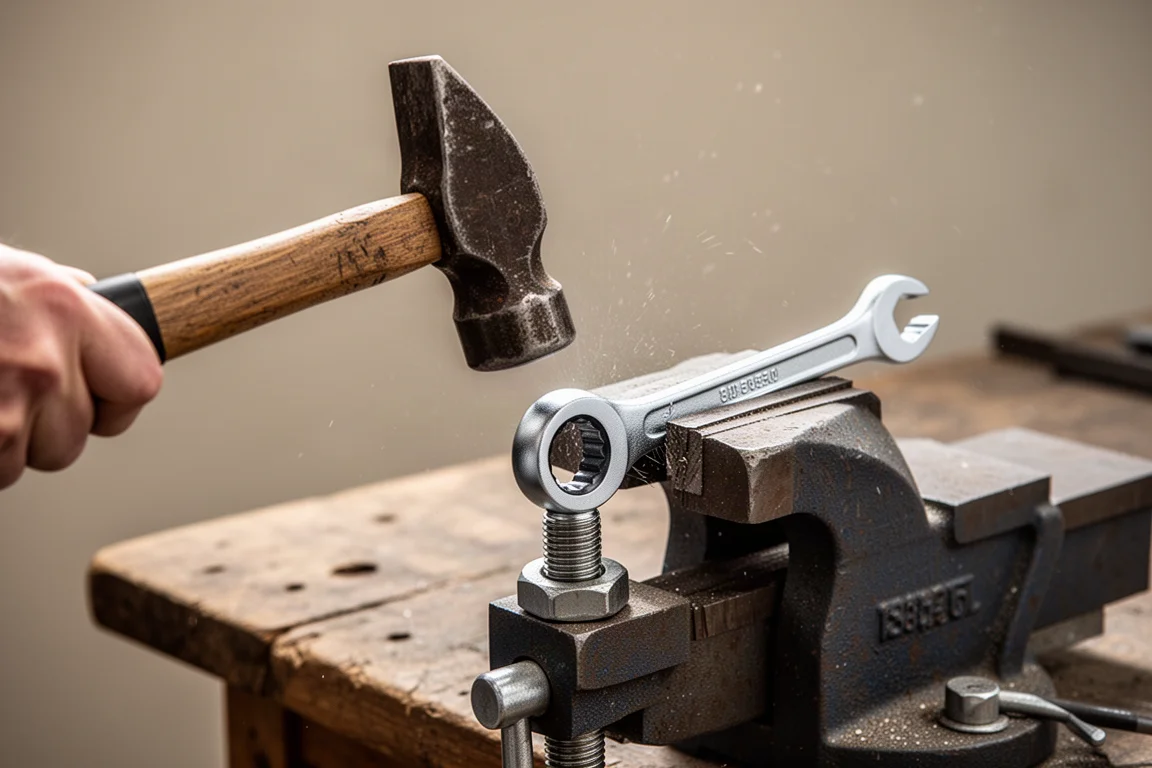
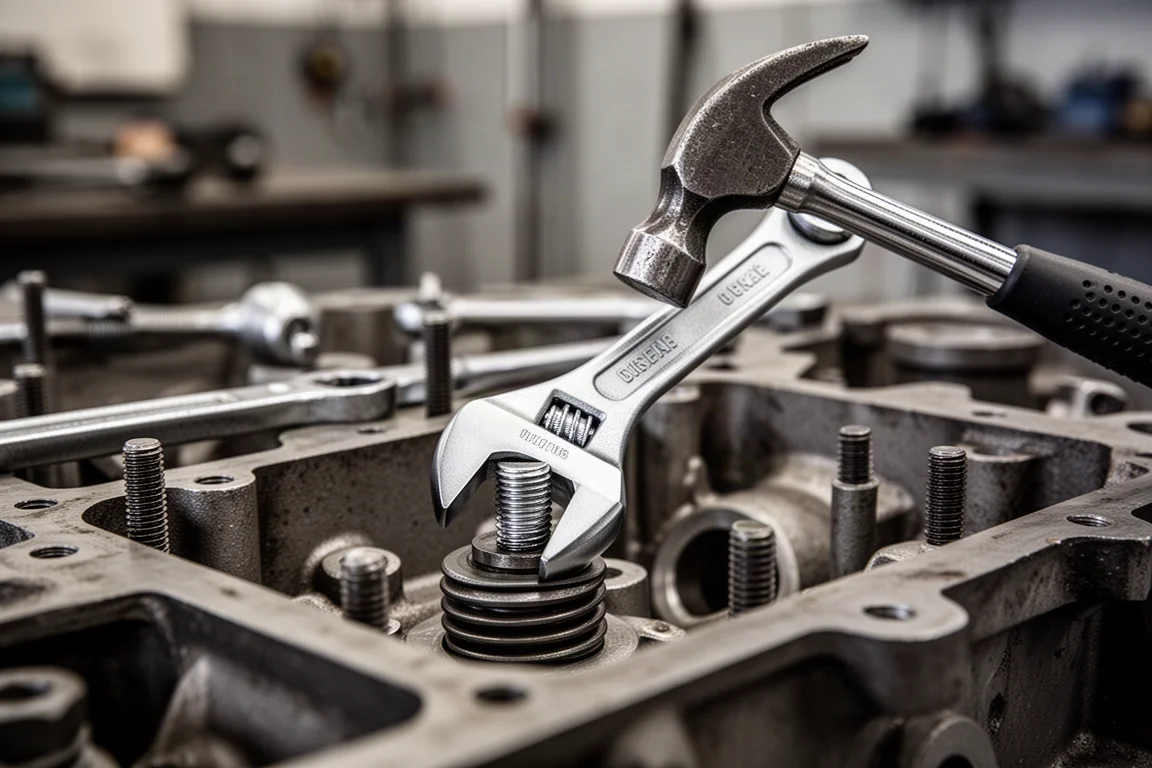
Each wrench was clamped in a heavy bench vice, dual chained to a workbench bolted into concrete, about as rigid a setup as is realistic. Torque was measured on a reverse-threaded bolt, and each wrench was hit with three progressively heavier hammers: a standard 1 lb (16 oz) ball peen, a 4 lb engineering hammer, and a 10 lb wrecking sledge. Partial hits and blows that knocked the wrench off the fastener were not counted.
One important note on hammers: avoid framing or claw hammers, which are designed for soft nail heads and wood. Use a rounded-face hammer intended for metal work, since you never know how hardened the steel you are striking might be.
For context, modern tools make this job far easier: air impacts and 1-inch drive cordless models have reached around 2,000 ft-lb, and 1/2-inch drive cordless impacts can exceed 1,000 ft-lb. A manual impact wrench, a different tool entirely, reached higher numbers than any of these striking wrenches. But when access is tight, a striking wrench has its own advantages.
Standard Short Striking Wrench
The XL Striker Wrench, purchased for $23, is the short, standard style that is the most common type of striking wrench. The short body is a practical choice when you do not have room to swing a long lever around the fastener.
With the 1 lb ball peen, it took about 35 hits to reach 337 ft-lb, with progress slowing noticeably after that. Moving up to the 4 lb hammer cut the required hits to roughly 25 and pushed the result to 600 ft-lb. The 10 lb wrecking sledge brought it to 697 ft-lb in about 15 hits, a smaller jump from the 4 lb hammer than expected. Overall, just under 700 ft-lb from a short, inexpensive wrench is a respectable result.
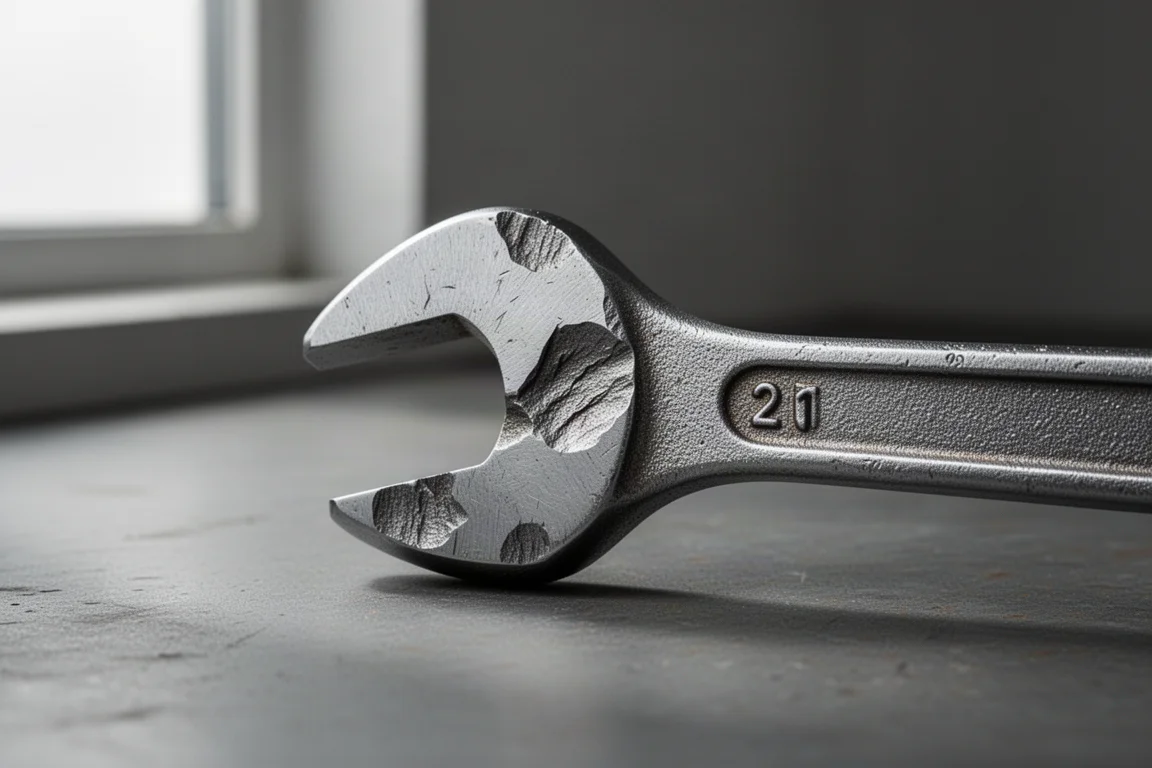
Like any striking wrench, it takes some practice to learn where and at what angle to hit it, since the wrench wants to jump off the bolt head. Expect a bit of a learning curve.
Offset Striking Wrench
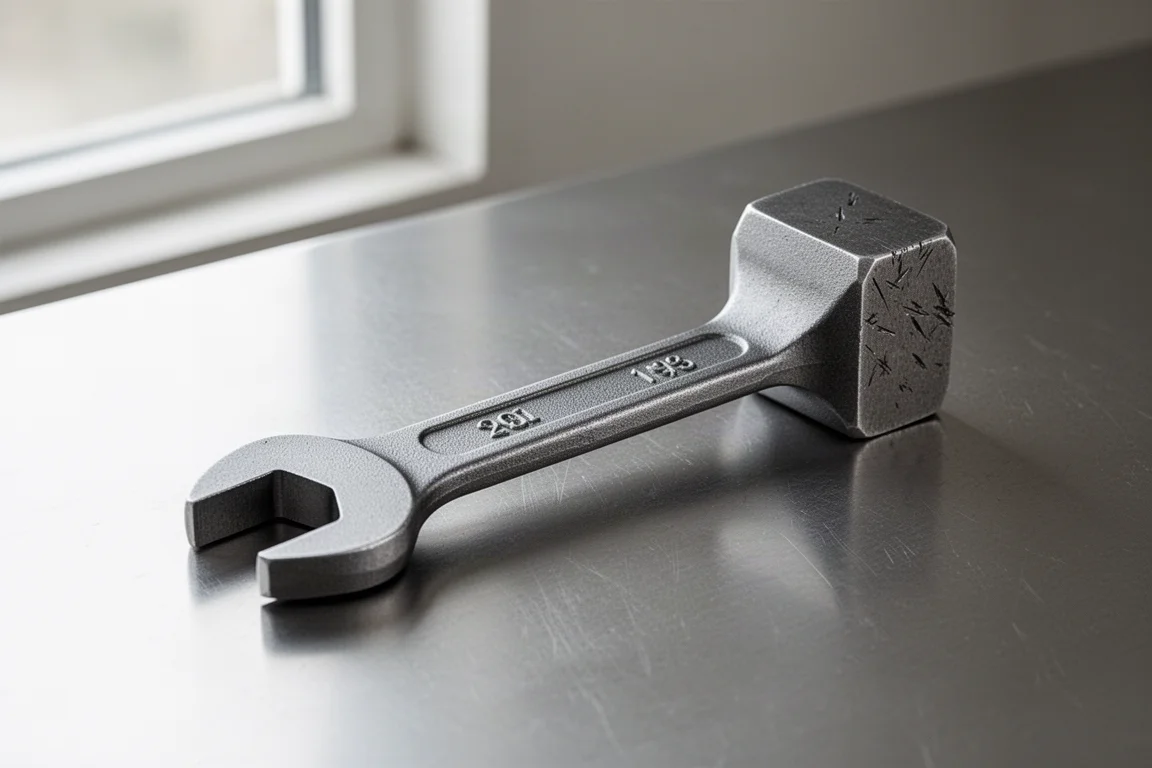
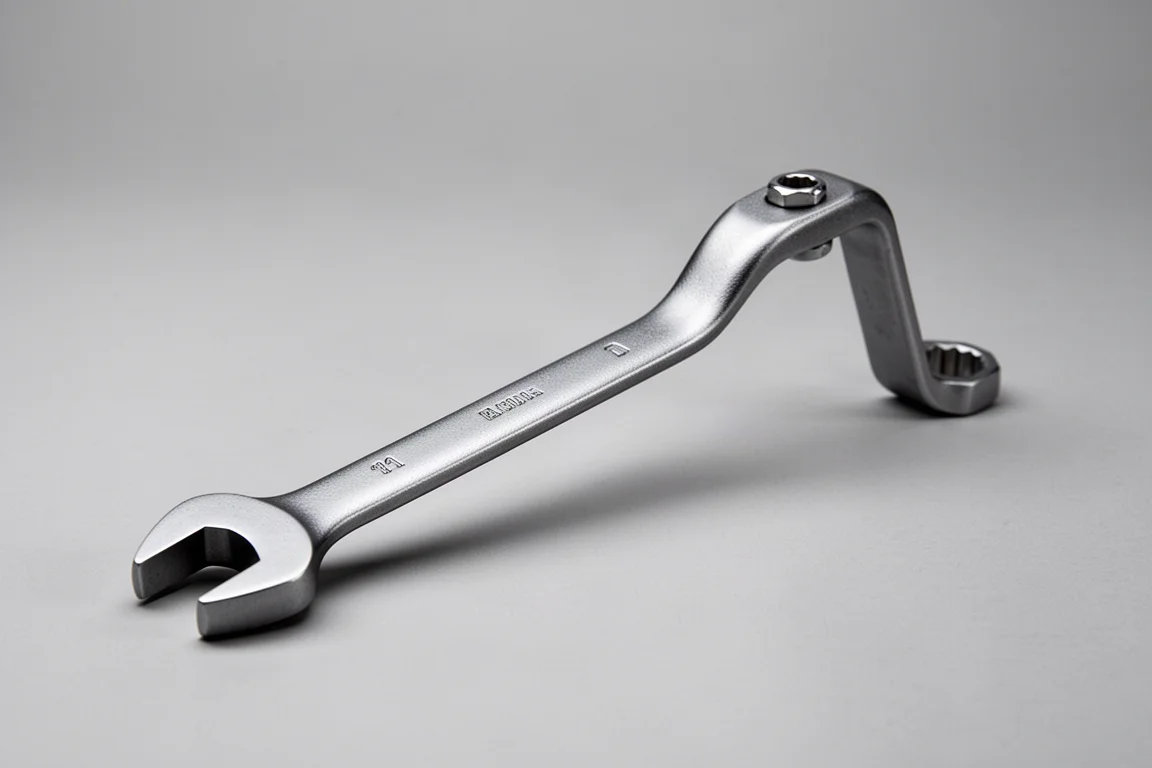
The XL Offset Striking Wrench, from the same brand for $24, moves the striking face away from whatever the bolt is fastened to, keeping your hammer swing clear of surrounding components. It is also longer, and a longer lever with the same hammer force should translate into more turning action.
In practice, it mostly delivered. With the 1 lb hammer, about 35 blows produced 380 ft-lb, a solid percentage gain over the standard version with no extra damage. The 4 lb hammer told a more complicated story: the wrench end is thinner and more rounded than the standard model, making it harder to hit squarely, and the offset design makes it walk off the bolt head more easily. It managed 538 ft-lb at that stage.
With the 10 lb hammer, the design fell short. The longer, skinnier arm flexes under massive dynamic torque and does not transfer those big hits as efficiently, and the result was lower than the standard wrench. This offset design is happiest with smaller hits and lighter hammers.
Heavy-Duty Six-Point Striking Wrench
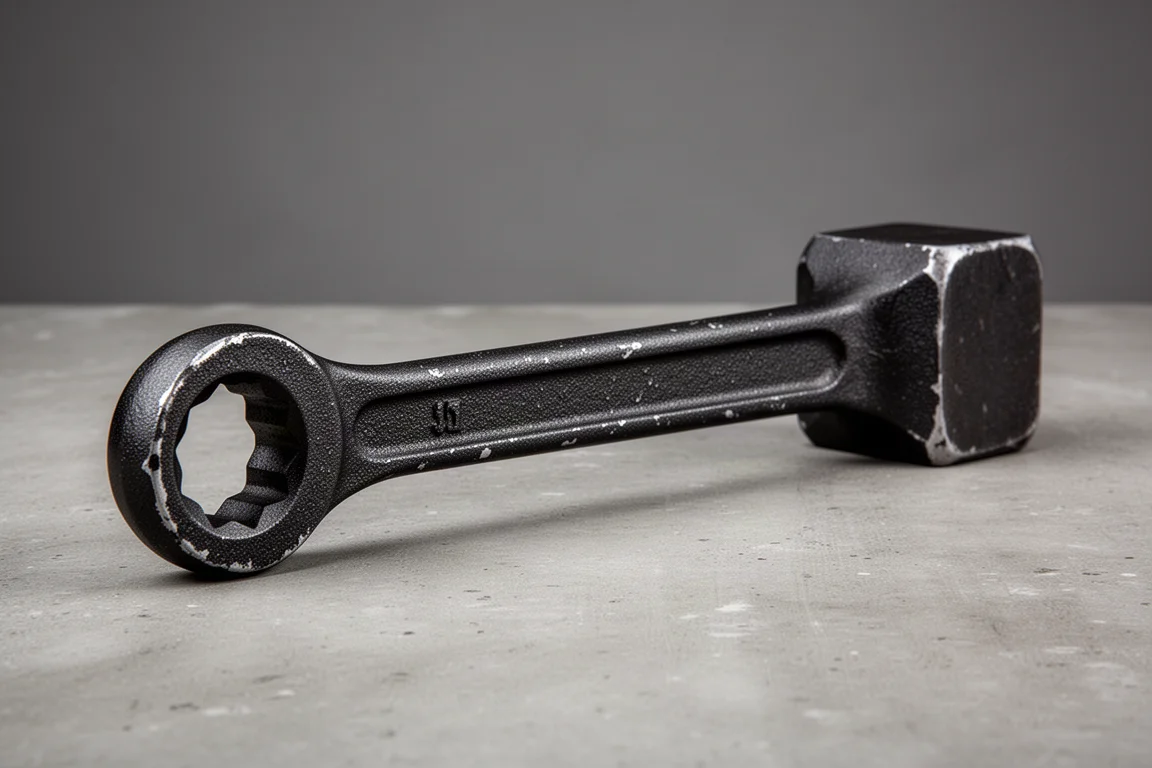
The Harrington Striking Wrench costs twice as much at $52, and it blends the two designs above: a long arm with real chunk at the end and a solid block for landing hits. It is also six-point, which limits the positions you can slot onto the bolt head, and its rough powder coat coating chips and flies off toward your face and arms when struck, which is genuinely annoying.
With the 1 lb hammer, it matched the standard wrench at 333 ft-lb. The 4 lb hammer was different: the large, chunky striking area makes it one of the easiest to hit squarely, and it produced the second-best result so far at 569 ft-lb. The 10 lb hammer is where this design shines. It added more torque going from the 4 lb to 10 lb hammer than any other style, finishing at 695 ft-lb. The six-point design and end mass stay planted under big blows and show very little flex.
It did not beat the standard wrench overall, but its performance with the heaviest hammer and its solid striking target make it the most confidence-inspiring design of the three.
The Homemade Alternative: Cut-Down Combination Wrench
If you already own a wrench you are willing to sacrifice, cutting down a long combination wrench makes an improvised slug wrench. In full-length form it was clumsy to hit at this size, so it was cut down to roughly standard striking wrench length. The 15-degree offset angle of the head makes it pop off the fastener more than the purchased wrenches, but with the 1 lb hammer it still managed 342 ft-lb.
With heavier hammers, its limitations showed. The very thin arm rarely takes a square, full-force hit and deflects, and at 46 to 47 HRC it is considerably harder than the purchased wrenches, which measured 36 and 37.5 HRC. That hardness means it recoils off hits like a spring rather than absorbing them like a dead blow. It reached 552 ft-lb with the same number of hits, noticeably less than the dedicated tools.
An open-end test added a final data point: 267 ft-lb with the 1 lb hammer, and 353 ft-lb with the 4 lb one, with the 38 mm open end stretching to measure about 39 mm afterward. Holding the tool on the fastener with your off hand is required, which rules out two-handed swings. Still, it gives you an idea of what a long open end and a hammer can unstick.
Buying Advice
All three purchased wrenches landed in the 695 to 697 ft-lb range overall, so the differences come down to how you plan to use them. If space is tight and you will mostly use a lighter hammer, the standard short model is the straightforward pick. If you want your hammer swing clear of surrounding hardware and will use lighter to midweight hammers, the offset design adds real leverage, just do not expect it to thrive under a 10 lb sledge. If your situation calls for the biggest hammer you can swing and you want the most planted, easiest-to-hit design, the heavy six-point model justifies its higher price.
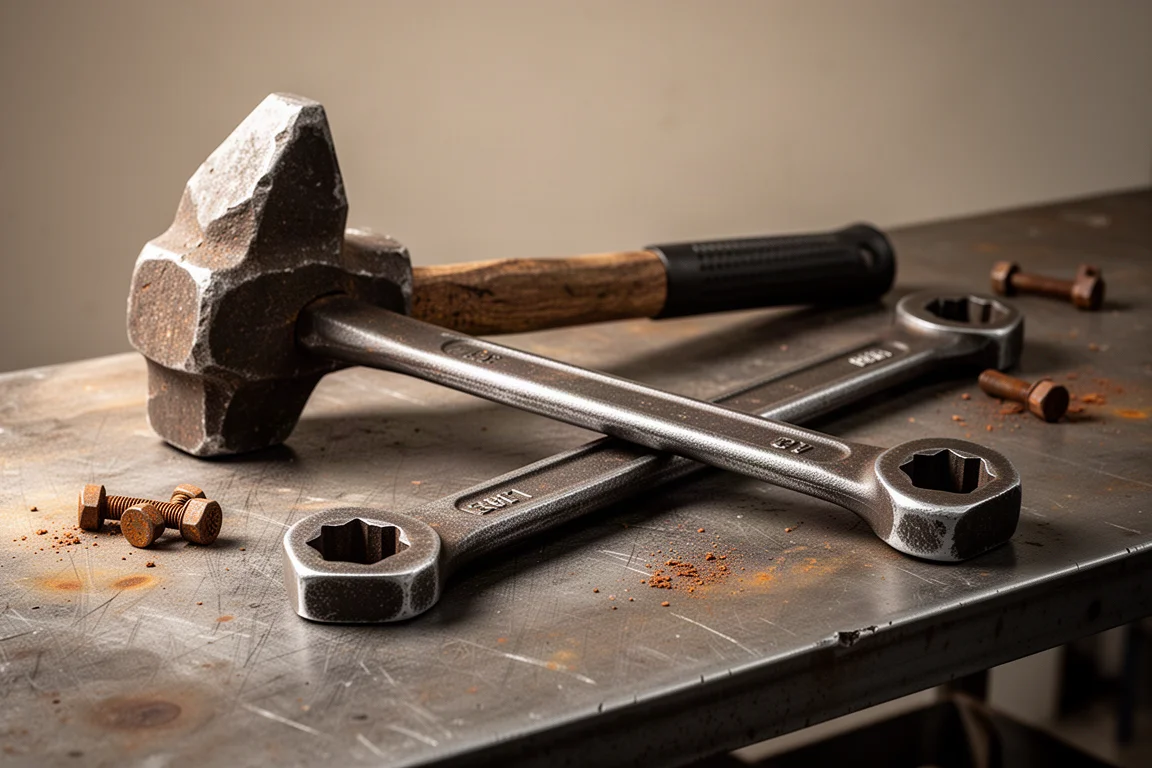
One thing none of these could do: budge a 1,000 ft-lb fastener. That level of stuck is where a manual impact wrench or a powered impact earns its place. For rust-welded, moderately stuck hardware where access is limited, though, a striking wrench remains a legitimately useful problem solver.
Conclusion
Striking wrenches had their place before powered impacts existed, and they still do in specific situations. All three tested designs delivered roughly 700 ft-lb of breakaway torque with the right hammer, which is genuinely impressive for hand tools costing $23 to $52. Match the design to your access and hammer weight, use a proper metal-working hammer, and expect to practice your swing before the numbers come easily.
Further reading
Related Reviews
Hand Tools
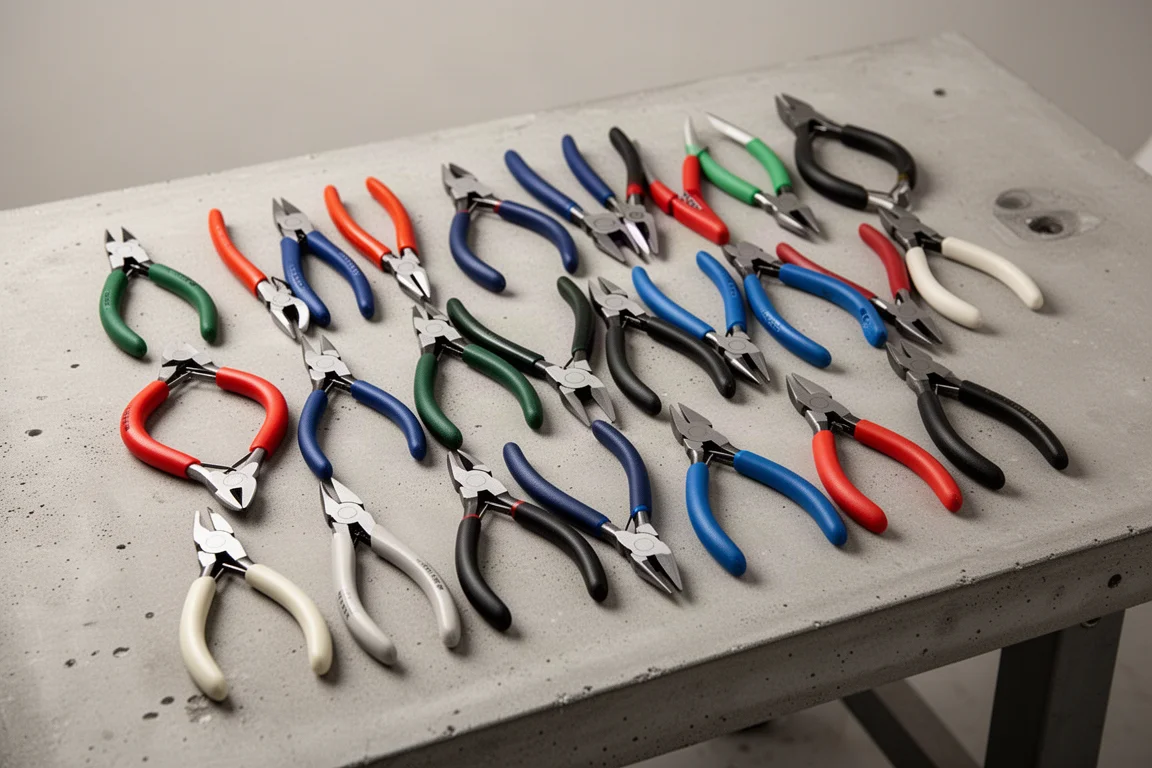
Best Diagonal Cutters 2026: 16 Pliers Tested for Cutting Power and Durability
We put 16 diagonal cutters through nail, screw, drill bit, and hex key tests to find the best value picks for your toolbox.
Hand Tools
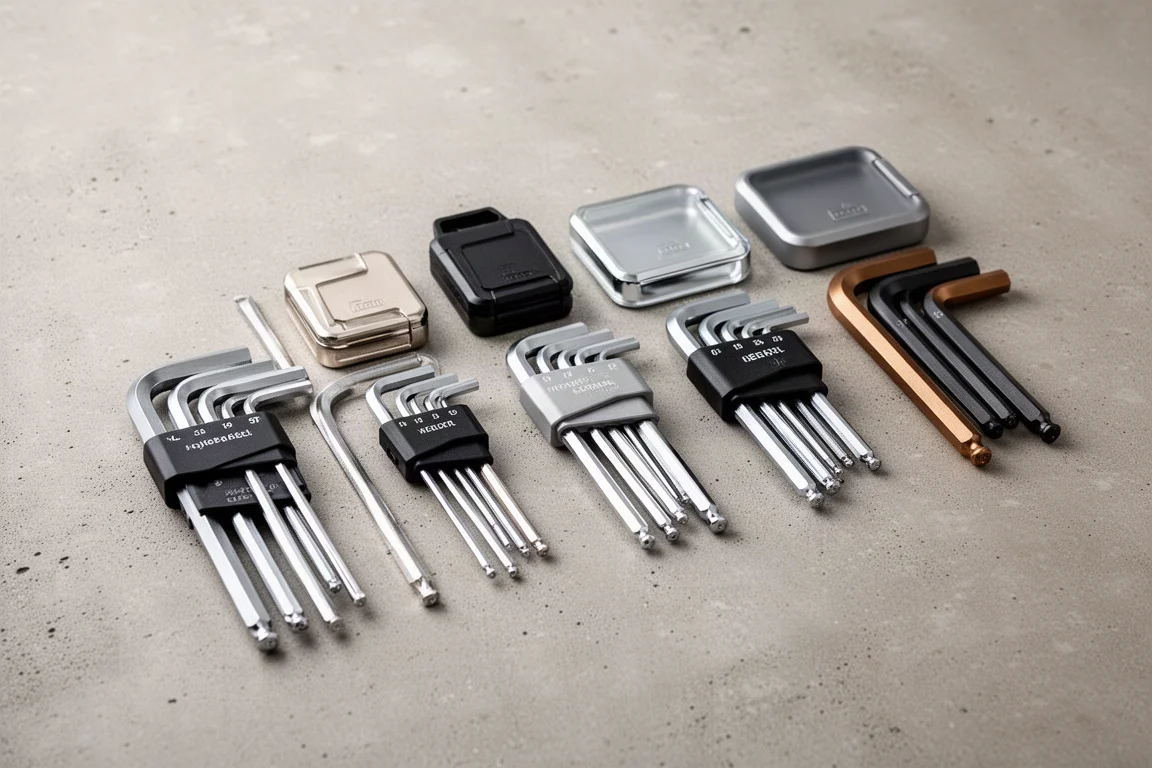
Best Hex L Key Sets 2026: Nine Sets Tested for Real-World Torque
Nine hex L key sets from budget to premium, tested for torque, fit, and durability. See which sets deliver real performance and which ones to skip.
Hand Tools
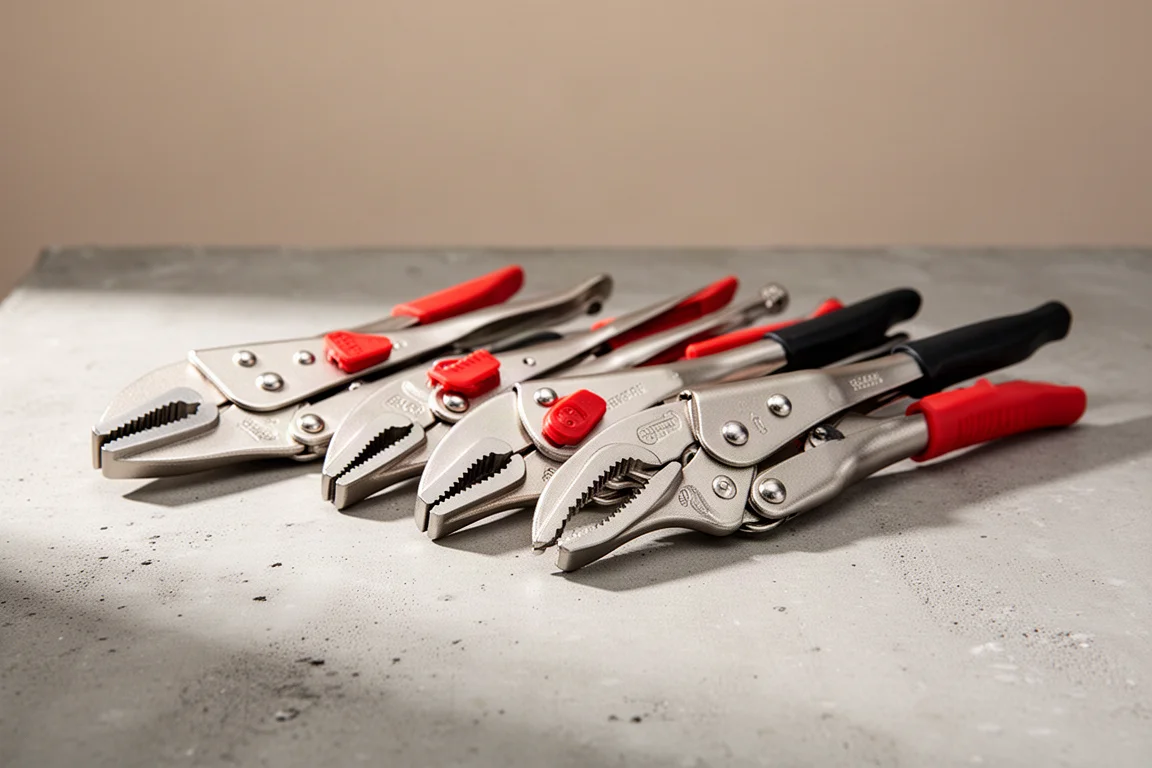
Best Locking Pliers 2026: Top Picks Tested for Grip and Durability
We tested 18 brands of 10-inch locking pliers for grip strength, jaw bite, build quality, and ease of release to find the best options for tough jobs.