Power Tool Accessories
Best Step Bits and Short Drill Bits for Field Repairs: Five Options Compared
A practical look at five step bits and drill bits for small fabrication work, from USA-made premium options to budget multipacks.
Introduction
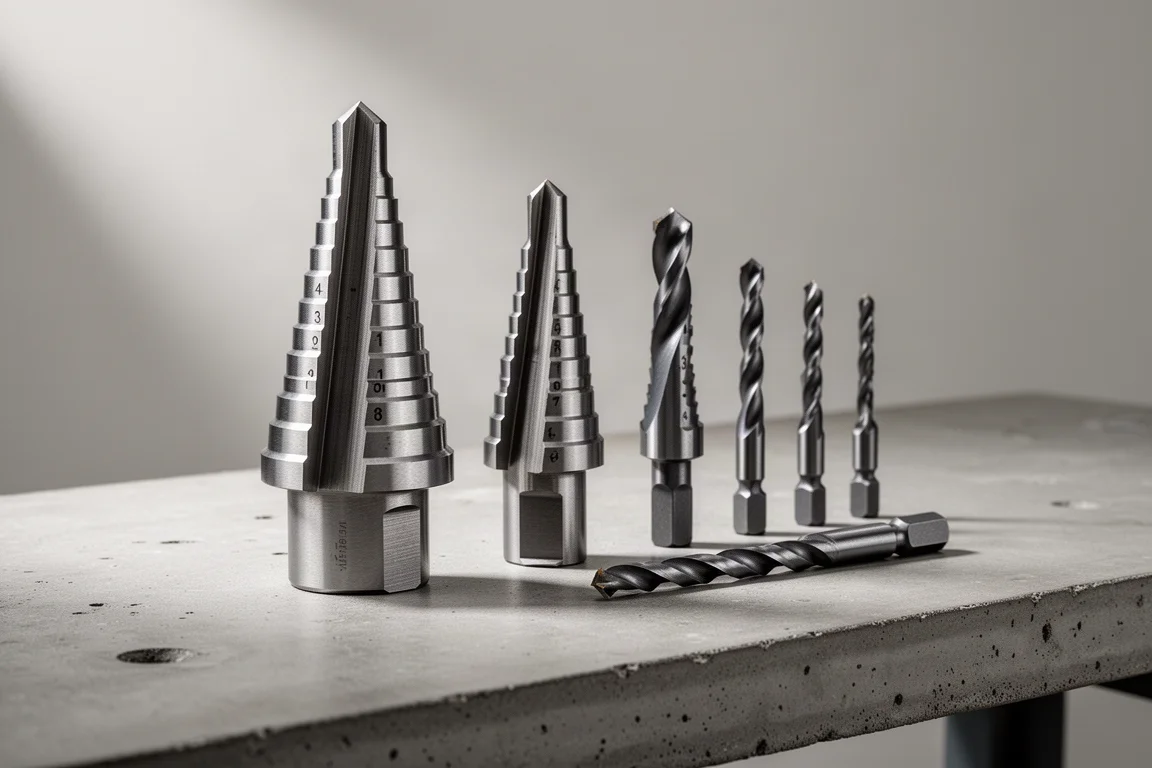
When something breaks far from a well-equipped shop, the bits you pack decide whether a quick repair takes ten minutes or never happens at all. For small fabrication jobs, enlarging a bolt hole, or drilling through plate steel and sheet material, step bits and short drill bits are the accessories that earn their spot in a toolkit. This roundup compares five options spanning premium USA-made tools to budget multipacks, with an honest look at where each one fits.
Why a Step Bit Makes Sense for Field Repairs
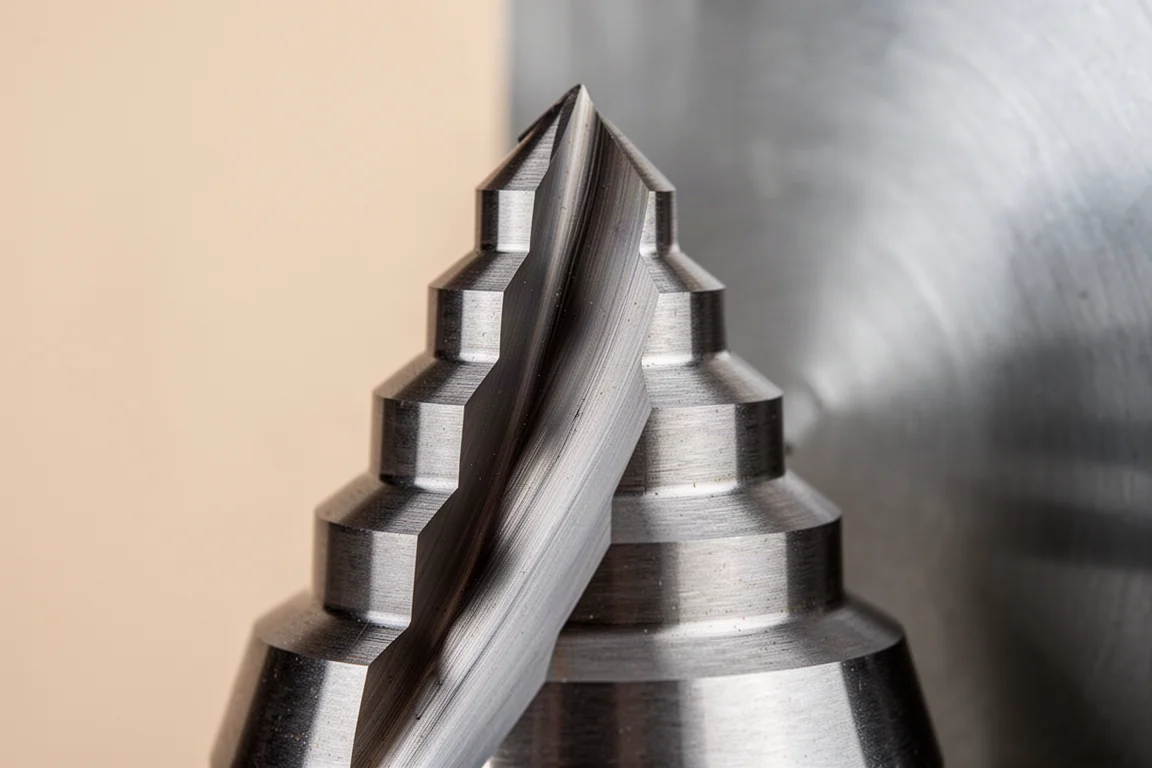
Step bits shine for drilling holes of varying sizes in thin material, and a good one lets each rotation count when you are working by hand or with a small power tool. The trade-off is geometry: because of the cone angle, a step bit produces a conical cut. Drilling through thicker material, such as three-quarter-inch wood, can leave a tiny point breaking through on one side while the opposite face has a much larger opening. For thin plate steel and sheet material, that limitation rarely matters.
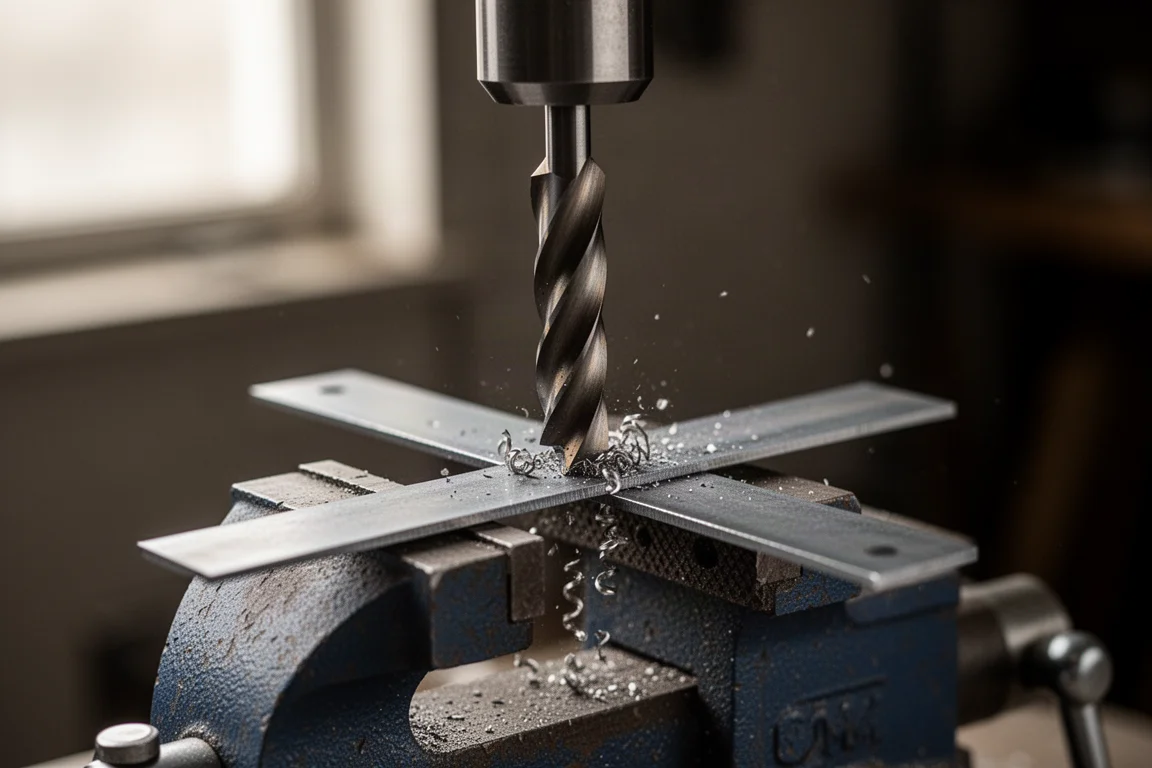
For typical field use, the realistic range is roughly one-eighth of an inch up to half an inch, which happens to be exactly what several of the bits below cover.
Milwaukee 405143 Step Bit
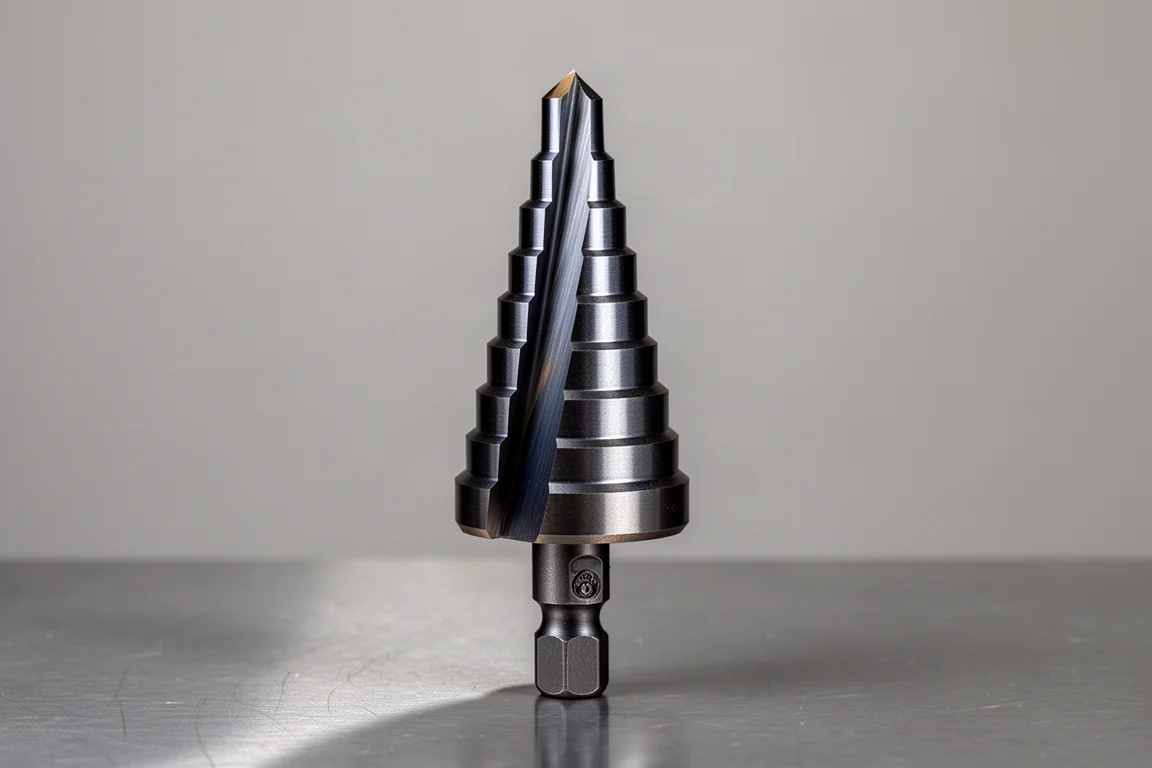
The Milwaukee 405143 is a premium step bit covering 1/8 to 1/2 inch, aluminum titanium coated, with a fairly long profile and a quick-lock shank that fits both hand drivers and small power tools. It is made in the United States and priced around $38, which puts it firmly in the top tier for this category.
The standout quality is sharpness. Run a finger across the cutting edges and the Milwaukee feels razor sharp, which matters enormously when drilling by hand at low speeds. If you only plan a few cuts a year it may be more bit than you need, but for repeated use on metal it is the benchmark against which the others here should be judged.
Klein Step Bit
The Klein step bit is a favorite for larger holes and heavy-duty work, and it is a well-regarded long-term tool. Its main limitation is the same cone-angle issue: with a large maximum diameter around 7/8 inch, drilling through thicker material produces a very pronounced conical cut, with a pin-point breakthrough on one side and nearly an inch of opening on the other.
For thin plate and sheet work where large holes are needed, Klein remains a strong choice. For the small-to-medium hole range typical of field fabrication, a shorter 1/8-to-1/2-inch bit is usually the better match.
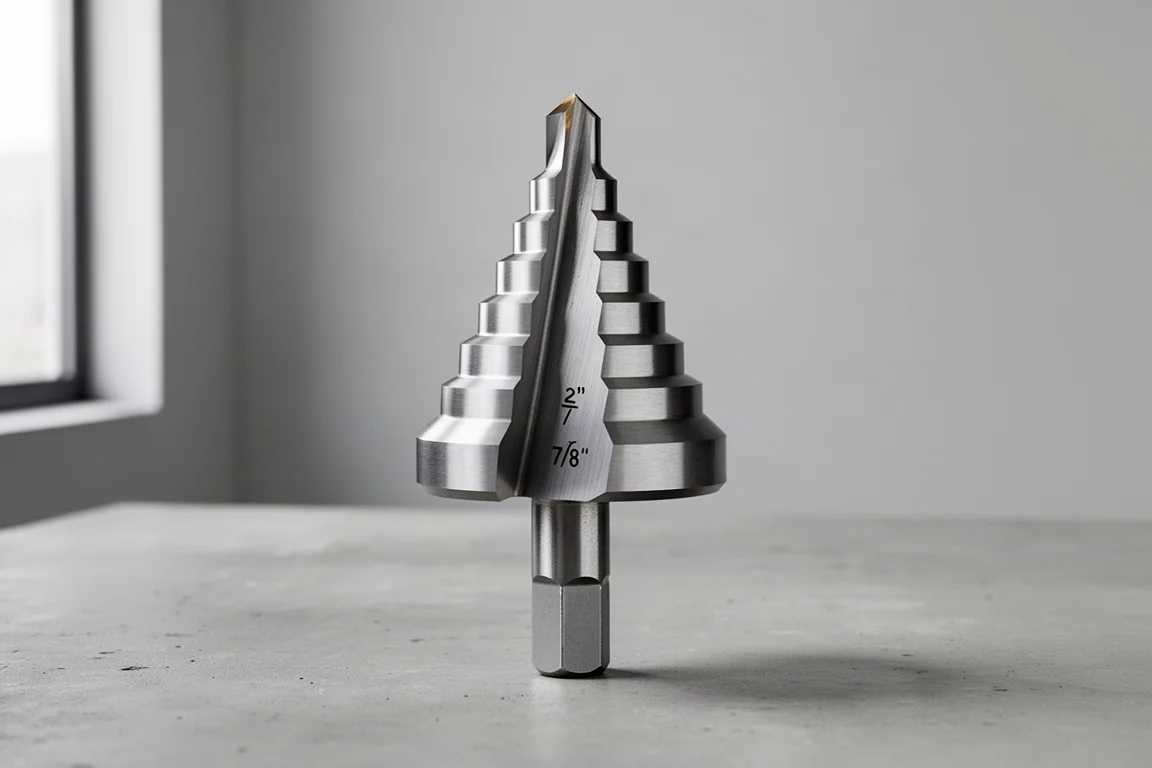
DeWalt Step Bit
The DeWalt option covers the same practical 1/8 to 1/2 inch range but is made in Taiwan and sells for roughly half the price of the USA-made Milwaukee. That makes it an interesting middle ground: most of the usable range of the premium option at a friendlier price point.
Build quality is solid enough for general use, though it does not match the razor-edge finish of the Milwaukee. If your work is occasional rather than daily, the value equation here is genuinely appealing.
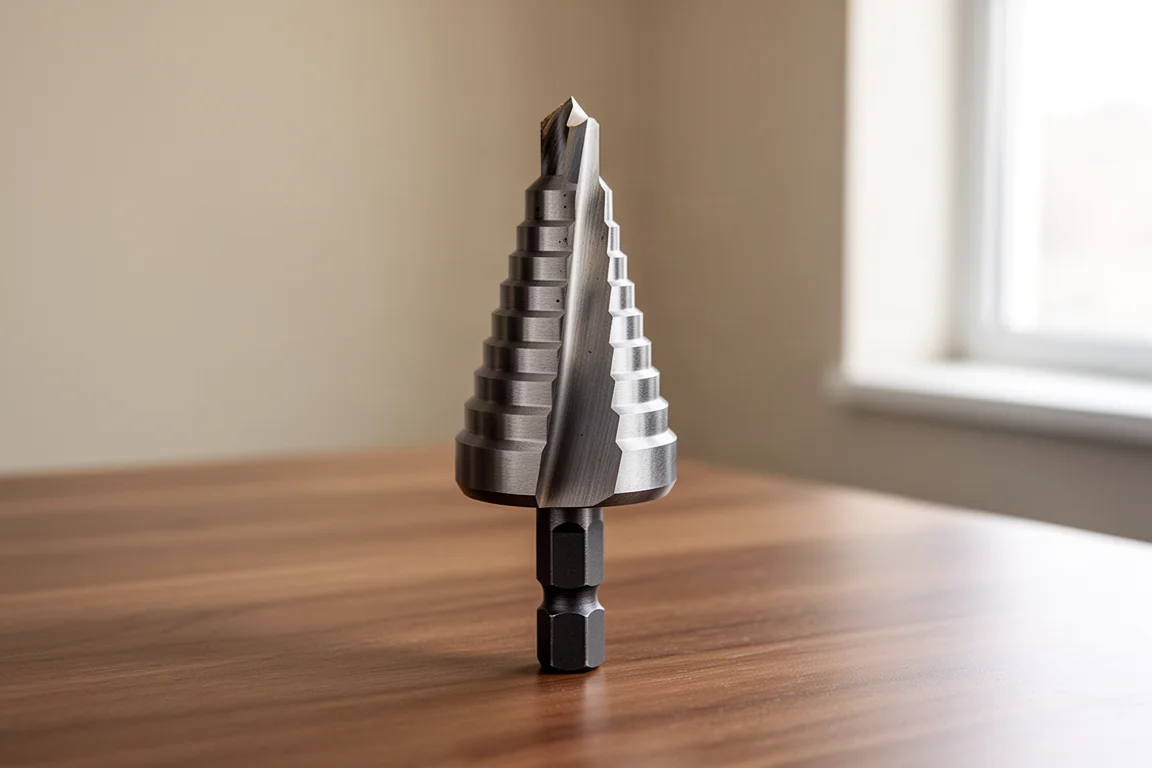
Titan Step Bits
Titan step bits come in multipacks, and the economics are hard to argue with: you can get a full set for about a quarter of the price of a single Milwaukee bit, or roughly half the price of the DeWalt. None of the individual bits match the Milwaukee’s sizing exactly, though the range is close at the lower end.
The honest trade-off is cutting quality. Compared with the Milwaukee’s razor-sharp edges, the Titan bits simply do not feel as sharp. For one-off projects or light-duty use in wood and thin metal, they are a sensible low-cost fallback. For regular hand drilling in steel, the difference in cutting effectiveness is noticeable.
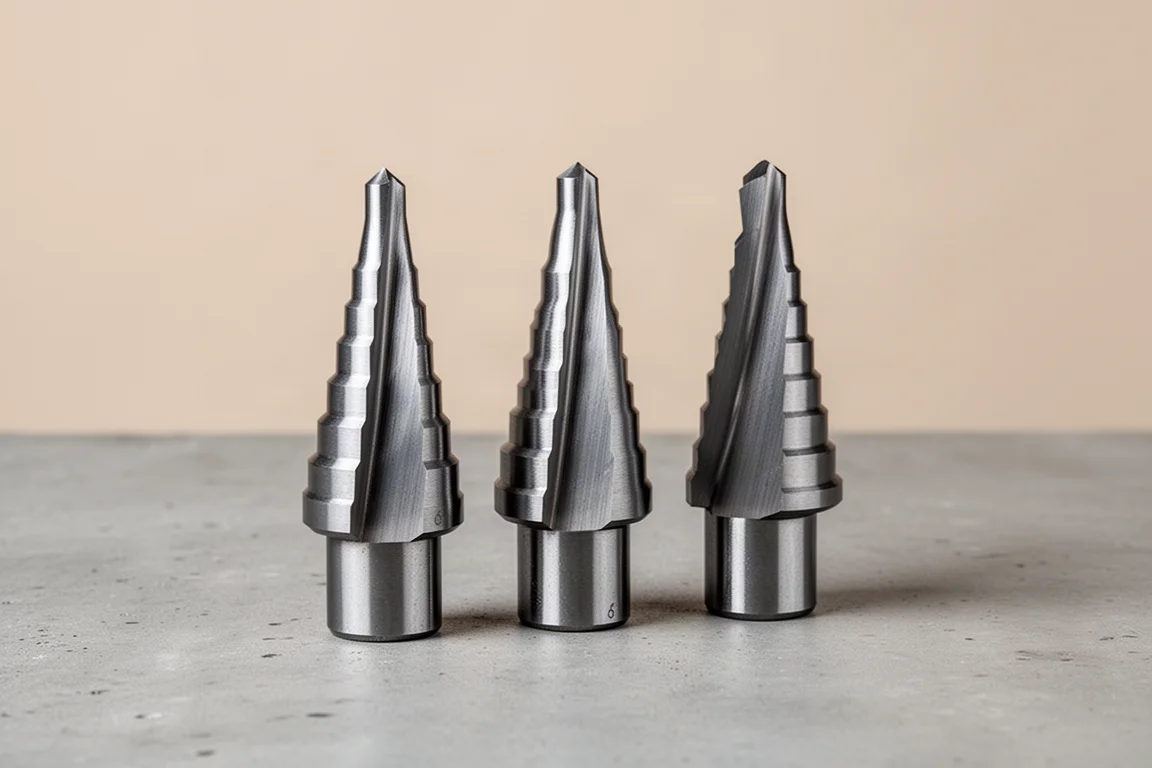
Montana Brand Drill Bits
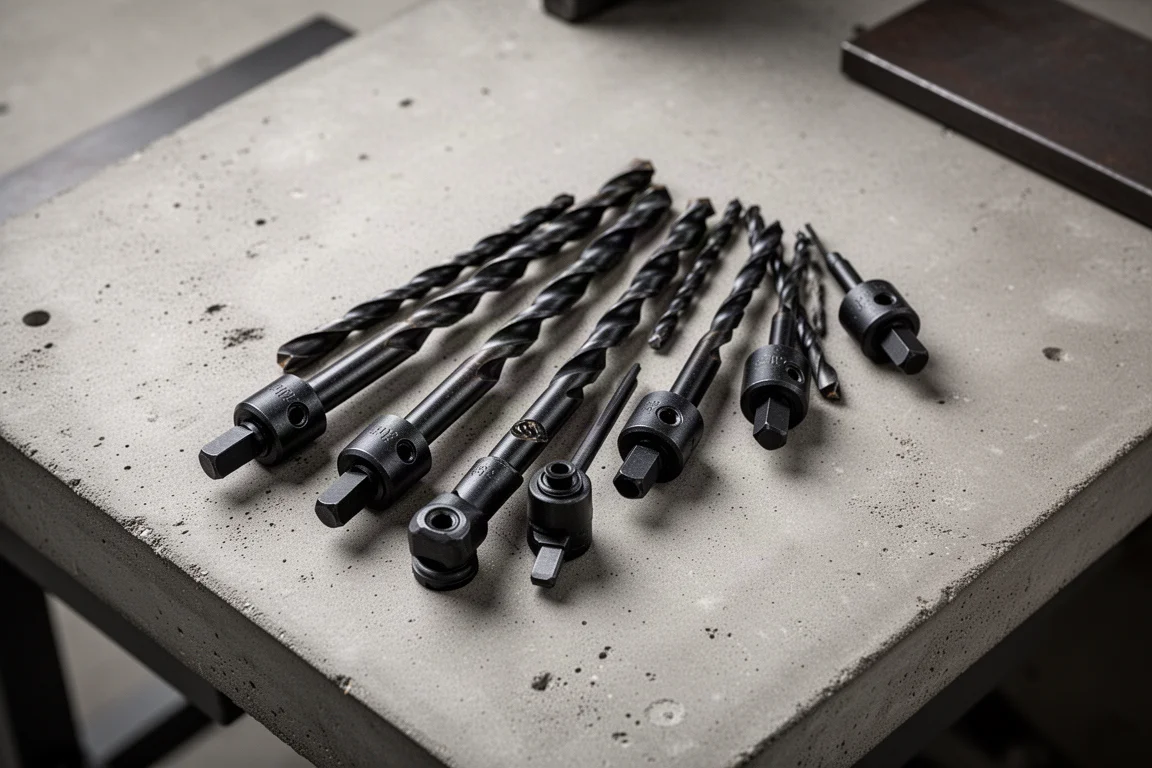
Montana Brand drill bits are made in Ronan, Montana, and offer an alternative approach: short, USA-made twist drill bits rather than stepped cones. The 1/8-inch size reviewed here is fabricated from a single piece of steel and dropped into what appears to be an aluminum or magnesium quick-lock base, so the same bit works in hand drivers with quick-lock systems and in small power tools. They are described as impact grade, and roughly a dozen sizes are available in the range.
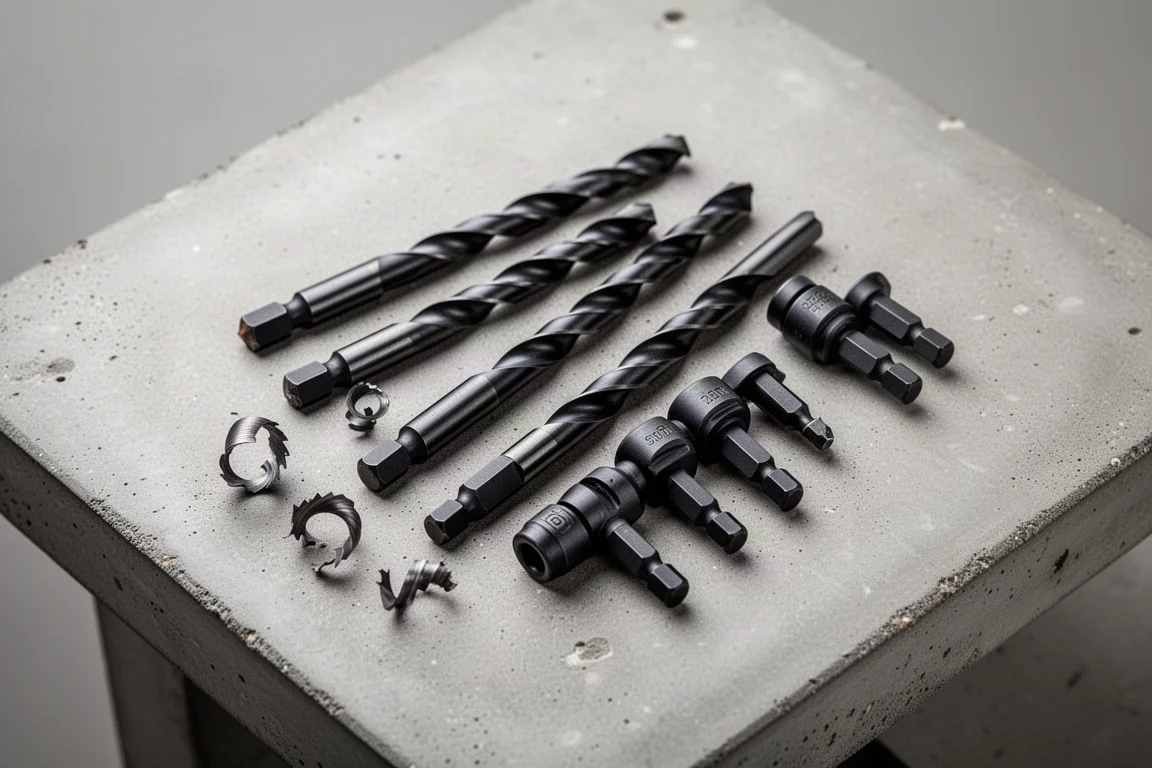
These suit the same philosophy as the step bits above: keep the kit small, keep the bits short, and make sure they fit whatever driver you are carrying. A quality twist bit also handles thicker material more cleanly than any step bit, since there is no conical breakthrough to worry about.
How to Choose the Right Bit for the Job
The deciding factors come down to how often you drill and what you drill into. If you work by hand with a ratcheting driver, sharpness is everything: a razor-sharp bit makes each rotation count, while a dull one turns a simple hole into a frustrating grind. For frequent metalwork, the premium USA-made options justify their price. For occasional use, the mid-priced DeWalt or budget Titan sets cover the basics.
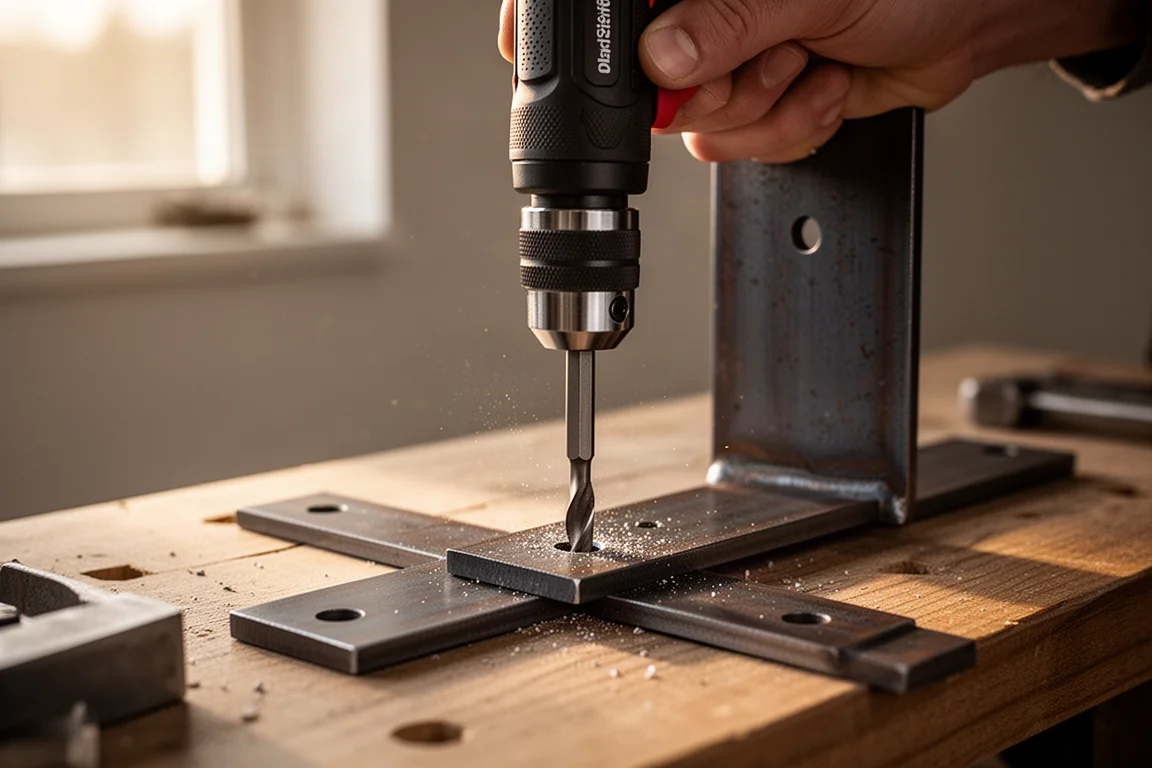
Also think about material thickness. Step bits excel in thin stock, but for anything thick, short twist drill bits avoid the conical breakthrough problem entirely. A mixed approach, one good step bit plus a few short twist bits, covers nearly every field repair scenario.
Conclusion
For most readers, the Milwaukee 405143 is the pick if drilling metal is a regular task and the budget allows it. The DeWalt offers most of the range at half the price, the Titans make sense as low-cost spares, the Klein remains a strong choice for larger holes in thin material, and the Montana Brand bits fill the gaps that no step bit can. Match the bit to how often you drill and how thick the material is, and any of these can earn a permanent place in the toolkit.
Further reading
Related Reviews

Power Tool Accessories
Best Drill Attachments 2026: Three DeWalt Tools Worth Buying
A practical look at three DeWalt drill attachments that deliver real value, plus the sketchy options you should skip.

Power Tool Accessories
Best Drill Bits 2026: 14 Sets Tested on Mild Steel, Spring Steel, and AR500 Armor
We tested 14 drill bit sets across mild steel, spring steel, and AR500 armor plating to find the best value, speed, and durability.

Power Tool Accessories
Best Right Angle Impact Adapters 2026: Five Options Tested for Speed, Torque, and Durability
We tested five right angle impact adapters from DeWalt, Milwaukee, Warrior, Titan, and Milescraft to see which ones deliver real performance without failing early.