Footwear
Best Stability Shoes for Walking and Standing: 5 Supportive Picks Worth Considering
Five stability running shoes that hold up for all-day walking and standing, with real differences in fit, support, and ride character to help you choose.
Introduction
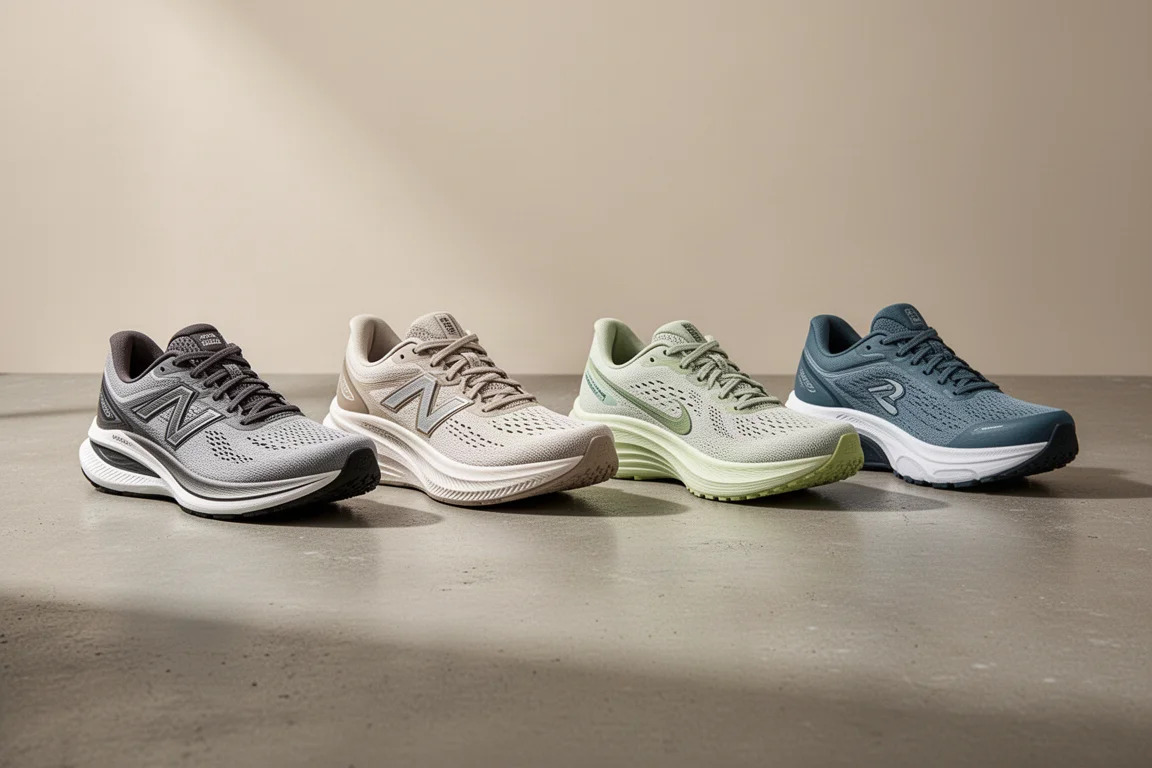
Most running shoes sold today are not bought by runners. They are bought by people who walk, stand at work, or spend long days on their feet, and that reality changes what a good shoe should actually do. For people with stability needs, meaning those who want some medial arch support or a shoe that keeps the foot centered, the picks in this guide all share one thing: they hold up for all-day wear.
Each of these five shoes has been worn for teaching, clinical work, and long days of walking and standing, not just short test runs. They are also the kinds of shoes frequently suggested to people dealing with foot, ankle, knee, or hip issues who need a bit of structural help from their footwear.
What Makes a Good Shoe for Walking and Standing
A good shoe for walking and standing is not the most responsive shoe on the market. Walking and standing do not require high levels of responsiveness; they call for a more grounded, stable ride. Extremely soft, high-stack, aggressive-geometry shoes are simply not designed for this kind of use.
Comfort comes first. That means no extreme geometries, no outlandish stack heights, and a ride that does not bounce you with every step. Several of these shoes are heavier and less responsive than performance running shoes, which actually makes them better for staying grounded. There is also variety in rocker: a few have more of a rolling ride, which some people will love and others will not.
One important note up front: these are all stability shoes. If you dislike pressure into your medial arch or do not want your foot guided at all, this list is not for you. If you have a history of plantar fasciitis, and standing for long periods is a known risk factor for it, and you have found that arch support or a supportive shoe reduces recurrence, these are exactly the type of shoes built with that component included. None of them need a separate aftermarket arch support insole; the support is built into the shoe.
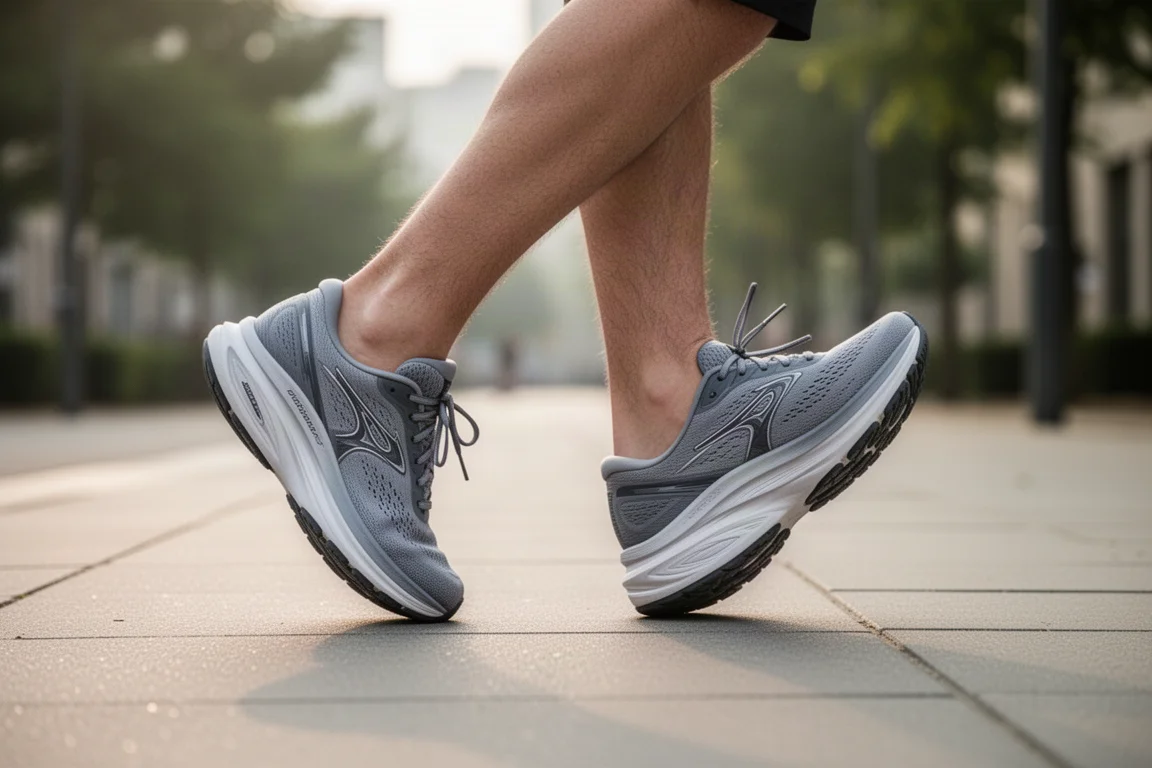
For quick reference, here is how the five compare in a men’s size 10:
| Shoe | Heel / Forefoot Stack | Drop | Weight |
|---|---|---|---|
| Mizuno Wave Horizon 9 | 42 mm / 34 mm | 8 mm | 344 g (12.1 oz) |
| Topo Ora | 40 mm / 35 mm | 5 mm | 306 g (10.8 oz) |
| Hoka Gaviota | 39 mm / 33 mm | 6 mm | 296 g (10.5 oz) |
| ASICS Kayano 32 | 48 mm / 32 mm | 8 mm | 306 g (10.8 oz) |
| Brooks Adrenaline GTS | 39 mm / 29 mm | 10 mm | 302 g (10.6 oz) |
Brooks Adrenaline GTS
The Brooks Adrenaline GTS is one of the most straightforward, reliable picks here. Its DNA Loft midsole is not the most responsive foam on the market, which sounds like a knock but is actually a benefit for walking: the ride stays grounded instead of bouncing you around. A fairly decent heel bevel, though not extreme, creates a smooth heel-to-toe transition, and there is a little flexibility for those who want it.
The fit sits right in the middle: not too wide, not too narrow, ideal for a normal-width foot that should not slosh around. The upper is very adjustable. The standout is the support itself, which is significant in the heel and midfoot. Standing is different from running, and while running requires some dynamic motion, when you are on your feet all day it is nice to have the arch a bit elevated. The Adrenaline delivers that noticeable medial arch pressure, making it one of the more supportive options in this group for people who want something genuinely pushed up into the arch.
It also has a fairly wide, flared sole for good medial-lateral stability, and an uncomplicated, comfortable fit that simply disappears on the foot.
ASICS Kayano 32
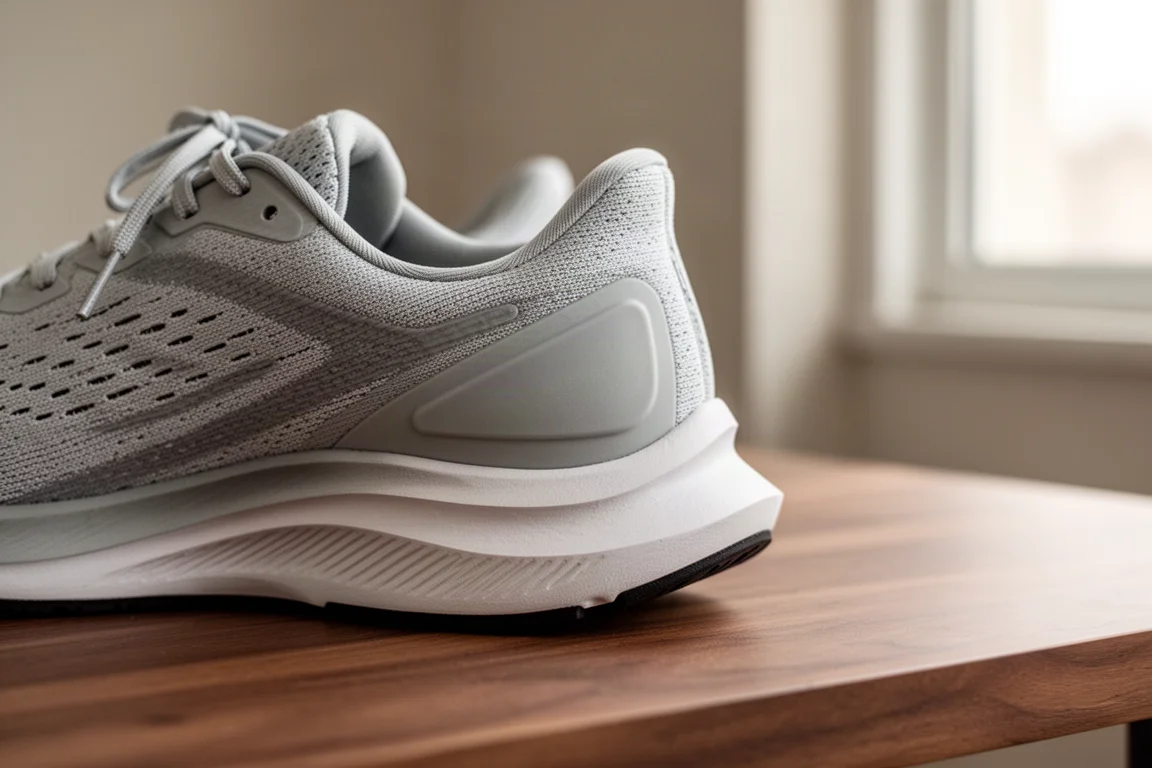
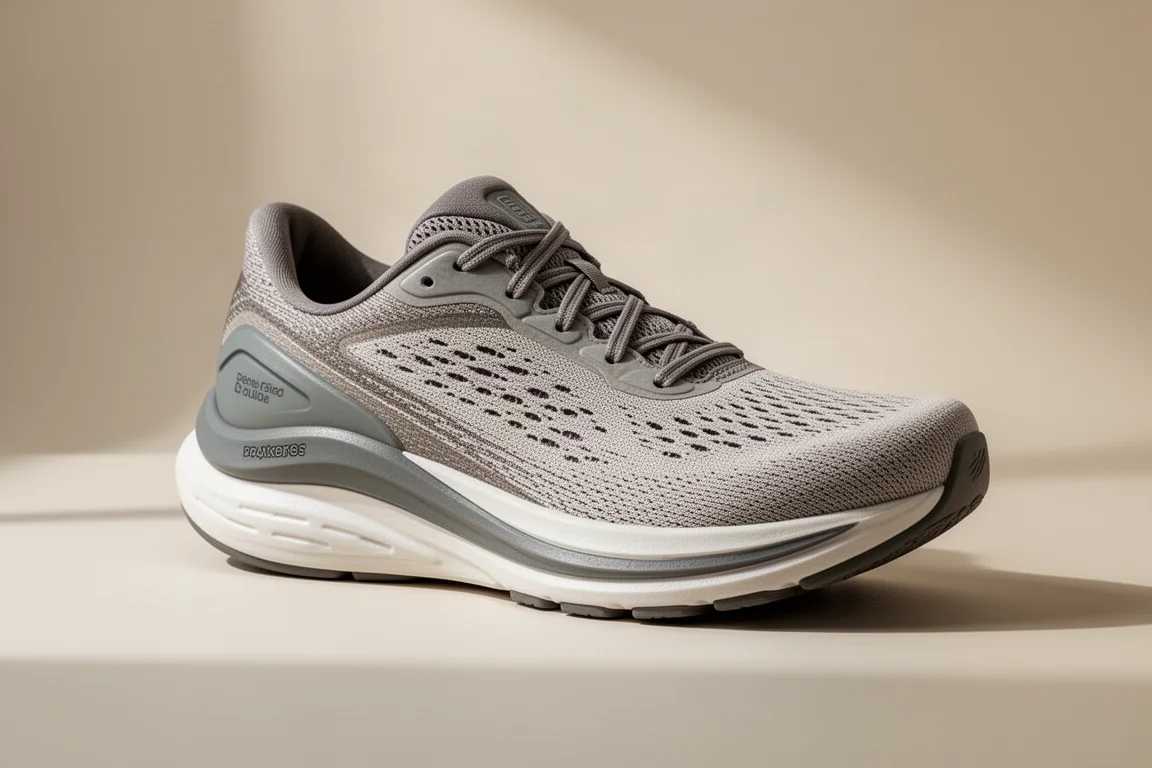
If you want something a little softer and more modern in feel, the ASICS Kayano 32 is very different in character. It has sidewalls on both the lateral and medial sides, so your foot feels somewhat encompassed, and its stack height is taller. It is probably the softest shoe of this group, though not super-shoe soft.
Rather than a traditional medial post, it uses a 4D Guidance System where the post area is softer and more responsive than the rest of the shoe. If you walk and do not want to be rigidly controlled, but want to move in and out of motion naturally, this is where the Kayano shines. It keeps the foot centered but adds a bit of bounce right in the arch support zone.
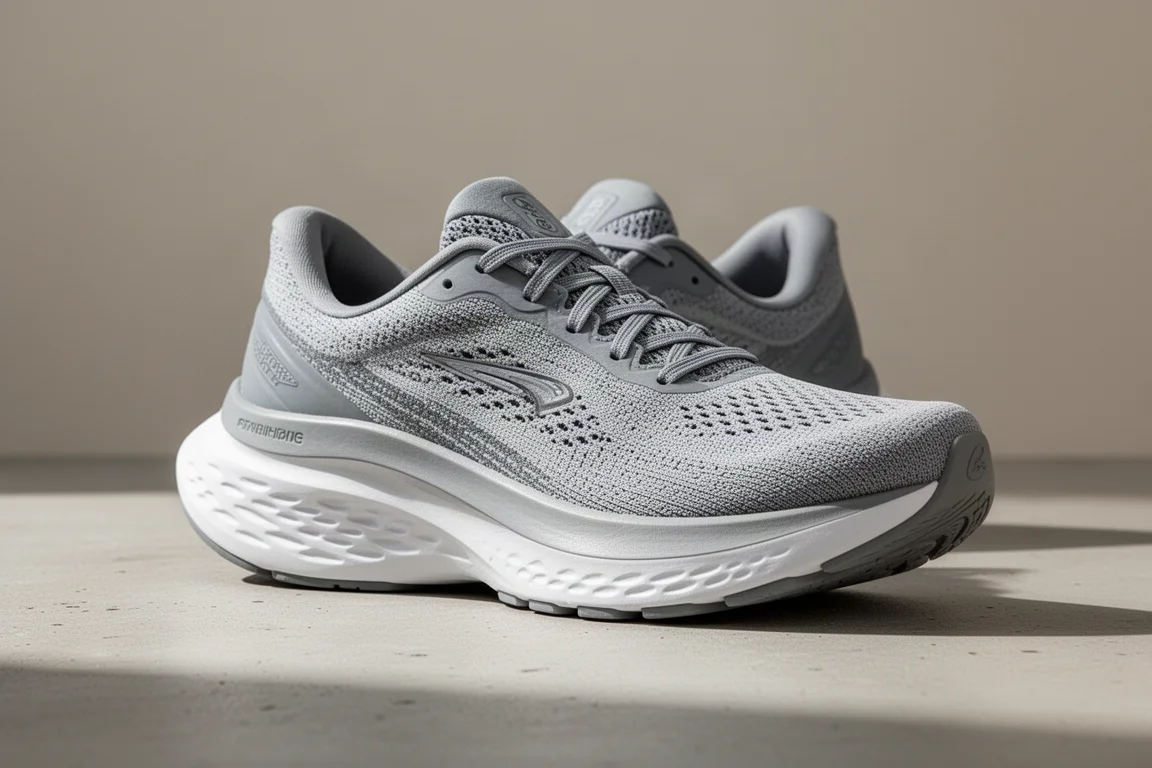
Fit is on the snugger side of this group. It is not narrow, but the thicker, more comfortable upper works best for people with slightly narrower feet; it takes some break-in for sensitive or wider feet. Another plus: while most of the guidance sits in the midfoot, guided elements run the length of the foot. If you have mild forefoot guidance needs, a bit of excessive flexibility up front for example, the Kayano handles that better than most.
Hoka Gaviota
The Hoka Gaviota is the pick for people who want support across the entire length of the shoe, from heel to forefoot. It also has one of the widest fits here: wide throughout, so if you need more volume and room, especially a more anatomic toe box for really wide feet, this shoe delivers.
It is the most rockered shoe of the group, which makes sense for a Hoka. Combined with its more maximal stack height, the aggressive heel and forefoot rocker give it a rolling ride. If you want to be rolled forward efficiently with each step, this is a genuinely good option. Just note the caveat: a rockered shoe rolls you forward, and if you do not have good front-to-back (sagittal plane) control, that rolling feel is not a good match. In that case, a shoe with a less aggressive bevel is the safer choice.
Importantly, the Gaviota is not soft. It runs a touch firmer, which keeps you from collapsing into the shoe. That firmness comes from the fact that the medial and lateral posts run the entire length of the shoe. If you need heel, midfoot, and forefoot support, including support on the other side so you are not aggressively pushed laterally, this shoe handles all of it, and you can feel it.
Topo Ora
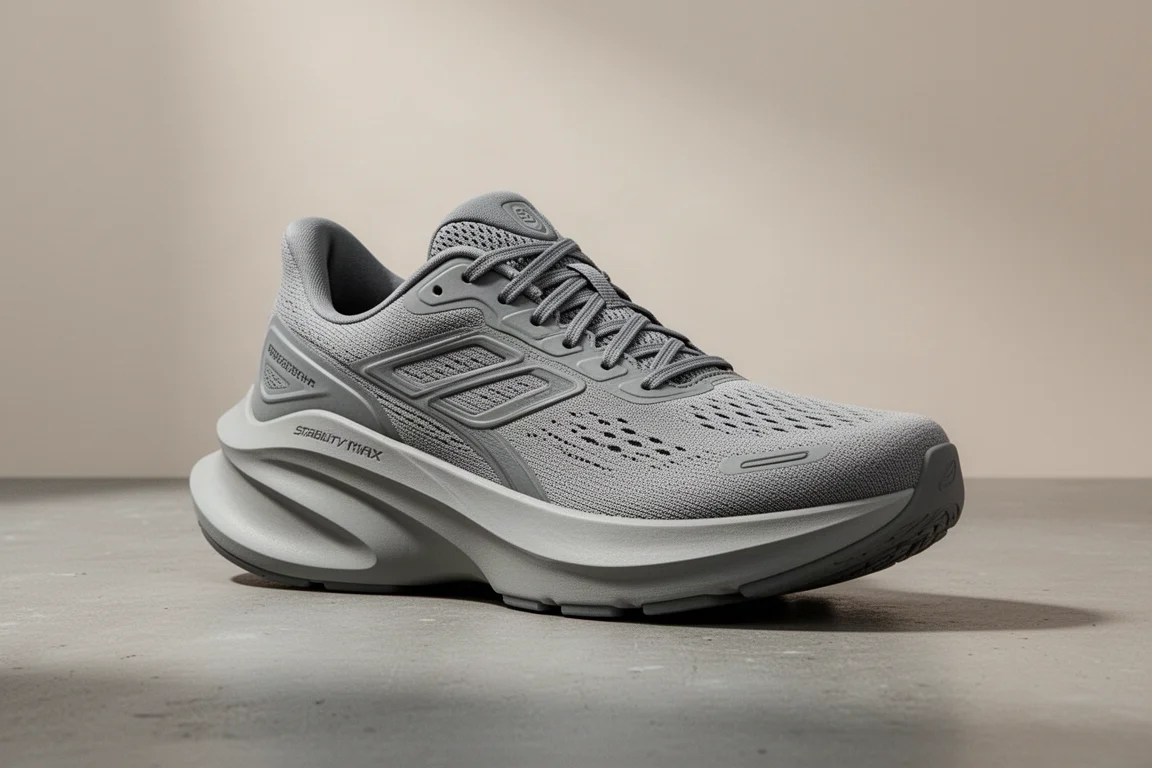
The Topo Ora is the shoe suggested more than any other here, and for good reason. It is the only one with a truly anatomic fit: a genuinely wide toe box with decent volume, letting toes spread out so your feet do not feel cramped by the end of a long day. Its 5 mm drop is the lowest of the group, which matters for people who need that.
The wide toe box is especially helpful for people with bunions or alignment issues, taking pressure off the front of the foot while still addressing stability needs. Stability comes from two things working together: a very wide, straight last that makes the shoe inherently stable, plus a medial post running from heel to midfoot. That post sits on the lighter end of stability in this group, and it was designed that way deliberately: for long periods of standing, you do not want a post pushing in aggressively unless you actively want that feeling.
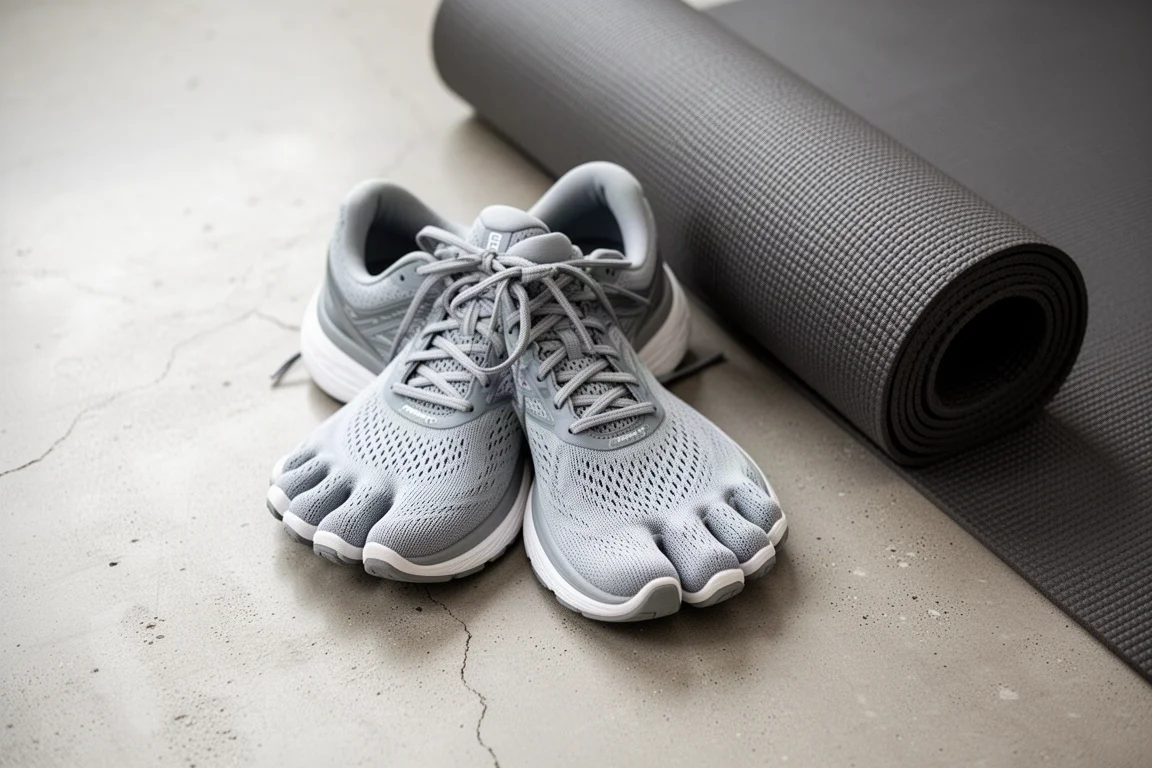
The trade-off is fit. If you have narrow feet, this is not your shoe; you will be swimming in it. But if you have wider feet, want room for your toes to spread, and need mild support concentrated in the heel and midfoot, the Ora is hard to beat for all-day comfort.
Mizuno Wave Horizon 9
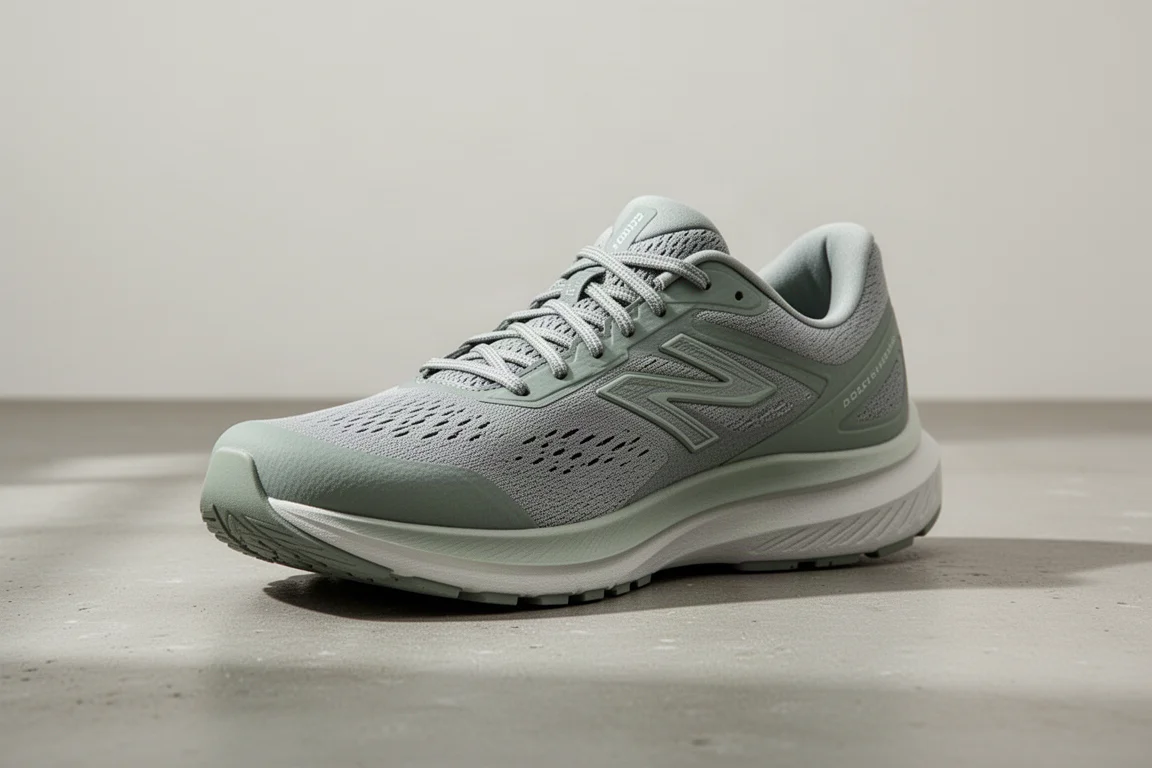
The Mizuno Wave Horizon 9 earns its place with genuinely strong stability credentials, and yes, the colorways are excellent too. It uses a large medial post and is one of the most stable shoes in this category, arguably even more supportive through the midfoot than the Adrenaline GTS thanks to that sizeable post. The sole is super wide and does not narrow, and the medial side sits slightly higher than the lateral side.
It is on the firmer end, a tiny bit more responsive, and probably the stiffest shoe here. Most of the others have a little flexibility; the Horizon really does not, at least until it breaks in. If firmness contributes to a stable feel for you, and you like a little bounce in your step without any mushiness, this is the shoe that fits that description best.
The fit is more of a normal width: not as wide as previous versions, with a toe box that tapers, though there is some additional volume. Lockdown is excellent, and durability is a genuine strength. Even after 200 to 300 miles of running, the outsole shows no real wear; it is a tank of a shoe. The catch is weight: at 344 g it is the heaviest of this group. If weight is not a problem and you want a noticeable amount of medial support in a firm package, the Horizon is the one.

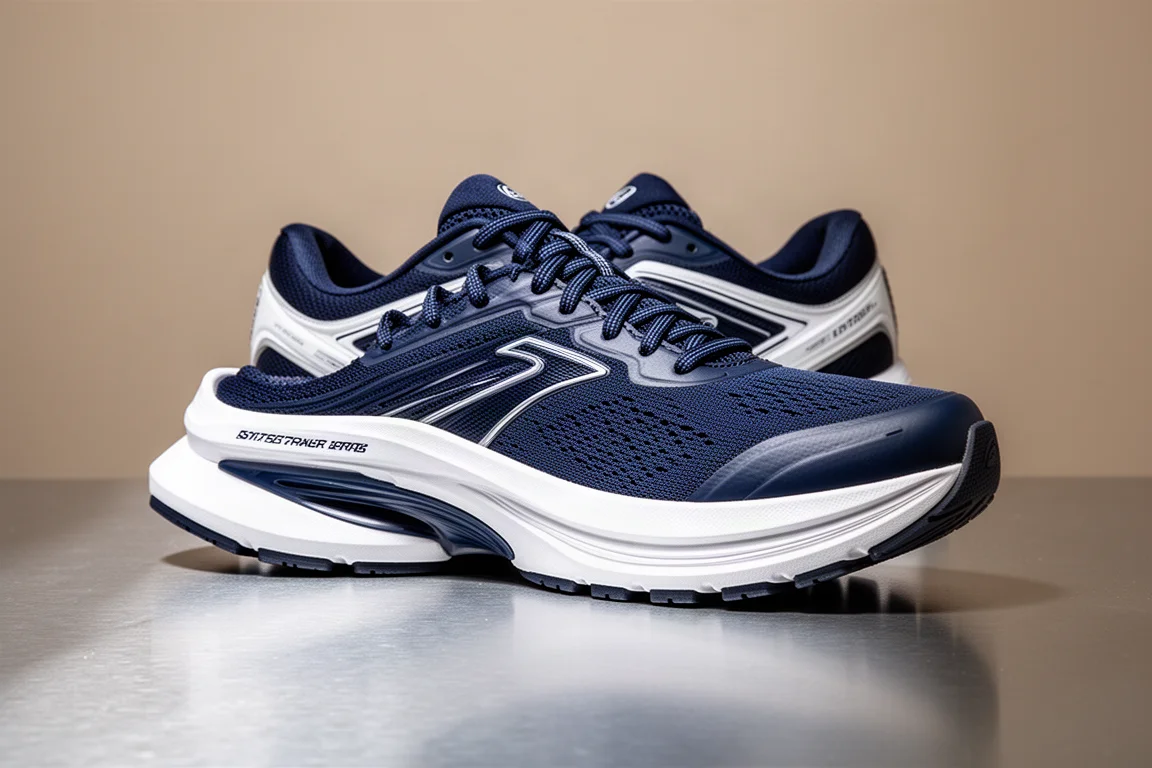
Which One Should You Choose
All five are good options, but they suit different feet and different needs. The Topo Ora is the usual first suggestion because so many people are also managing other foot issues and want a wider toe box. The Hoka Gaviota suits people who can handle and enjoy a rockered, rolling ride with full-length support. If a rocker feels unstable to you, the less-beveled Mizuno Wave Horizon 9 or Brooks Adrenaline GTS give more control over that front-to-back motion. The ASICS Kayano 32 fits walkers who want a softer, bouncier feel with guidance rather than rigid control, especially those with narrower feet.
The common thread is that all five have the support built in. You do not need to buy a separate arch support insole, and for people with stability needs who walk or stand for long hours, that built-in support is exactly what makes the difference between feet that ache by evening and feet that do not.
Conclusion
If you have stability needs and spend most of your shoe time walking, standing, or working on your feet, any of these five is a sensible starting point. Match the shoe to your foot shape and support preference: the Adrenaline for classic solid support, the Kayano 32 for a softer guided ride, the Gaviota for wide feet and a rockered feel, the Topo Ora for a wide toe box with mild support, and the Horizon 9 for maximum stability and durability in a firm package.
Further reading
Related Reviews
Footwear
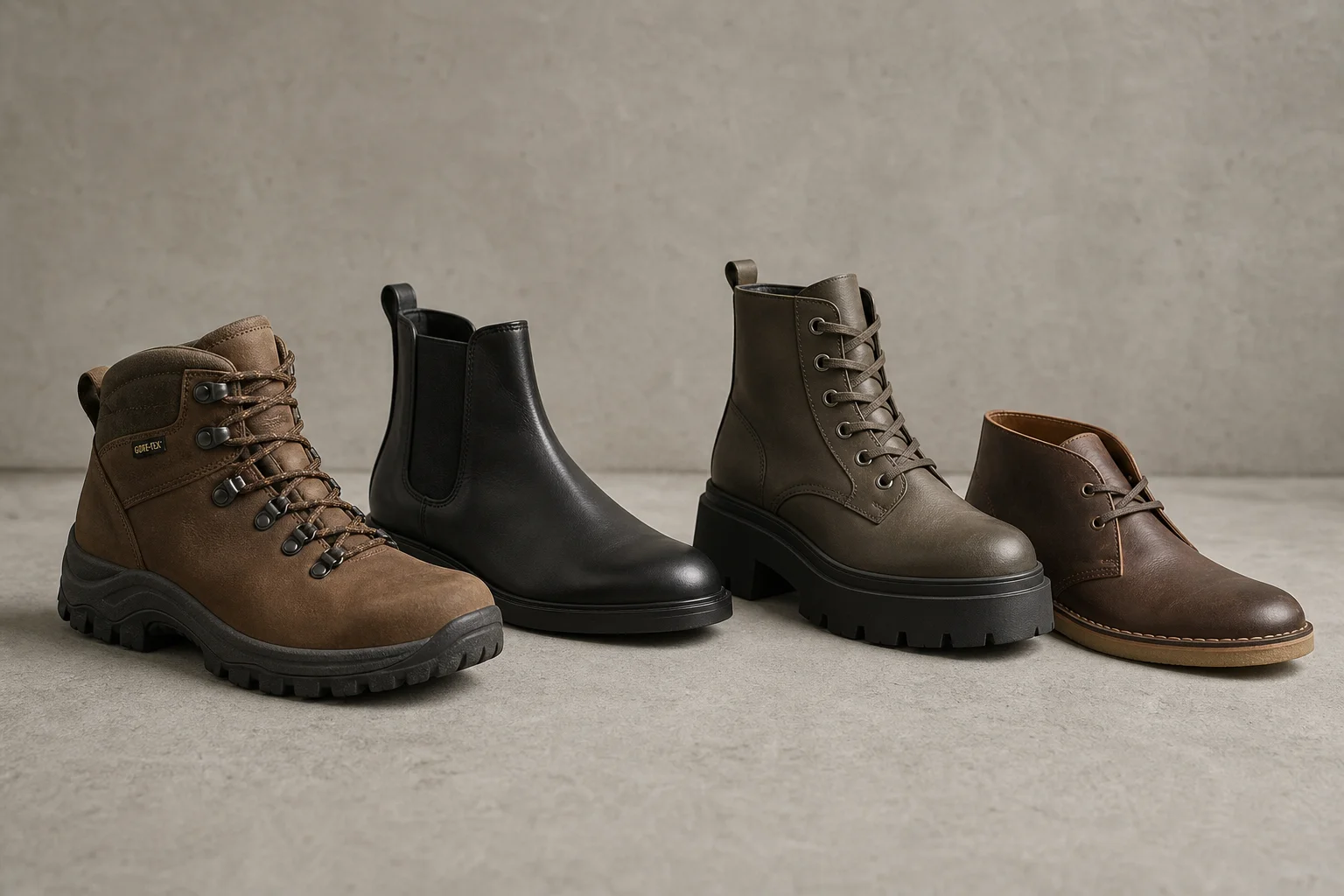
23 Best Winter Boots 2026: From Entry-Level to Luxury
A comprehensive guide to winter boots across all price points, from affordable classics like Dr. Martens to luxury options like Bottega Veneta, with styling tips and sizing advice.
Footwear
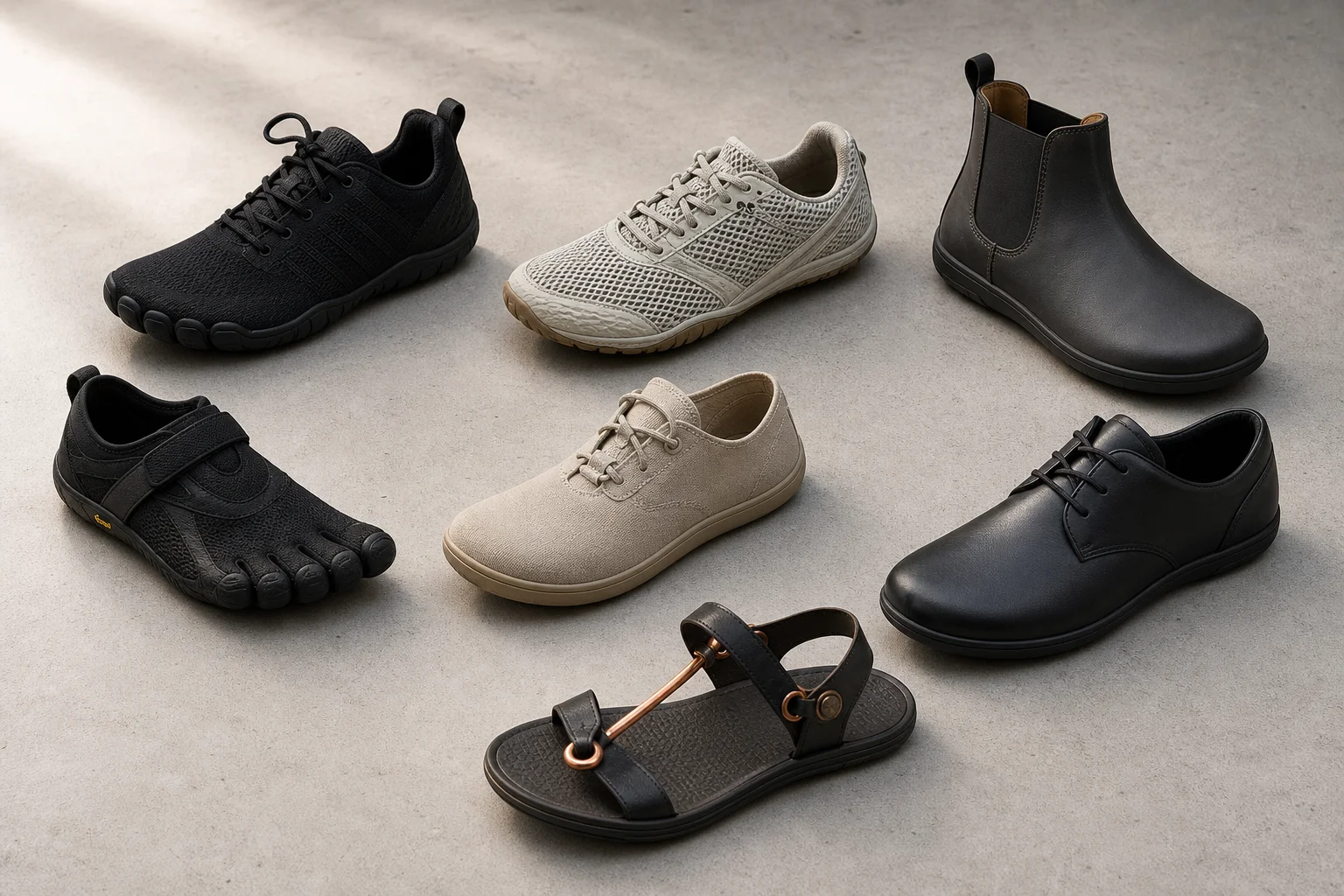
Best Barefoot Shoes 2026: Seven Options From Everyday Wear to Running
A practical review of seven barefoot shoe brands, covering everyday styles, running shoes, dress options, and grounding footwear for different use cases and comfort preferences.
Footwear
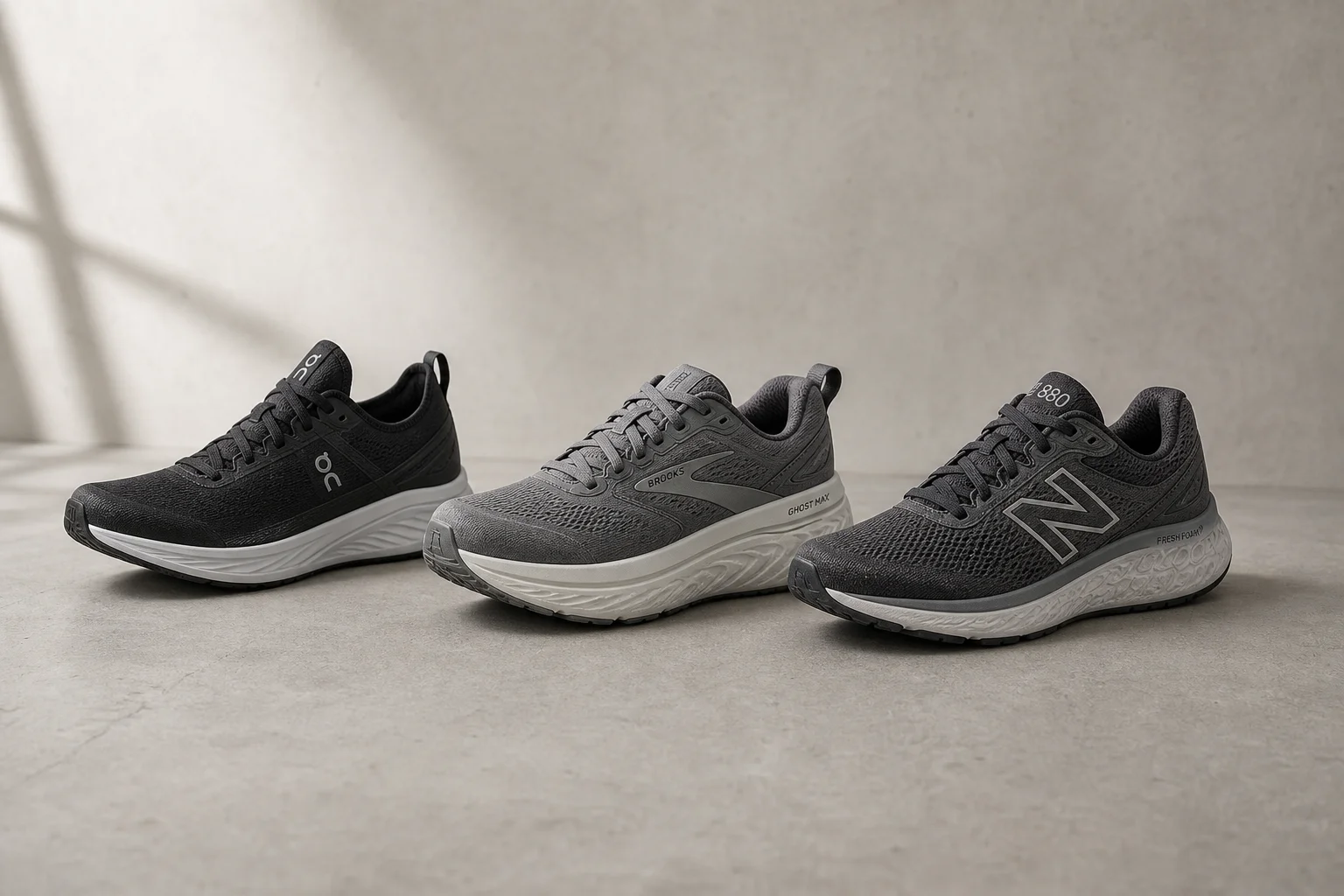
Best Shoes for Front Knee Pain: Three Practical Options for Patellofemoral Relief
Three running and walking shoes with low heel drops designed to reduce pressure on the patellofemoral joint and ease front-of-knee discomfort.