Sports Tech
Best Sports Tech of 2025: 12 Standout Picks From Earbuds to Bike Trainers
From heart-rate-sensing earbuds to smart trainers and budget sports watches, these are the 12 pieces of sports tech that stood out most in 2025.
Introduction
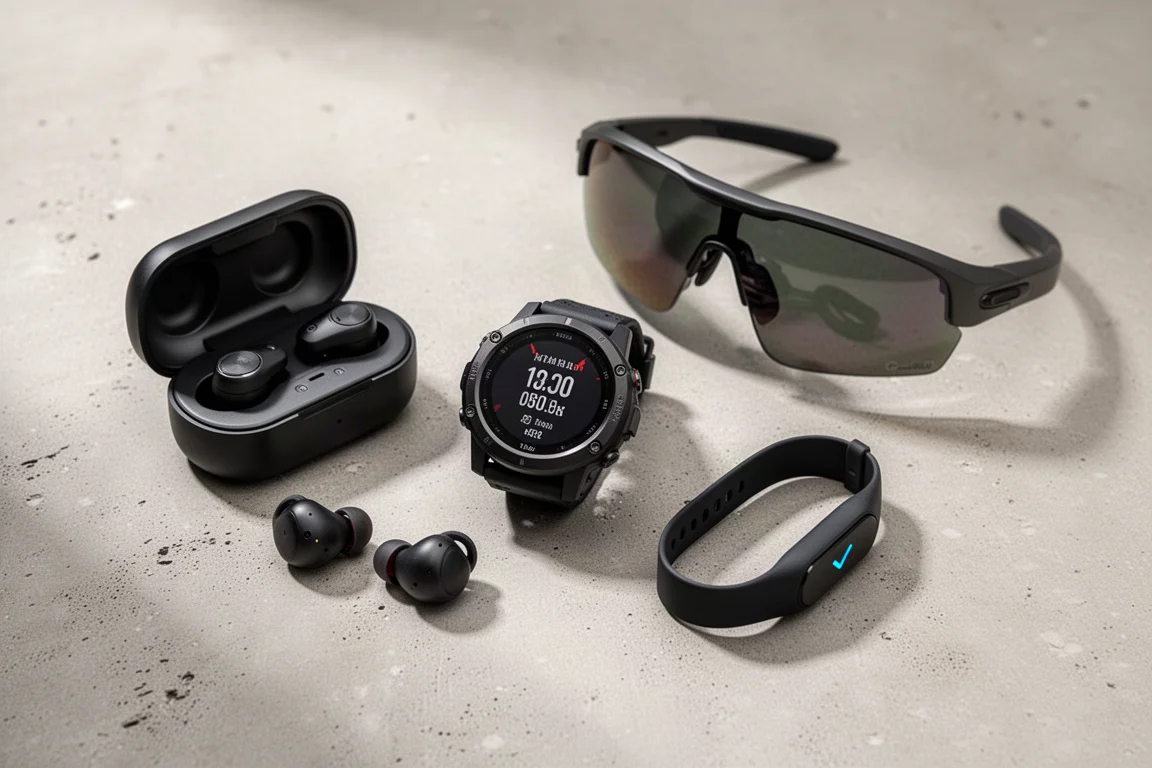
2025 was a strong year for sports tech. Between watches, earbuds, smart trainers, and a few genuinely unexpected products, there was plenty worth getting excited about. This list collects the standout picks across the whole spectrum, from premium flagships to budget gear that simply gets the job done. Every pick here earned its place by solving a real problem or delivering a genuinely better experience than what came before it.
AirPods Pro 3
The biggest upgrade with the AirPods Pro 3 is the built-in heart rate sensors on the earbuds themselves. Expectations were modest going in, but the results during testing were genuinely surprising. Compared against external heart rate sensors, the data from the earbuds basically mirrored a chest heart rate strap, which is usually the most accurate source available. Running, cycling, weight training, and high-intensity interval training all tracked extremely close to other external sensors.
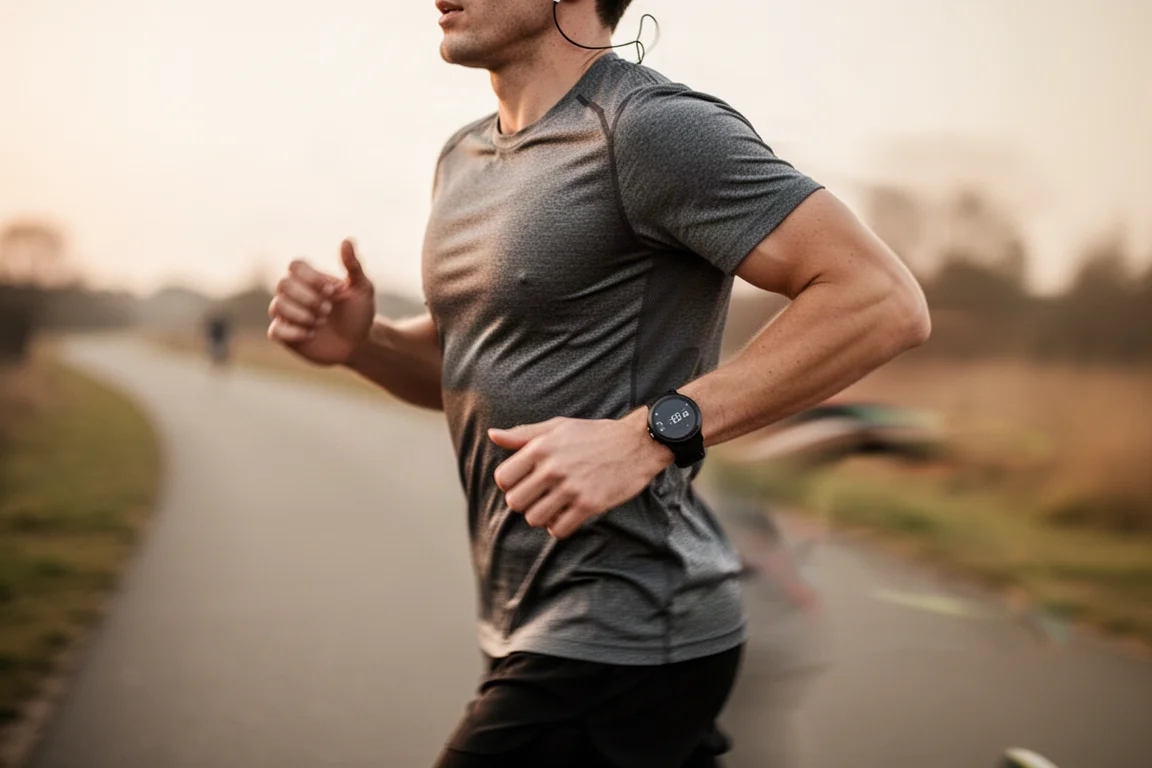
These are earbuds at their core, and the sound improved noticeably too. Compared with the AirPods Pro 2, the difference is clear, especially on the low end where the bass finally has real thump. The main complaint is that heart rate tracking is locked to the Apple ecosystem, so pairing the sensors with a bike computer or third-party watch is not possible. Still, for Apple users who listen to music and podcasts while training, these are easy to recommend.

Oakley Meta Vanguard
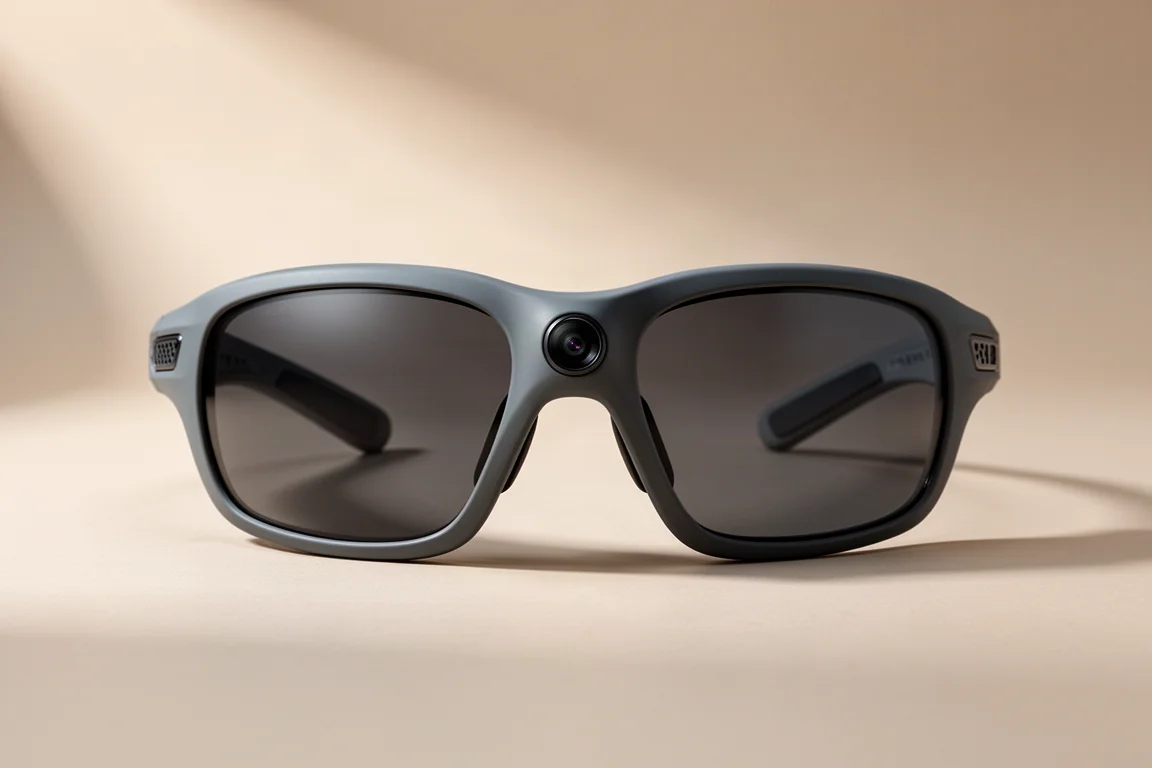
The Oakley Meta Vanguard was one of the biggest surprises of the year. The previous Oakley Meta glasses had some frustrating quirks: the camera was offset to the left, the field of view was narrower than ideal, the design was not sports-focused, and the water resistance rating was middling. The Vanguard fixes nearly all of that. The camera is now centered, the field of view is wider, there is a proper wraparound sports lens, the water resistance rating is better, and the speakers are louder.
The biggest drawback is that these only shoot vertical video. That is a real limitation for long-form content, though some editing workarounds exist. For social content, however, they work brilliantly, and they have become a companion on nearly all outdoor activities. If they shot horizontal video, they would be next level.
Zwift Click 2
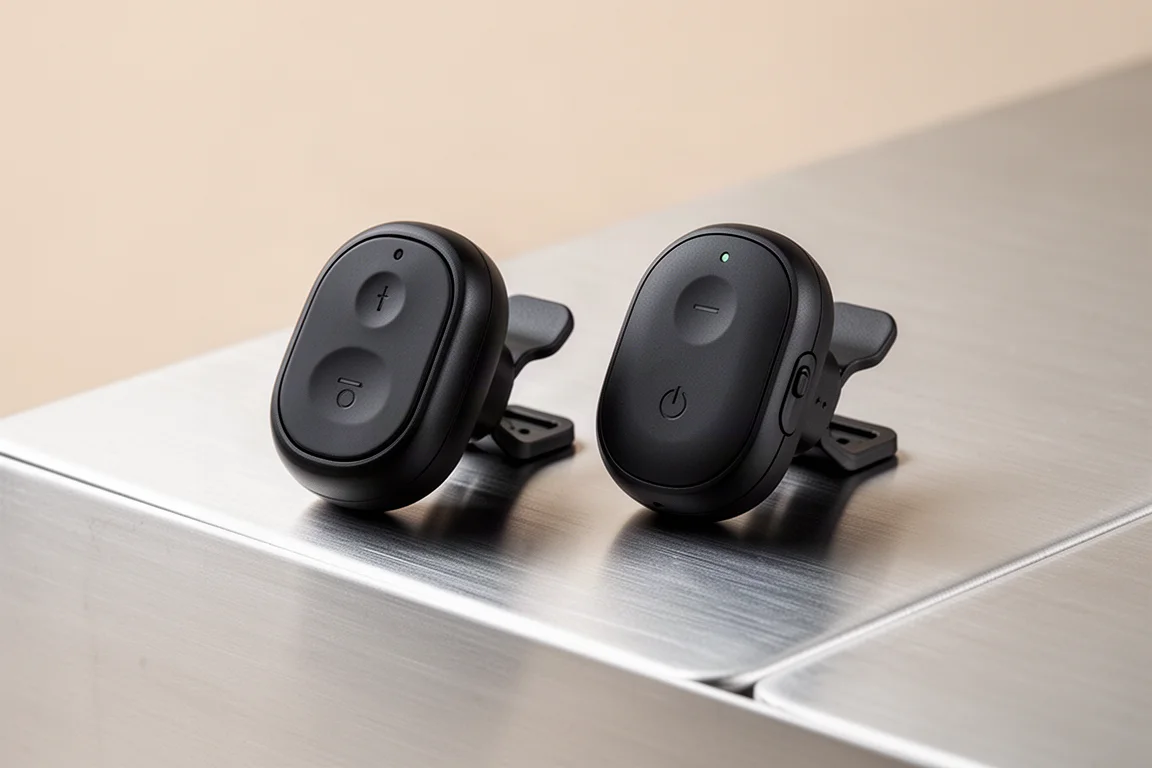
The Zwift Click 2 controllers earn their spot by being super simple, super cheap, and simply working. Zwift merged the functionality of its Play controllers into two small pods that can be mounted just about anywhere on the bars. Riders who like to spend time on the tops of the bars no longer have to choose between shifting convenience and full controller functionality.
It is a great formula: no complexity, no fuss, just a reliable way to control your indoor rides. For anyone building out or upgrading an indoor setup on a budget, this is one of the easiest adds of the year.
Wahoo KICKR Core 2
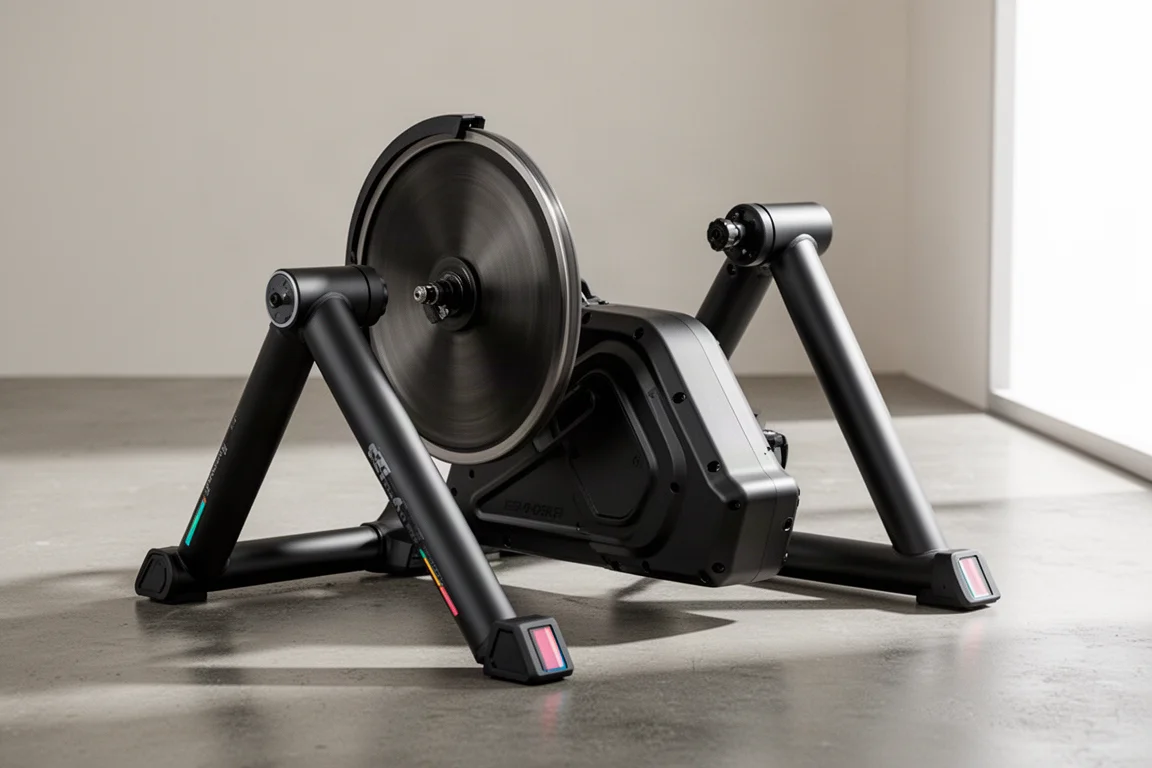
The Wahoo KICKR Core 2 makes this list not because it was a massive generational leap, but because Wahoo added meaningful updates while keeping the price essentially the same as the previous generation. The original KICKR Core was a legend among budget direct drive trainers, and the competition in that price bracket is fierce.
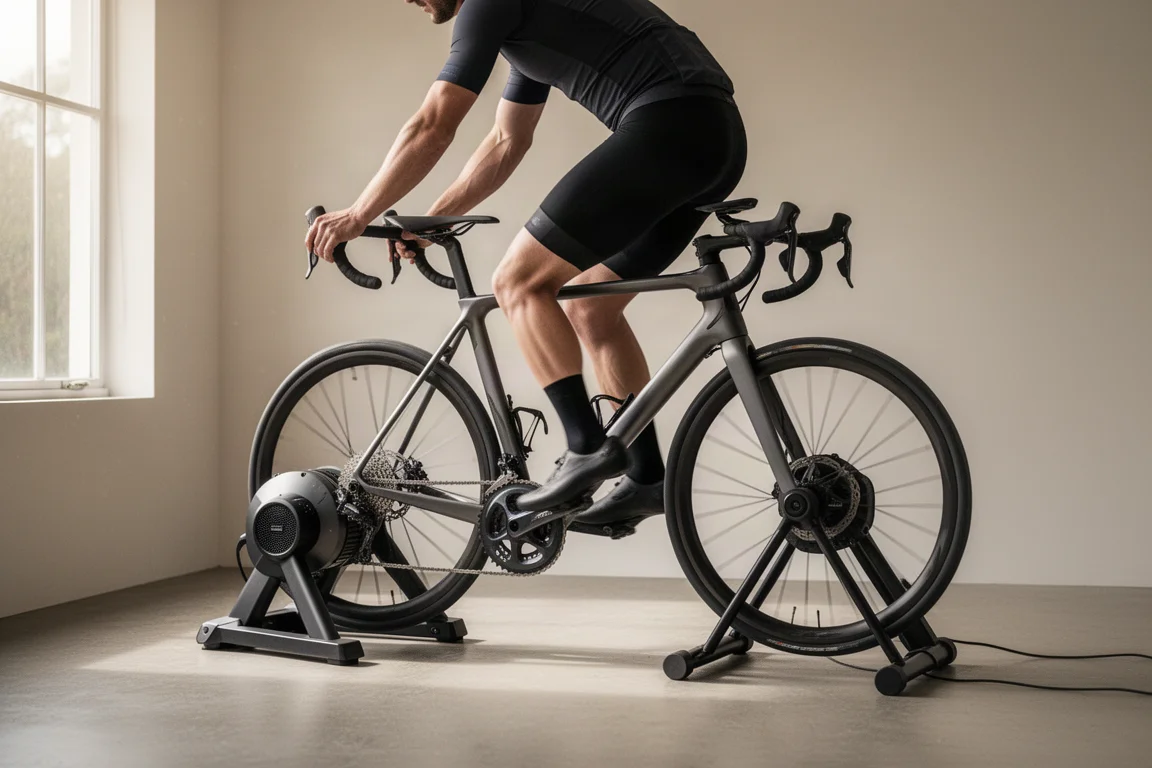
The updates are practical: a new leg design makes the unit more stable, Wi-Fi adds more connectivity options, and there is a race mode feature for virtual racing. For anyone entering indoor cycling without wanting to overspend, this remains the benchmark budget direct drive trainer.
Garmin Alpine Gradient Simulator
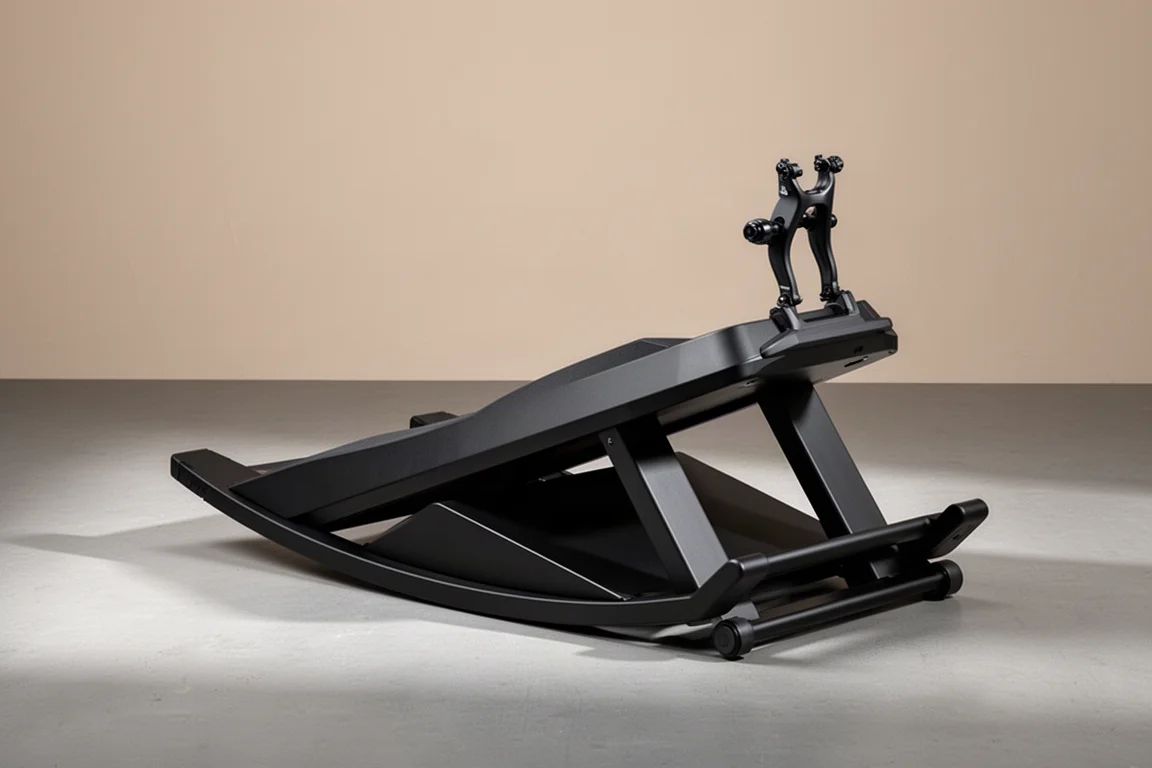
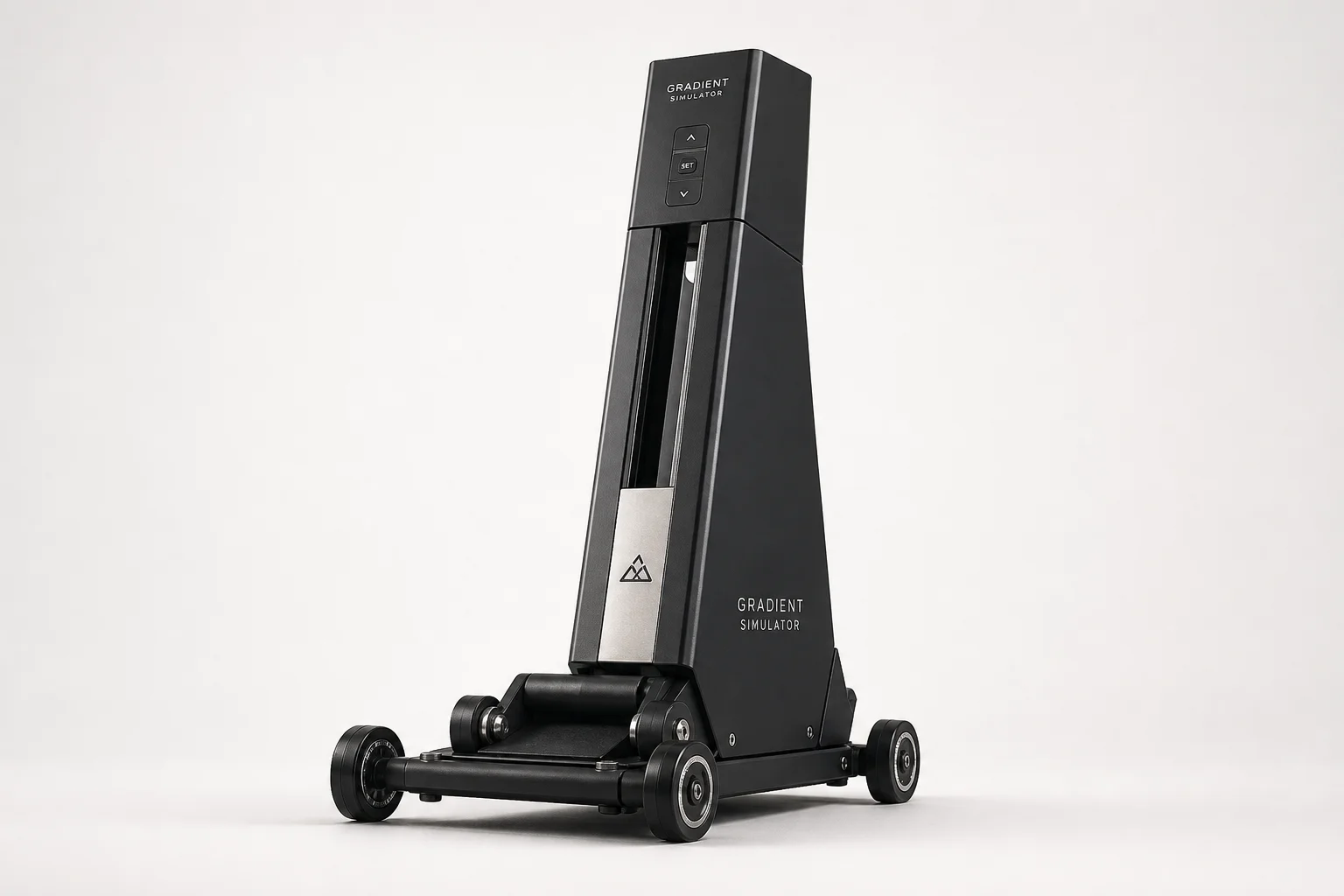
The Garmin Alpine gradient simulator is a piece of tech that took some convincing, but it won out. It is a gradient simulator in the same family as the Elite Riser and the Wahoo KICKR Climb, but it combines gradient simulation, steering, and forward and backward movement all into a single unit.
The interesting part is how it changes ride dynamics. Used alone, movement plates like the Neo 3M can feel a bit jerky or too fast. Adding the Alpine seemed to slow the movement down and make everything feel more natural. Combining the Alpine with a Neo 3M and Zwift virtual shifting turned out to be one of the best indoor riding experiences available. The catch is obvious: that combination comes at a price.
Amazfit Helio Band
The Amazfit Helio Band is the screenless health and activity tracker many people had been hoping for: recovery and training feedback without a subscription, at $99. The feedback quality was pretty good for the most part. There were some quirks, and automatic activity detection could use improvement, but overall the insights felt meaningful.
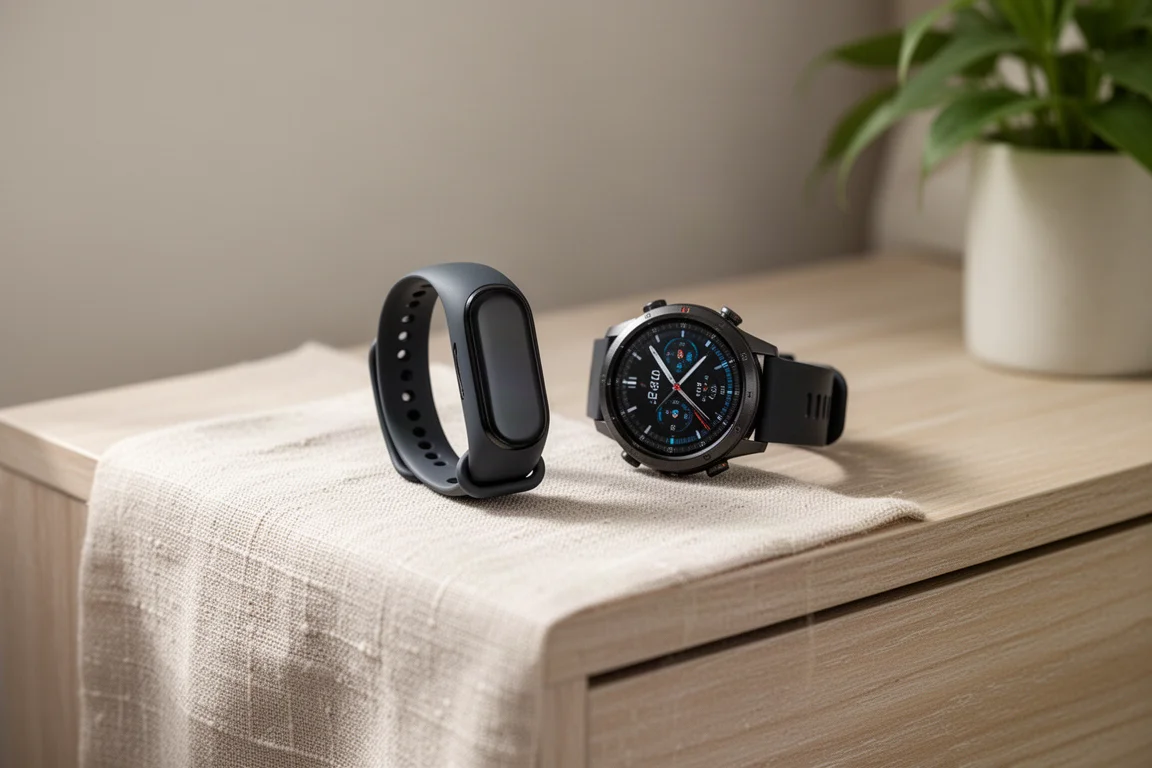
Competing options offer more features, such as healthspan tools and extra bells and whistles, but the Helio Band covers the core needs like sleep, recovery, and training feedback at a far lower price with no ongoing subscription. The weak spot is the bands themselves: the stock wristband and the armband are basic and functional but not exactly style pieces. At this price, though, it is hard to complain.
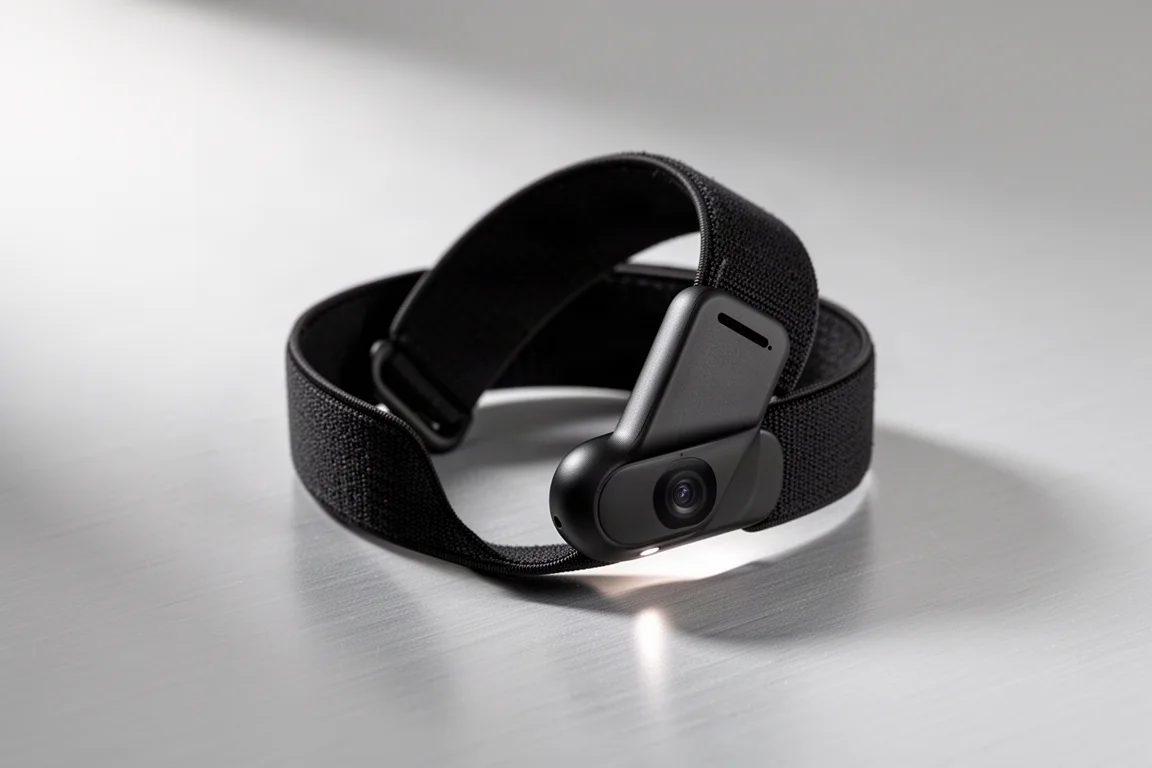
Suunto Race 2
If there were an award for most improved, the Suunto Race 2 would win it. The original Race made a splash with a strong feature set, rugged build, great looks, and a great price, but hardware accuracy, particularly the heart rate sensor, made it hard to recommend. The Race 2 solves that. The heart rate sensor is now reliably decent, and the result is an easy recommendation for an outdoor-focused mid-range sports watch, at a price that has stayed competitive.
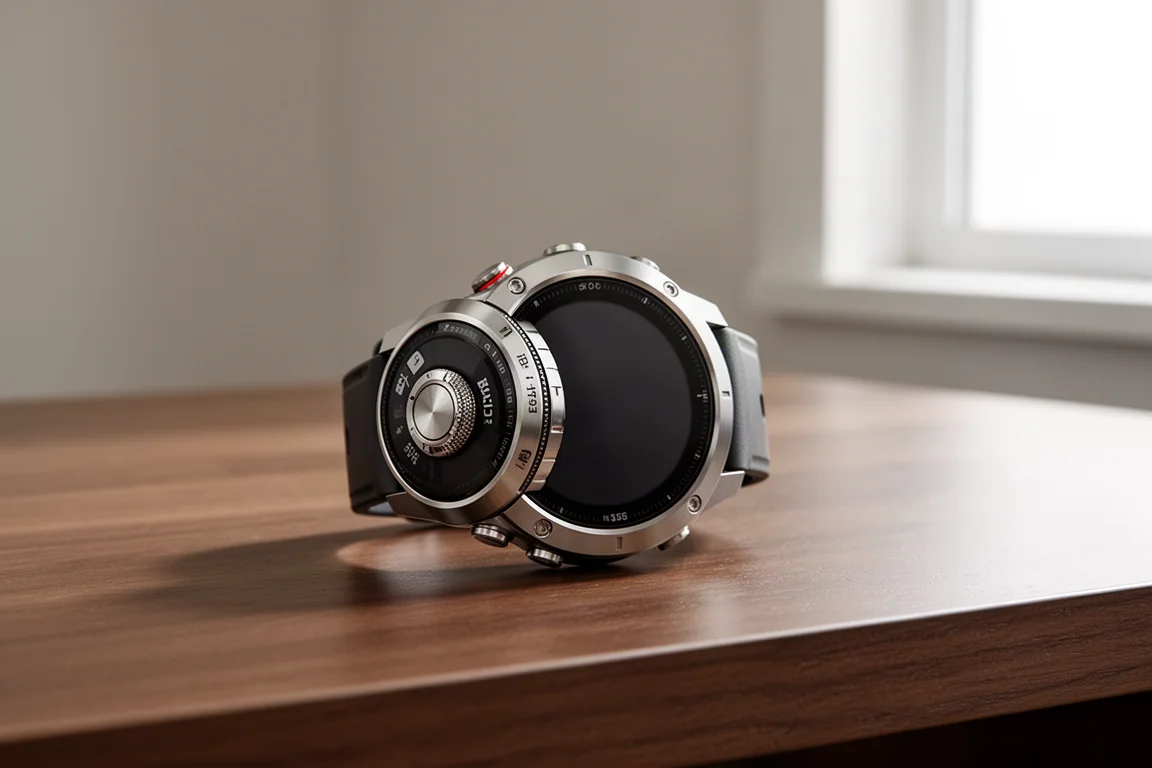
Garmin Fenix 970
The Garmin Fenix 970 was another big winner. The Fenix 965 was already close to a perfect watch, packing most of the higher-end Fenix features into a smaller, lighter case with a titanium bezel. The odd omission was a sapphire lens, and the 970 finally adds one. On top of that, it gains the dedicated LED flashlight, which basically sealed the deal.
The price did increase over the previous generation, but with the Fenix 8 and Fenix 8 Pro climbing in price considerably, the 970 hits a nice sweet spot: plenty of Fenix-level features and durability without going overboard. For many, it is the most compelling premium sports watch of the year.
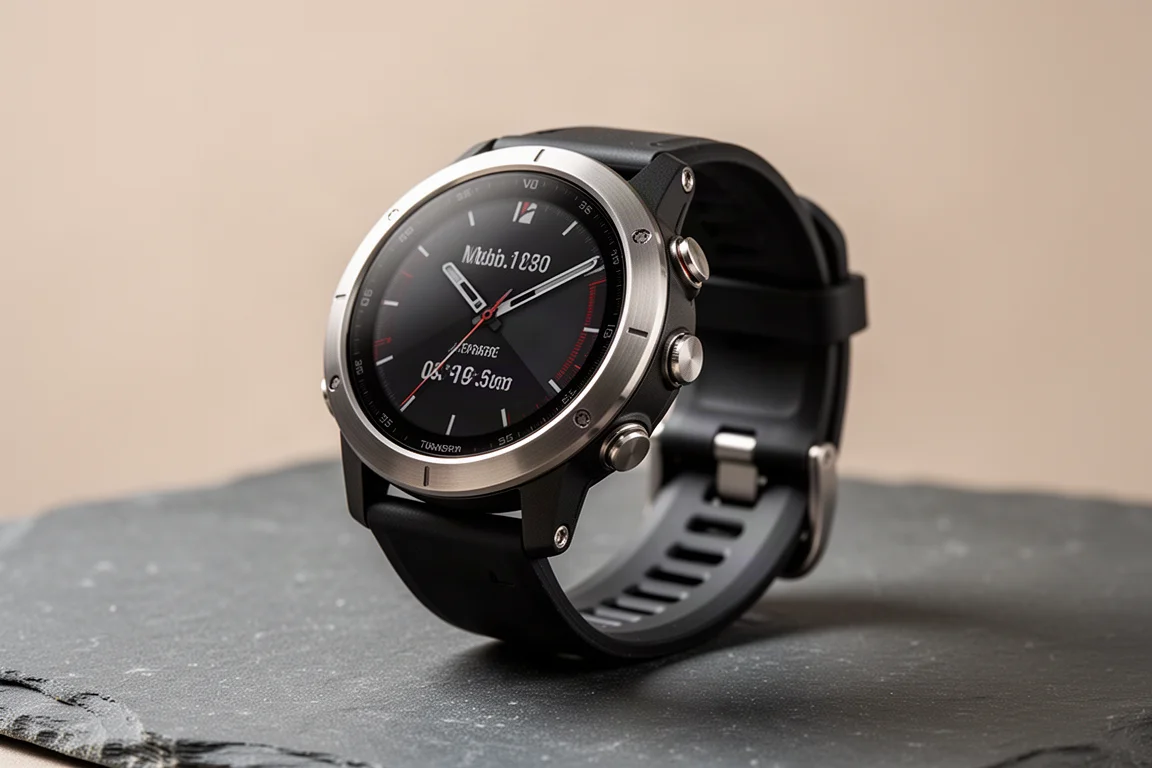
Coros Pace 4
At the completely other end of the price spectrum sits the Coros Pace 4. Just like the Pace 3 before it, it is hard not to call this one of the best budget-level sports watches available. The headline change is the AMOLED display, which some will love and some may not, but battery life remains decent while the watch stays small and, importantly, the price stays small too.
Coros clearly understands this category. The Pace 4 is an easy recommendation for anyone from a beginner just getting into running and fitness all the way up to a serious marathoner.
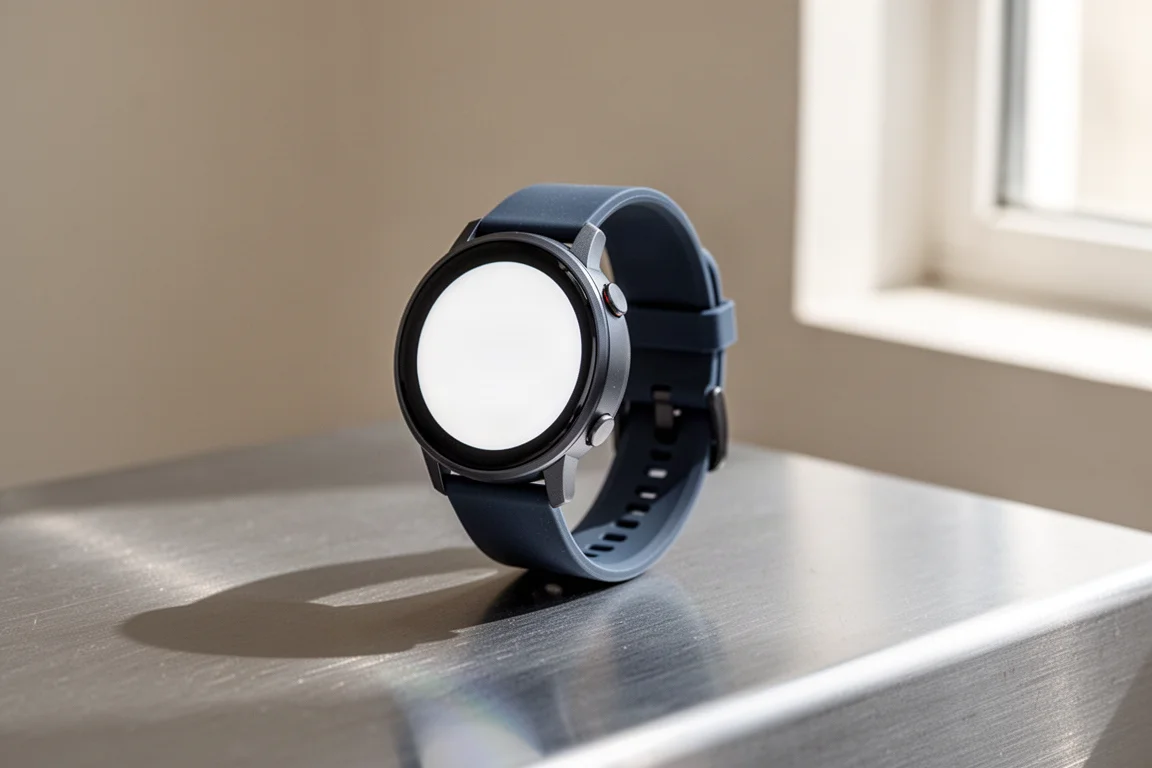
Apple Watch SE 3
The Apple Watch SE 3 finally brings an always-on display to the SE line, which was getting genuinely awkward as one of the last watches on the market without one. Along with that, it picked up features that were not necessarily expected: one-handed gestures like double tap, sleep apnea notifications, skin temperature tracking, and faster charging, all while keeping the price roughly the same.
The SE 2 was hard to recommend without an always-on display; the SE 3 is an easier recommendation. The lines between the SE 3 and the Series 11 are blurring a bit, but the SE 3 remains a good buy.
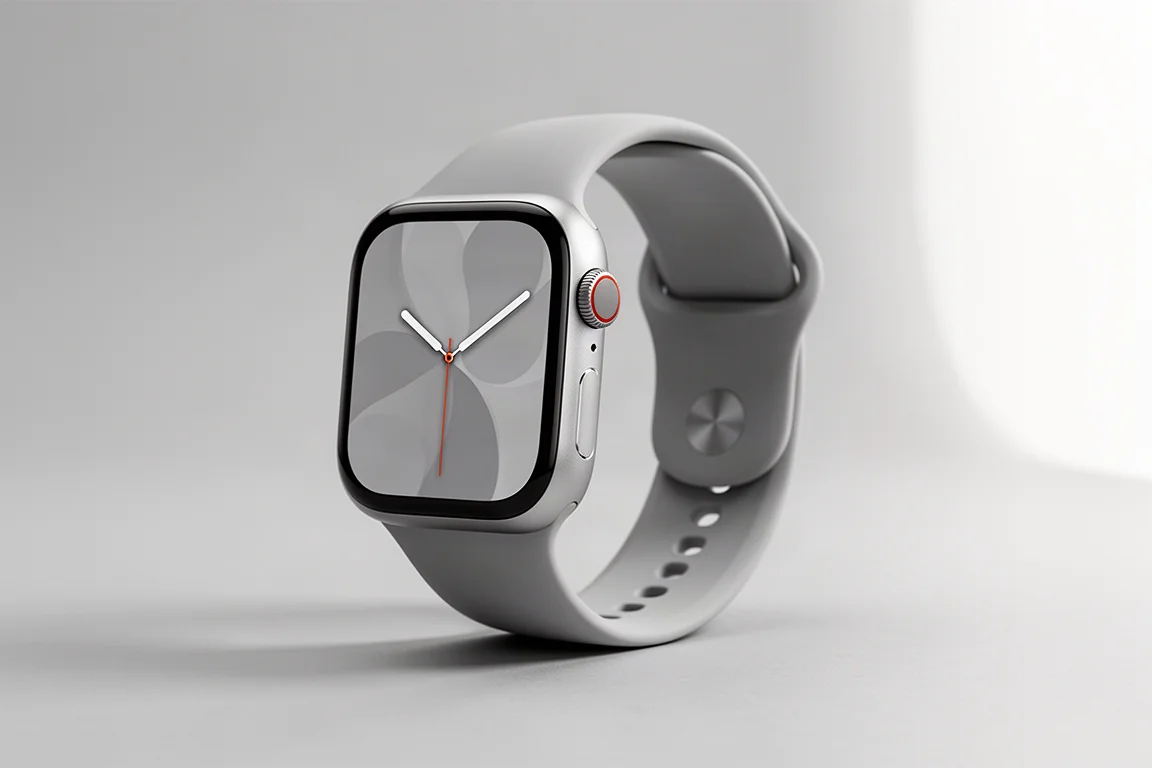
Amazfit T-Rex 3 Pro
The Amazfit T-Rex 3 Pro matters because it is the first watch outside of Garmin to offer a dedicated LED flashlight. Amazfit’s pace of development is remarkably fast, so it is no surprise they were first out of the gate after Garmin with this feature. It is a fan favorite for a reason: once you have a flashlight on a watch, it becomes hard to imagine a watch without one.
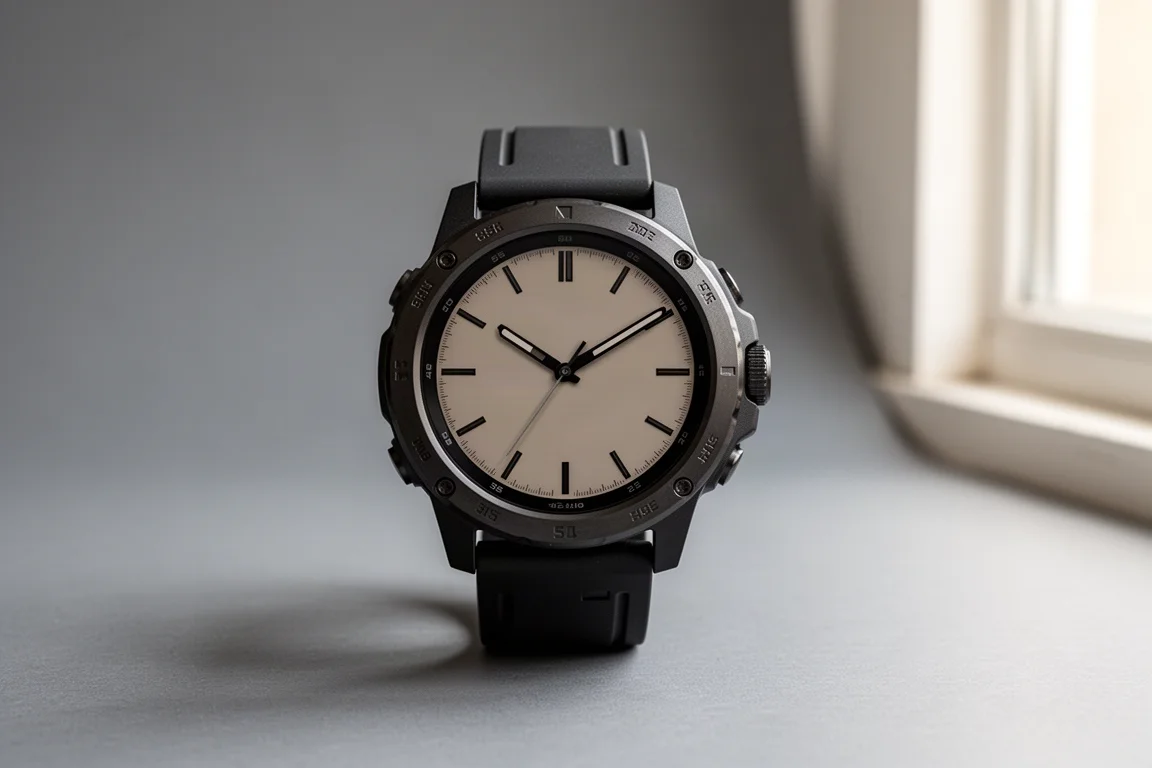
Garmin Instinct Crossover AMOLED
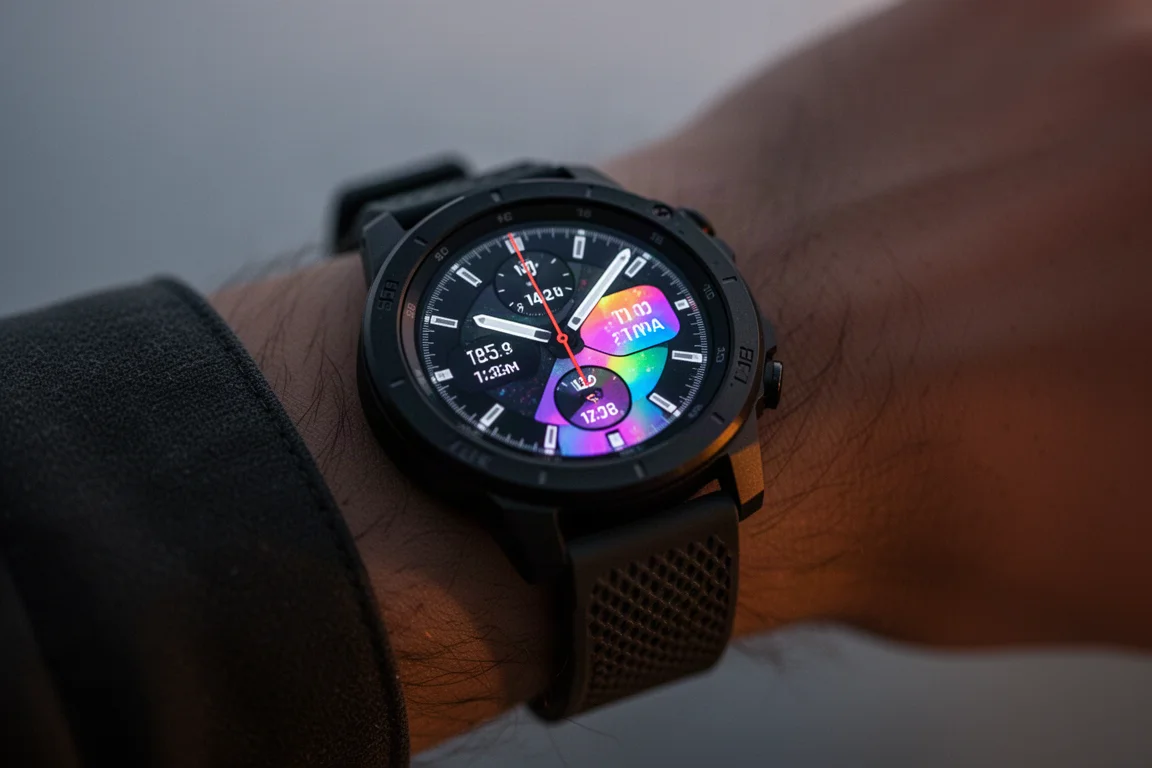
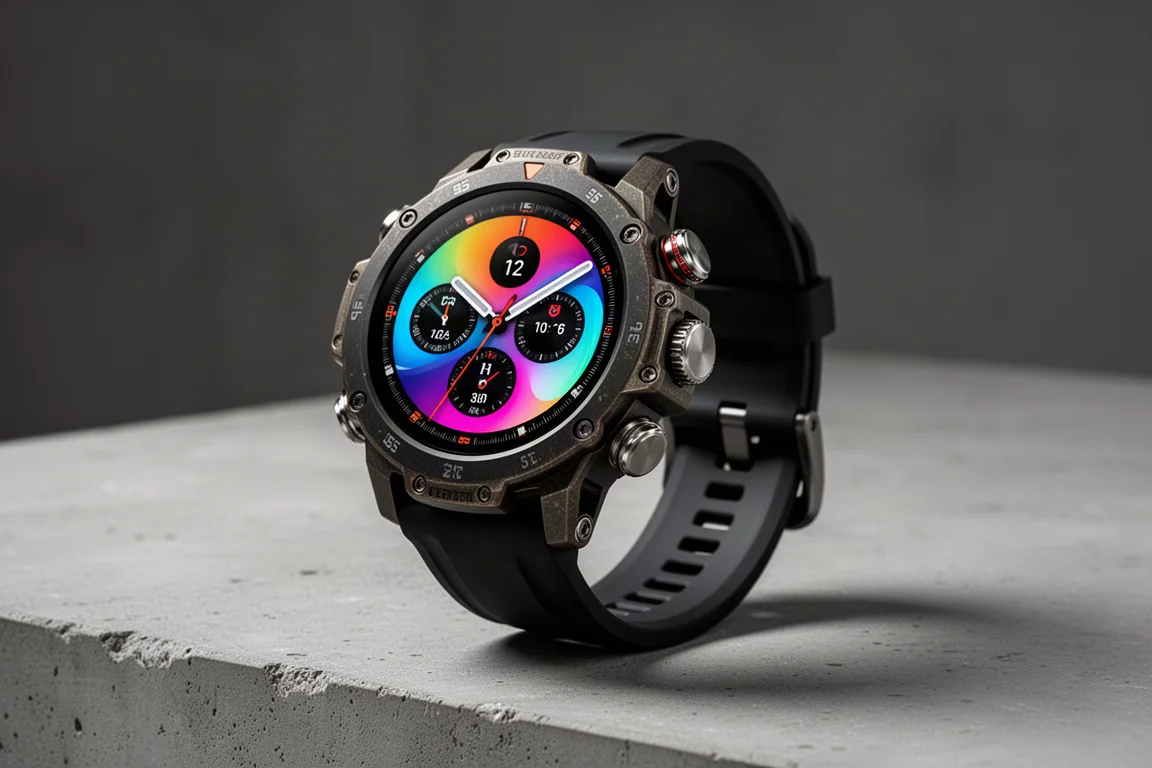
The Garmin Instinct Crossover AMOLED might be the weirdest watch of the year that ended up being genuinely likable. The concept takes the Instinct 3 AMOLED and gives it the hybrid smartwatch treatment, with real analog hands sitting on top of an AMOLED display.
The original Crossover was a cool idea, but the dim memory pixel display was hard to read under the analog hands. The AMOLED version fixes that with a much brighter panel, and it uses the colors well: the interface is full of clever touches, party tricks, and Easter eggs that make the watch both good-looking and genuinely fun to use. This is definitely not a watch for everyone, but it is one of the most unique releases of the year.
Overall Buying Advice
If only one pick could be made, the AirPods Pro 3 would take it as the favorite piece of sports tech of 2025. The sound quality is far better than before, and the heart rate sensors are reliable enough to serve as a reference source alongside chest and arm straps. The ecosystem lock-in is the main frustration, but most owners already live in the Apple world anyway.
Beyond that, match the pick to the need: budget-focused indoor riders should look at the KICKR Core 2 and Zwift Click 2; premium indoor enthusiasts can consider the Alpine gradient simulator; runners on a budget get the Coros Pace 4 or Amazfit Helio Band; and anyone wanting a flagship sports watch has strong options in the Fenix 970, Suunto Race 2, or Instinct Crossover AMOLED depending on taste and budget.
Conclusion
2025 delivered something for nearly every kind of athlete: better heart rate tracking in your ears, smarter indoor training hardware, subscription-free recovery tracking, and sports watches at every price point. The common thread across these picks is that each one either fixes a long-standing weakness or delivers serious value where it was not expected. Whichever category you shop in, there is a very good chance one of these belongs in your kit.
Further reading
Related Reviews
Sports Tech
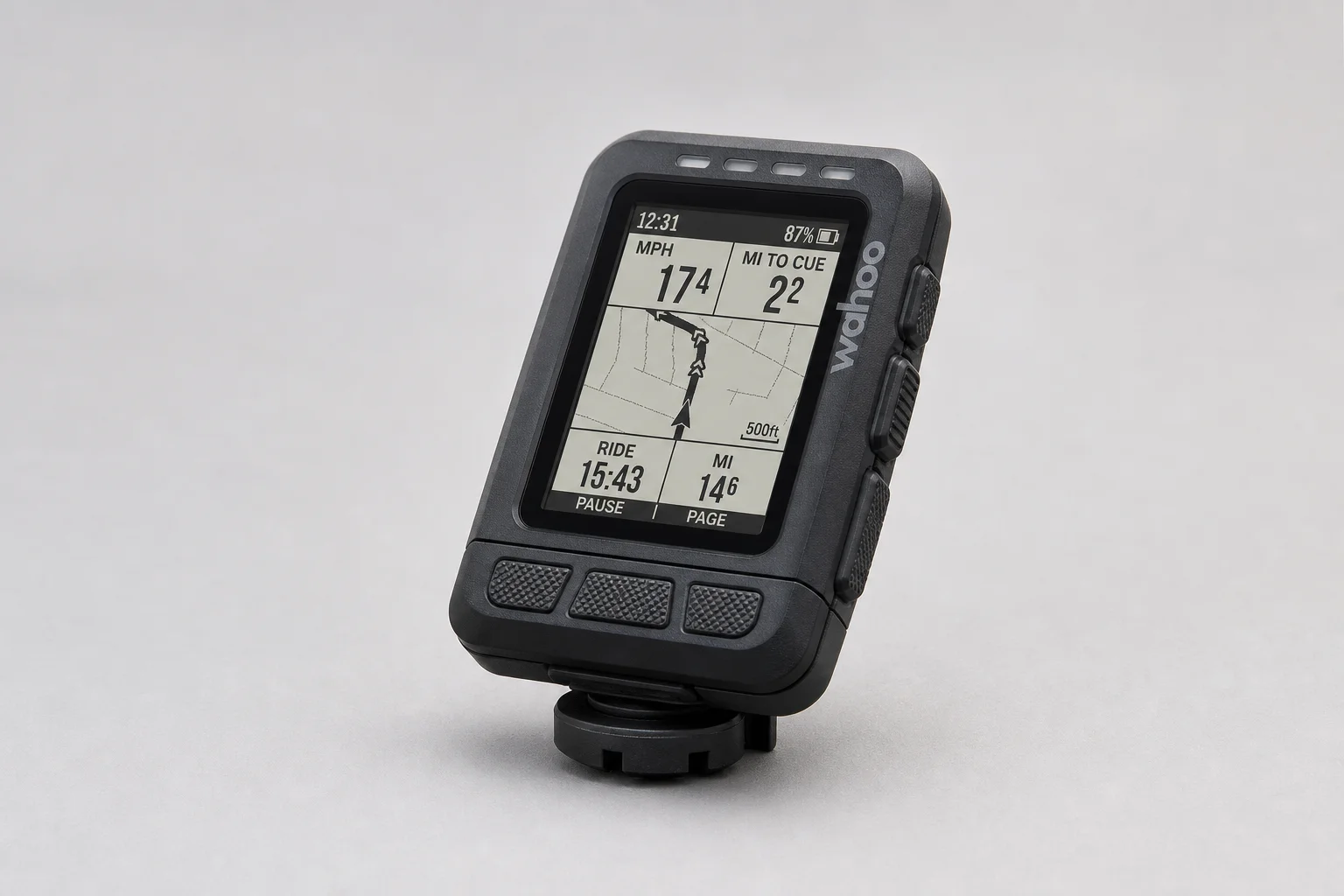
Garmin Edge MTB Review: A Rugged Bike Computer Built for Mountain Bikers
Garmin has released the all-new Edge MTB, a rugged bike computer designed specifically for off-road riding. We take a deep dive into its features, durability, and real-world performance.
Sports Tech
Garmin Tacx Alpine Gradient Simulator Review: Elevating Your Indoor Cycling Experience
The Tacx Alpine is a premium gradient simulator that automatically adjusts your bike's front-wheel height to mimic real-world slopes. We take a detailed look at its features, compatibility, and overall performance.
Sports Tech
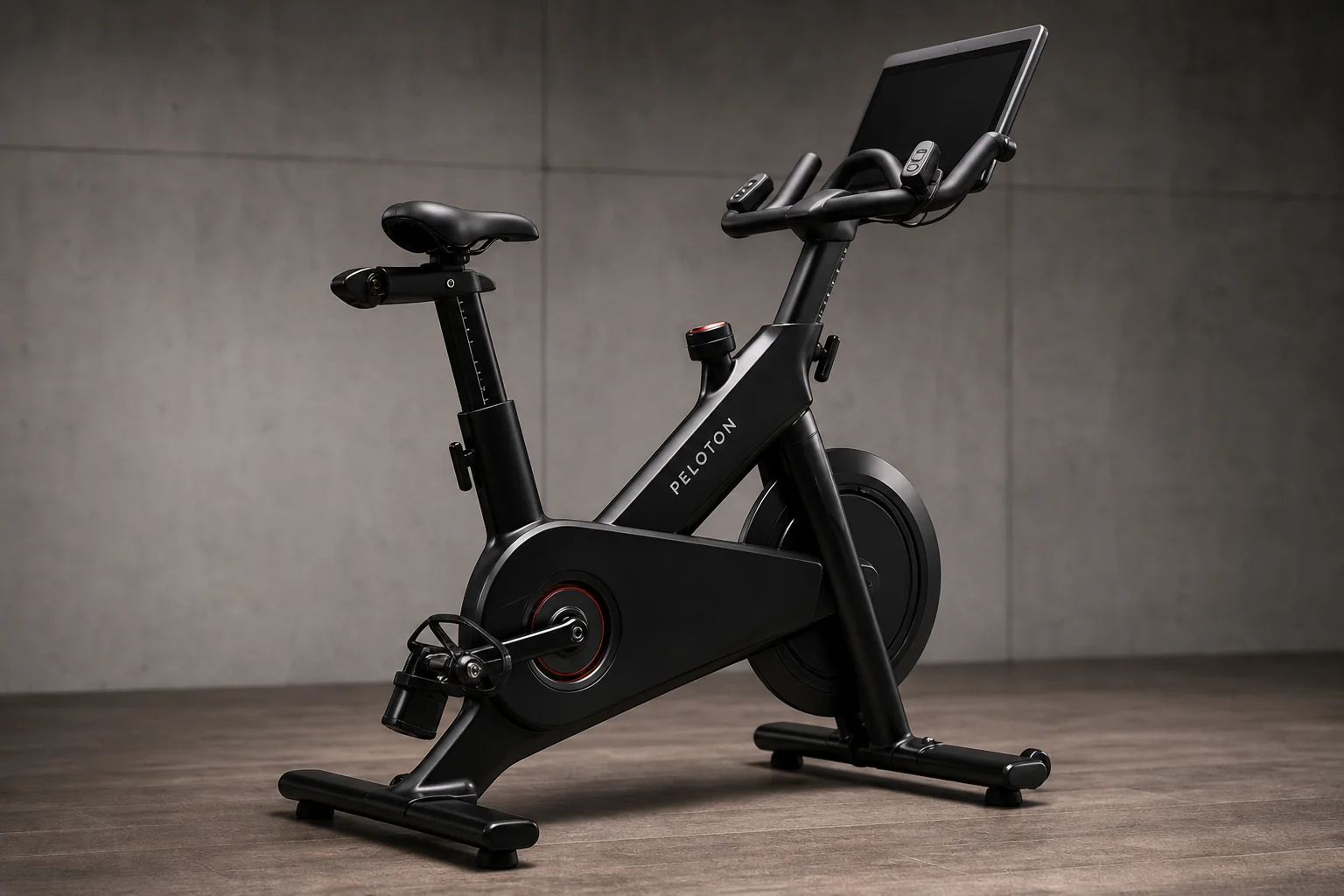
Wahoo KICKR BIKE PRO Review: A New Benchmark for Indoor Riding
Wahoo's new KICKR BIKE PRO adds built-in handlebar game controls, a premium saddle, and a more refined ride feel. Here is whether this flagship smart bike is worth the investment.