Audio Equipment
Best Soundbars 2026: A Practical Buying Guide for Every Budget
How to choose the right soundbar based on room size, channel configuration, and audio technology. Detailed recommendations across budget tiers from Rs 5,000 to premium systems.
Introduction
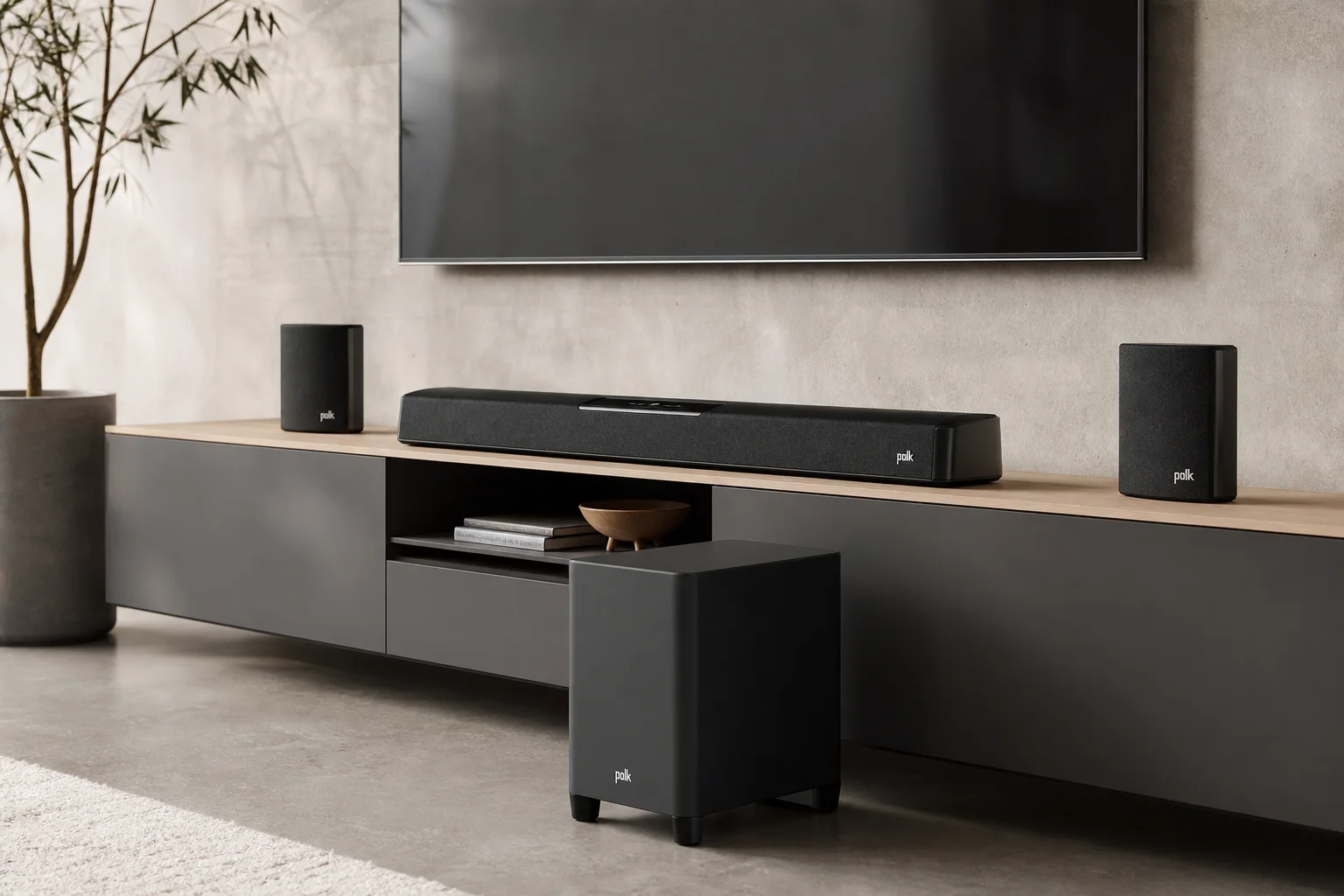
Modern televisions have become thinner and lighter, but this design evolution has come at a cost: audio quality has deteriorated significantly. The built-in speakers in contemporary TVs simply cannot deliver the immersive sound experience that movies, TV shows, and music deserve. This is why soundbars have become essential for anyone serious about home entertainment.
A critical point to understand before you start shopping: soundbars typically outlast your television by several years. This means investing in a quality soundbar is a decision that will pay dividends long after you upgrade your TV. Rather than cutting corners on audio, it makes sense to extend your budget slightly to secure a system that will deliver reliable performance and genuine enjoyment for years to come.
Understanding Wattage and Room Size
One of the most common mistakes people make when shopping for soundbars is assuming that higher wattage automatically equals better sound. This is incorrect. Higher wattage simply means louder output, not necessarily better audio quality. At excessive volumes, budget soundbars with inflated wattage ratings often produce jarring, distorted audio that is unpleasant to listen to.
The wattage you actually need depends entirely on your room size. For cozy spaces such as bedrooms or smaller rooms up to 300 square feet, a soundbar rated up to 300W is sufficient. For typical living rooms ranging from 300 to 500 square feet, systems in the 300 to 500W range work well. For larger spaces exceeding 500 square feet, you should look for soundbars rated at 500W or higher.
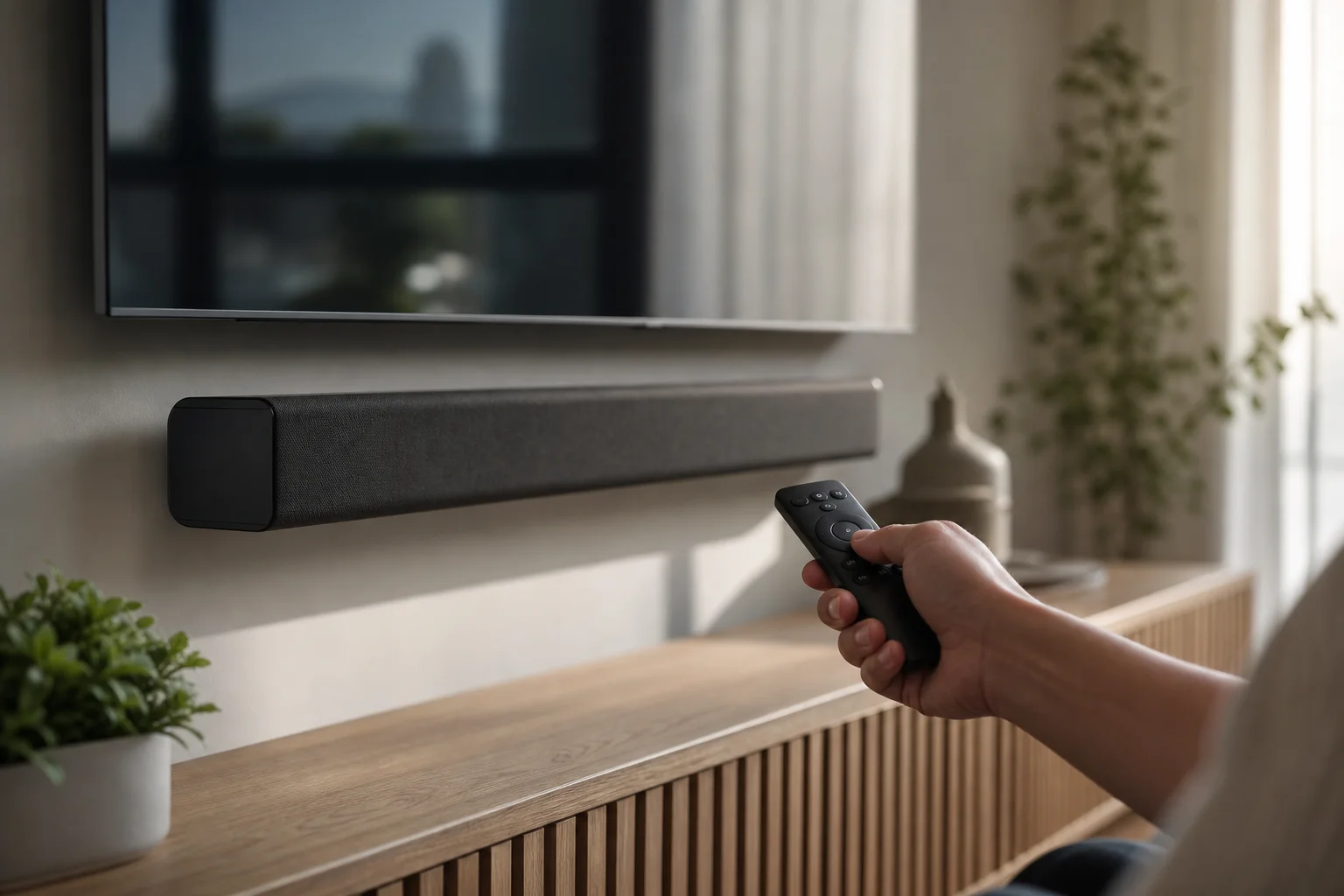
As a general rule, any soundbar rated at 100W or above is suitable for home use. Budget brands often advertise extremely high wattage at very low prices, but these systems typically compromise on audio fidelity and durability. Premium brands from established manufacturers deliver better long-term reliability and consistent sound quality across all volume levels.
Channel Configuration Explained
Beyond wattage, the channel configuration is the most important specification to understand when selecting a soundbar. Channel configuration is expressed as a series of numbers in the format X.Y.Z, where each number represents a different aspect of the system.
The first number (X) indicates the number of front speakers. Two is the basic stereo configuration with left and right channels. Three adds a center channel, which significantly improves dialogue clarity in movies and TV shows. Five provides full surround sound with rear speakers. Seven or higher represents a premium setup with additional side channels for more immersive audio.
The second number (Y) represents bass capability. Point one means one subwoofer for bass effects. Point two indicates dual subwoofers for richer, more powerful bass response.
The third number (Z), when present, indicates height channels or upward-firing speakers. A value of two means two ceiling-bounce speakers that create the effect of sound coming from above. A value of four indicates four dedicated height channels for premium immersive sound.
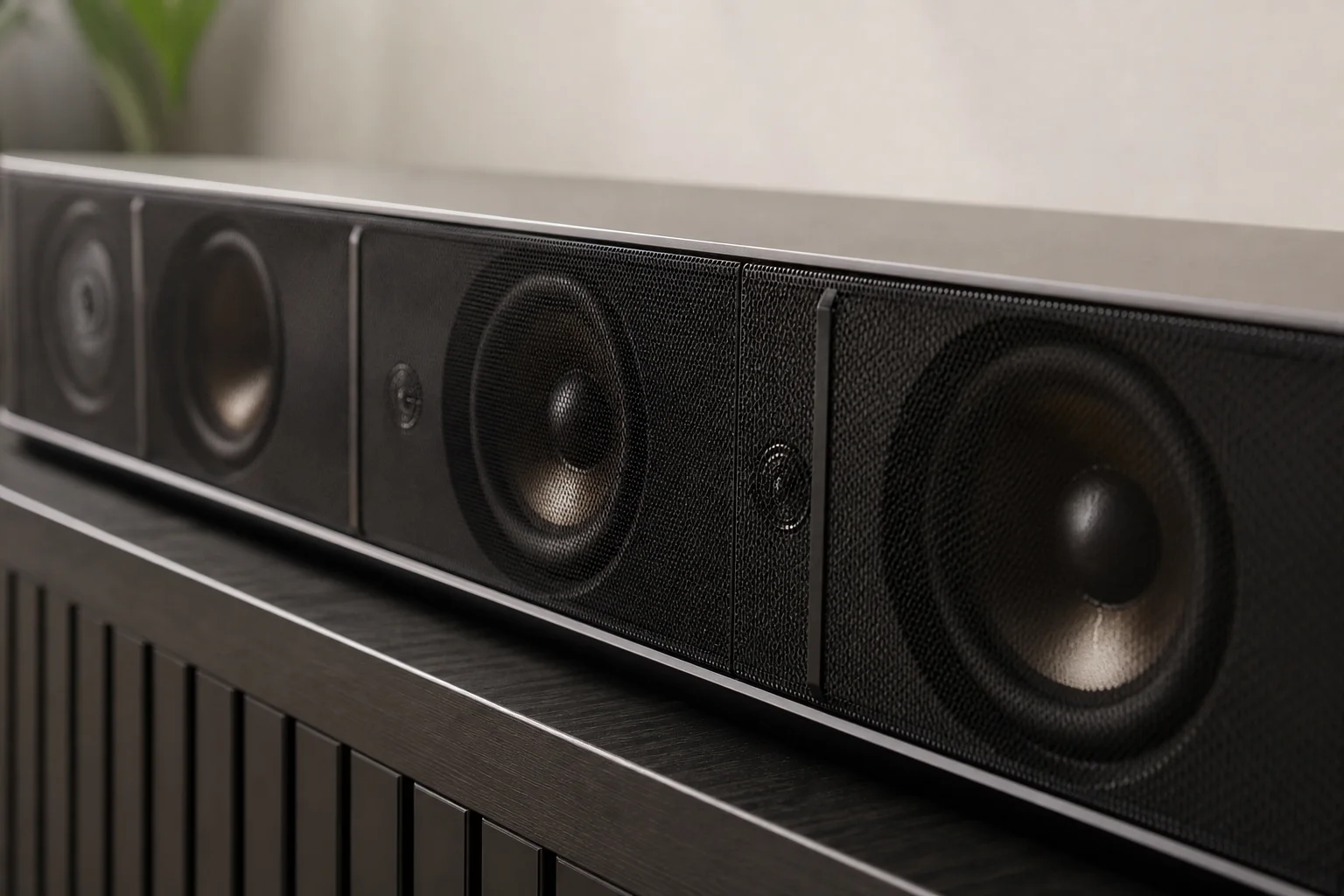
Your channel configuration should match your room size and listening preferences. For cozy rooms up to 300 square feet, a 2.0 configuration is often sufficient. For living spaces up to 500 square feet, a 5.1 or 7.1 system works well. For larger rooms, configurations like 5.1.4, 7.1.4, or 9.1.2 provide more immersive experiences.
It is important to note that some soundbars advertise channel configurations like 5.1.4 or 7.1.2 without including physical subwoofers or rear speakers. These are virtual channels, created through software processing to simulate the effect of additional speakers. While virtual channels can be effective, systems with physical channels generally deliver superior audio quality and immersion. Many premium brands use virtual channels strategically to maintain a compact form factor while still offering advanced audio processing.
Audio Processing Technology
The processing technology used in a soundbar significantly impacts your overall audio experience. When audio is transmitted from your TV to the soundbar, it is compressed for efficient transfer. The soundbar’s job is to decompress this audio and distribute it across all available channels.
Dolby Atmos and DTS Virtual X are the current gold standards for audio processing. Both create a three-dimensional sound experience that allows you to pinpoint exactly where sounds are coming from, making movies and TV shows feel more immersive and alive. Dolby Digital and Dolby Audio are older standards that still provide decent audio but lack the vertical dimension that makes modern content feel truly cinematic.
It is worth noting that Dolby Atmos content is limited on Indian streaming services, so while the technology is valuable, its absence should not be a complete deal-breaker if other aspects of the soundbar meet your needs. Budget brands like Boat, Mivi, and Govo, as well as lower-cost models from premium manufacturers, often skip these technologies entirely to hit lower price points.
Connectivity and Setup Considerations
Connectivity options determine how easily you can integrate the soundbar into your existing entertainment setup. HDMI eARC should be your first choice if your television supports it. This single cable handles both audio transmission from your TV and allows you to control soundbar volume using your existing TV remote, eliminating the need for an additional remote control.
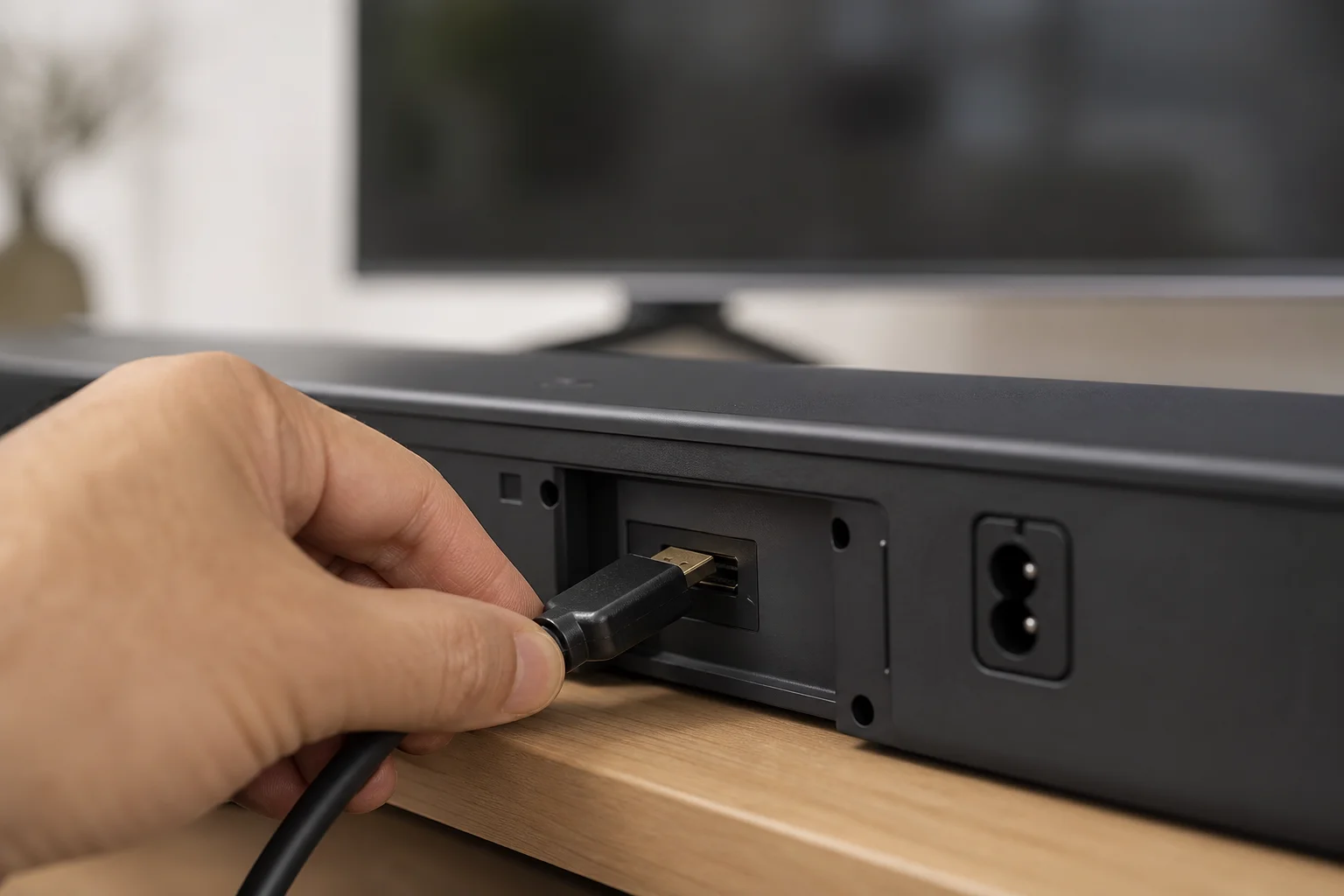
If you are purchasing a Dolby Atmos system, eARC becomes essential because regular ARC cannot handle the bandwidth required for Dolby Atmos content. Optical and AUX connections serve as backup options for older televisions that lack HDMI ports.
For subwoofer connectivity, wired connections remain perfectly acceptable since the subwoofer typically sits near your television anyway. For rear speakers, wireless connectivity has become increasingly reliable and eliminates the need to run cables throughout your house. However, many budget soundbar systems still use wired rear speakers to control costs, so be aware of any wiring requirements before purchasing.
Bluetooth is available on nearly all soundbars except some Sonos models, allowing you to stream music directly from your phone or laptop. Some premium soundbars include Alexa and Google Assistant support, enabling them to function as independent smart speakers even when your TV is off.
Budget Recommendations: Under Rs 15,000
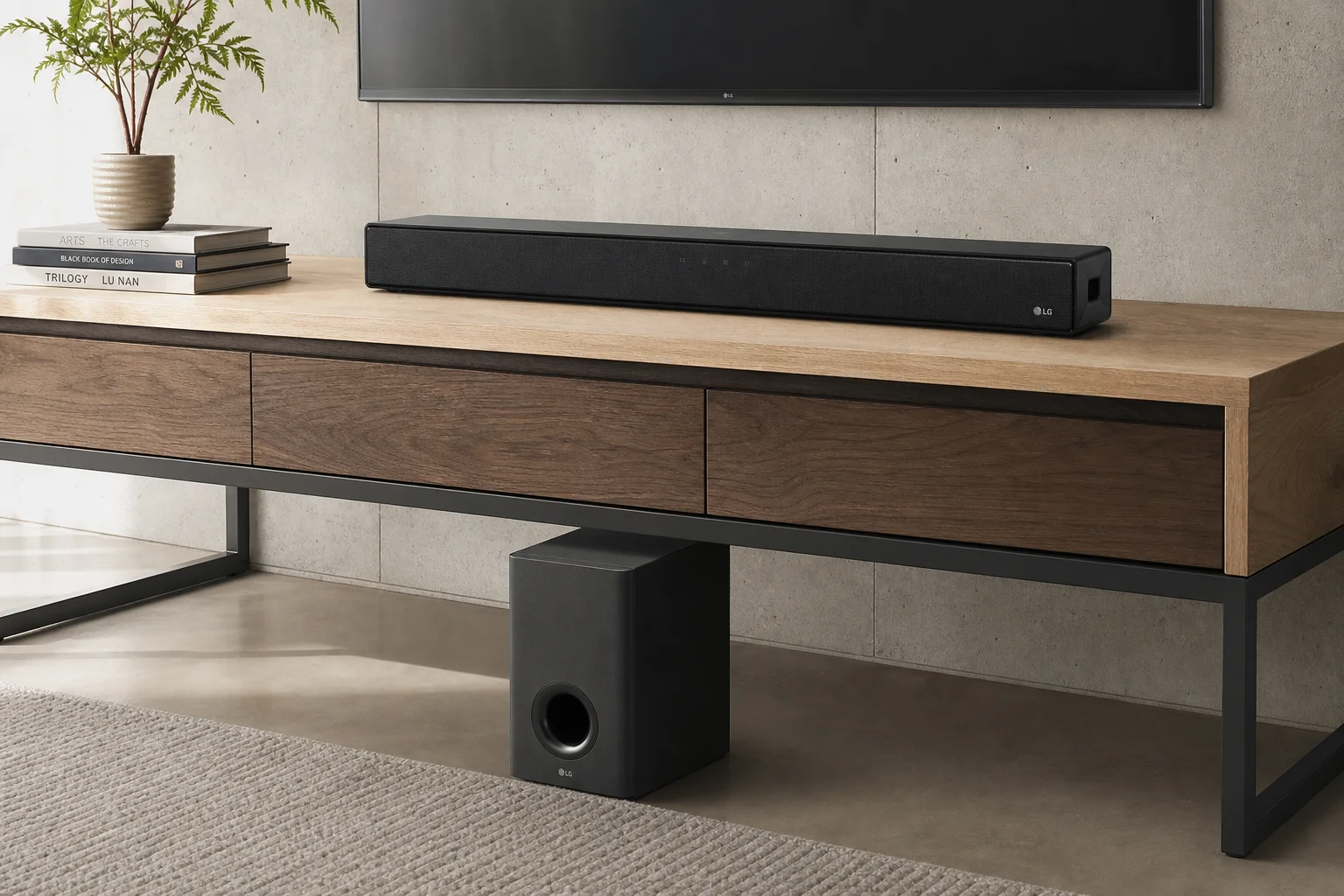
For those with tighter budgets, the LG S40T is an excellent choice. This is a straightforward 2.1 soundbar system from a premium brand, designed for casual home viewing. It offers an easy setup, punchy bass, and a wireless subwoofer, making it ideal for upgrading from basic TV audio. While it lacks HDMI eARC and does not support Dolby Atmos, it includes optical and AUX connectivity.
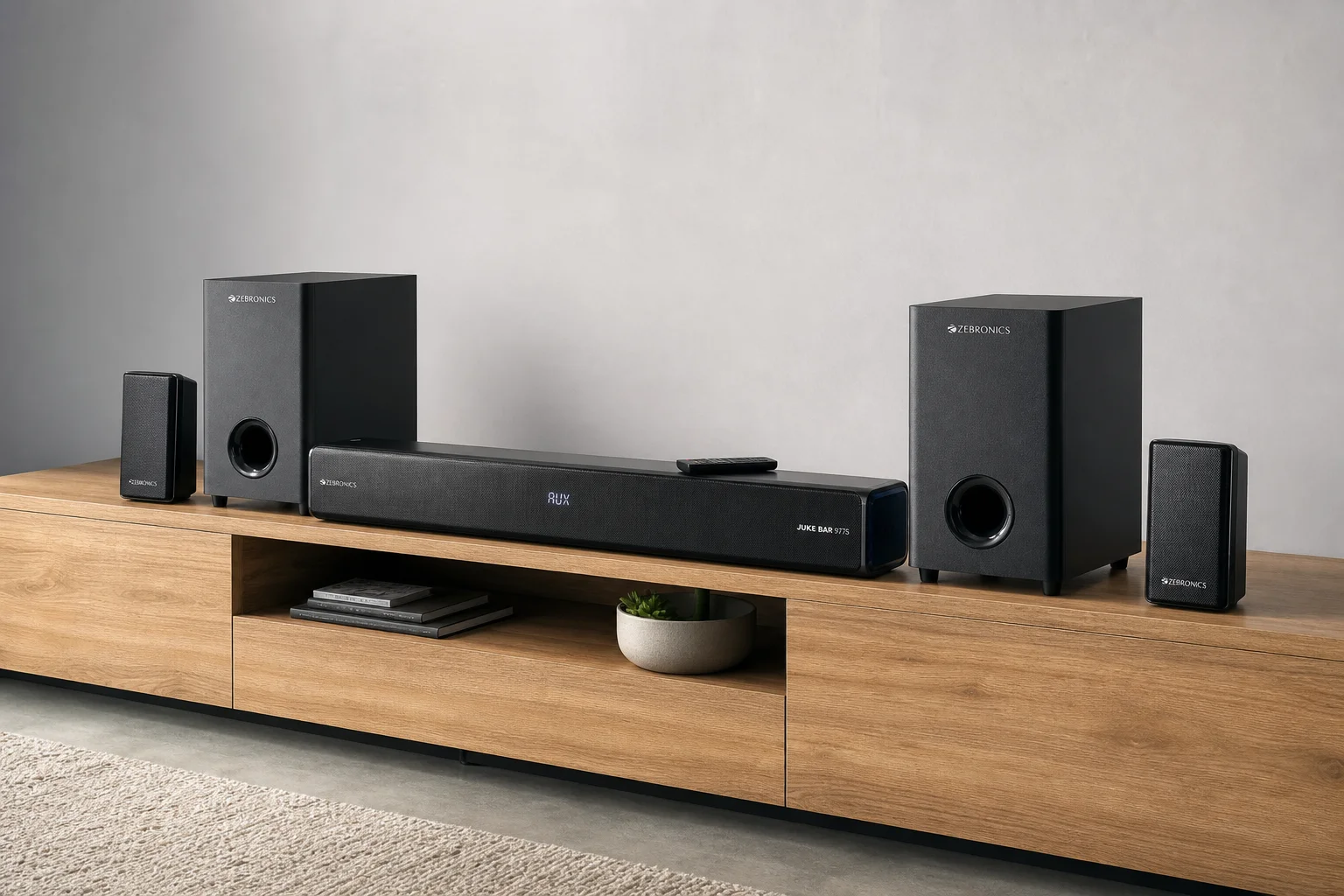
Among budget brands under Rs 10,000, the Zebronics Juke Bar offers strong value. This 5.1 soundbar features virtual rear surround speakers and a wireless subwoofer, delivering deep, distortion-free bass. Some users report that the bass can be overpowering at mid and high tones at elevated volumes, but overall it represents a solid budget option for basic surround sound.
Mid-Range Options: Rs 15,000 to Rs 25,000
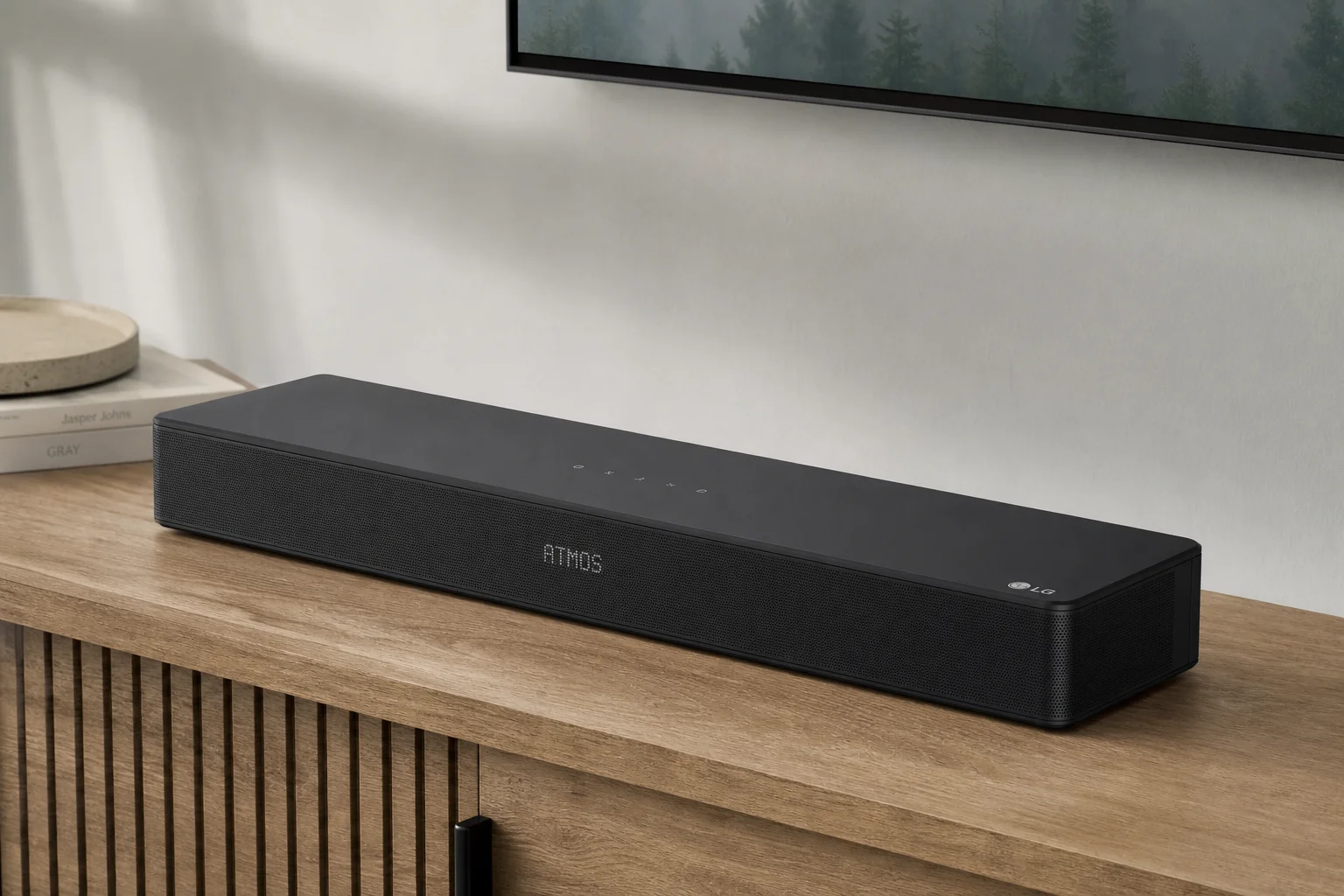
The Rs 15,000 to Rs 25,000 range offers the best value for money, with many models including Dolby Atmos support and wireless rear speakers. The LG S70TY is an excellent choice in this range. With 400W output, it is ideal for medium to large rooms and delivers powerful Dolby Atmos sound with enhanced dialogue clarity. Adaptive sound modes adjust the audio profile based on content type, and the compact design makes it a practical solution for enhancing TV audio without requiring extensive setup.
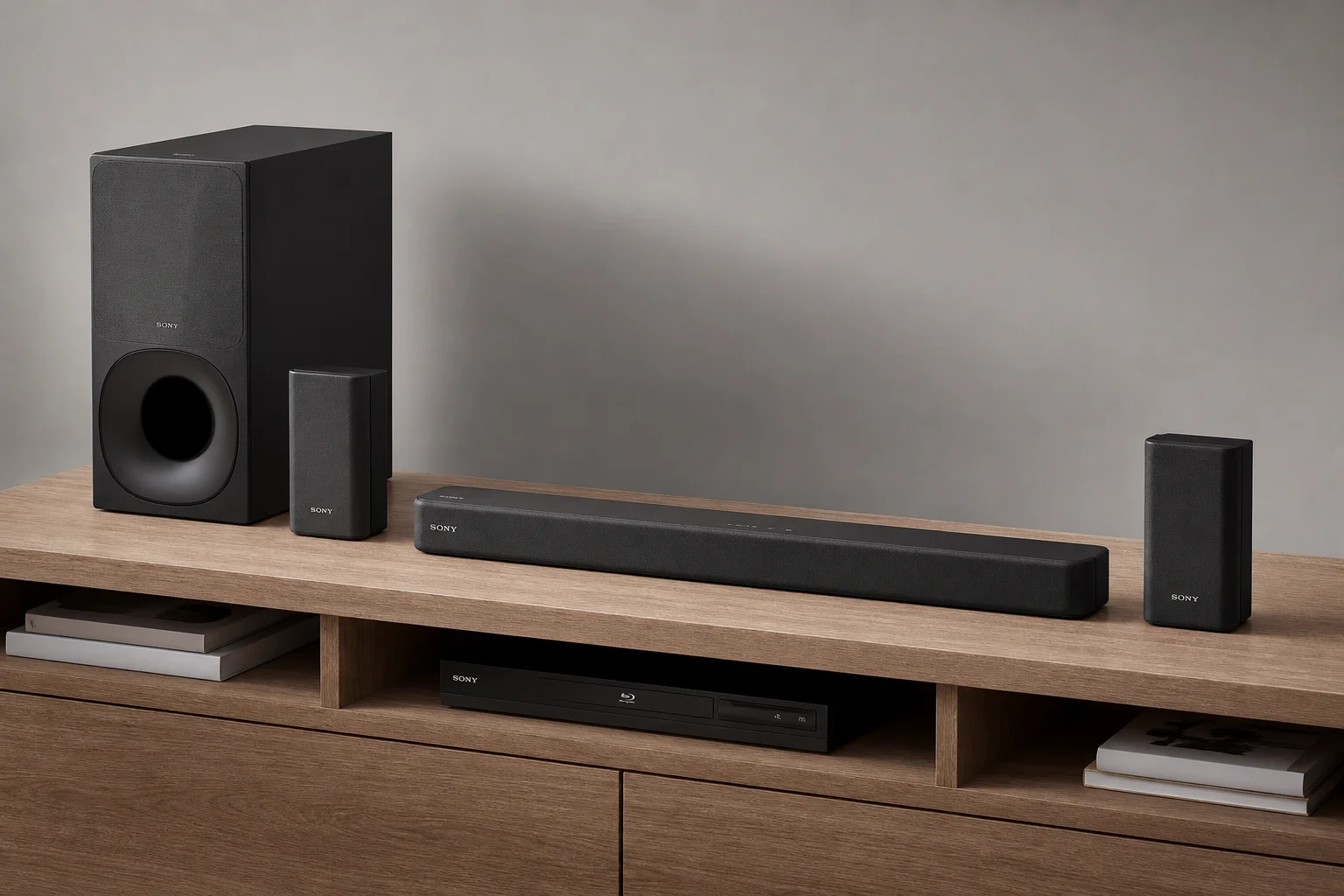
For a true 5.1 surround sound experience, the Sony HT-S20R is one of the best budget options available. It delivers immersive, powerful sound for both movies and music with reliable wired connectivity for the subwoofer and rear speakers. Be aware that wiring will be required before installation. As a budget Sony model, it does not support Dolby Atmos, but the physical surround configuration provides genuine immersion.
The Zebronics Juke Bar 9775 is the standout budget brand recommendation in this price range. It features dual wireless subwoofers and wireless rear speakers for true surround sound, with Dolby Atmos support for an immersive cinema experience on a budget. However, users have reported audio quality deterioration at high volumes and occasional wireless connectivity setup issues. Customer service responsiveness has also been inconsistent.
Mid-Premium Range: Rs 25,000 to Rs 40,000
In the Rs 25,000 to Rs 40,000 range, more soundbars support Dolby Atmos and include wireless rear speakers, making setup more convenient. The Sony HT-S40R is a solid choice for those seeking a genuine 5.1 surround sound experience. It includes wireless rear speakers and powerful bass suitable for medium to large rooms, though the subwoofer requires a wired connection. It lacks Dolby Atmos, but the physical surround configuration delivers authentic immersion for movies and music.
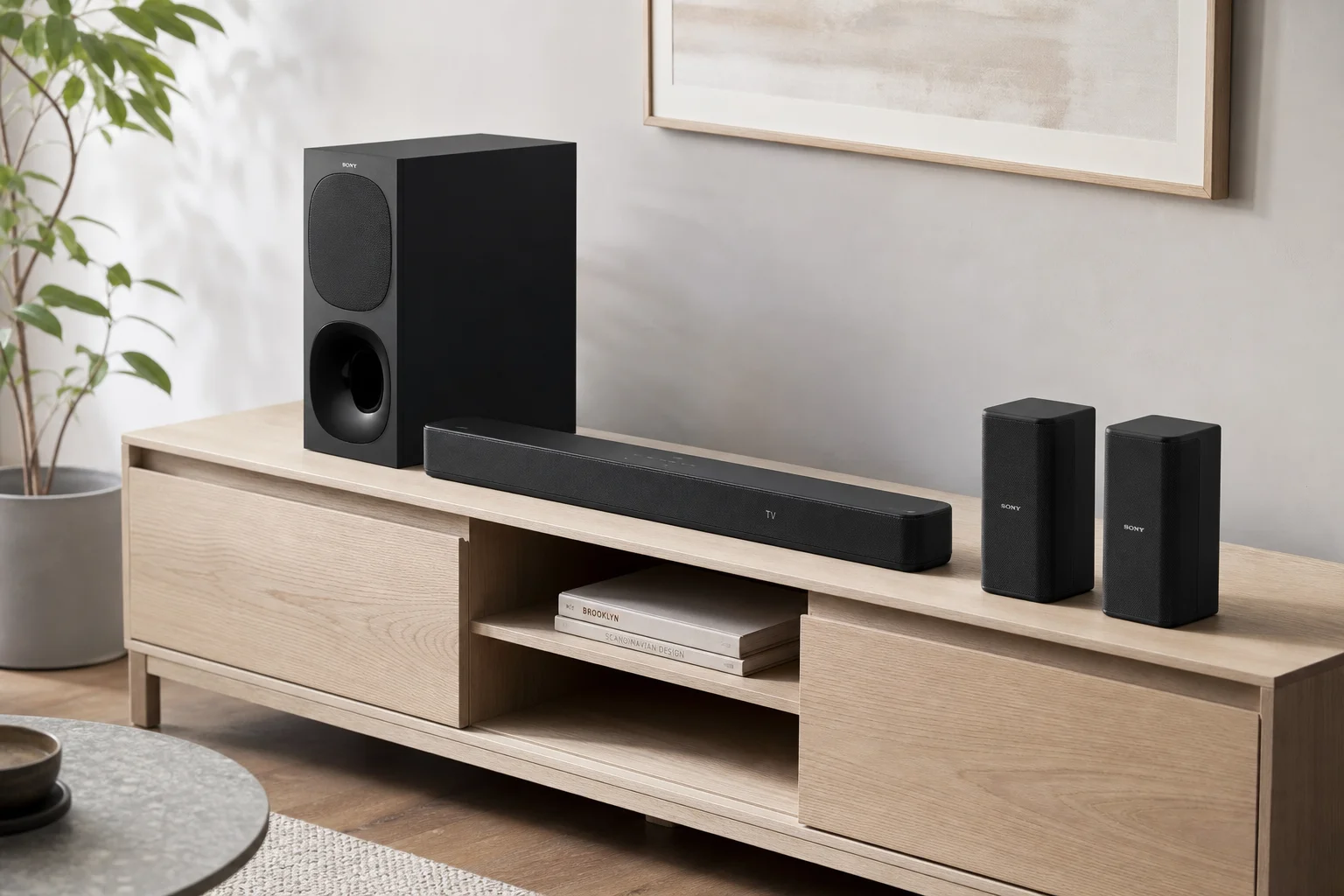
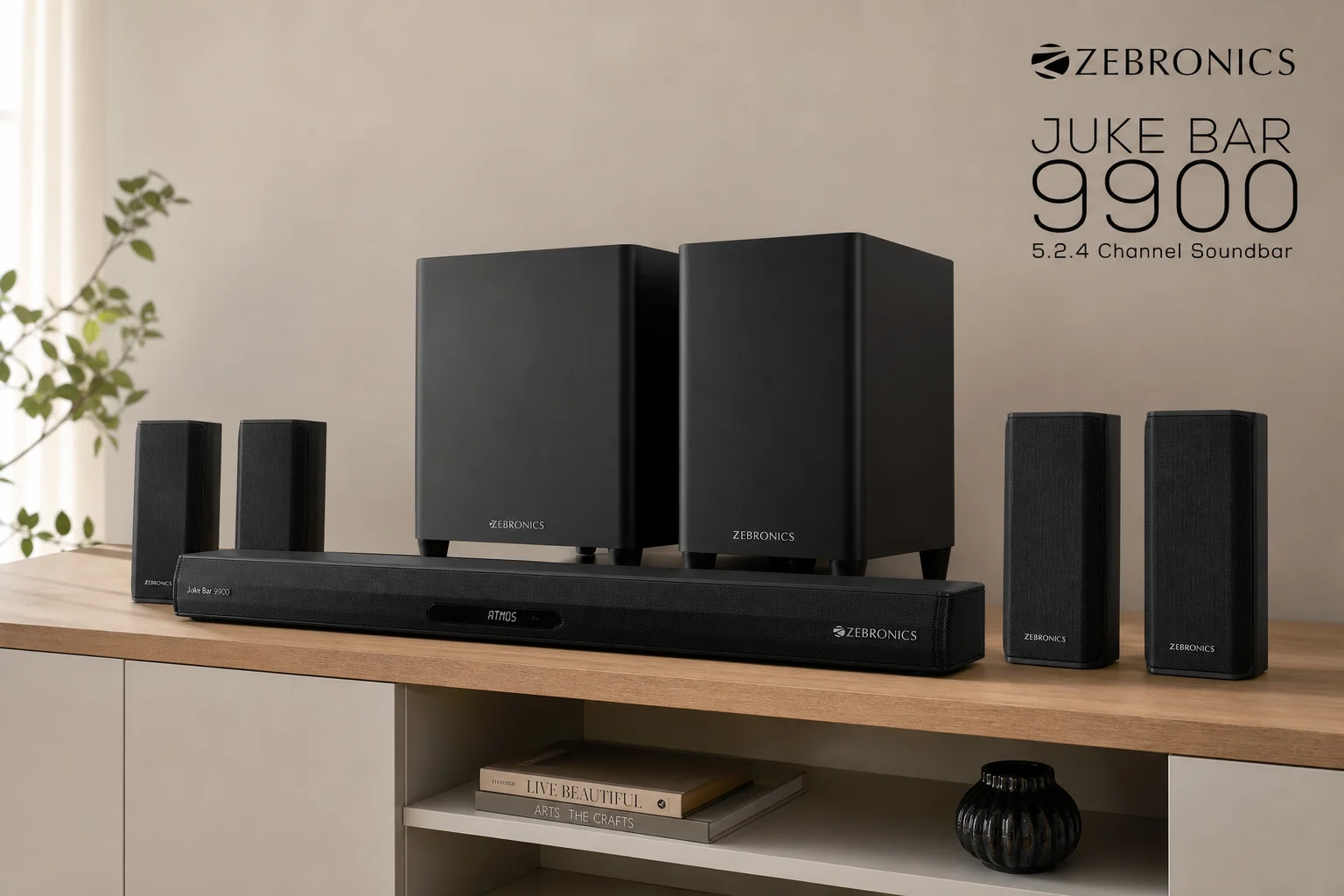
The Zebronics Juke Bar 9900 is the best budget brand option in this tier. With 725W output, 5.2.4 channel configuration, Dolby Atmos, and DTS Virtual X support, it delivers an immersive home theater experience for large rooms. It includes dual subwoofers, rear satellite speakers, and even a microphone for karaoke. Like other Zebronics products, audio can crackle at higher volumes, and customer service support is minimal.
Premium Systems Above Rs 40,000
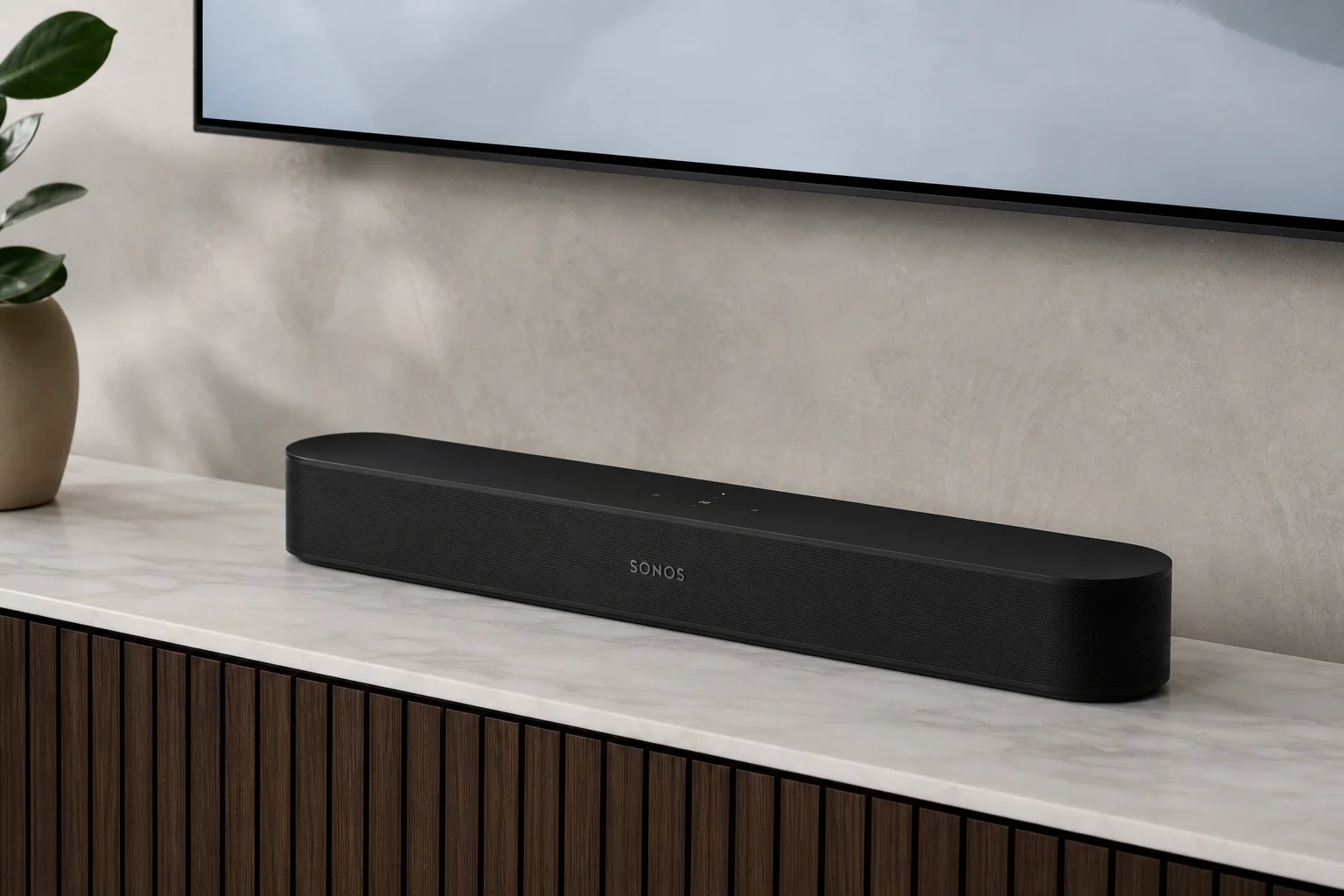
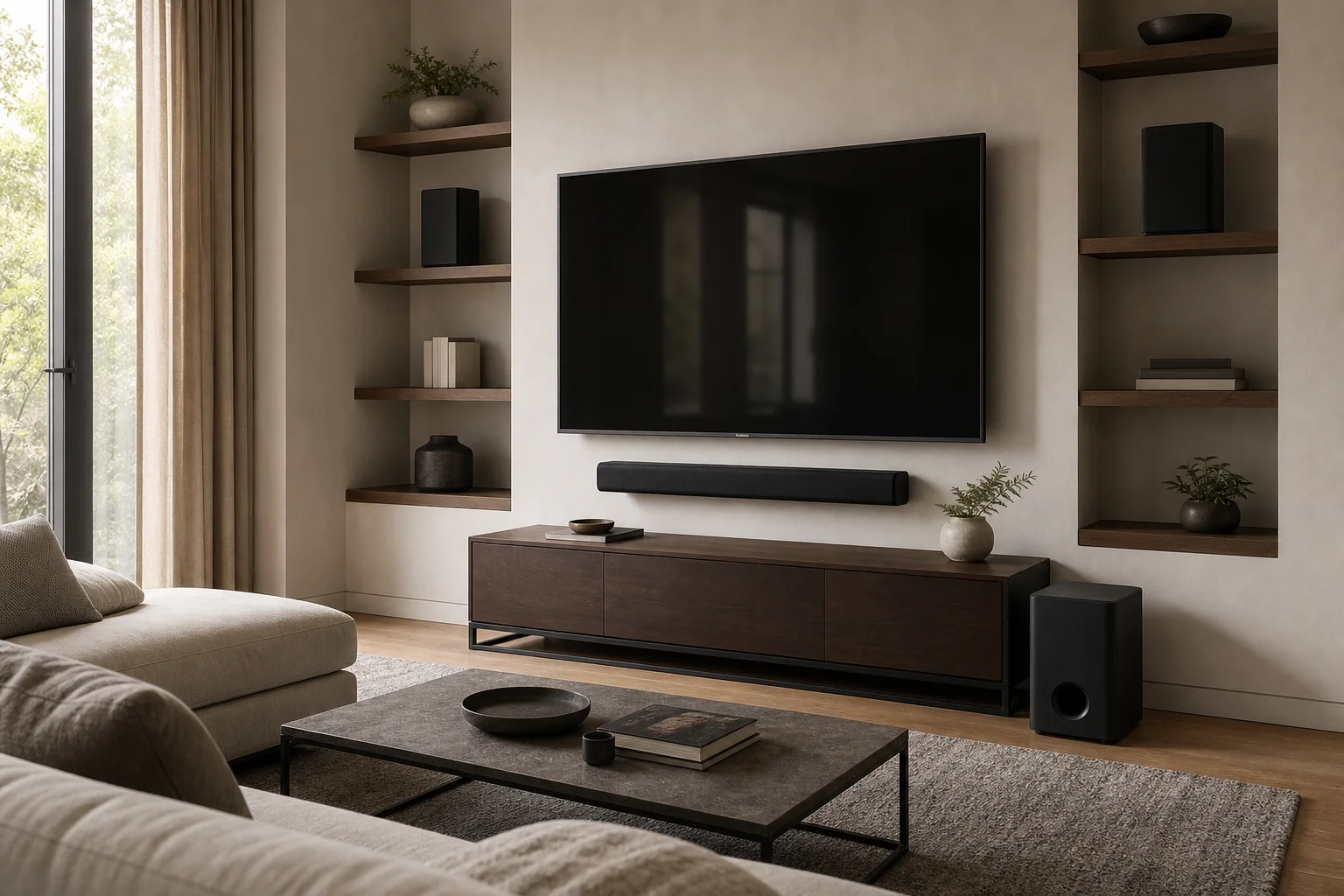
For those seeking a compact soundbar without subwoofers and rear speakers, the Sonos Beam Gen 2 is an excellent choice. It delivers clear dialogue and rich Dolby Atmos sound in a small footprint, making it ideal for smaller to medium-sized rooms. The product supports Alexa and Google Assistant integration, though this feature is not currently supported in India. The sound quality is excellent, but the pricing is premium for the Indian market, and local customer support can be limited.
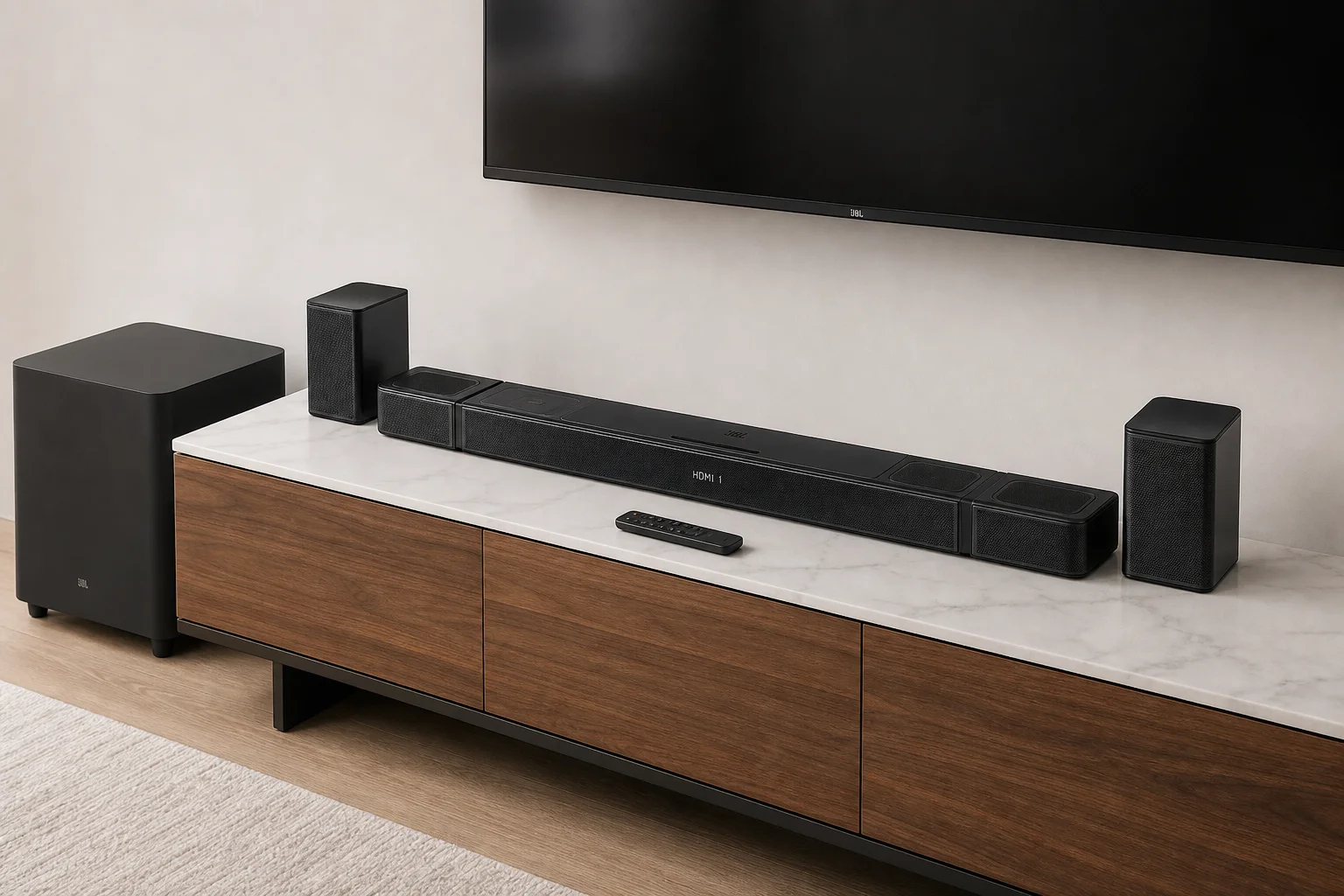
The JBL Bar 1000 Pro is a premium 7.1.4 channel soundbar delivering true wireless surround experience with 880W output. It provides precise bass control and advanced streaming features, making it ideal for those seeking a high-end home theater upgrade. This system is designed for people willing to invest in a multi-component setup for immersive, cinema-quality sound.
Warranty, Service, and Brand Reliability
Warranty coverage is generally one year across most soundbar brands, with Honeywell offering a notable exception at two years. When evaluating long-term reliability, premium brands like Samsung, Bose, Sony, LG, Yamaha, and Philips consistently demonstrate superior product satisfaction and service reliability. Budget brands often struggle with service reach and response times, which becomes critical when issues arise.
Since soundbars are designed to outlast your television, investing in a brand with strong service infrastructure and reliable customer support is a practical decision that will pay dividends if problems occur.
Conclusion
Choosing the right soundbar requires balancing room size, channel configuration, audio processing technology, and budget. The most important principle is to resist the temptation to prioritize wattage or price over audio quality and brand reliability. A quality soundbar from an established manufacturer will deliver years of enjoyment and will likely outlast multiple television upgrades.
For most buyers, soundbars rated at Rs 15,000 and above offer the best combination of features, reliability, and audio quality. Below this price point, you will typically need to compromise on either Dolby Atmos support or wireless connectivity. Choose based on what matters most to your listening habits and room configuration, and prioritize brands with proven track records of customer satisfaction and service support.
Further reading
Related Reviews
Audio Equipment
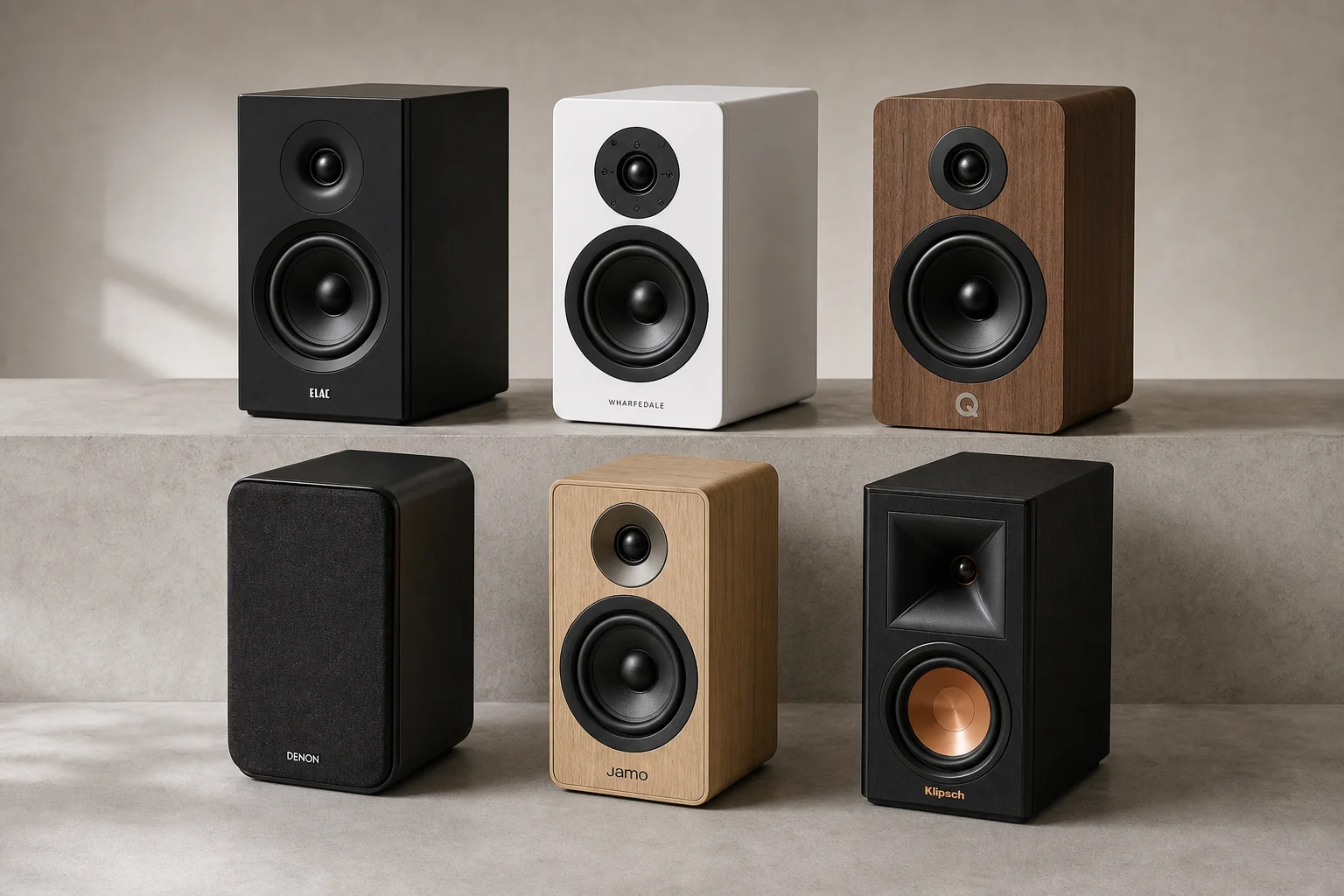
Best Bookshelf Speakers Under $1,500: Six Standout Models for Every Priority
Six passive bookshelf speakers under $1,500 that deliver premium build quality, meaningful sound improvements, and real value across vocals, bass, home theater, detail, design, and overall performance.
Audio Equipment
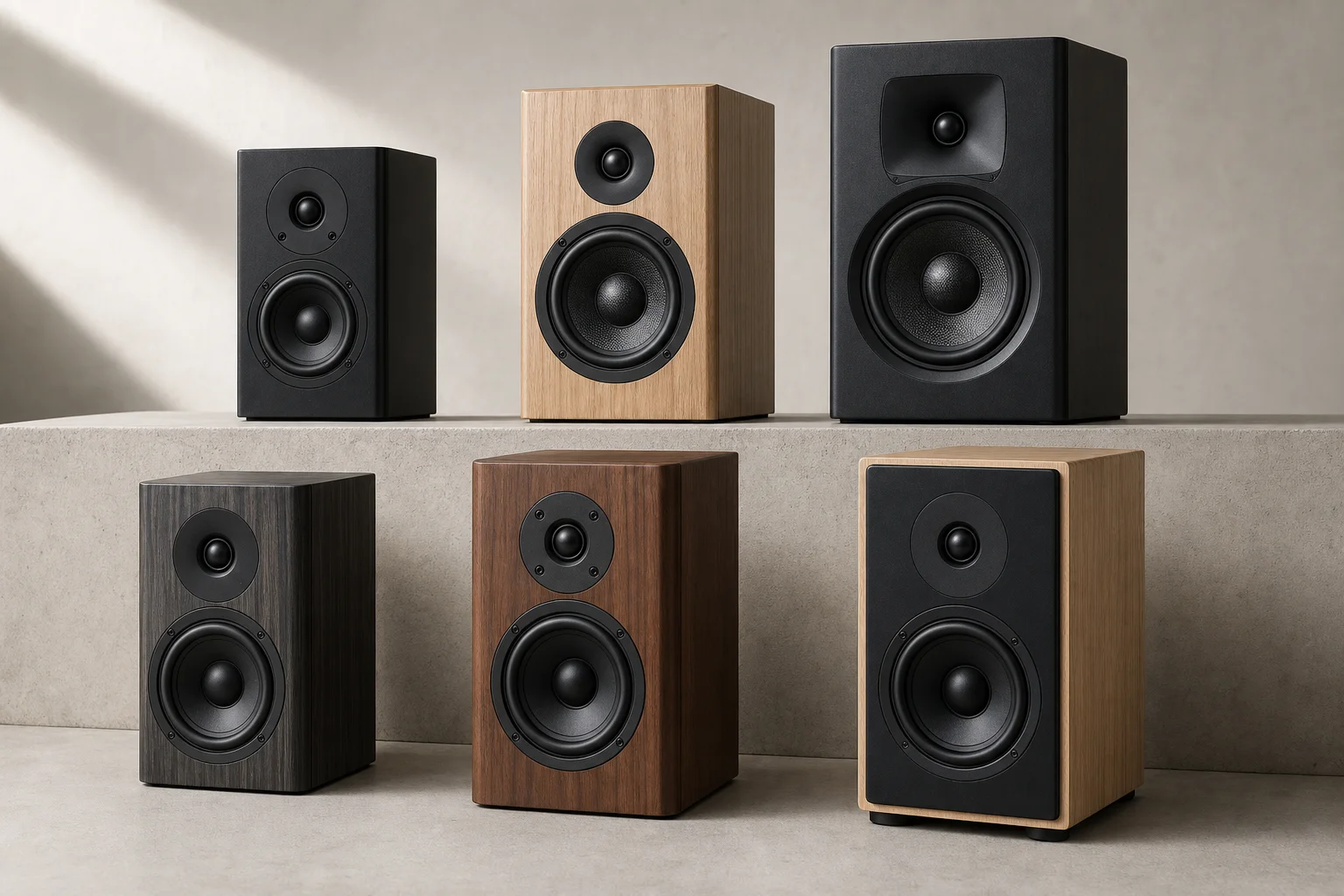
Best Bookshelf Speakers Under $500: Six Versatile Options for Any Room
A practical guide to six bookshelf speakers under $500, each suited to different listening priorities and room setups, from compact desktop systems to home theater configurations.

Audio Equipment
Best Budget Bluetooth Speakers: 5 Models That Actually Sound Good
Five affordable Bluetooth speakers tested for real-world sound quality, durability, and value. From ultra-portable to feature-rich, find the right speaker for your budget and use case.