Snowboarding
Best Snowboards 2026: How to Find the Right Board for Your Riding Style
A practical guide to choosing a snowboard, featuring 12 standout boards across powder, park, and all-mountain categories, plus advice on flex, sizing, and camber profiles.
Introduction
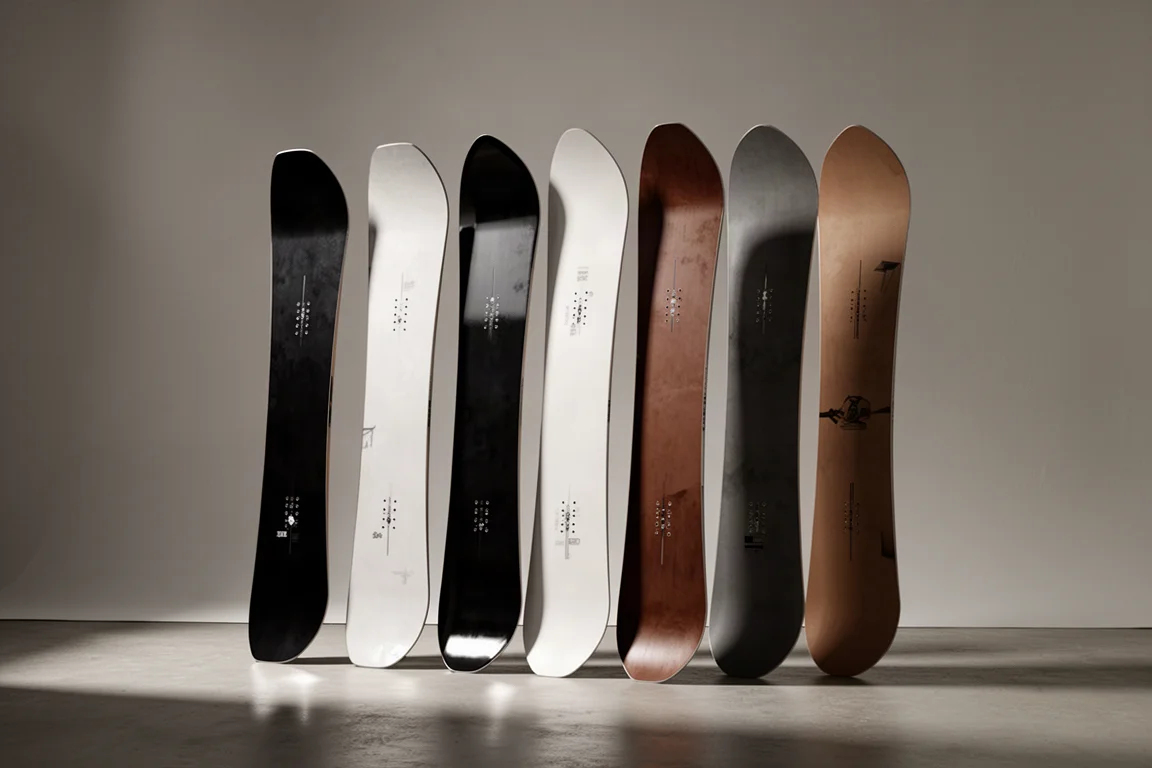
Buying your first snowboard, or replacing one that never quite felt right, can be intimidating. Walk into any shop and you are met with dozens of shapes, flexes, and sizes, each claiming to be the perfect fit. The good news is that choosing the right board comes down to a handful of fundamentals: the shape, the riding style it is built for, the flex, the size, and the camber profile. Get those five things right and the decision becomes far less overwhelming.
This guide walks through each of those fundamentals, and along the way highlights twelve boards that are strong representatives of their categories right now.
Twin vs Directional: Understanding Snowboard Shapes
Before picking a riding style, it helps to understand board shape. A twin board has a symmetrical nose and tail, so it reacts the same way whether you ride forward or switch. A directional board typically has a longer nose than tail, plus other asymmetries that make it perform better in one direction.
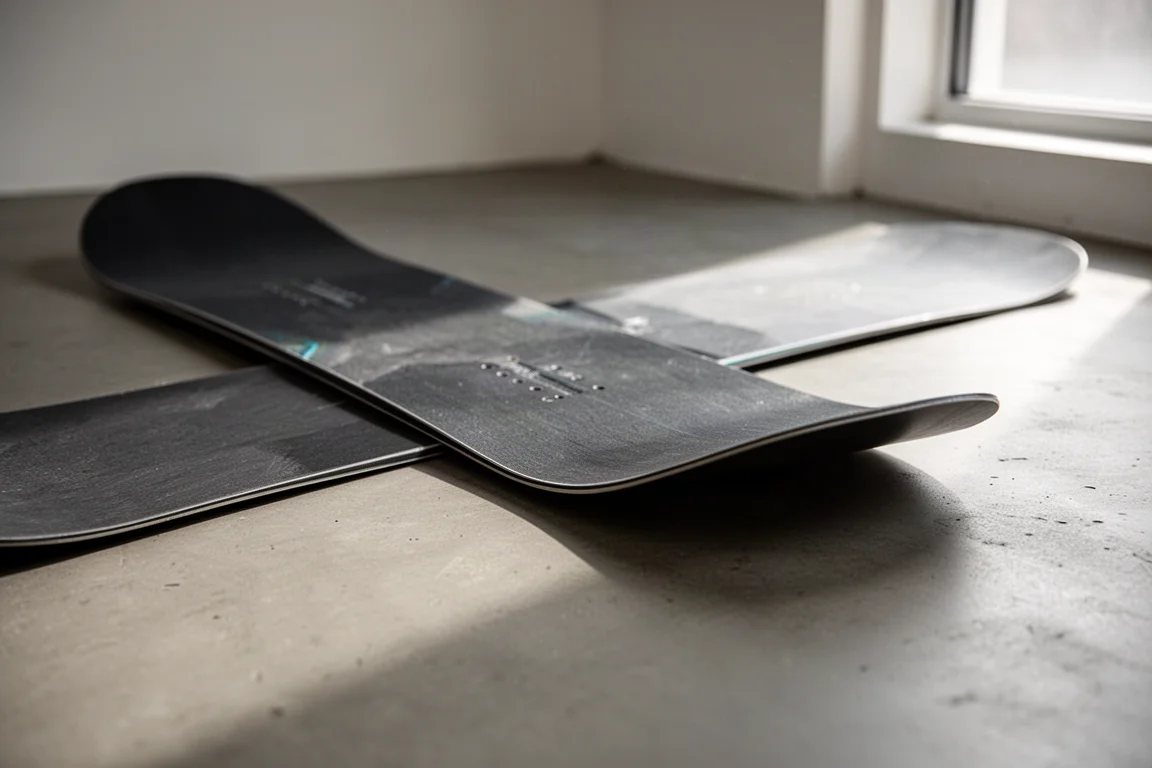
Many riders avoid directional boards because they want the ability to ride switch, but that concern is often overblown. Most directional boards handle riding backwards without issue. The real advantage is that a directional board turns and maneuvers far better in its intended direction than a twin can in either direction.
You will also see boards labeled directional twin. That term can mean a twin shape with a directional flex, or a twin shape with a setback stance. Either way, a directional twin rides well in whatever terrain it was designed for, so do not let the label scare you off.
The Three Main Riding Styles
Across brands, snowboards generally break down into three main categories: powder, park, and all-mountain. Knowing where and how you enjoy riding is the single biggest factor in finding the right board.
Powder and Freeride Boards
A powder board is made specifically for riding in powder or deep snow. You may also see boards labeled freeride, which are meant for big backcountry terrain. These boards are usually wider, directional, and sometimes feature a swallow tail, all of which maximize float in deep snow.
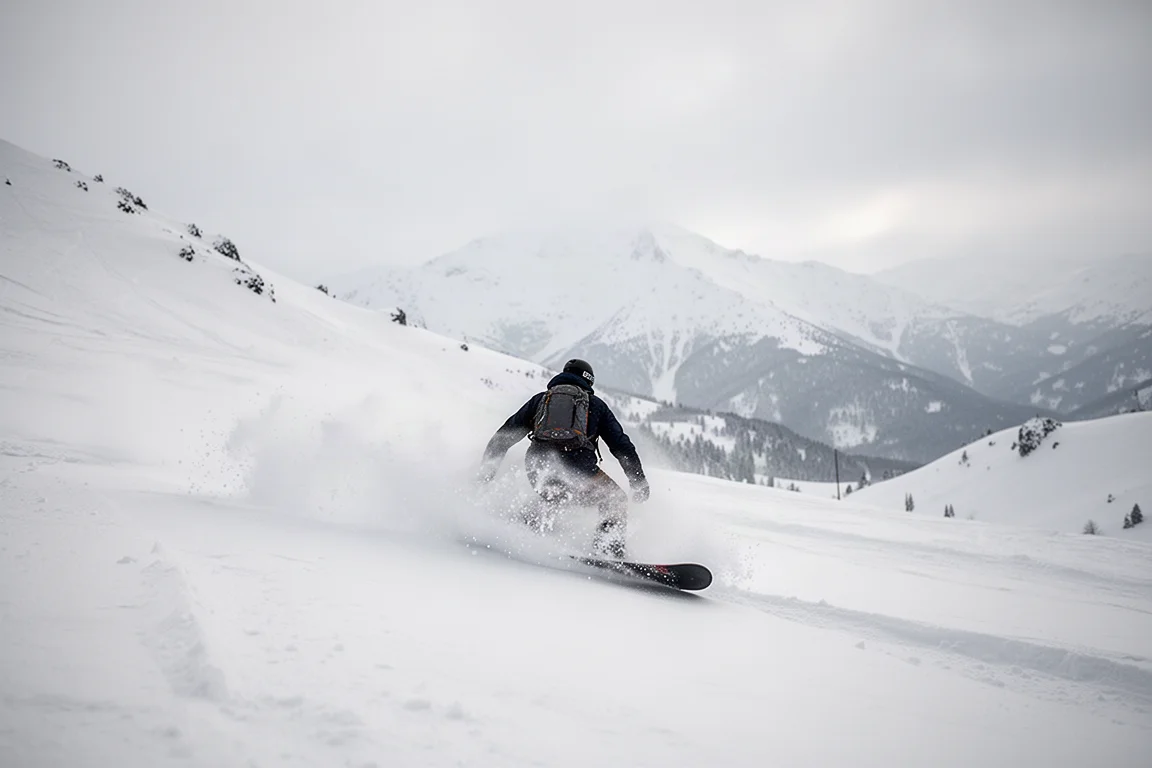
A common misconception is that a powder board is useless without fresh snow. Because of their directionality and width, powder boards can actually carve groomers really well, so owning one does not pigeonhole you into powder-only riding. If you do most of your riding at a resort, though, an all-mountain board will serve you better day to day.
Lib Tech Orca
The Lib Tech Orca is one of the most popular powder boards available right now, and it is also a well-known volume shifted board, which means its length is shorter than a traditional board of the same width. It is a board experienced riders consistently gravitate toward for deep snow days.
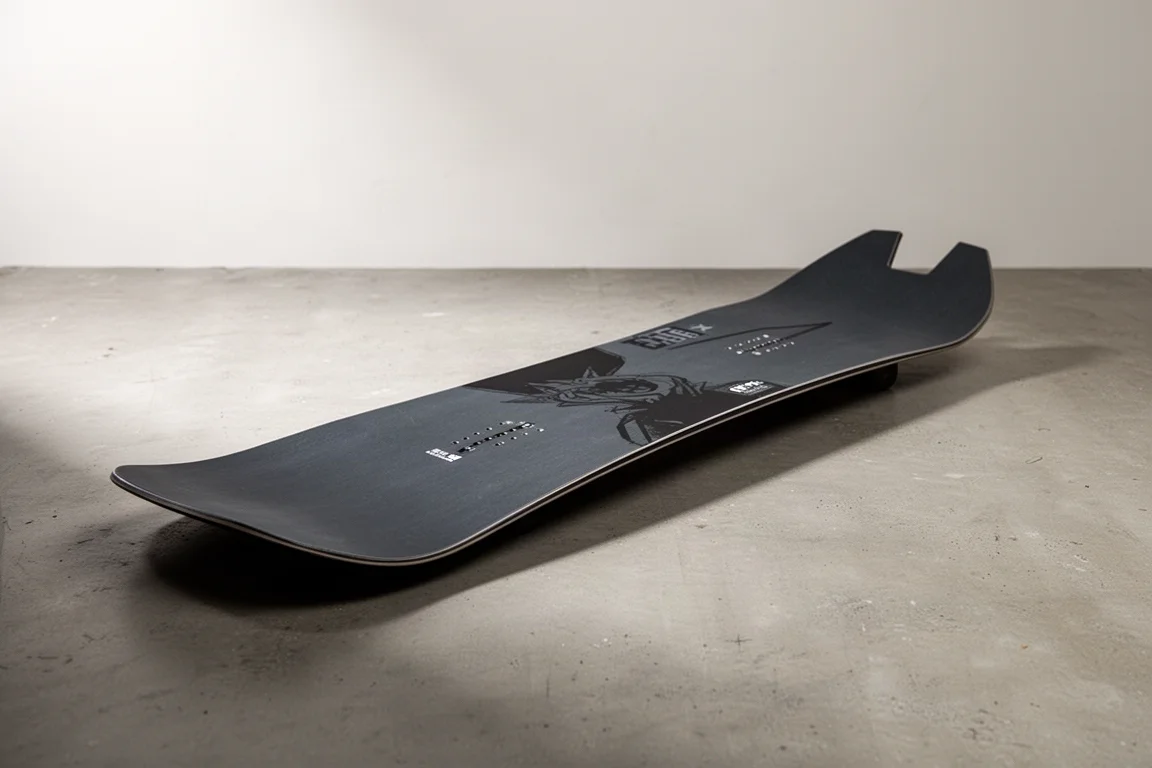
Jones Mind Expander
The Jones Mind Expander is another standout in the powder category, built for riders who want strong float and a surfy feel in deeper snow.
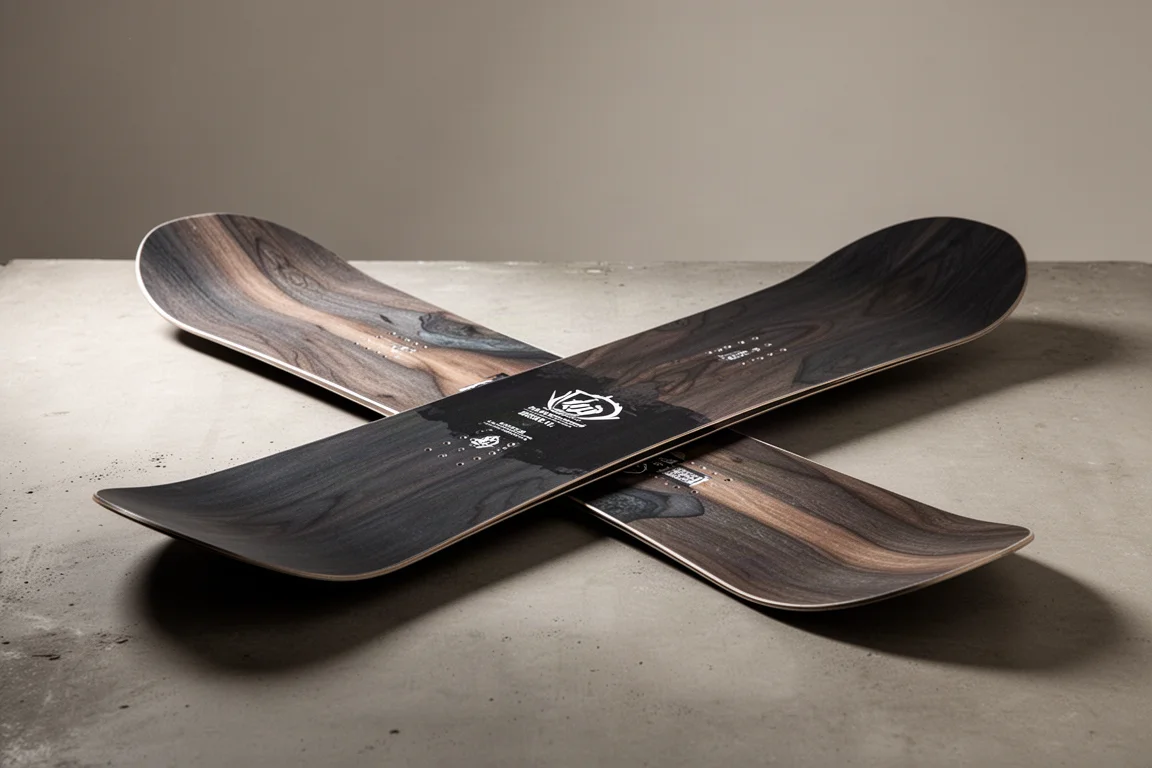
Burton Double Dog
Rounding out the popular powder picks, the Burton Double Dog is a directional powder board designed around floatability and fun on deep days.
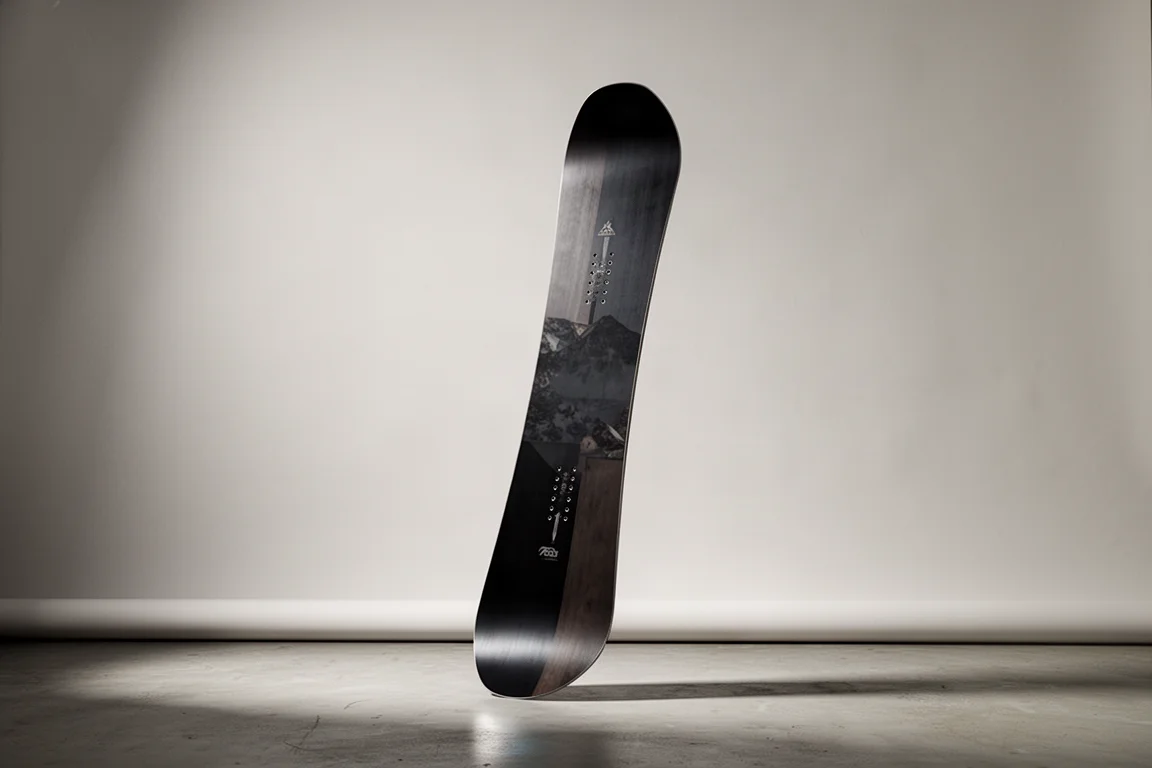
Park and Freestyle Boards
Park or freestyle boards are primarily twin shaped and meant to be ridden in the terrain park or other freestyle settings. Because park riders are generally spinning, landing switch, and taking off switch, the twin shape is ideal for this style.
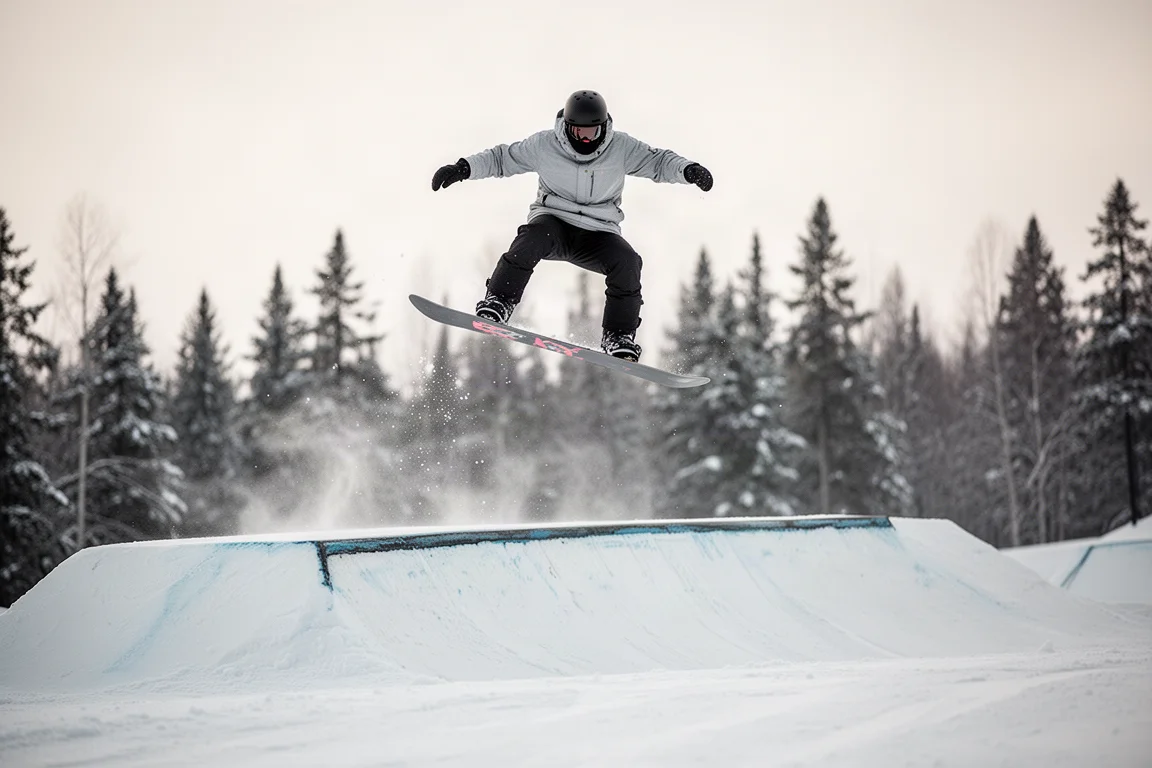
While these boards perform at their best in the park, you can ride them in any terrain. The trade-off is that you will not get the float of a powder board or the carvability of an all-mountain board.
Capita DOA
The Capita DOA is one of the most popular park boards on the market right now, a true twin built around freestyle riding.
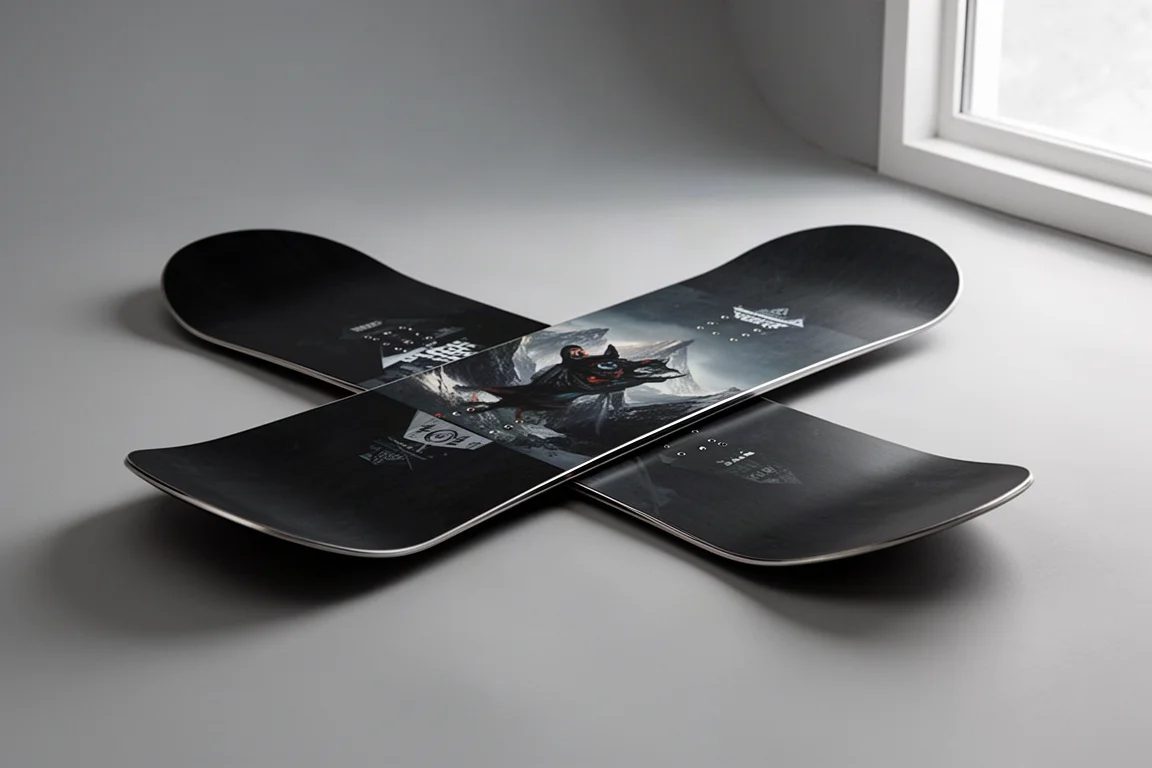
Jones Mountain Twin
The Jones Mountain Twin is another frequently recommended park-oriented board, offering a twin shape suited to spinning and riding switch.
View more details for Jones Mountain Twin
Salomon Assassin
The Salomon Assassin completes this set of popular freestyle boards, a twin-shaped option built for park and freestyle riding.
All-Mountain Boards
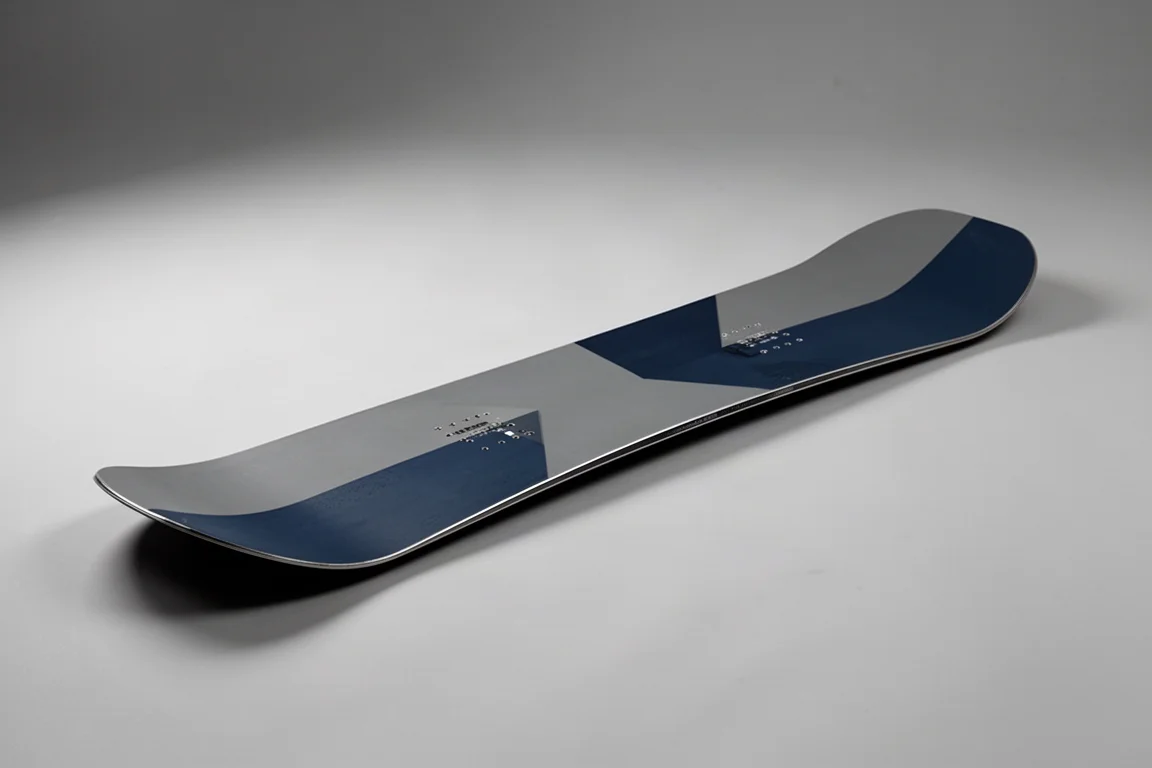
All-mountain snowboards are designed for the most versatile riding. These are the boards people call daily drivers, capable of handling groomers, glades, moguls, powder, jumps, and just about anything else. You will find both twin and directional shapes in this category, but if you never plan to ride the terrain park, a directional shape will simply make turning and carving that much more fun.
Capita Mercury
The Capita Mercury is a favorite all-mountain board, built to handle the widest range of terrain with confidence.
Burton Skeleton Key
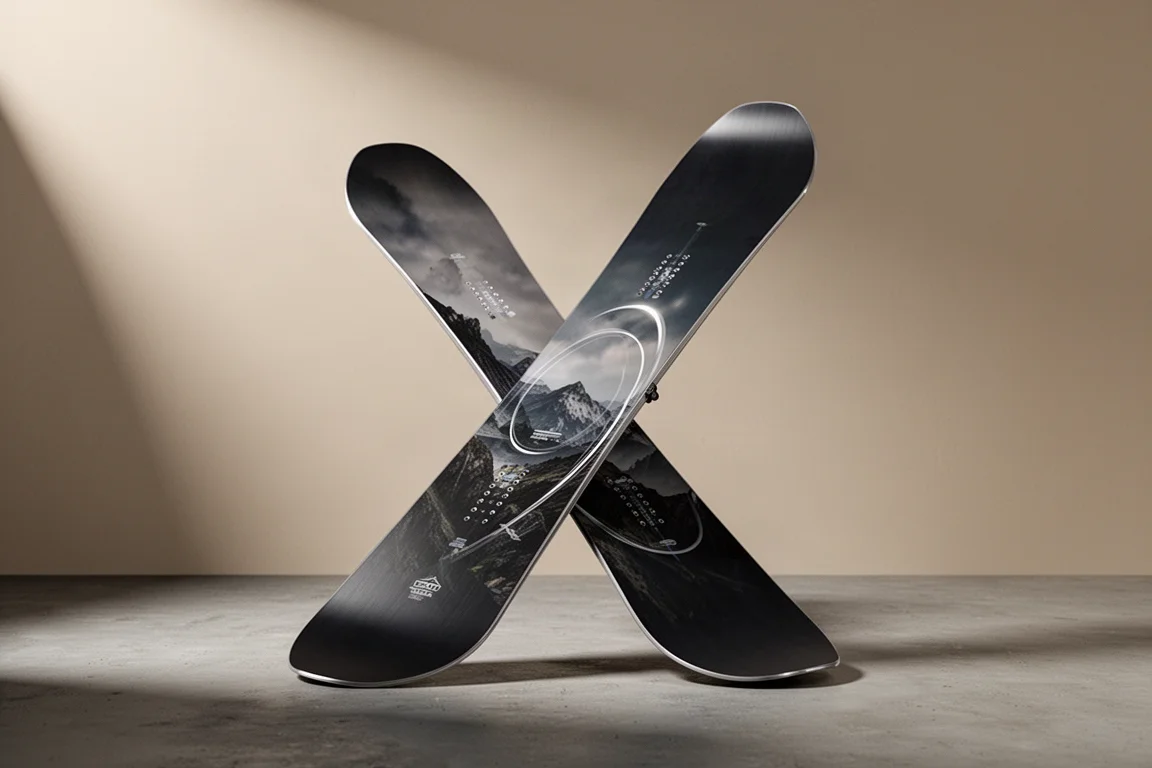
The Burton Skeleton Key is another strong all-mountain pick, designed as a dependable directional daily driver.
Lib Tech Apex Orca
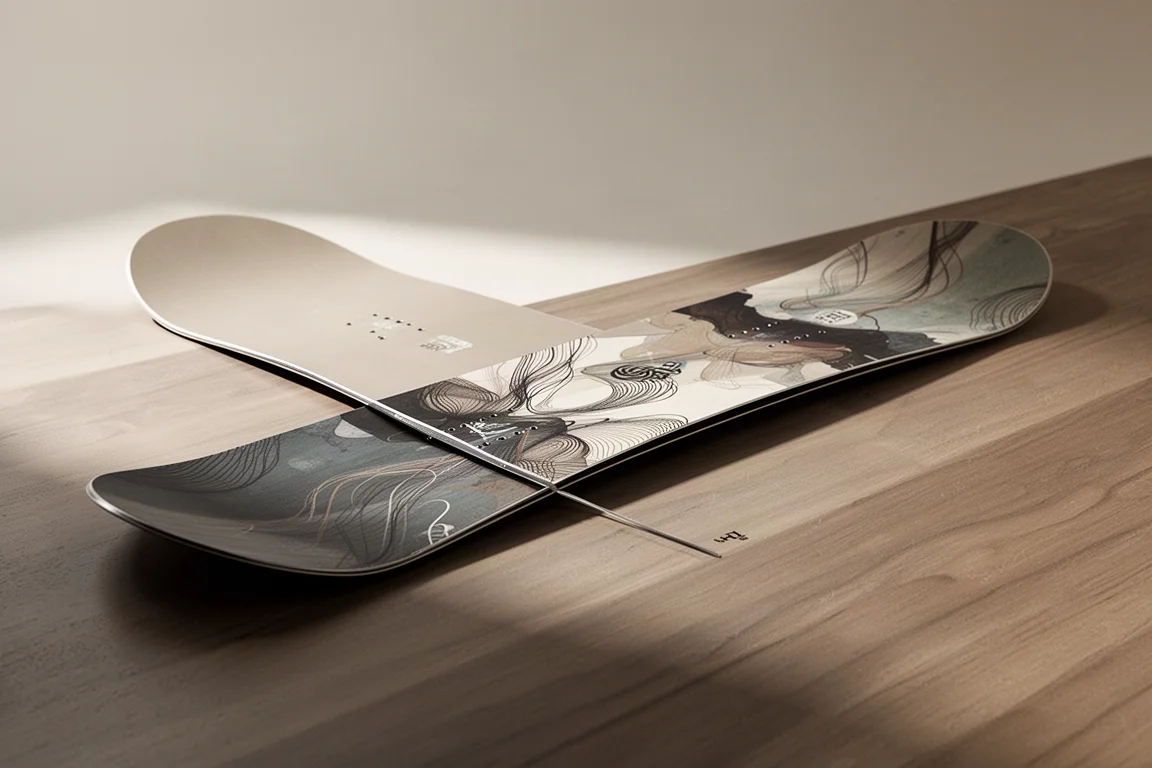
The Lib Tech Apex Orca rounds out the all-mountain favorites, offering a directional ride for riders who want one board to cover everything.
All-Mountain Variations: Freestyle and Freeride
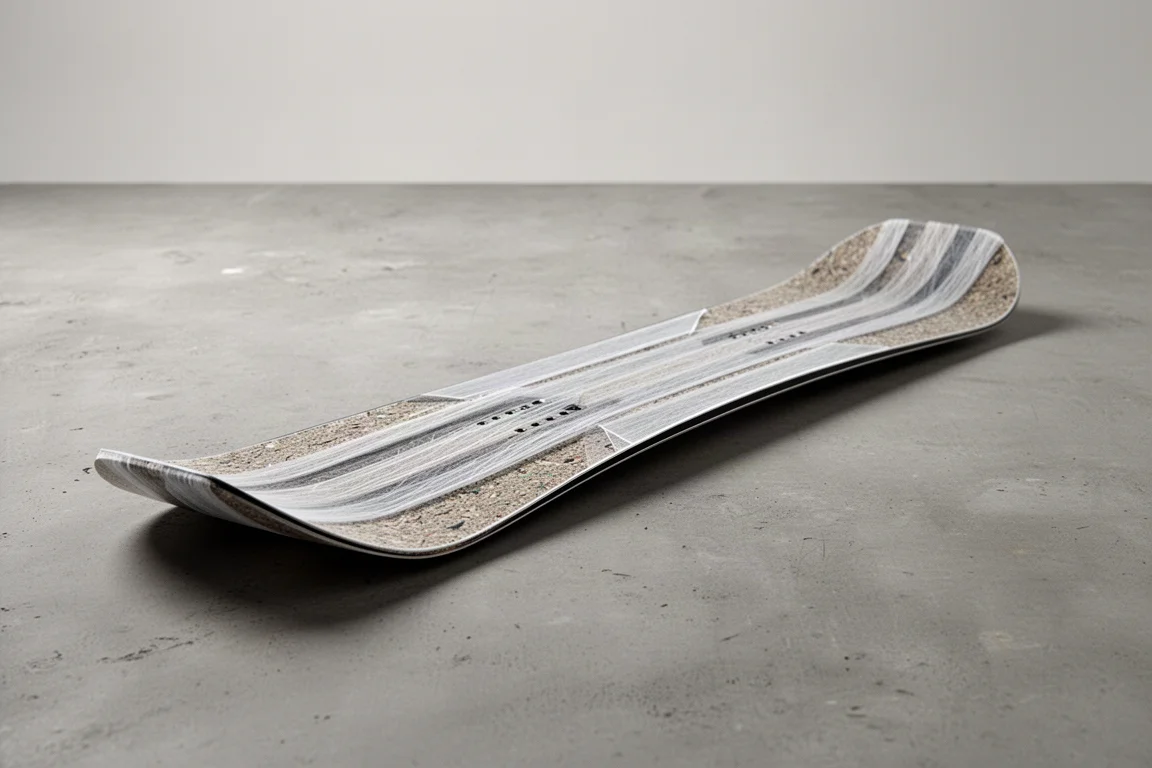
Within the all-mountain category you will see variations such as all-mountain freestyle and all-mountain freeride. An all-mountain freestyle board suits the rider who rides the whole mountain but has a freestyle streak, wanting a board that carves easily and can still be tricked with. An all-mountain freeride board targets the rider who enjoys the resort but also charges hard in powder and the backcountry.
Burton Deep Thinker
The Burton Deep Thinker is a good example of an all-mountain freestyle board, aimed at riders who spend plenty of time doing tricks but still want a board that carves easily across the mountain.
Choosing the Right Flex
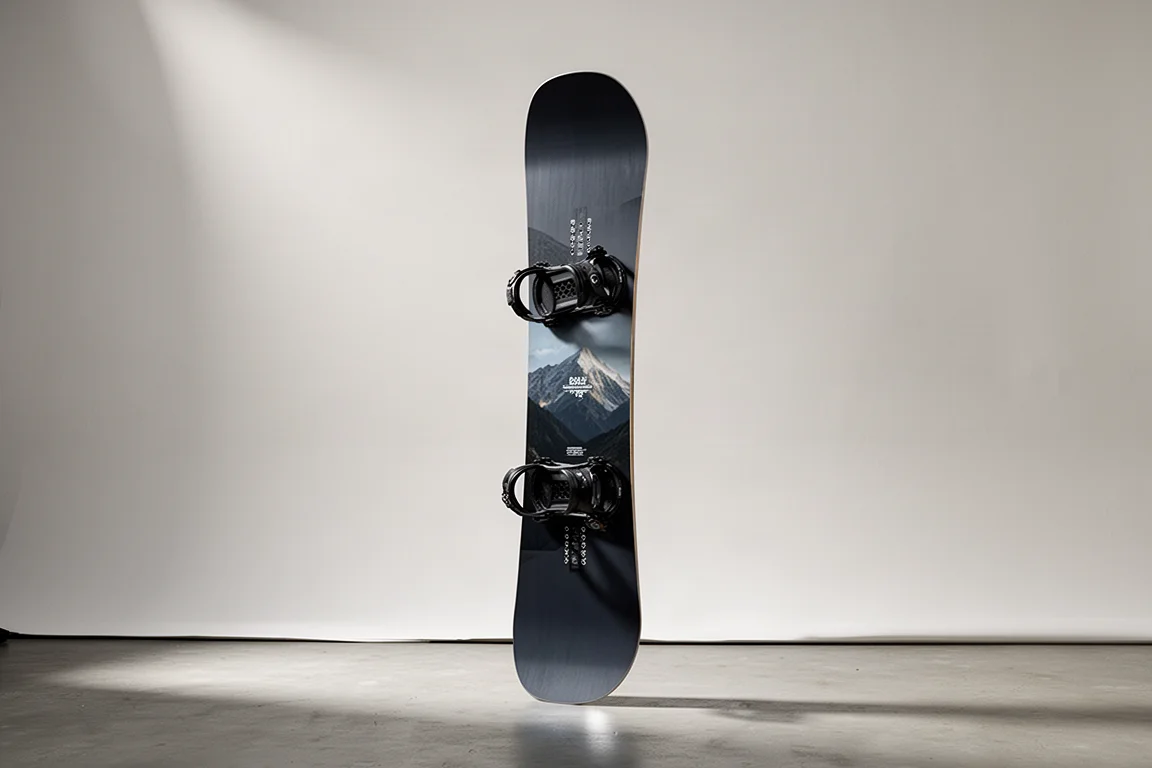
Flex matters more than many first-time buyers realize. There are two types: longitudinal flex, which runs from nose to tail, and lateral or torsional flex, which runs edge to edge. When inspecting a board in a shop, you will mainly be judging the longitudinal flex, which tells you about the action and responsiveness of the board.
A softer flexing board is better suited to beginners. It is easier to control and manipulate, more forgiving, and generally easier to learn with. A stiffer board takes more energy to bend, but it returns more energy in response, delivering more snap and power. Stiffer boards are designed for advanced riding and want to go fast more often.
To properly check flex, wrap your arm around the underside of the nose and firmly press through the midsection of the board. Do not be afraid to put a real push into it, because you will not break the board. Make sure the entire board is flexing, not just the tail. Using just one hand or a knee will not show you much of a difference.
Once you have ridden many boards, flex becomes a matter of preference. Advanced riders sometimes love softer boards for butters and presses on rails, while speed-focused riders prefer stiff boards everywhere. If this is your first board, look for a flex right in the middle of the road: enough stability for cruising at higher speeds, but enough maneuverability to use the board with ease.
Getting the Size Right
The main factors in sizing are your weight, height, and boot size, and weight is the most important of the three. A snowboard responds to how much you weigh, not how tall you are, so a tall but lighter rider may ride a slightly smaller board than the average person of the same height.
If a spec sheet includes a rider weight column, use it. You will notice overlap between sizes, but aim to be roughly in the middle of a weight bracket. There is no single perfect size, so if you are torn between two sizes, go bigger for a more powerful board that holds up better at top speeds, or smaller for a nimbler, more maneuverable feel.
As a rough height check, a board should reach from below your chin to no higher than above your lip, but always cross-reference the size chart, since weight matters more. Width is the last key piece: you do not want a board too narrow for your boots, because that causes toe and heel drag in deep carves. A little overhang is normal and fine once your bindings lift your boots, but excessive overhang is a problem. If you wear a US 10.5 boot or larger, look at wide-specific models, denoted by a W next to the size number.
Specialty Sizes: Nitro Cannon
Some boards disregard standard sizing rules entirely. The Nitro Cannon, for example, comes in 173 and 203 sizes with roughly the waist width of a 159, but it is meant to be ridden extra long. These extra-long boards are generally not the place to start as a first-time buyer.
Volume Shifted Boards: Ride Warpig
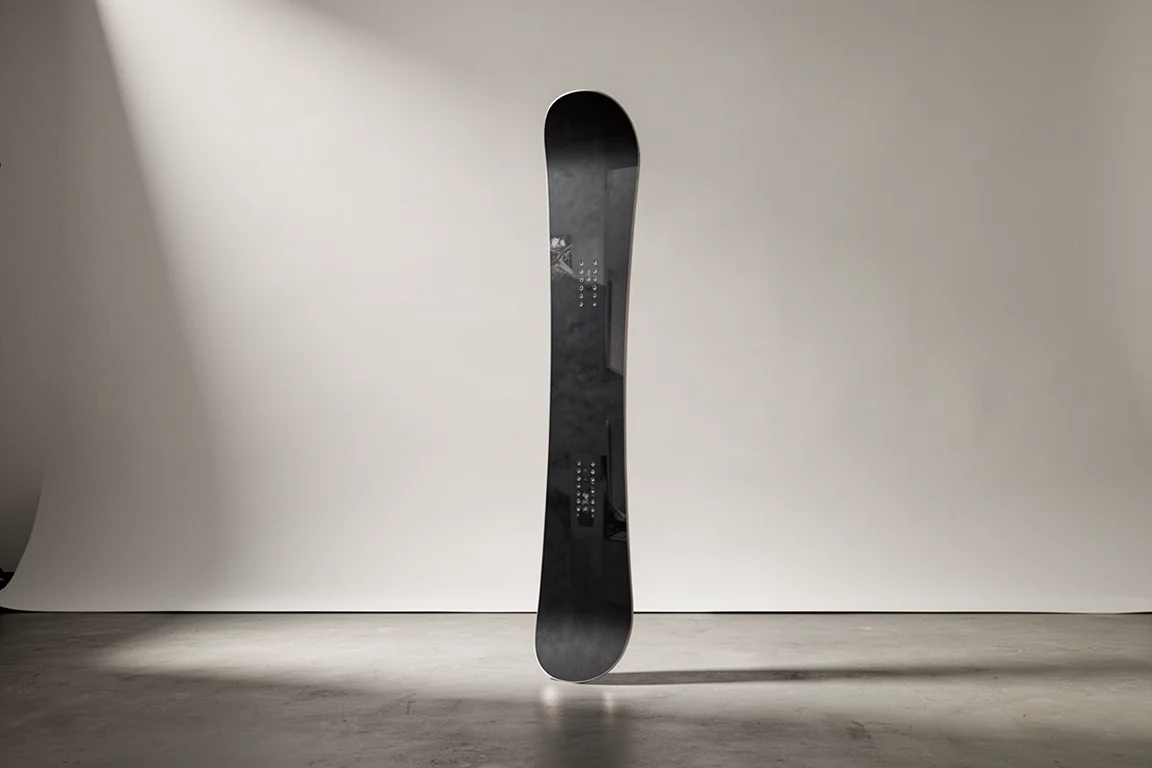
The opposite specialty is the volume shifted board, where volume has been taken from the length and added to the waist width. The Ride Warpig is a great example, and volume shifted boards like it can even be fun for beginners. Do not be afraid to check them out, even if extra-long boards are best left alone for now.
Understanding Camber Profiles
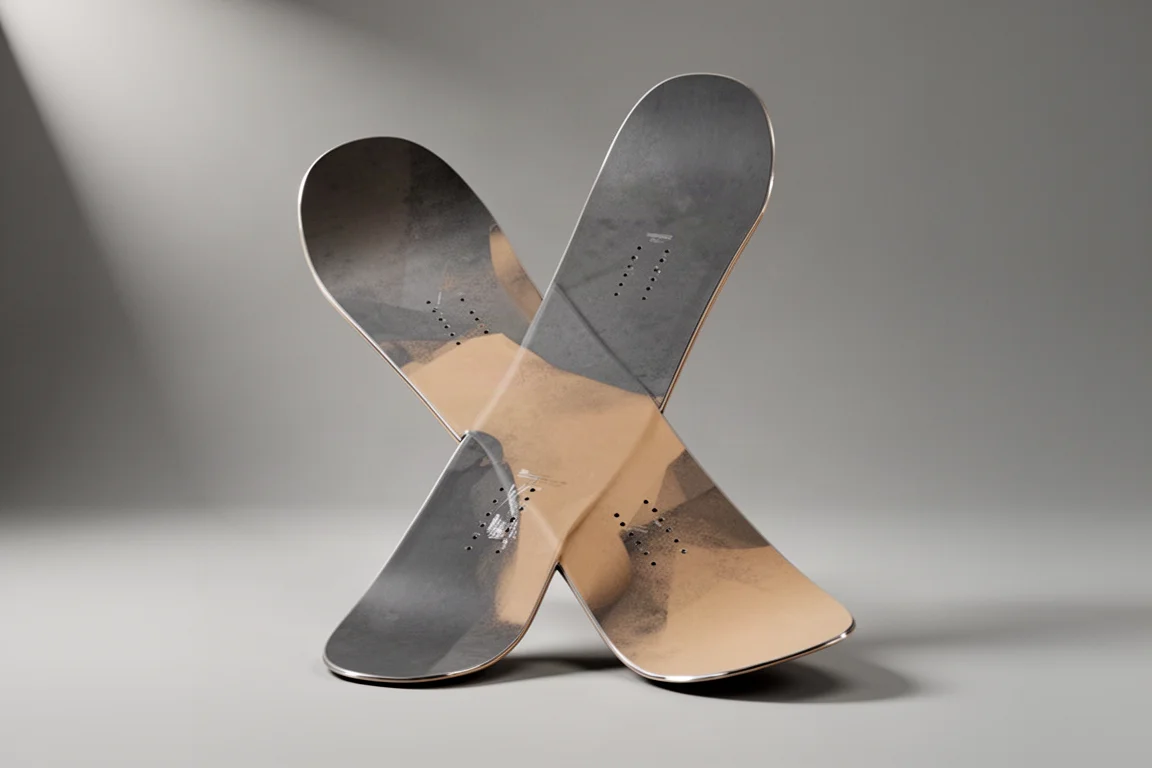
The last major piece of the puzzle is the camber profile, and it drastically changes how a board rides. The three main types are rocker, regular camber, and hybrid.
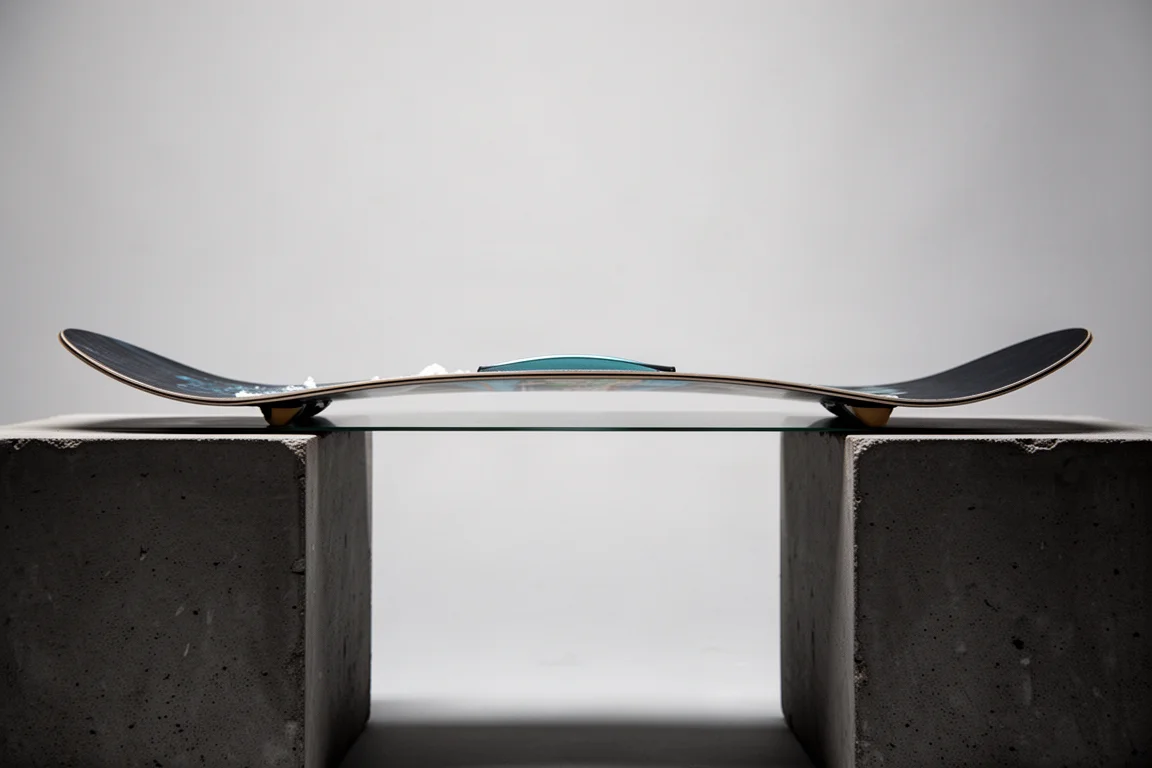
Rocker, also called reverse camber, is the most forgiving and beginner-friendly profile. Regular camber is the opposite shape and delivers the most aggressive ride, making it the least forgiving. Hybrid profiles combine both, and you will typically see a rocker section between the feet with regular camber under the feet. That arrangement offers a best-of-both-worlds scenario: the ease of rocker with the stability of camber.
Understanding camber profiles is one of the most important things when buying a snowboard, so take the time to learn the differences before committing to a purchase.
Buying Advice: Where to Shop
If you are in the market for a snowboard and have the option, head to your local snowboard shop. You will be supporting your local snowboard community, and you will be able to ask all the right questions to someone who rides and can help you find the perfect board. Bringing your new knowledge of shape, riding style, flex, size, and camber profile to that conversation makes it far more productive.
Conclusion
Finding the perfect snowboard does not have to be overwhelming. Start with the terrain you actually ride, decide whether a twin, directional, or directional twin shape fits your style, choose a flex that matches your skill level, size the board primarily around your weight and boot width, and understand how the camber profile will change the feel underfoot. Match those fundamentals to one of the boards highlighted above, from deep-snow specialists like the Lib Tech Orca to versatile daily drivers like the Capita Mercury, and you will end up with a board that feels right every time you strap in.
Further reading
Related Reviews
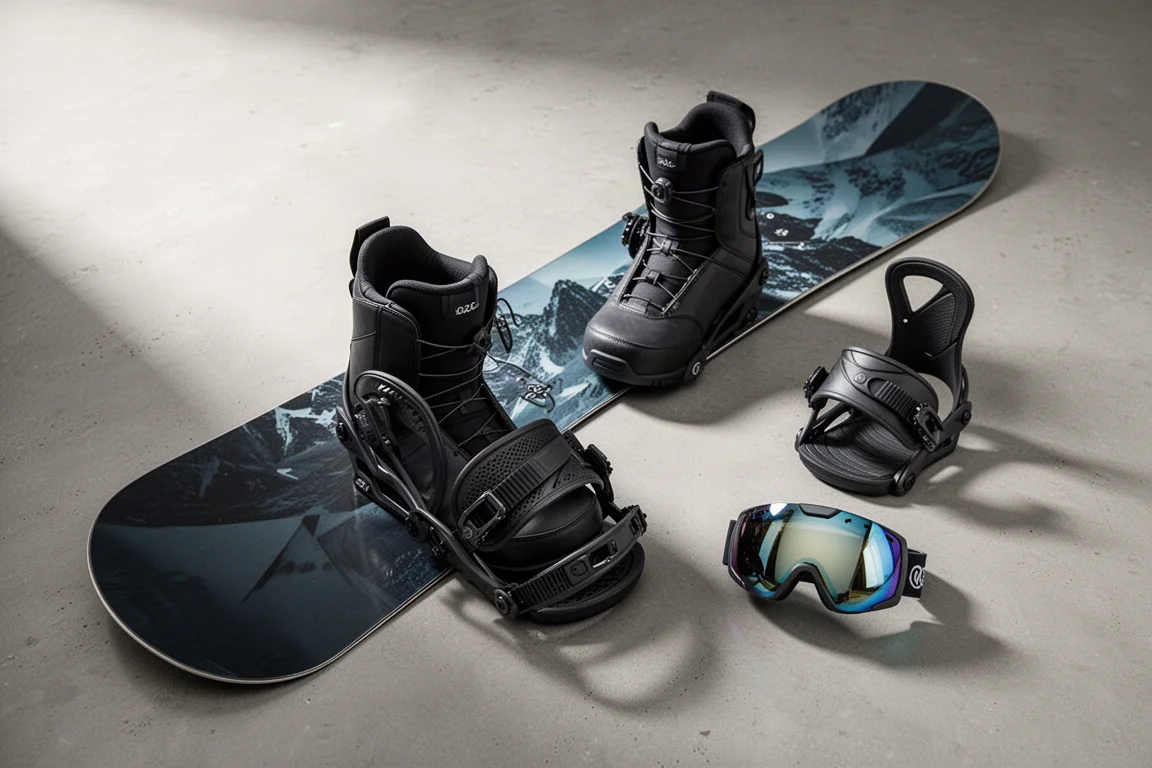
Snowboarding
2025 Snowboard Gear List: Five Picks That Earned Their Place on the Mountain
From Zeiss-lens goggles to a hybrid step-in binding, here are five pieces of 2025 snowboard gear that held up across a full season of riding.
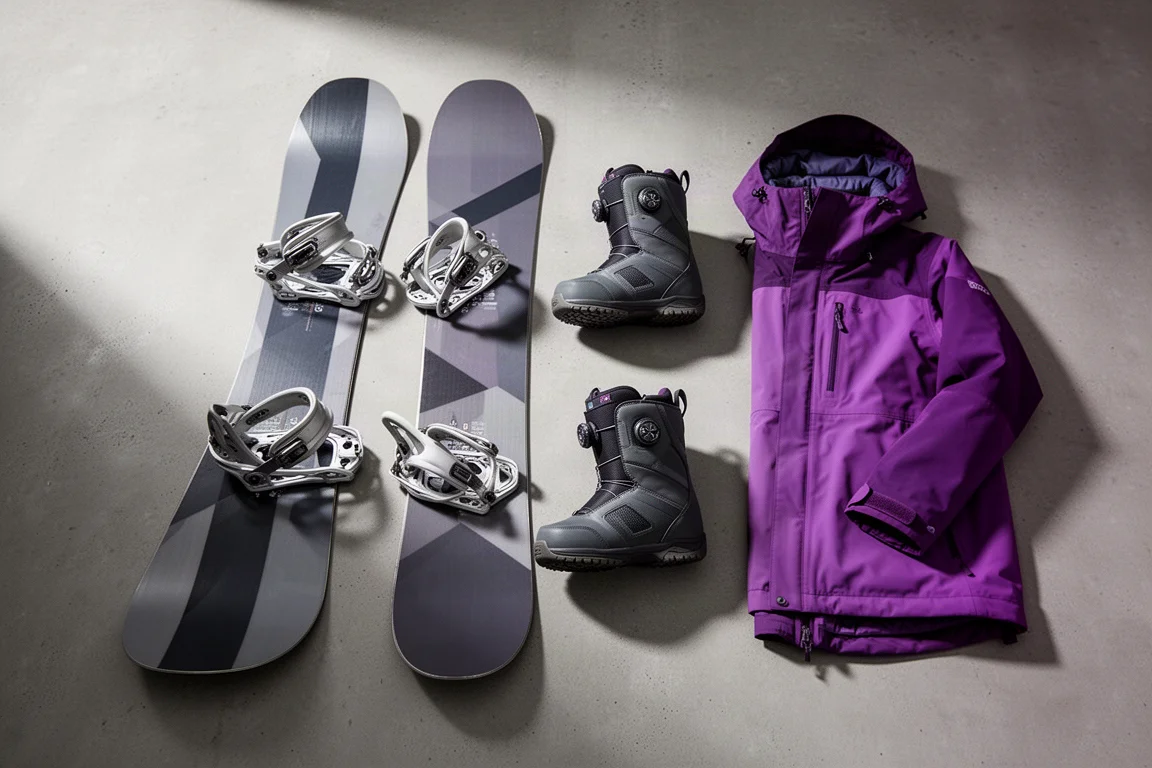
Snowboarding
2026 Snowboard Gear List: Boards, Bindings, Boots and Outerwear Worth a Look
A season-ready snowboard setup built from the bottom up: base layers, Strafe outerwear, Ride and Union boots, Union bindings, and two new Capita boards.
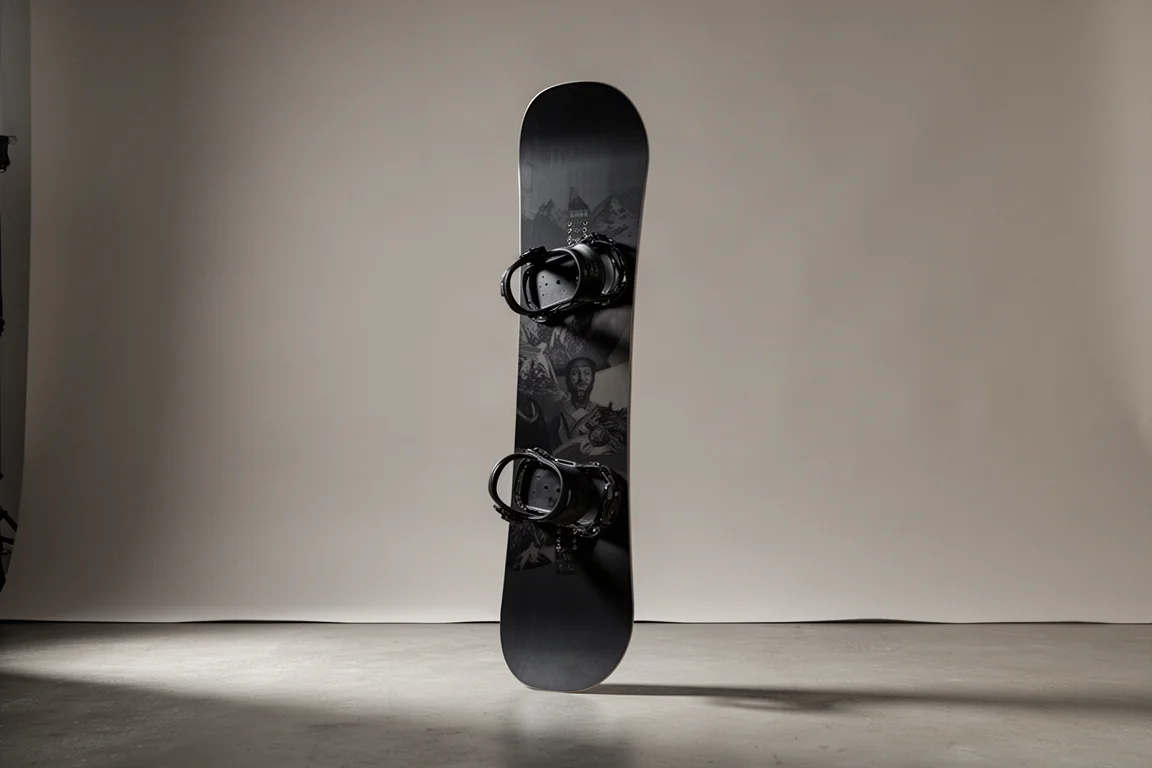
Snowboarding
32 Cold World Review: A Playful Hybrid Camber Board for Park Laps
The 32 Cold World blends classic camber underfoot with flat nose and tail sections for a predictable, butter-friendly ride aimed at intermediate park riders.