Snowboarding
The 5 Types of Snowboards Explained: How to Pick the Right Board for Your Riding Style
All-mountain, park, freeride, beginner, and powder boards each solve a different problem on the mountain. Here is what separates them and which boards stand out in each category.
Introduction
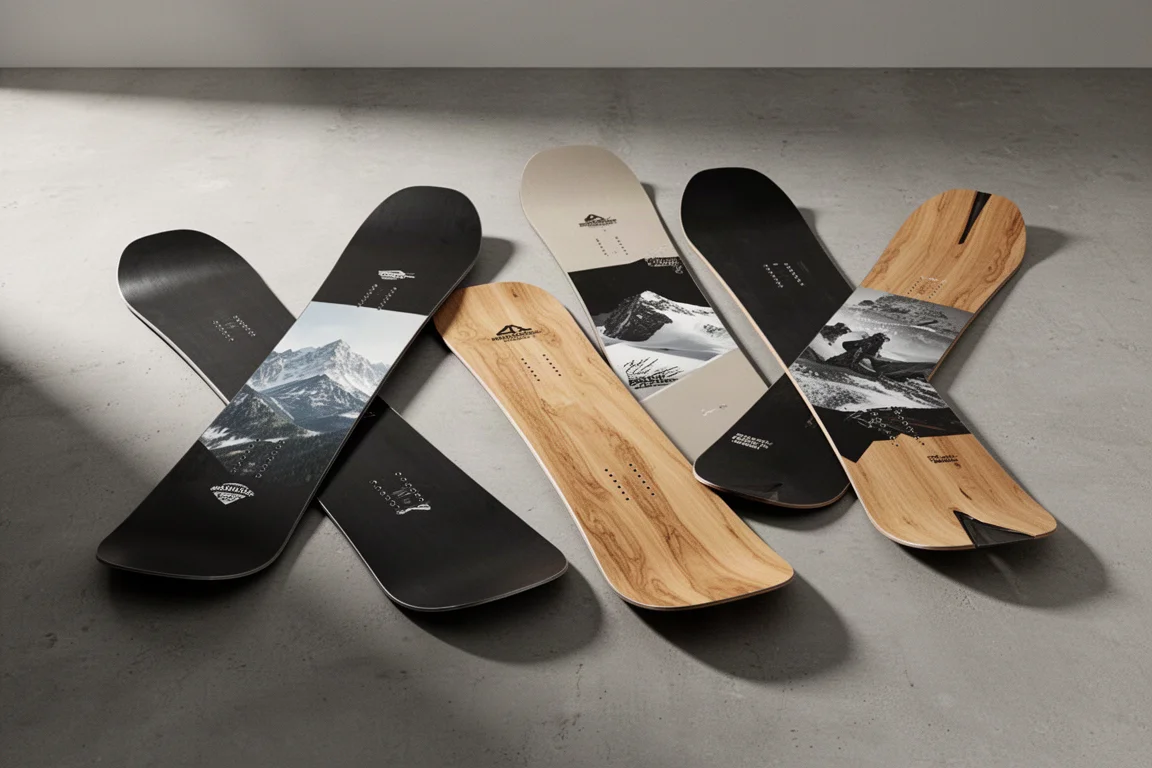
Snowboarding covers a lot of different riding styles, and every style maps to a type of terrain on the mountain. The board that excels at lap-after-lap carving is not the same board that shines in the terrain park, and neither of those is the right tool for deep powder in the trees. Matching your board to the way you actually ride is the single most effective way to enjoy your days on the mountain more.
This guide breaks down the five main snowboard types, the design features that define each one, and standout boards worth considering in every category.
What to Look for Before You Buy
Before diving into the categories, it helps to understand the building blocks that make each board behave differently. Flex, camber profile, shape, and sidecut all work together to determine where a board feels at home.
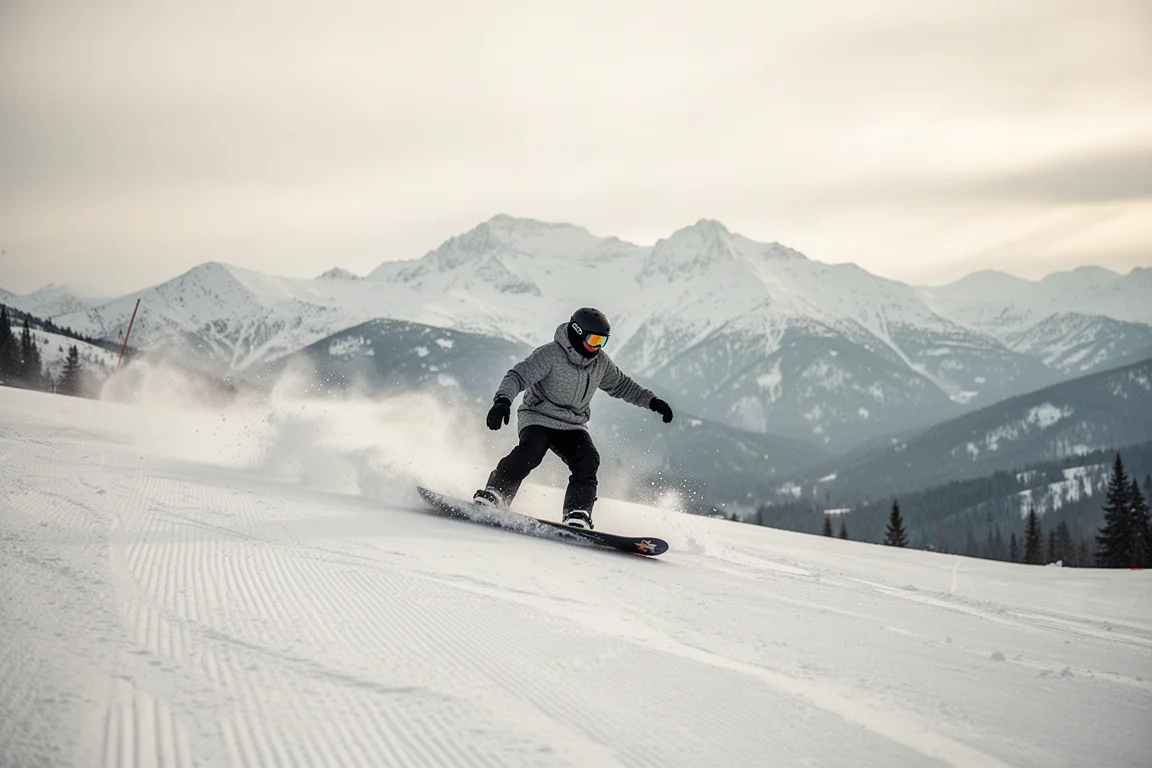
Flex matters first. Mid to stiff boards give you stability at high speeds and support on landings, while softer boards twist and maneuver more easily, which helps for butters and for riders still building skills. Camber profile follows: positive camber holds an edge and provides pop, while rocker lifts the contact points and makes turns easier and far more catch-free. Shape and sidecut round things out, with directional shapes favoring one-way riding in powder and carves, twin shapes favoring switch riding and tricks, and larger sidecut radii supporting bigger, drawn-out turns.
Sizing deserves attention too. All-mountain boards call for a mid-length on the sizing chart, park boards run shorter for quicker turns and lighter swings, and powder boards generally run longer and wider to help with float. If you ride a size 11 boot or larger, a wide board is worth a serious look to avoid toe and heel drag.
All-Mountain Snowboards: The Do-It-All Choice
An all-mountain snowboard is designed to handle a bit of everything in a single day: carving groomers, hitting side hits, the occasional powder run, and even a few laps through the park. Its real strength is optionality rather than specialization.
These boards typically run a mid to slightly stiff flex for high-speed stability, a directional shape focused on one-way riding, and a larger sidecut that supports big carving turns. Powder and park are not their strengths, but they remain workable when the mood strikes.
Burton Custom
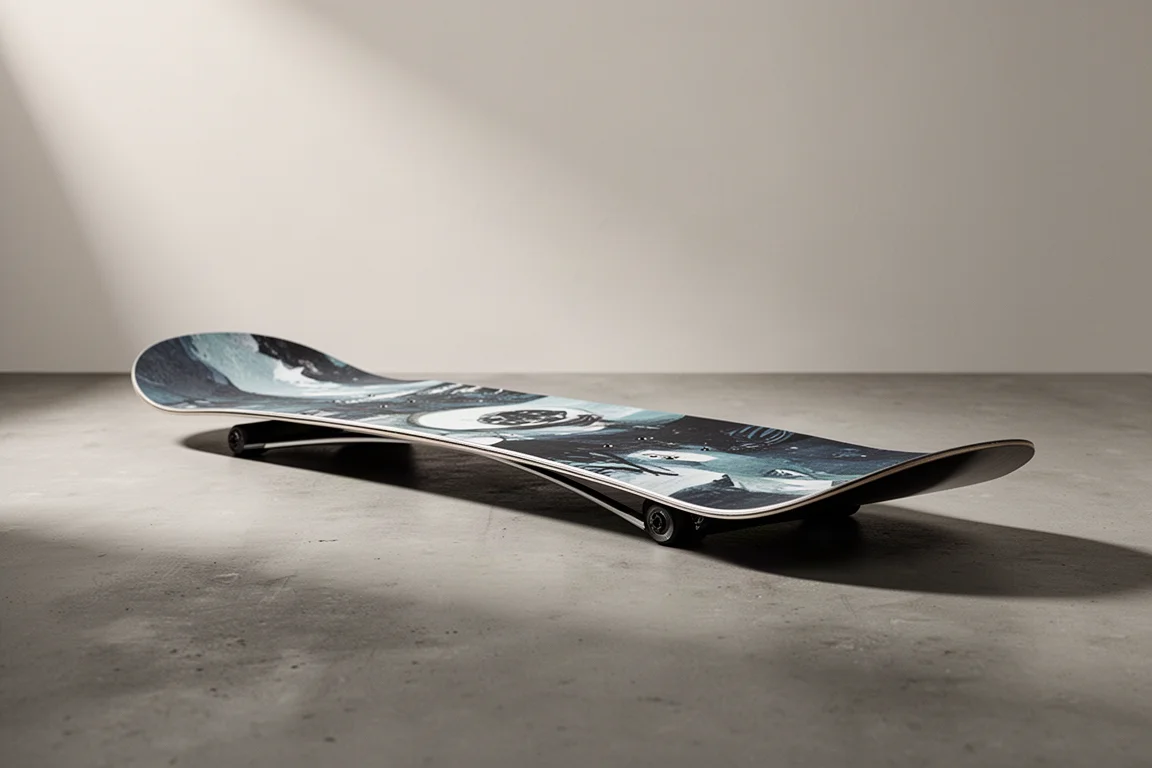
The Burton Custom is a standout all-mountain pick thanks to its positive camber, which keeps plenty of edge in contact with the snow through a carve and delivers strong pop off side hits. It sits on the stiffer side of medium, giving you stability at speed and support on landings, and its mild directional shape, with a slightly larger nose and smaller tail, adds a touch of float in powder while still letting you ride switch and take it into the park.
Capita Megadeath
The Capita Megadeath leans a bit more toward powder-friendly all-mountain riding. It is on the stiffer side with plenty of camber, but unlike the Custom, it carries more rocker toward the nose to help it float when the snow gets deep. That retained camber keeps it fun and lively for carving around the mountain. If your all-mountain riding drifts toward powder days, the Megadeath is the better match; if the park calls more often, the Custom is the friendlier choice.
Park Snowboards: Twin Shapes for Tricks
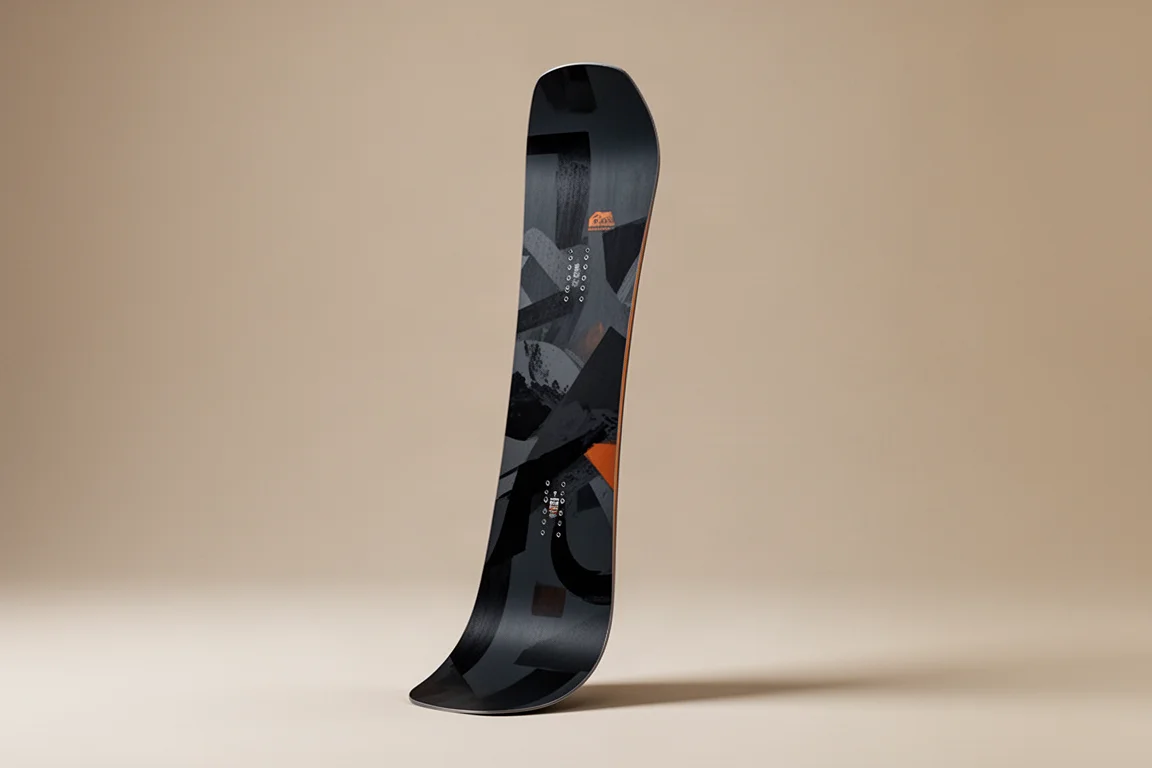
Park snowboards are built for the terrain park, and their design reflects it. A twin shape means the board rides and feels the same in either direction, so takeoffs and landings switch feel identical whether you ride regular or goofy.
Flex typically runs mid to soft. Softer flex suits butter tricks and smaller features, while mid flex adds the stability needed for bigger jumps and rails. Most park boards blend positive camber under the feet with reverse camber toward the contact points, which makes turns easier and reduces catches when hopping onto rails. The sidecut is smaller for shorter, quicker turns, and sizing runs to the smaller end of the chart for lighter, more maneuverable swings in the air.
Capita Indoor Survival
The Capita Indoor Survival pairs a soft flex around a four with positive camber and rocker toward the contact points, making it easy to turn and forgiving of catches. As a true twin, it rides exactly the same in both directions, which makes it a dependable choice for technical park laps.
K2 Afterblack
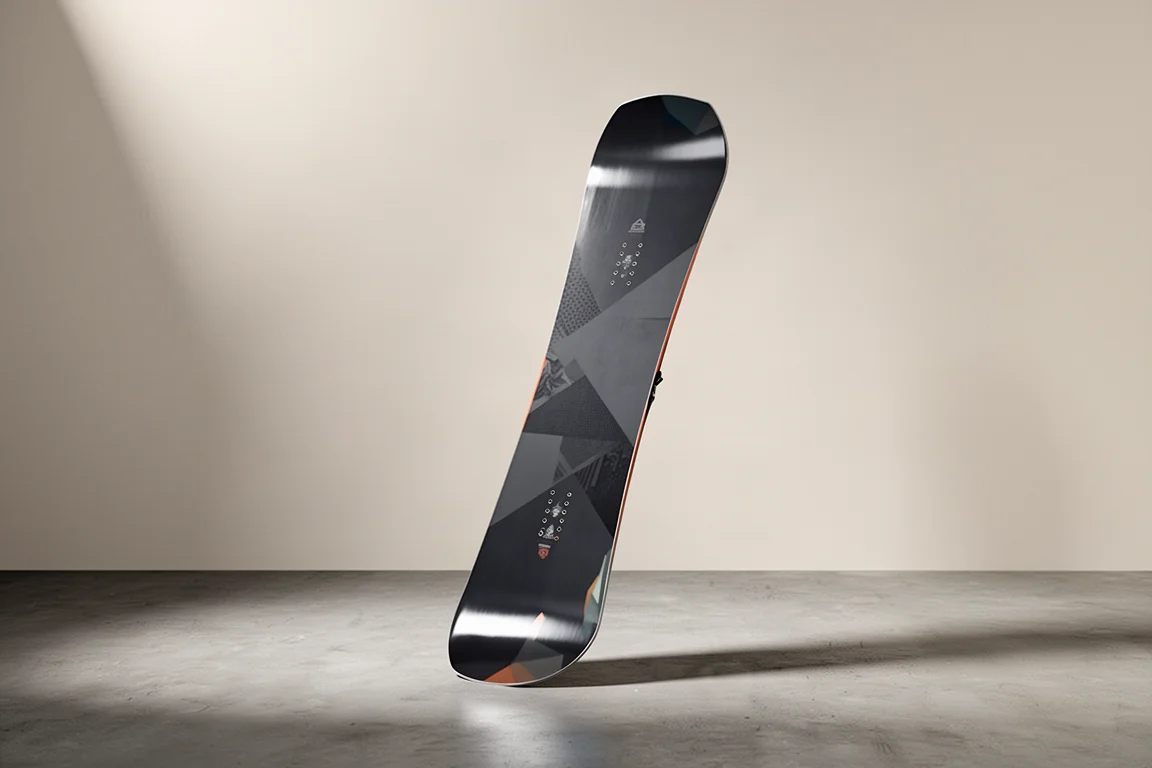
The K2 Afterblack offers a slightly different flavor. Its mid flex, around a five, adds stability for bigger jumps and harder landings while keeping the mostly-camber-with-rocker-tips profile that makes park boards easy to turn. One interesting detail: even with a 9.5 boot, many riders enjoy this board in a wide size, since the extra surface area helps with balance on boxes and rails and completely eliminates toe and heel drag.
Freeride Snowboards: Built for Off-Piste Terrain
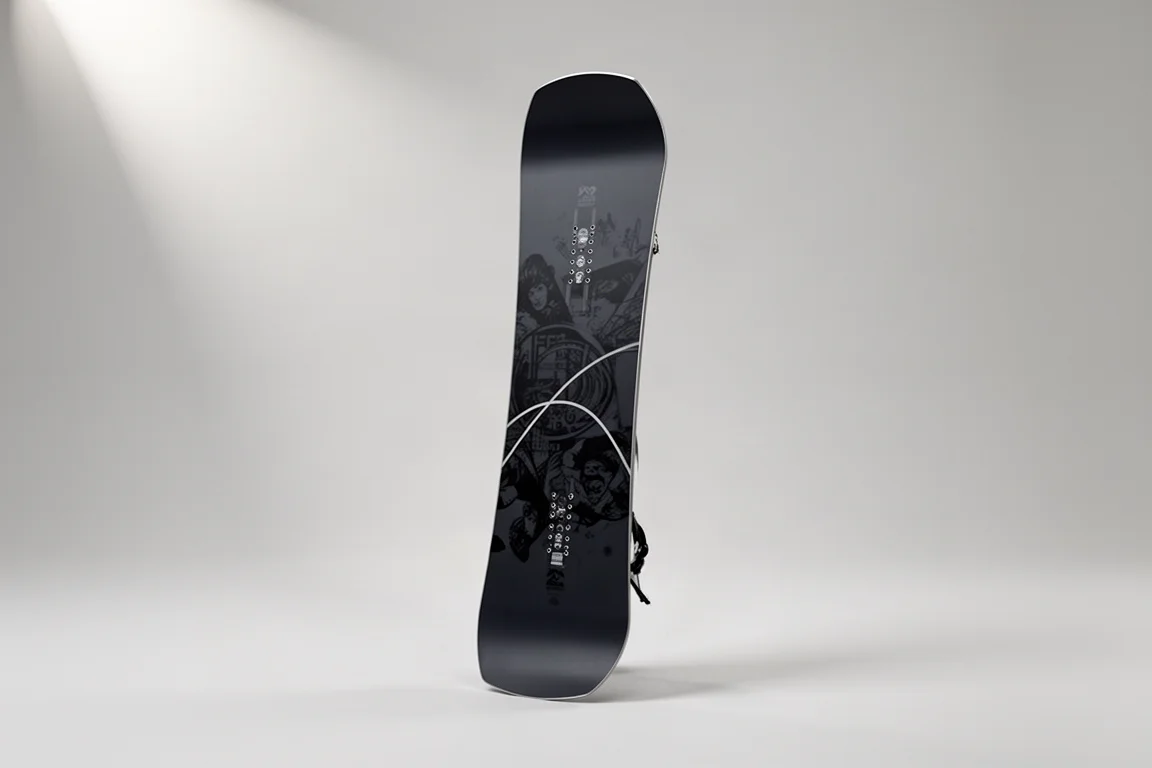
Freeride boards take you off the groomers and into the trees and alpine, where big powder turns and small drops into soft snow become the whole point of the day.
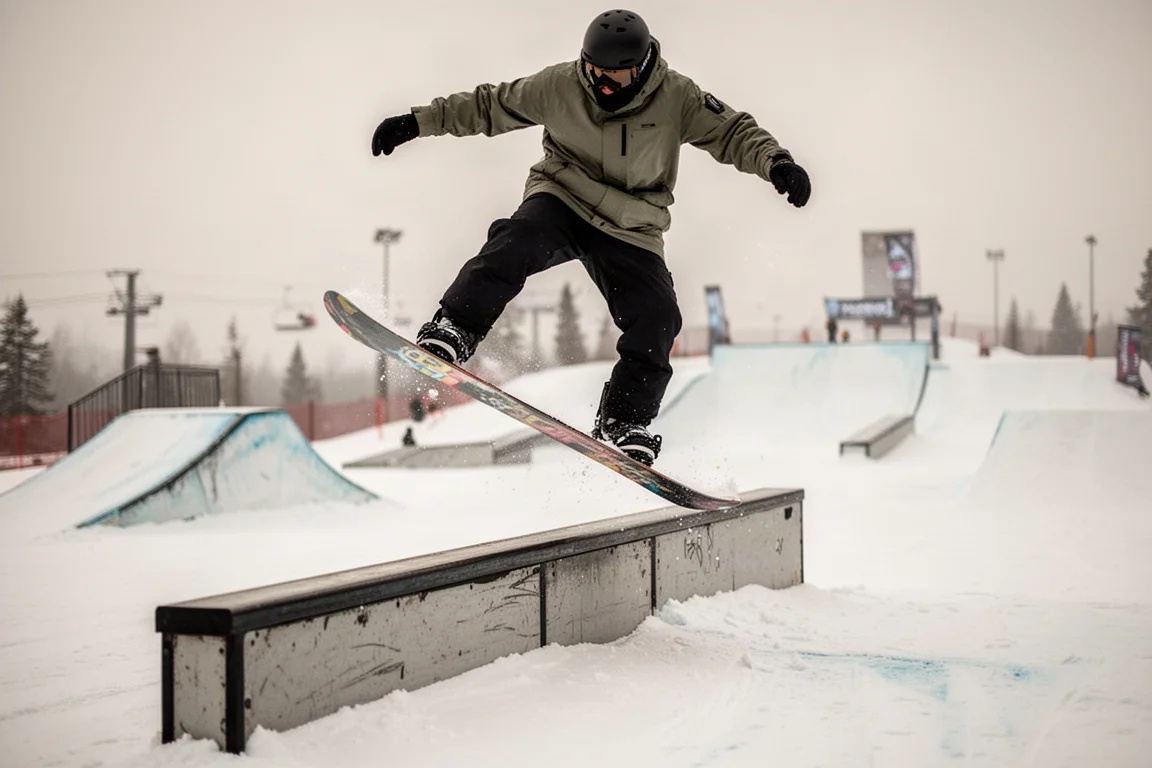
Design-wise, a freeride board carries a small taper, with the nose one or two centimeters wider than the tail, to help it float in powder. It is fully directional, either through a longer nose and smaller tail or a set back stance that lets you mount your bindings slightly rearward. Most are also stiffer, which pays off when riding fast or riding out a drop.
Arbor Annex (Arbor GPS)
The Arbor Annex, recently renamed the Arbor GPS, checks every freeride box. The nose is slightly wider than the tail, the stance is set back to enlarge the effective nose, and the camber profile stays mostly positive until the nose begins to rocker up. That combination lets it ride effortlessly through powder while the rear camber keeps the back foot planted and stable. It proved especially well suited to big mountain lines and drops in the alpine terrain of Gulmarg, India.
Capita Aeronaut
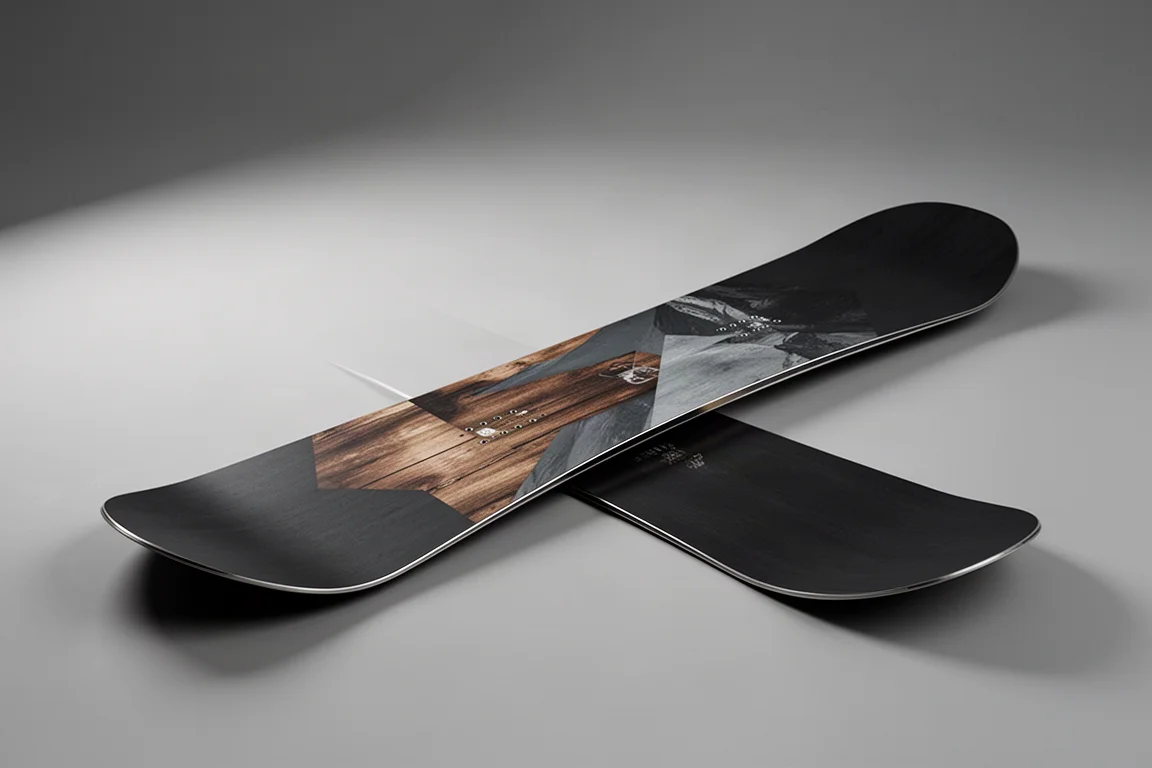
The Capita Aeronaut brings serious freeride credentials too. It is on the stiffer side for stability, has a slightly larger nose for powder float, and is camber dominant, giving strong pop out of the tail and dependable landings. Ridden extensively in Argentina on steep, fast powder runs with drops mixed in, it stood out as a board that makes big mountain lines noticeably easier, especially when the plan involves speed and steep terrain.
Beginner Snowboards: Easy, Forgiving, Affordable
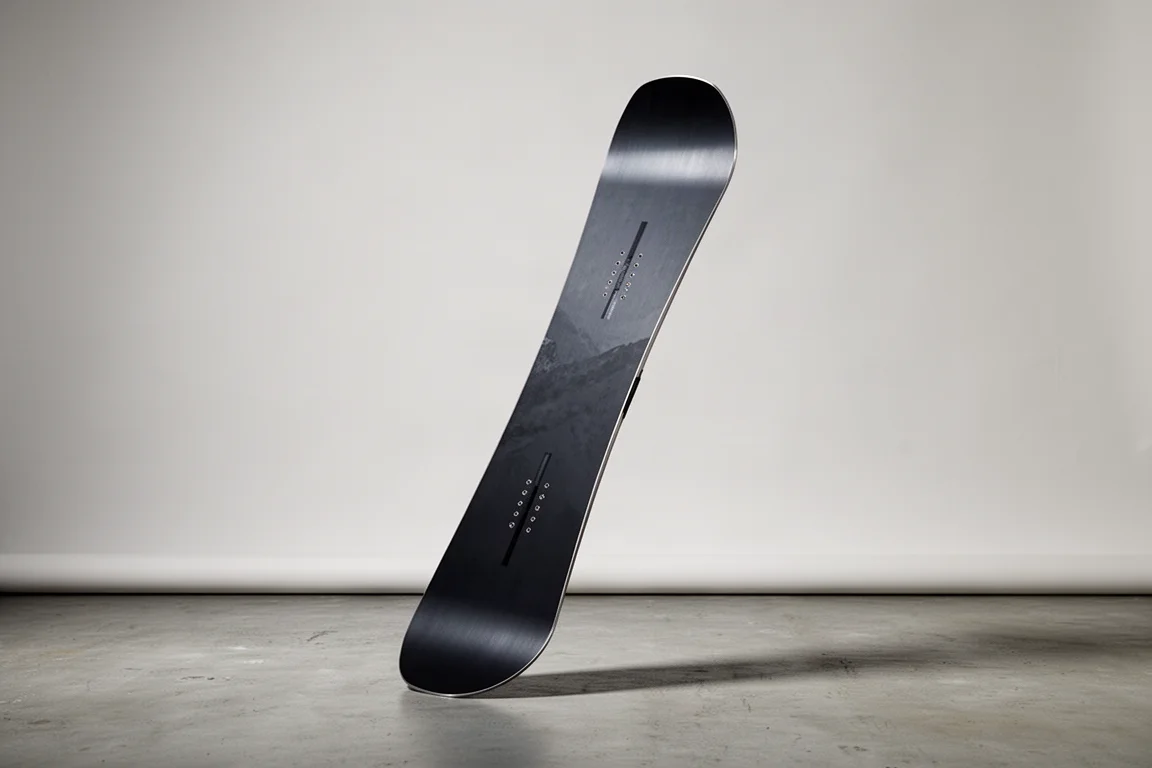
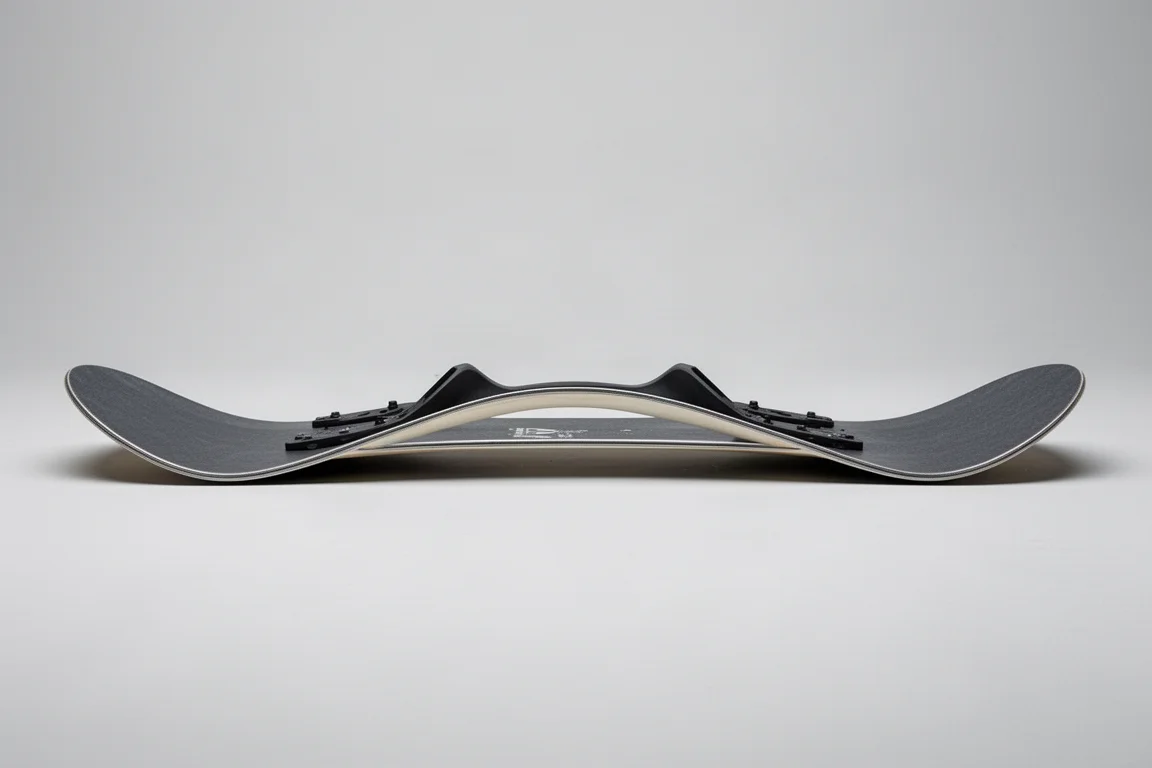
Beginner boards are probably the most popular category out there simply because so many new riders join the sport every season. The design priorities reflect that: they are inexpensive because they skip the advanced tech a new rider does not need yet, they run soft so the board is easy to twist and maneuver, and they lean toward rocker-dominant profiles, which lift the contact points and make turning easier and much more catch-free.
That said, a beginner board does not have to be pure rocker. Mixes work too, such as flat or camber in the center with the tips rising away, or camber under the feet with rocker in the middle and at the tips. A twin shape is also a nice touch for beginners, since the board feels identical whichever way you point it while you figure out whether you ride regular or goofy.
GNU Money
The GNU Money is a favorite entry-level board that comes in at the lower end of its brand’s lineup. It is rocker dominant, so the contact points come up out of the snow, making it turn very easily and feel more catch-free, exactly what a new rider needs while learning to link turns.
Arbor Draft
The Arbor Draft follows the same winning recipe. It is very inexpensive, rocker dominant, and forgiving, making it a solid pick to beat up and learn on. Keep in mind that every brand offers its own entry-level board along these lines, so an inexpensive, easy-riding option is easy to find. Once your skills progress, your next board can match the specific style of riding you end up loving.
Powder Snowboards: Made for Deep Snow Days
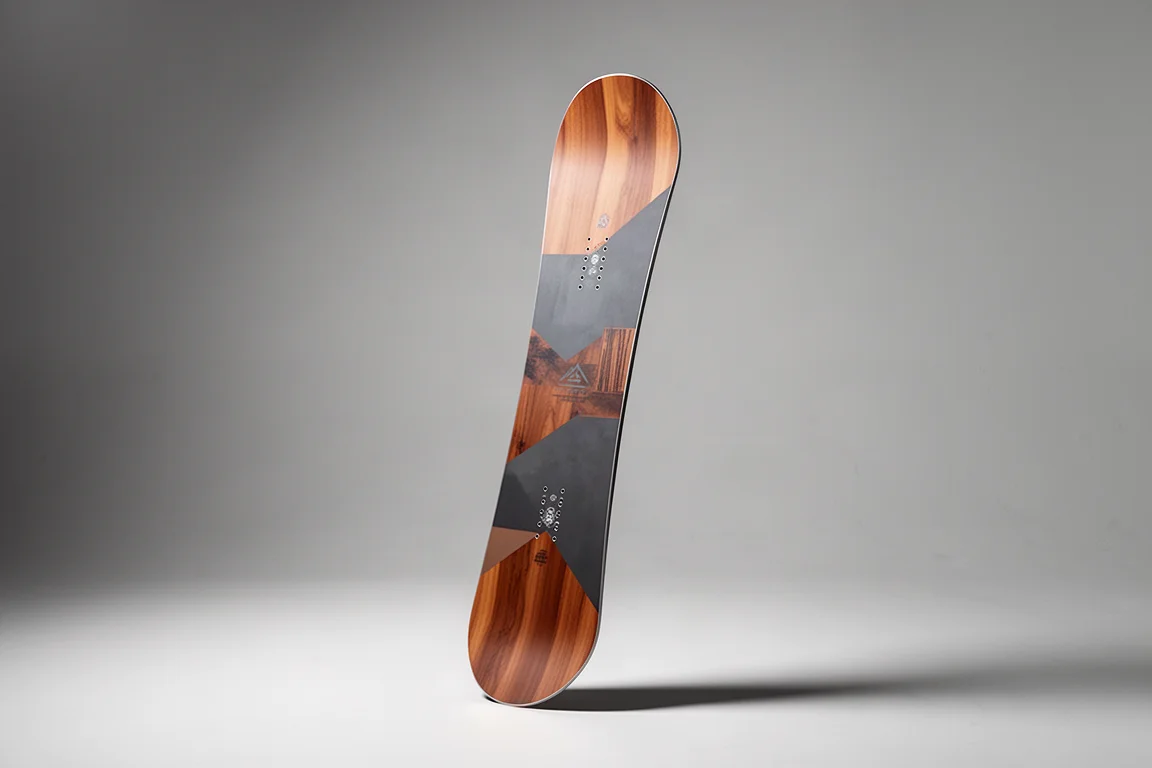
Powder-specific boards exist for the dream days: multiple feet of fresh snow at your home resort or a trip to Japan, when light snow demands a shape built to keep you floating on top.
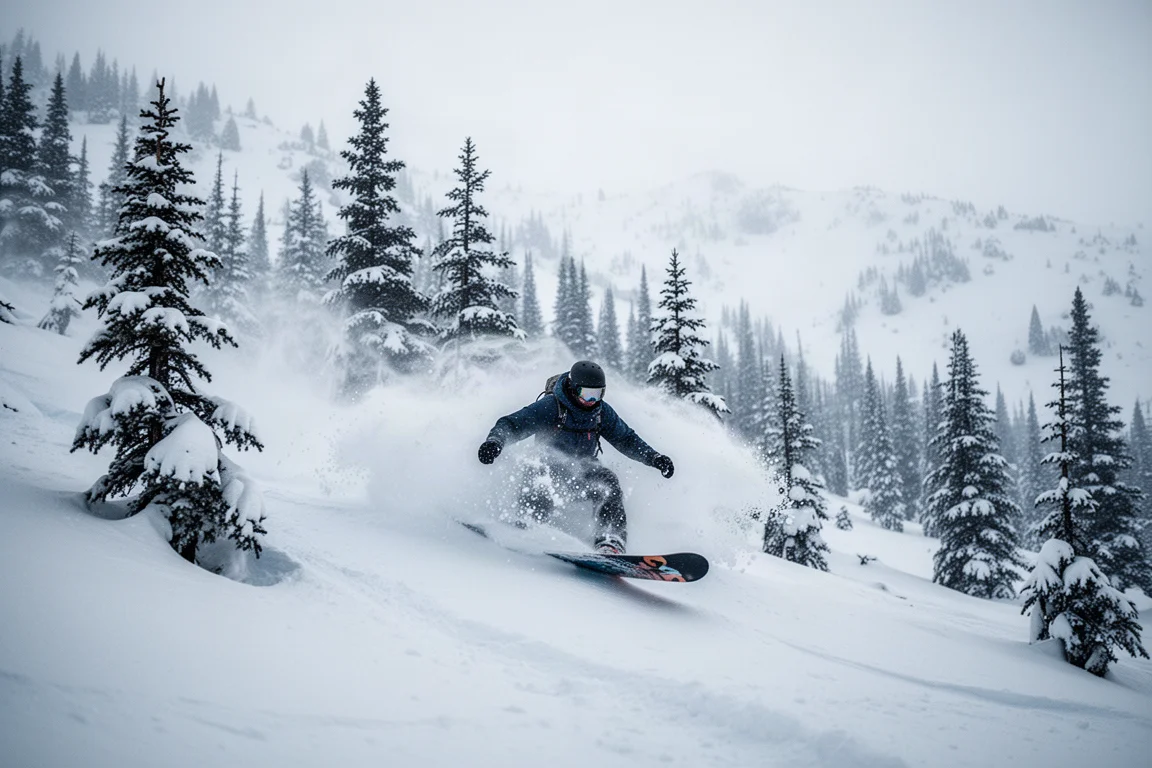
The recipe is consistent. A taper of two or three centimeters between nose and tail, a stance set back toward the tail so the tail sinks and the nose floats, and sometimes even a swallowtail with a section of the tail cut out to deepen that effect. Powder boards also run a larger sidecut radius for longer, straighter lines at speed, and a mid to stiff flex that absorbs the little bumps hidden under the snow so the board does not get pushed around while you charge.
United Shapes Deep Reach
The United Shapes Deep Reach is very powder specific. It carries a good amount of rocker toward the nose to help it rise out of the snow, positive camber toward the tail for landing drops and energizing turns, and a stiffer overall feel that keeps you comfortable at high speed. A small notched-out section of the tail helps it sink just a bit better, rounding out a focused deep-snow tool.
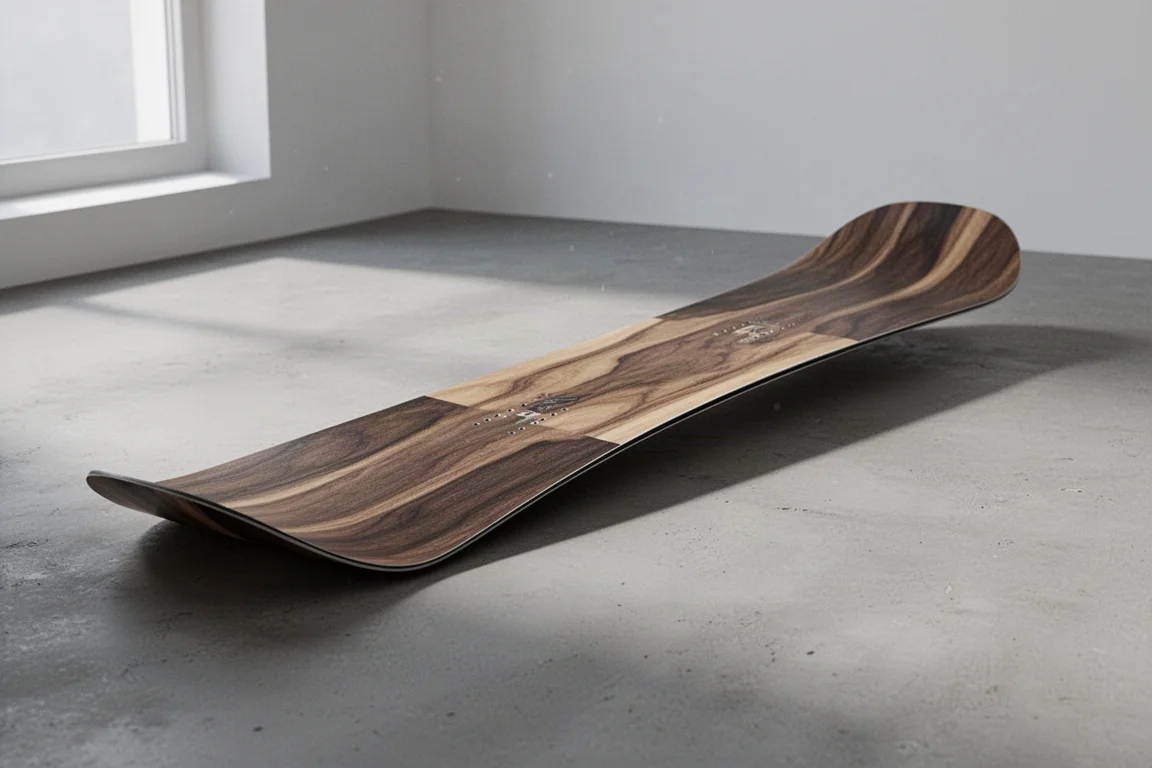
Lib Tech Orca
The Lib Tech Orca blurs the line between freeride and powder while keeping the classic taper. Two details make it special. First, its C2X profile puts camber under your feet with rocker between the feet and toward the tips, which helps it float easily and makes quick turns a highlight. Second, its kicked-up tail is smaller where it matters, so the tail sinks easier, yet it still provides the stability and support you need for landings in deep snow.
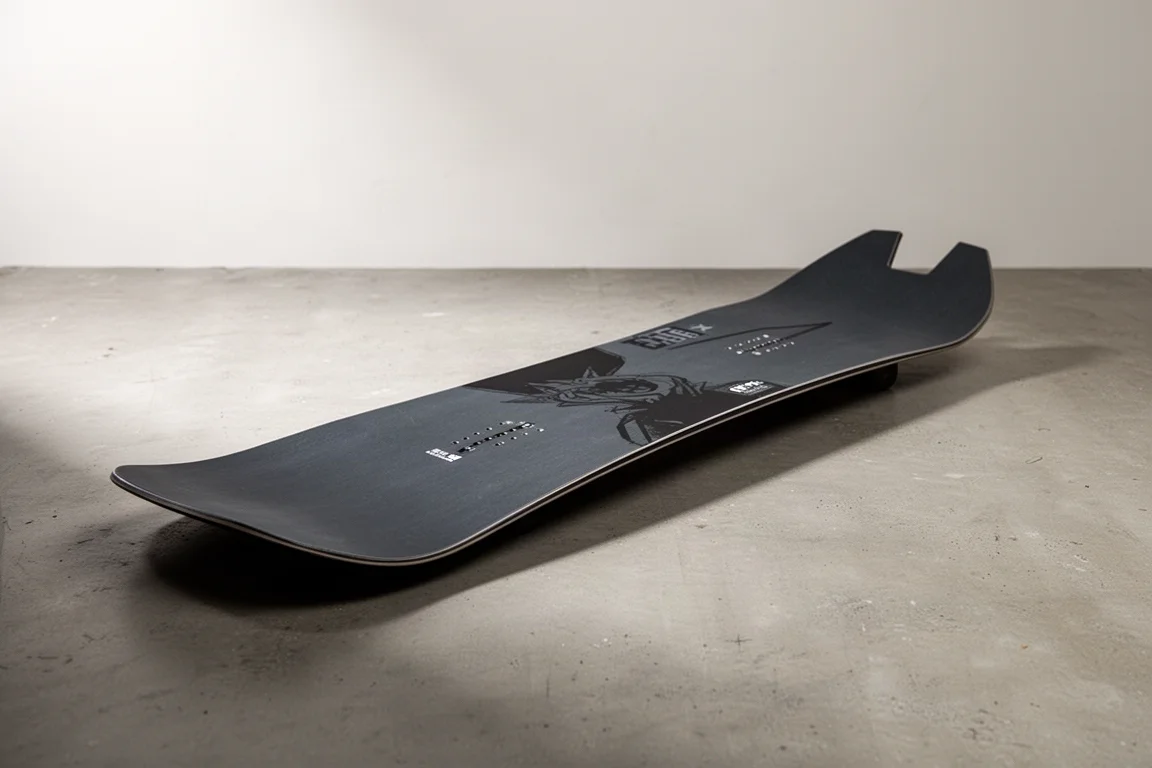
Sizing here leans longer and wider than usual, since length and width both help with float. Some powder boards are volume shifted, meaning they are meant to be ridden shorter and wider. Think of a volume-shifted board as a cruising powder board, better suited to slower laps through trees or gentler slopes than to fast big-mountain lines. If that relaxed style matches your idea of a powder day, a volume-shifted shape may be the perfect fit.
Overall Buying Advice
The simplest framework is to buy for the terrain you ride most. If you want one board to do a little of everything, an all-mountain board like the Burton Custom or Capita Megadeath is the answer. If the park is your home, a twin like the Indoor Survival or Afterblack will feel right. Riders drawn to the backcountry should look at the Arbor Annex or Capita Aeronaut, new riders should start on something inexpensive and rocker dominant like the GNU Money or Arbor Draft, and dedicated powder hunters will get the most from the United Shapes Deep Reach or the Lib Tech Orca.
It is also worth sizing honestly. Match your boot size to the board width, especially at size 11 and up, and follow the category norms: mid-length for all-mountain, shorter for park, longer and wider for powder.
Conclusion
Five board types, five different ways to enjoy the mountain. Understanding what flex, camber, shape, and sidecut do for each style turns a confusing wall of snowboards into a clear decision. Pick the category that matches where you spend most of your time, choose a standout board within it, and you will feel the difference every single run.
Further reading
Related Reviews
Snowboarding
2025 Snowboard Gear List: Five Picks That Earned Their Place on the Mountain
From Zeiss-lens goggles to a hybrid step-in binding, here are five pieces of 2025 snowboard gear that held up across a full season of riding.
Snowboarding
2026 Snowboard Gear List: Boards, Bindings, Boots and Outerwear Worth a Look
A season-ready snowboard setup built from the bottom up: base layers, Strafe outerwear, Ride and Union boots, Union bindings, and two new Capita boards.
Snowboarding
32 Cold World Review: A Playful Hybrid Camber Board for Park Laps
The 32 Cold World blends classic camber underfoot with flat nose and tail sections for a predictable, butter-friendly ride aimed at intermediate park riders.