Snowboard Gear
Best Snowboard Insoles 2026: Seven Footbeds Compared by Boot Fitters
Seven snowboard footbeds compared on support, damping, and fit, plus why the viral bowling ball drop test tells you nothing useful.
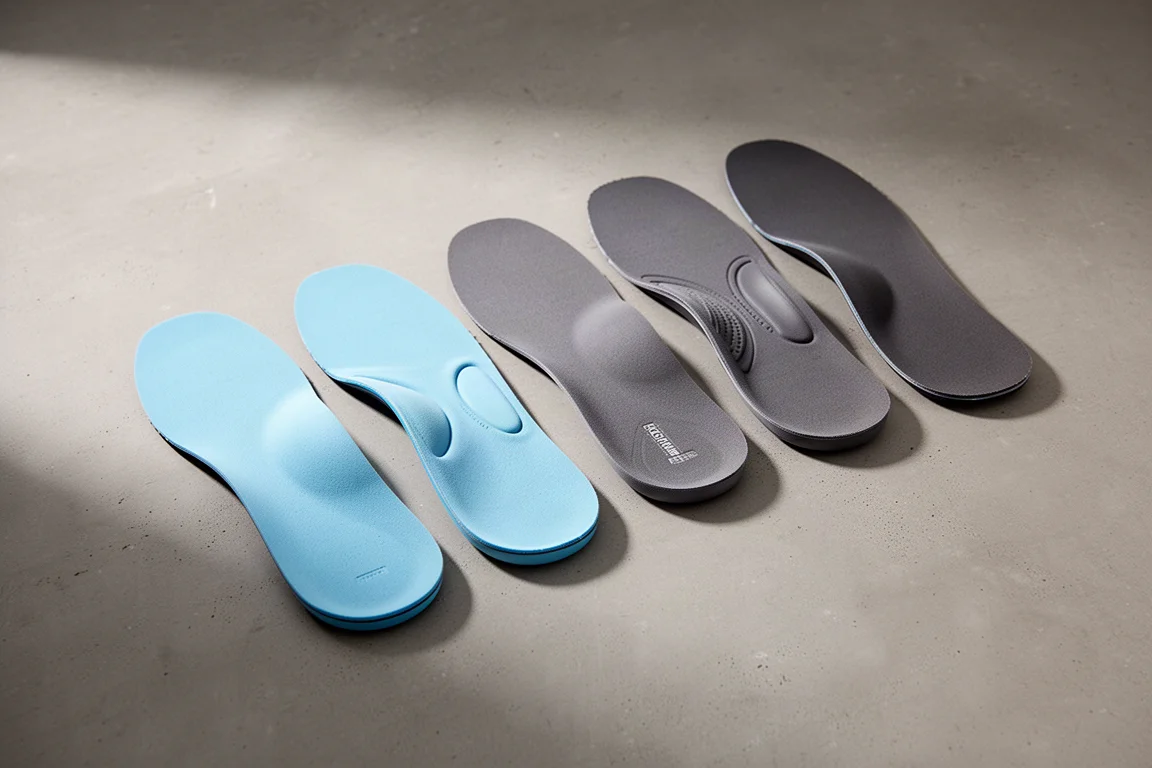
Introduction
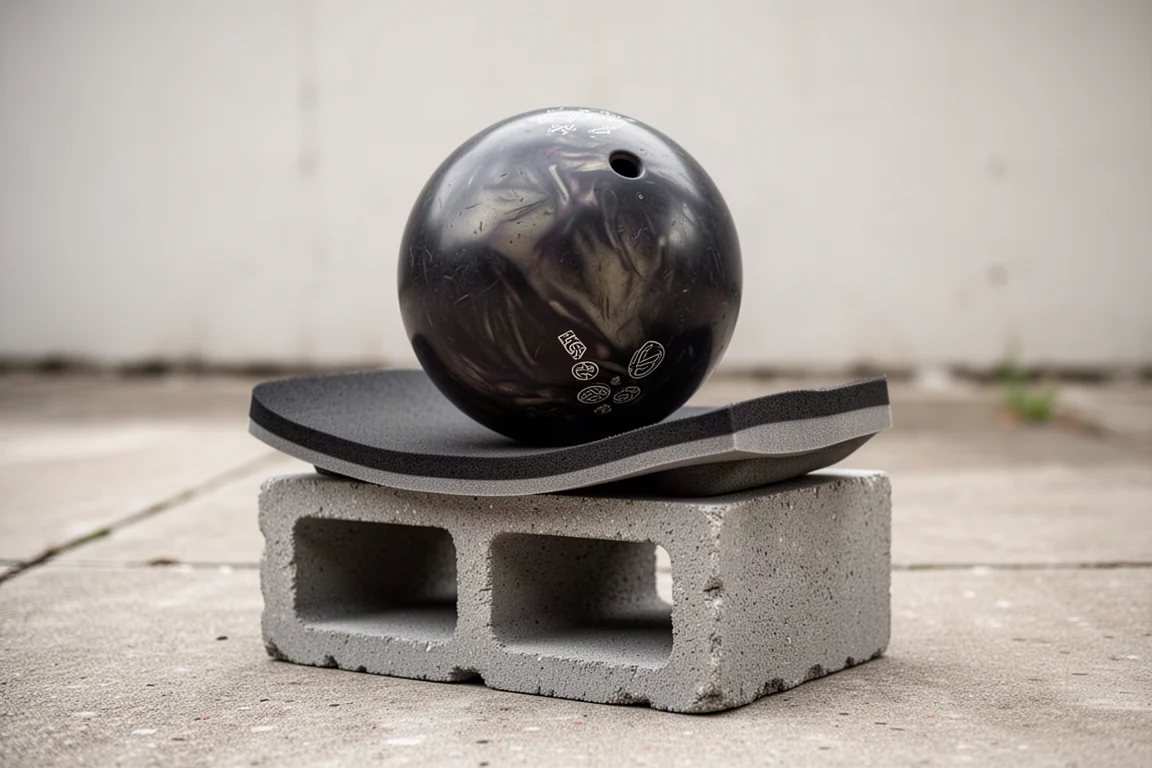
If you have been targeted by ads showing a bowling ball dropped onto a footbed sitting on a cinder block, you have probably wondered whether that says anything about how an insole performs on snow. Two boot fitters with more than twenty years of combined snowboard boot fitting experience decided to find out. They bought footbeds from seven brands, gathered cinder blocks and a bowling ball, and ran the test themselves. The unanimous verdict: the test is meaningless marketing, and it tells you nothing about how a footbed will actually support your foot.
What follows is a practical rundown of each footbed from that lineup, judged the way a boot fitter would judge it: shape, arch support, posting, damping, and how it holds up when you flex into your boot.
The Bowling Ball Test Does Not Work
The core problem with the viral test is simple physics. Your heel is not shaped like a bowling ball. A bowling ball is wide at the bottom, while your heel is much narrower. When the ball lands on a footbed it spreads force outward and pushes the material sideways. A real heel sinks in and compresses in a completely different way.
The fitters also dropped the ball on the toe sections, because riders rarely land purely on their heels. In reality you land flat base or slightly more on your toes. From a boot fitting standpoint, this test would never be used as a basis for choosing one footbed over another. It exists because it makes a striking ad, not because it measures anything relevant.
With that out of the way, here is how each footbed stacks up.
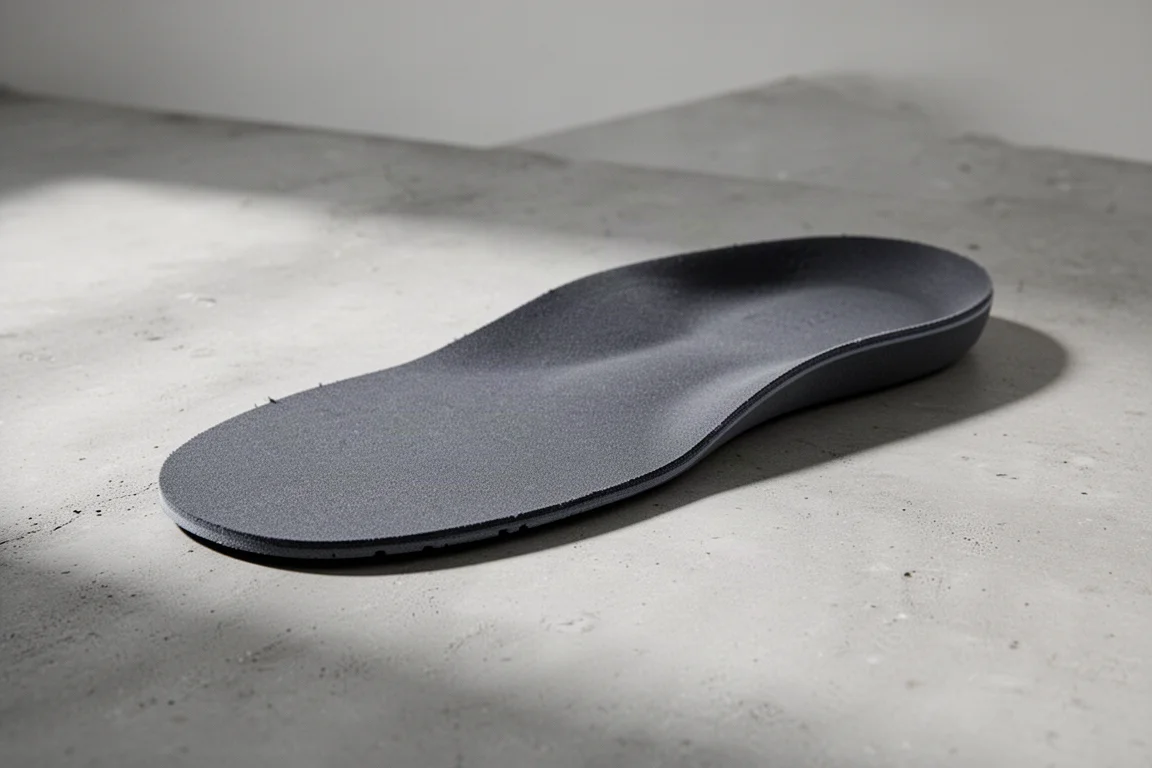
FP Elite Insole
The FP Elite is essentially a thick pad of memory-style foam with no real structure to it. Push into it and it compresses, then slowly returns to its original shape, which gives it some damping feel. The issue is support: there is no arch support at all, and even after moulding, the material does not hold its shape convincingly.
A good insole should stay in your own boot and fit your foot. The Elite is malleable enough that it could conceivably be swapped between boots, which is exactly what a well-made footbed should not do. Overall, not impressive from a boot fitting perspective.
FP Game Changers (Terje Haakonsen Model)
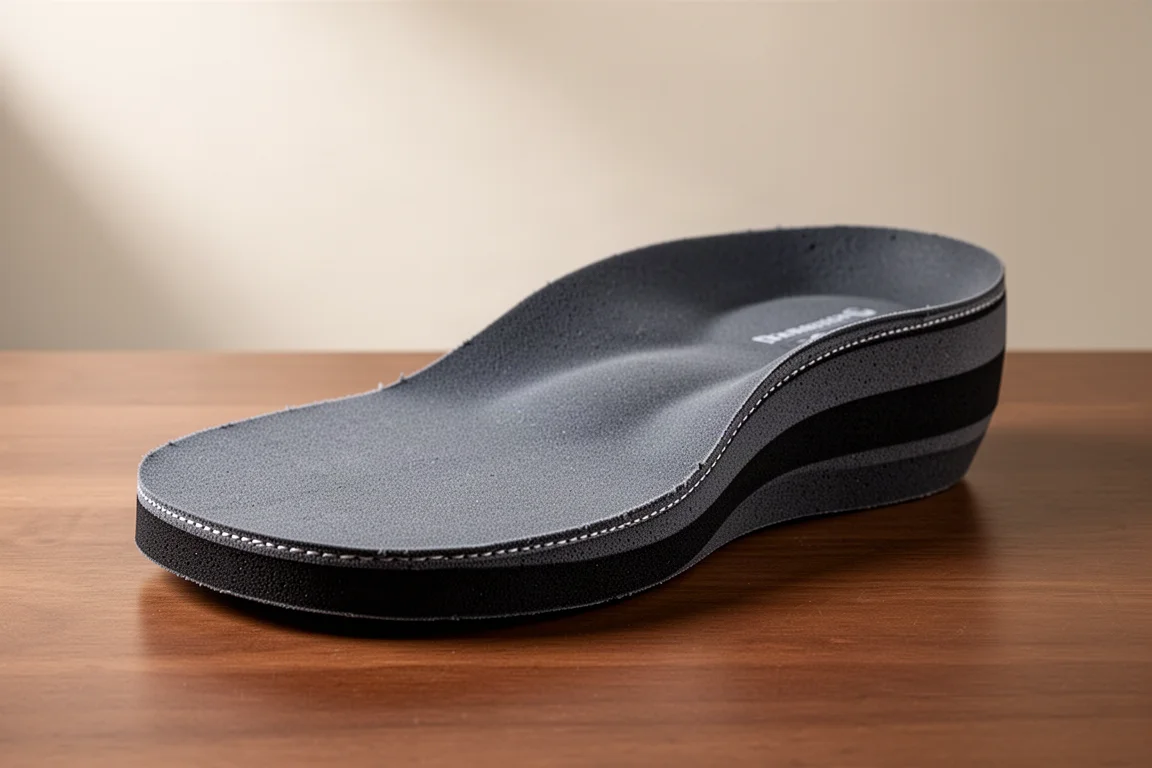
This is the model FP pushes hardest toward snowboarders. It is heat-mouldable, has a little added posting, and some degree of shape, but the verdict was again unimpressed. It is thick, the cupping is minimal, and when you press into it the foam simply returns to its natural shape rather than providing firm support.
The bottom layer of foam reads as an afterthought. Unlike other footbeds where the layers are integrated, here the third layer sits underneath and you can feel it underfoot, especially on toe side when driving hard into a turn right under the metatarsals. Stitching all the way around the edges also suggests the layers are not bonded with a strong glue. Overall it comes across as cheap for its positioning.
Shred Soles
Shred Soles comes from a long-time snowboarder, and the first thing you notice is the high arch. It is prominent enough that the fitter with flatter feet could not comfortably wear them at all, so arch height is the deciding factor here.
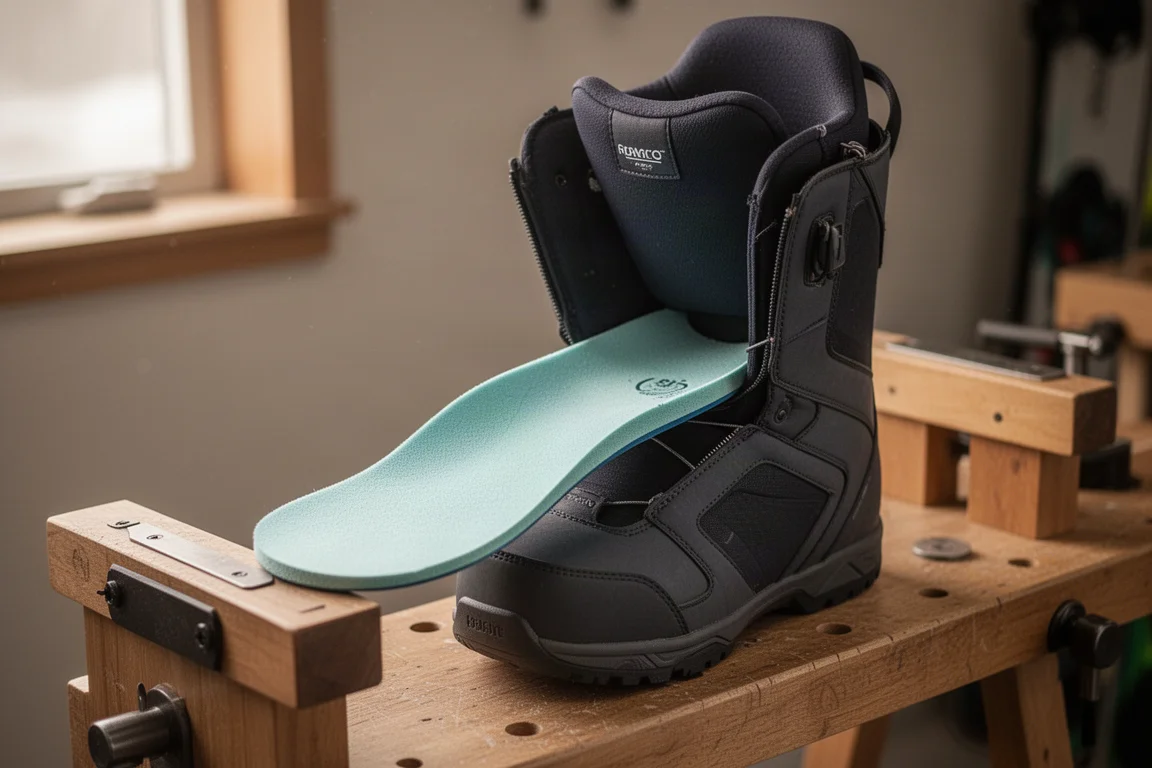
On the plus side, there is harder posting, a small rubber gel pad in the heel, and softer foam up front that dampens a bit more. The heel pocket shape is good. One detail that stood out is built-in foot canting, which can help bring bowlegged knees back into a more natural alignment and stance. Not everyone needs a canted footbed, but if you do, this one offers it. The overall take: not bad, just dependent on your foot shape and arch height.
Remind Insoles
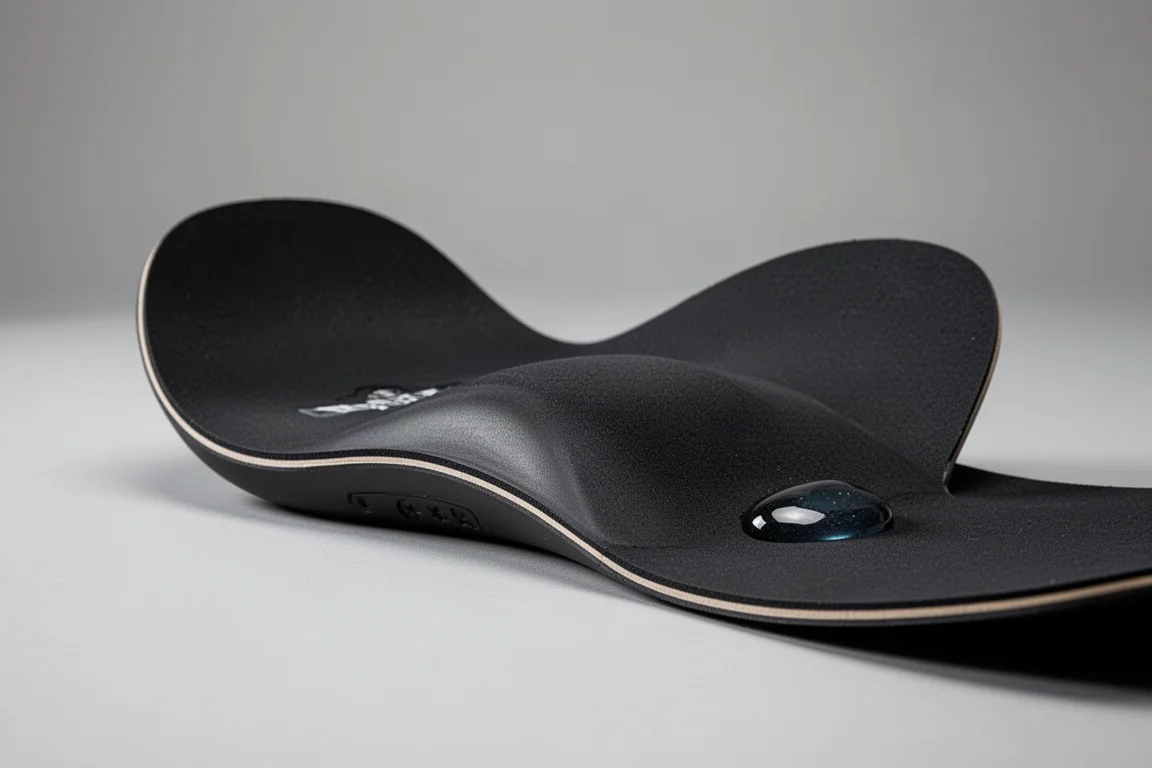
The Remind footbed uses their blue foam as a good damping agent. It has a slightly higher arch, plenty of posting, and a genuinely good shape. Like the Shred Soles, it is slightly canted, though in the opposite direction: canted on the inside to bring knock-kneed riders back out into neutral alignment. That makes it a strong match for a specific foot type rather than everyone.
What separates it from softer options is rigidity. It uses dual density foam with a firmer outside, so you still get compression and comfort, but the foam does not collapse when you drive into it. Pressing into softer footbeds pushes straight through with no resistance; the Remind keeps a more responsive feel underfoot. Of the aftermarket options in this lineup, this is the one the fitters consider the go-to.
DFP Blueprint
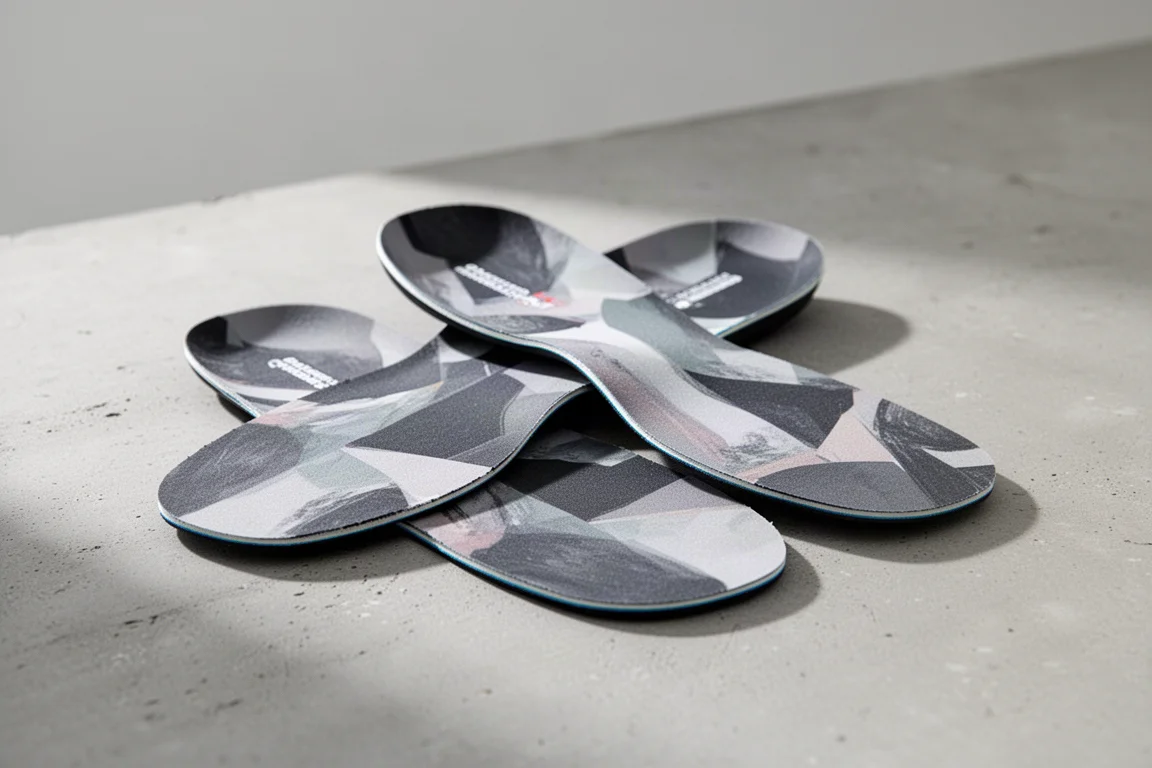
The DFP Blueprint is full cork from heel to toe, which used to be the standard for decades. On top of the cork there is a small amount of fairly soft foam posting, so if the arch does not match your foot closely, you will feel it.

The heel pocket is not the deepest, and the construction is simply single density cork with a thin foam layer on top. That simplicity is also its appeal. If you have flatter feet and only ride around five to fifteen days a season, this is a comfortable, modest upgrade over a flat stock insole without much complexity or commitment. It was also the go-to stock option the fitters sold at their shop for years.
Vans PopCush V3
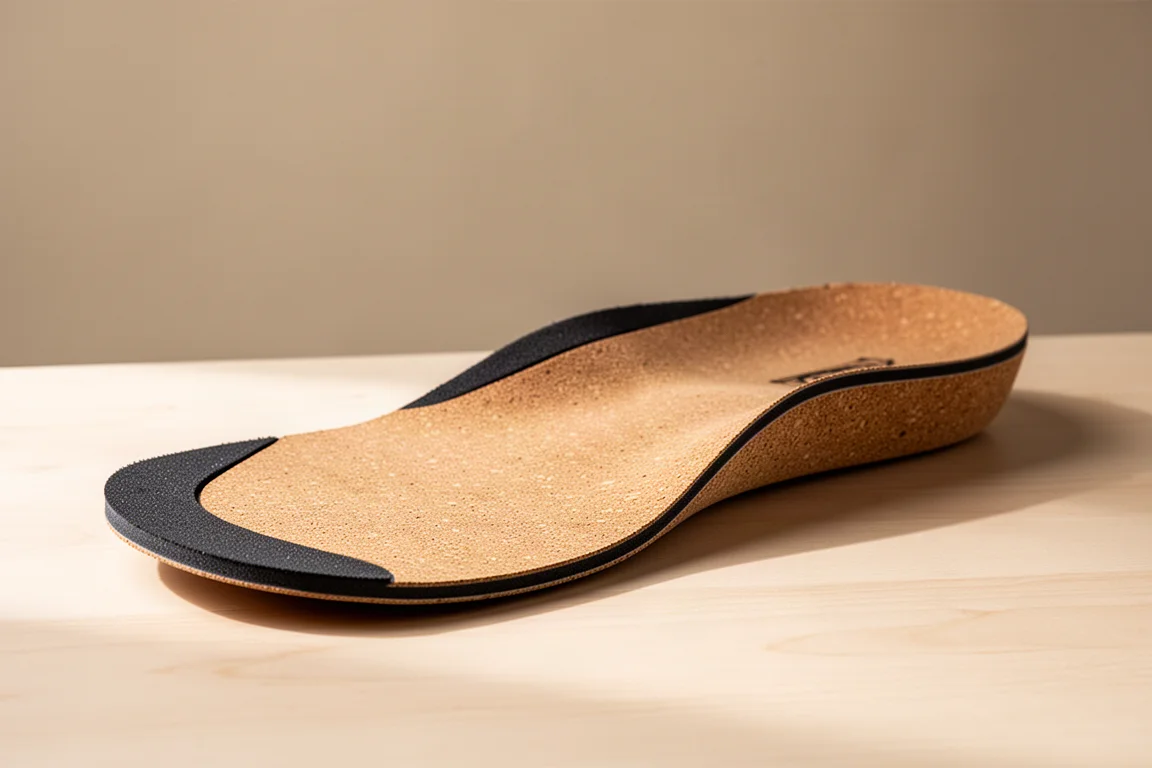
The PopCush V3 comes stock in Vans high-end boots such as the High Country, Hellbound, and Versa. It has more posting around the arch than most stock insoles, giving it better arch support, and a notably thick layer of Vans proprietary TPU, a polyurethane material that stays soft and consistent whether it is hot or cold, which is a hard property to achieve.
The fitters rate it as the best insole that comes stock with a boot. The heel cushioning is excellent, and there is genuine transition arch support under the middle of the foot, an extra arch that appears when you flex your foot and helps reduce fatigue. The caveat: if your transition arch flattens out when you flex into your boot, that support will not suit you and you should upgrade. Toward the toe it gets thinner, closer to a skate-style insole. Recreational riders and skateboarders tend to love it for the damping, but for firmer support and an arch that matches your foot, an aftermarket or full custom option is the better bet. Still, credit to Vans for investing here, since most stock insoles from other major boot brands are a thin piece of fabric that does essentially nothing.
Cedus Custom Footbeds
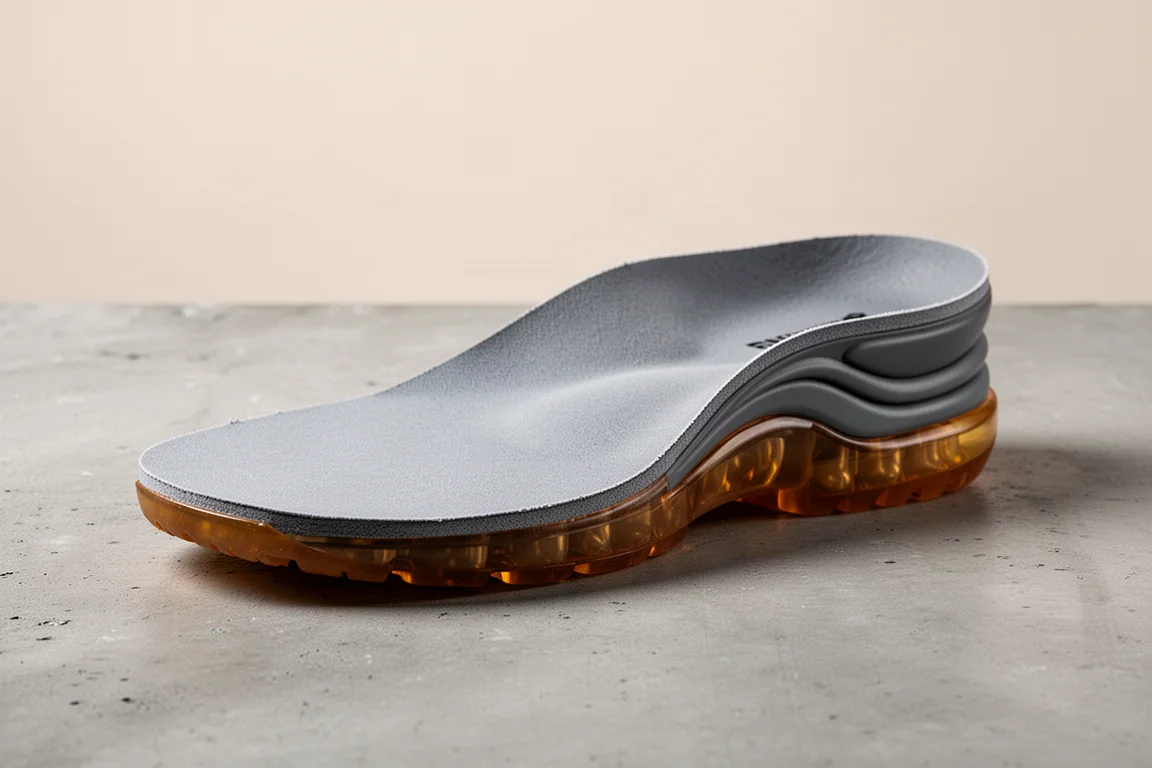
These fully custom footbeds cost around two hundred dollars, and much of that price pays for the moulding service and fitting process. Out of the box they feel aggressively uncomfortable: the test pair had a wave-shaped arch on one side, no transition arch in the middle, and a very high arch on the inside, with hard posting at both heel and toe and little softness anywhere.
They were originally made for cross-country use, and for most snowboarders they are simply too rigid. Riding park or cruising through chop and chunder, every vibration transmits straight through, and landing flat sends impact directly into the ankles and knees. Where they do shine is groomer cruising and cranking clean turns, with no big landings. If that is how you ride, they can deliver great days. They also tend to appeal to a specific crowd: realistically, riders in the older bracket who want maximum rigidity.
Overall Buying Advice
With over twenty years of combined boot fitting experience behind these opinions, the summary verdict looks like this. The FP Game Changers lean heavily on marketing. The Shred Soles sit in the middle of the road and will work for the right foot. The Remind footbeds are the go-to aftermarket pick. The DFP Blueprint is a comfortable entry upgrade for low-volume riders. The Vans PopCush V3 is the best stock insole on the market and worth keeping if you ride Vans boots. The Cedus customs suit riders who want maximum rigidity for groomed turns.
How to Choose the Right Footbed for Your Foot
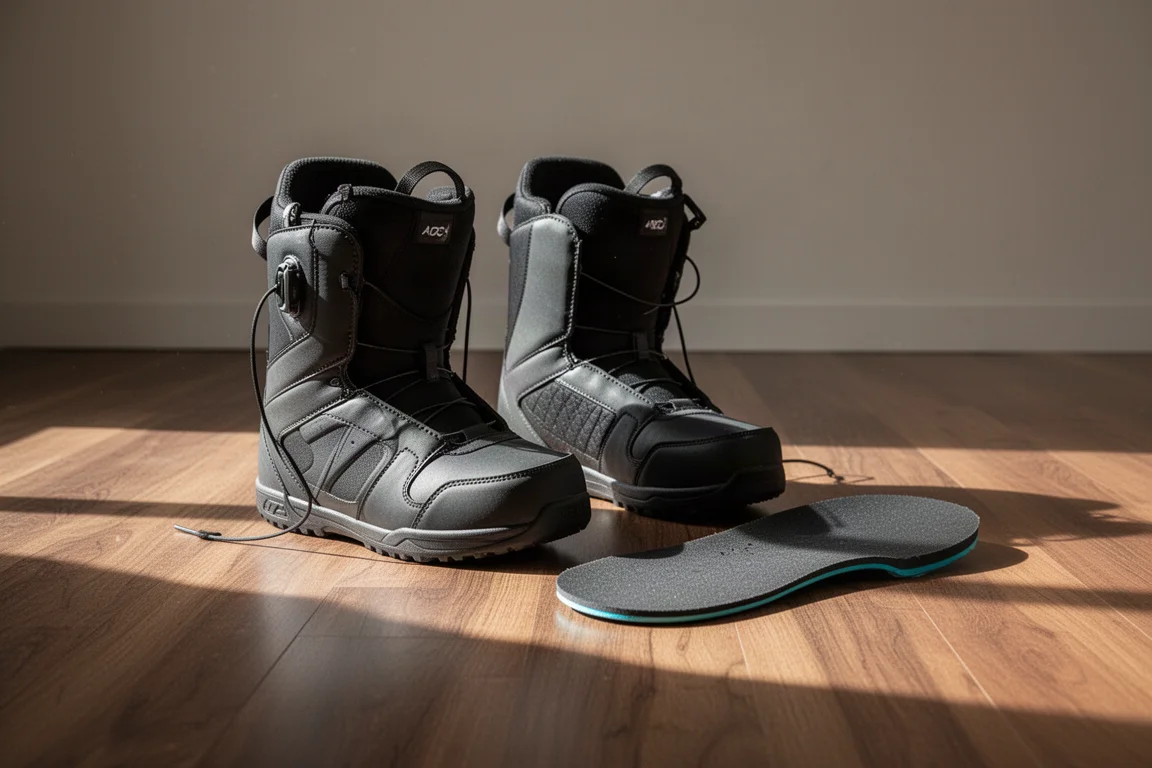
The best footbed is the one that works for your foot, and the only reliable way to find it is to try before you buy. Take the insole out of the box, place it on the ground, put your foot on it, and flex into it to see how the arch lines up. If possible, slide it into your actual boot and stand in it.
A footbed one fitter dislikes may simply not match their foot shape or the support level they prefer, and the same will be true in reverse for you. What you can safely ignore is any marketing built around dropping heavy objects onto foam. That tells you nothing about fit, support, or comfort, and it should not influence a purchase decision.
Conclusion
Snowboard footbeds are personal. Structure, arch height, canting, and damping all matter far more than dramatic demo tests. Match the footbed to your foot shape and riding style, try it on in store whenever you can, and treat the rest as noise.
Further reading
Related Reviews
Snowboard Gear
686 Smarty Gauntlet Mitt Review: A Warm, Waterproof Snowboard Mitten With Smart Extras
A GoreTex snowboard mitten rated for -20 to 20°F, with a wrist strap, grippy palm, ventilation zipper, and an included base layer glove liner.
Snowboard Gear
Anon Logan Snowboard Helmet Review: A Helmet That Earns Its Place
After a hard crash on a powder day, the Anon Logan proved its worth. Here is what makes this helmet a smart first purchase for snowboarders.
Snowboard Gear
Best Snowboard Deals This Month: Accessories, Goggles, Boots, and Boards Worth a Look
October brings deep discounts across snowboard accessories, goggles, boots, and boards, with highlights from Stance, Anon, Union, Capita, Burton, and more.