Hand Tools
Best Snap-on Hammers 2026: Three Dead Blow and Ball Peen Options Worth Owning
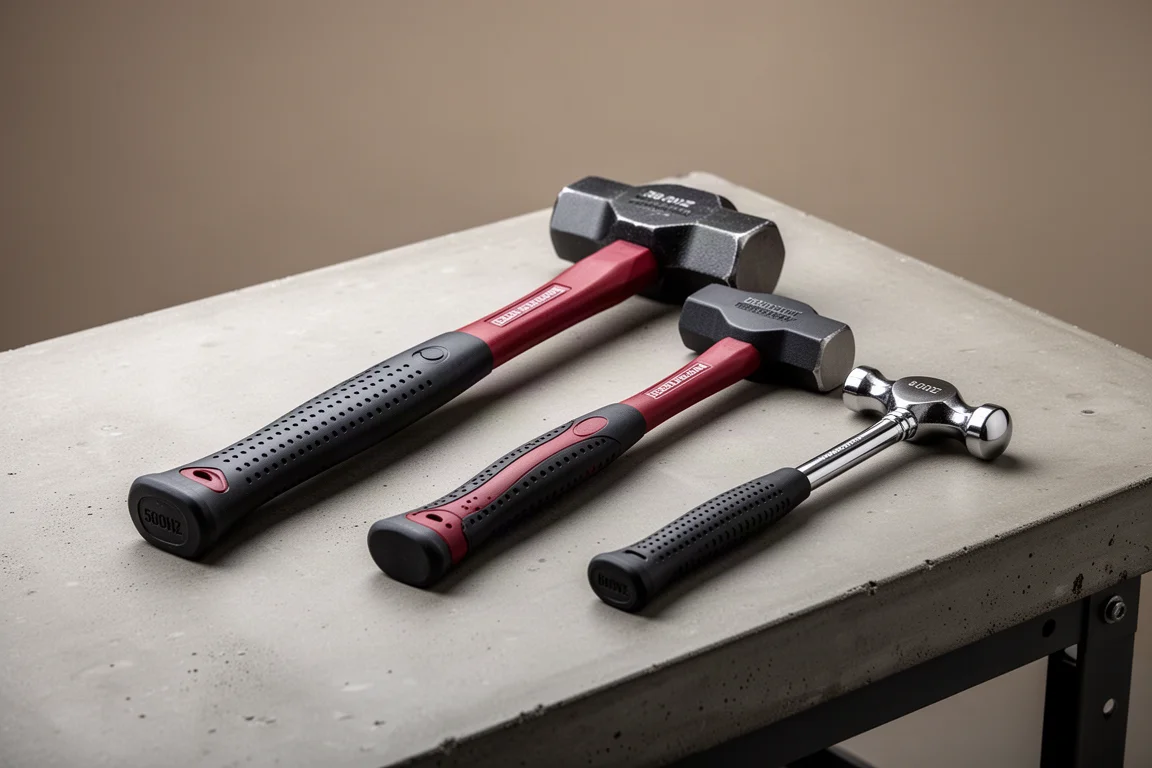
Three Snap-on hammers that show why good dead blow design matters: flexible handles, weighted heads, and shock reduction done right.
Introduction
Snap-on hammers come up constantly in tool discussions, and for good reason. They are built around a specific idea: a weighted head, a slightly flexible multi-component handle, and a design that keeps force where it belongs, at the head, instead of transferring shock into your hand. They are expensive, but the engineering is visible the moment you pick one up.
This roundup covers three distinct options: a dead blow ball peen, a standard plastic dead blow, and a small precision ball peen.
How Snap-on Builds Its Hammers
Most of the Snap-on hammers in this lineup use a head filled with a sand-like material inside an encapsulated shell, plus a rod running down the center of a fairly flexible multi-component handle. The handles feel good in the hand, and you can sometimes feel them bending slightly. That flex is deliberate: it absorbs shock and reduces the stress that travels into your wrist and arm on repeated strikes.
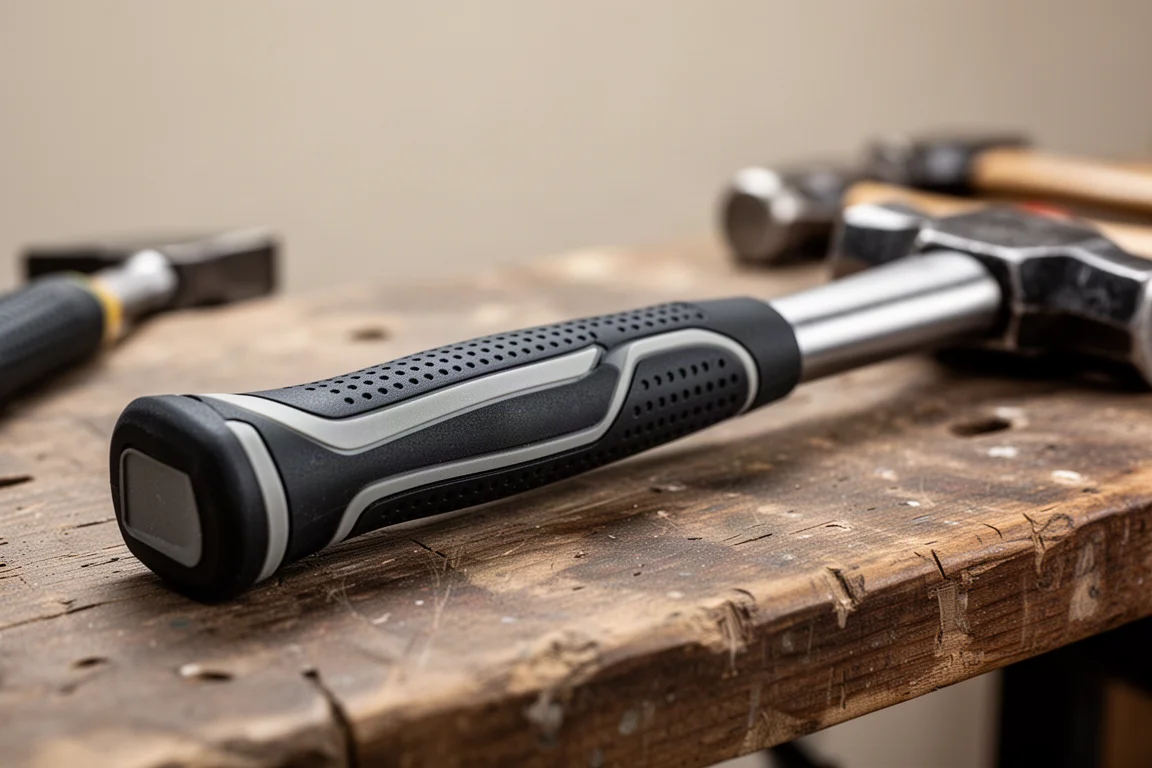
The dead blow design is the key to the feel. Instead of rebounding off the workpiece the way a steel hammer on an anvil would, the internal material produces a flat slap and drops everything in place. The hammer does not bounce around in your grip, which makes repeated strikes far more comfortable.
One practical caution applies across the plastic-bodied models: wait for hot workpieces to cool down before whacking on them. Plastic has limits, and the softer heads are not meant for everything.
Best Everyday Mover: Snap-on Plastic Dead Blow Hammer
The plastic dead blow is the workhorse of the group. The head is a multi-component construction with softer and harder rubber sections, and the face is replaceable. It is the kind of hammer you just move stuff around with, and it is the lightest and most general-purpose option here.
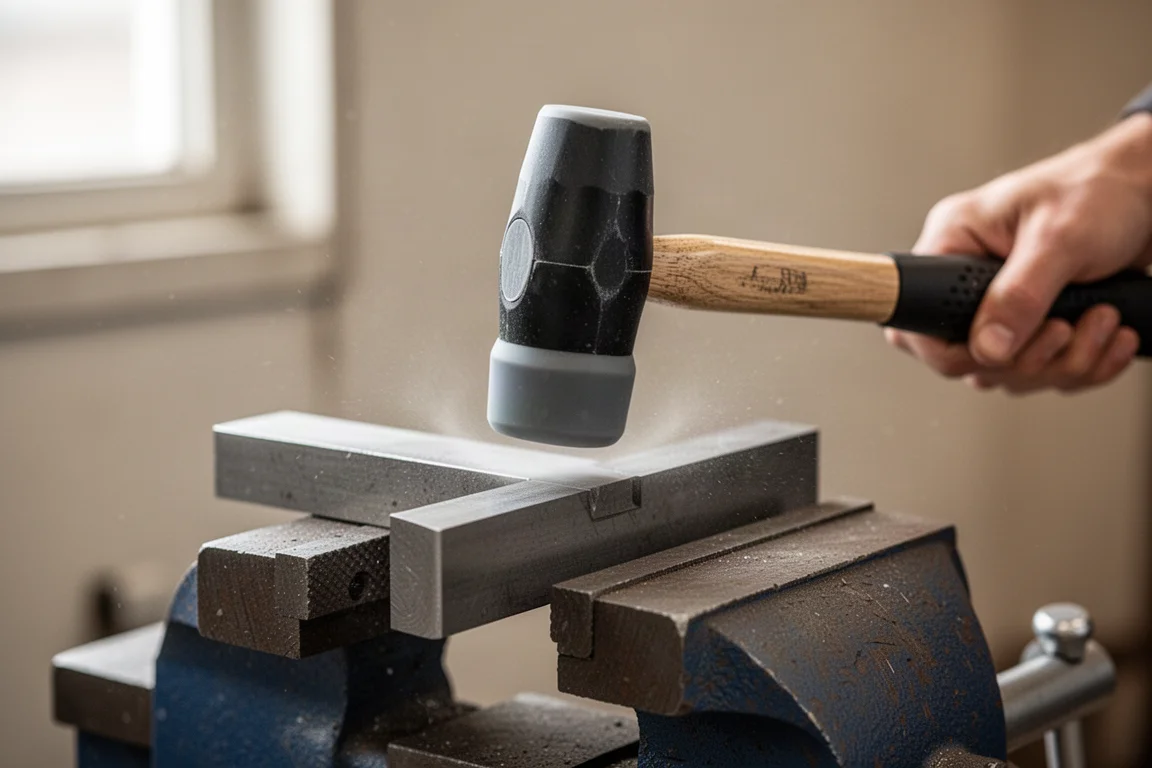
The smallest of the plastic dead blows weighs around 10 ounces, which makes it easy to control for lighter assembly and adjustment work. Notably, not every plastic dead blow has an unfilled head; some variants rely purely on the multi-component face material. Either way, it is a hammer many owners keep forever once they have used one.
Best for Precision Work: Snap-on Ball Peen Hammer
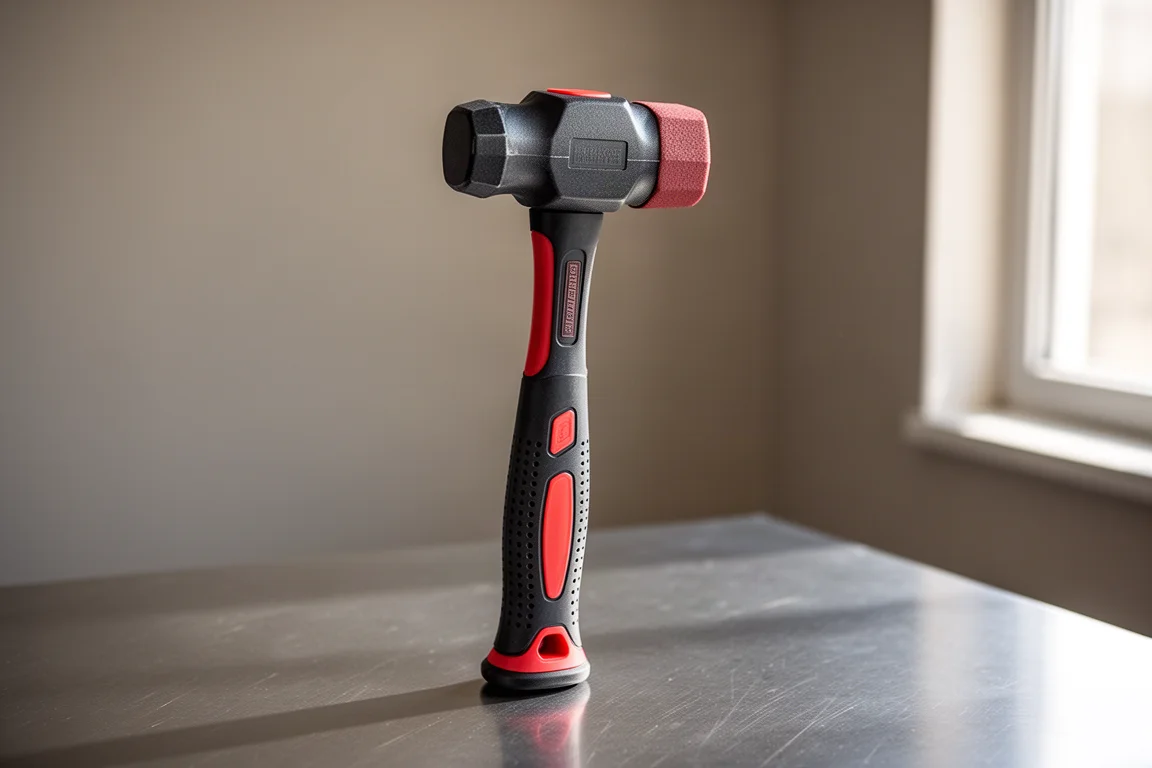
The smallest ball peen in the lineup is an 8 ounce model, and it is ideal for small, precise hammering. If your work involves delicate shaping, light peening, or controlled strikes where a heavy head would be overkill, this is the one that makes sense.
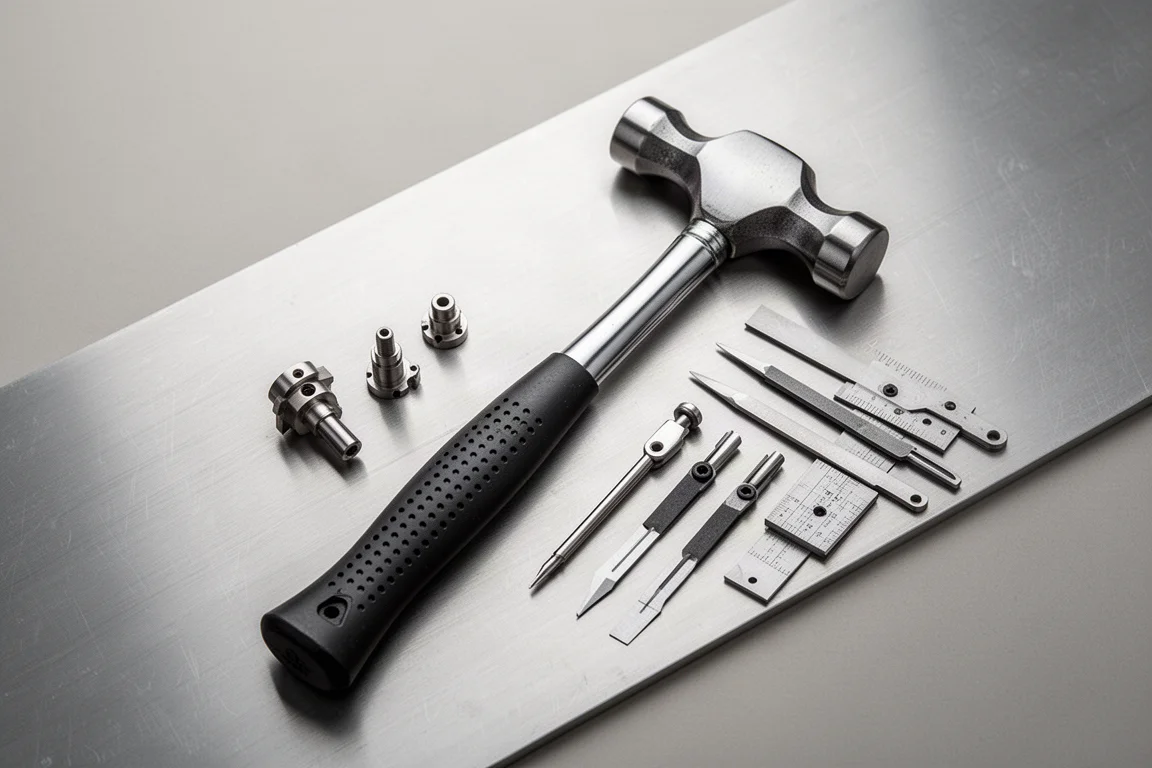
It is more of a bucket list tool than a daily necessity for some, but for anyone who regularly does fine hammering, a small ball peen with a well-balanced handle is worth having on the bench.
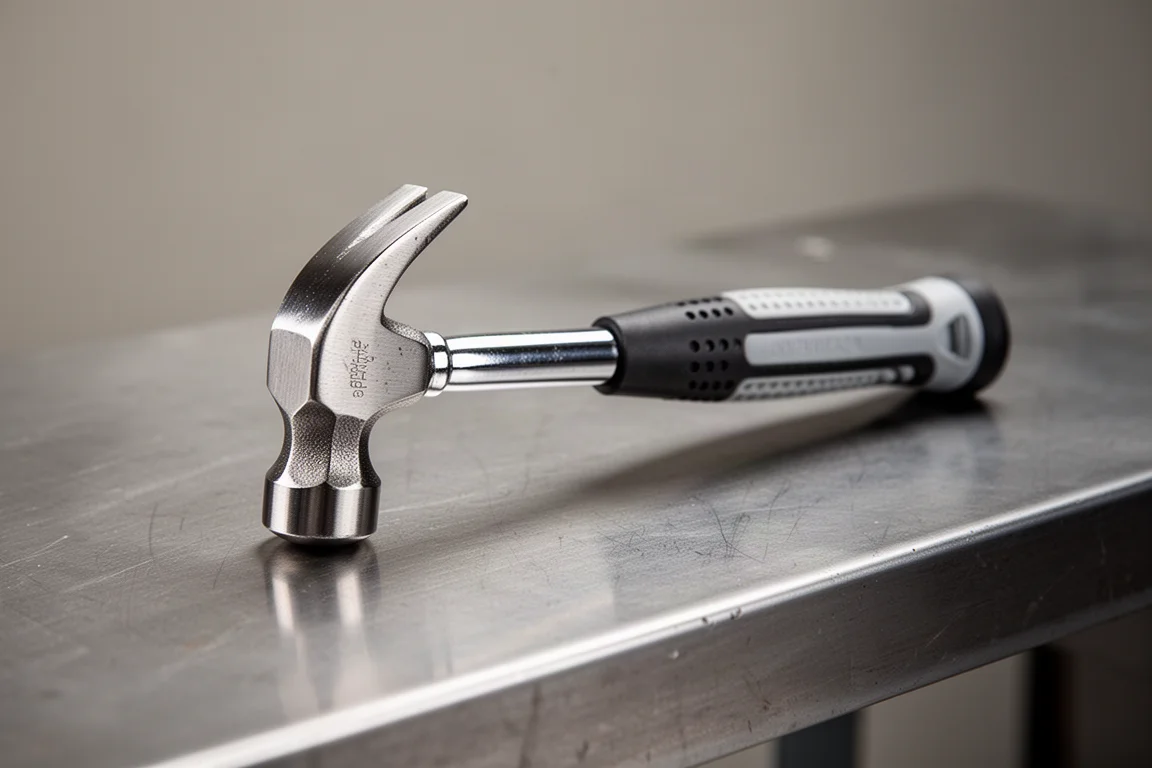
Heavy-Duty Choice: The 56 Ounce Dead Blow Ball Peen
At the other end of the scale sits the monster: the 56 ounce dead blow ball peen hammer. It dwarfs even what already feels like a large hammer, and with its long handle you can literally feel it flex when you pick it up. You can feel the material moving around inside the head, too.
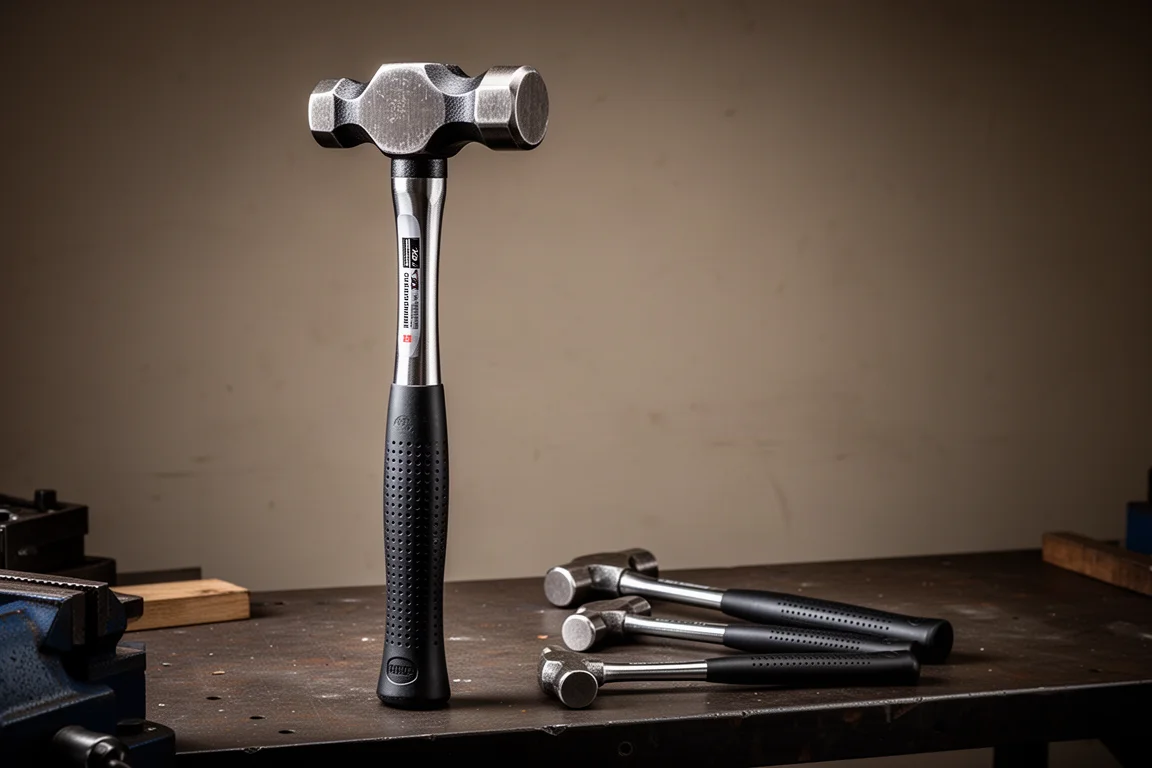
Some people question whether a flexible handle is really what you want, since a rigid handle can maximize force transfer. That argument has merit in theory, but for a working tool that gets repeatedly slammed into something that is fighting back, the combination of a dead blow head and a handle with some flex reduces shock dramatically. It is nothing like the jolt of hitting a brick wall with a rigid aluminum bat. The design pushes force forward to bend, smash, or move the target while retaining energy at the head rather than sending it down into your hand.
It is expensive, but many owners consider it worth every cent.
Overall Buying Advice
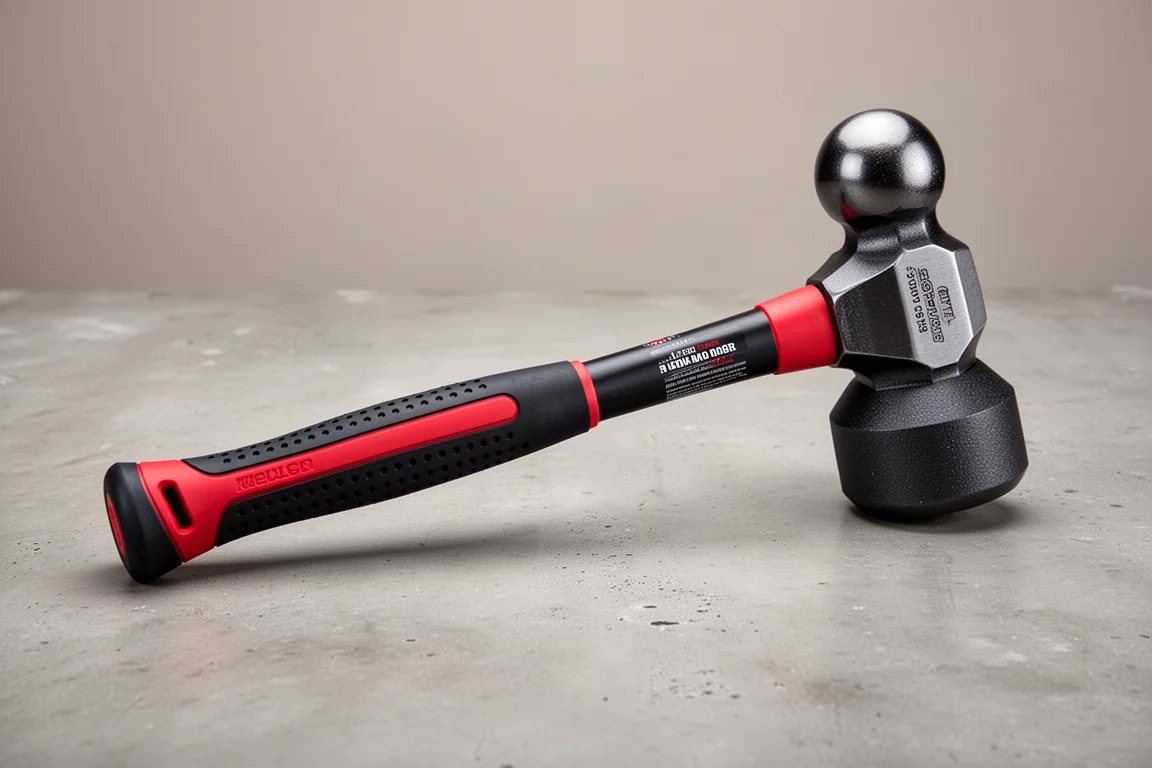
Snap-on hammers are priced at the premium end of the market, so the right choice depends on what you actually do. For general assembly and moving things around, the plastic dead blow with its replaceable multi-component head is the practical pick. For fine, controlled hammering, the 8 ounce ball peen is the right scale. For heavy impact work where shock reduction matters over long sessions, the 56 ounce dead blow ball peen is the standout, even at the price.
Whichever you choose, remember the common limitation of plastic-bodied designs: keep them away from hot workpieces and let metal cool before striking.
Conclusion
There is real engineering in a good quality hammer, and Snap-on clearly spends time getting the details right, from weighted dead blow heads to handles that flex just enough to absorb shock. Pick the size and style that matches your work, and these hammers tend to earn their keep for years.
Further reading
Related Reviews
Hand Tools
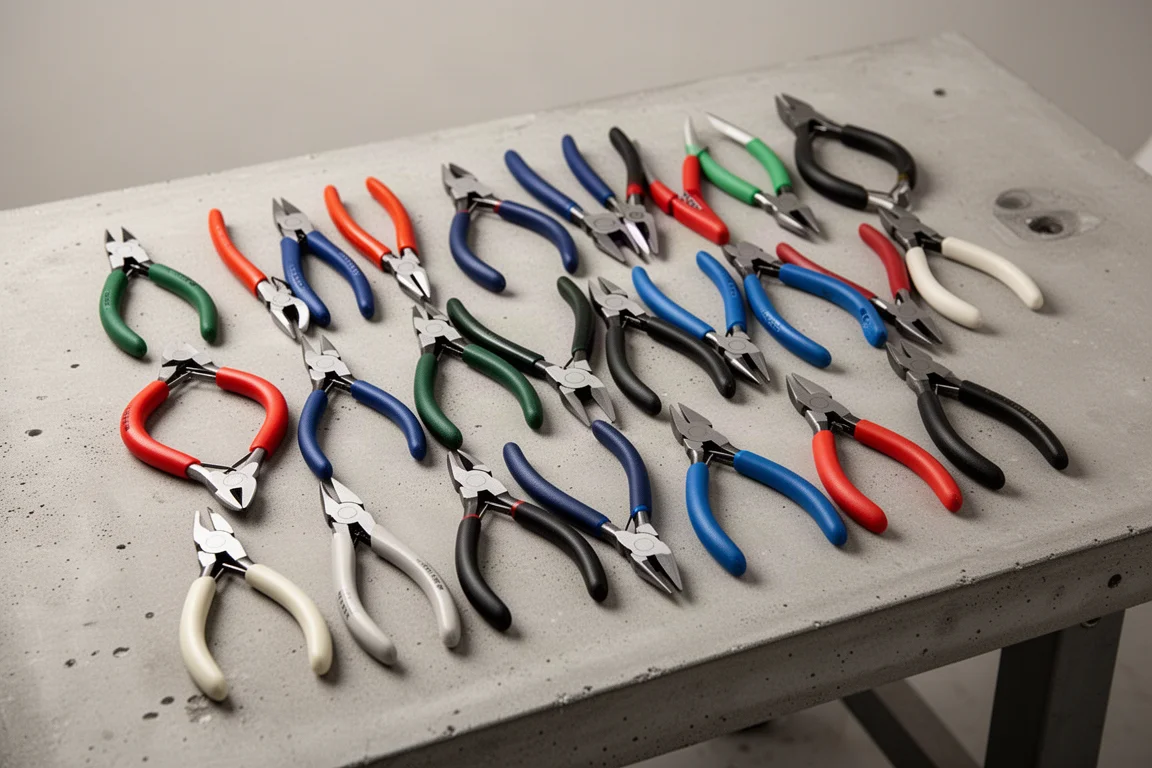
Best Diagonal Cutters 2026: 16 Pliers Tested for Cutting Power and Durability
We put 16 diagonal cutters through nail, screw, drill bit, and hex key tests to find the best value picks for your toolbox.
Hand Tools
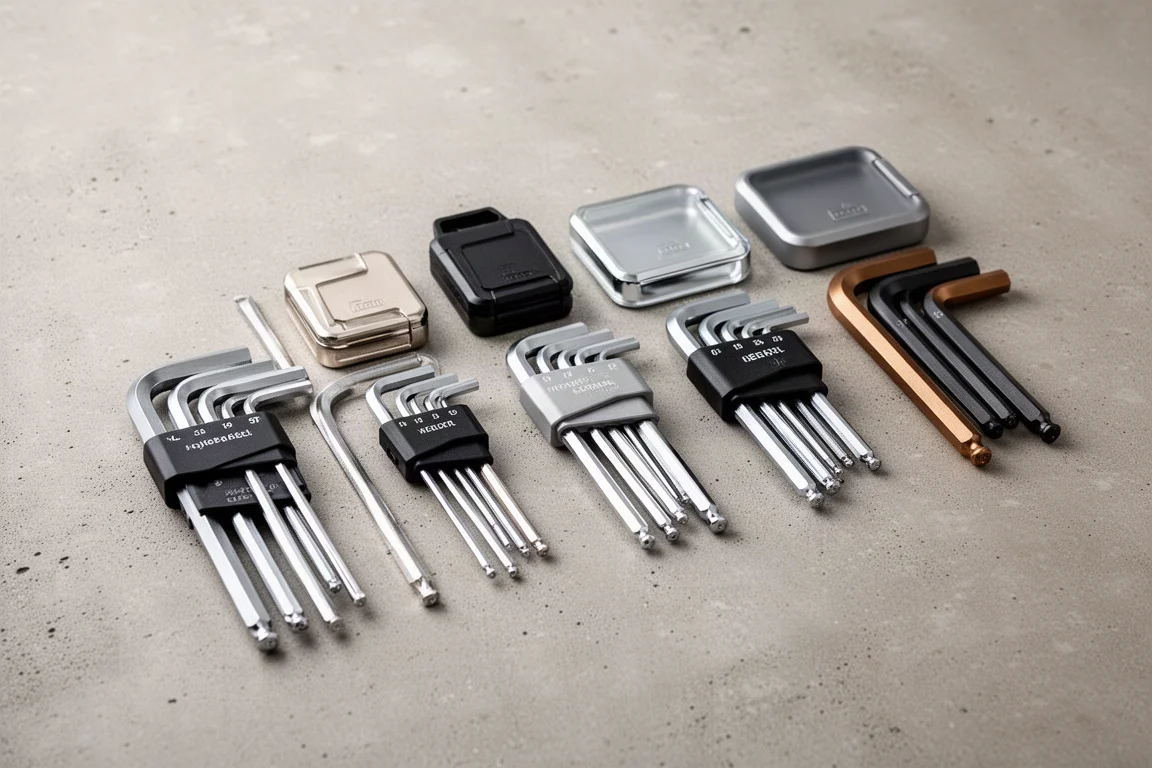
Best Hex L Key Sets 2026: Nine Sets Tested for Real-World Torque
Nine hex L key sets from budget to premium, tested for torque, fit, and durability. See which sets deliver real performance and which ones to skip.
Hand Tools
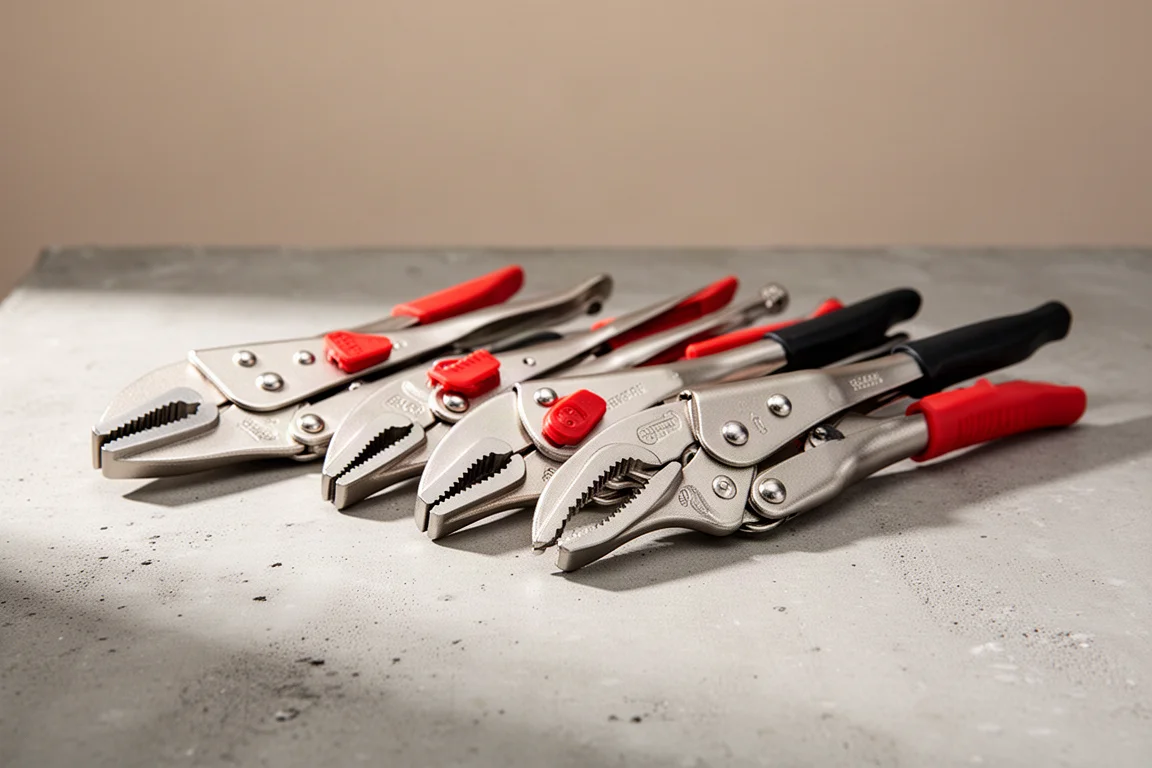
Best Locking Pliers 2026: Top Picks Tested for Grip and Durability
We tested 18 brands of 10-inch locking pliers for grip strength, jaw bite, build quality, and ease of release to find the best options for tough jobs.