Smartwatches
Best Smartwatches for Runners 2026: Five Watches That Balance Smarts and Run Tracking
Five running smartwatches compared on the things that matter on the wrist: GPS accuracy, battery behaviour, lap controls, app support and price.
Introduction
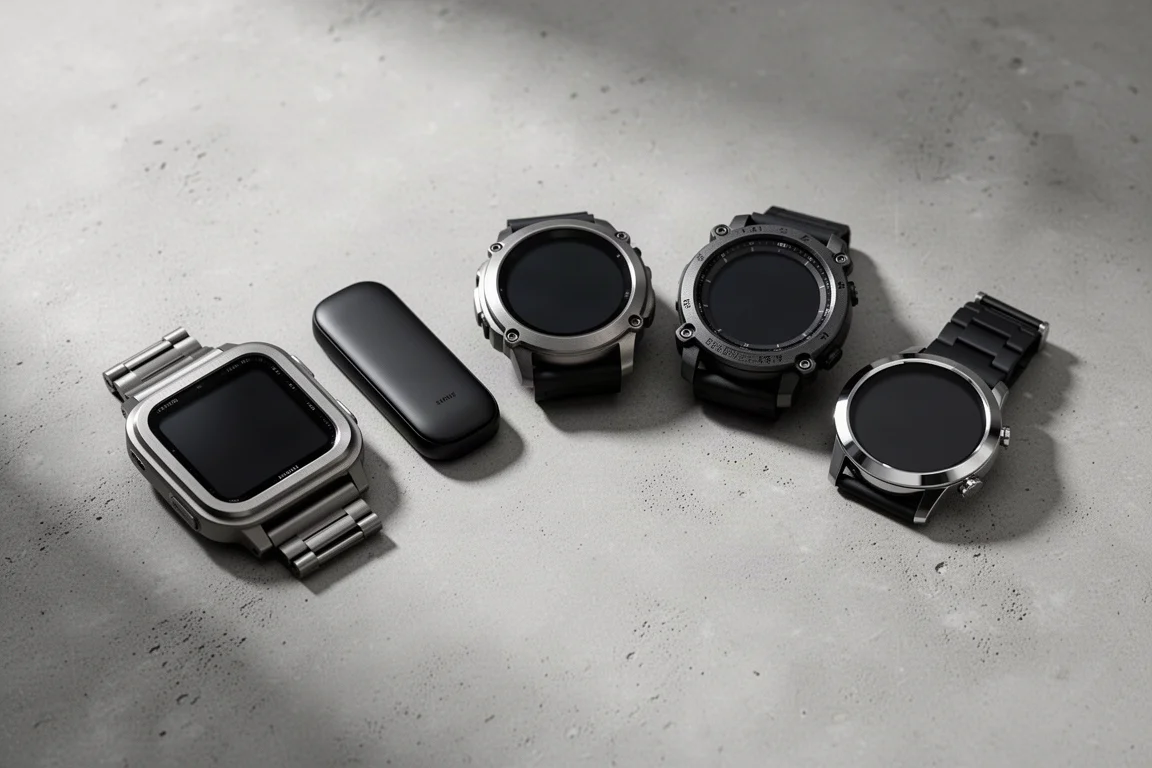
A running smartwatch has to do two jobs at once. It needs to handle notifications, payments and calls, and it still needs to record a credible training session. Not many watches manage both convincingly, which is why this roundup stays short.
The picks below are grouped by what each watch is genuinely good at. The Apple Watch Ultra 2 is the overall choice, the Apple Watch Series 10 is the lighter and more affordable route into the same ecosystem, and the Android side is represented by the Samsung Galaxy Watch Ultra, the Amazfit T-Rex 3 and the Garmin Venu.

Each section covers what the watch does well, where it gives ground, and who it suits. Battery figures are quoted as a share of a full charge for a typical run, because that is the number that decides whether a watch fits a training week.
Apple Watch Ultra 2: The Best Overall Running Smartwatch
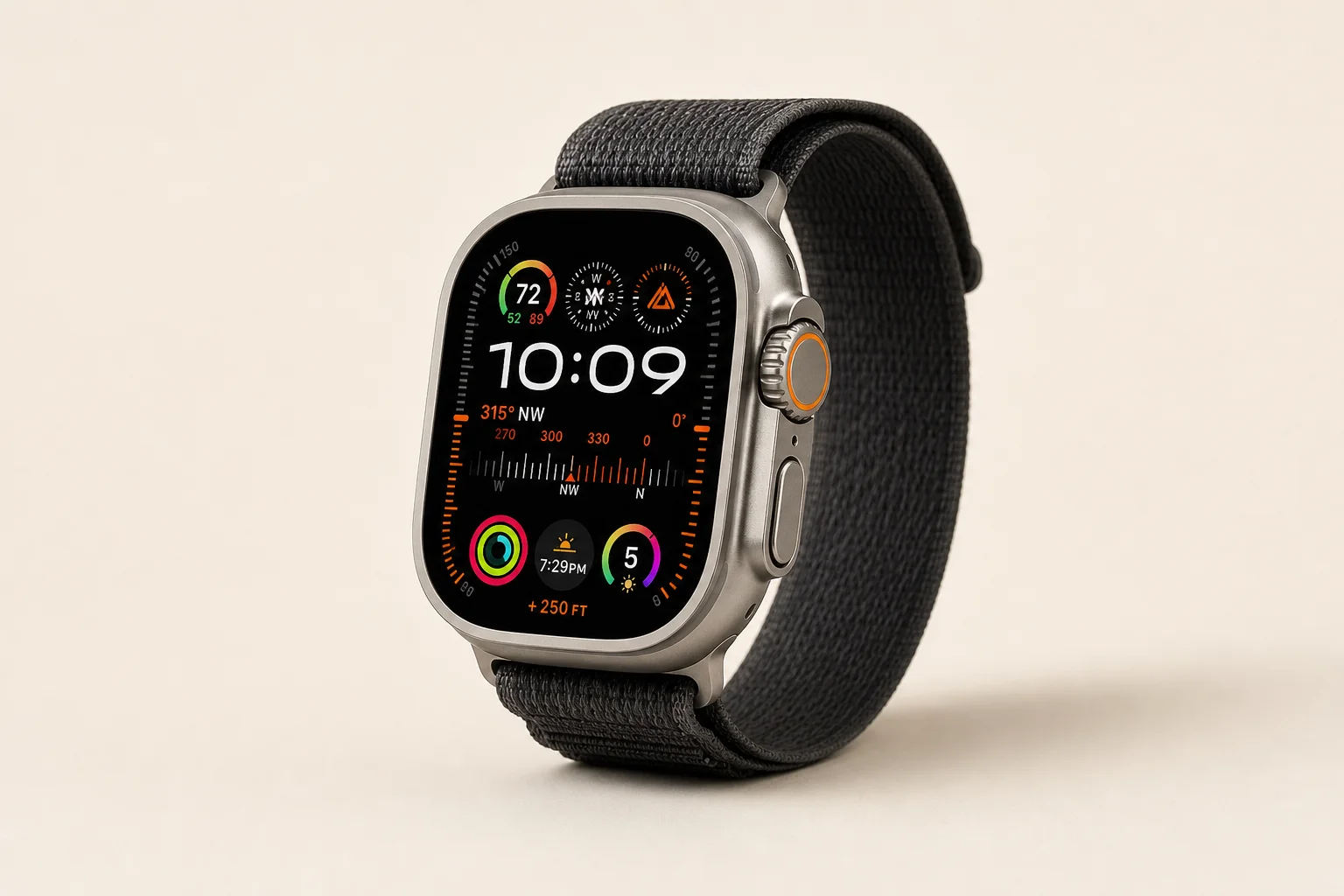
The Ultra 2 is the largest Apple Watch available and the model that comes closest to matching a dedicated sports watch without giving up smartwatch behaviour. Dual-band GPS, a display that is brighter than the original Ultra, and an updated Apple chip for smoother processing and Siri interaction form the core of the package. A new colour option arrived this year.
Two hardware details matter most on the run. The dual-band GPS is accurate, and the extra action button makes manual laps easy, the kind of feature runners notice immediately once they have it. The heart rate sensor is comparable to most watches, with the usual variation from session to session.
Software is arguably the bigger advantage. Training load and perceived effort have both arrived as metrics, and the native workouts experience keeps getting more usable. Beyond that, the App Store adds a deep bench of running apps built specifically for Apple Watch, which is something no other smartwatch platform currently matches.
Battery life remains the compromise. It is the best you will get from an Apple Watch, and a high-accuracy hour of running typically draws somewhere between five and nine percent of a charge. A multi-day running trip with around seven hours of running a day is achievable. Contactless payments and calls also mean you can head out without a phone and still stay connected.
The Ultra 2 costs around twice as much as the Series 10, which is the main question any buyer has to answer.
Apple Watch Series 10: The Lighter, More Affordable Apple Option
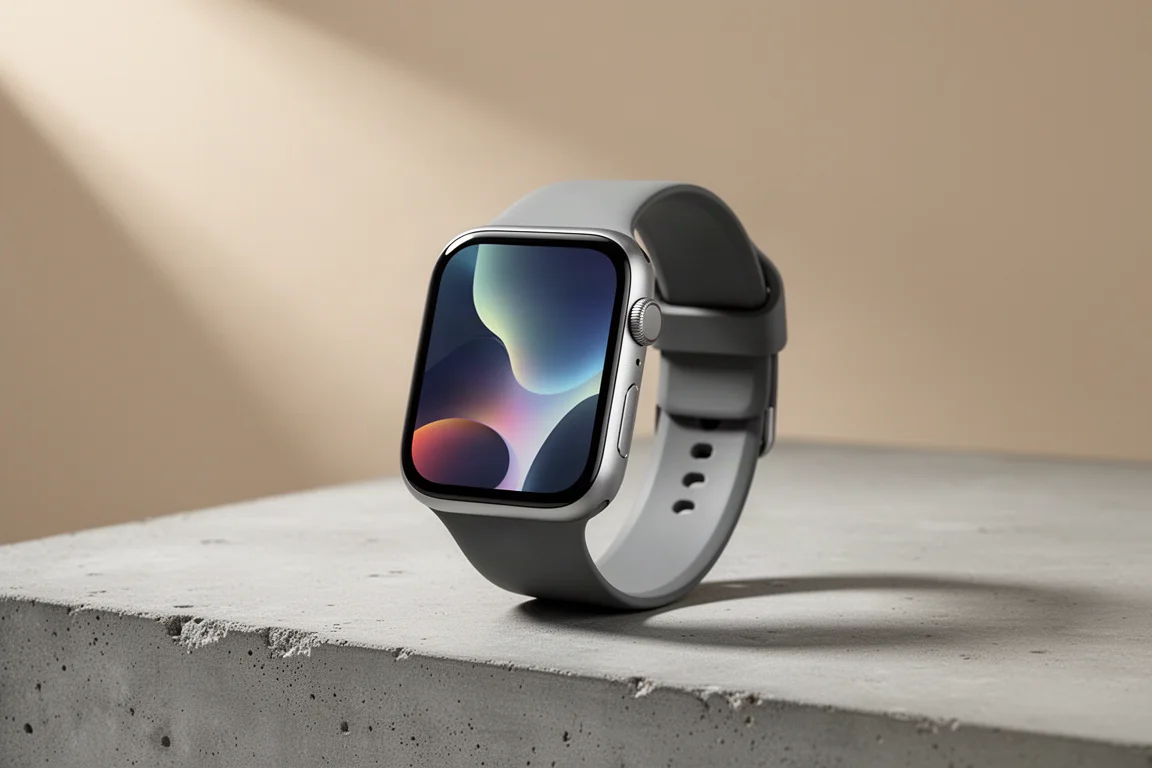
The Series 10 introduced a larger case option, and that size increase matters for anyone who liked the idea of an Ultra but found it too much watch to live with every day. It is thinner, lighter and more comfortable, and the largest model does not sacrifice screen space to get there.
It does not have the Ultra’s dual-band GPS, but the GPS mode it does have performs well, and the difference is small on general runs. Heart rate performance is strong, and the software experience, including the training metrics, matches the Ultra.
The compromises are real but specific. There is no action button, so manual laps are less clean, and the native app still lacks a precision start option. Around tight loops and interval sessions the GPS can shave the odd corner, which nudges pacing. Battery drains faster, roughly seven to eight percent for an hour of running, though rapid charging helps: a five to ten minute top-up offsets a meaningful chunk of the deficit.

At roughly half the price of the Ultra 2, the Series 10 is the sensible pick for runners who want the Apple experience in a lighter package and can live with charging more often.
Samsung Galaxy Watch Ultra: The Android Flagship
The Galaxy Watch Ultra is Samsung’s answer to the Apple Watch Ultra, and on paper the ingredients are there: a rugged titanium chassis, a large bright display, a wide app selection, an action button, and dual-frequency GPS with route import and navigation. Full native offline mapping is not part of the package.
In use, the watch is big. The case is chunky and the strap is thick and not especially malleable, which makes it a lot of watch to wear day after day. Battery behaviour is the bigger issue, because it is inconsistent: a run lasting over an hour can be handled comfortably, and then the watch can lose half its charge in half a day. That unpredictability is hard to plan around.
GPS performance did not match the Apple Watch Ultra 2 in a head-to-head race test, and the gaps in mapping and navigation support are noticeable for anyone who wants to follow a route. It is nonetheless the most capable Android running watch in this group, just not yet at parity with the Apple alternative.
Amazfit T-Rex 3: The Best Value Option
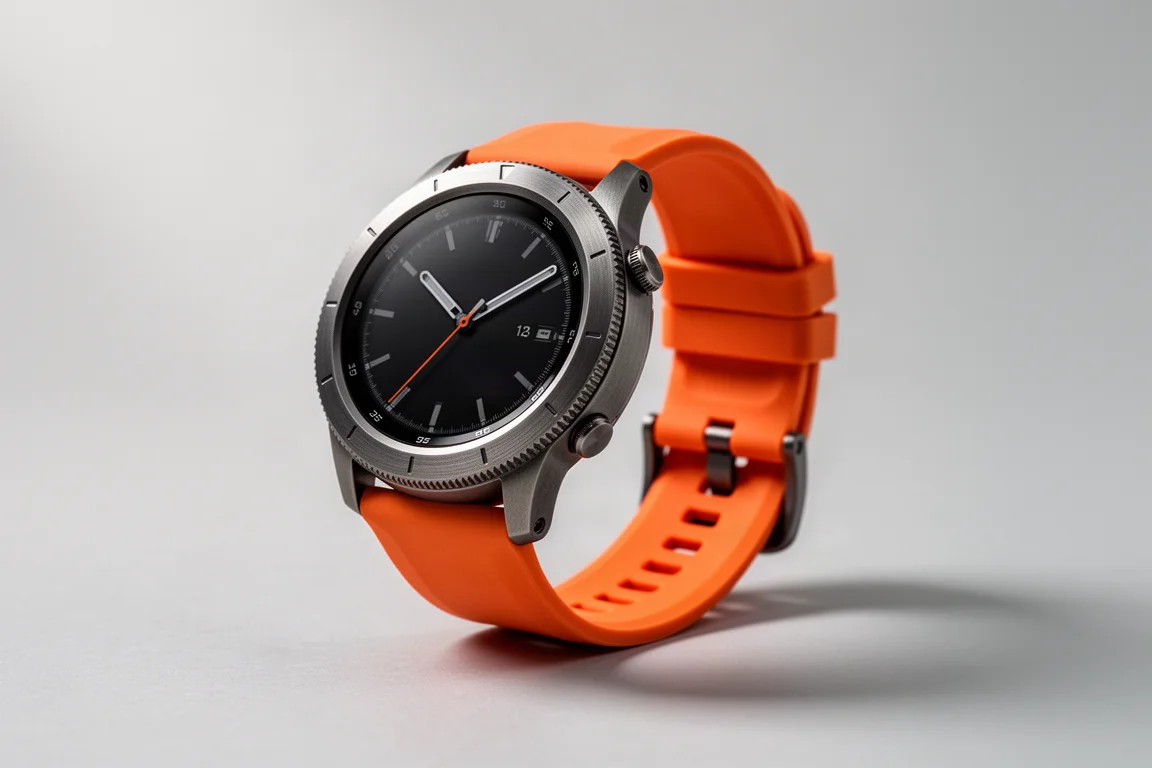
The T-Rex 3 comes from Amazfit’s outdoor line and is built to undercut far more expensive outdoor watches. It sits below £300, and for that money you get dual-frequency GPS, offline maps and support for both Android and iOS.
The smartwatch side is a work in progress, but it is improving quickly. There is no large third-party app ecosystem, so Amazfit has focused on making the essentials work: Spotify support, good notification handling and a music player, though not offline music playback.

Run tracking is where it earns its place. Dual-frequency tracking is not flawless, but it has been the most reliable of the Android smartwatches tested here. Battery life is a genuine strength, both for GPS sessions and day-to-day use, and that combination of mapping, tracking quality and endurance is unusual at this price.
Garmin Venu: A Balanced Cross-Platform Choice
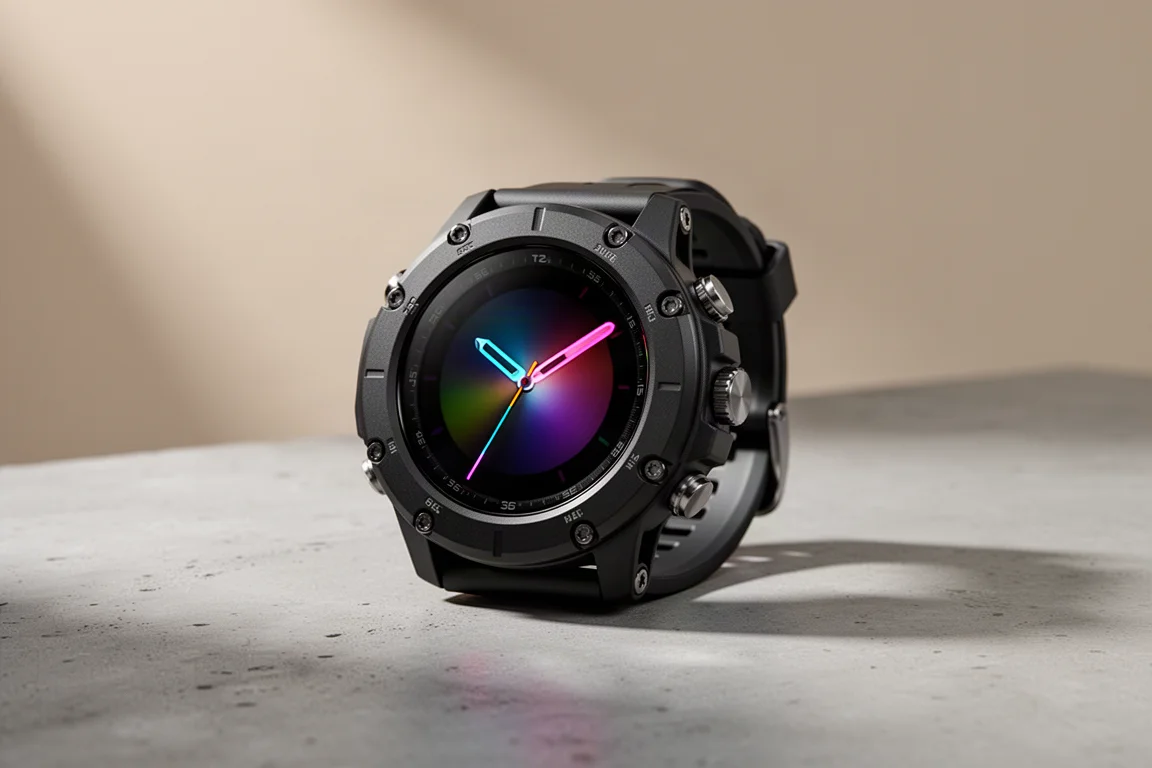
The Venu line works happily with both Android and iOS, and it is a good middle ground for anyone who wants a competent smartwatch and a competent running watch in one device. It does not offer dual-frequency multiband GPS or the deeper training analysis found on more specialised watches, so it is best understood as a balanced everyday option rather than a specialist training tool.
Overall Buying Advice
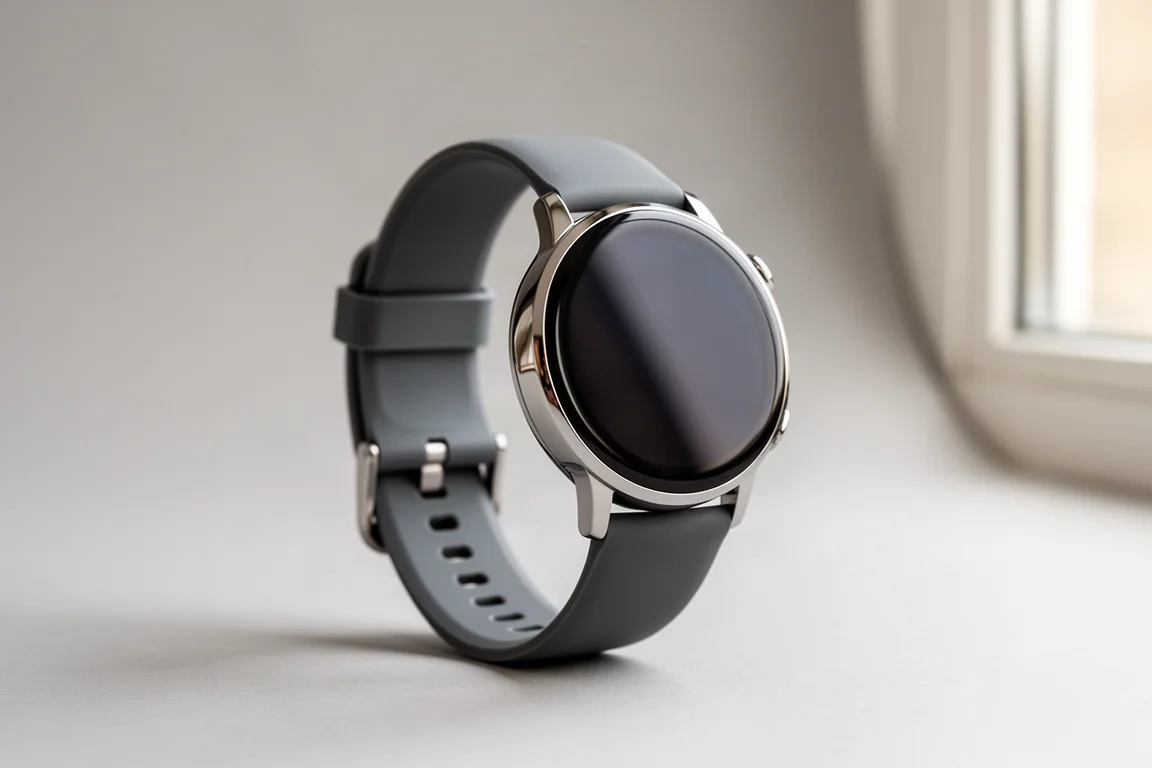
Start with the phone in your pocket. For iPhone owners, the Ultra 2 is the strongest all-round choice if the price and the charging routine are acceptable, while the Series 10 covers most of the same ground for around half the money in a lighter and more comfortable case.
On Android, the Galaxy Watch Ultra is the most capable option here, provided you can live with the size and the unpredictable battery. The Amazfit T-Rex 3 is the value pick, with dual-frequency GPS, offline maps and long battery life, and it works with iOS as well. The Garmin Venu sits in between, trading specialist features for a balanced everyday experience across both platforms.

Two practical questions decide most purchases: how often you are willing to charge, and whether you need route navigation on your wrist. Watches that answer both comfortably cost more, and the T-Rex 3 is currently the least expensive way to get there.
Conclusion
There is no single best running smartwatch, only the one that fits your phone, your charging habits and the sessions you actually run. The Apple Watch Ultra 2 remains the most complete package for runners who want smartwatch depth and credible tracking in the same device, the Series 10 delivers much of that for less, and the Android side now has genuine options: the Galaxy Watch Ultra for maximum capability, the T-Rex 3 for value and endurance, and the Garmin Venu for balance.
Further reading
Related Reviews
Smartwatches
Best Budget Smartwatches 2026: Five Affordable Options That Actually Work
Five budget smartwatches tested for real daily use. From entry-level options to premium features at fraction of the cost, here's what actually delivers.
Smartwatches
Best Smartwatches on AliExpress 2026: Five Practical Options for Different Needs
Five smartwatches with strong customer feedback and competitive pricing, each suited to different priorities: premium design, battery life, outdoor durability, advanced health tracking, and sports versatility.
Smartwatches
Best Smartwatches Under $300: 9 Practical Options for Every Need
A curated selection of nine smartwatches under $300, each excelling in health tracking, durability, battery life, or fitness features. Find the right match for your lifestyle.