Smart Bird Feeders
Best Smart Bird Feeders: Five Tested Options, from Trail Cameras to Metal Build
We tested five smart bird feeder setups across four categories, from hands-off trail cameras to durable metal feeders, to help you find the right fit.
Introduction
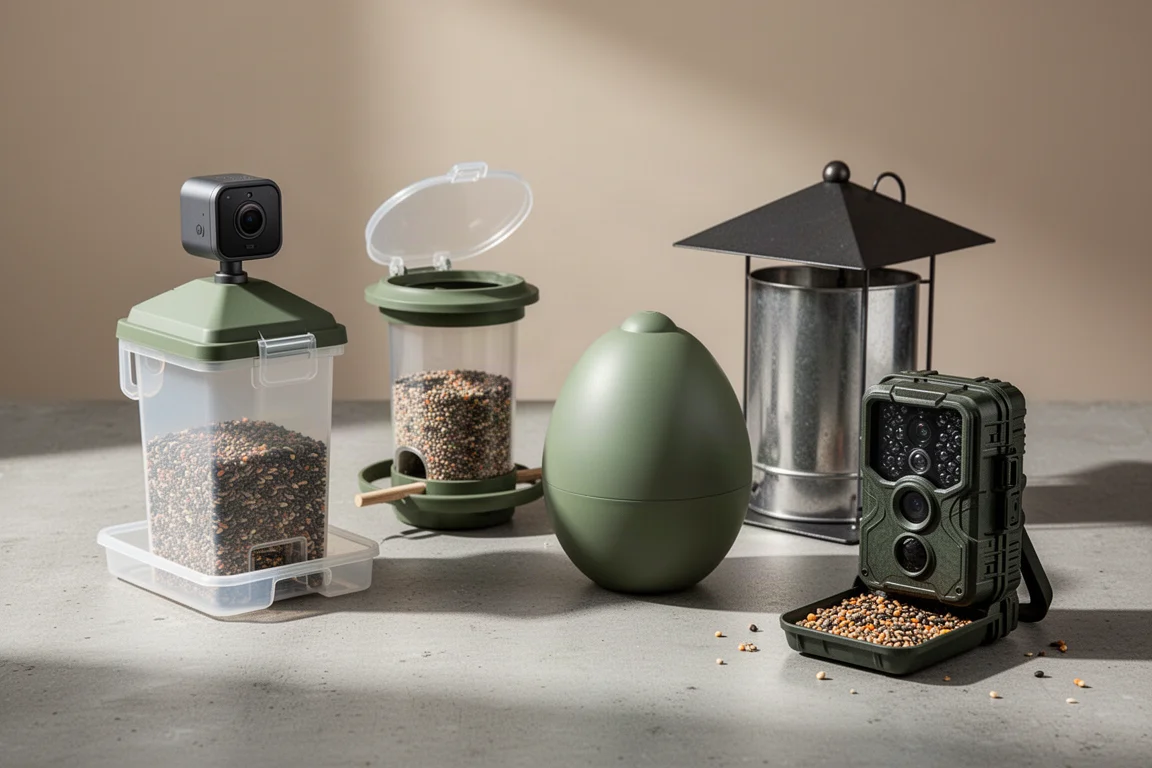
Smart bird feeders have gone from a curiosity to a crowded category. Between big-name brands, near-identical white-label designs, trail-camera conversions, and increasingly durable metal builds, choosing the right one is genuinely difficult.
We tested all five options below and grouped them into four practical tiers. A higher tier does not automatically mean a better product; it means a different approach to what a smart bird feeder should be. The most important distinction: a true smart feeder live streams, records visitors, and attempts AI identification, while the hands-off options simply capture photos for you to sort through later.
One general note before buying: most of the true smart feeders discussed here fall somewhere in the roughly $150 to $160 range, though prices shift frequently. Check each product’s specifications carefully, including internet speed requirements, before committing.
The Hands-Off Options: Technaxx Bird Feeder Camera
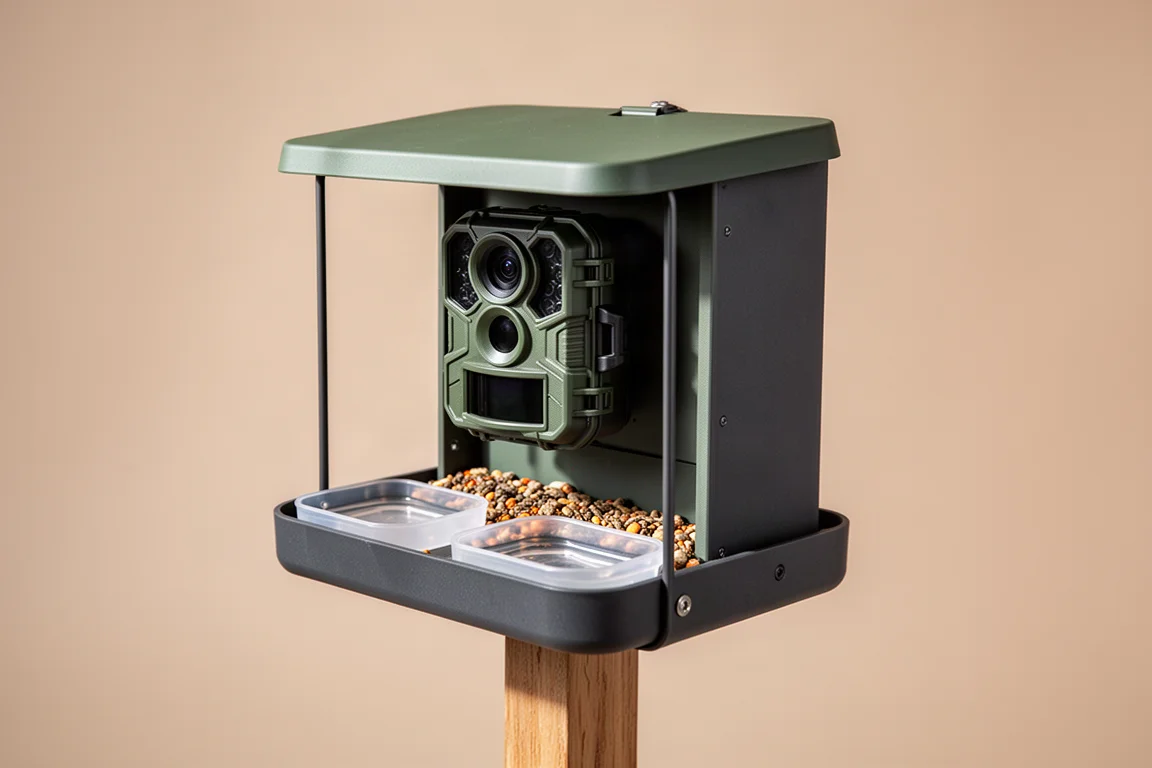
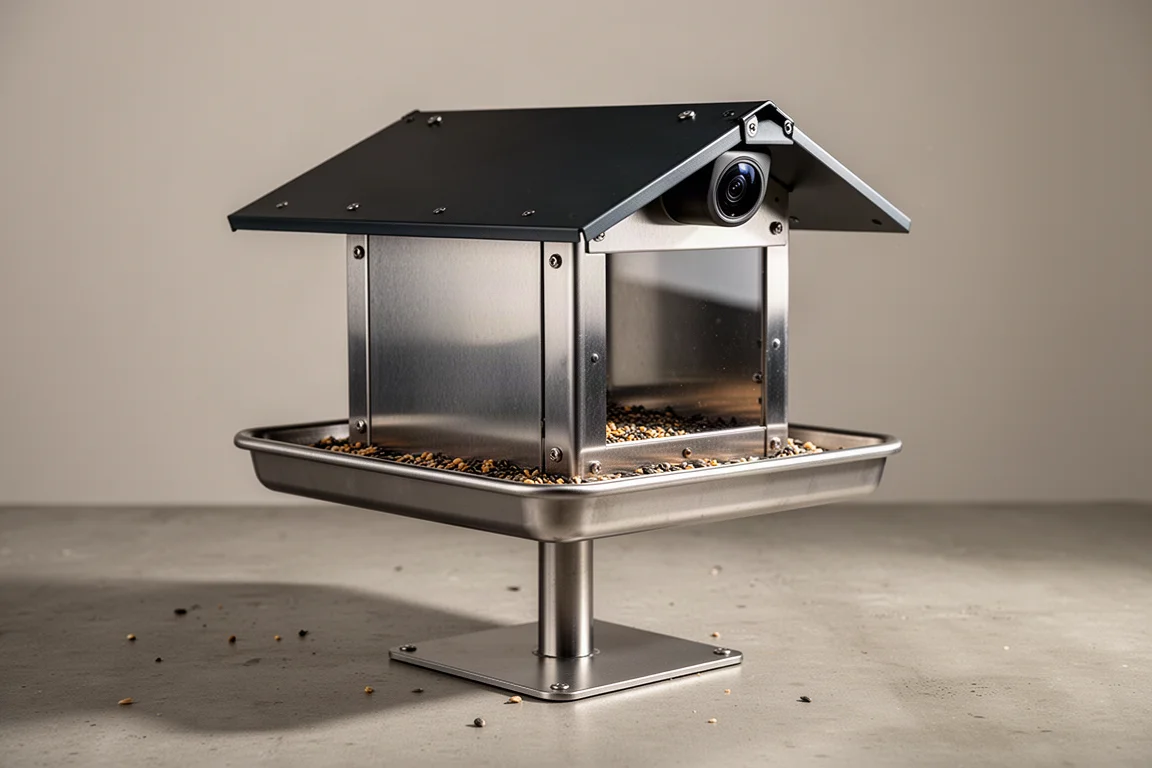
The Technaxx bird feeder camera is essentially a trail camera built into a feeder with a seed and water tray. You set it up, let it run, and pull the SD card when you want to see what visited. It will not stream to your phone, and it will not use AI to identify species for you.
The appeal is simplicity. If your goal is “set it up, check the card, look at pictures,” this delivers exactly that without an app, an account, or a Wi-Fi dependency. It is also generally less expensive than the app-connected feeders below.
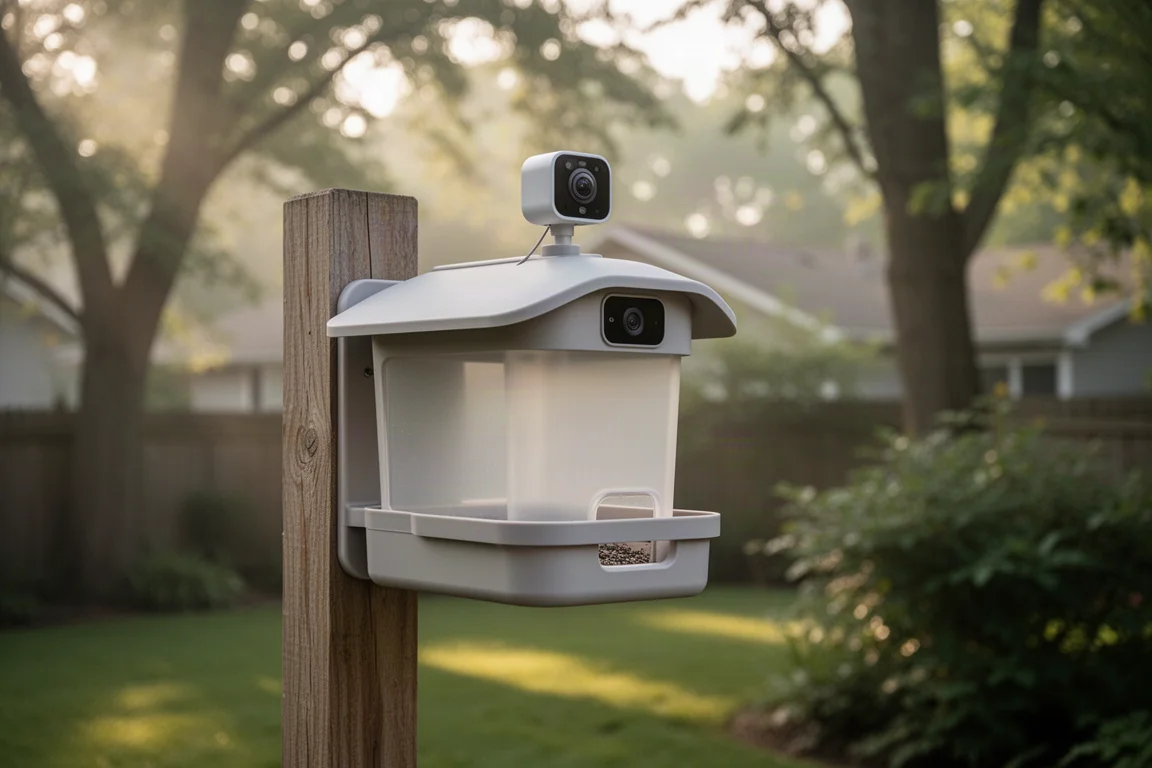
The trade-off is obvious: you lose the live view and the automatic identification that define the category. But for hands-off backyard wildlife monitoring, it does the job.
The White-Label Tier: Why So Many Feeders Look Identical
A large share of the smart feeders on the market share the same basic design because a single manufacturer produces them, and various companies put their own names on lightly modified versions. These feeders typically offer a live stream and AI identification, usually through an app called Bird Lover.
The problems are real. The AI is weak; it once confidently identified an extinct species, the passenger pigeon. The version with a seed panel that opens outward is particularly frustrating, since squirrels chew it and seeds get stuck. The better variants have a top that flips up via a rear latch, which makes refilling far easier.
These feeders often cost around $150 to $160, sometimes less, sometimes more. They work, but they feel like a commodity product rather than something a company has genuinely refined.
Bird Buddy: The Best-Known Name
Bird Buddy is probably the most recognizable smart bird feeder, and its app is the most gamified of the bunch. It sends you postcard-style notifications that you open like a game, and the camera quality is impressively clear.
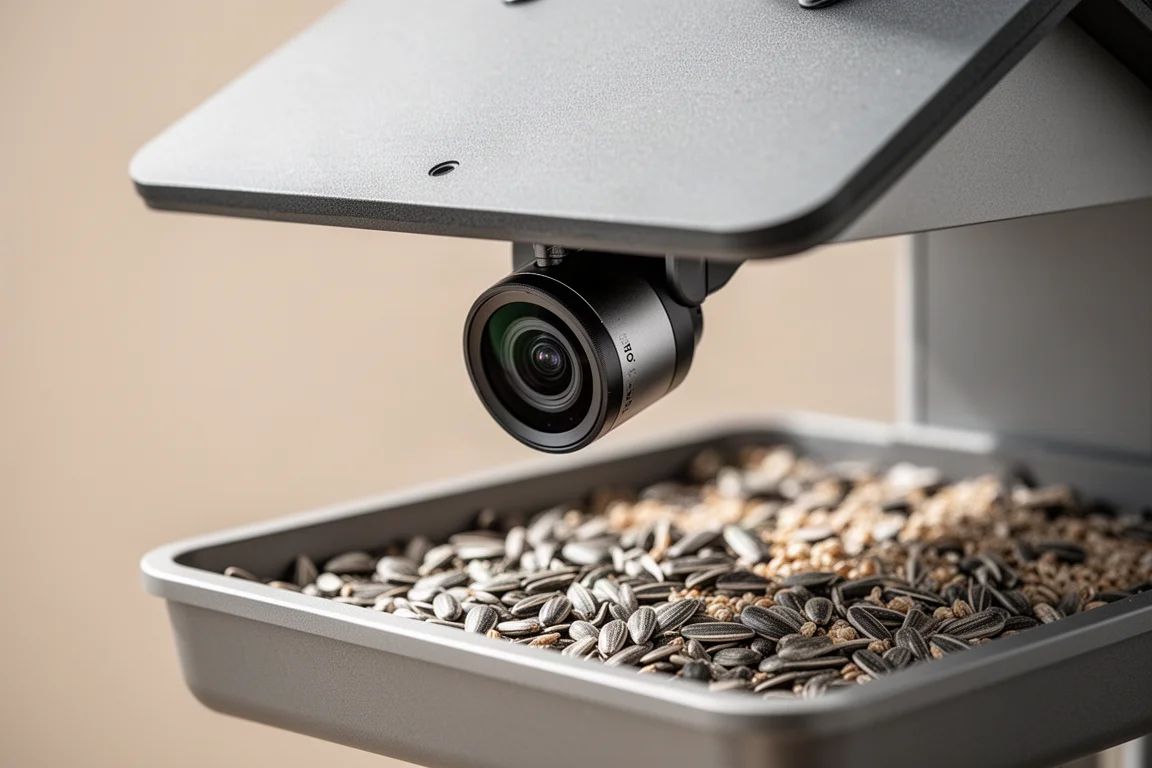
The company has clearly been listening to feedback. Early on, the squirrel-notification flow was tedious, requiring you to tap through squirrel photos before moving on. That has improved, and the app works better now than it used to. Bird Buddy has also expanded into hummingbird feeders and smart bird baths, and it has an unusually active community of owners sharing modifications online.
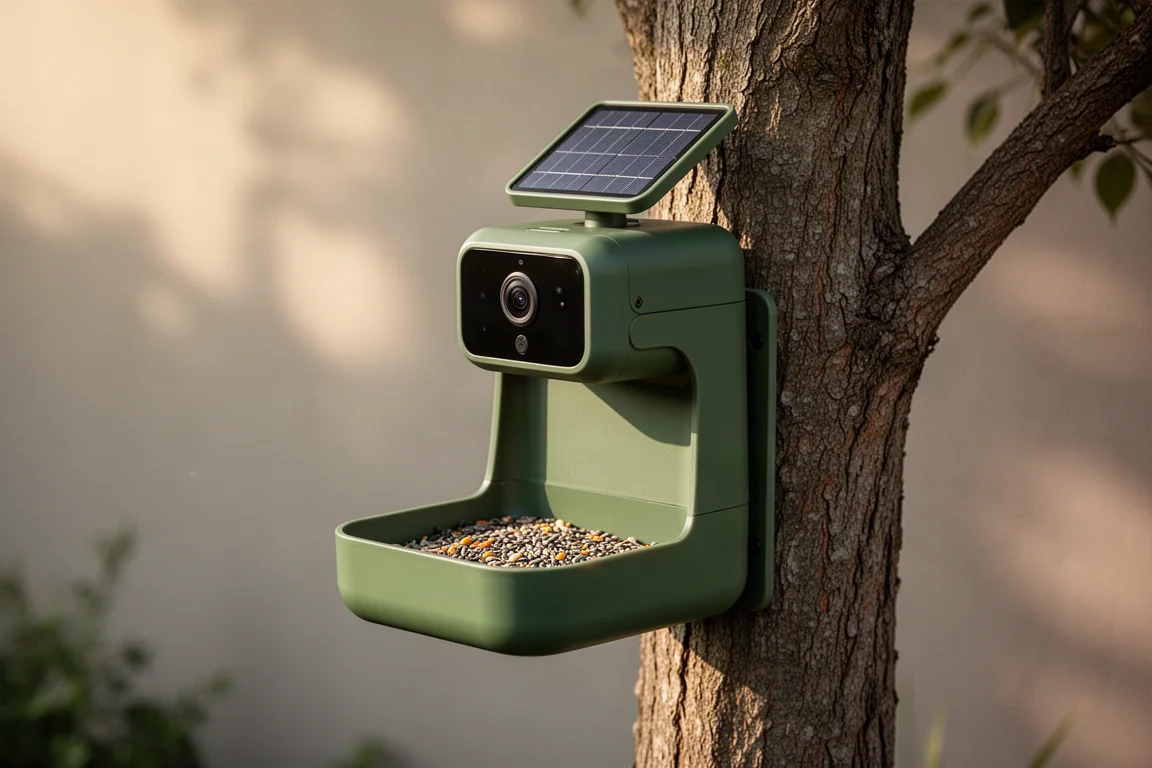
The downsides: the seed reservoir is small, the housing is plastic and therefore chewable, and solar panel charging (available as a solar roof package) has had some reported issues. If brand recognition and a polished app experience matter to you, it remains a strong pick.
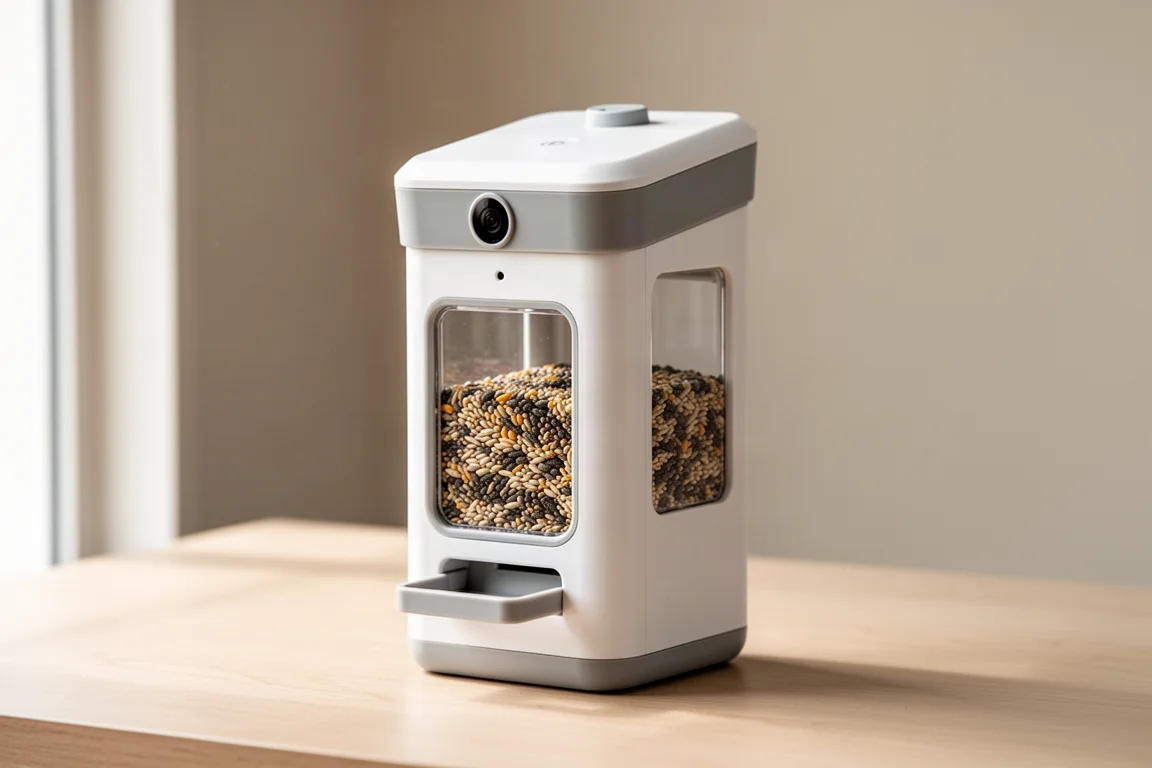
Netview and Bird Kiss: Solid Alternatives with Their Own Apps
The Netview feeder is a genuine favorite in this test. It shares the flip-open top design, has its own app, and streams reliably. The AI is okay, not perfect, but nothing in this category is. What sets it apart is accessory support: you can buy different perches, including a Pro Perch and a hummingbird perch, which adapts it for different species.
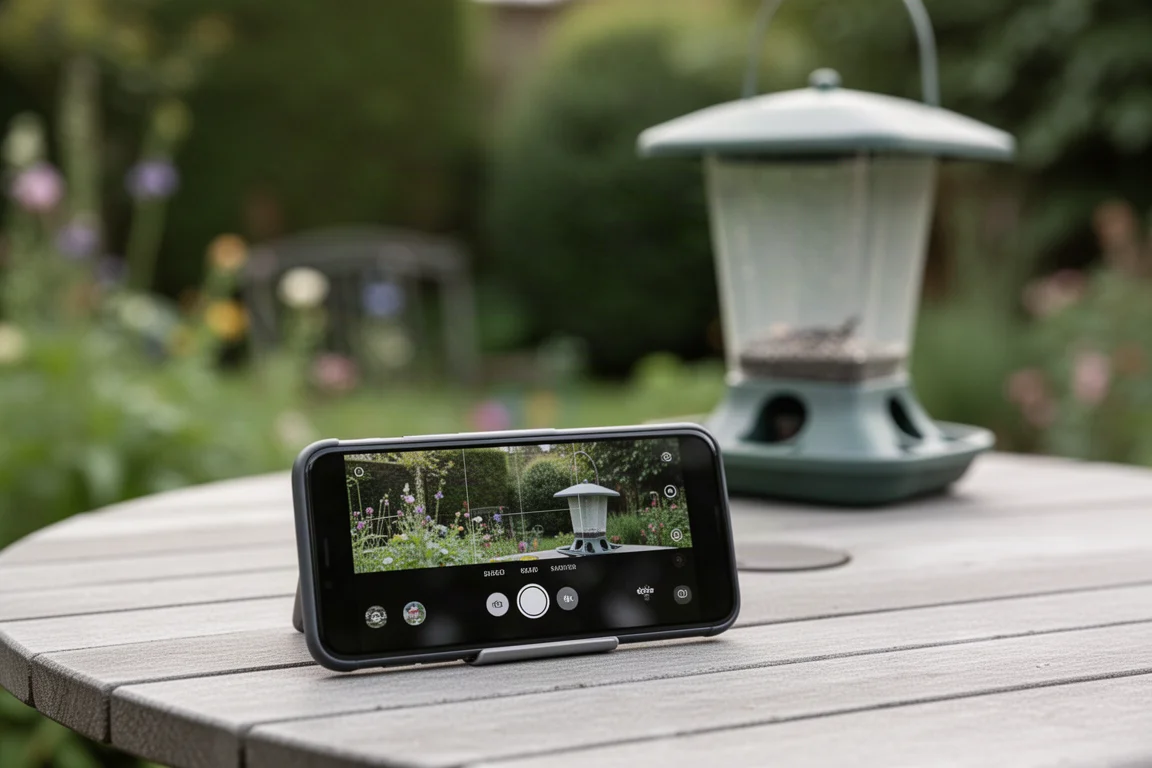
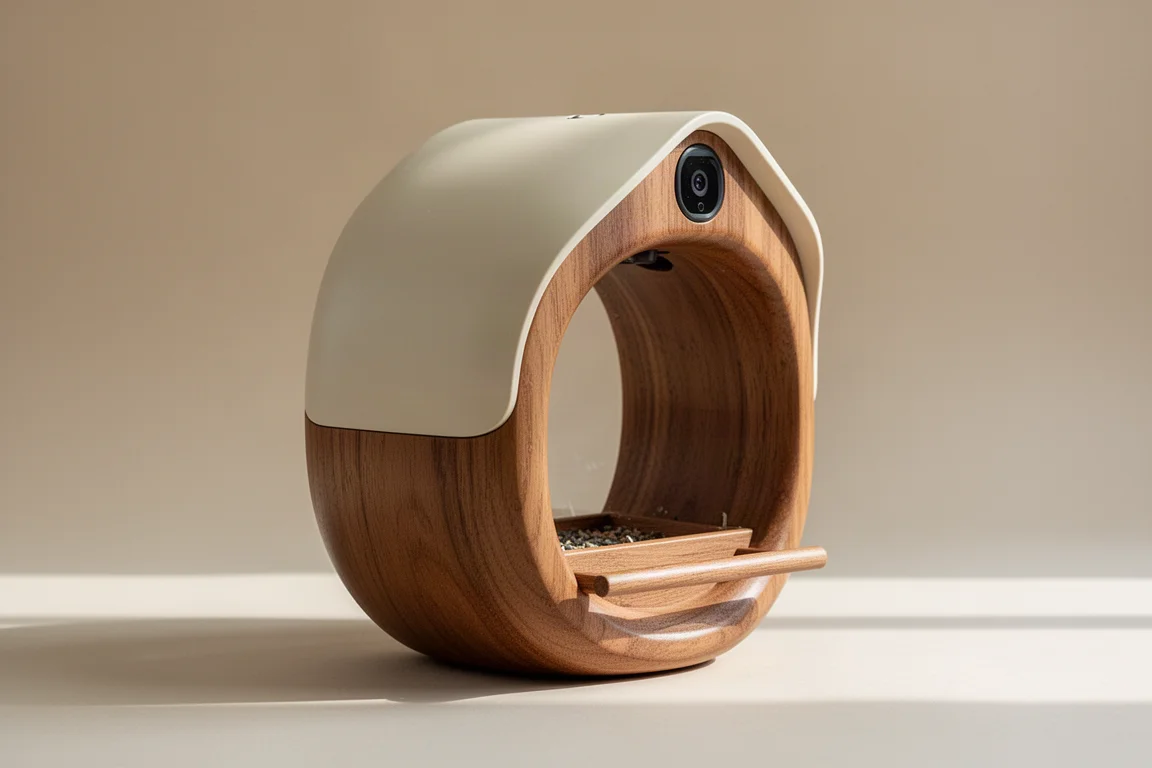
Bird Kiss takes a more distinctive approach visually, but functionally it works much like Netview and Bird Buddy: its own app, AI identification that is sometimes right and sometimes wrong, and motion-triggered recording. Netview and Bird Kiss both record short motion clips when birds arrive, while Bird Buddy started with photos and has since added video as well.
One note on Bird Kiss: early units had a stand that hung too far out and bent under load, but the design has reportedly been improved. If you are not attached to owning the biggest brand name, both of these are worth a close look.
The Durable Tier: Solium BF08 Metal Smart Bird Feeder
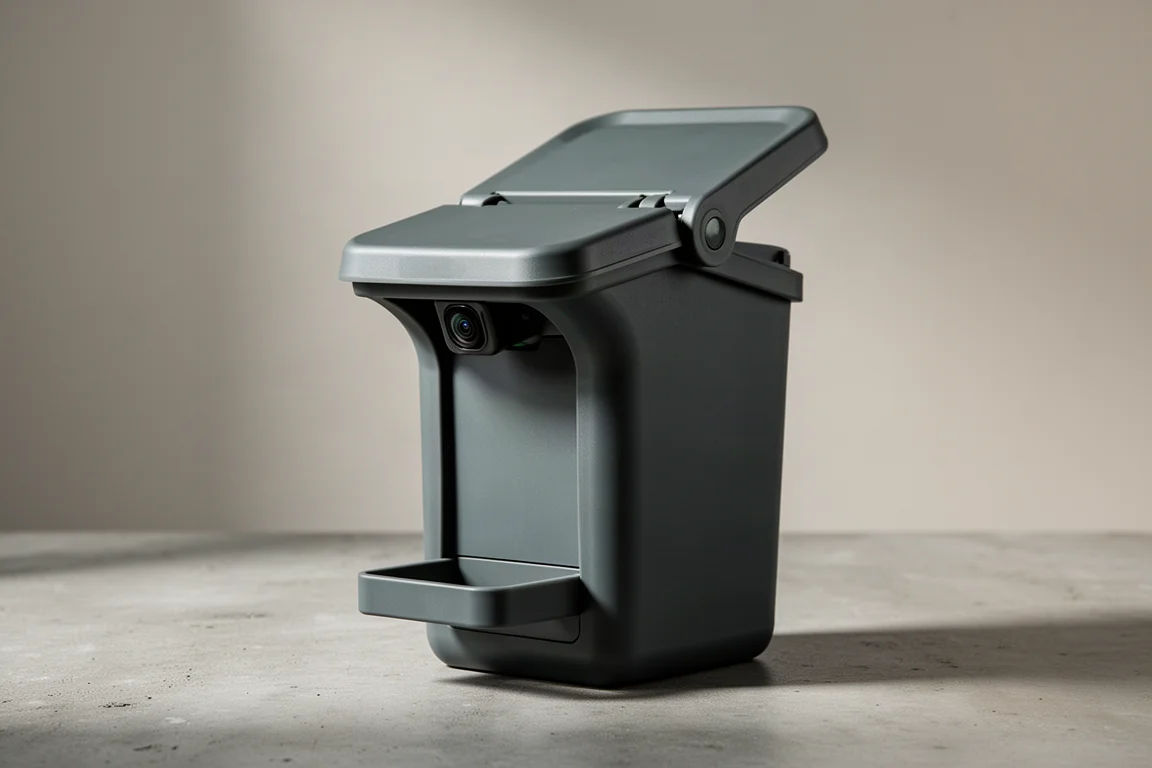
Most smart feeders avoid metal because of the weight, but the Solium BF08 leans into it. The metal roof and heavy-duty stand make it the most durable feeder in this comparison, and it holds a large amount of seed. It simply looks like a proper bird feeder that will last for years, even if you never touch the AI features.
Functionally it performs on par with the plastic feeders above: live streaming, motion recording, and AI identification that is imperfect but not bad. Plastic is lighter and cheaper, but it gets chewed on, and many buyers worry about plastic in the garden long-term. Bird Kiss has reportedly started making a metal feeder too, so expect the category to trend this way.
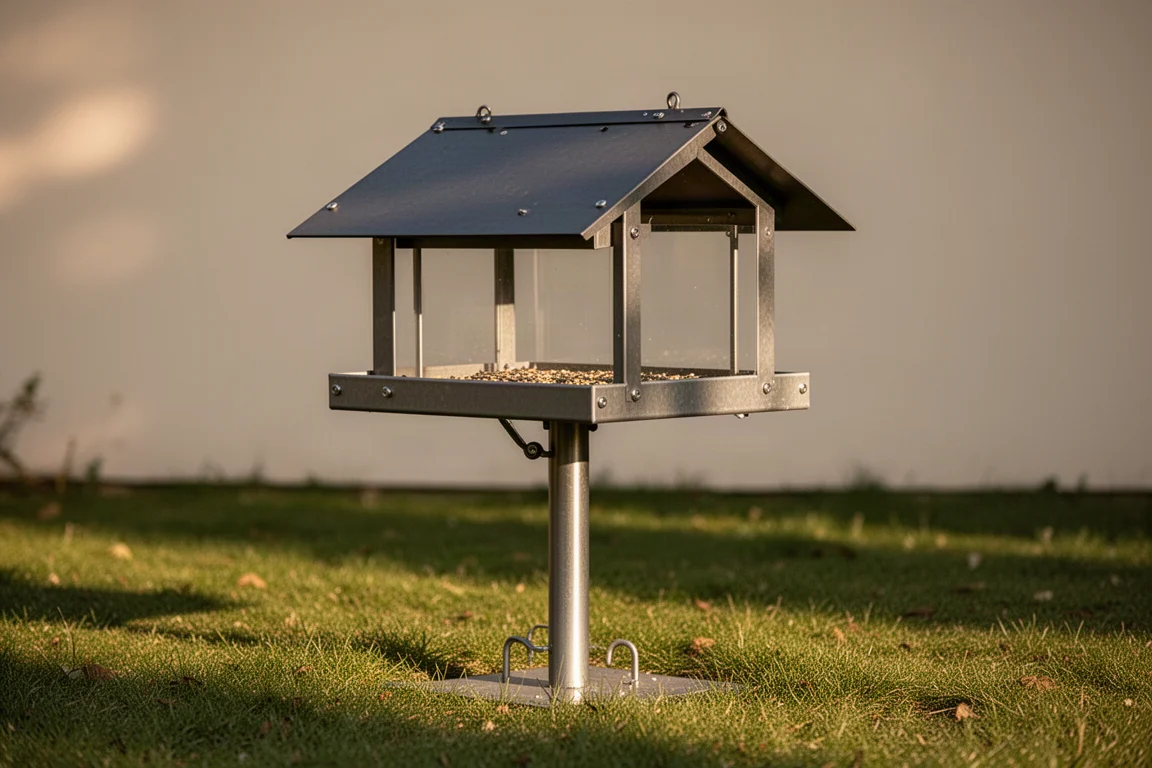
If durability is your priority, this is the tier to shop in.
Buying Advice
If you are not deeply into birds and just want to see what shows up, most of these will work fine. It is genuinely fun at first, and even the simpler options deliver that.
For a specific pick: choose the Technaxx for a cheap, hands-off trail-camera experience; choose Bird Buddy for the biggest name, the best camera clarity, and an active community; choose Netview for the most dependable streaming and the best perch accessories; choose Bird Kiss if you want comparable features with a more distinctive design; and choose the Solium BF08 if you want something that will survive squirrels, weather, and years of use.
On solar panels: most feeders offer built-in or external solar charging, and in testing they perform fairly similarly unless covered by snow or under consistently cloudy skies. It is a nice convenience, not a differentiator.
Conclusion
The smart bird feeder category is maturing fast, with smart bird baths, hummingbird feeders, and motion-triggered nest boxes all arriving alongside these feeders. For most buyers, the choice comes down to brand and app polish (Bird Buddy), reliability and accessories (Netview), distinctive design (Bird Kiss), long-term durability (Solium BF08), or simple hands-off operation (Technaxx). Whichever you pick, check the internet speed requirements and seed capacity before you buy.
Further reading
Related Reviews
Smart Bird Feeders
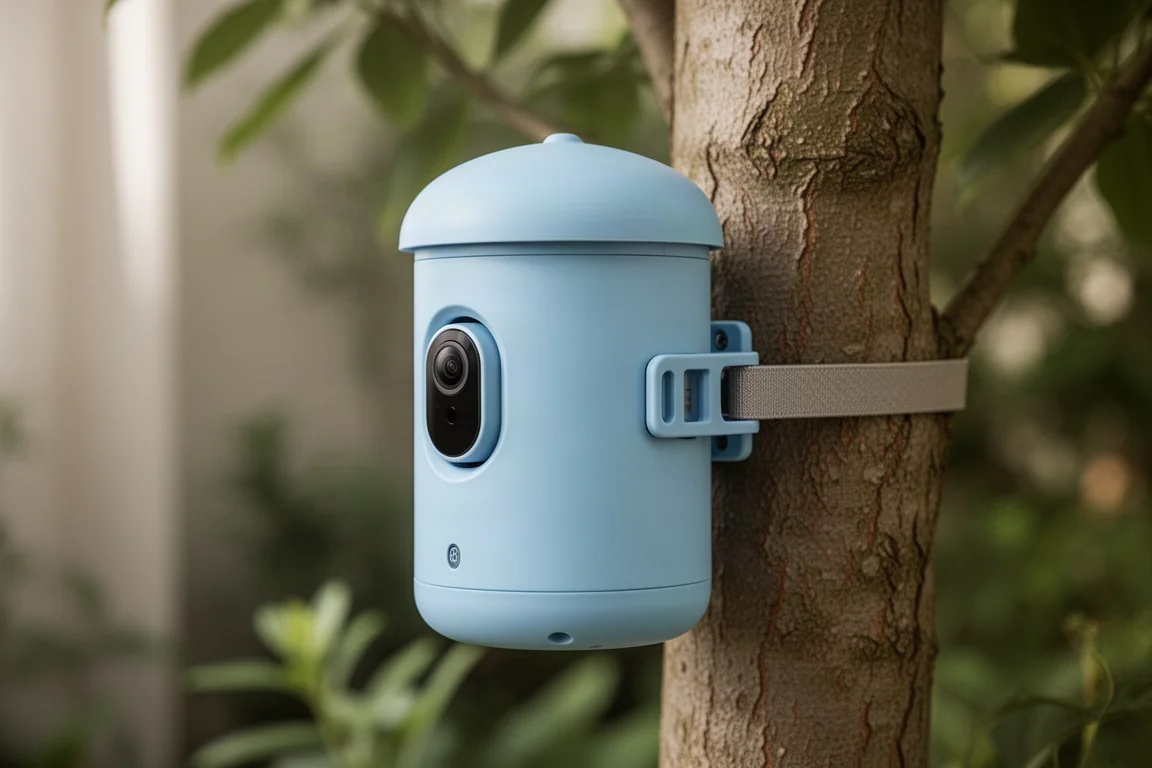
BBP Eco Smart Bird Feeder Review: A Squirrel-Proof Camera Feeder With a Clever Closing Trick
A smart bird feeder with a metal roof, a weight-triggered closing tray, adjustable sensitivity levels, and a camera that syncs with your existing setup.
Smart Bird Feeders
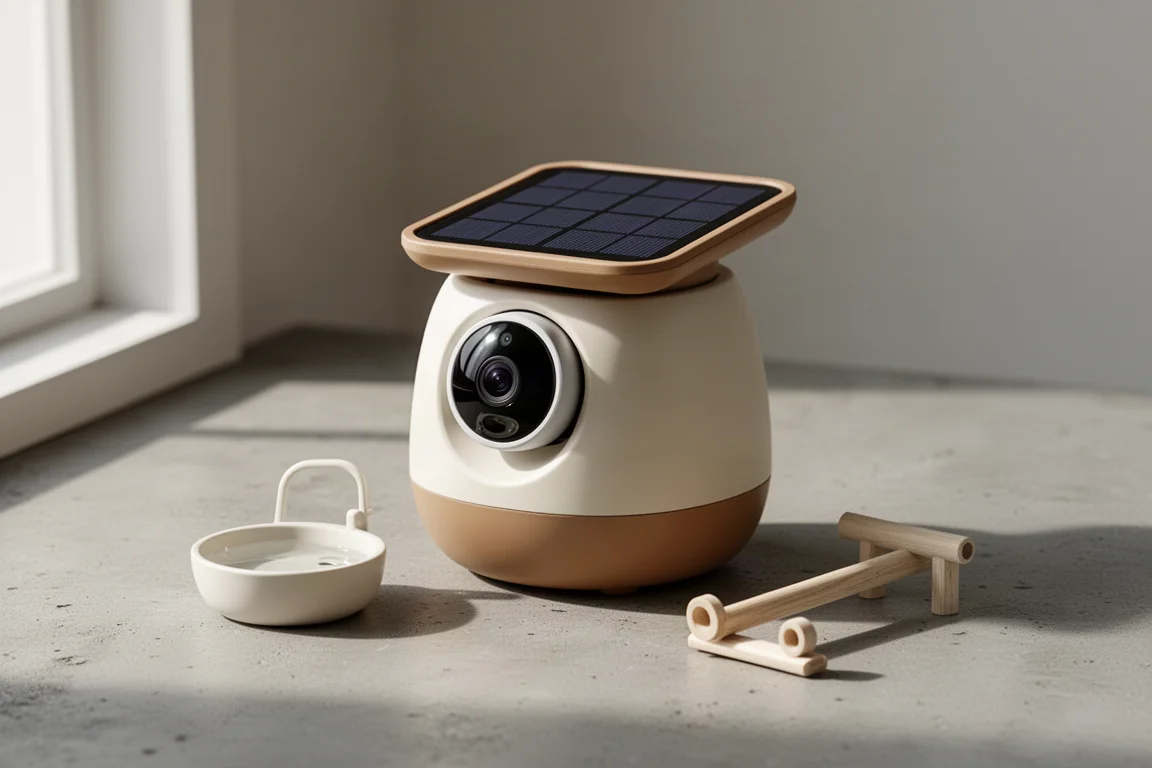
Bird Buddy 2 Review: A Smarter, Sharper Smart Bird Feeder
Bird Buddy 2 adds a swappable portrait-or-landscape camera, dual solar panels, 2K HDR video, and a larger seed tank. Here is what worked, what did not, and who should buy it.
Smart Bird Feeders
Birdfy Wide View Smart Bird Feeder Review: Dual Cameras and Solar Power in One Feeder
A sturdy, well-built smart feeder with two cameras, solar charging, and AI bird ID that works best for common backyard visitors.