Hand Tools
Small VDE Multiplier Pliers Compared: Milwaukee, Knipex, NWS and Irwin
Four compact 1000V-rated multiplier pliers go head to head on design, cutting performance and build quality.
Introduction
Small VDE multiplier pliers are one of those tools you do not think about until you need them, and then you really need them. Compact, 1000V-rated pliers for grabbing and cutting fine stock are a staple of any electrician’s kit, and the market is more interesting than it looks: several of the best-known options share a very similar German design language, and some may even come from the same factory.
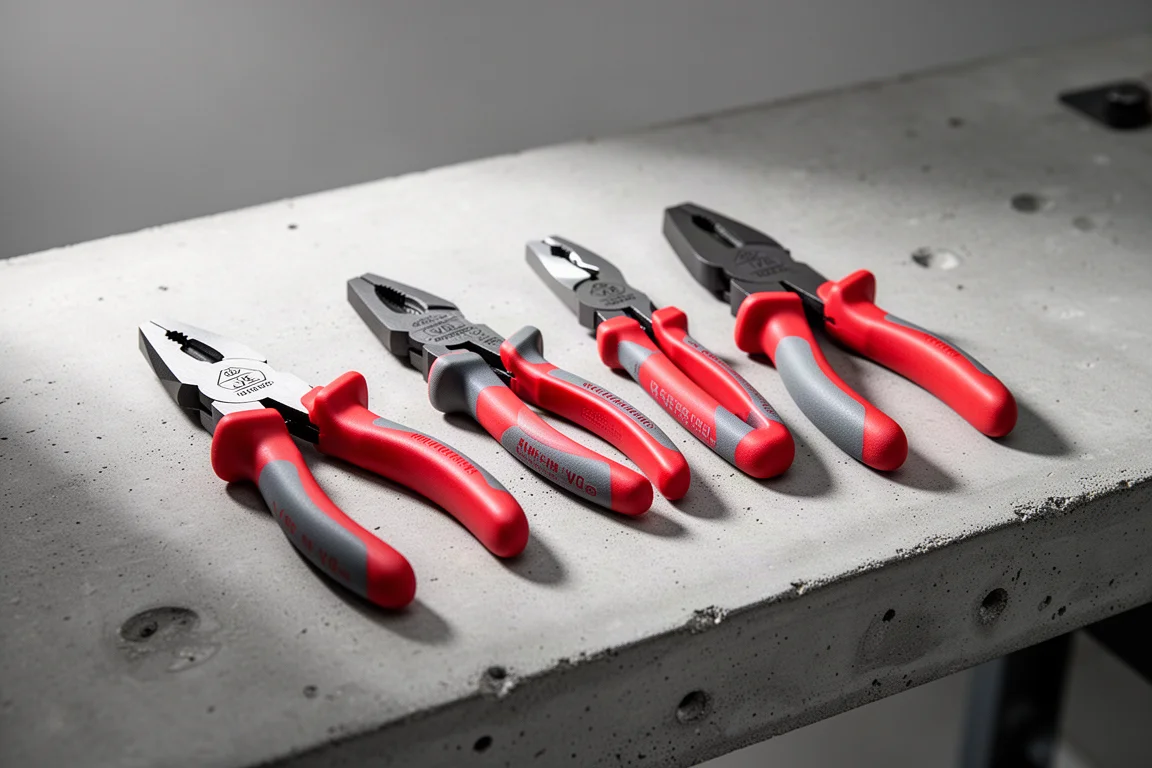
In this comparison we look at four contenders: Milwaukee’s new VDE 1000V small multipliers made in Germany, the Knipex small multipliers that set the benchmark for many buyers, NWS pliers, and the Irwin equivalents that closely mirror the same head design.
Milwaukee VDE 1000V Small Multiplier
Milwaukee stepping into the German-made VDE space is notable in itself. These small multipliers are made in Germany, 1000V rated, and share the familiar compact outline seen on other German designs, down to the characteristic head shape. The packaging points to a German manufacturer, and it would not take much to assume this is a rebrand of an established design rather than a from-scratch product.
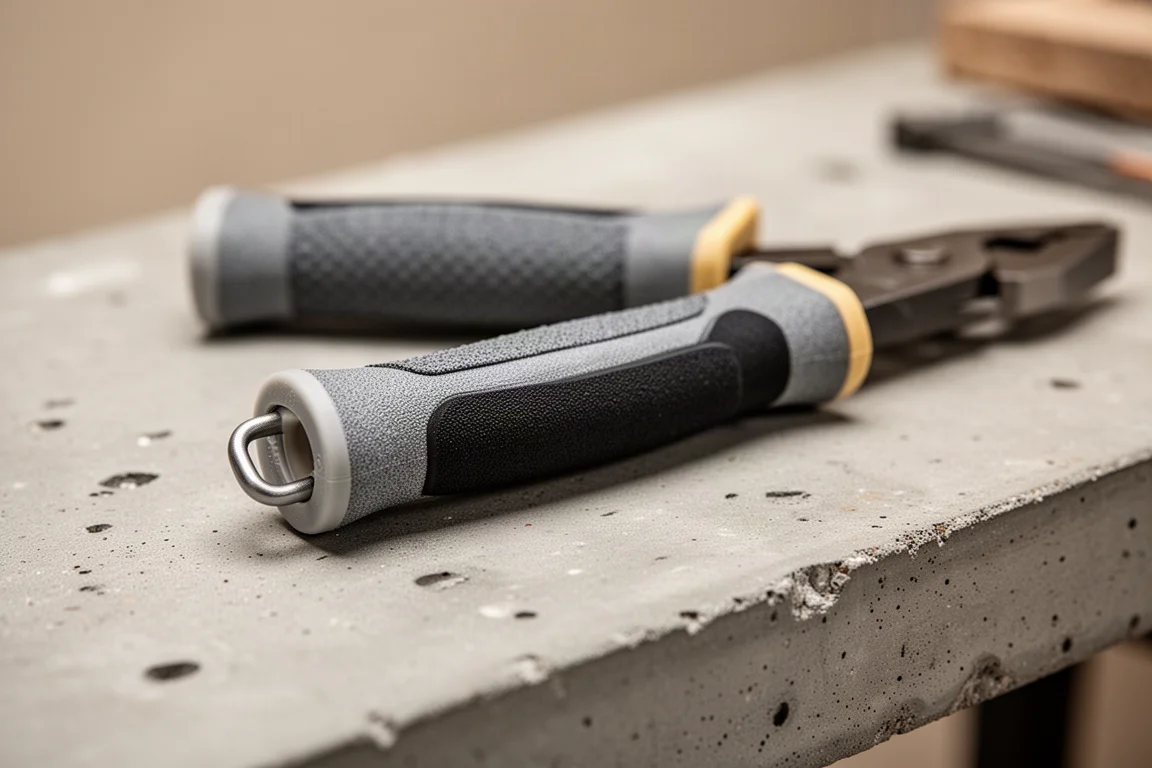
The handles carry tether points, which is useful for working at height or in inspected environments. They also keep your hands further away from the metal parts, and the slightly longer grip can make the pliers easier to index when you are reaching into a panel blind. At the front there is the traditional small wire-grabbing or stock-grabbing section, plus clean, crisp cutters.
What stands out in use is the cut quality. Slicing through a wire tie with one hand, the Milwaukee pliers shear through cleanly, and the cut surface shows almost no visible marking, which is unusual at this size.
Knipex Small Multipliers
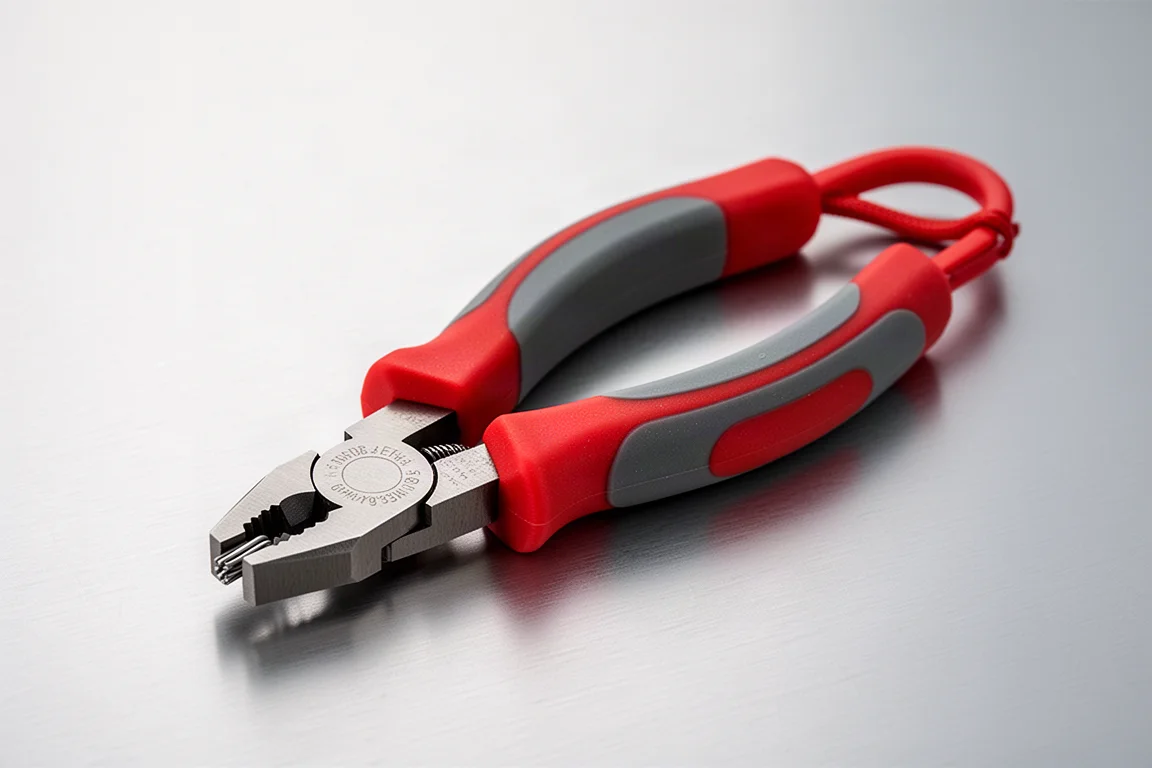
The Knipex small multipliers are the familiar reference point here, and they remain a genuinely loved tool. The overall design, handle shape and head profile are clearly in the same family as the Milwaukee and NWS offerings, which is part of what makes the comparison interesting.
In the same wire-tie test, the Knipex pliers could not quite complete the one-handed cut in the first slot of the jaw, even with the tie dropped in at a good starting position. A second pair with a different handle style gave the same result. When the cut did go through, the cut surface typically showed a bit more scarring, removing some of the oxide layer on the wire.
That said, Knipex remains the benchmark many buyers compare everything else against, and the difference in this test is a nuance rather than a dealbreaker.
Cutting Performance
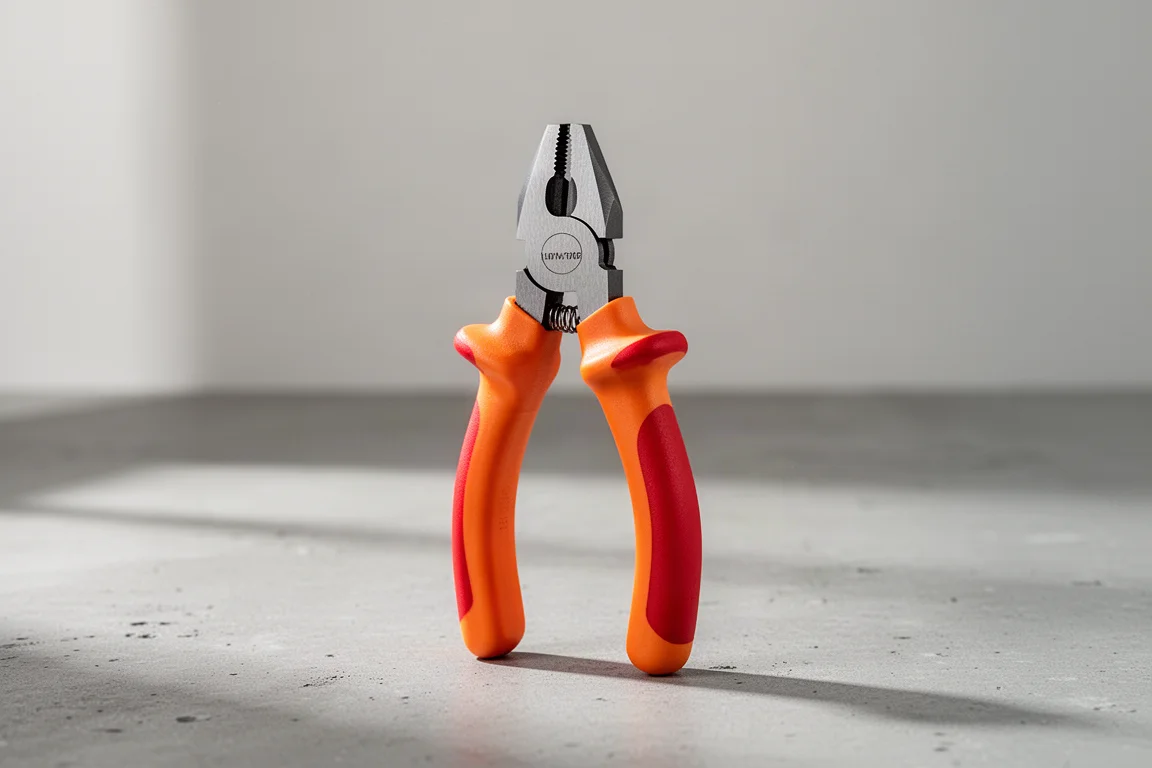
Cutting small stock is where these pliers earn their place, so it is worth comparing the results directly. In the wire-tie test, the Milwaukee pliers cut through with one hand and left an impressively clean surface with no real marks. The Knipex pliers, loved as they are, struggled to complete the same one-handed cut in the first jaw slot and left more visible scarring on the material.
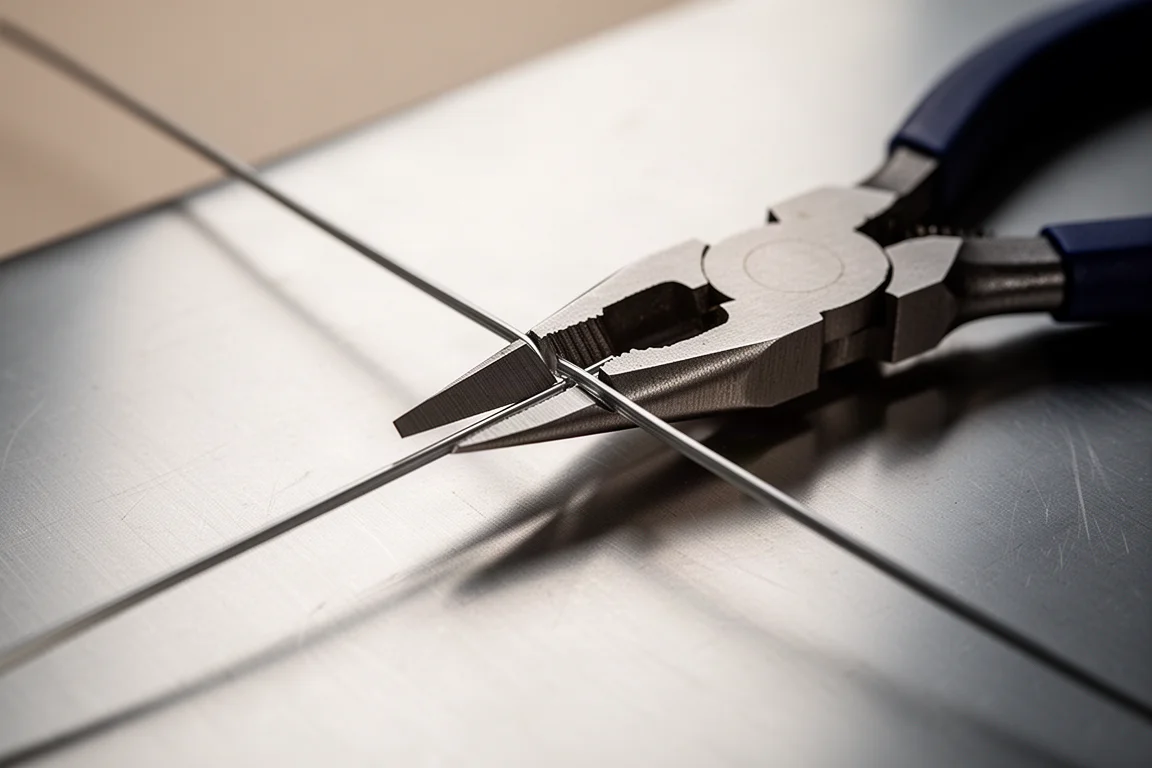
The NWS pliers, with a similarly sized head, cut through the tie easily and without drama. The pistol-grip style handle may contribute a little extra leverage, and the result was a clean, effortless slice. The Irwin pair was noticeably tougher going, and getting through the tie with them was a harder experience.
NWS Pliers
The NWS pliers follow the same unmistakable German outline, with a very similar head to both the Milwaukee and Knipex designs, so much so that a shared designer or factory seems plausible. Where NWS distinguishes itself is in the finish of the metalwork: the “Made in Germany” stamping is exceptionally crisp, with sharp, clean lines on the forged surface.
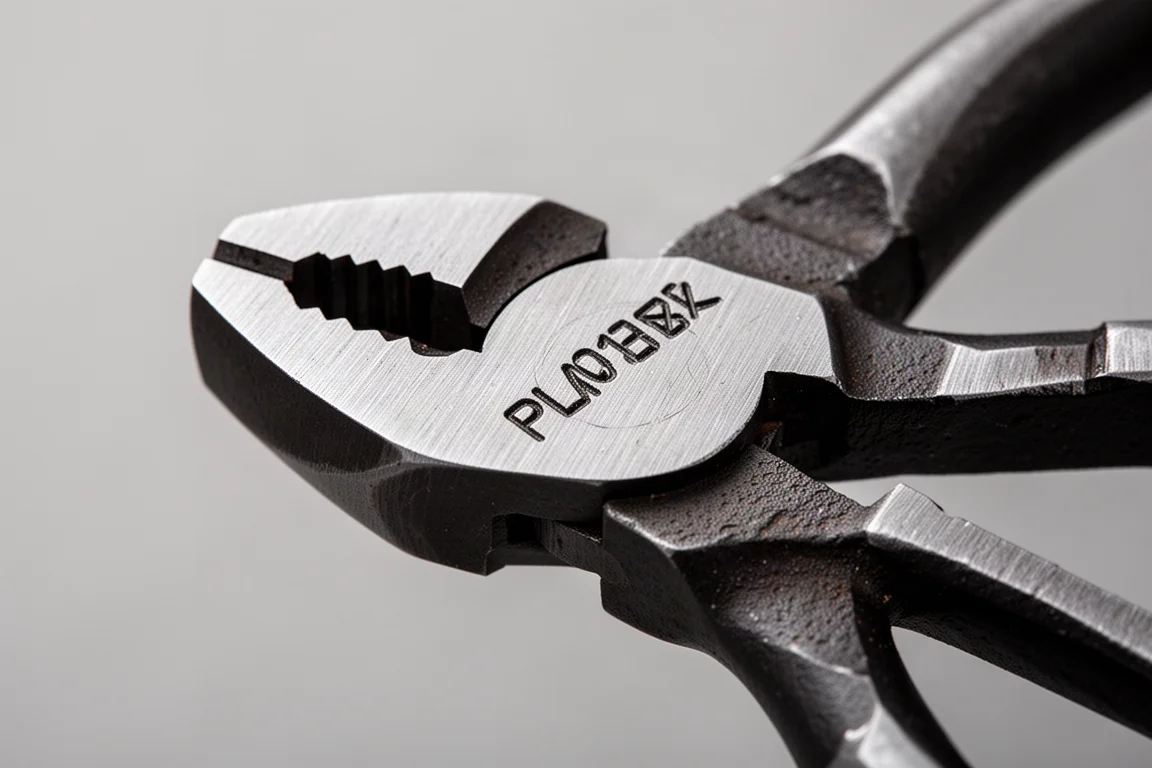
The pistol-grip handle is a practical touch, giving a comfortable hold and possibly a small leverage advantage at the cutter. In the cutting test they sliced through the wire tie with no problem, making them one of the stronger performers in this group.
Irwin Small Multipliers
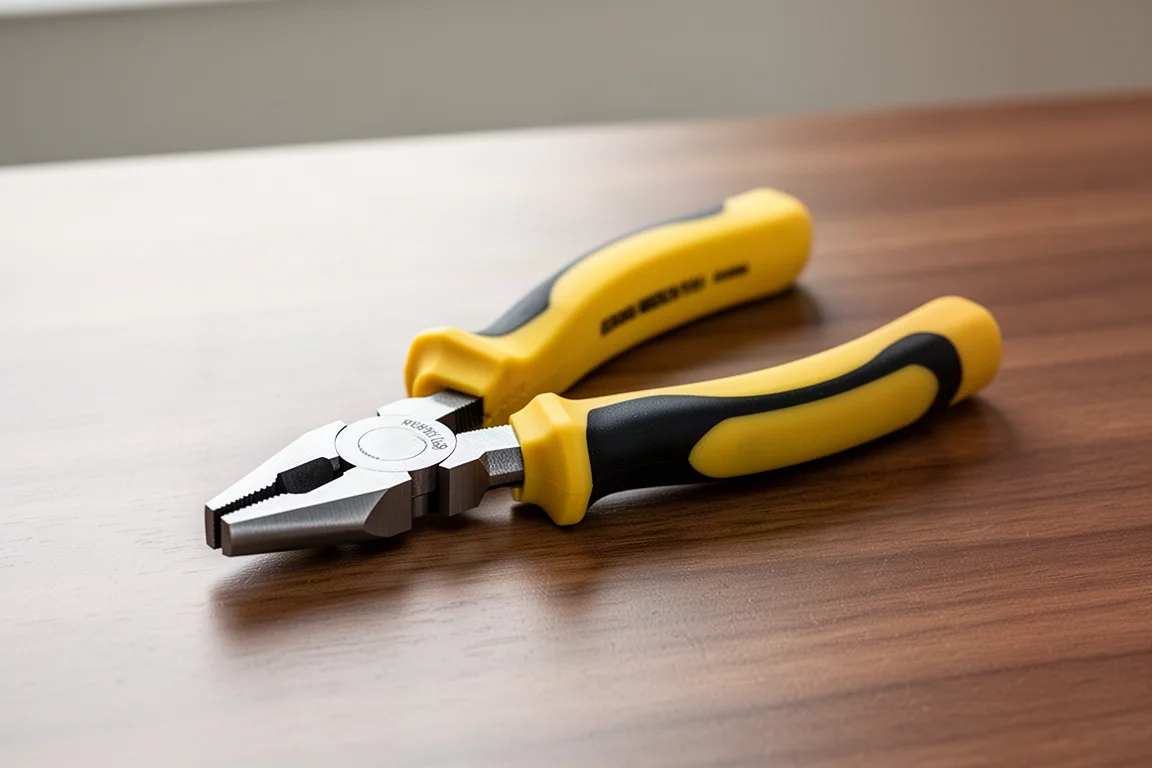
The Irwin small multipliers round out the group, and they share the same head design seen across the other three. If you like the general format but want an alternative brand, they fit the same role.
In use they were the toughest of the four on the wire-tie test, requiring noticeably more effort to get through the same material. If cutting fine stock is your primary use case, that is worth factoring in. They still belong to the same family of compact, insulated multipliers, so the fit and general handling are familiar.
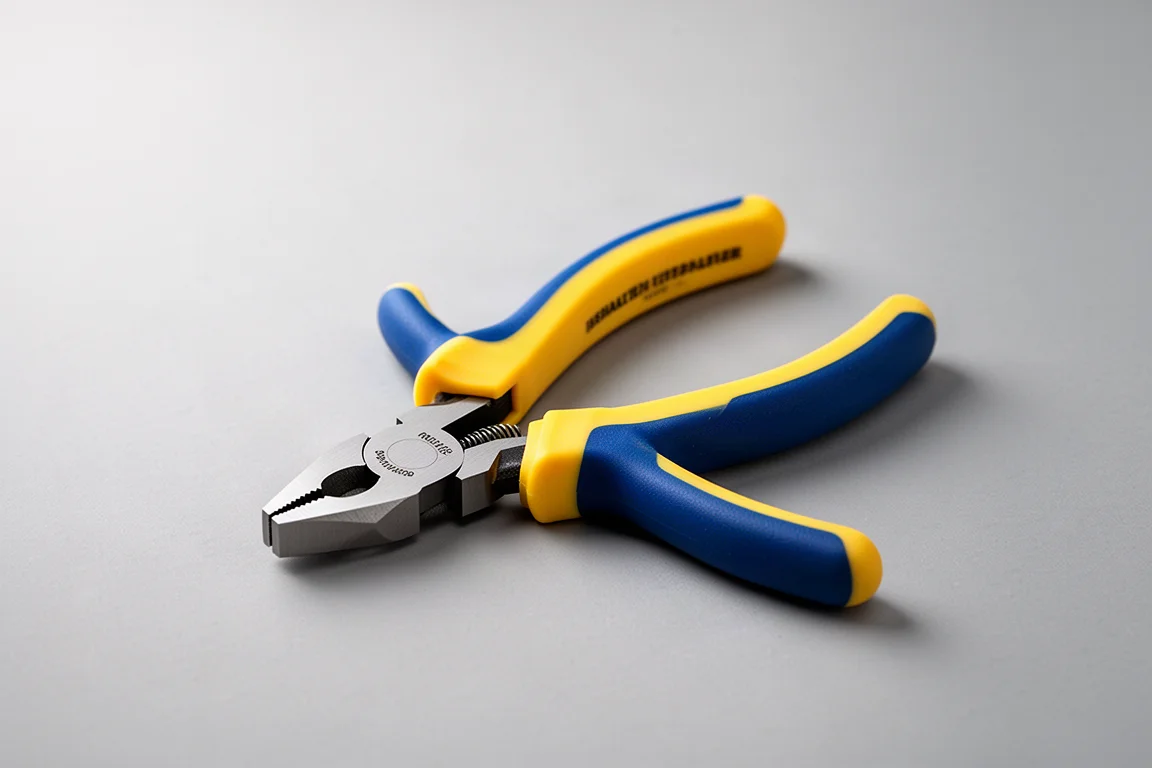
Overall Buying Advice
If you want the strongest overall impression from this group, the Milwaukee VDE 1000V small multipliers are the interesting newcomer: German-made, well finished, with clean cutters and thoughtful details like tether points. The NWS pliers are the closest rival on cut performance, with beautifully crisp metal stamping and an easy, confident cut.
The Knipex small multipliers remain a safe, well-loved choice, though in this test they were outperformed on cut cleanliness. The Irwin pair is the value-conscious option in the same format, with the caveat that they cut less easily.
Whichever you choose, check that the 1000V VDE rating and any certification marks on the packaging match what you need for your work environment.
Conclusion
This comparison shows how much variation can hide behind a shared design. The Milwaukee entry into German-made VDE pliers looks like a strong rebrand with excellent cut quality, NWS offers superb finish and easy cutting, Knipex stays reliable but was edged out in this test, and Irwin sits behind on cutting effort. Match the tool to how often you actually reach for small multipliers, and any of the top performers will serve you well.
Further reading
Related Reviews
Hand Tools
Best Diagonal Cutters 2026: 16 Pliers Tested for Cutting Power and Durability
We put 16 diagonal cutters through nail, screw, drill bit, and hex key tests to find the best value picks for your toolbox.
Hand Tools
Best Hex L Key Sets 2026: Nine Sets Tested for Real-World Torque
Nine hex L key sets from budget to premium, tested for torque, fit, and durability. See which sets deliver real performance and which ones to skip.
Hand Tools
Best Locking Pliers 2026: Top Picks Tested for Grip and Durability
We tested 18 brands of 10-inch locking pliers for grip strength, jaw bite, build quality, and ease of release to find the best options for tough jobs.