Hand Tools
Best Small Hammers: Why a 12 oz Hammer Deserves a Spot in Your Kit
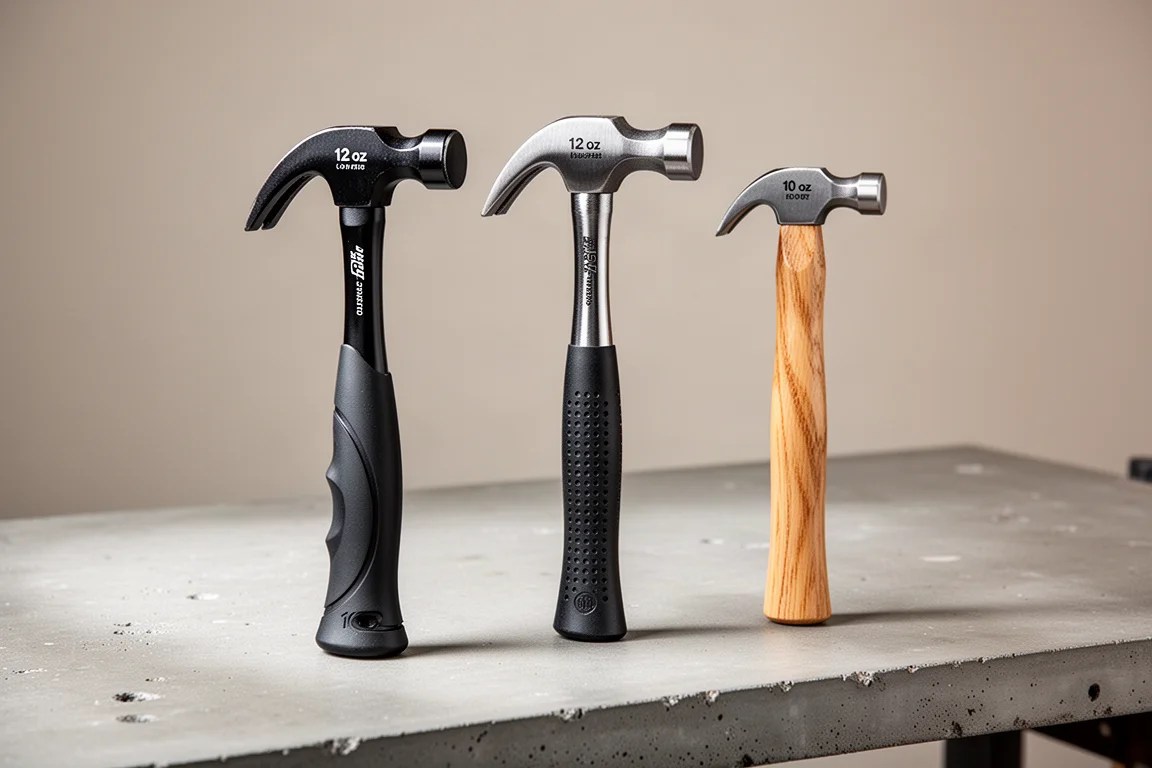
Three compact hammers compared for feel, balance, and real-world use: the Milwaukee 12 oz, the Estwing 12 oz, and the 10 oz Bon.
Introduction
Small hammers have quietly become the everyday tool of choice for most jobs around the house. Once you start using one, it becomes obvious why: so much of the work we do involves small fasteners, low-profile fixes, and tight spaces where a full-size hammer just gets in the way. This comparison looks at three compact options, each with a different personality and a different price point.
Why a Small Hammer Works
The physics behind a hammer is worth understanding before you buy. When generating force from a lever, the actual swing speed matters far more in the equation than the mass of the head. That means a tiny hammer gives you precise control rather than brute force, and for the vast majority of nails an average homeowner encounters, there is more than enough force to drive them.
Larger hammers rely on brute force delivered through long handles. They still make sense for framing a house or big demolition work, but for small nails, tacks, and popped-out fasteners, a compact hammer is the better tool.
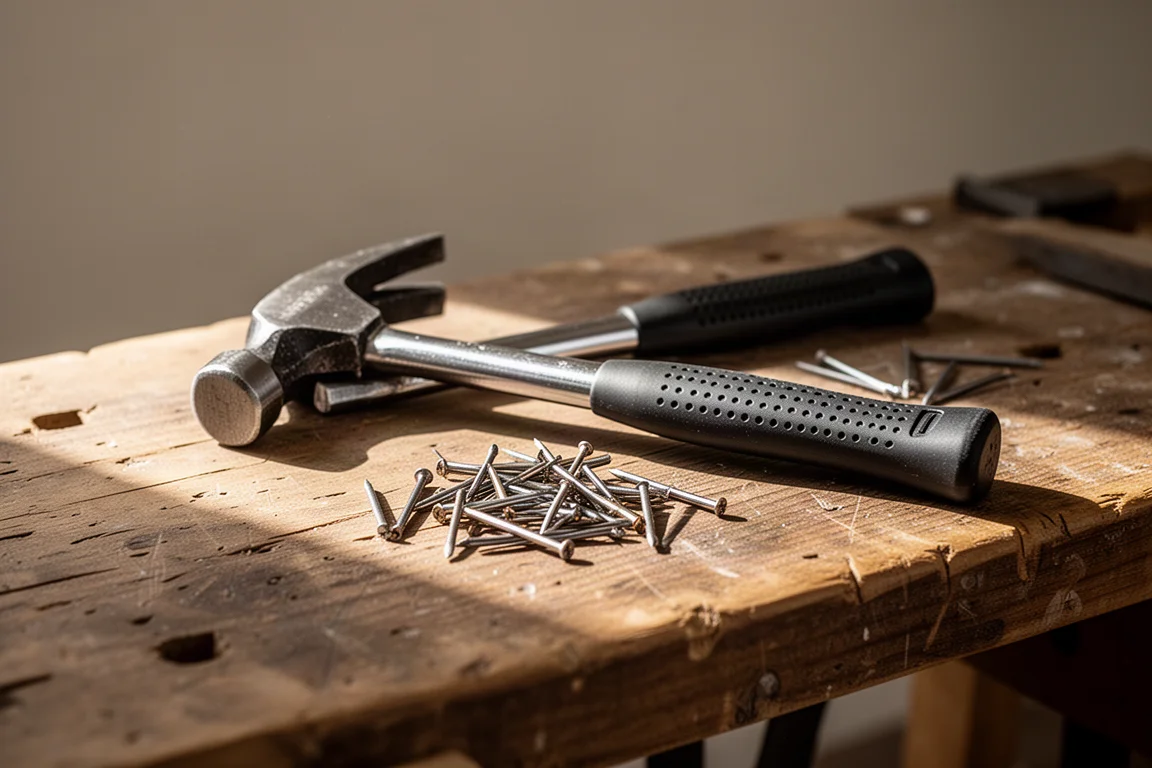
Tiny hammers of all kinds, including miniature claw and ball-peen designs with short handles, genuinely work and are worth stashing in different places around the workshop.
Milwaukee 12 oz Hammer
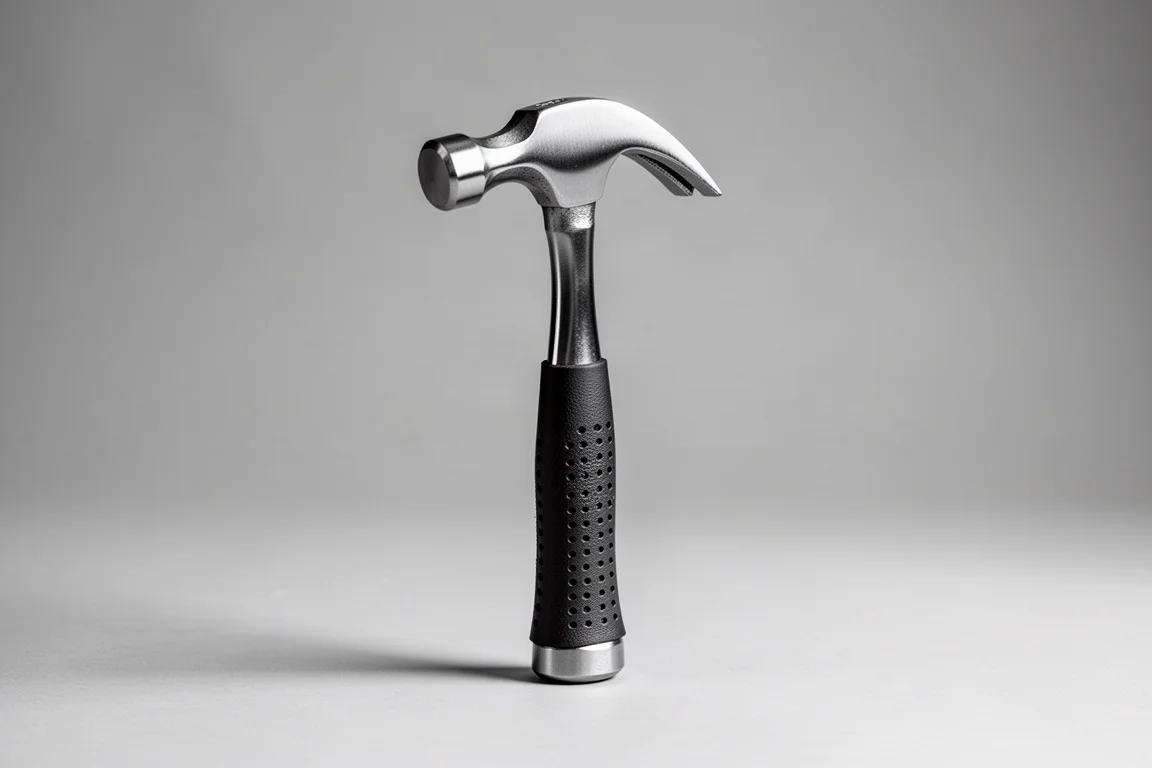
The Milwaukee 12 oz hammer has been out for a while, but it earns attention for one reason above all: it feels exceptional in the hand. The weight distribution of the head stands out immediately, especially compared to hammers that feel heavy and front-loaded, almost brick-like. Everything about it feels natural for striking.
The handle is not a generic symmetrical rubberized grip. It has been genuinely designed to wrap around your hand, with a subtle base swell, and it pays off in comfort.
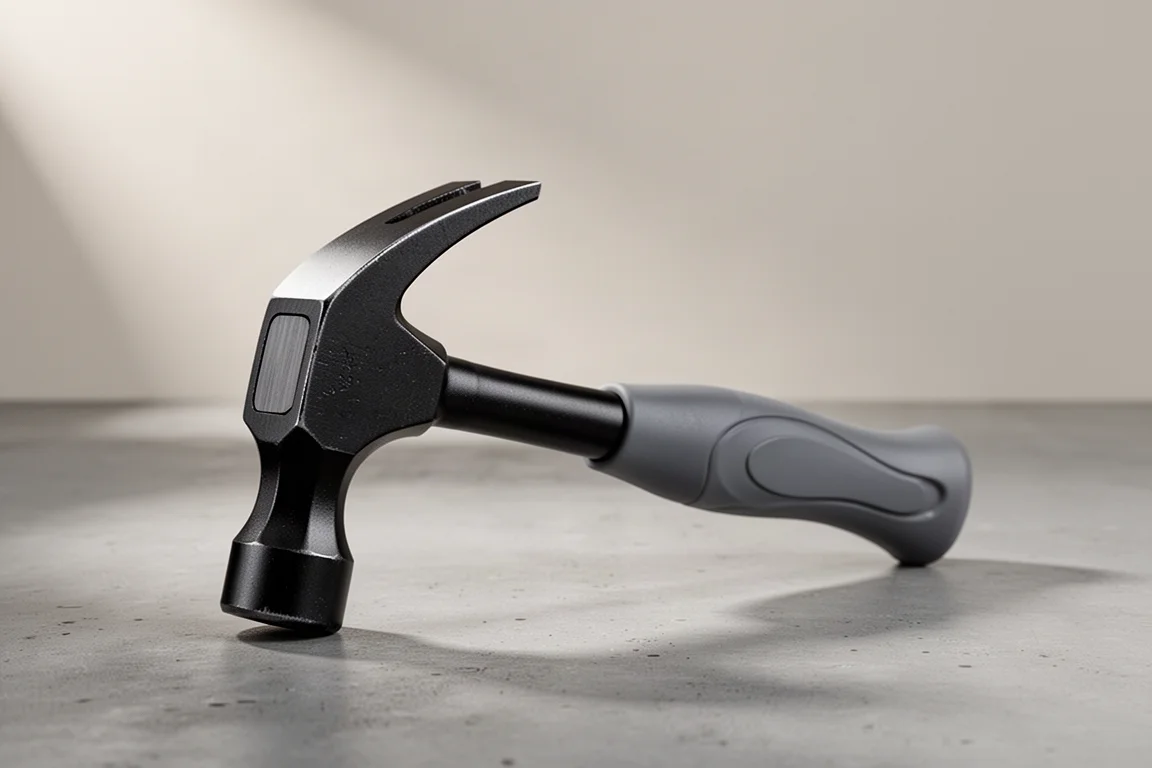
The head design borrows heavily from electrician’s hammers. The end is profiled flat, which creates a fairly large striking point so you can strike almost flush against the top of the hammer. That matters more than it sounds, because round-faced hammers give you only a tiny usable contact point in the same situation. The claw also has a slightly straighter fork, an angle that offers real advantages on a low-profile hammer compared with a larger framing hammer you would really pry with.
At around $23, it undercuts a comparable nail-capture design from DeWalt that runs about $30, and it feels like money well spent purely on fit and finish.
Estwing 12 oz Hammer
Estwing’s 12 oz hammers have a long track record, and many people end up owning several, stashed in different spots because they get used so often. They are reliable, available widely, and priced around $30 to $31 depending on where you shop.
The main trade-off is fit and feel. Estwing uses the same handle across many of its products, so the grip is consistent rather than refined, and the head has a noticeably heavy, front-loaded feel. It works, but it does not have the balanced, natural strike of the Milwaukee.
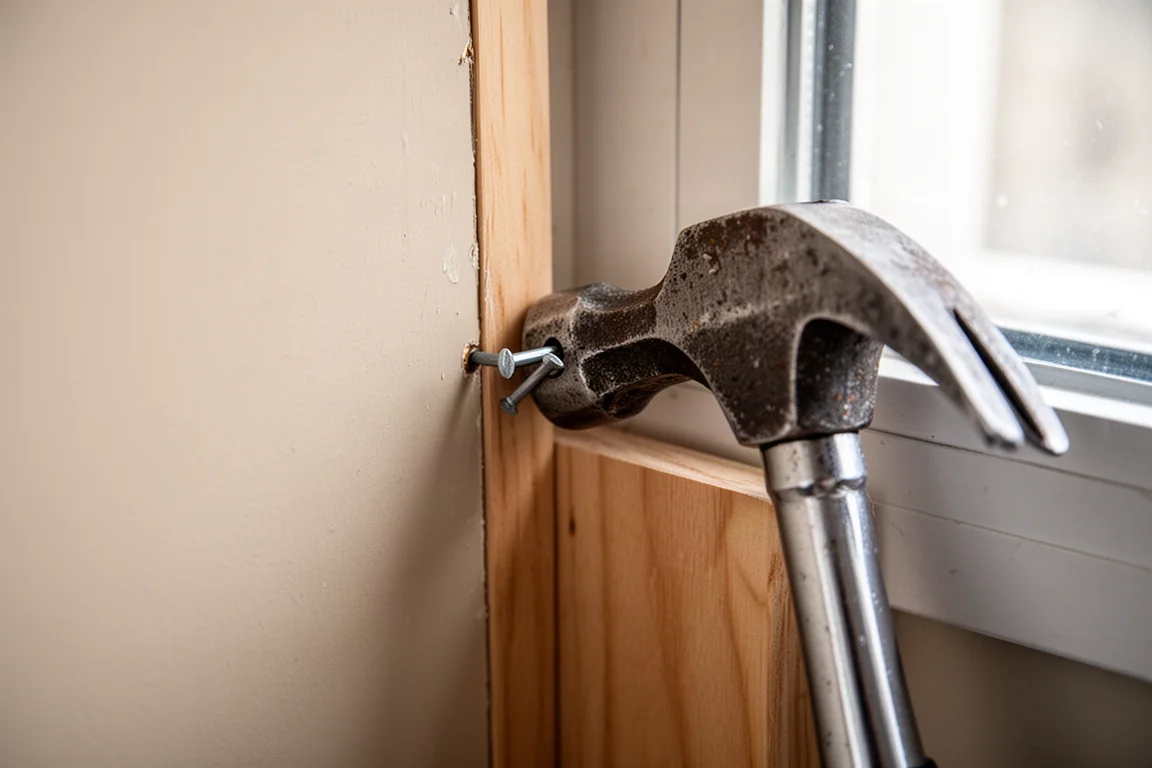
The claw geometry is the other consideration. To get the claw seated on a fastener, you need clearance all the way back along the steeper angle, which can be awkward when you are working tight against a wall or inside a box.
Claw Geometry: Clearance Matters
This is where claw design quietly separates good small hammers from average ones. Many small hammers use a steep prying angle to give a large prying leverage, but in everyday use most people are popping finish nails, tacks, or an 18-gauge nail jammed somewhere, often using the claw instead of pliers.
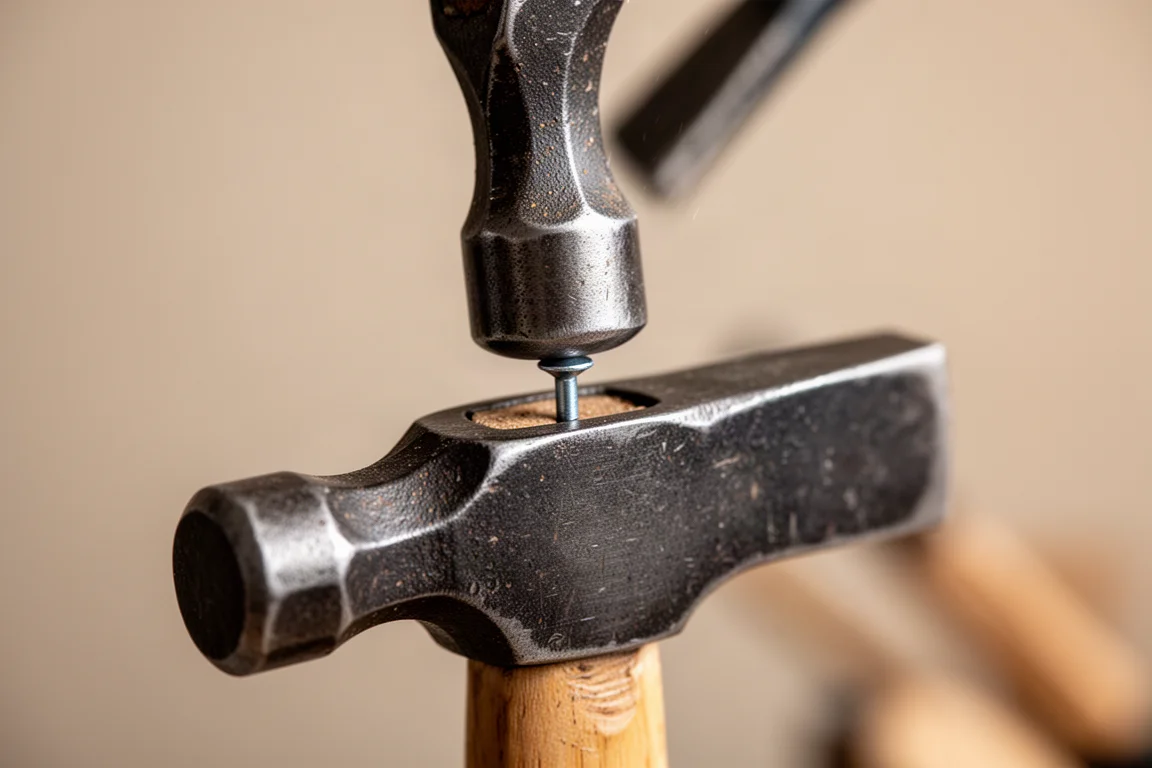
For those jobs, a shallower, flatter claw provides more working room. If you have to reach far back to seat the claw, you need clearance for the whole motion. In tighter situations, up against a wall or even inside a box, a flatter claw is genuinely easier to use.
Bon 10 oz Hammer
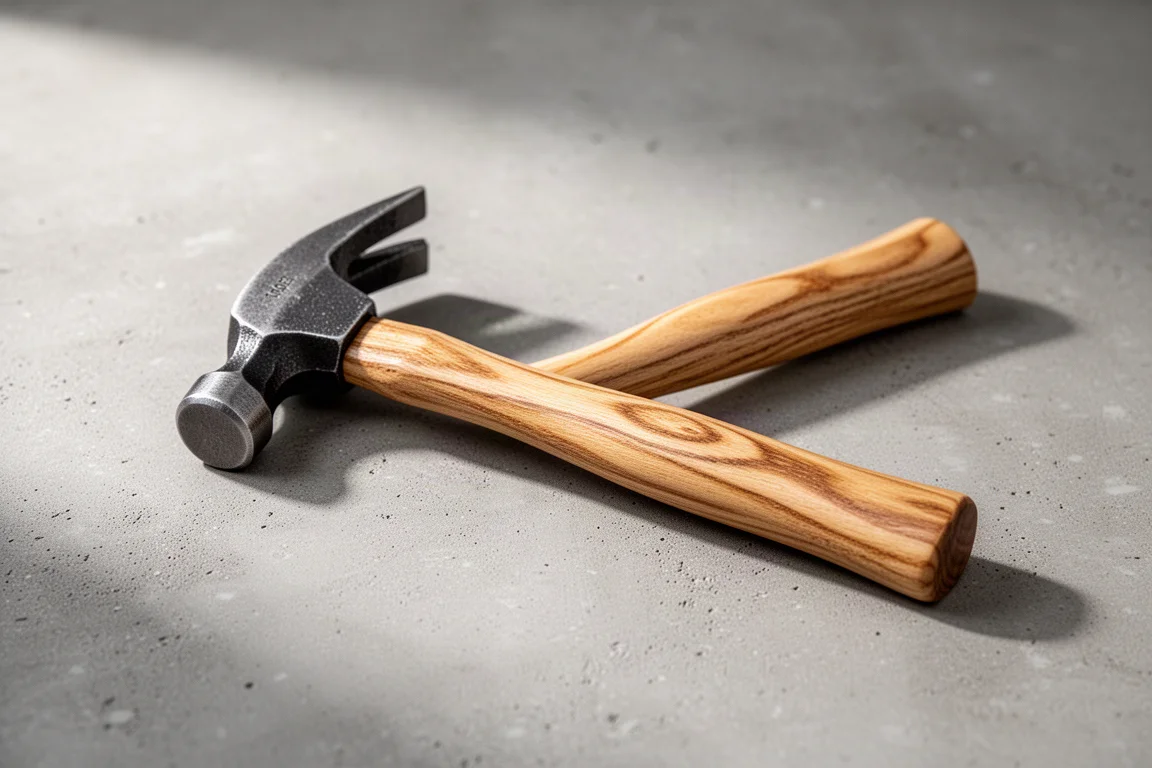
The Bon 10 oz hammer on a wood handle is USA made, and it is a genuinely good hammer, though it takes some adjustment. Striking properly with it takes a while to get used to, and something about the balance can feel off at first until you adapt.
The claws are fairly subdued, which works well for pulling things, but it is worth remembering that a claw often gets used for bashing too, and these are less suited to that kind of abuse. The main downside is value: it is a little on the pricey side for a 10 oz tool.
Striking Face Design
A flat, profiled striking face is one of those details you only appreciate after using both styles. With a round face, you can strike at an angle, but you only get a tiny usable striking point. A flat profile like the Milwaukee’s opens up a much larger contact area, letting you strike almost right against the top of the hammer head.
It is worth noting that the striking face naturally wears down with use, so some flattening over time is normal.
Buying Advice
For most homeowners, the choice comes down to feel and claw geometry. If you want the best balance and a thoughtfully shaped handle, the Milwaukee 12 oz at around $23 is an easy recommendation. If you want a proven classic with wide availability, the Estwing 12 oz around $30 to $31 remains a safe pick, as long as you accept its heavier front end and steeper claw. If you want a lightweight, USA-made wood-handled option and do not mind paying a premium for a few ounces, the Bon 10 oz delivers.
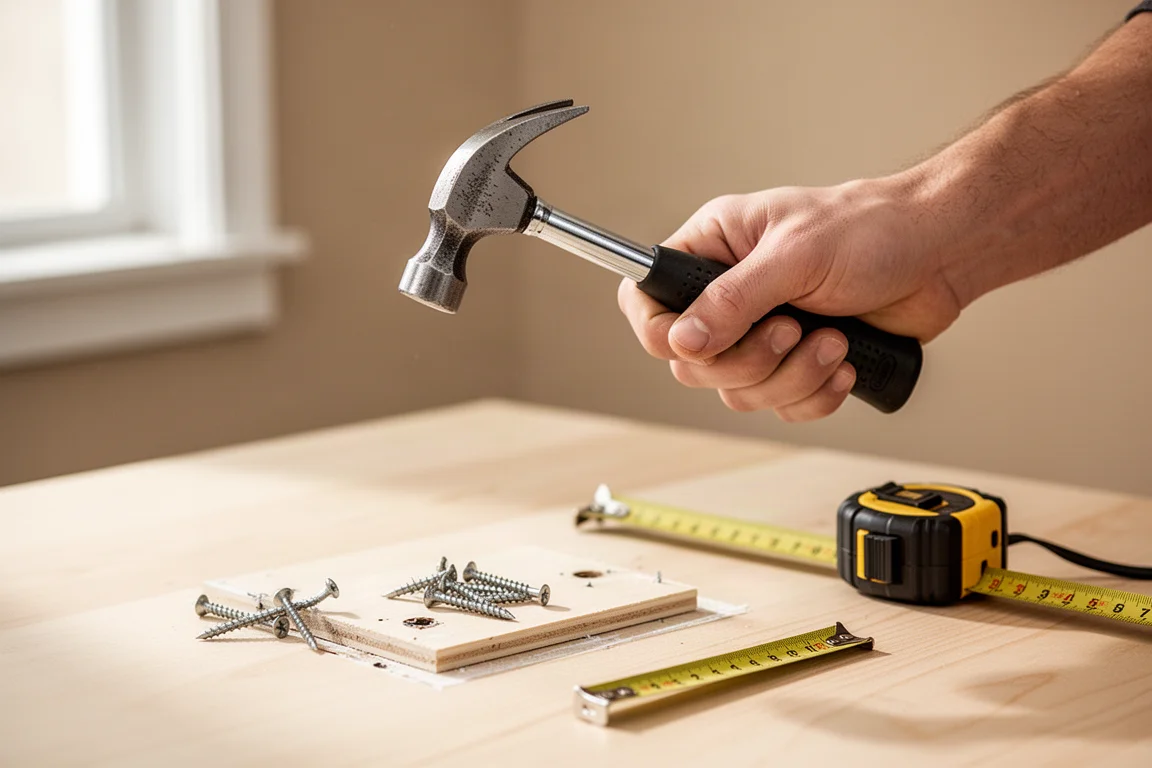
Whichever you pick, a small hammer provides the control, precision, and enough force for any usable nail in the average homeowner’s challenges. Unless you are framing a house, driving large nails, or doing serious demolition, the compact hammer is likely where the world is heading.
Conclusion
Small hammers earn their place by making everyday fastening work faster, cleaner, and more comfortable. The Milwaukee stands out for balance and value, the Estwing for proven durability, and the Bon for a lighter, traditional alternative. Pick the one that matches your grip and your workspace, and it will probably become the hammer you reach for first.
Further reading
Related Reviews
Hand Tools
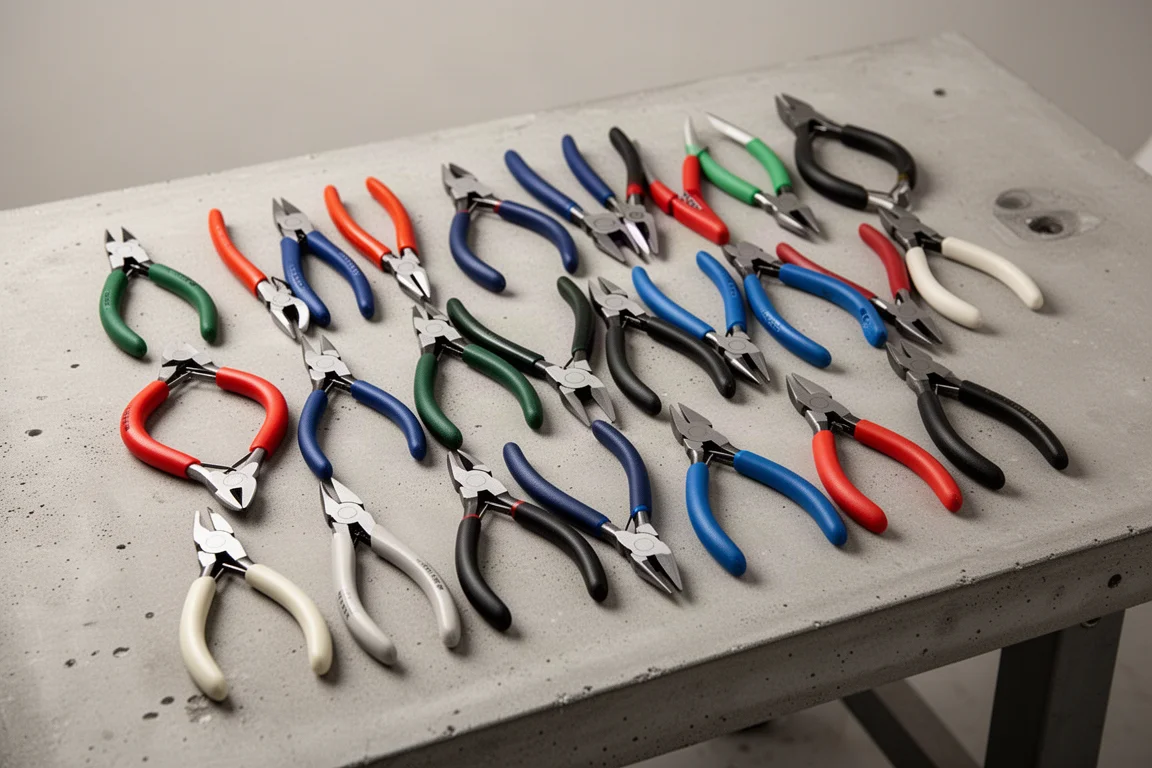
Best Diagonal Cutters 2026: 16 Pliers Tested for Cutting Power and Durability
We put 16 diagonal cutters through nail, screw, drill bit, and hex key tests to find the best value picks for your toolbox.
Hand Tools
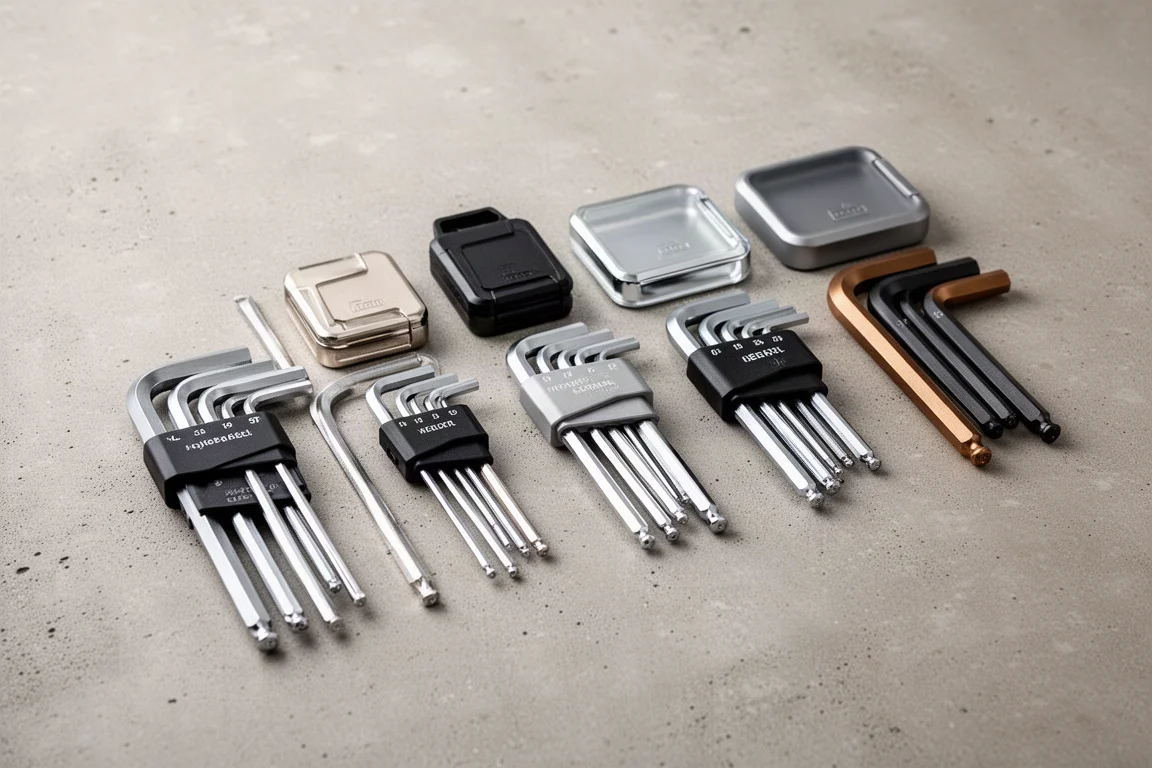
Best Hex L Key Sets 2026: Nine Sets Tested for Real-World Torque
Nine hex L key sets from budget to premium, tested for torque, fit, and durability. See which sets deliver real performance and which ones to skip.
Hand Tools
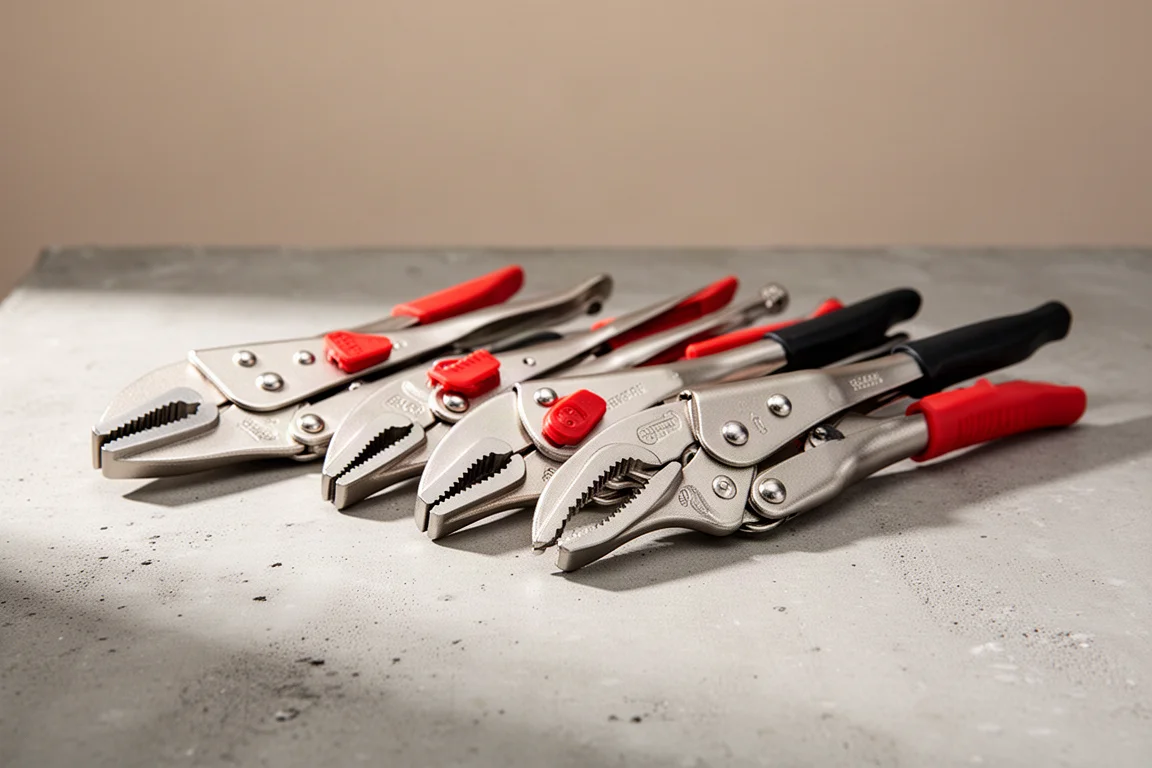
Best Locking Pliers 2026: Top Picks Tested for Grip and Durability
We tested 18 brands of 10-inch locking pliers for grip strength, jaw bite, build quality, and ease of release to find the best options for tough jobs.