Flashlights
Best Small CR123 Flashlights: Four Compact Lights Compared
Four compact CR123-class flashlights compared, with the ThruNite T1 standing out for its simple interface, magnetic tail cap, and flexible battery options.
Introduction
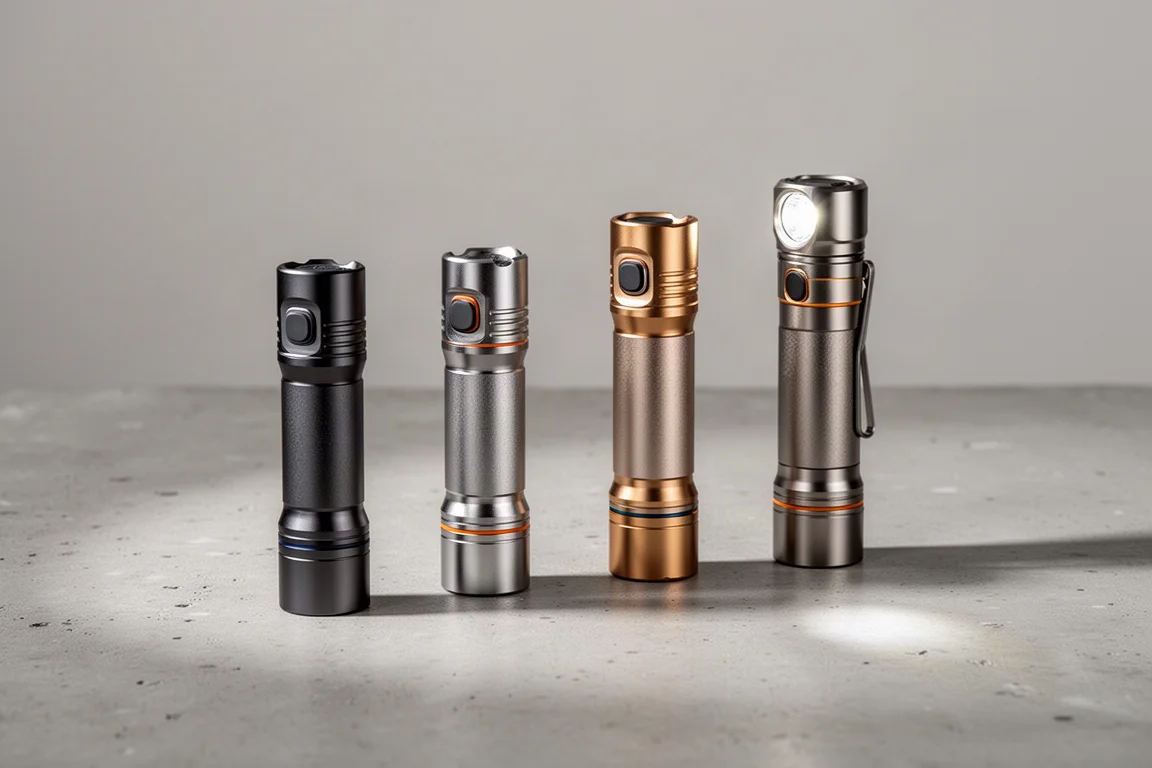
Small flashlights built around the CR123 battery format occupy a special place in any kit. The lithium cells pack serious power into a tiny footprint, perform well even in cold conditions, and do not corrode the way alkaline batteries do. That makes this class of light a natural fit for vehicle kits, emergency kits, everyday carry, and survival setups, where you may not always have a way to recharge but still want a light that can also run in its rechargeable configuration.
We looked at four compact lights in this space: the ThruNite T1, the ThruNite Catapult, the Fenix E18R, and the Fenix PD22. The biggest differences between them come down to user interface, beam character, and battery flexibility rather than raw output.
Why the CR123 Format Works So Well
The CR123 is a remarkably capable battery for its size. As a lithium cell, it delivers strong performance even when cold, and it stores reliably for long periods, which is exactly what you want in a backup light that lives in a glovebox or emergency bag.
There is a trade-off worth knowing about. Lights in this form factor tend to be used on their low settings most of the time, and a poorly designed interface can make accessing those low modes frustrating. Twist-ring designs can be extremely durable but often require a manual to master. Some electronic switches require hold patterns, mode cycling, or accidental special modes that leave you unsure whether the light is locked. Interface quality is where these four lights genuinely separate themselves.
ThruNite T1: The New Favorite
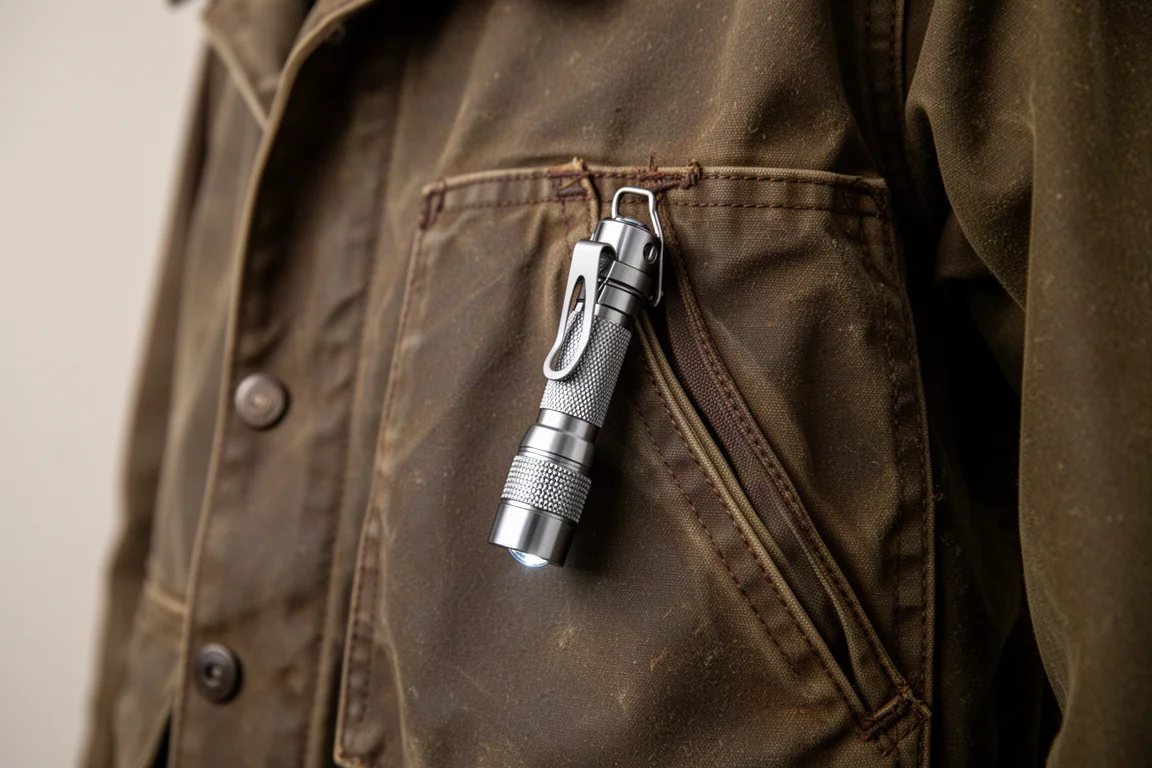
The ThruNite T1 has earned the top spot among compact CR123-class lights, and it is easy to see why. The interface is refreshingly predictable: a single press turns the light on, holding the button cycles smoothly through what ThruNite calls Infinity mode, sweeping from 685 lumens down to 15. Double-clicking jumps straight to Turbo, which pushes around 1,500 lumens. Holding the button from off accesses Firefly mode at half a lumen, a genuinely useful output in a very dark, small environment. The light also remembers its last setting, so switching it on and off is completely predictable.
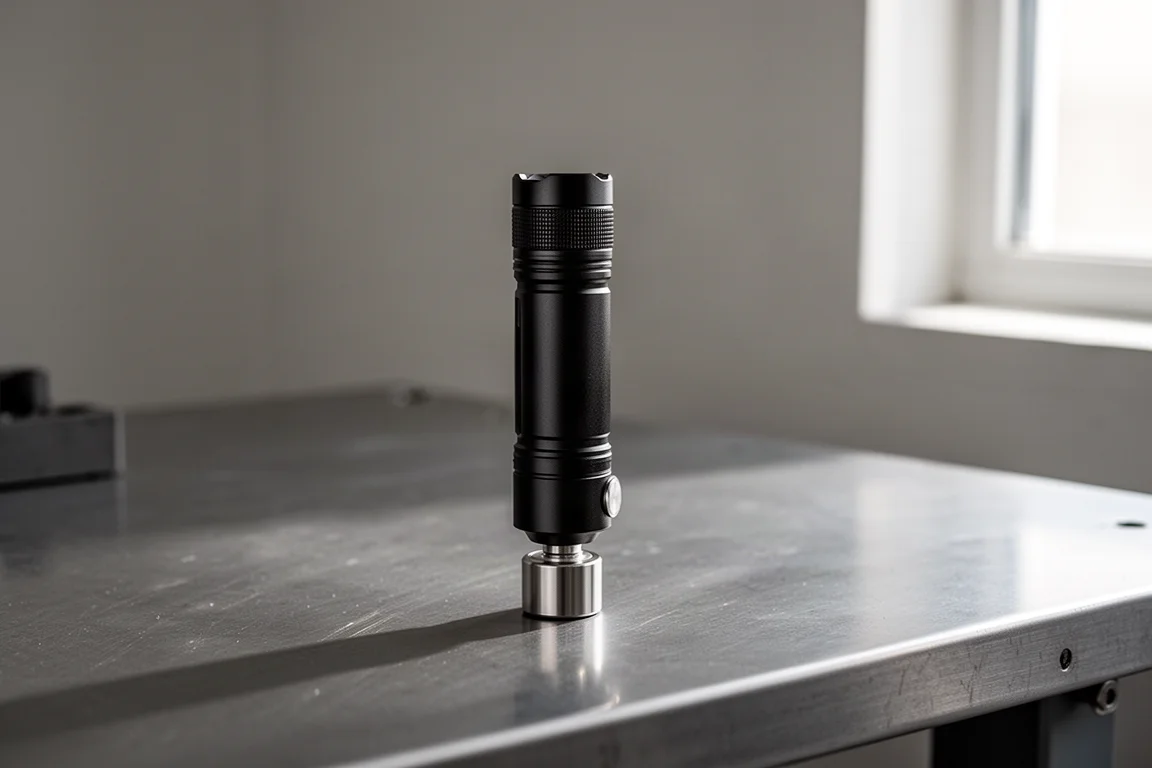
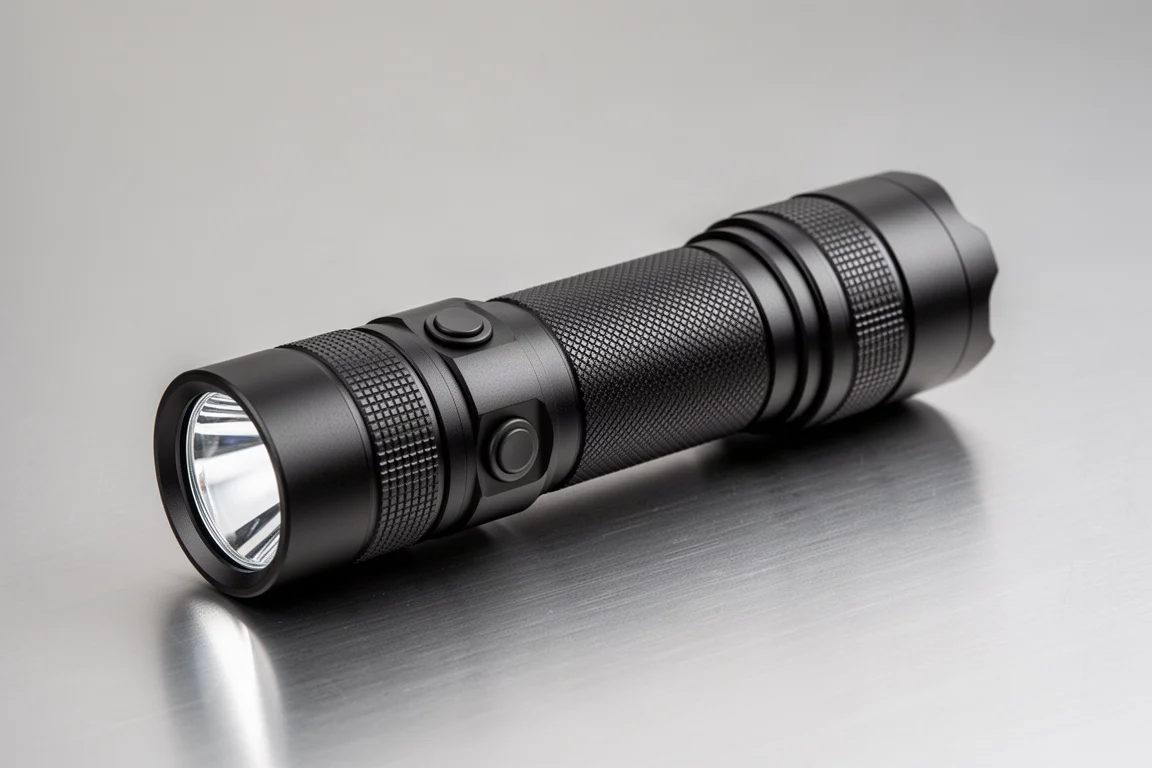
Beyond the interface, the hardware details stack up nicely. It charges over micro USB, has a strong magnetic tail cap that snaps onto steel surfaces, and includes a removable, indexable pocket clip that works in both directions and mounts tip-down for deep carry. The orange peel reflector produces a clean, even beam without a harsh hotspot. It is slightly larger than some rivals in every dimension, but the combination of quick access to both maximum and minimum output makes it the most livable light of the group.
ThruNite Catapult: A Focused Beam with a Smart Interface
The ThruNite Catapult is a larger light, but it deserves mention because its interface served as the benchmark for what makes the T1 so appealing. It produces a notably narrow, tightly focused beam, which is ideal for throwing light at a distance or picking out a single subject.
Its half-lumen Firefly mode is what makes it special indoors. In a dark, small space, that output is genuinely usable rather than blinding, and it is one of the reasons the simpler interface philosophy translated so well to the smaller T1. If you want a light for distance work with the same easy control scheme, the Catapult is the obvious companion piece.
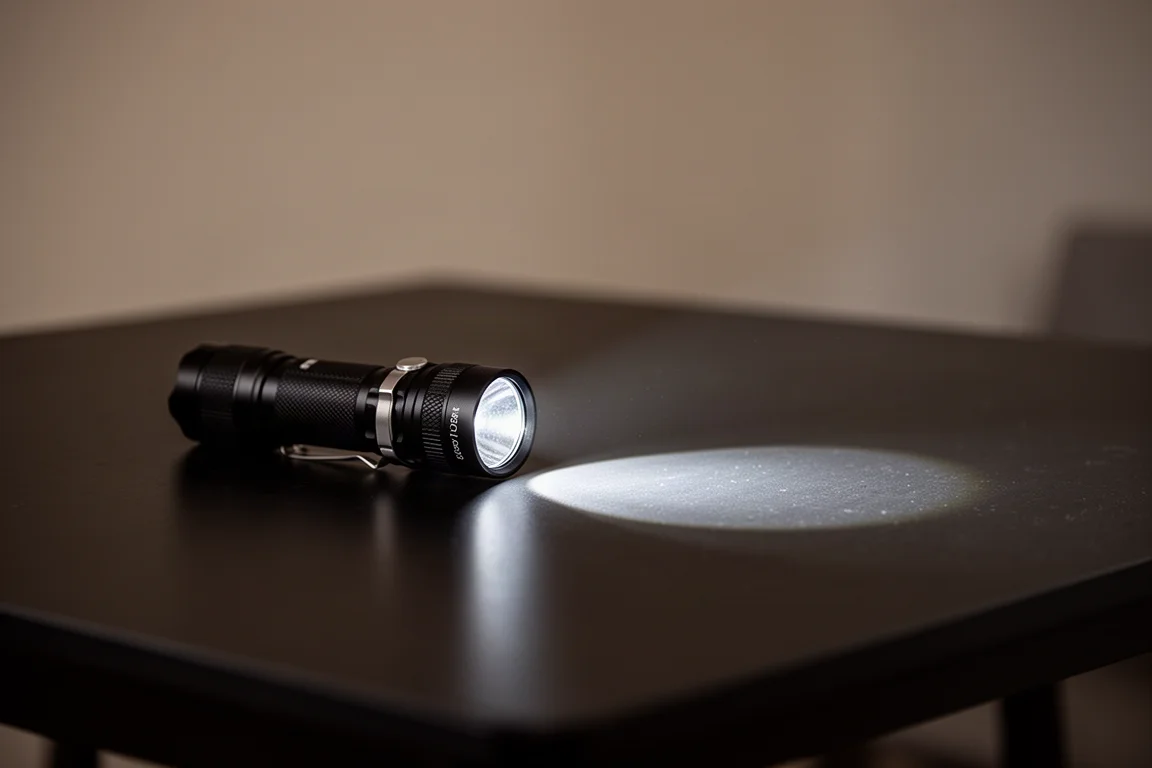
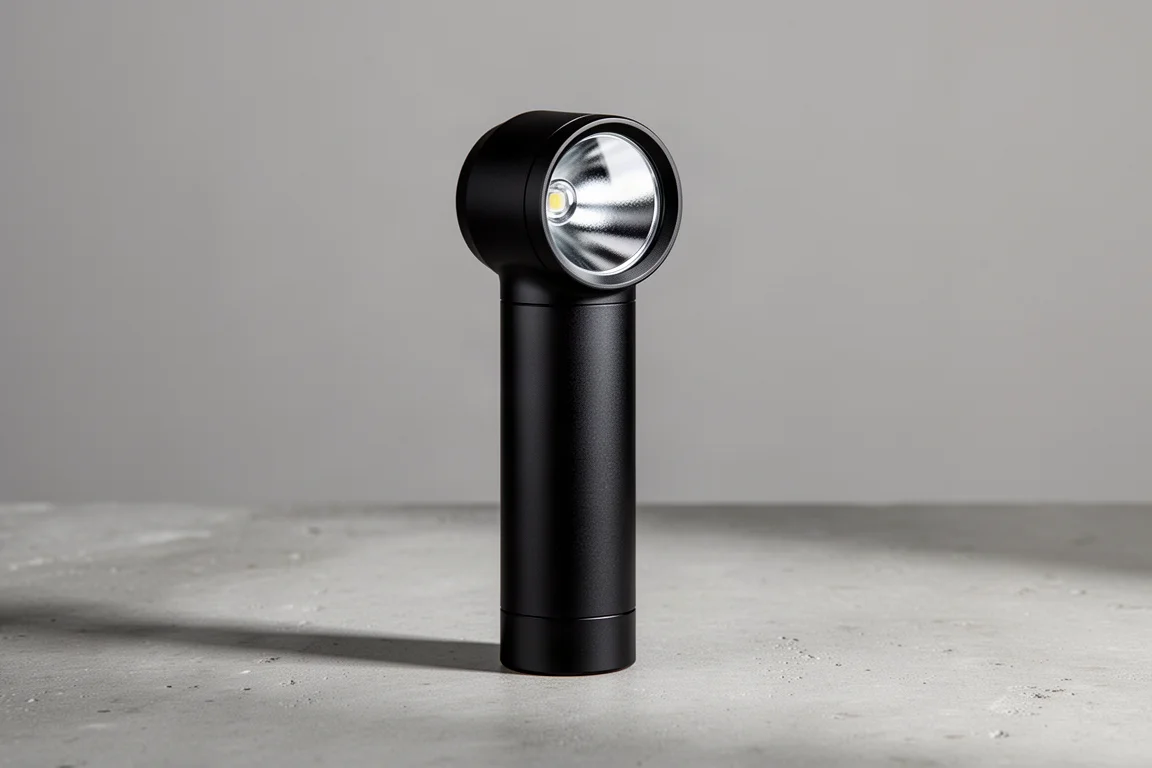
Fenix E18R: Small and Bright, with a Fussy Interface
The Fenix E18R is a genuinely tiny light, and on paper it does a lot right for its size. Where it stumbles is the switch. A quick press only shows a battery indicator rather than turning the light on. You need to hold the button for a moment to activate it, and pressing more than once risks dropping into a special mode you did not ask for, leaving you to figure out whether you have locked the light.
The bigger frustration shows up in use: while the light is on, a single press does not turn it off. It steps up to the next higher setting instead. To switch off, you have to remember to hold the button in, which is not an instinctive action, especially in low-light situations where you want to dip to a low output and then kill the light quickly. As a compact rechargeable option it works, but the interface takes real getting used to.
Fenix PD22: A Solid Light with Switch Quirks
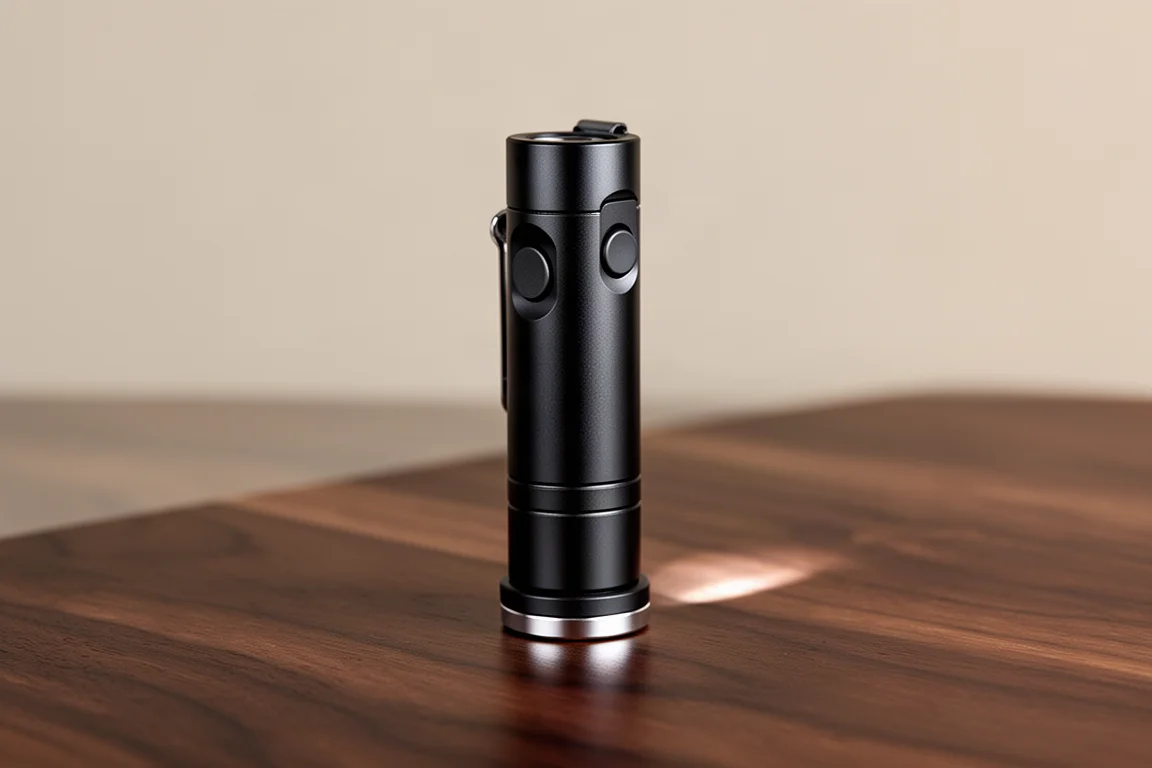
The Fenix PD22 is a good, solid light with one caveat: it uses two switches, and neither one alone turns the light on. You have to activate it with one switch and then cycle through modes with the other. That two-step process is not a dealbreaker, and the light itself is well built, but it is more ceremony than some users will want for a light that mostly lives on low modes.
If you do not mind the dual-switch arrangement and prefer to swap in CR123 cells rather than recharge, the PD22 remains a dependable choice in this format.
Battery Flexibility Matters
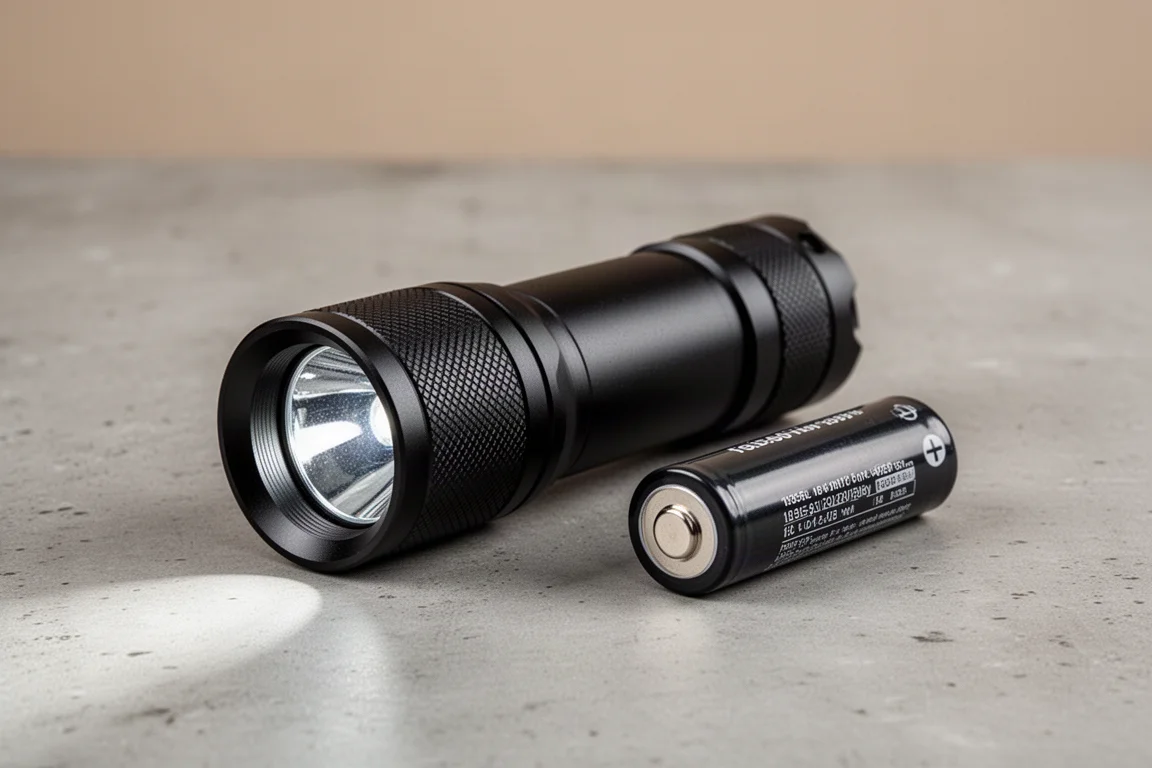
One of the quiet strengths of this class is battery flexibility, and the T1 illustrates it well. It ships with a high-capacity rechargeable cell, but it also accepts standard CR123 batteries as backup. The CR123 is physically smaller, so it can rattle slightly in the tube, but it centers and works, running the light all the way up to full output. CR123 cells are cheap, widely available, and easy to buy in bulk, which means you can run the rechargeable battery day to day and keep lithium primaries on hand for situations where recharging is not an option.
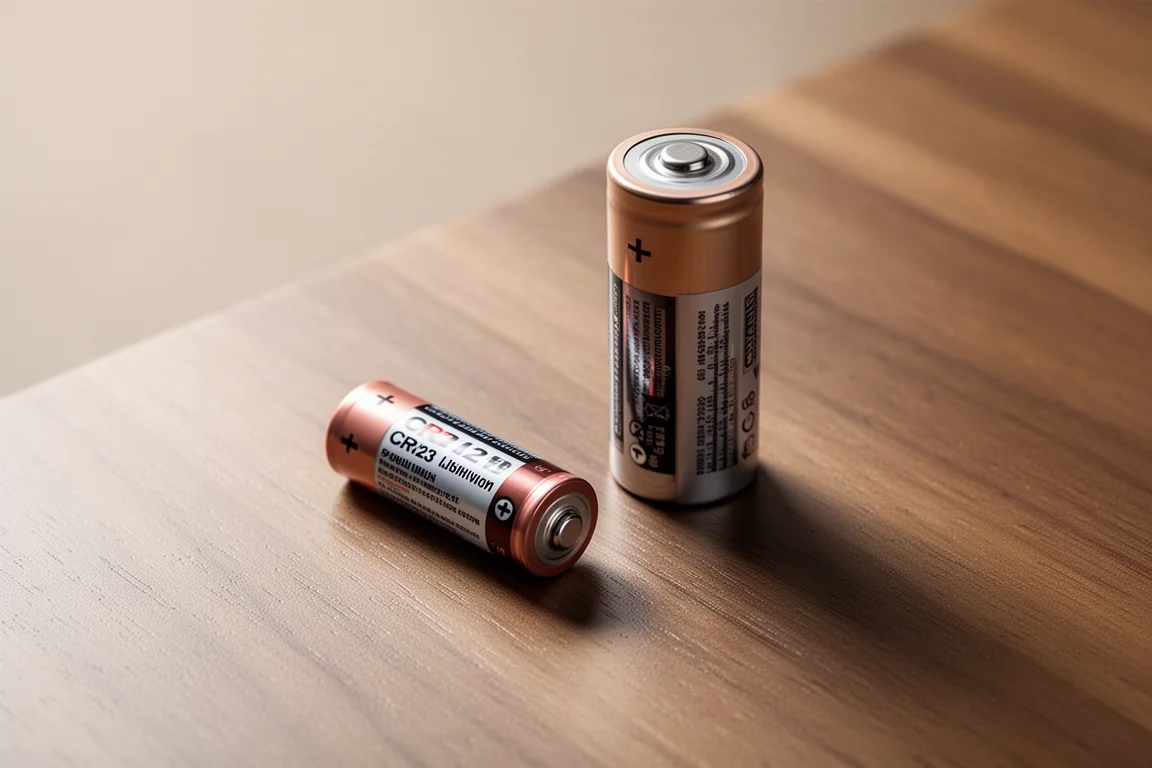
That backup capability is exactly why this format earns a place in vehicle and emergency kits: you get rechargeable convenience when you have power, and disposable reliability when you do not.
Buying Advice
If you want one light from this group, the ThruNite T1 is the strongest all-around pick thanks to its intuitive single-button interface, magnetic tail cap, deep-carry pocket clip, and dual battery support. Add the ThruNite Catapult if you want a longer-throw companion with a focused beam and the same control philosophy. Choose the Fenix E18R only if maximum smallness matters more to you than switch ergonomics, and consider the Fenix PD22 if a durable two-switch light with swappable CR123 cells fits your style.
Conclusion
Compact CR123 flashlights reward careful interface design more than anything else. The ThruNite T1 gets the details right, from instant access to half a lumen up to Turbo on a single button to the flexibility of running rechargeable or disposable cells, and that combination is what moved it to the top of this class.
Further reading
Related Reviews
Flashlights
Best Flashlights 2026: Brightness, Battery, and Value Compared
We tested 18 flashlights across a wide price range to find the best performers in brightness, battery life, and durability.
Flashlights
Nitecore LA10 Review: A Tiny 2-in-1 Lantern That Nails the Basics
The Nitecore LA10 pairs a pocket-sized lantern with a single AA battery, a magnetic tail cap and a five-year warranty. Here is where it shines and where it struggles.
Flashlights
Wuben G5 Review: A Compact Everyday Carry Flashlight
The Wuben G5 is a small, rechargeable flashlight with a pivoting head, magnetic base, and color modes. Here is how it performs as an everyday carry light.