Everyday Carry
Best Sling Bags for Everyday Carry 2026: 8 Picks Plus One Bonus Watch
Sling bags are the go-to fix for pocket overflow. We break down eight slings worth considering, from viral mainstream picks to ultralight Dyneema favorites.
Introduction
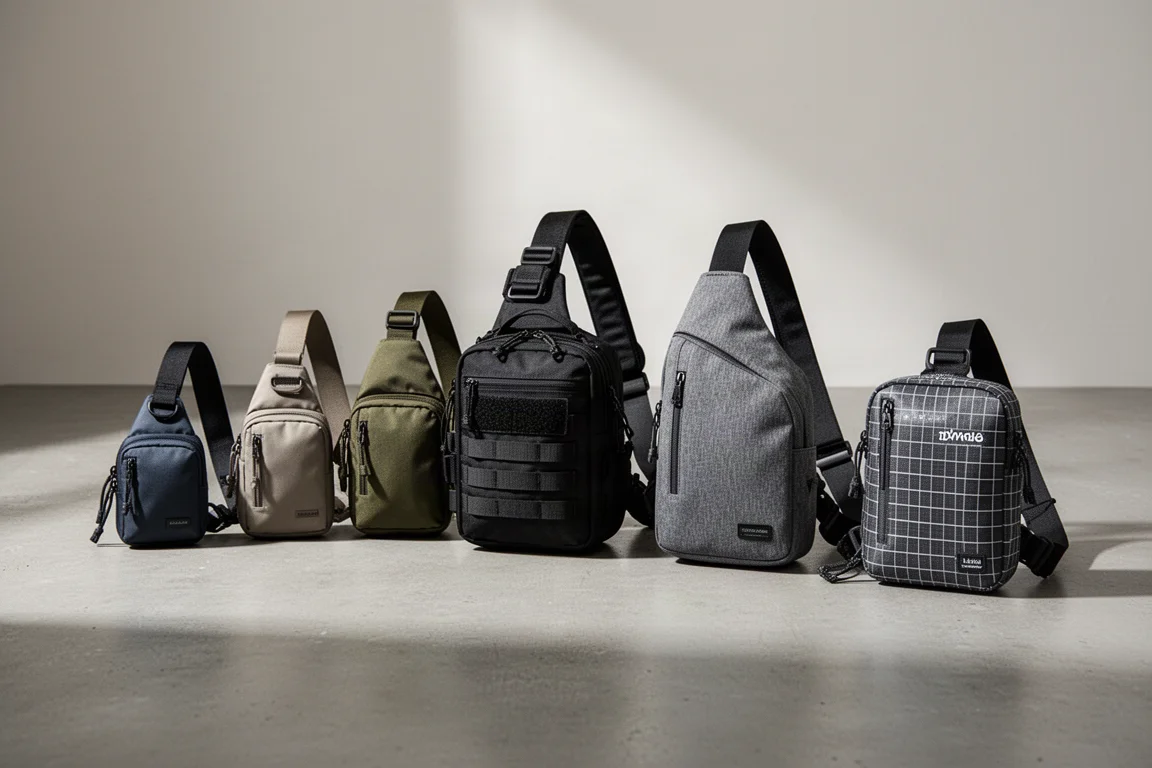
Sling bags have quietly become one of the most useful, and most debated, ways to expand your everyday carry. Whether you call it a crossbody bag, a sling, a belt bag, or something less flattering, the format is here to stay. The core idea is simple: it is pocket management. Instead of cramming earphones, a flashlight, a multitool, and a power bank into pockets, the overflow lives in a small bag that stays close to your body.
This guide covers eight sling bags worth considering, spanning viral mainstream picks, technical ultralight fabrics, and organizer-style designs, plus one bonus non-sling pickup for the wrist.
Why Carry a Sling Instead of a Backpack
A sling bag does what its name implies: a single strap lets it move from your back to the front of your chest. That single design trait solves two problems at once, and it is one of the rare cases where quick access and security come in the same package. Your gear stays within line of sight at chest level, yet you can reach it instantly without taking the bag off. Compare that to a backpack, where you typically remove both straps, set it down, and unzip from the top, or a messenger bag that requires more fuss to access.
Security is a genuine advantage for travel. A backpack’s outer pocket can be quietly unzipped by a pickpocket while you are distracted, but a sling worn in front keeps everything where you can see it. It also shines at the airport: empty your pockets into the sling, send it through the scanner, and walk through. On a plane, your accessories stay reachable without digging through a bag under the seat in front of you.
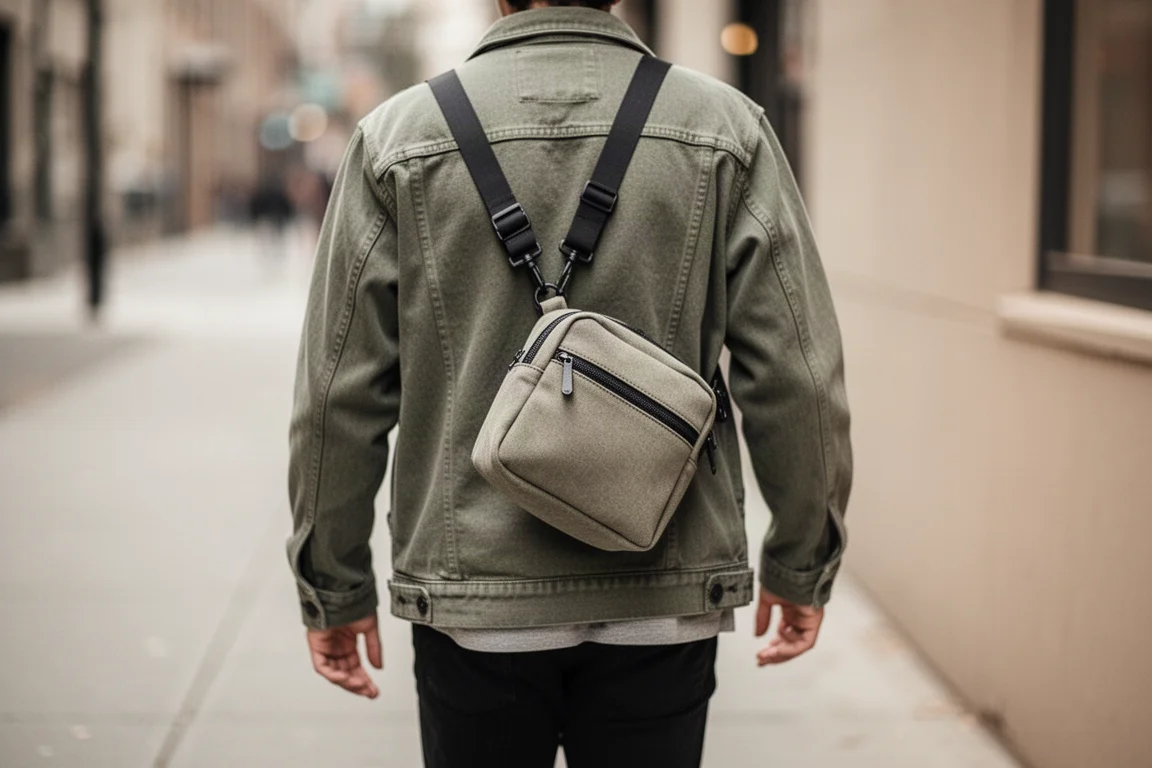
Slings also keep you nimble. On a bike, a crowded train, or a long walk, a compact sling is far less cumbersome than a full backpack, and you can simply rotate it forward when seated.
The Honest Downsides
Slings are deliberately low capacity, typically ranging from roughly half a liter to three liters, and that becomes a problem when your daily load is unpredictable. A water bottle will not fit, and neither will a rolled-up jacket. If your carry needs swing wildly day to day, a small sling can feel limiting.
Comfort is the other trade-off. A single strap concentrates the load on one shoulder, which can get uncomfortable over a full day out. Heavier loads are where slings genuinely fail: a 10-liter sling loaded with a laptop can approach five pounds of concentrated weight, and years of carrying that kind of load is a documented path to neck trouble. If your gear is heavy, keep the sling small, or use a backpack.
What to Carry in a Sling
The sweet spot for a sling is flat, rectangular gear. Phones, power banks, earbuds, cameras, medication, and small flashlights all fit the profile, which is why many slings use vertical dividers to keep flat items in place and stop them from scratching each other.
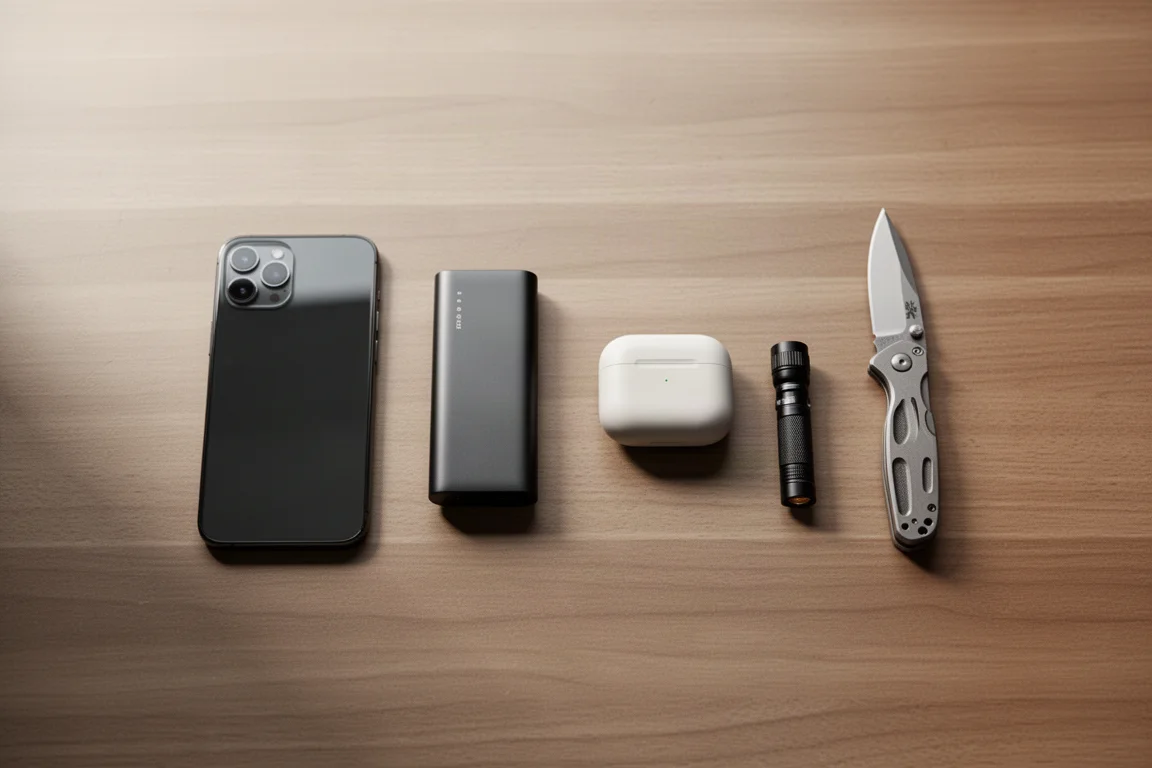
A practical daily loadout might look like this: phone and wallet stay in your pockets, while the sling takes a power bank, earphones, a small flashlight, a hand sanitizer bottle, and maybe a foldable tote bag for errands. That is it. No laptop, no 20 liters of dead space. People who gravitate toward slings tend to be dialed in on exactly what they carry, and they choose a bag sized to that specific loadout.
Best Viral Mainstream Pick: Lululemon Sling
The viral Lululemon sling deserves the hype it gets. It is a simple, small dump pocket sized for a wallet, sunglasses, sunscreen, and earphones, which is exactly what most people actually need. It comes in a range of colors, does not cost much, and works equally well for women and men. Because many pants, especially women’s, still have poorly designed pockets, it also doubles as the extra storage people never had.
Gear enthusiasts sometimes grumble about the materials, but the better move is to accept that if someone wants the Lululemon, they want the Lululemon. It is the closest thing the market has to a default sling, and the sizing is genuinely well figured out.
Best Organizer Style: Manhattan Portage Atlas Sling
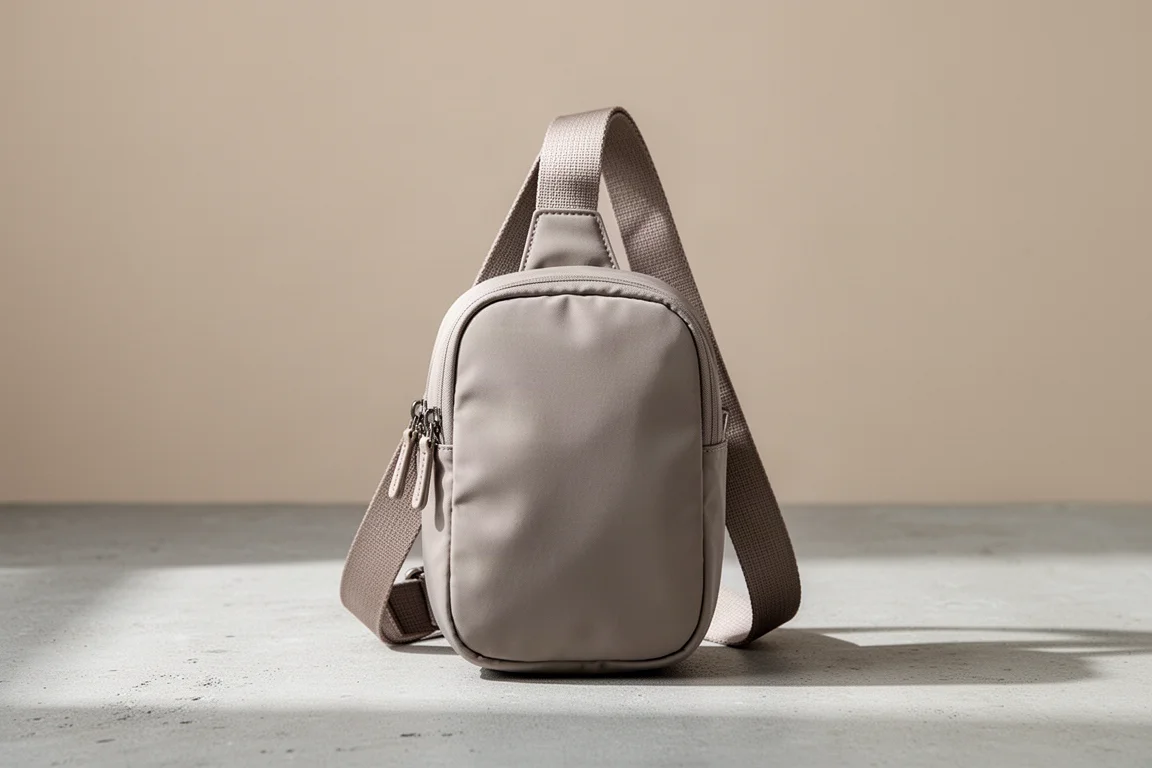
The Atlas Sling, a collaboration design produced with Manhattan Portage, a brand with New York City heritage that is also popular across Asia, takes a different approach to strap configuration. Instead of the usual chest-oriented layout, it is designed to sit vertically on your back and rotate to sit horizontally in front, which suits the way arms naturally reach from the side. The strap is detachable, an underrated feature that turns the bag into a pure organizer pouch for travel.
Version two is built from Cordura nylon with YKK zippers and custom YKK hardware, and the interior includes gear loop organizers for chargers and tech. It works as a sling, a crossbody bag, and a tech organizer in one.
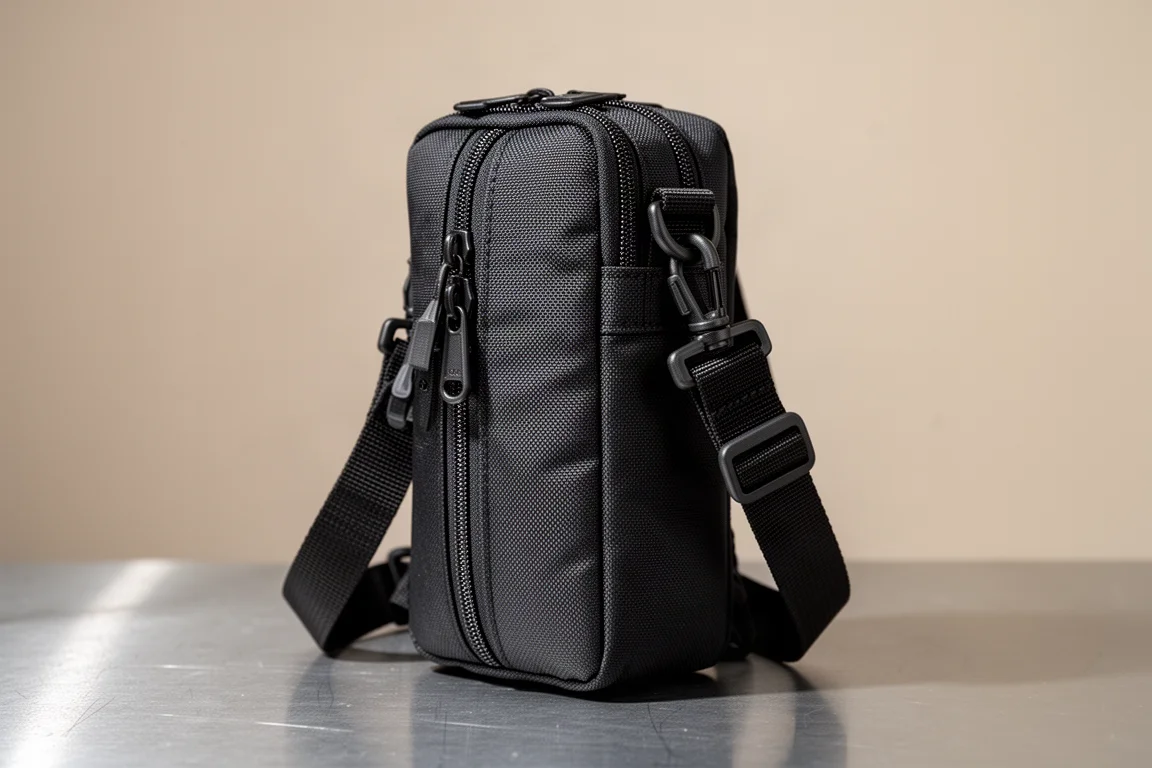
Best for Larger Loads: Manhattan Portage Atlas Sling Pro
The Atlas Sling Pro answers the most common feedback about the original: make it bigger. It adds more pockets, pull handles on all four sides, hook-and-loop customization, and MOLLE compatibility, making it friendlier for travel.
One of its most asked-about features is that it fits a standard 10-inch iPad. Many people want the smallest possible form factor that still fits a tablet without crossing over into messenger or backpack territory, and this is one of the few slings that threads that needle.
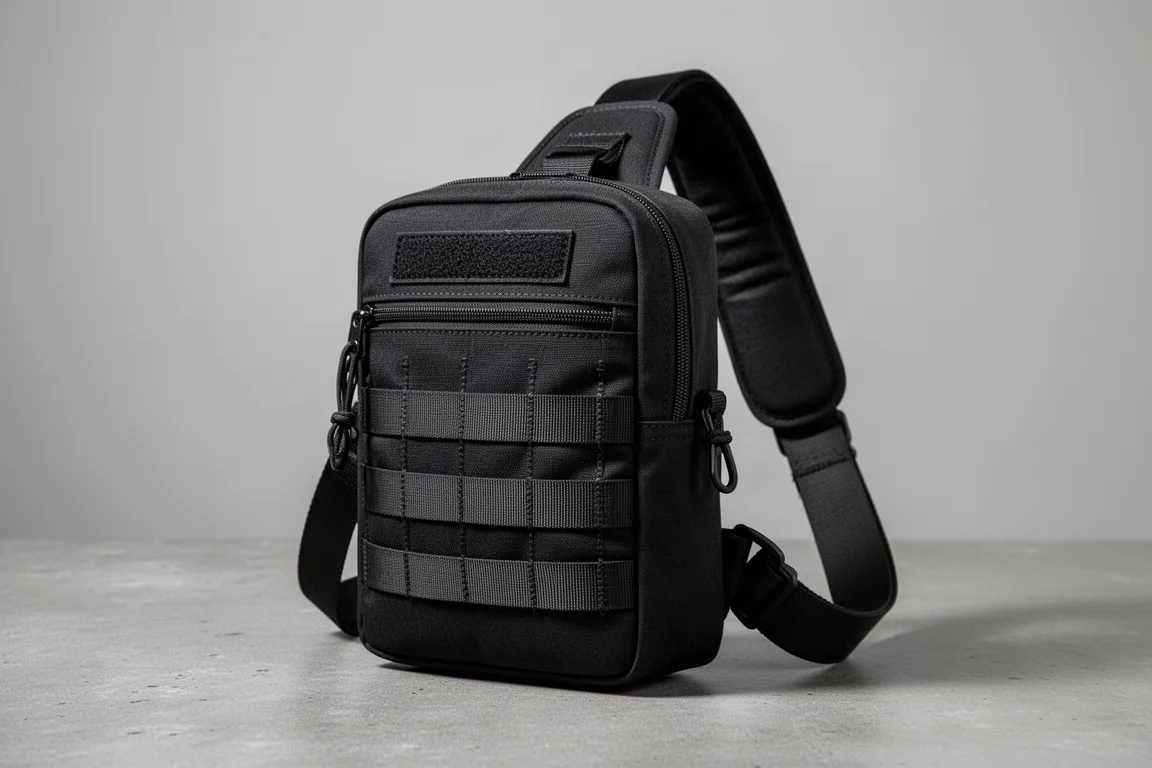
Best Larger Everyday Sling: Aer Day Sling 3 Max
The Aer Day Sling 3 Max sits right at the edge of sling territory at around five to six liters, large enough to fit a change of clothes but not so large it becomes a messenger bag. It packs flat and comes in X-Pac, one of the most popular technical materials in carry circles right now.
This is the pick for people whose pocket overflow is a bit bulkier than average. It is technically waterproof, very light for its capacity, and occupies a genuinely useful niche in the size spectrum.
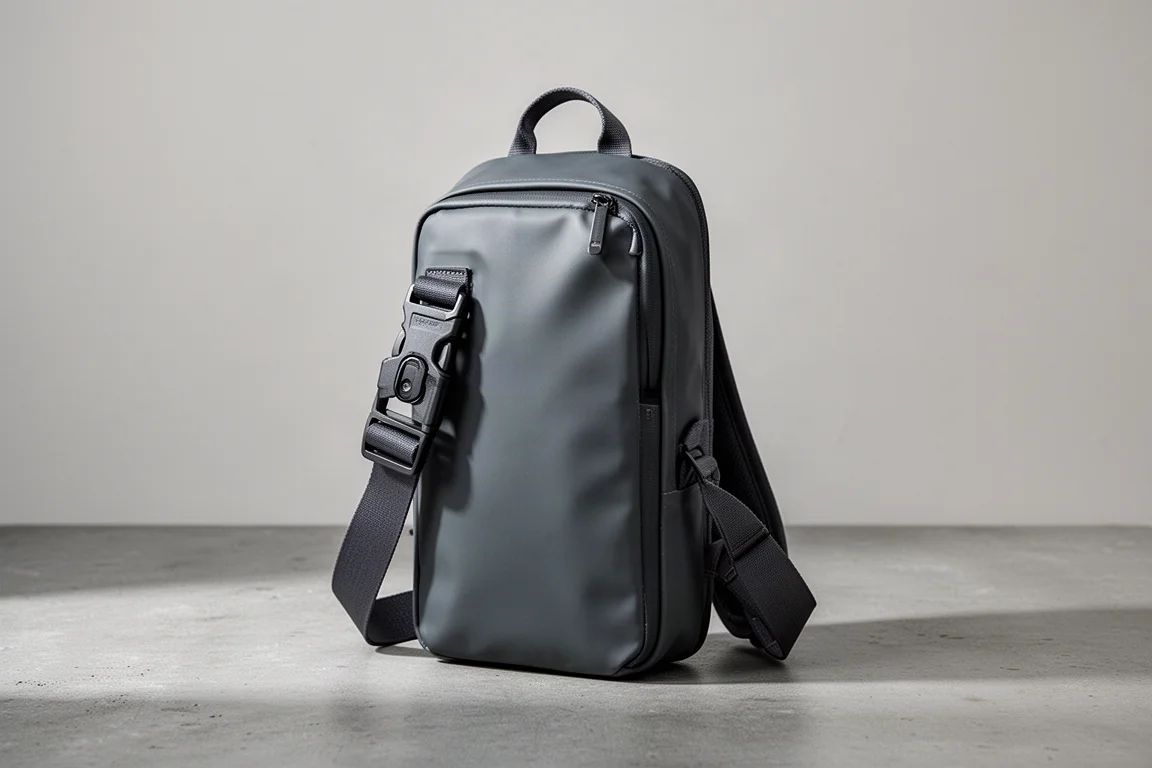
Best Premium Minimalist: Arc’teryx Dispatch Sling
The Arc’teryx Dispatch Sling, from the brand’s R&D line, is a study in simplicity. Dyneema construction, YKK zippers with AquaGuard water protection, one small top pocket, and one larger main compartment. There is not much internal organization, which is either a feature or a dealbreaker depending on your personality.
It is expensive for the amount of design involved, so this is a pick for people who already know they love slings and appreciate premium technical fabrics and hardware. If you are new to the category, start elsewhere.
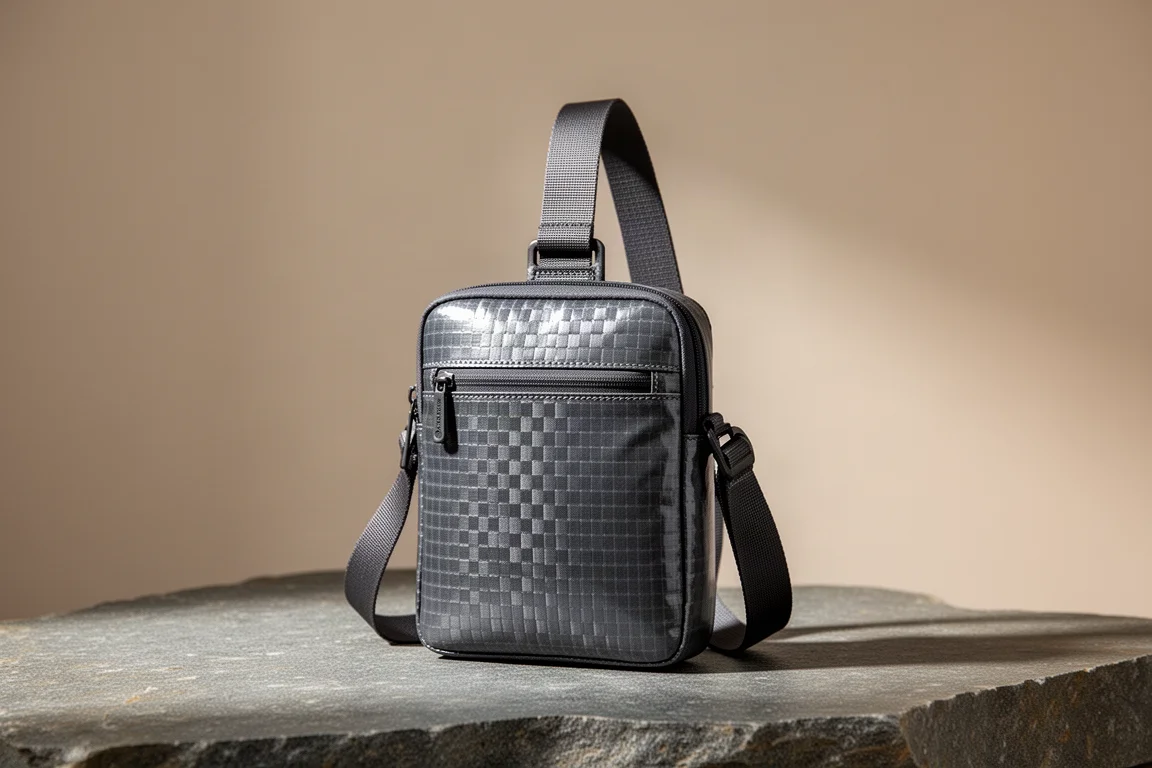
Best Ultralight Pick: Hyperlite Mountain Gear Versa
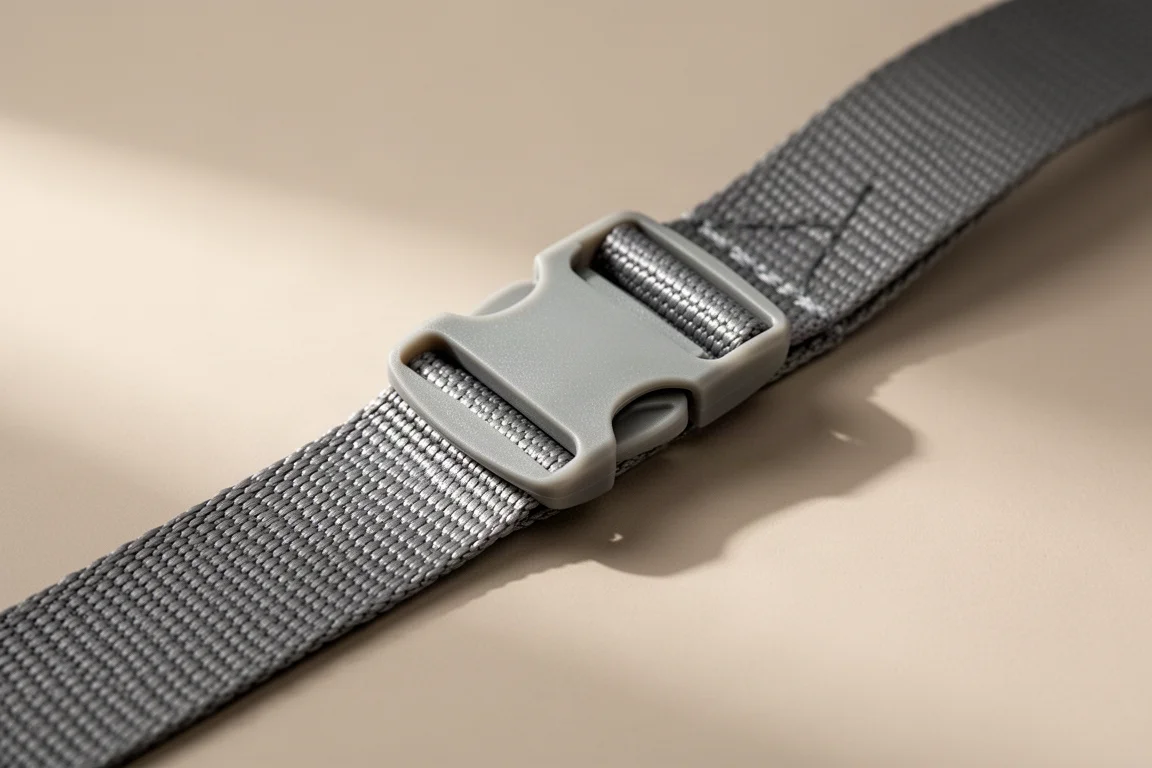
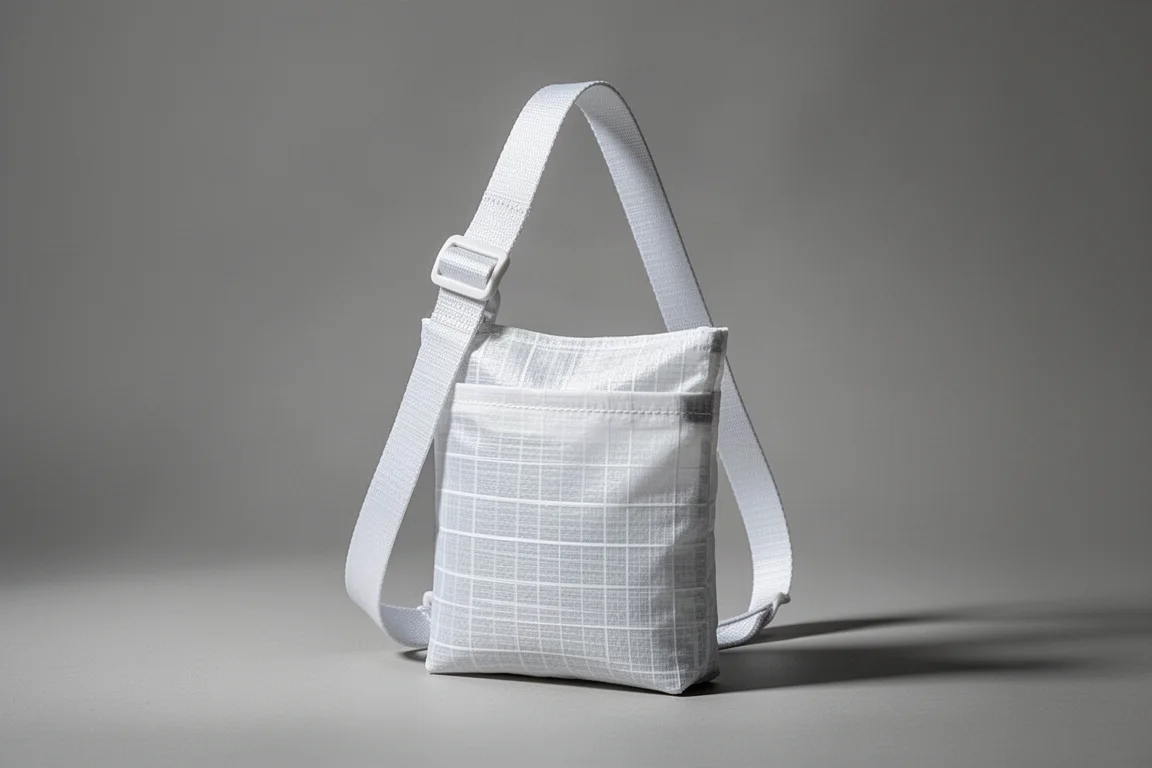
The Hyperlite Mountain Gear Versa is one of the best affordable ways to try Dyneema. Built on ultralight hiking pack principles, it is exceptionally light, and it is essentially a simple dump pocket with a detachable strap. It originally came in black Dyneema and is now also available in white.
At around $60, it is an easy entry point into advanced materials without a major commitment. The logic is simple: if your pocket overflow gear runs a bit heavier, investing in the lightest possible container makes sense, and a Dyneema sling is exactly that.
Best Unique Layout: Alpaka Vertex Pouch
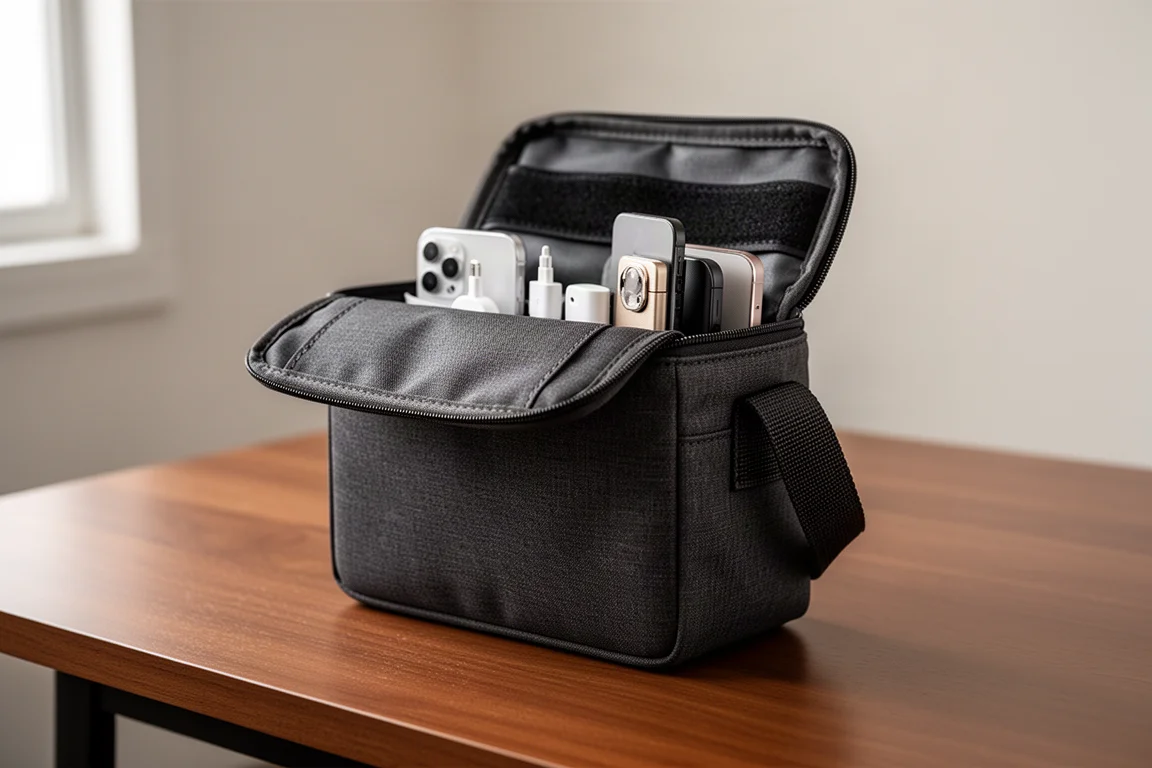
The Alpaka Vertex Pouch stands out with an unusual opening design. Instead of a zipper running across the top, the upper section flips down, revealing an open section you can stand on a desk and pull gear out of. It is arguably as much a tech organizer with a strap attached as it is a sling, similar in spirit to flip-top designs like the Evergoods Cap 2.
That makes it one of the more creative form factors in the category. Alpaka also offers vertical slings and flip-top layouts beyond the standard single zipper, which is worth exploring if conventional sling designs have not worked for you.
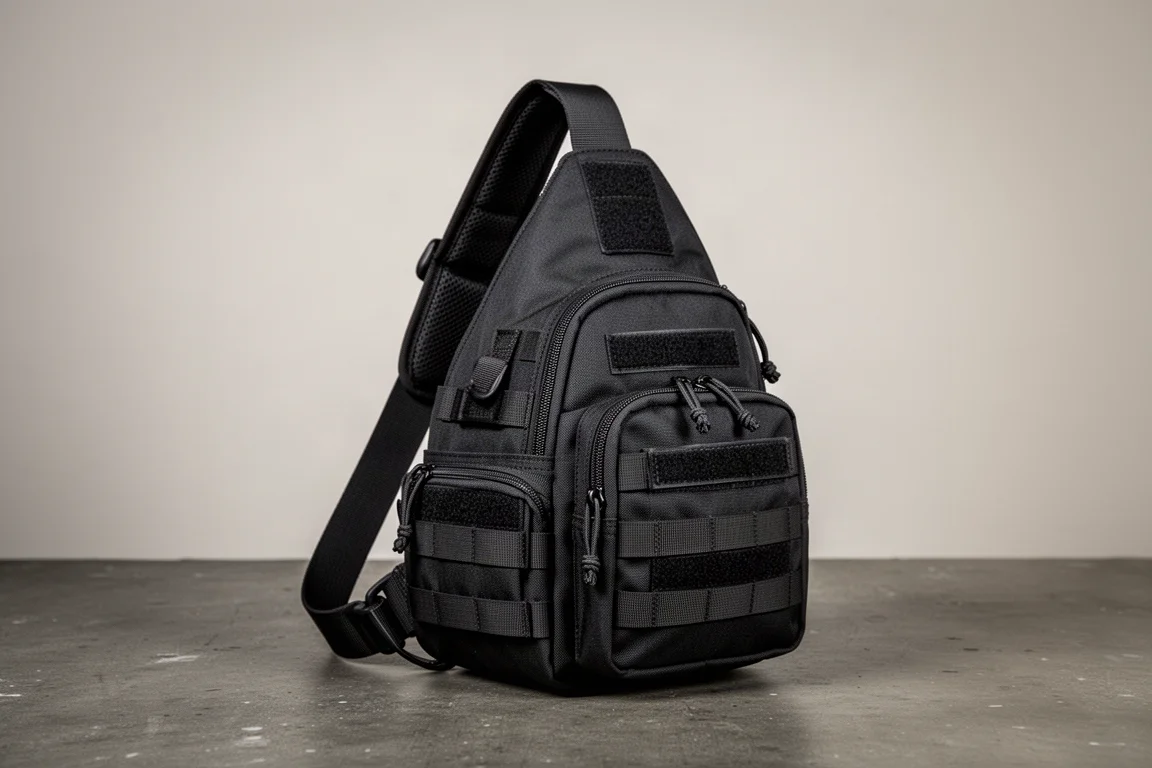
The Cautionary Tale: 5.11 Moab 10
The 5.11 Moab 10 is a 10-liter tactical-style sling in heavy Cordura construction, and it weighs about five pounds by itself before you put anything in it. Carrying a full loadout including a laptop in this format for years is a well-known path to neck problems, so treat this section as a warning as much as a recommendation.
If you like the tactical aesthetic, the Moab 10 is well built and popular, but keep the load light. A sling is simply not optimized for heavy cargo, and no amount of durable fabric changes the physics of a single strap.
Bonus Pick: Casio G-Shock MRG
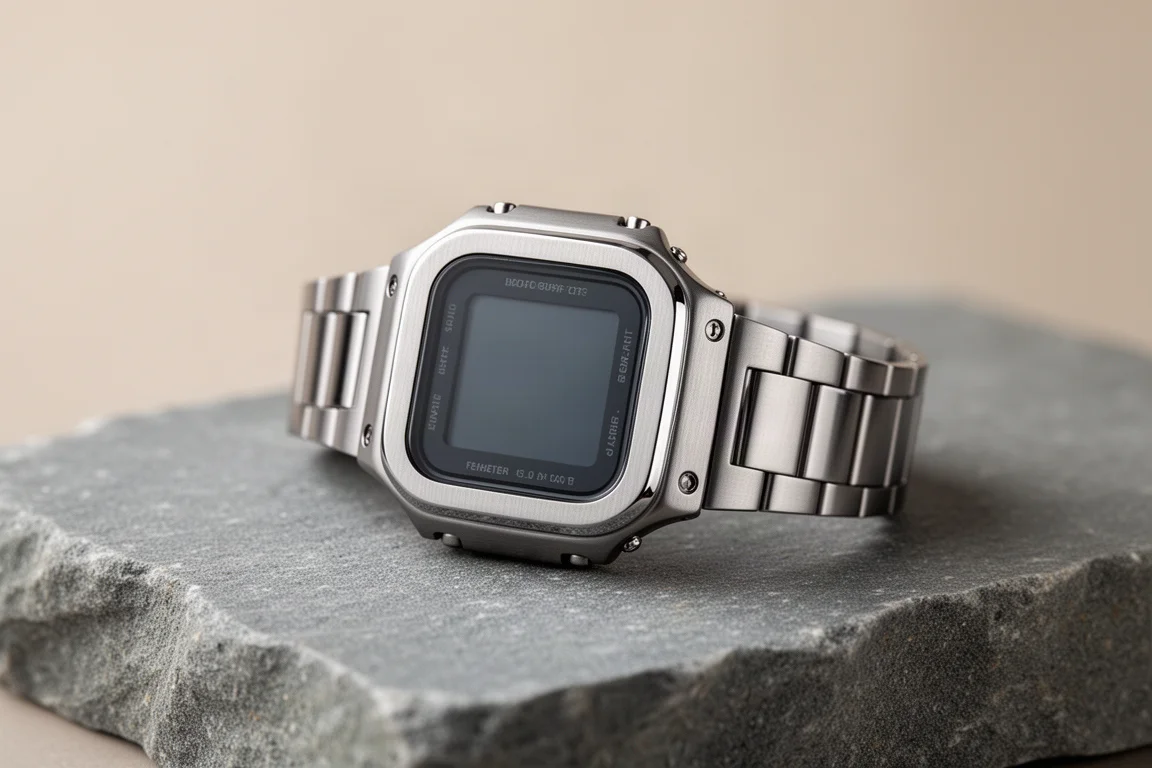
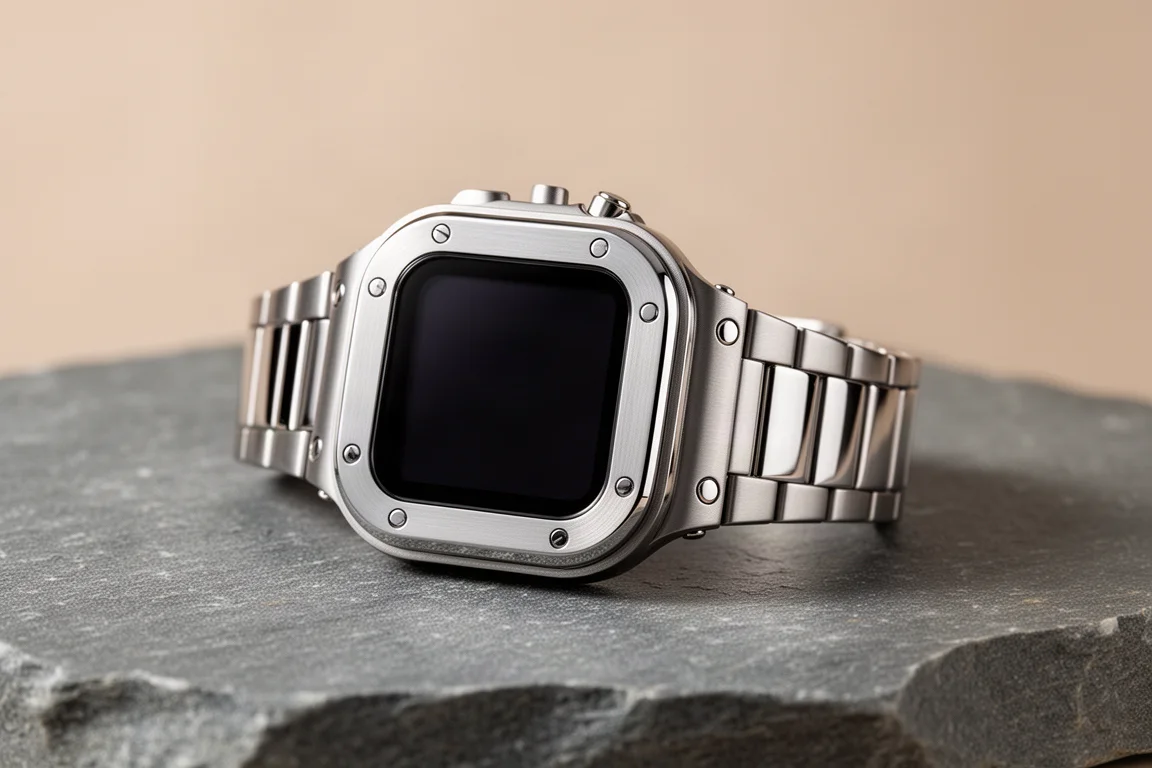
Not a sling, but a fitting bonus for any everyday carry shortlist. The Casio G-Shock MRG is the most metal of metal G-Shocks: a square-cased watch built from several different grades of titanium layered together. Despite looking chunky and wearing with the presence of a large G-Shock, it is surprisingly light, feeling roughly half the weight of a full steel watch.
It is a statement piece rather than a discreet one, but the titanium construction makes it far more wearable than its appearance suggests.
Buying Advice
Start with your actual loadout, not with the bag. If your overflow is a wallet-adjacent handful of small items, the Lululemon sling or the Hyperlite Versa will cover it. If you carry organized tech and want a bag that doubles as a travel organizer, the Atlas Sling or Alpaka Vertex Pouch makes more sense. For tablet carriers, the Atlas Sling Pro is the standout. For bulkier daily loads, the Aer Day Sling 3 Max pushes the format to its sensible limit.
Whatever you choose, resist the temptation to turn a small sling into a backpack substitute. The format works because it is small, light, and always within reach. Load it accordingly.
Conclusion
Sling bags fill a real gap between your pockets and a full backpack, and the market has matured to the point where there is a well-executed option for nearly every carry style. Pick the one that matches what you actually carry, keep the weight reasonable, and enjoy the easiest-access bag format there is.
Further reading
Related Reviews

Everyday Carry
Everyday Gear That Deserved a Second Look
A roundup of solid everyday carry items: watches, pens, a pencil, a knife, and a smart ring that each earned a place on the table.

Everyday Carry
KORE Tactical Bifold Wallet Review: A Durable Everyday Carry Option
A close look at the KORE Tactical Bifold Wallet, a reinforced nylon wallet with magnetic closure and room for cards, cash, and IDs.

Everyday Carry
Krabby Wallet Review: A Slim, Simple Carry That Has Stood the Test of Time
A closer look at the Krabby Wallet, a slim canvas and elastic design with a loyal following and a simple, functional approach to everyday carry.