Ski Reviews
Who Makes the Best Skis Right Now: A Brand-By-Category Breakdown
From hand-built carving skis to powder cruisers and value all-mountain workhorses, here are the brands and models that stand out across six key categories.
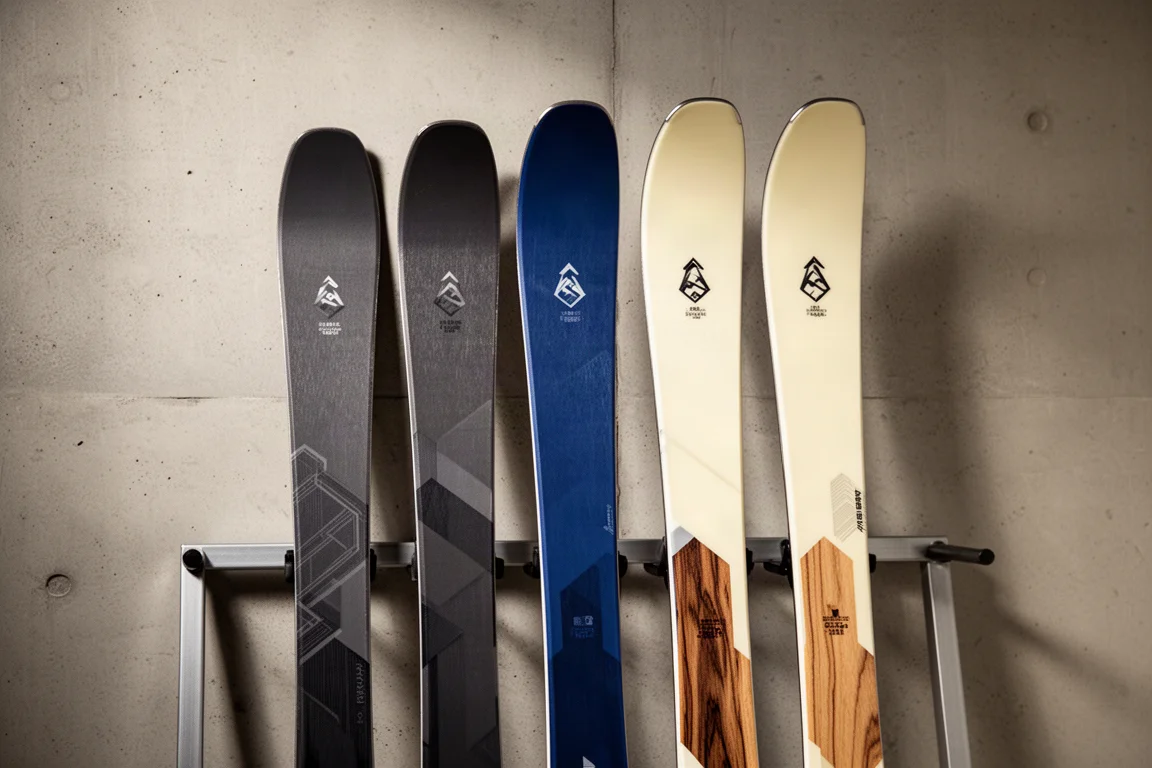
Introduction
Asking who makes the best skis is a bit like asking who makes the best ski boot: the honest answer is whichever one fits you. That said, certain brands are clearly doing standout work in specific categories right now, and it is worth knowing where the strongest efforts are coming from before you spend hard-earned money.
This breakdown looks at six categories: carving, powder, sustainability, crud and wet snow, ski shape, and overall value. One caveat up front: a racing background and riding in the western US shape these picks, so factor your own terrain and style into the final decision.
Best Carving Skis: Stöckli
For carving, Stöckli is making some of the best skis available right now. The nuance is real, so if you are a beginner-to-intermediate skier, much of what makes these skis special may be lost on you this early in your ski journey. But if you are a former racer or you love a smooth carved turn, smooth in the sense of staying on edge all the way through the turn, nobody does it better.
They cost roughly twice what many other skis cost, and they are handmade with a specific layering process that includes a rubberized layer. The build, camber profile, and the way they hook up on edge is unlike anything else. The analogy often used is going from driving a good Toyota to driving a Lexus: the same reliability, but with far more smoothness.
On perfect corduroy or firm snow, the current-generation Stöckli Montero AR, revised for the 2025 season, feels the closest thing to a World Cup race ski without being nearly as punishing when your timing is off or on your body. In soft and choppy snow, the Stöckli Stormrider 95 still feels beautifully smooth, though it has real limitations in deeper powder. For those conditions, something like the Völkl M7 Mantra is usually the better reach.
Best Powder Skis: DPS
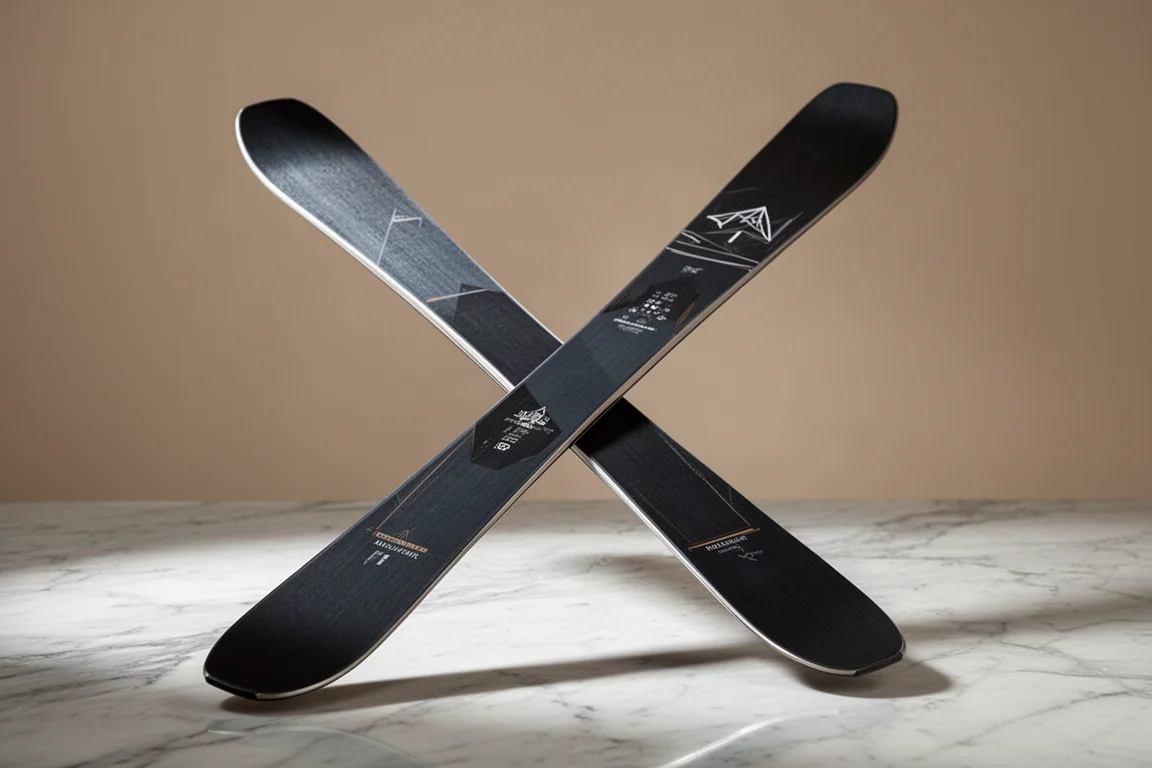
As far as a dedicated deep-powder ski goes, DPS currently makes the best powder ski on the market. You can argue that the Atomic Bent or Salomon QST are excellent powder skis at about half the price, and that is a fair point. But the DPS Kaizen 112 is the most comfortable powder ski on knees and hips of anything tested, and it revealed that the compromises made with other powder skis were not actually necessary.
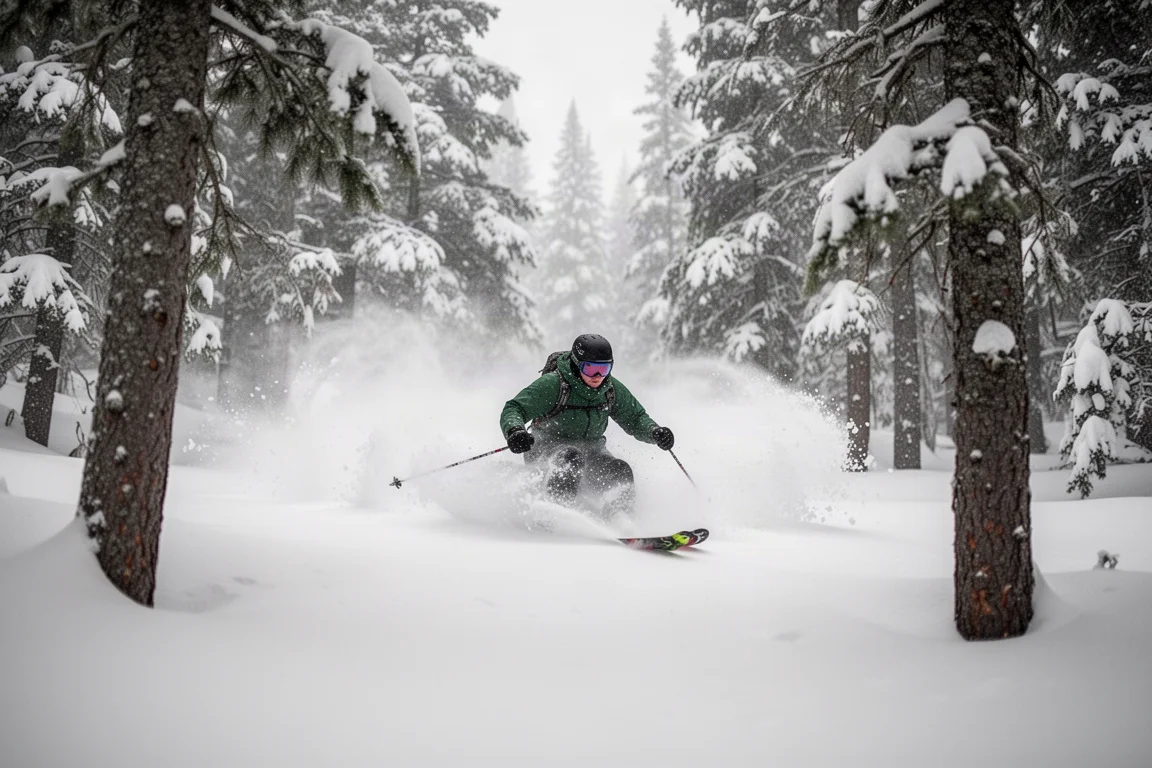
The rocker profile allows quick, easy turns in the trees, it is forgiving when you make those turns, and it is soft enough that you feel every texture of fresh powder underfoot. For skiers with knee, hip, or back issues, the calculus is simple: weigh the price against physical therapy costs or against the value of staying on skis more years into the future.
There is a stereotype of older men riding DPS skis, the so-called dentist ski, but that is arguably a sleeper endorsement: these are the skiers who have kept skiing comfortably for decades. Compared with the Salomon QST Blank or the bigger Black Crows Anima, both of which bothered hips and knees after a while, the Kaizen 112 at that width did not bother either. They are also made in America, and the short-radius, playful DPS Pisteworks shows the brand is still experimenting, even if it is a fun carving ski rather than a category winner.
Most Ethically Made Skis: Meier
Big picture, Meier is doing the best job right now of making skis ethically. The wood is local and sustainable, including what the brand calls beetle kill pine, harvested only when the wood is actually ready. Meier does not change its topsheet graphic every year just to push new sales, and handmade custom designs mean you keep your skis for a long time instead of chasing the next flashy graphic.
The business model is direct to consumer, reasonably priced, and built around getting you exactly the ski you want rather than pushing an all-in-one product. You will not find them on Amazon, and customization is part of the appeal. Not every Meier ski is a favorite, but as a sustainable, long-term model for the ski community, this is the brand doing it right.
Best Crud and Wet-Snow Ski: Völkl
For the wet, heavy, sunbaked, or rainy-day snow that punishes most skis, Völkl makes the best all-weather tool in the M7 Mantra. On a good day it still carves and feels damp and smooth, but on a bad wet-snow day in the west or a rainy day in the east, it is the ski worth keeping on hand for any adverse conditions.
If you consistently get better weather or rarely see heavy wet snow, the Mantra 88 or the fun, fast Mantra 84 make more sense. The Nordica Enforcer 99 deserves a mention here too: it handles wet, heavy snow tremendously well, particularly if you ski on the tails of your skis and finish your turns late. If you prefer skiing more centered underfoot, the M7 Mantra is the pick.
Best Ski Shape: Black Crows
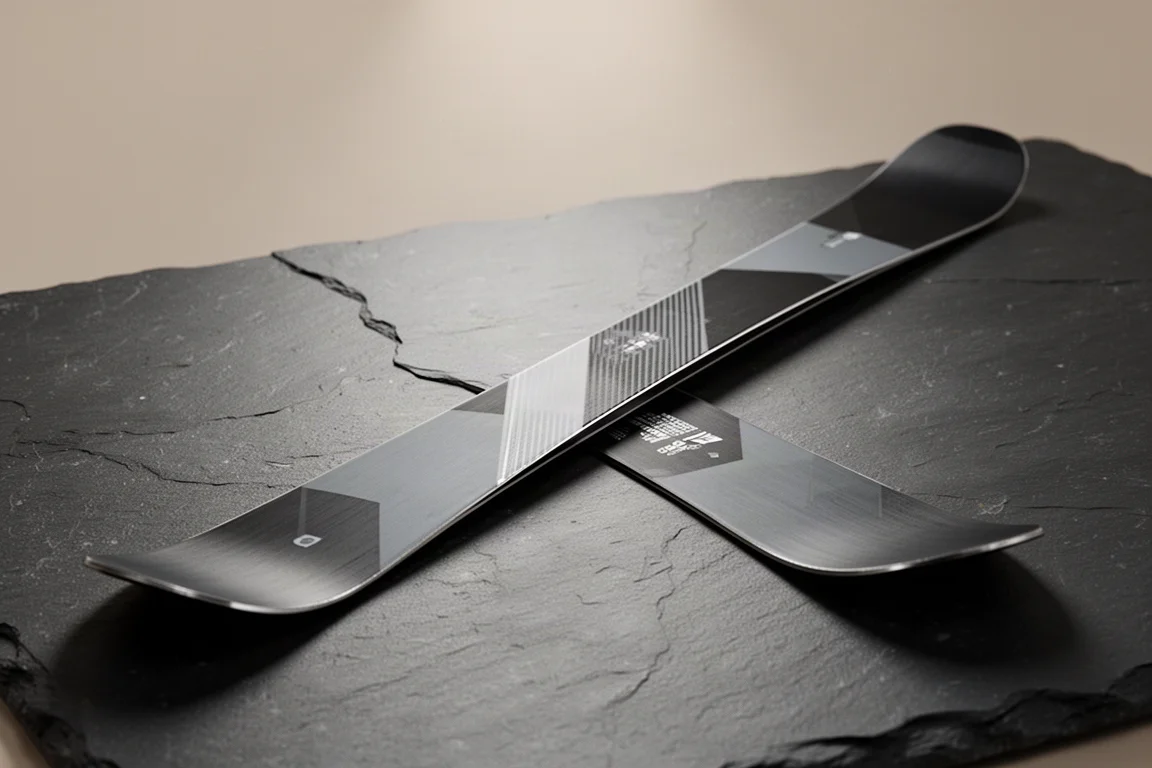
For ski shape and design, the team at Black Crows is leading the industry. The Justis is the hidden gem: diverse, with that distinctive square tip, and it performed well in powder, on groomed runs, and on firm corduroy. If heading back to Europe, it is the ski to pack.
The Octo is another standout, a phenomenal short-radius ski with a bit of give, and last year’s pick for ski of the year. If you want a short-radius twin-tip freestyle ski, the popular Mirus Cor is there too. Most of the lineup relies on simple fiberglass topsheets and poplar wood rather than exotic materials, with titanium appearing in only a handful of models like the Draco Freebird. They do not lean on materials as a crutch; the focus is squarely on shape. The Atris has not changed in a while, and it does not need to. The skis are not cheap, sitting between Stöckli or DPS pricing and Salomon or Atomic pricing, but for design-forward, no-nonsense skis, the value is genuinely good.
Best Value Skis: Atomic
Value is subjective, but measured as dollar per day skied, Atomic is delivering some of the best bang for the buck on the market right now. The Maverick 88 Ti, picked up for around $400 a couple of years ago, delivered enormous mileage: it carved well and handled light powder, all with real diversity.
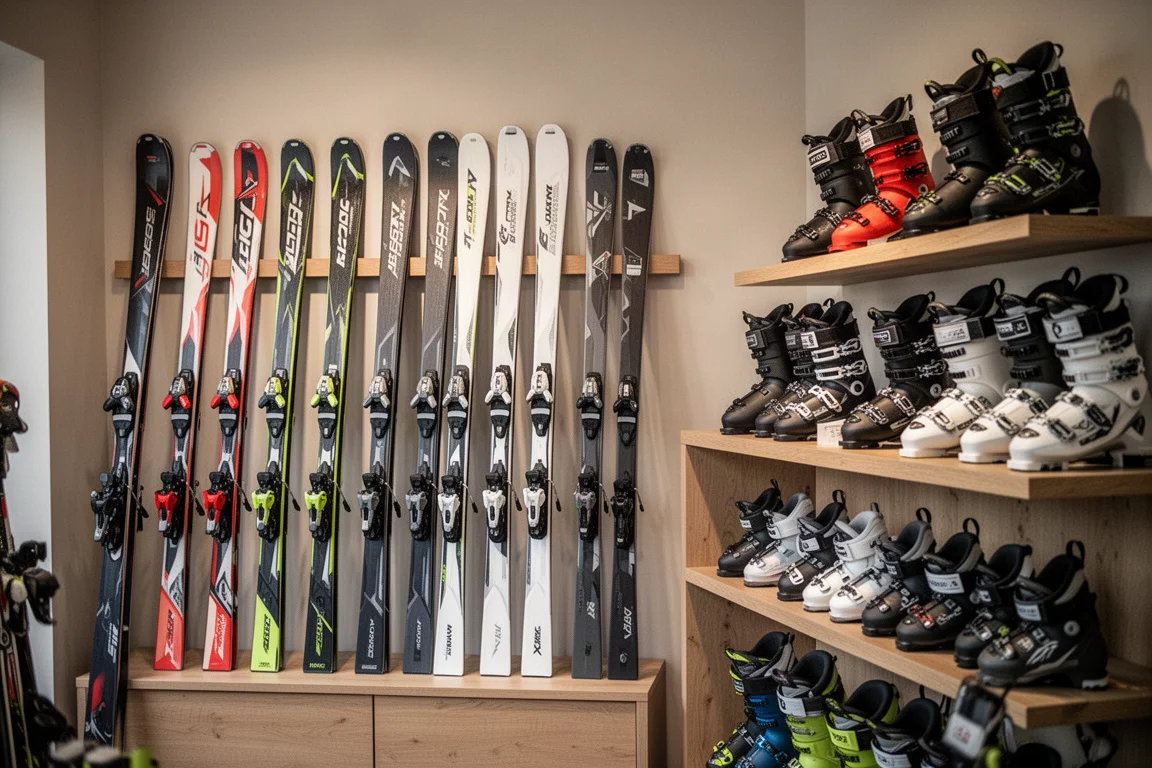
The Bent lineup extends that value story. The Bent 90, often available for around $360, will not produce great carved turns, but you can massage big, open-radius turns and have fun. The Bent 100 suits skiers who are timid about powder and want an all-mountain ski that performs acceptably in many conditions. The Bent 110 can still kind of carve while delivering phenomenal powder performance, and the Bent 120 rounds out the deep-snow options, all at prices well below what dedicated powder skis from other brands charge. Part of that may come down to the HRZN tech tip shape, which adds flotation beyond what you would expect at a given width.
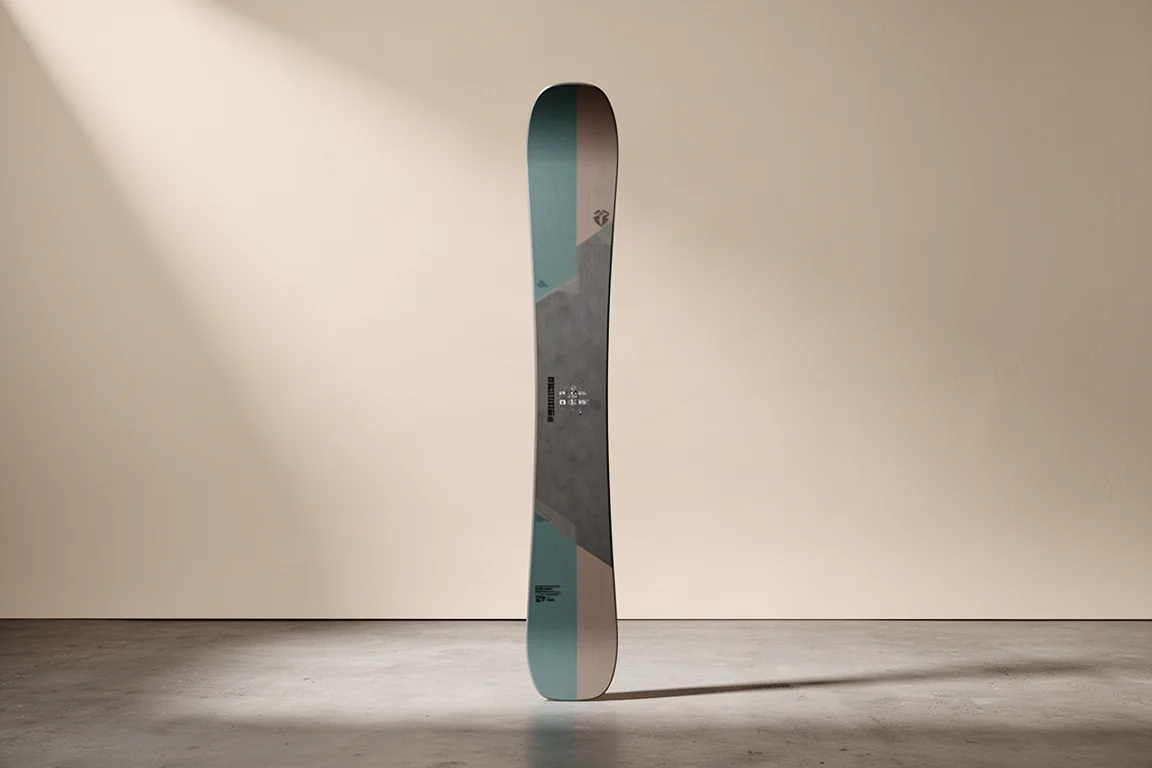
For boots, the Atomic Hawx Prime stands out after Lang refused to discount during the COVID boom years. The moldable liner, buckle quality, and fit, at the prices the Hawx typically sells for, make it a strong value pick.
For shoppers looking at deals right now, the Head Kore series is arguably the best current bang for the buck, with the Kore 93 available at a very reasonable price and the Kore 105 as a wider option. And the Salomon QST 92 remains one of the favorite value skis in any season.
Conclusion
There is no Goldilocks brand that suits everyone, and there is no perfect ski. Stöckli leads on carving, DPS on powder comfort, Meier on ethics, Völkl on bad-weather versatility, Black Crows on shape, and Atomic on value. Before buying, write down your own list of priorities, match them against the category that matters most to you, and buy the tool that fits your terrain and style rather than simply the most expensive option on this list.
Further reading
Related Reviews
Ski Reviews
Armada Antimatter 108 Review: A Freeride Ski Built for Speed and Deeper Snow
The Armada Antimatter 108 carries over the beloved Declivity X 108 shape with new construction that adds compliance in soft snow and composure in crud, aimed squarely at strong, aggressive skiers.
Ski Reviews
Armada Antimatter 92 vs Invictus 92: Two All-Mountain Skis Compared
A closer look at two Armada all-mountain skis, one playful and nimble, the other composed and smooth, to help you pick the right one for your skiing.
Ski Reviews
Armada Antimatter 92W Review: A Smoother Take on a Proven All-Mountain Footprint
The Antimatter 92W keeps the trusted Reliance 92Ti footprint but softens the ride with a new metal construction, making it more versatile in softer snow without losing on-trail grip.