Hand Tools
Side Cutters Compared: Knipex, Klein, Snap-on, and Craftsman on Solid 12 Gauge Wire
Six side cutters tested on stiff solid core 12 gauge wire, plus a practical method for loosening up a pair of stiff pliers without going too far.
Introduction
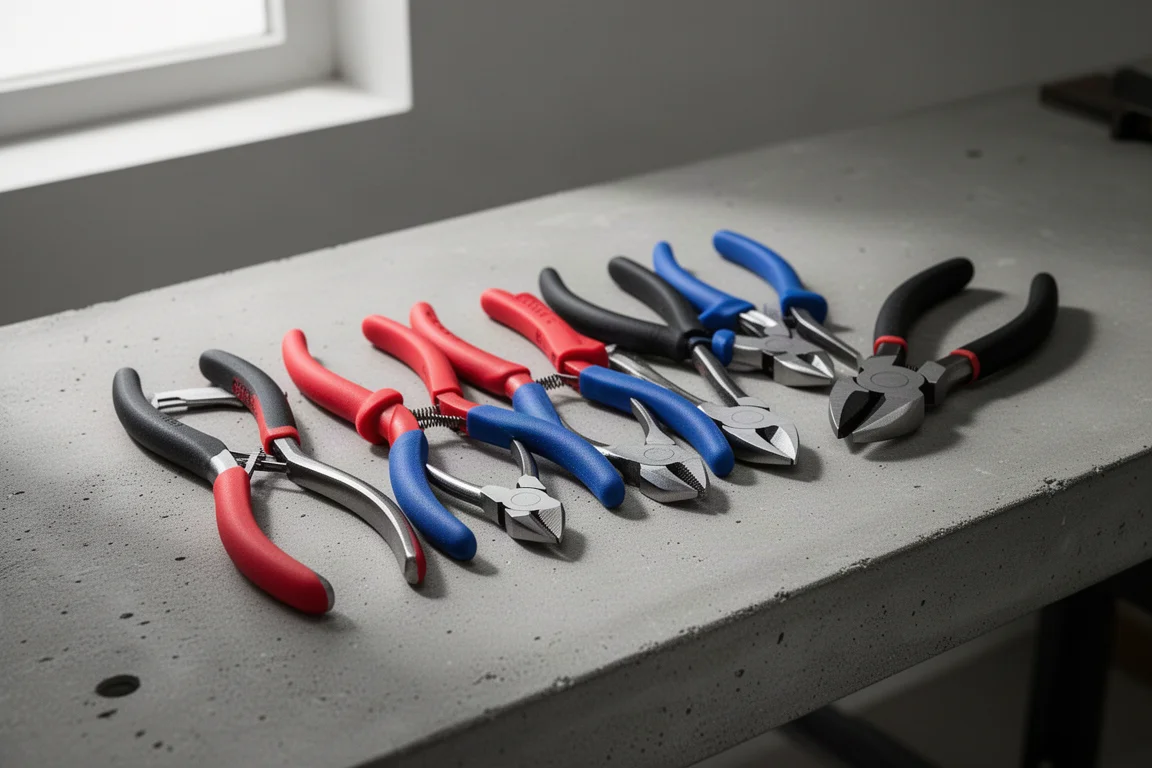
Side cutters look interchangeable, but put six pairs on a length of stiff solid core 12 gauge wire and the differences show up fast. Some cut with barely a squeeze, others need real hand pressure, and a few have a snappy, jarring finish that gets tiring over a long job.
This comparison covers two Knipex models, the Klein J2000 Journeyman, two Snap-on pairs including the newer Vector Edge and an older 87 BCP, and a Craftsman. It also covers something every tool owner eventually faces: what to do when an otherwise good pair of pliers has gone rock solid at the joint.
How the Comparison Was Run
The test was simple and repeatable. Each cutter was pushed right down to the joint, the spot where you get the best leverage, and used to snip solid core 12 gauge wire. That is realistic work: even the smaller cutters here can handle 12 gauge, and you almost always find yourself working in the lower part of the jaw rather than the tip.
The judgment criteria were cutting effort, how smooth or snappy the cut felt, and how the tool handled overall. Handle length matters here. Longer handles translate to less pop and less shock per cut, which is why the biggest tools in the group felt the smoothest.
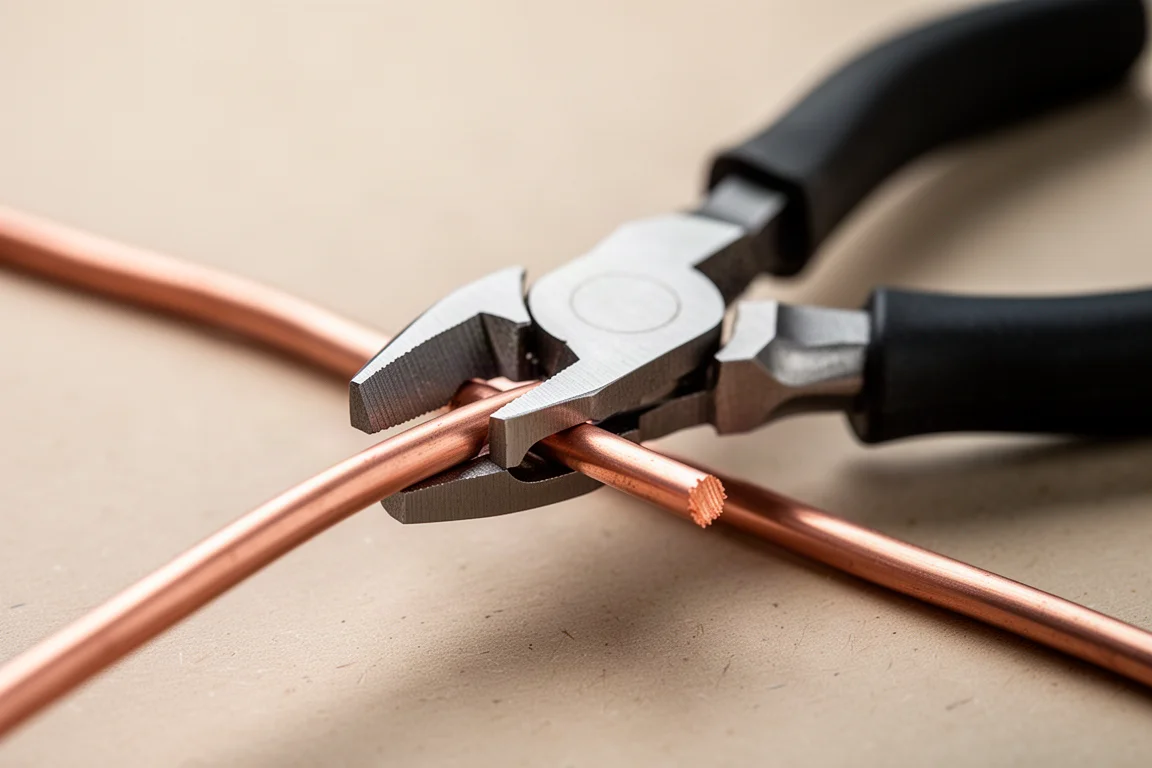
It is worth asking whether you need really large side cutters at all. If you cut wire like this for a living, maybe. But anything in this group can get through 12 gauge, so the real decision is how much squeeze and snap you are willing to live with.
The Knipex Pair: 70 02 160 and 70 02 125
Knipex 70 02 160
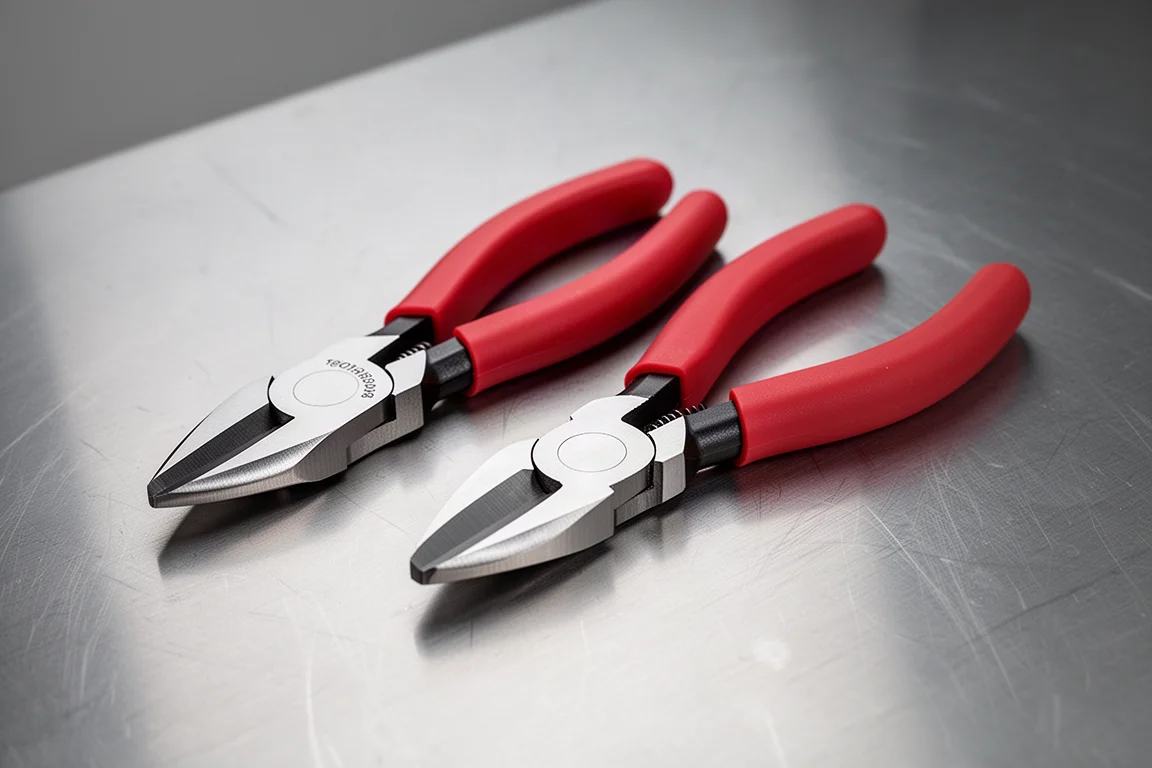
The larger of the two Knipex models is a genuine workhorse. Dropping wire down by the joint, it cut through the stiff 12 gauge without much drama, and the longer handles kept the shock of the cut well under control. Its joint also sits remarkably close to the cutting point, which helps keep effort low on the small stuff.
Like all side cutters, most of the real work happens down in the lower part of the jaw; the rest of the cutting edge is there for occasional tasks like trimming thin wood, cardboard, leather, or sheet metal.
Knipex 70 02 125
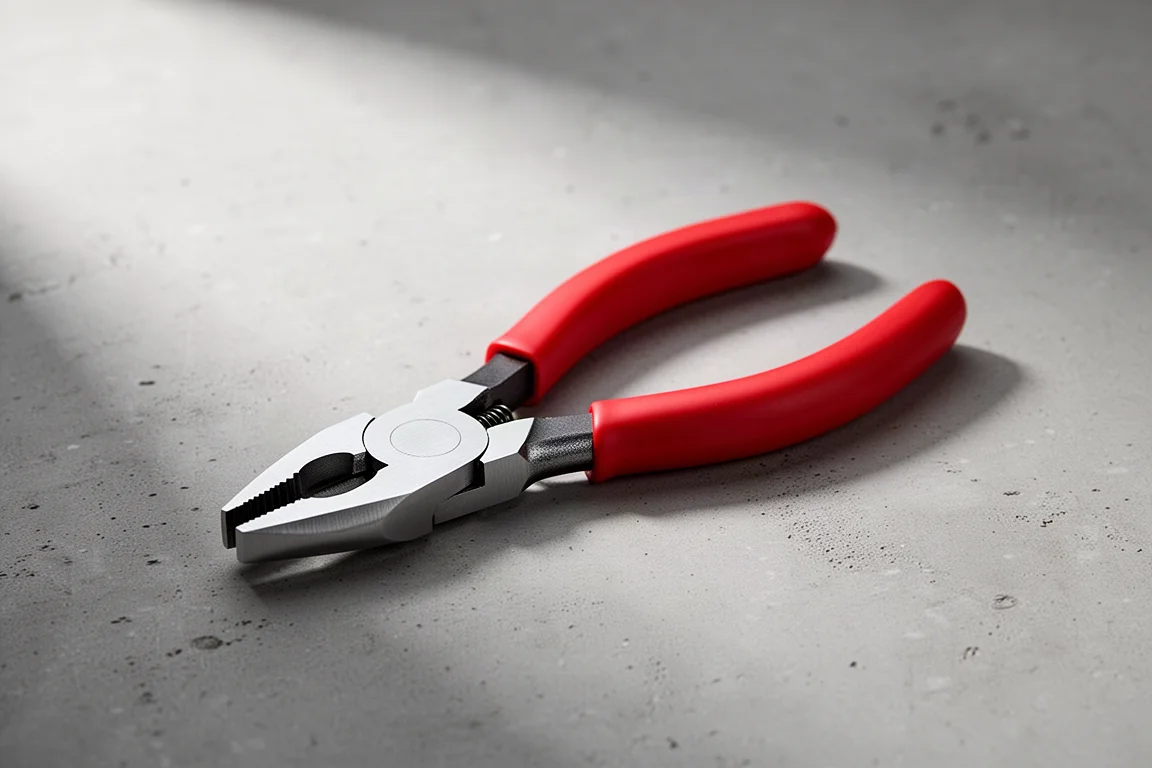
The smaller 70 02 125 is the compact option, and it still handles 12 gauge when you work right down at the joint. The cut takes a bit more squeeze and there is a little more snap than the larger version, which is the natural trade-off for a tool this size.
If you want something that disappears into a pouch or stays clipped to your pocket, this is the Knipex to consider. If you cut heavier wire all day, the 160 is the more comfortable pick.
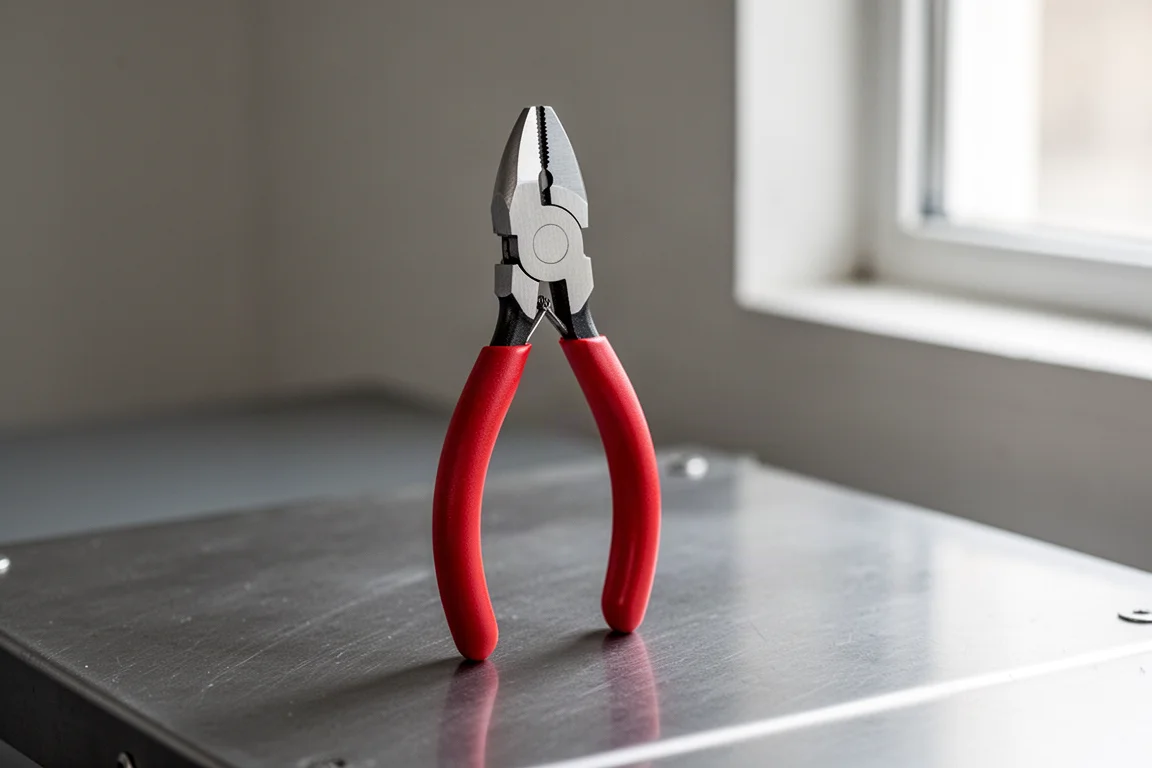
Klein Tools J2000 Journeyman
The Klein J2000 Journeyman is the giant of the group, and it shows. Cutting 12 gauge with these is described as being like butter: a long, smooth squeeze with essentially no snap, the kind of feel you could live with all day.
The catch is size and weight. They are big and heavy, so they are at their best when the tool lives on the bench or in a bag rather than a tight pouch. Klein also brought its entire line down to this smaller stand size alongside this big version, so there are more compact Journeyman options if the full-size pair is too much.
The Snap-on Options
Snap-on Vector Edge
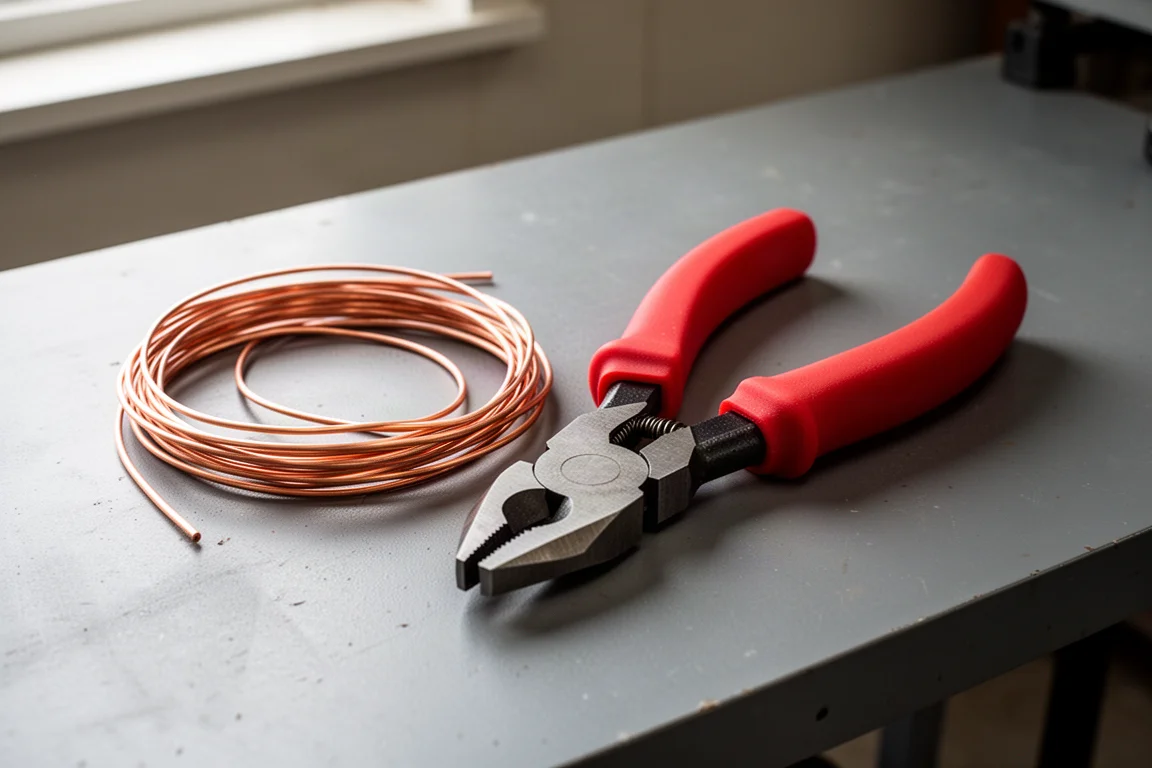
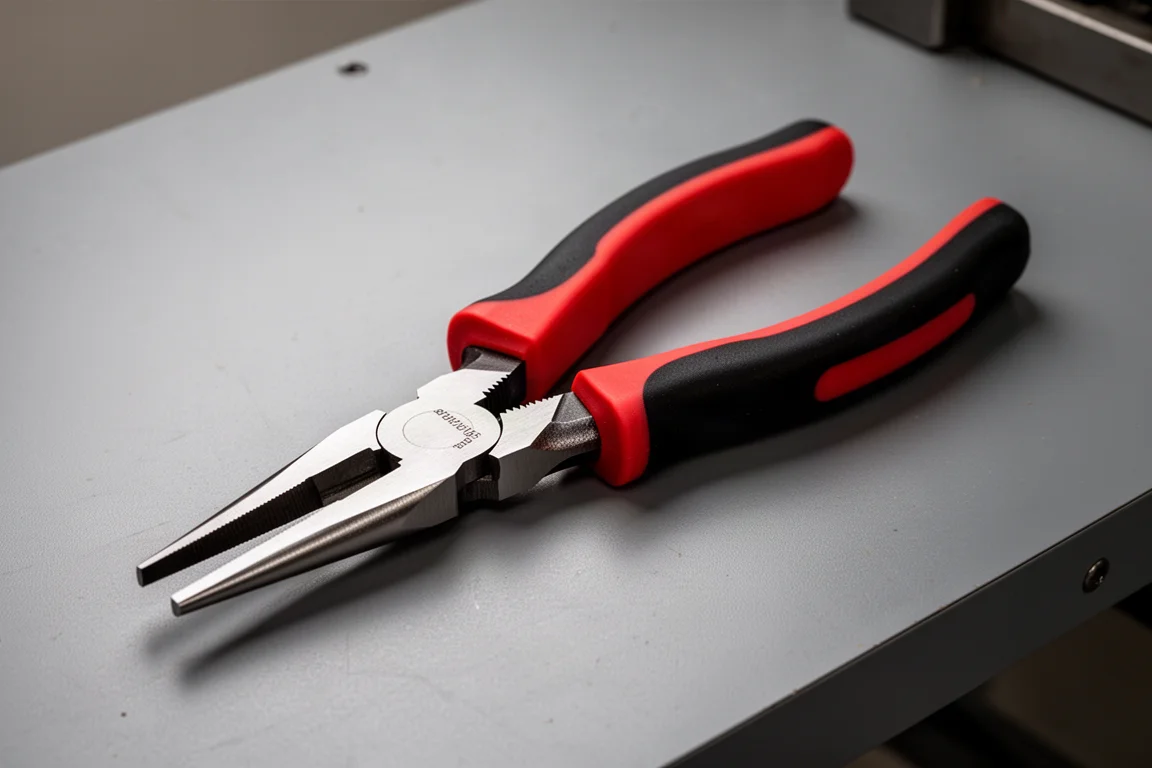
The newer Snap-on Vector Edge is a tidy, refined cutter. On the same wire it produced a nice, clean cut with less pop than the smaller tools, landing between the compact Knipex and the long-handled big guns on comfort.
Snap-on 87 BCP
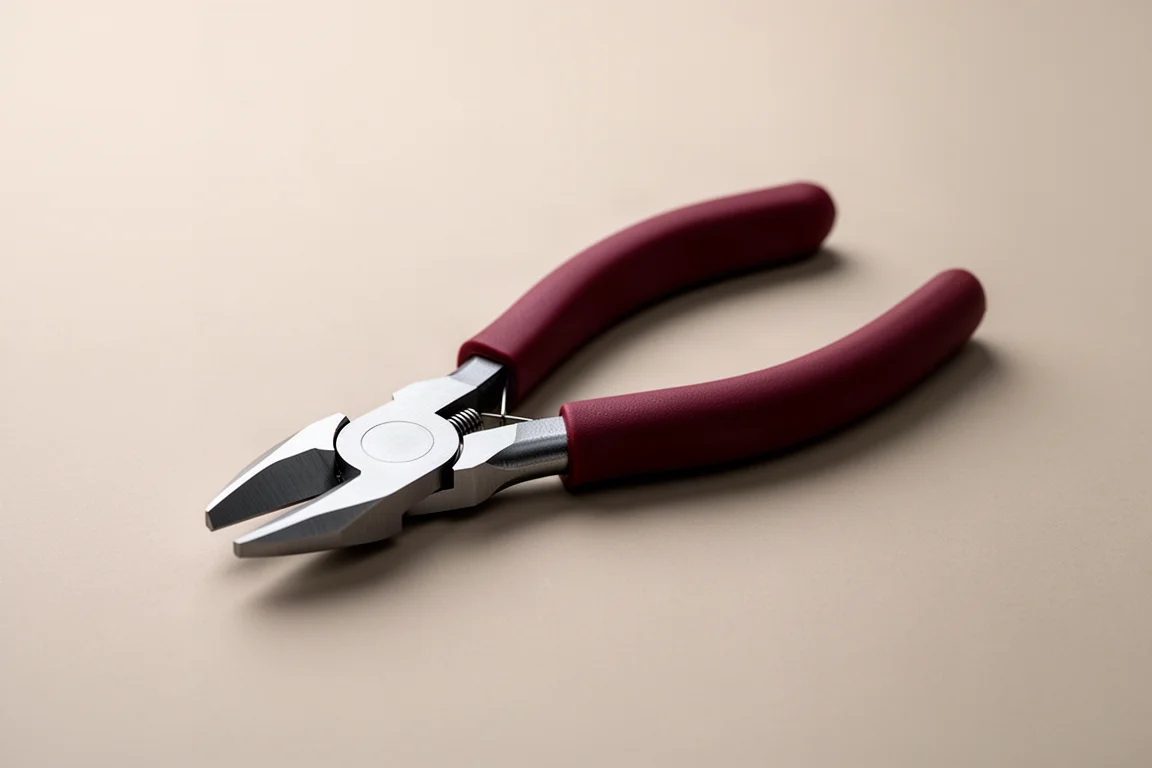
The older 87 BCP, likely from the 1980s, still performs well. The cut is smooth with only a little snap, which says something about how these tools hold up over decades. If you find older Snap-on cutters secondhand, they remain worth a look.
Craftsman Side Cutters
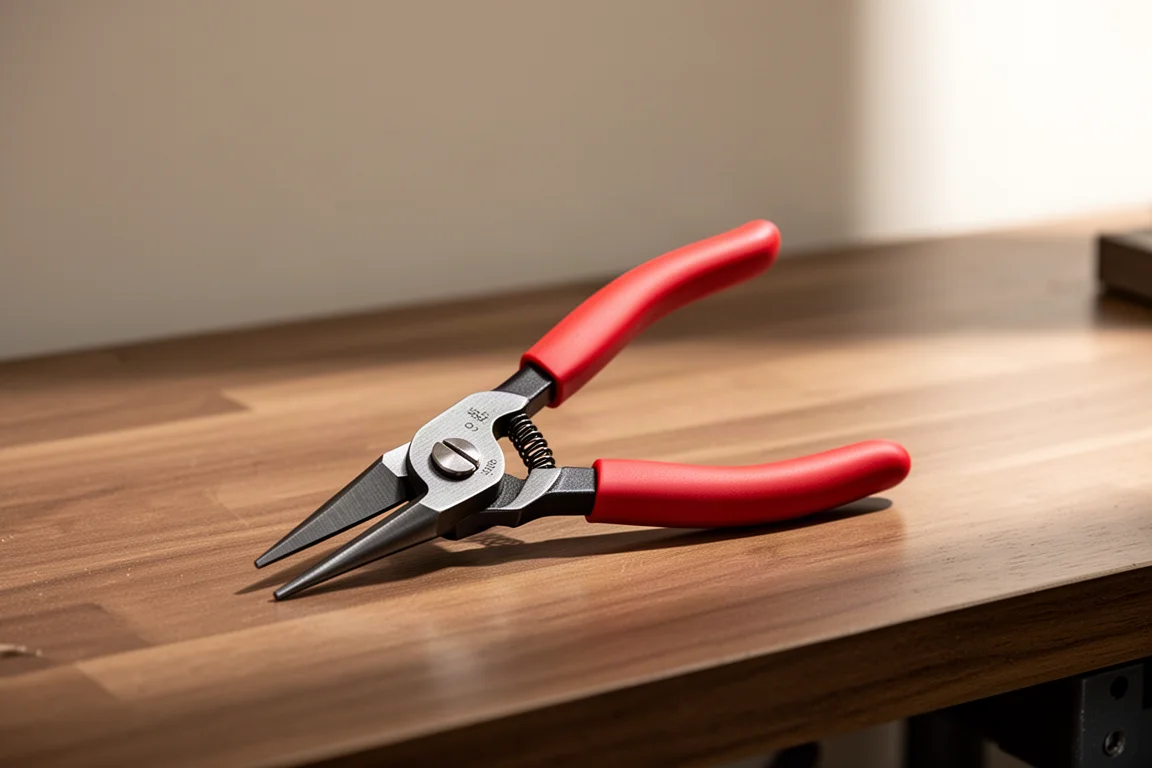
The Craftsman pair shows its character in the squeeze. It takes noticeably more force to close, and the cut finishes with a significant pop rather than a soft click. It will still get through the wire, and for occasional household use it is serviceable, but compared with the others here it is the least refined cutting experience.
Freeing Up a Stiff Pair of Pliers
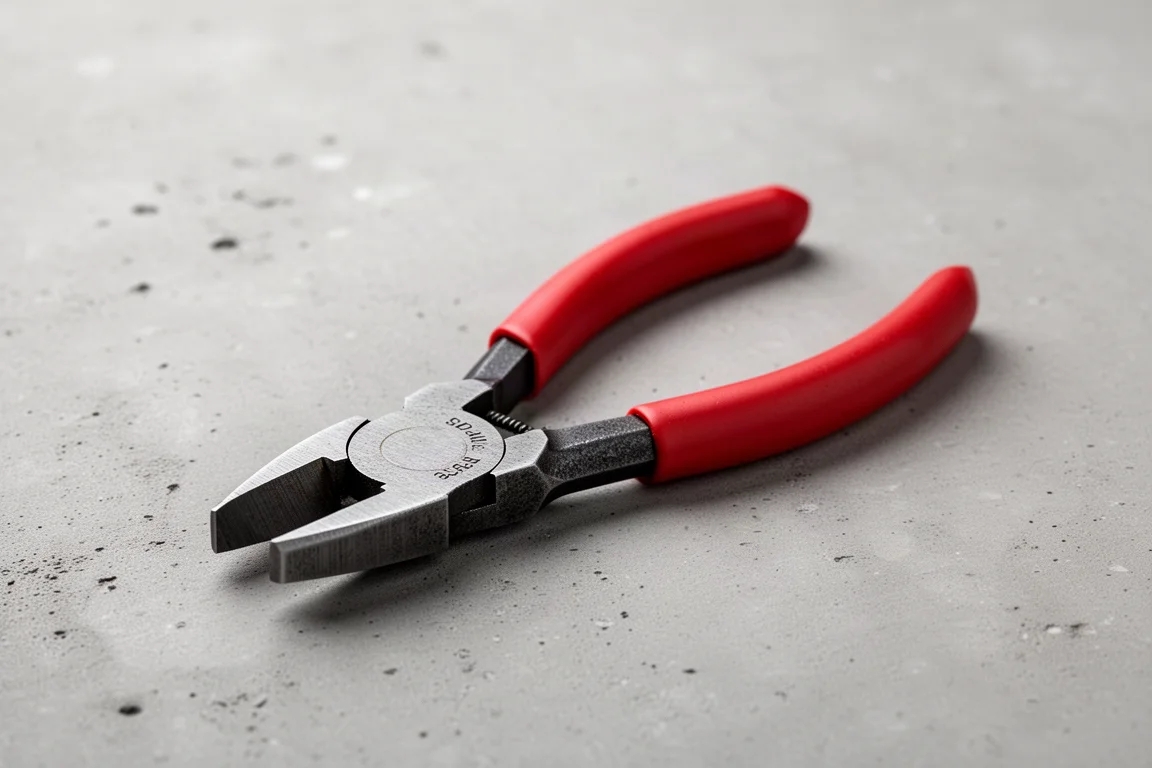
Beyond the cutting comparison, there is a maintenance trick worth knowing: what to do when a good pair of pliers has gone rock solid at the joint. Squirt-in lubricants alone often will not fix a pair this stiff, but a polishing compound can.
The method works like this. Put a little polishing compound on the joint; heavy-duty rubbing compound or valve grinding compound also work. Use a light oil such as WD-40 as a carrier solvent to drive the compound down into the mechanism, then work the pliers open and closed. When you see the compound oozing out around the center rivet, that means it has worked down into the joint where it needs to be.
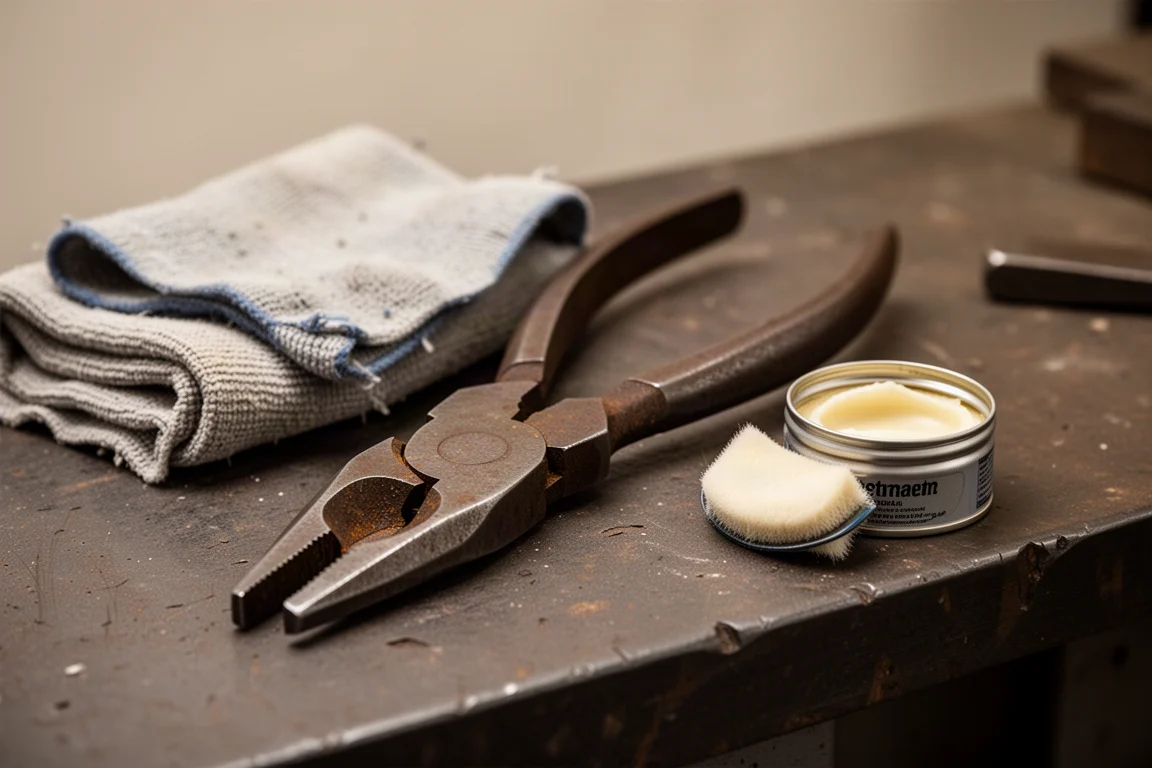
The critical part is stopping early. Keep checking the action as you go, and as soon as it approaches the smoothness you want, stop and start cleaning the compound out. Flush the joint, wipe everything down, and repeat if needed; running the pliers under hot water can help get the residue out.
The reason for caution: if you keep going after hitting the perfect point, the time it takes to clean the compound out of the jaws will carry the action past ideal and leave you with a loose pair. Going too far also risks rattle in the blades, a mistake that has ruined otherwise good pliers. Work in small steps, clean, and test. And of course, the better outcome is simply buying pliers that behave from the start.
Buying Advice
For an all-around workhorse with the least shock per cut among the mid-sized options, the Knipex 70 02 160 is the safest pick. The 70 02 125 covers compact carry duty. If maximum smoothness matters more than size, the Klein J2000 is the standout, accepting its bulk. Among the Snap-ons, the Vector Edge is the clean modern choice while the 87 BCP proves the older designs still hold up. The Craftsman works for light, occasional use when budget leads the decision.
Conclusion
On stiff solid core 12 gauge wire, every cutter here could do the job, but the experience differed enormously, from the buttery smooth Klein J2000 down to the snappy Craftsman. Match the tool to your hands and your workload: longer handles and well-made joints mean less squeeze, less snap, and less fatigue. And if a favorite old pair of pliers has seized up, a careful polishing compound treatment can bring it back, as long as you know when to stop.
Further reading
Related Reviews
Hand Tools
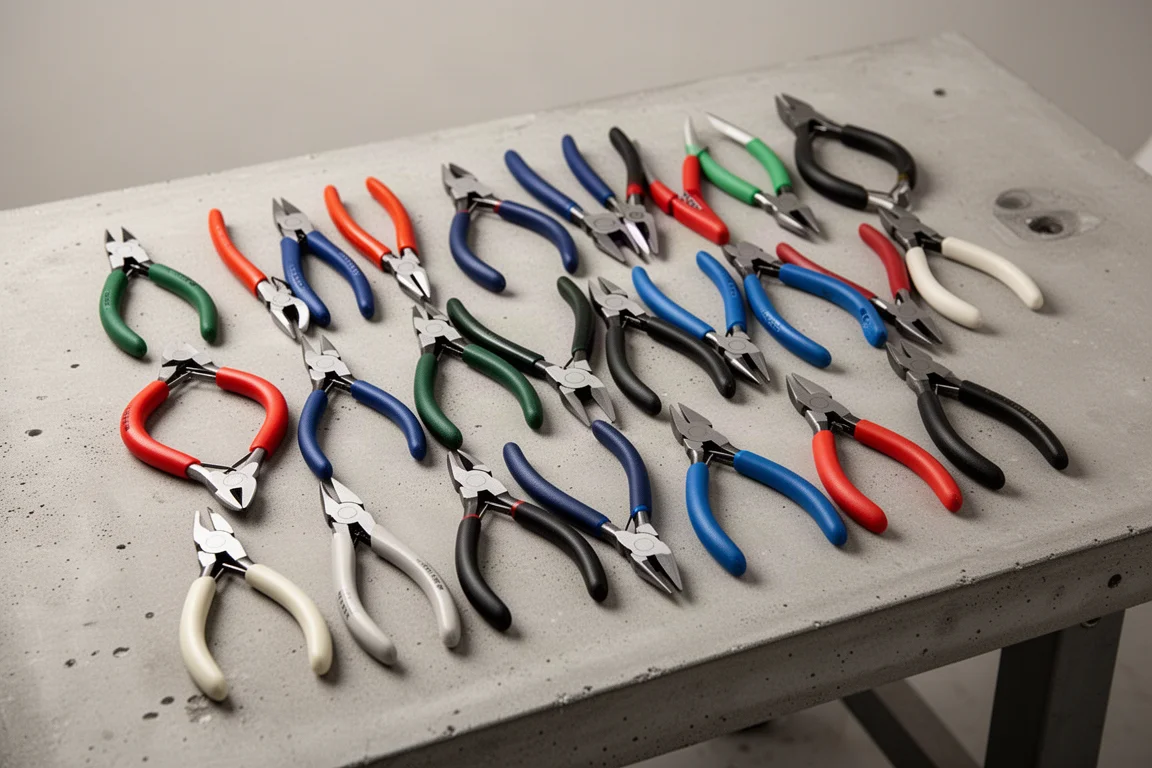
Best Diagonal Cutters 2026: 16 Pliers Tested for Cutting Power and Durability
We put 16 diagonal cutters through nail, screw, drill bit, and hex key tests to find the best value picks for your toolbox.
Hand Tools
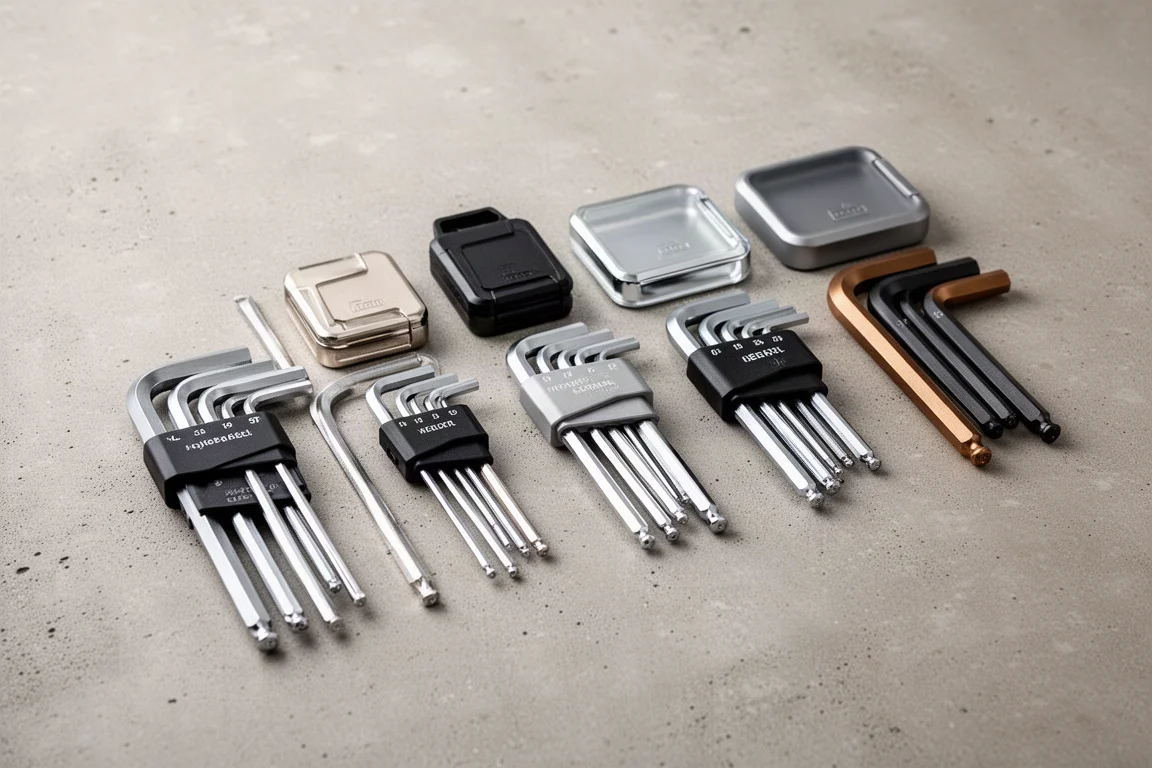
Best Hex L Key Sets 2026: Nine Sets Tested for Real-World Torque
Nine hex L key sets from budget to premium, tested for torque, fit, and durability. See which sets deliver real performance and which ones to skip.
Hand Tools
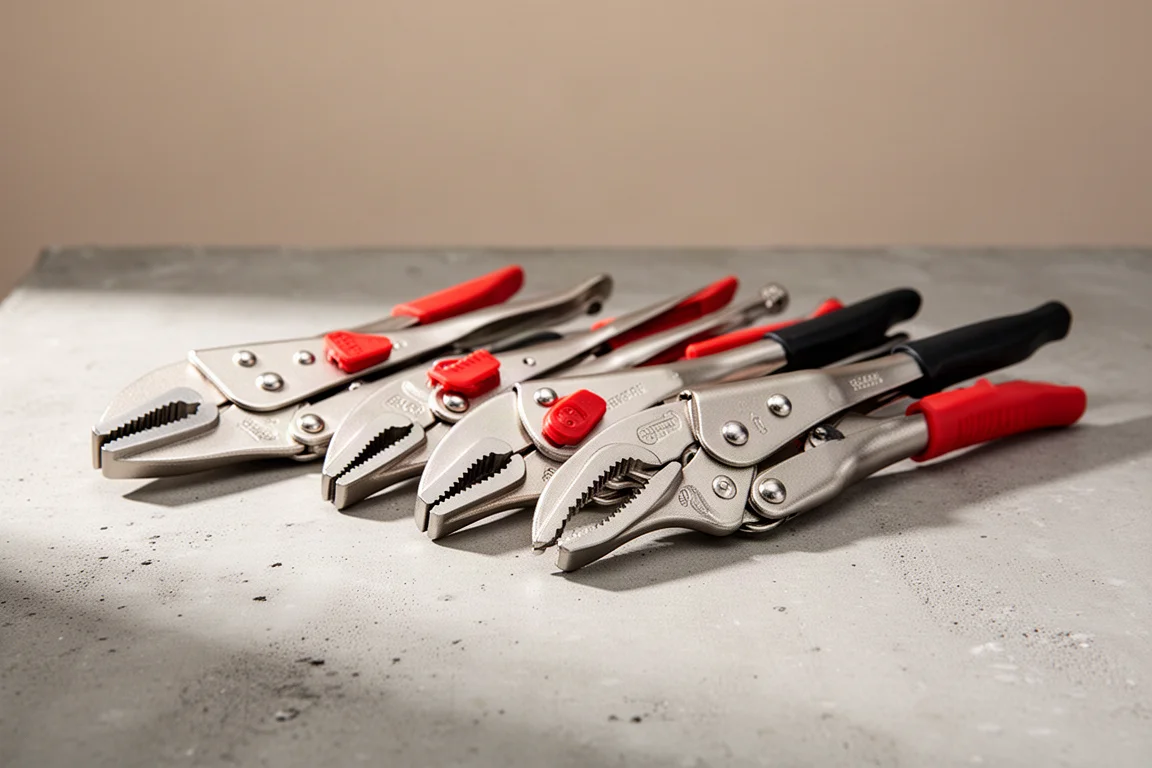
Best Locking Pliers 2026: Top Picks Tested for Grip and Durability
We tested 18 brands of 10-inch locking pliers for grip strength, jaw bite, build quality, and ease of release to find the best options for tough jobs.