Hiking Gear
Best Sea to Summit Hiking Mats: Three Practical Options for Lightweight Backpacking
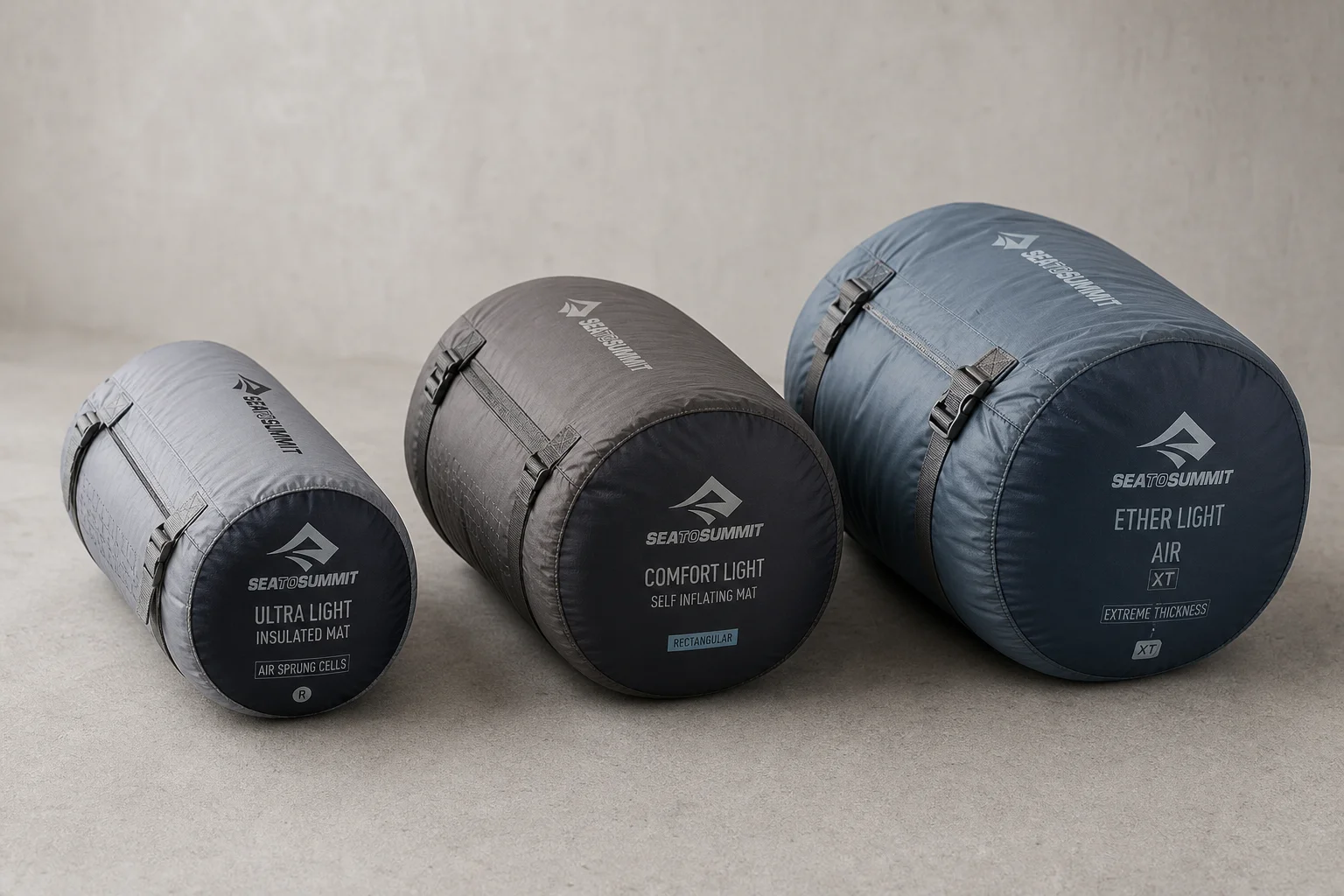
Three Sea to Summit sleeping mat series compared: Ultra Light, Comfort Light, and Ether Light. Air-filled and self-inflating options for different hiking priorities.
Introduction
Sea to Summit offers three distinct sleeping mat series designed for hiking and backpacking. Each series balances weight, pack size, comfort, and insulation differently, making them suited to different hiking priorities and conditions.
Air-Filled vs Self-Inflating Mats
Sea to Summit produces both air-filled and self-inflating sleeping mats. Air-filled mats use air sprung cell construction, packing down to a smaller size with less weight while offering extra thickness and comfort. The trade-off is that they can be noisier and slightly more slippery to sleep on.

Self-inflating mats contain internal foam that expands on its own; you add a small amount of air to reach full firmness. They offer a quieter, smoother sleeping surface and fit the traditional mat style. If punctured, the foam provides some insulation and cushioning. They pack up larger and are harder to roll, but many hikers prefer the comfort and reliability.
Ultra Light Series
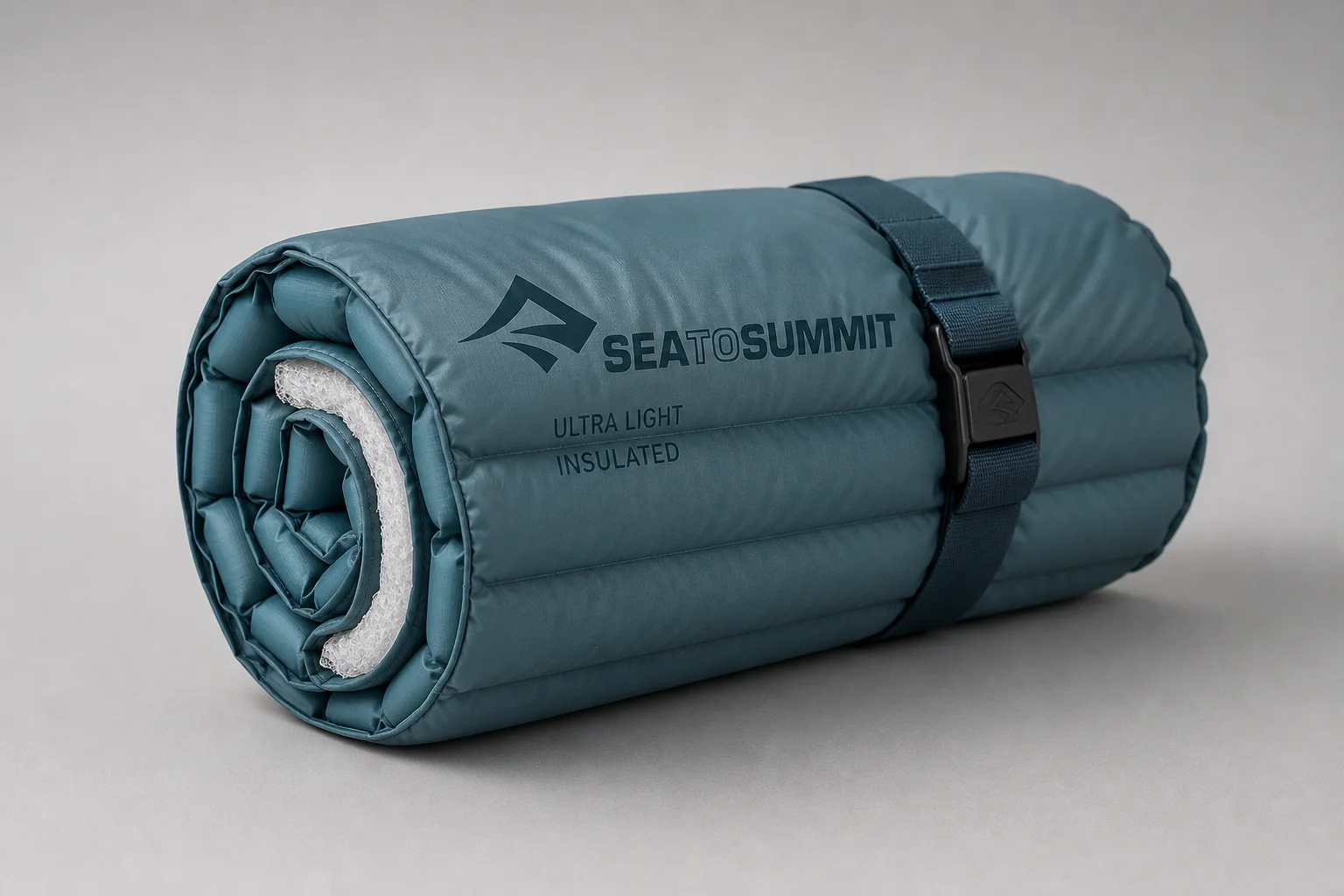
The Ultra Light Insulated Mat is the best-selling option in the Sea to Summit range. The air-filled version offers 5 centimetres of thickness and packs down to a compact size, making it ideal for weight-conscious hikers. The self-inflating Ultra Light variant is only 2.1 centimetres thick when packed, though it expands to provide reasonable comfort. Both versions prioritize packability and weight savings.
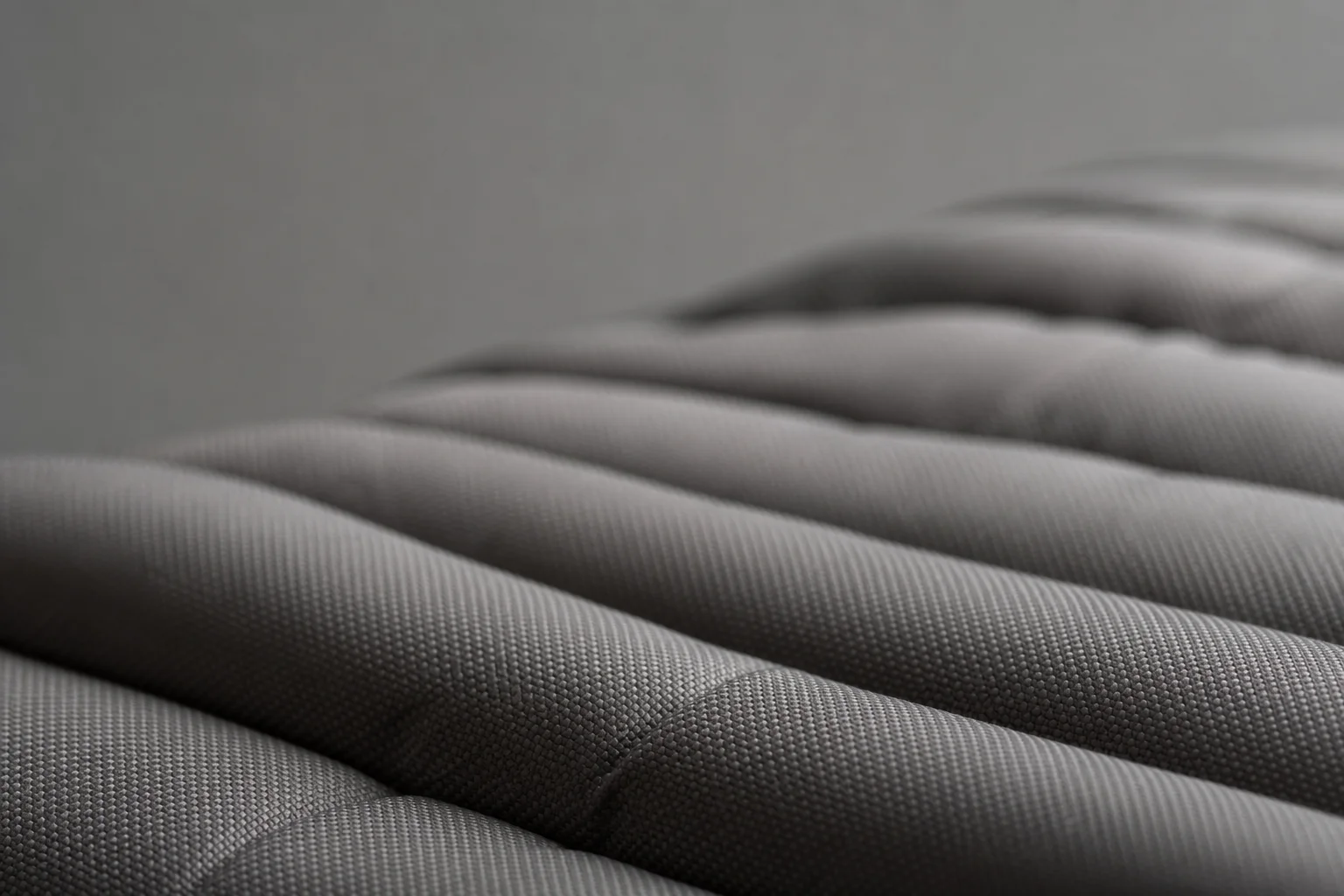
This series suits hikers who want to minimize load without sacrificing too much comfort. The insulated version provides better ground insulation for cooler conditions.
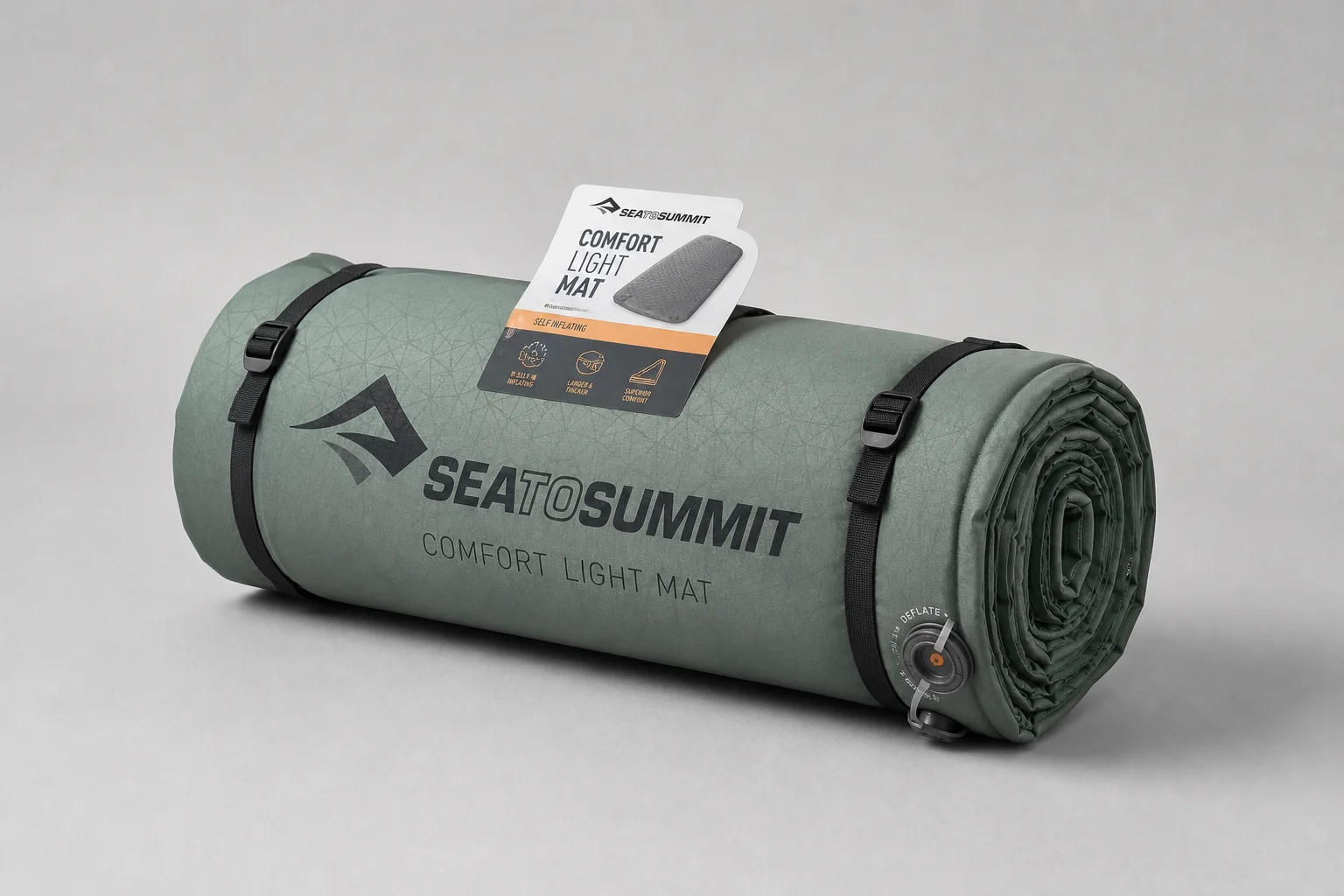
Comfort Light Series
The Comfort Light range steps up in thickness, offering 6.3 centimetres or 5 centimetres depending on the model. The self-inflating Comfort Light mat is often considered one of the best balances of weight, pack size, and comfort available in a self-inflating design. Both standard and women’s versions are available, with the women’s version featuring a slightly larger diameter and length while maintaining a similar pack size.
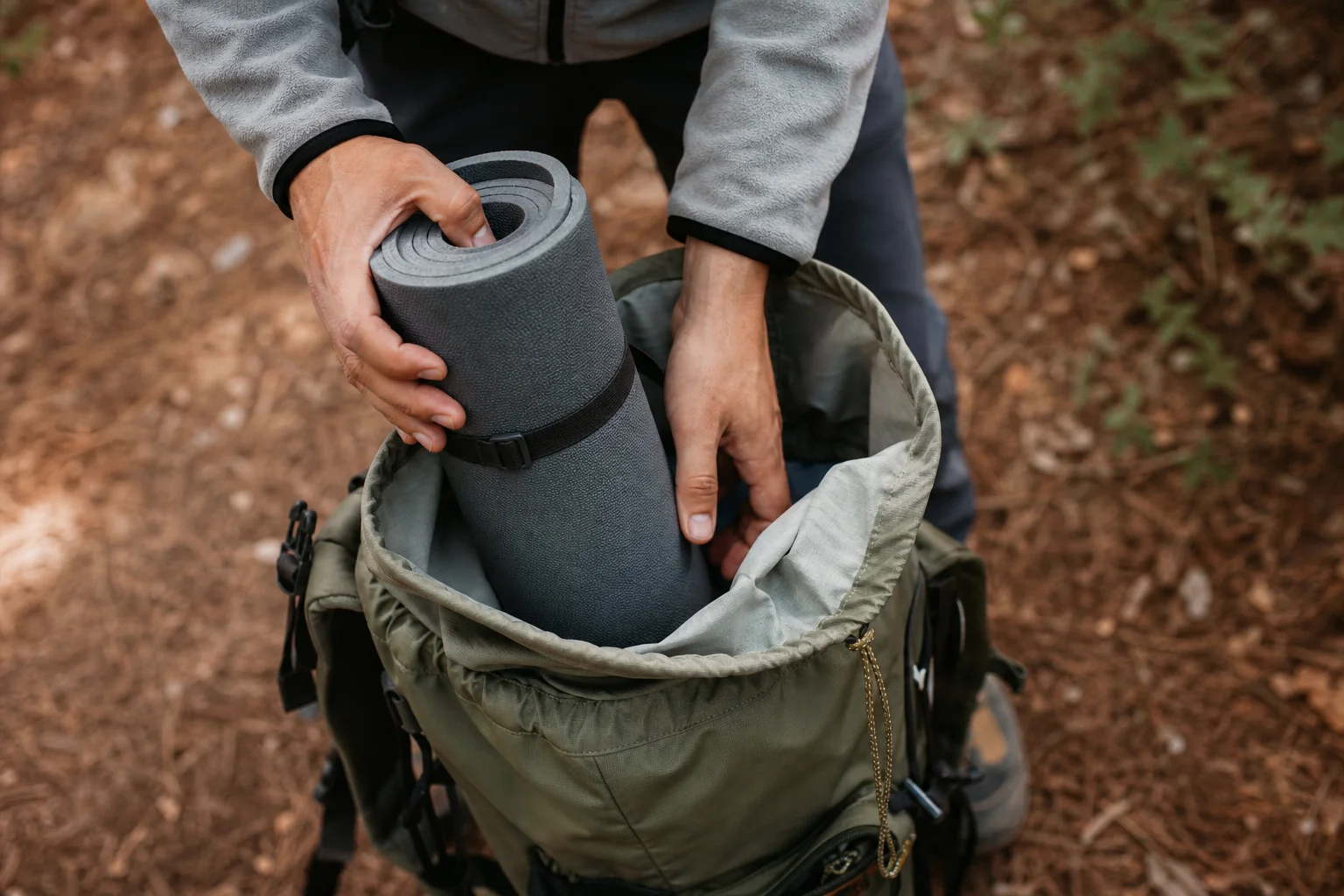
This series works well for hikers who want more cushioning than the Ultra Light but don’t need the maximum thickness of the Ether Light. It’s a practical middle ground for multi-night trips where comfort becomes more important.
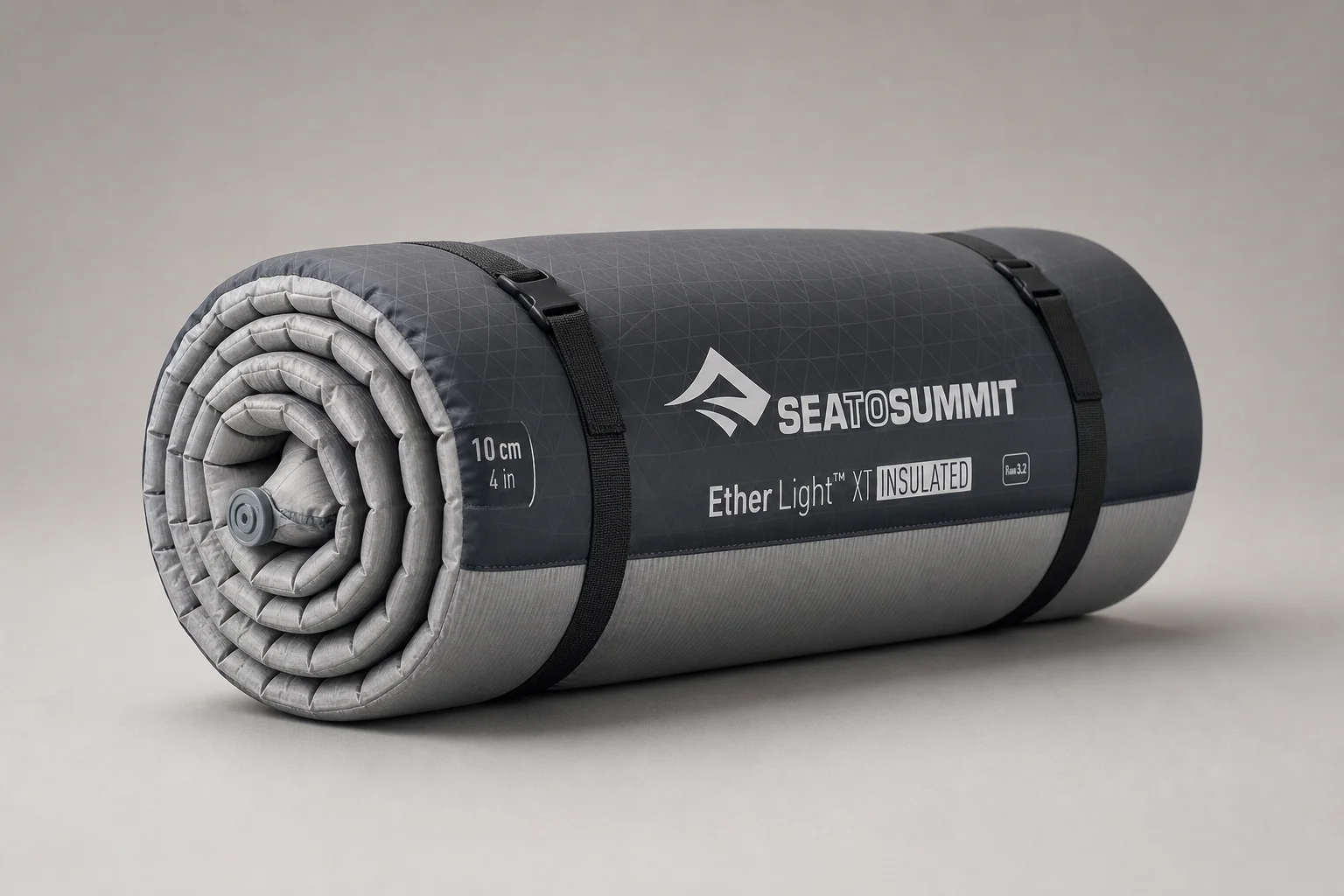
Ether Light Series
The Ether Light series delivers the best balance of weight and comfort, with 10 centimetres of thickness. The insulated version includes extra insulation on the bottom, making it suitable for colder conditions. Despite the extra thickness, it packs down to a size comparable to the Ultra Light mats, making it an efficient choice for those prioritizing comfort without a significant weight penalty.

The Ether Light is available in both rectangular and square shapes, giving hikers flexibility in choosing their preferred sleeping position and tent compatibility.
Conclusion
For lightweight hiking, the Ultra Light Insulated Mat remains the best-selling choice, offering the strongest balance of weight, pack size, and essential comfort. The Comfort Light series provides a practical upgrade for those who prioritize sleeping comfort on longer trips, while the Ether Light series suits hikers who want maximum thickness and insulation without excessive weight. Choosing between air-filled and self-inflating depends on whether you value packability and weight savings or prefer the quieter, more traditional feel of a self-inflating mat.
Further reading
Related Reviews
Hiking Gear
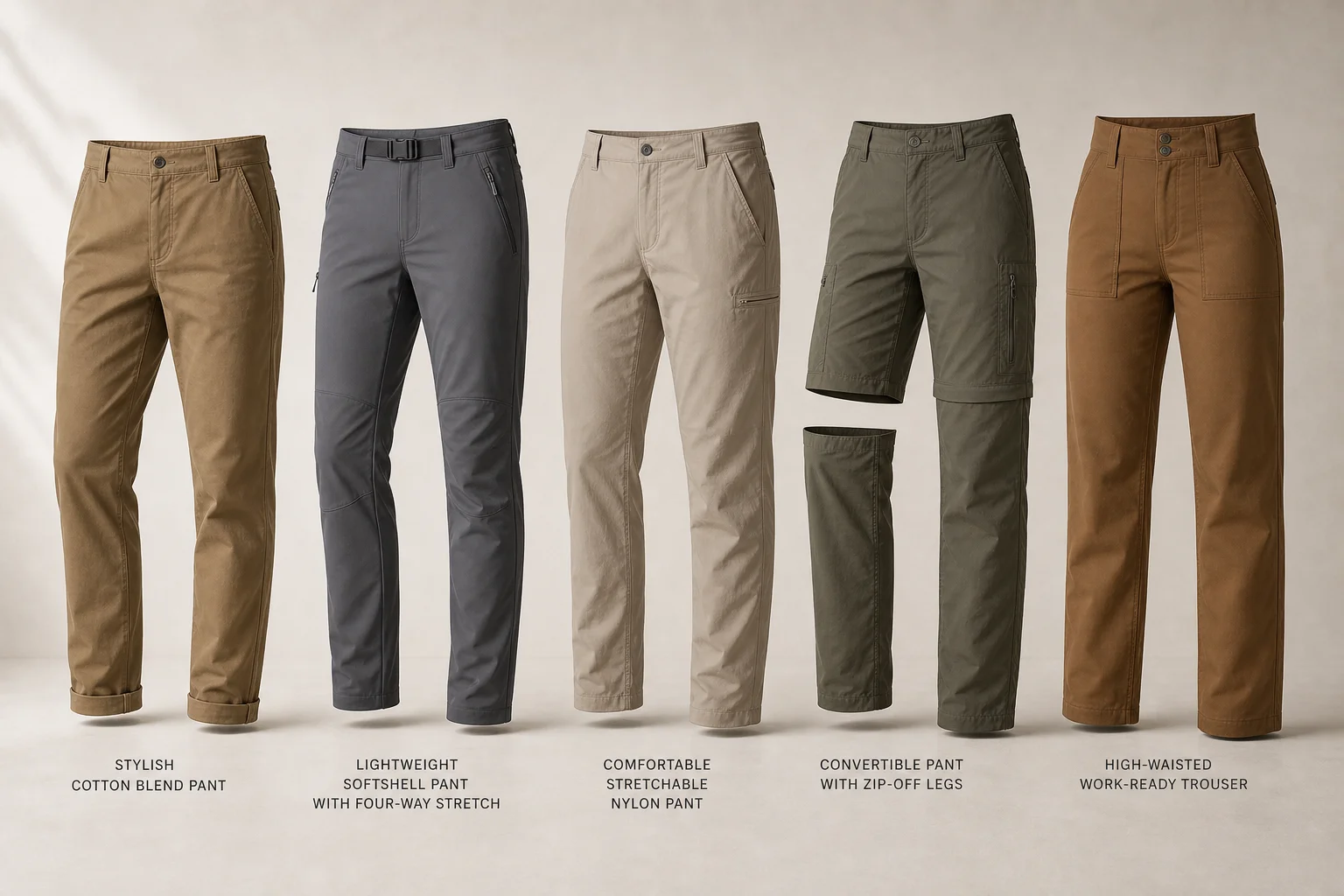
Best Hiking Pants on Amazon: Five Practical Options for Different Needs
A practical review of five hiking pants with clear strengths and trade-offs, from lightweight convertible styles to durable work-ready trousers.
Hiking Gear
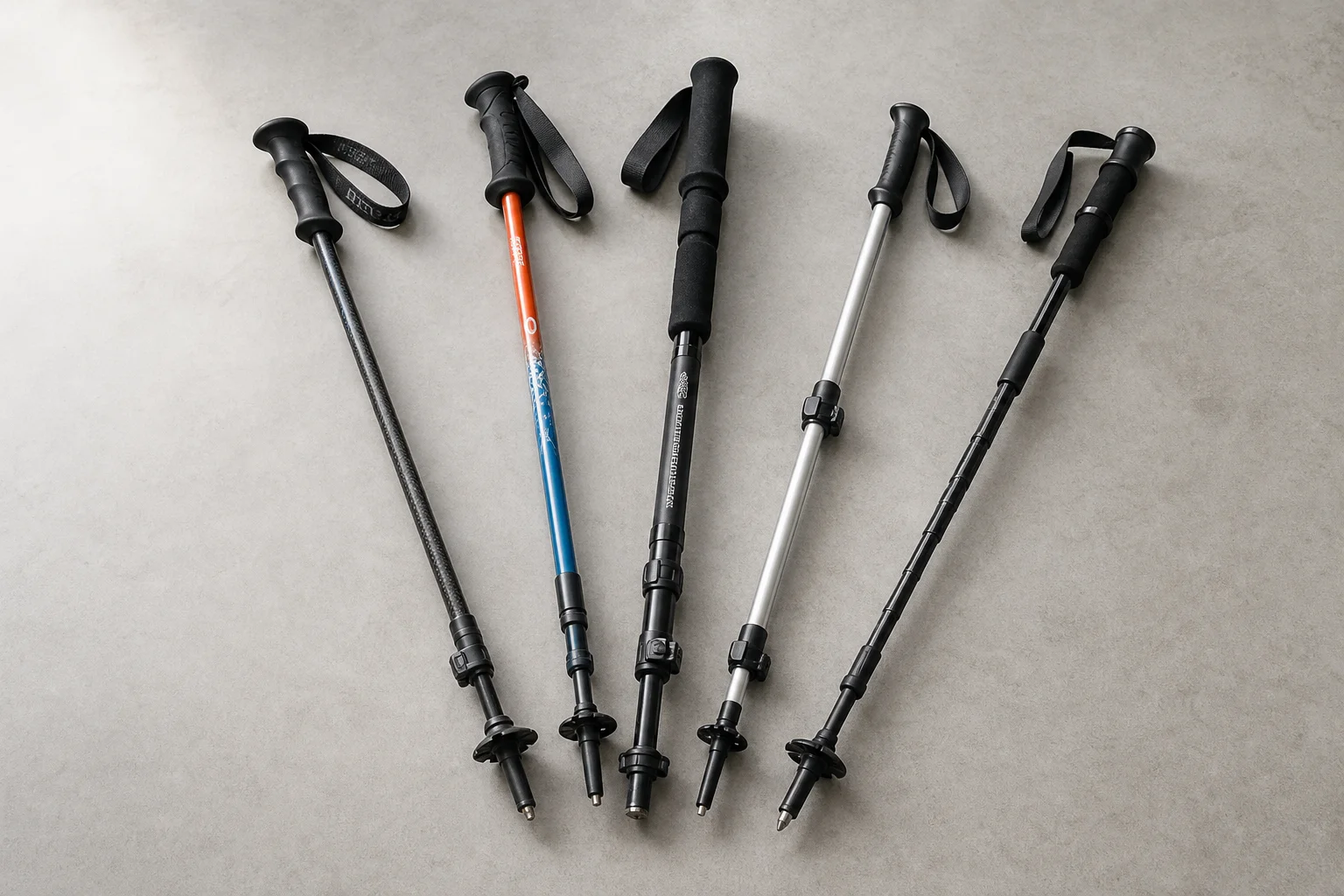
Best Hiking Poles 2026: Five Options for Different Trail Needs
A practical review of five hiking poles, from lightweight carbon designs to versatile all-terrain options, with clear strengths and trade-offs for each.
Hiking Gear
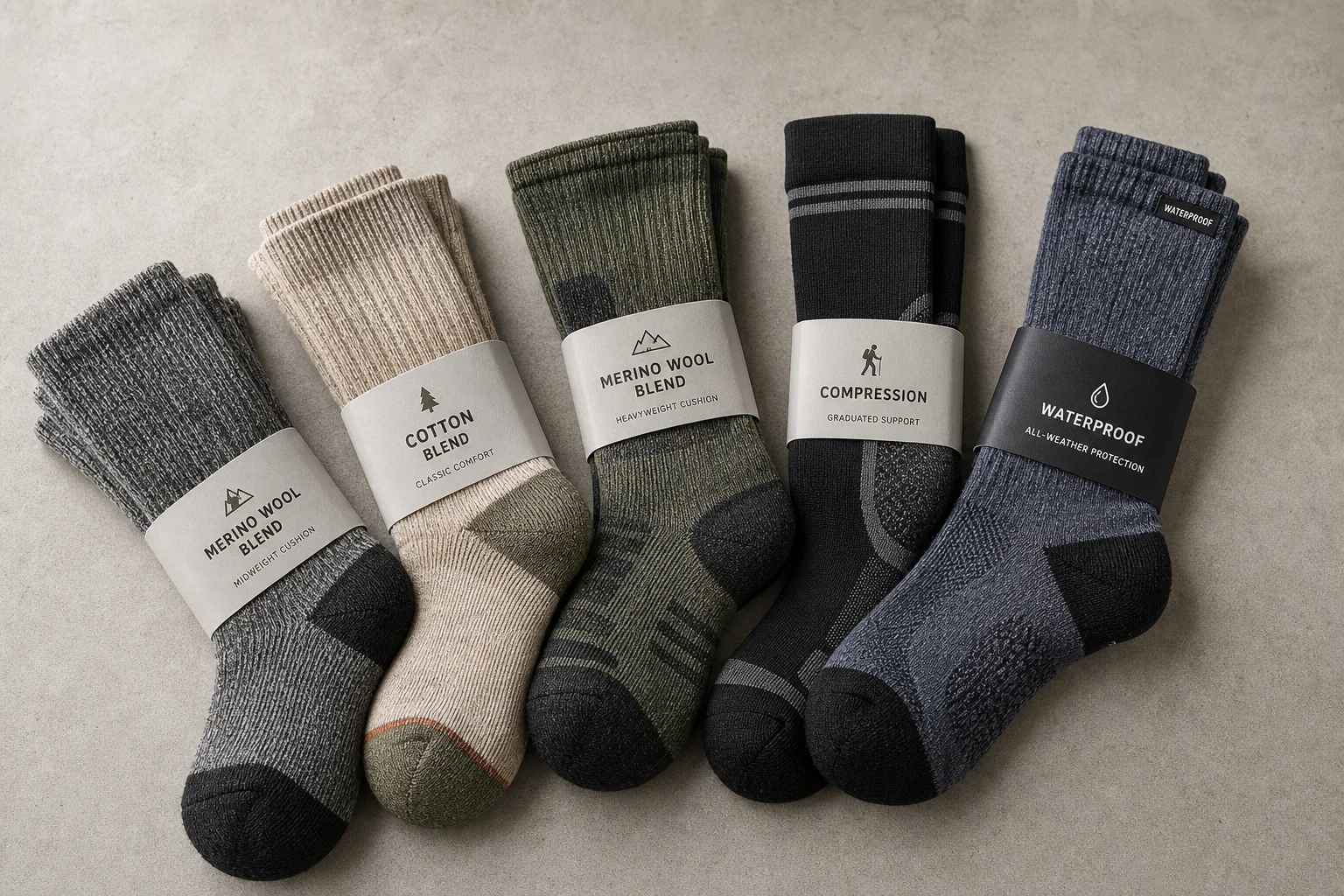
Best Hiking Socks 2026: Five Top Choices for Different Trail Needs
A practical roundup of five hiking socks, from lightweight merino options to heavy-duty compression styles, with clear guidance on which suits your outdoor activity.