Hand Tools
Best Screw Extraction Pliers: Engineer PZ-58, Engineer Vamp, and Snap-on 612AEP Compared
Three screw extraction pliers covering everything from tiny electronics screws to larger machine screws, with sizing and price trade-offs explained.
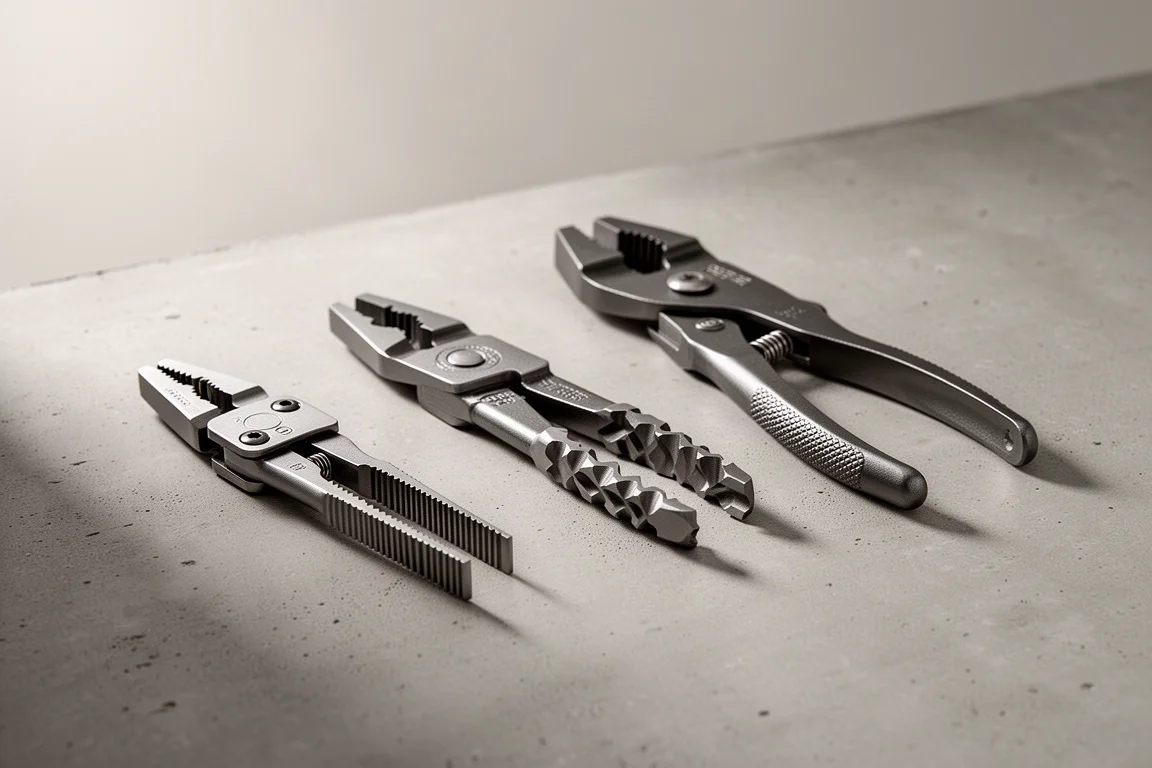
Introduction
Screw extraction pliers have quietly become a favorite among people who work on old furniture, electronics, and machinery. Once a screw head is stripped, painted over, or drilled out, a screwdriver has nothing left to bite, and a normal pair of pliers usually just mangles the situation further. Extraction pliers exist specifically to grab those ruined heads and back them out.
If you have ever wondered what these pliers are actually for, and more importantly which one to buy, the answer almost always comes down to one question: how big are the screws you expect to face? This guide walks through three standout options: the Engineer PZ-58, the Engineer Vamp, and the Snap-on 612AEP.
Why a Dedicated Extraction Plier Beats a Screwdriver
The obvious question is why not just use a screwdriver. The honest answer is that a screwdriver works great, until it cannot. In practice, extraction pliers become necessary when the screw head has no usable drive left: the slots or crosses have been ground out, drilled through, or corroded away, so there is simply nothing for a driver to engage.
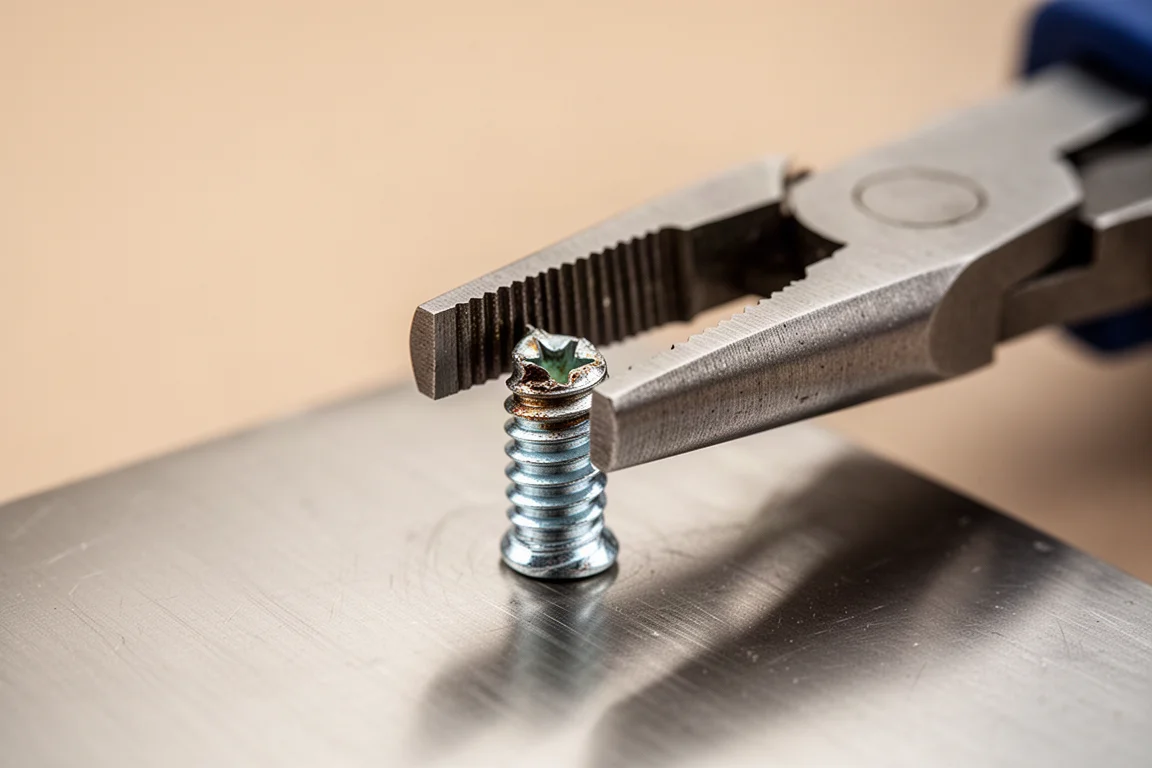
Extraction pliers also do something regular pliers cannot: they hold a screw straight. On a conventional smooth or cross-hatched jaw, a small screw immediately starts to bend and pops sideways under pressure. A dedicated extraction jaw keeps the screw aligned, which matters enormously when you need to start a screw in a tight or awkward location. These pliers are not just for removal; with a good grip and a straight line, you can use them for screw insertion too, which is especially useful for tiny screws in cramped spaces.
Matching the Plier to the Screw Size
Jaw size matters in two directions: the diameter of the jaw opening and the curvature of the jaw surface. Small-jawed pliers grip tiny screws beautifully but simply slide off larger heads. Wide jaws grab big machine screws solidly but are nearly useless on the smallest screws.
A common scenario for vintage furniture restorers is the slotted wood screw. If you want to keep a piece period-correct, those old slotted fasteners are what you have to deal with, and the right jaw size seats around them perfectly. Try the same plier on a screw that is too small and the grip is essentially nonexistent; try one on a screw far too large and you are working at the very edge of the jaw, squeezing hard just to get a partial bite.
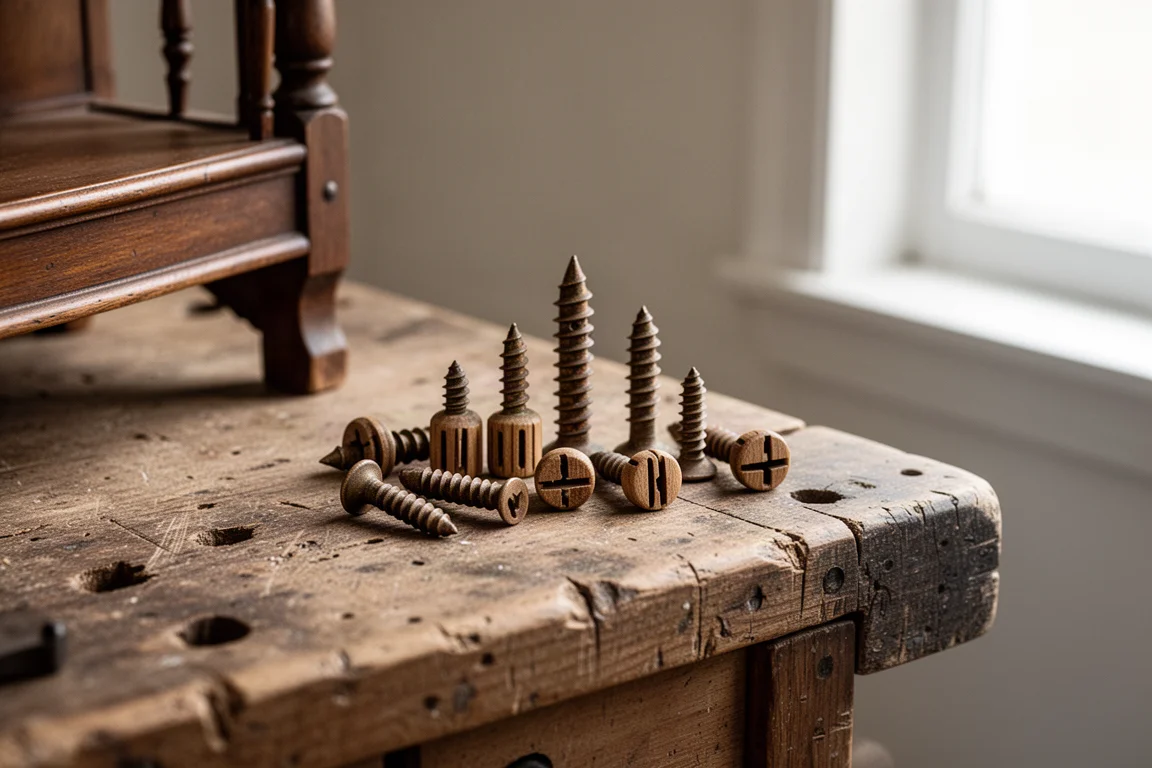
So before buying, think honestly about the screws you encounter: minuscule electronics screws, typical household fasteners, or larger machine screws in metal. Each range has a tool suited to it.
Engineer PZ-58: The Best Small Screw Extractor
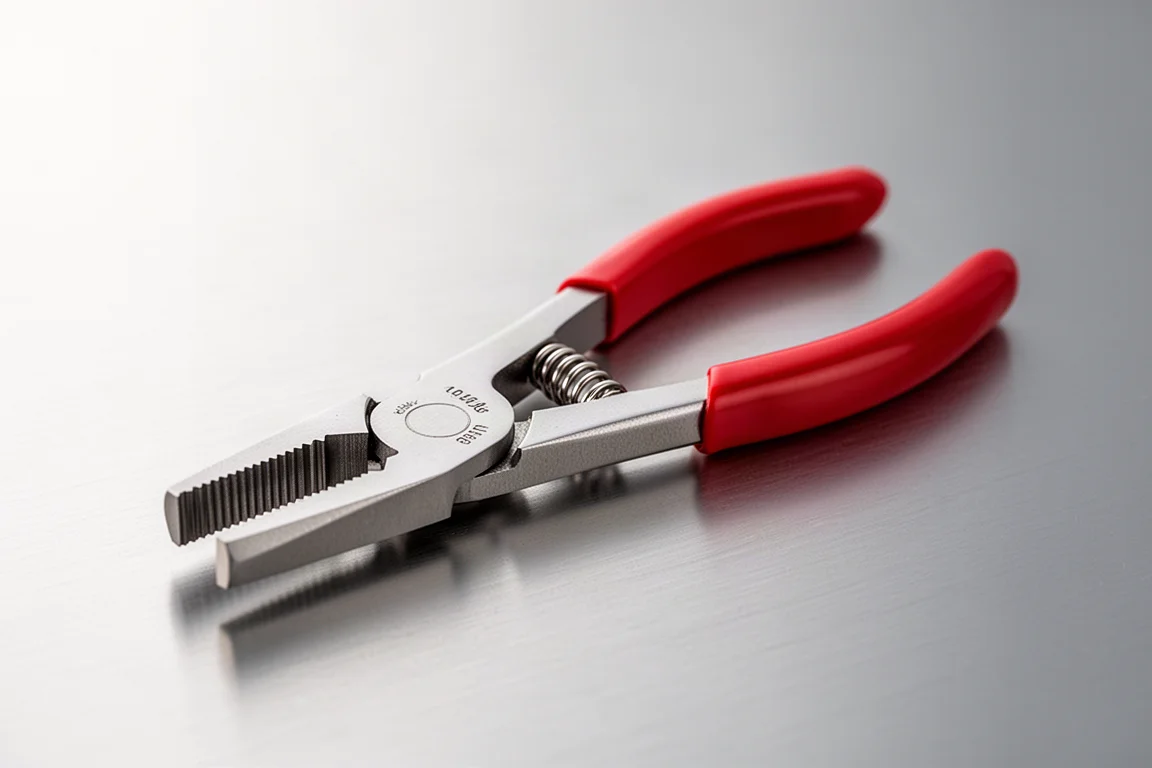
The Engineer PZ-58 is a spring-loaded extraction plier, and the spring action is precisely why some buyers will want the optional protective cover, so it does not stay sprung open in a toolbox. Fit and finish are excellent, with no visible flaws, and it has become a new favorite for everyday extraction work.
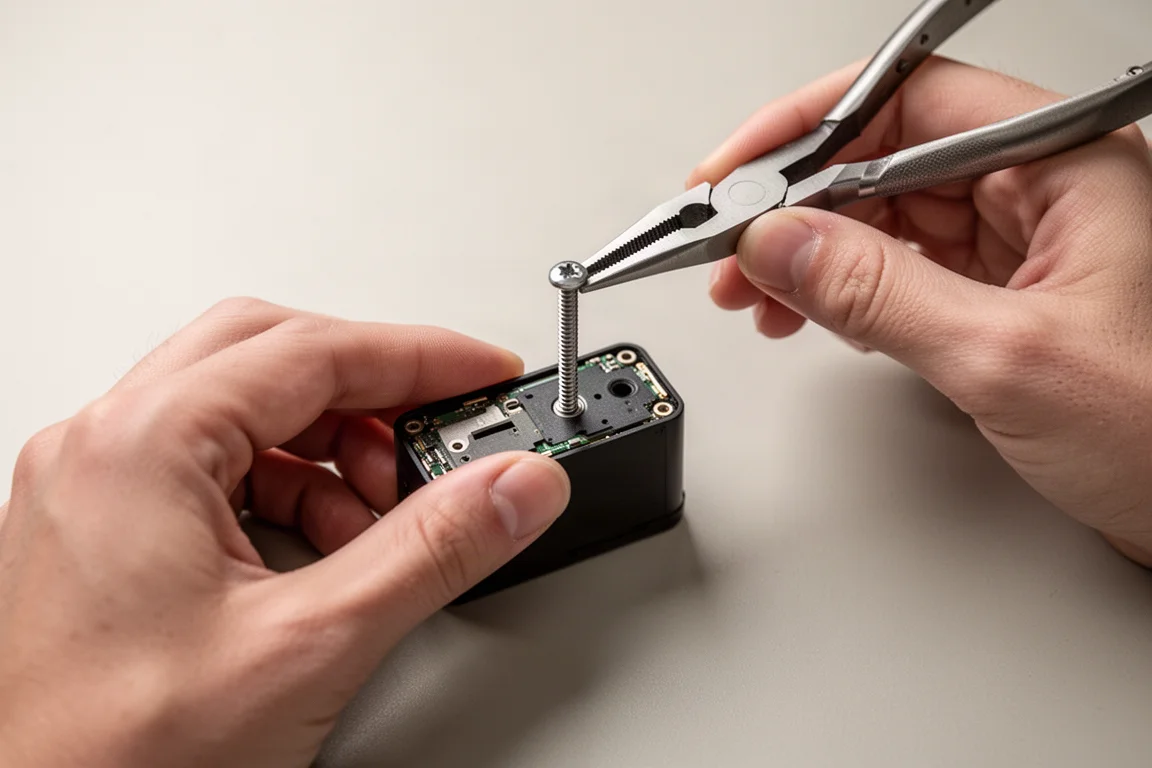
It shines on small to medium screws. In testing, it held a small screw firmly enough to drive it straight in under real pressure, something ordinary pliers cannot manage. Its limitations are honest ones: the front end is dedicated almost entirely to screw grabbing, with only a small amount of bolt-grabbing capability, and the tiny cutting edges near the pivot meet very poorly. It has carved out a niche as an excellent small-screw extractor first and a multi-purpose plier second.
It typically sells for around $22 to $23.
Engineer Vamp: Machined Teeth That Meet Perfectly
Engineer is well known for its Vamp pliers, with slightly different models for the Japanese and USA markets, and a consistent sense of humor in the design. The Vamp takes a very different philosophy from the PZ-58: its teeth are precision machined to fit together perfectly when the jaws close, so precisely that the closed jaws can grab even a thin sheet of paper. That interlocking grip is one of the Vamp’s main selling points.
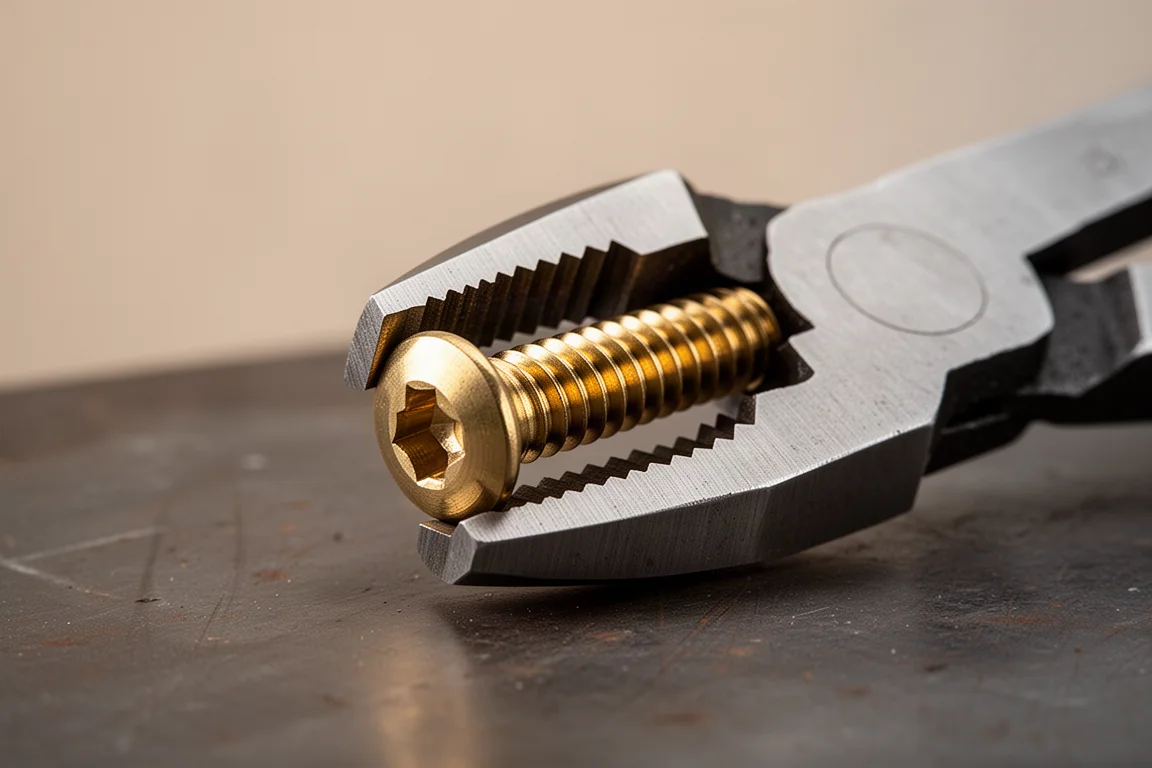
That perfect tooth mesh makes the Vamp extremely confident on its target screw range. It handles larger screws better than small-jawed options and stays solid further down the size scale too, which is a big part of its appeal as a dedicated extractor. The trade-off is versatility: the top does not close like a general multi-plier, so grabbing anything other than screws is limited. Expect it to run roughly $7 to $10 more than comparable Engineer extraction pliers.
Snap-on 612AEP: Premium Grip for Larger Screws
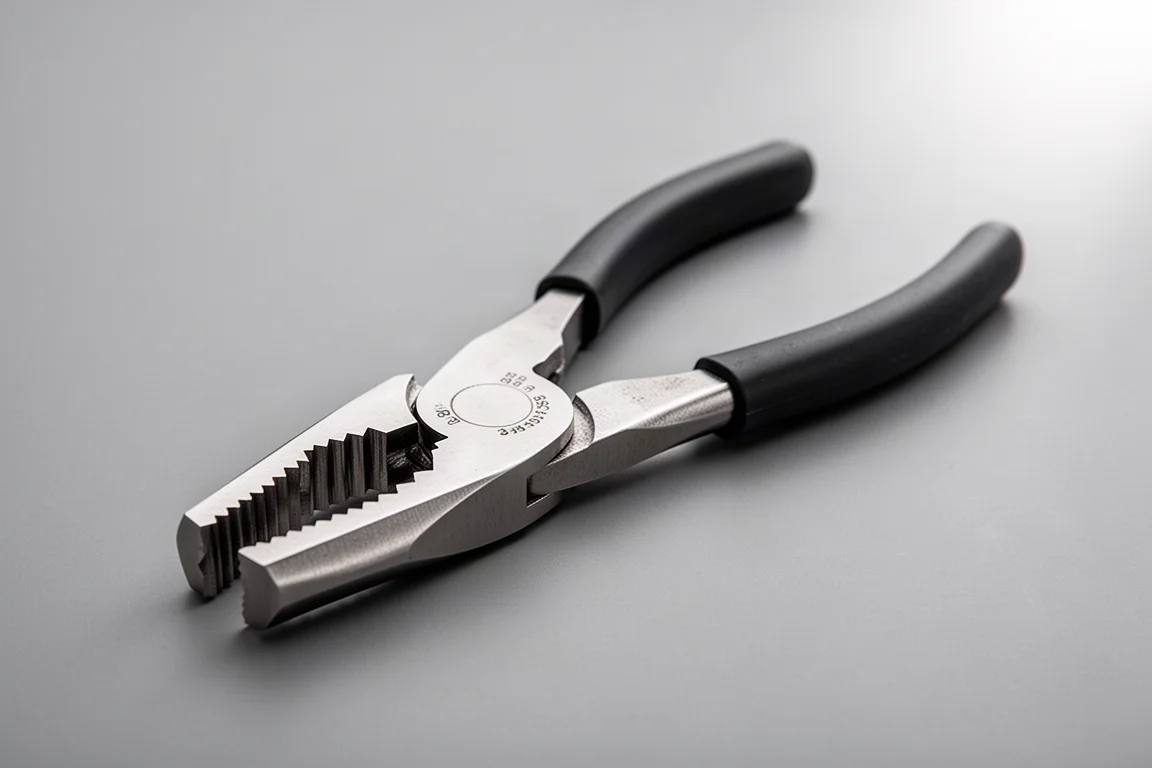
The Snap-on 612AEP uses a pistol-grip layout and sits firmly in the larger-screw category. Its performance on bigger heads is very good, comparable to the Knipex extraction pliers and perhaps slightly smaller, which places its effective screw range in the middle of the size spectrum.
This is the tool to reach for when you might be chasing bigger screws, machine screws, or fasteners in metal. On larger heads it seats deeply and holds solidly, and even on a head at the upper limit of its range it still achieves a usable grip with firm squeezing. It is by far the most affordable of the three in relative terms for its class, typically somewhere in the $30 to $40 range, though it is occasionally in short supply.
Overall Buying Advice
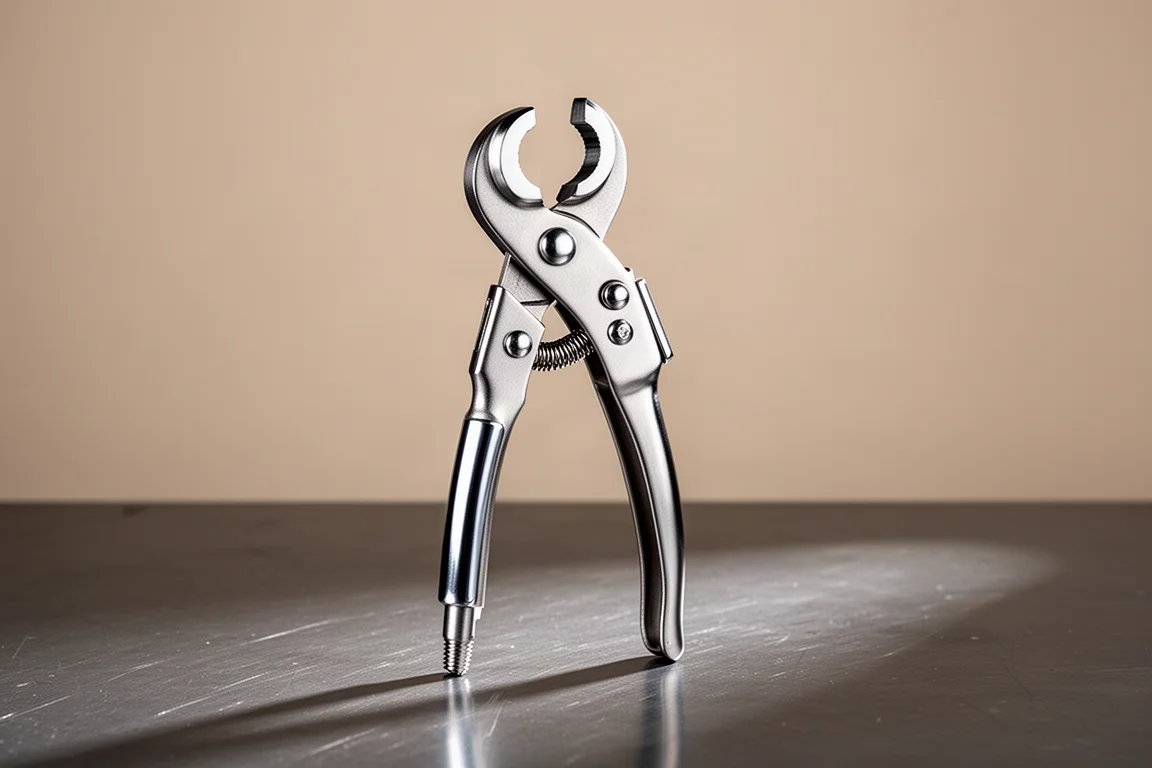
If your extraction needs involve tiny screws, especially around electronics, a small-jawed dedicated extractor is the right call. For general household work, the PZ-58 and Vamp both make sense, with the Vamp’s perfectly machined teeth justifying its higher price if screw grip is the priority. For larger screws, machine screws, and metal fasteners, the Snap-on 612AEP is the strongest pick.
One honest caution: some dedicated extraction pliers close fully only on their intended target range, so no single tool covers every screw size perfectly. Buying for the size range you actually encounter is the most reliable way to be satisfied.
Conclusion
The Engineer PZ-58, Engineer Vamp, and Snap-on 612AEP each own a distinct slice of the screw-size spectrum: small and precise, medium with perfectly meshing teeth, and larger machine screws respectively. Match the jaw to your screws and any of the three will do exactly the job a screwdriver no longer can.
Further reading
Related Reviews
Hand Tools
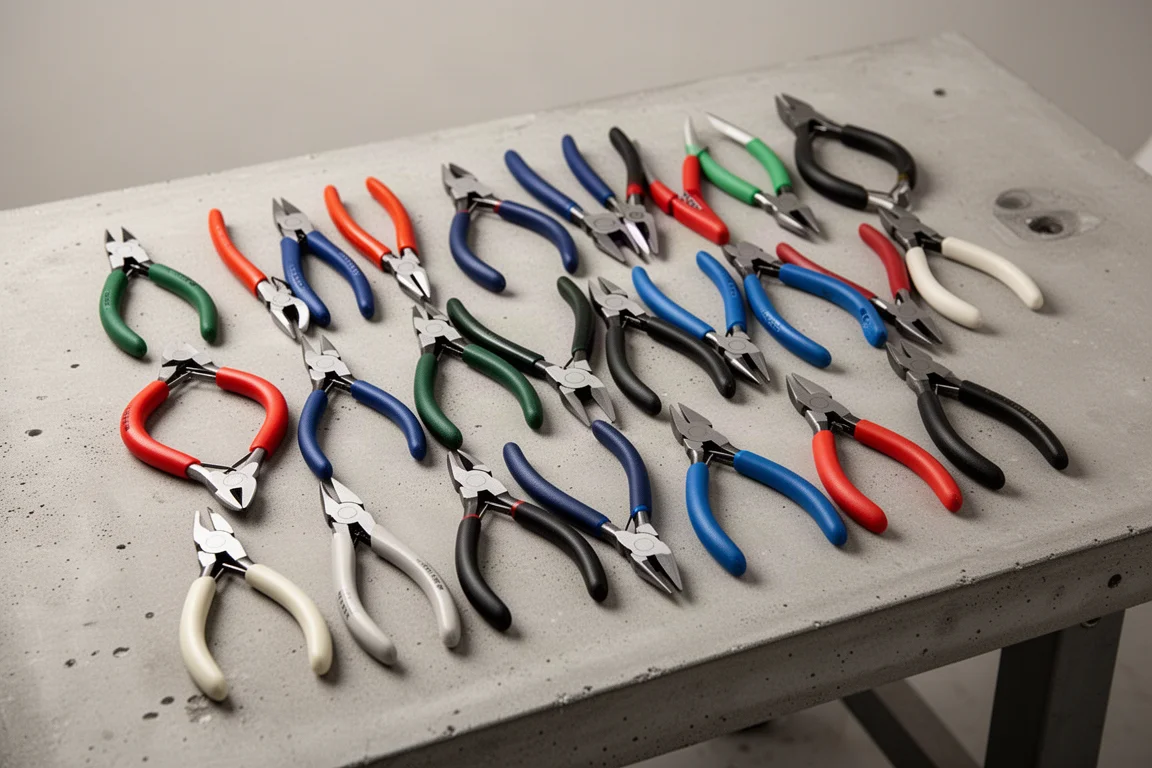
Best Diagonal Cutters 2026: 16 Pliers Tested for Cutting Power and Durability
We put 16 diagonal cutters through nail, screw, drill bit, and hex key tests to find the best value picks for your toolbox.
Hand Tools
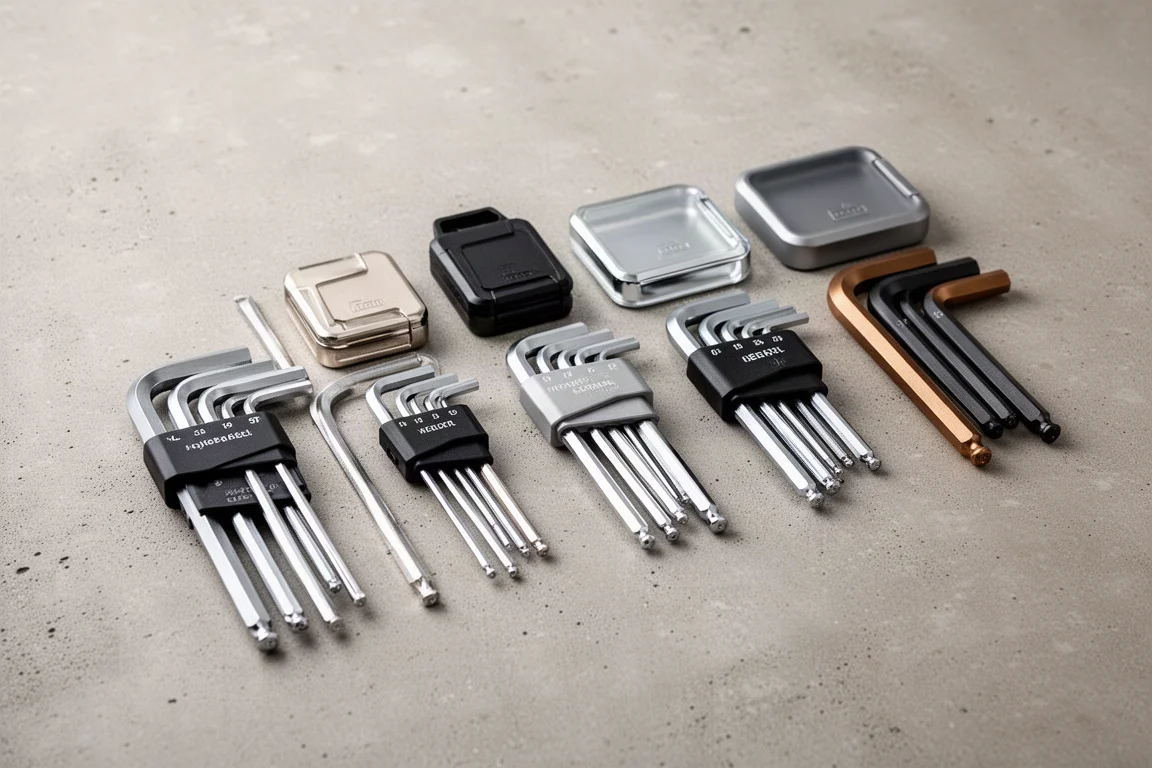
Best Hex L Key Sets 2026: Nine Sets Tested for Real-World Torque
Nine hex L key sets from budget to premium, tested for torque, fit, and durability. See which sets deliver real performance and which ones to skip.
Hand Tools
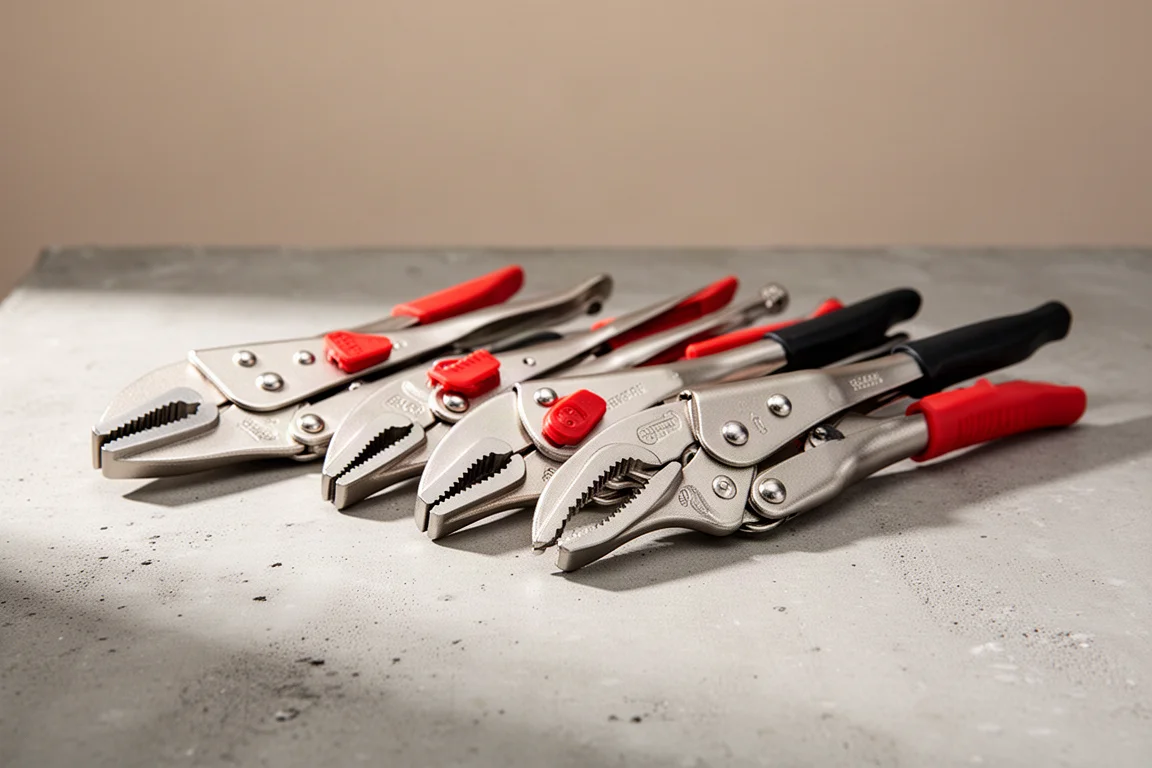
Best Locking Pliers 2026: Top Picks Tested for Grip and Durability
We tested 18 brands of 10-inch locking pliers for grip strength, jaw bite, build quality, and ease of release to find the best options for tough jobs.