Kitchen Knives
Three Stainless Santoku Knives Compared: Which One Deserves a Spot in Your Kitchen
The Enryu 165mm, Tsunahisa 165mm, and Sakon Ginga Nashiji 180mm santoku go head to head through onion, carrot, and bell pepper tests.
Introduction
Santoku knives are the workhorse of many kitchens, and stainless steel versions are the most practical entry point into Japanese cutlery. For this comparison, three stainless santokus went through the same series of hands-on cutting tests: the onion test, the carrot test, and the bell pepper test. All three performed well, but the results were closer than expected, and the most affordable knife of the bunch came out on top overall.
The Three Contenders
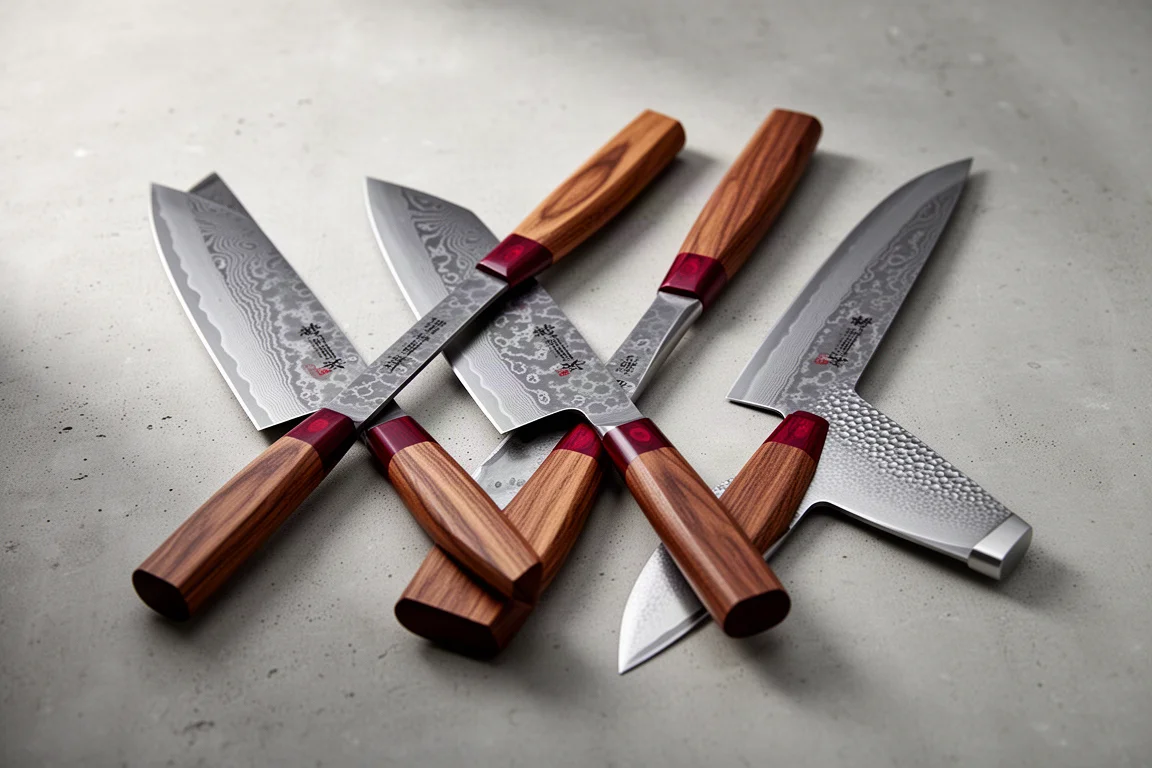
Enryu 165mm Santoku (Damascus, VG10): A 165mm santoku with a Damascus finish, a red pakka wood handle, and a VG10 stainless steel blade. VG10 typically reaches around 61-63 on the Rockwell scale, which points to solid edge retention, and it is generally easy to sharpen. The blade is quite thin behind the edge, though not super thin at the spine. The balance point sits slightly further back toward the handle than is typical, but the knife still feels light and nimble in hand with nice fit and finish.
Tsunahisa 165mm Santoku (Damascus, ZA18): Also 165mm, with a Damascus finish, a brown pakka wood Western-style handle, and ZA18 stainless steel. ZA18 is closely related to VG10, with slight upticks in some alloying elements, so it is expected to perform at roughly the same level or better. The balance point sits even further back in the handle, giving this knife a distinctly European, Western feel. If you like Japanese aesthetics and steel paired with a more Western handling character, this one is aimed at you.
Sakon Ginga Nashiji 180mm Santoku (Ginsan): The longest and most affordable of the three, with a Nashiji finish, an octagonal handle, and Ginsan stainless steel. Ginsan is often described as the stainless steel most similar to carbon steels: it sharpens easily and takes a very keen edge. The balance point sits a little further forward, which many cooks prefer. Fit and finish are good; the spine and choil could be a touch smoother, but the handle itself is cleanly done with no bumps, gaps, or rough spots.
How the Tests Were Run
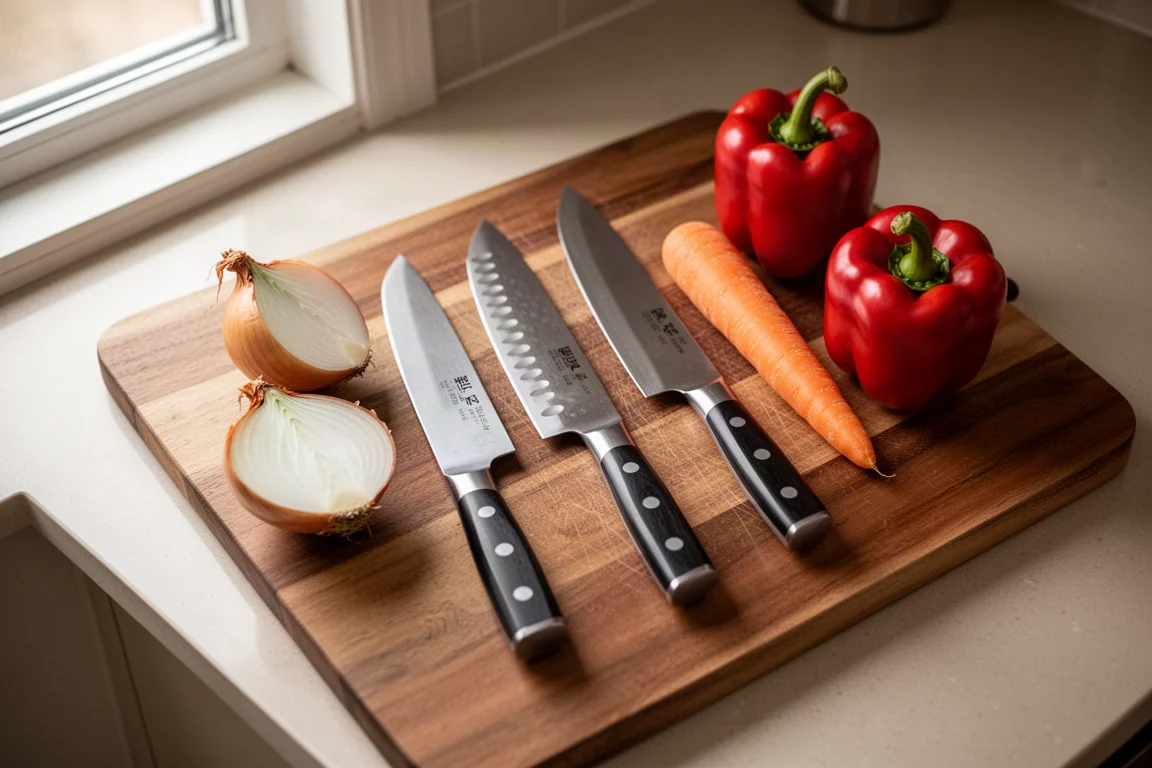
Three vegetables were used across all knives: onion, carrot, and bell pepper. These give a good read on how a santoku handles different textures, from dense root vegetable to softer, skin-wrapped produce. A preliminary in-hand feel test also covered balance, fit and finish, and handle comfort before any cutting began.
For context, it is worth noting that the Enryu had seen some prior use and was only lightly touched up on a strop before testing, while the other two knives came brand new out of the box. That is a small handicap worth keeping in mind for its scores.
Carrot Test
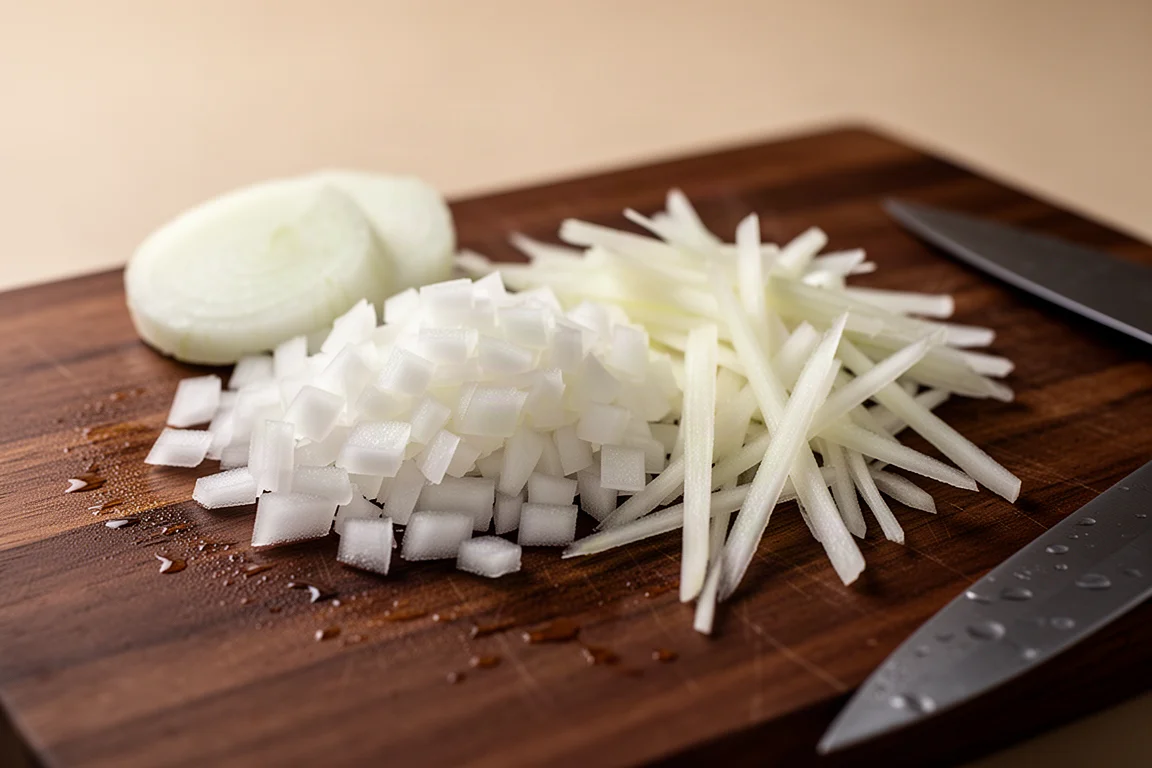
The Enryu went through carrots with a really nice cutting feel, though there was a little stickiness on lengthwise cuts, which is common on shorter knives working root vegetables. Carrot pieces did cling to the blade, but they wiped off easily. Food release was acceptable rather than exceptional.
The Sakon Ginga was the surprise here. Its extra 15mm of length seemed to help, and it moved through the carrots with no trouble. It ended up being the favorite of the test.
The Tsunahisa landed roughly on par with the Enryu, cutting through carrots with relative ease and with food release similar to the Enryu. Its handle felt chunkier than usual for a knife this size, filling the hand nicely.
After three knives, all three earned passing marks, but the edge went to the Sakon Ginga.
Onion Test
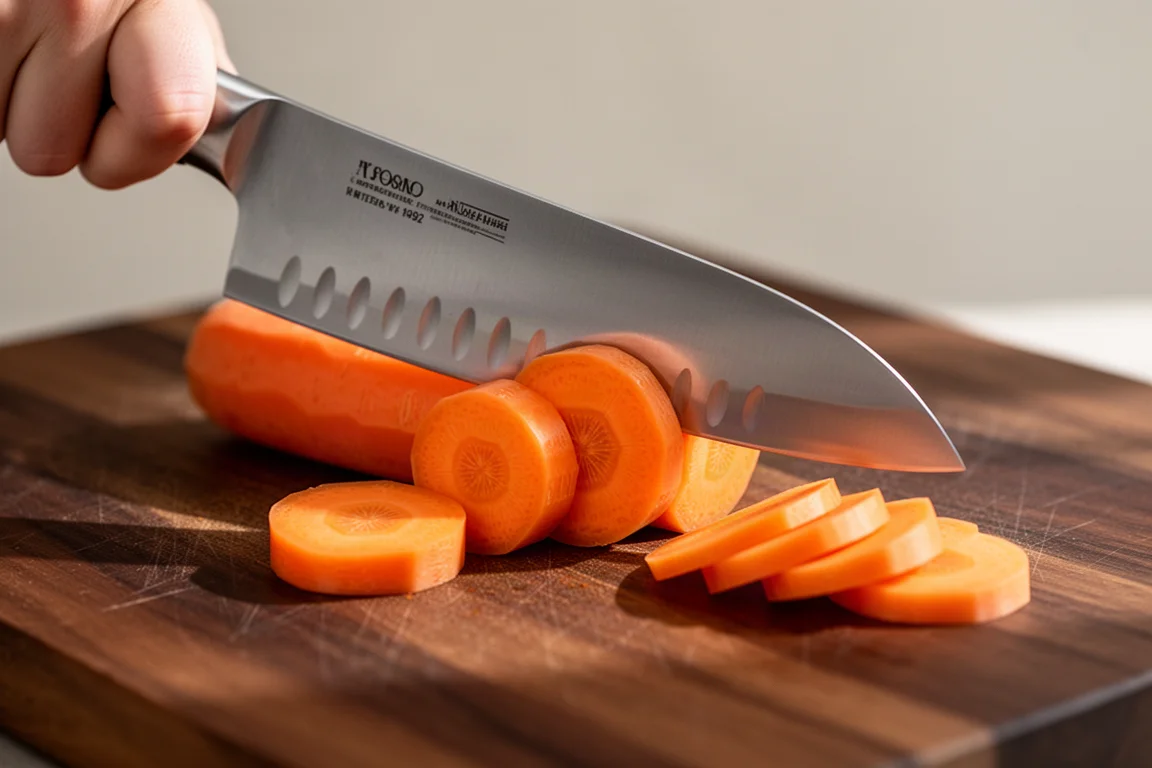
The Tsunahisa redeemed itself here. The julienne cuts felt fantastic and the dice was excellent too, with that chunky handle making the knife genuinely pleasant to use.
The Sakon Ginga matched it almost stroke for stroke, to the point the first two were essentially a tie. If the Sakon had the Tsunahisa’s handle, it would have been a clear standout.
The Enryu came on strong in the final onion round. The dice and julienne felt excellent, and being the lightest of the three helped here, likely because it suits a preference for lighter, thinner knives. The Enryu took the onion win, with the Sakon Ginga and Tsunahisa in a very close tie for second.
Bell Pepper Test
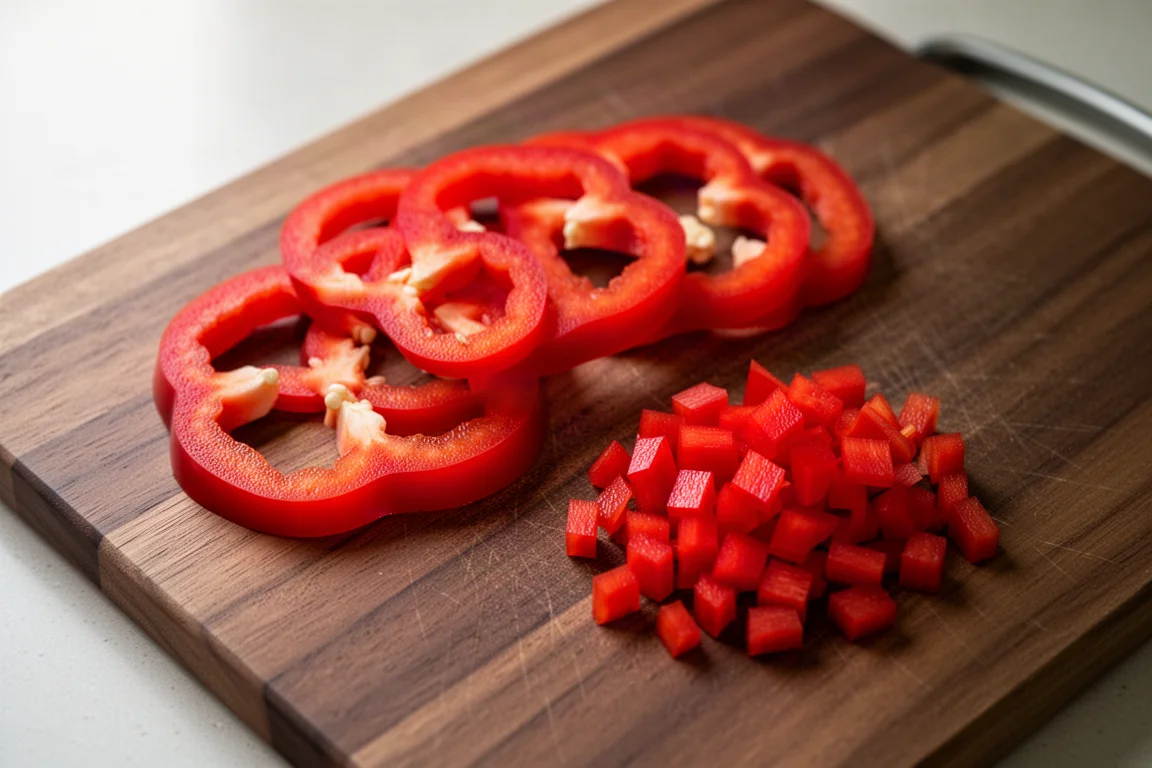
The Sakon Ginga opened with another strong showing, cutting through the pepper skin with no problem and holding its edge well through a fine brunoise. Very little to criticize, especially at its price.
The Tsunahisa performed just as well, with no noticeable loss of edge and that same fantastic handle. The extra length again made longer strokes easier compared to the two 165mm knives. If it had been 180mm, it might have taken the outright edge.
The Enryu still performed well, but it had lost a little sharpness compared to the two fresh knives, which is understandable given its prior use and light touch-up. It could not quite take the win here.
The bell pepper test ended in a tie between the Sakon Ginga and the Tsunahisa, which brought the final score to one point for the Enryu, one for the Tsunahisa, and two for the Sakon Ginga.
Which One Should You Buy
Choose the Sakon Ginga Nashiji 180mm if you want the best overall value. It won the comparison, it is one of the most affordable of the three, it handles beautifully with a forward balance point, and its Ginsan steel sharpens easily and takes a very keen edge. It may not win a beauty contest against the Damascus blades, but it punches well above its weight.
Choose the Tsunahisa 165mm if you prefer Japanese steel with a Western feel. The rearward balance and chunky, comfortable handle make it a great pick for cooks who like a European-style knife character with a Damascus look.
Choose the Enryu 165mm if looks and agility matter most. It is arguably the best looking of the three, it is the lightest and thinnest behind the edge, and its VG10 steel offers strong edge retention and easy sharpening. It tied for the onion test win and would likely have scored even higher with a fresh edge.
One general note: all three use stainless steel with Western-style handles and sit on the more robust side, so they should give you the least trouble in terms of rust and chipping compared with more traditional Japanese knives. Care is still required with any Japanese knife, but these are forgiving places to start.
Conclusion
All three santokus performed well across every test, and any of them would be a solid addition to a kitchen. The decisive factor came down to value and balance: the Sakon Ginga Nashiji 180mm took the overall win, proving that the most affordable option can outcut knives costing more. If aesthetics top your list, the Enryu is the showpiece; if you want a Western feel with Japanese steel, the Tsunahisa is the fit. For pure everyday performance per dollar, the Sakon Ginga is the pick.
Product link
View more details for Enryu 165mm Santoku (Damascus, VG10)
This product is mentioned in the review. Check the specifications, options, and compatibility before buying.
View more details for Enryu 165mm Santoku (Damascus, VG10)Further reading
Related Reviews

Kitchen Knives
Best Chef's Knives 2026: 27 Popular Options Tested and Ranked
A comprehensive review of 27 chef's knives ranging from $18 to $380, with honest assessments of handle comfort, blade balance, and real-world performance.

Kitchen Knives
Best Chef's Knives Under $75: Two Tested Recommendations
Two practical 8-inch chef's knives that balance sharpness, comfort, and durability without premium pricing.

Kitchen Knives
Best Chef's Knives 2026: 27 Options Tested and Ranked
A comprehensive review of 27 chef's knives ranging from $18 to $380, with honest assessments of handle design, balance, blade profile, and real-world performance.