Coffee Equipment
Best Sample Roasters for Coffee: Four Machines for Different Roasting Needs
A practical guide to four popular sample roasting machines, from fluid bed roasters to drum-style equipment, with clear use cases for green coffee evaluation and profile development.
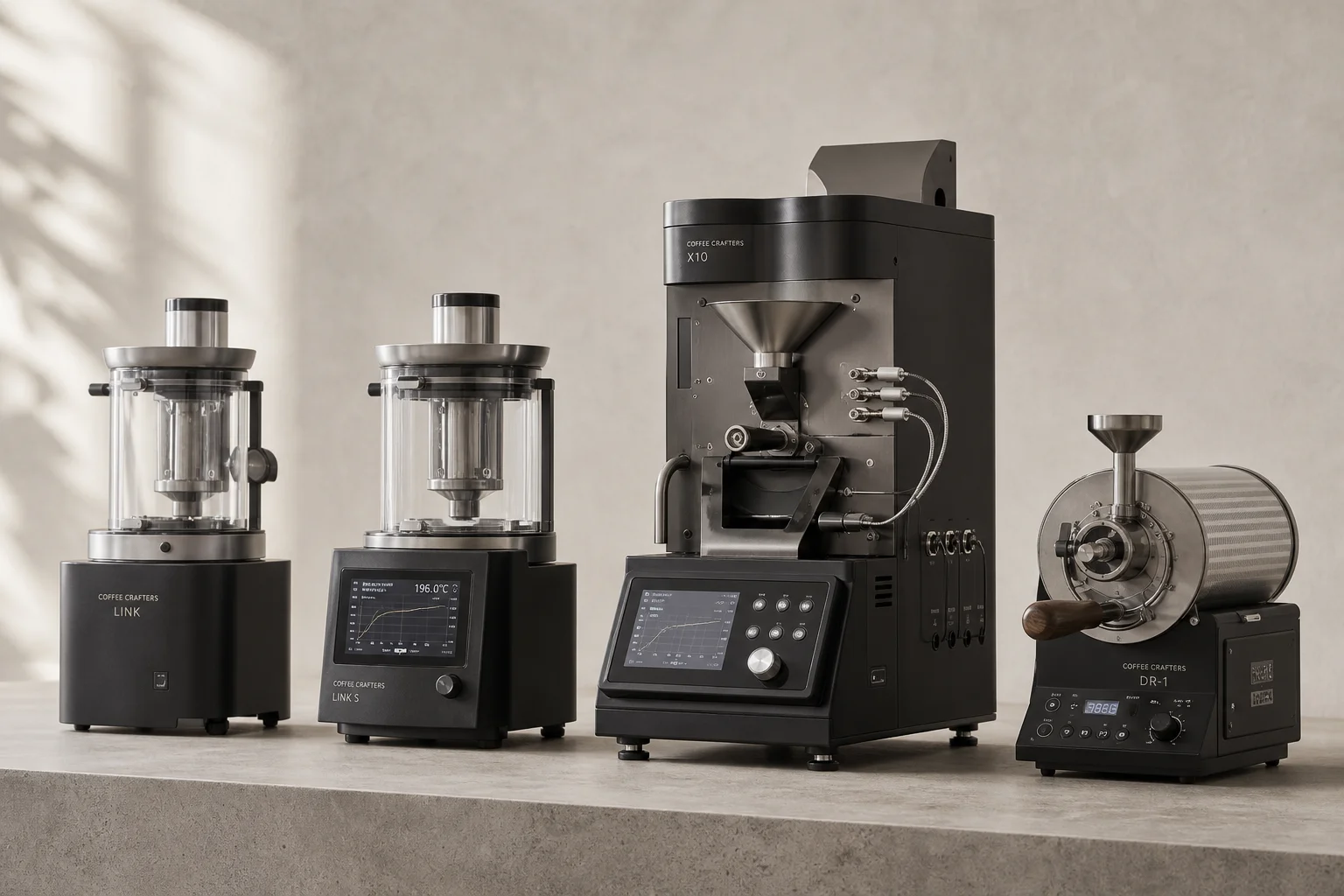
Why Sample Roasting Matters
Sample roasting is one of the most critical operations in a coffee roastery. The choice of green coffee beans has the highest influence on the final beverage, making sample evaluation essential for product development. Green coffee traders rely on sample roasting to assess beans during transportation, storage, and quality control. Coffee producers use samples to demonstrate quality and secure better pricing. Even roasteries developing new blends depend on accurate sample roasts to understand how a bean will perform at scale.
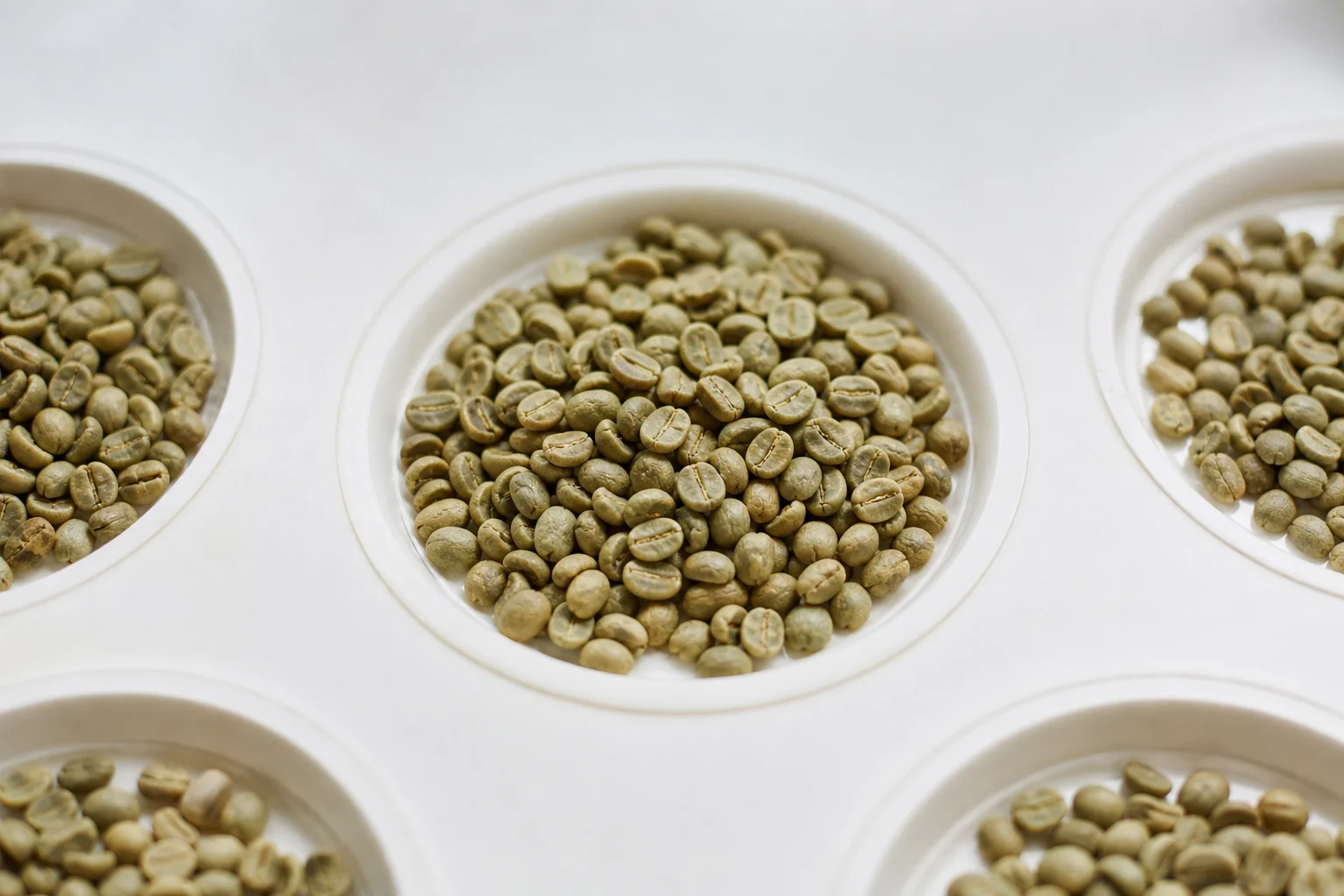
Sample roasting typically involves small quantities, usually 50 to 200 grams, often just 100 grams per sample. This means each roast must be executed with precision and consistency, allowing meaningful comparison across multiple beans. The goal is usually to roast to a light degree that reveals terroir characteristics without roasty flavors, though some roasters also test samples at their target roasting degree or for specific brewing methods.
Understanding Sample Roasting vs. Profile Roasting
Two distinct workflows exist in sample roasting. Classical sample roasting focuses on evaluating green coffee beans to assess quality and decide whether to purchase. Profile roasting, by contrast, develops roasting curves for beans already in stock, translating findings to production roasters.
For green coffee evaluation, machines must roast small amounts consistently and with fine control. For profile roasting, precision measurement and detailed temperature data become critical, since the roasting curve directly informs production decisions.
Kaffelogic Nano 7: Precise Fluid Bed Roasting
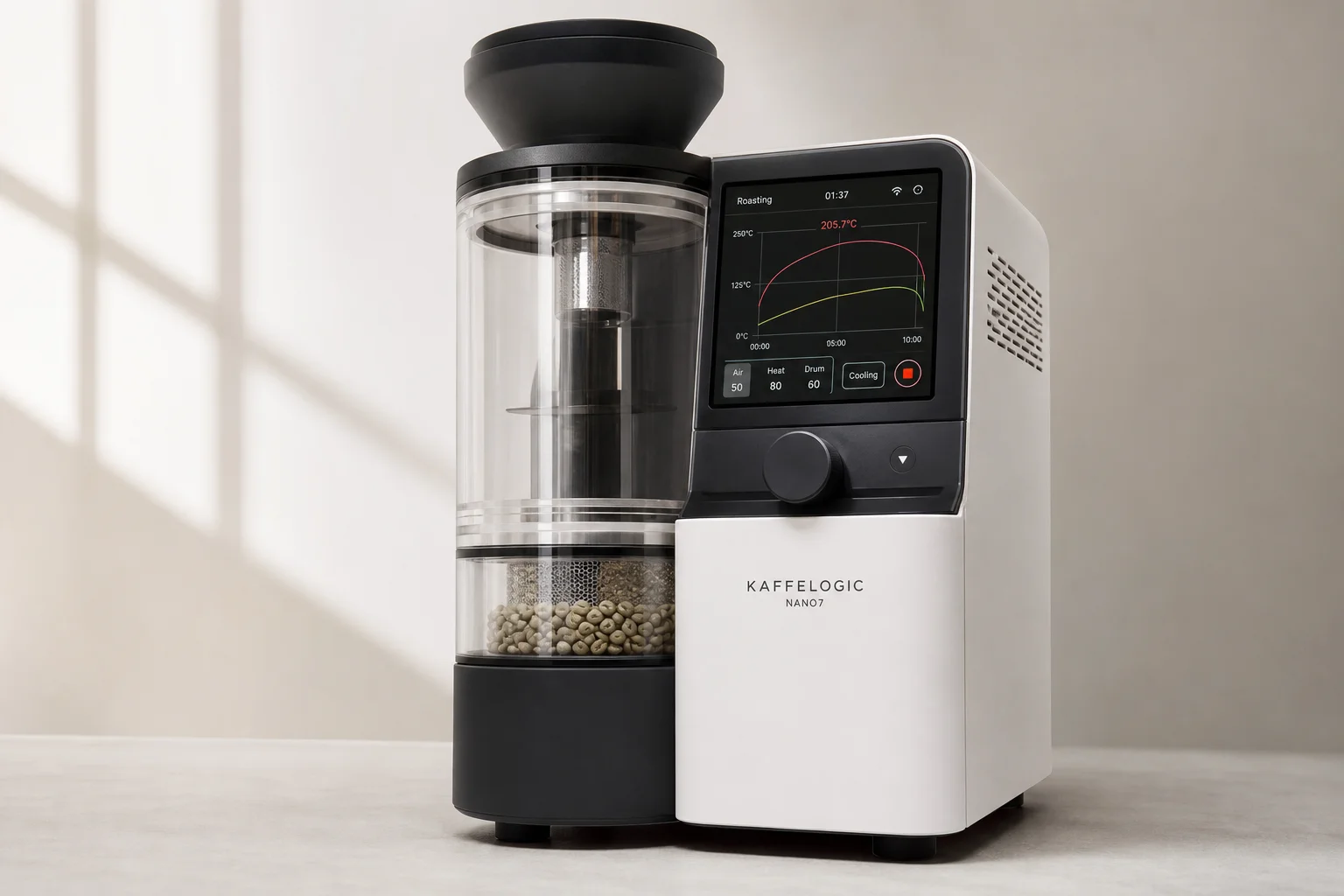
The Kaffelogic Nano 7 uses fluid bed technology, suspending beans in a hot airstream within a small roasting chamber. This design allows roasting 50 to 200 grams with excellent precision. An open thermocouple sensor measures temperature accurately, and the machine follows a drawn temperature curve with fine control, removing environmental influences.
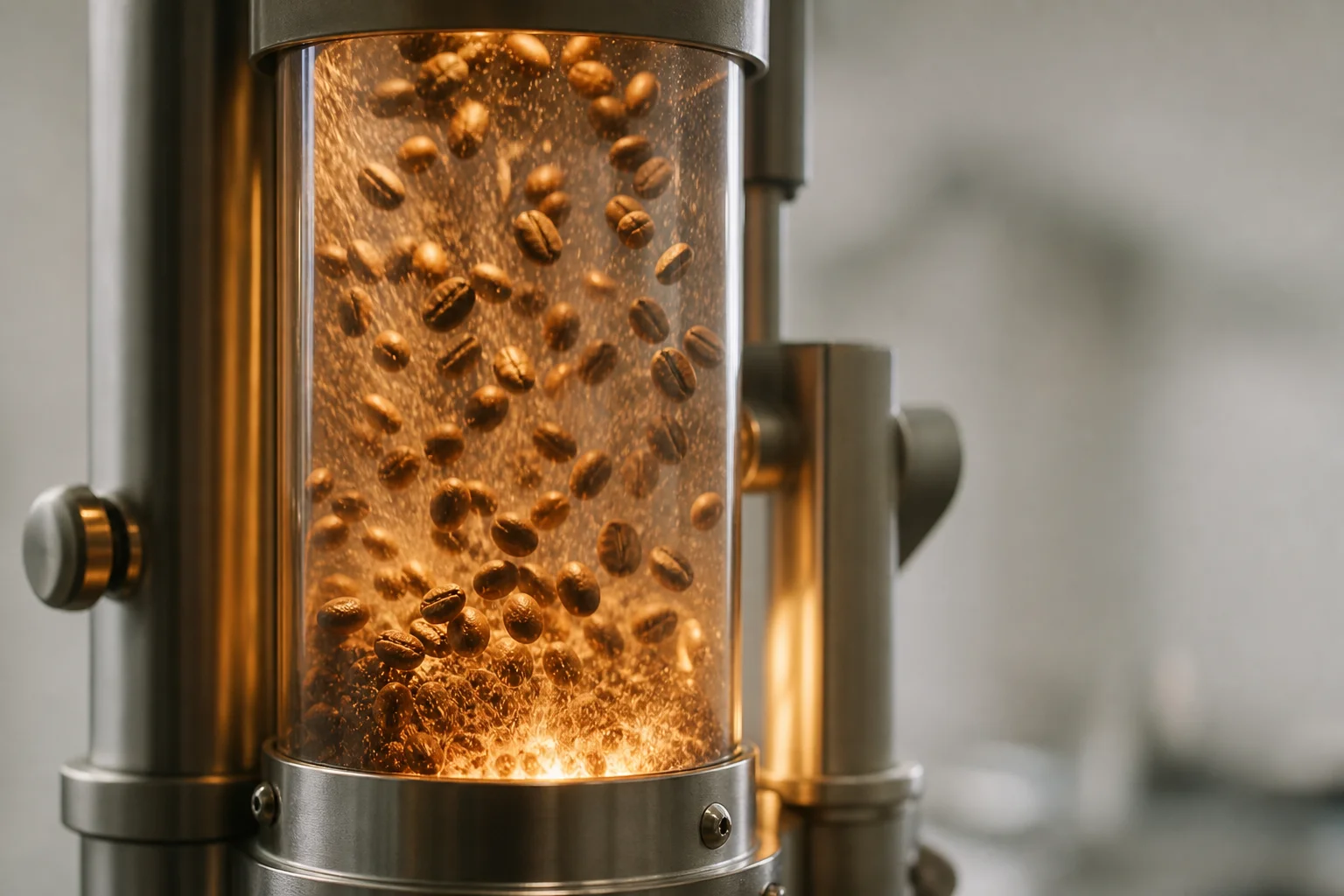
Fluid bed roasters are light, portable, and affordable, making them popular for sample work. The Nano 7 delivers consistent results and works well for cupping profiles, where multiple samples are roasted identically for comparison at the cupping table. However, the temperature curve differs from drum roasters, so profile translation to production equipment requires interpretation rather than direct application.
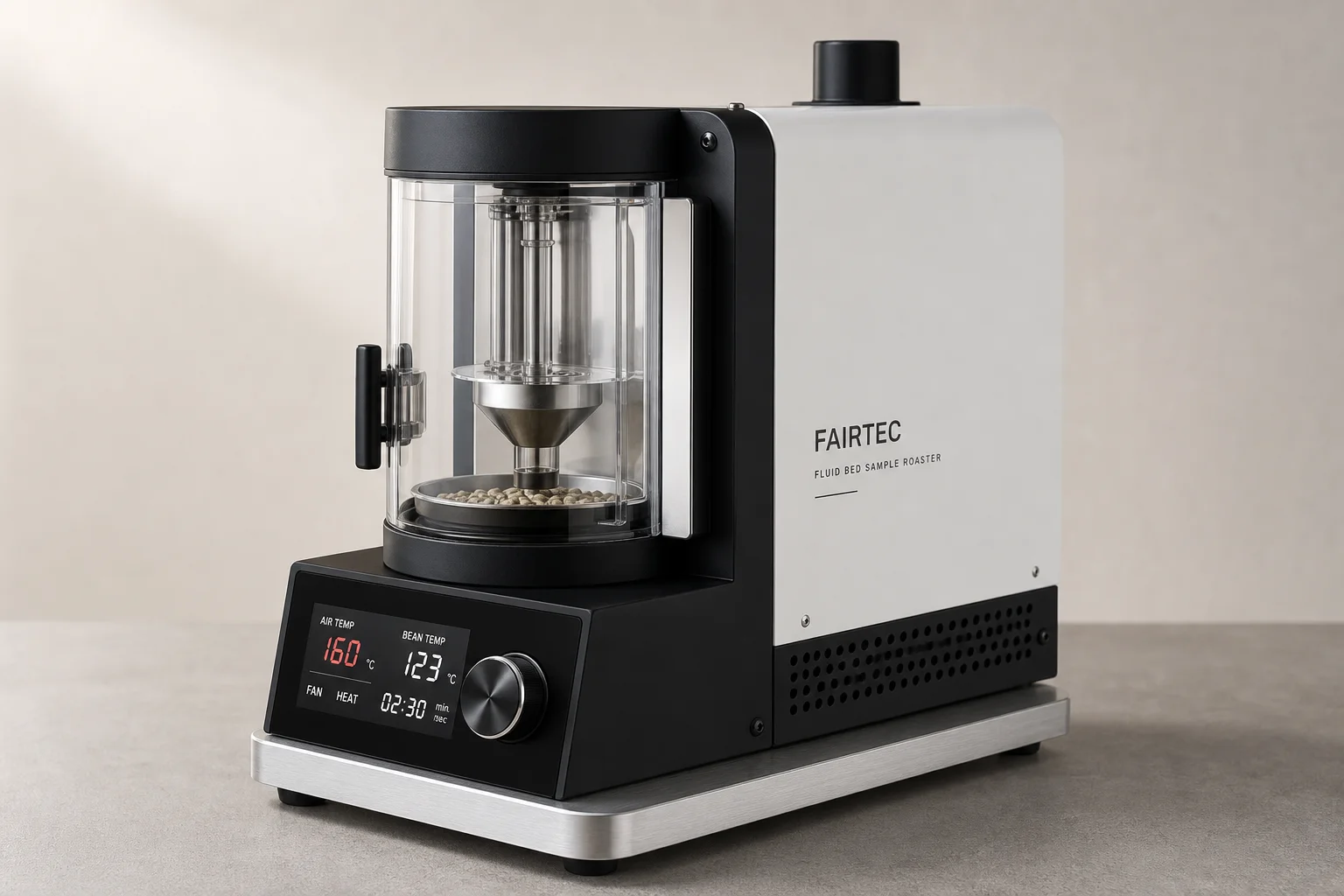
Nucleus LINK: Automated Profiles for Every Bean
The Nucleus LINK shares the Kaffelogic Nano 7 hardware but includes over 900 pre-developed roasting profiles. These profiles were created by the Nucleus Coffee Tools team, experienced field researchers who travel to coffee origins and test extensively. Beans are categorized by density and processing method to match each with an optimal roasting profile.
This machine eliminates the need to interpret what flavors might emerge from a bean. Instead, each sample is roasted to its perfection, delivering the best expression of that particular coffee. Profiles are further categorized by intended beverage: filter, espresso (light or dark), or cupping. The Nucleus LINK includes a location calibration function, ensuring consistent results whether roasting at sea level or high altitude, making it ideal for traveling to coffee origins. Roasted samples can be cupped immediately, useful when making quick purchasing decisions in the field. The machine has become popular in competition coffee scenes, where small lots must be roasted flawlessly.
ROEST Sample Roaster: Automation for High Volume
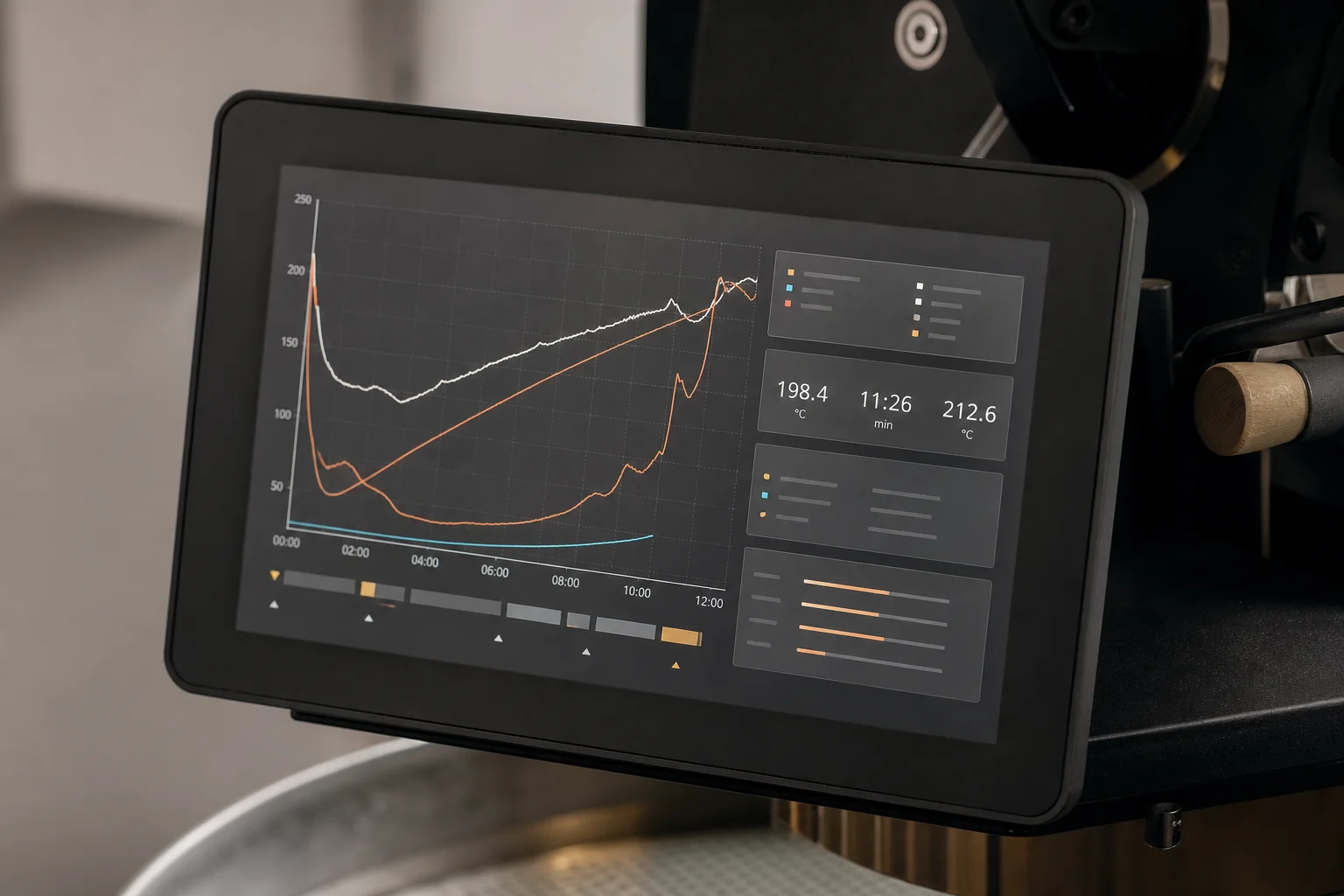
The ROEST is designed for roasters who process many samples regularly. It combines a roasting profile curve with a microphone that detects the first crack, automatically marking it on the curve and calculating bean development. This automation delivers exceptional consistency from sample to sample, critical for fair cupping table comparison.
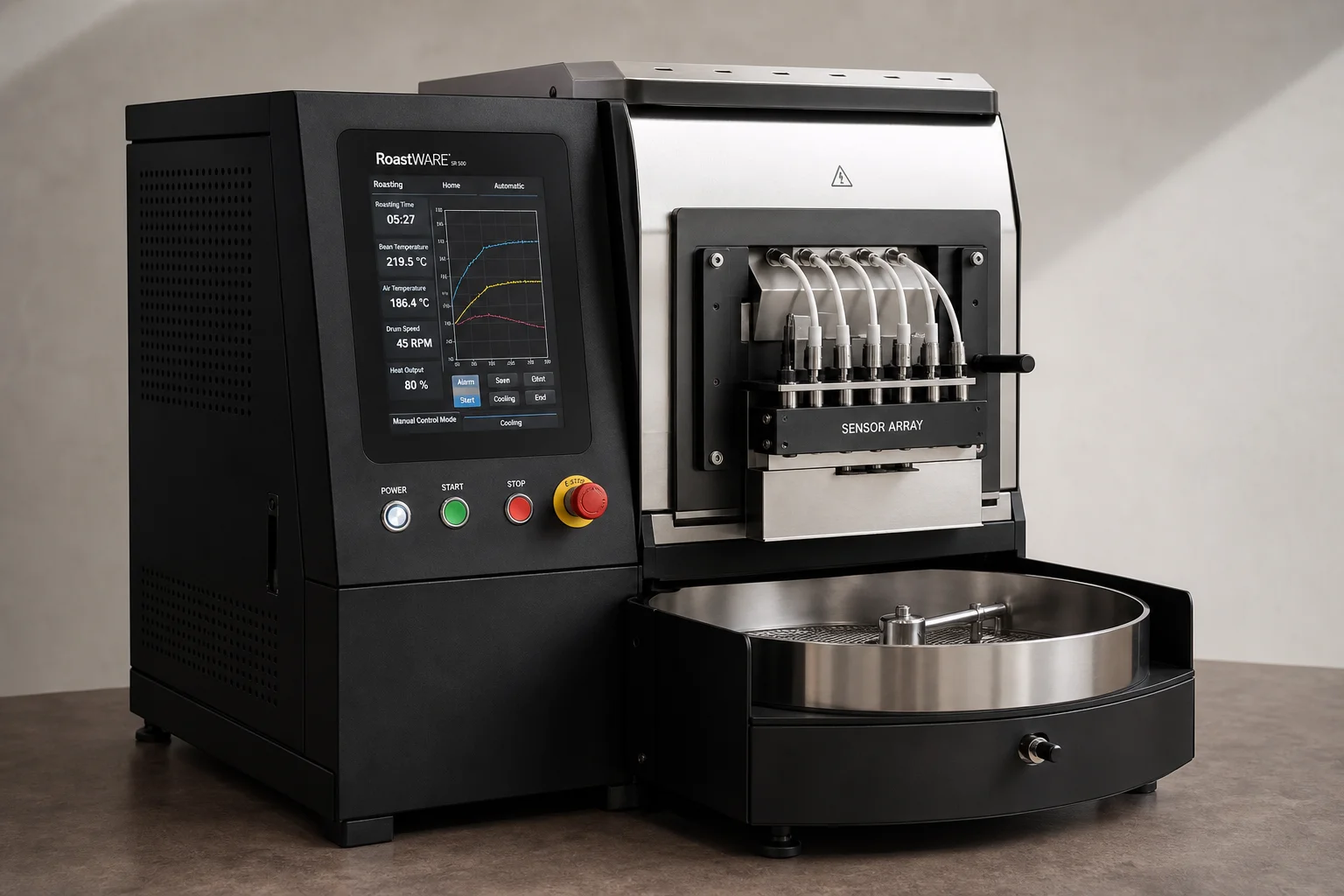
The machine’s workflow is highly productive: while one batch cools, the next roast begins. The roaster starts the process and the machine handles the rest, freeing time for other tasks. An extensive sensor array provides detailed roasting data that supports profile development for production roasters. The ROEST appeals to green coffee traders managing high sample volume, roasteries developing profiles, and competition roasters working with nano lots.
Aillio Bullet: Drum Roasting for Profile Development
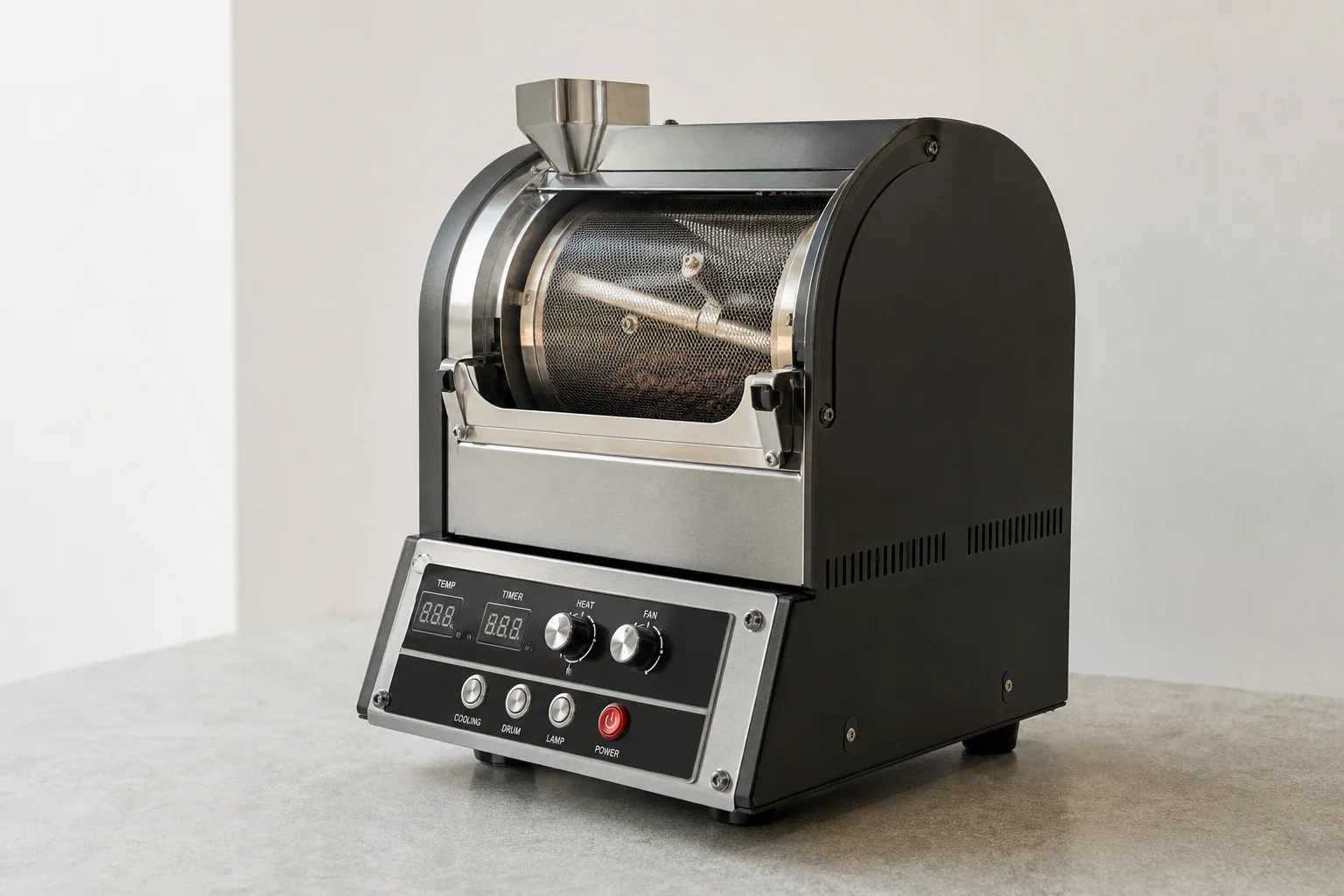
The Aillio Bullet is a small drum roaster with the same thermodynamics, settings, and temperature measurement method as large production roasters. It controls heat input, airflow, and drum speed, using a classic bean probe plus an infrared sensor for temperature measurement. This design makes it ideal for learning roasting craft and developing profiles that translate more directly to production equipment.
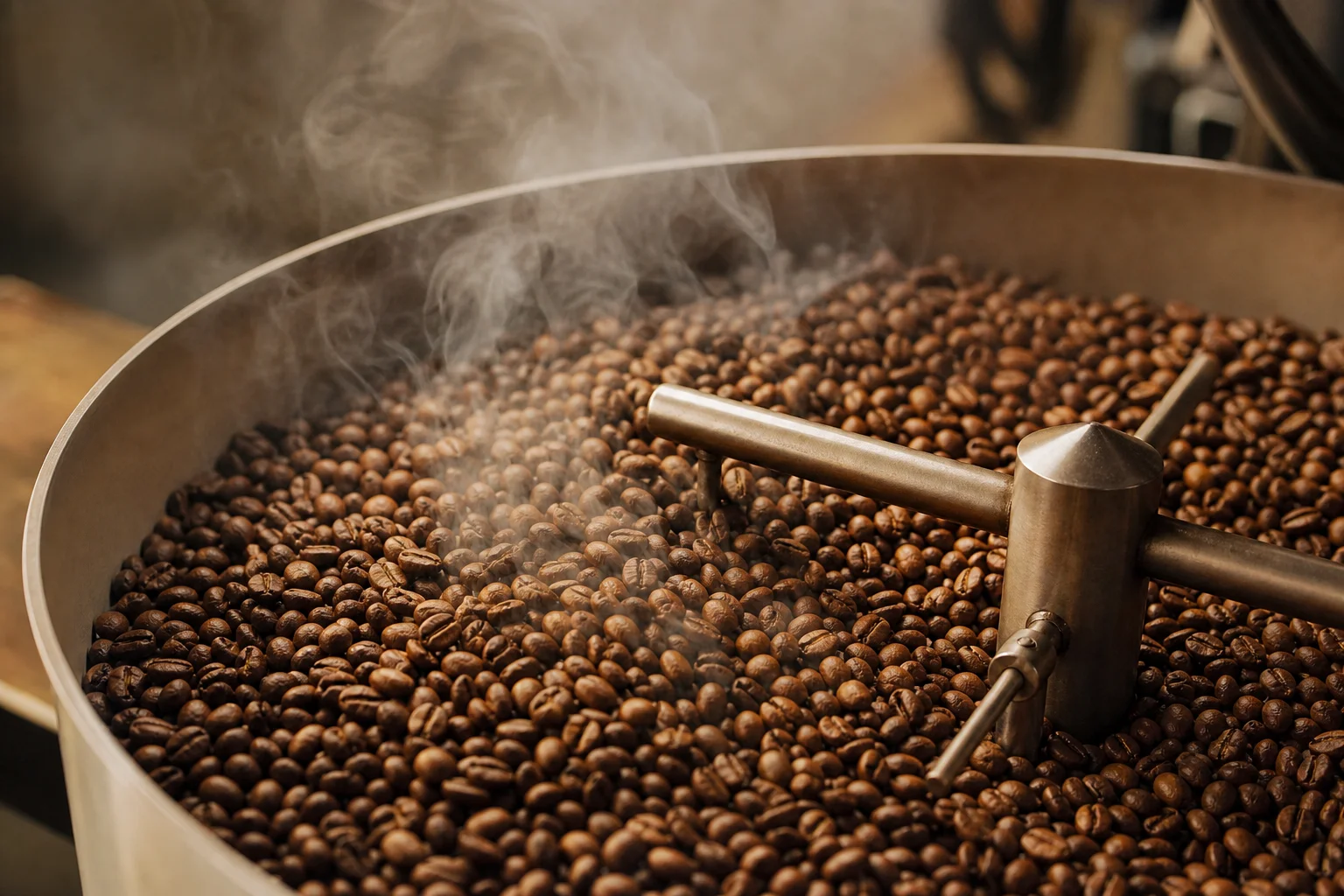
However, the Aillio Bullet performs best with 150 to 200 grams of beans, making it less suitable for typical 50 to 100 gram green coffee samples. It is not the right choice if your primary goal is evaluating small green coffee lots. That said, if you already own one, the infrared sensor allows roasting smaller samples with reasonable results.
Choosing the Right Machine for Your Workflow
Your choice depends on your primary use case. For green coffee evaluation with small samples, the Kaffelogic Nano 7 offers precision and portability at an accessible price. If you want pre-optimized profiles and travel frequently to origins, the Nucleus LINK eliminates guesswork and delivers consistent quality across locations. For high-volume sample roasting with excellent consistency, the ROEST automates the workflow and provides detailed data. For profile development and learning drum roasting dynamics, the Aillio Bullet bridges sample and production equipment.
Conclusion
Sample roasting is fundamental to coffee quality and purchasing decisions. Each of these four machines serves different priorities: the Nano 7 for precision and affordability, the Nucleus LINK for optimized profiles and travel, the ROEST for automation and volume, and the Aillio Bullet for drum-based profile work. Assess your sample volume, travel needs, and whether you focus on green coffee evaluation or profile development to find the best fit for your operation.
Further reading
Related Reviews
Coffee Equipment
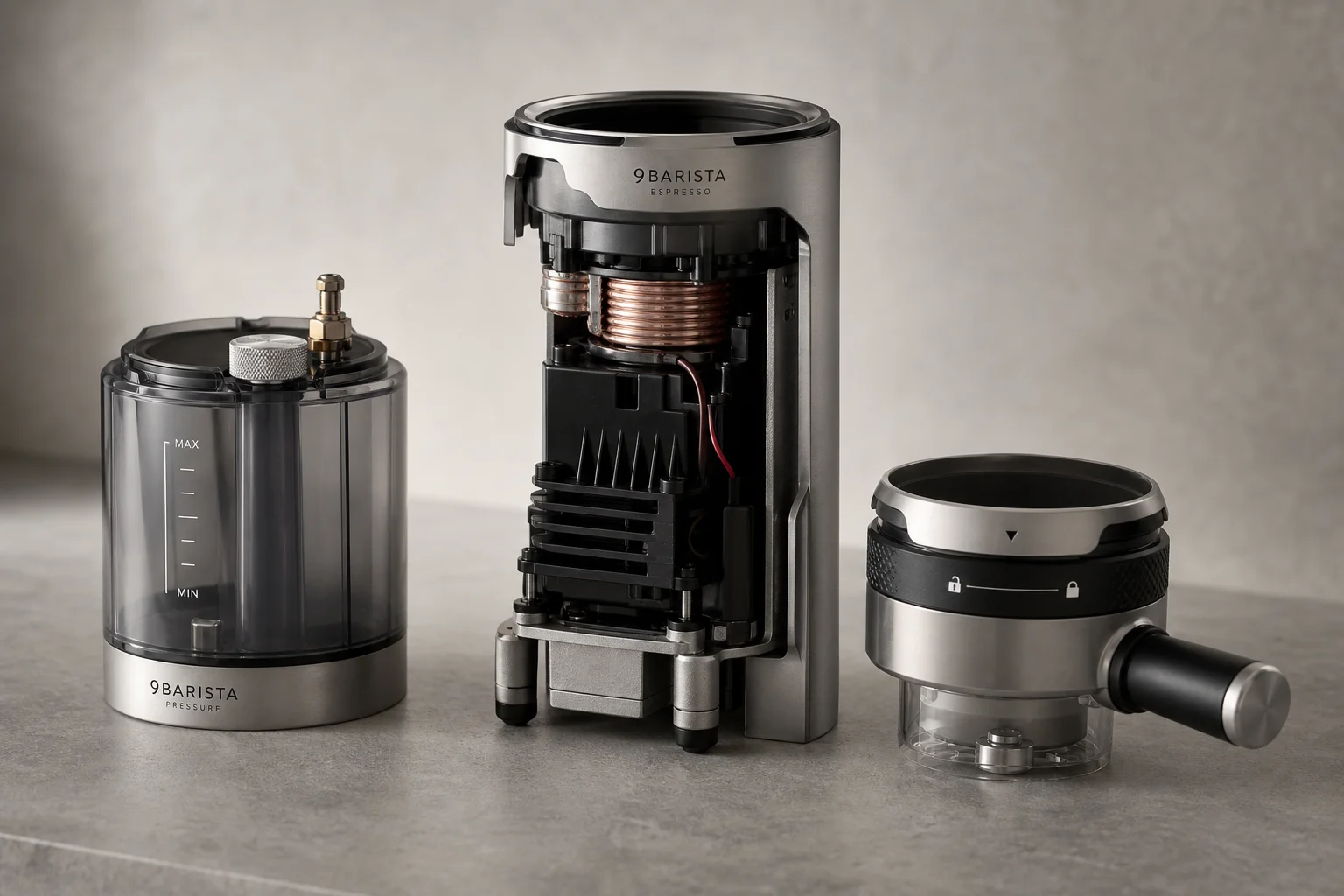
9Barista Espresso Machine Review: Stovetop Espresso for Single-Cup Enthusiasts
A cleverly engineered stovetop espresso maker that generates nine bars of pressure without electricity. Excellent coffee quality, but requires patience and suits solo drinkers only.
Coffee Equipment
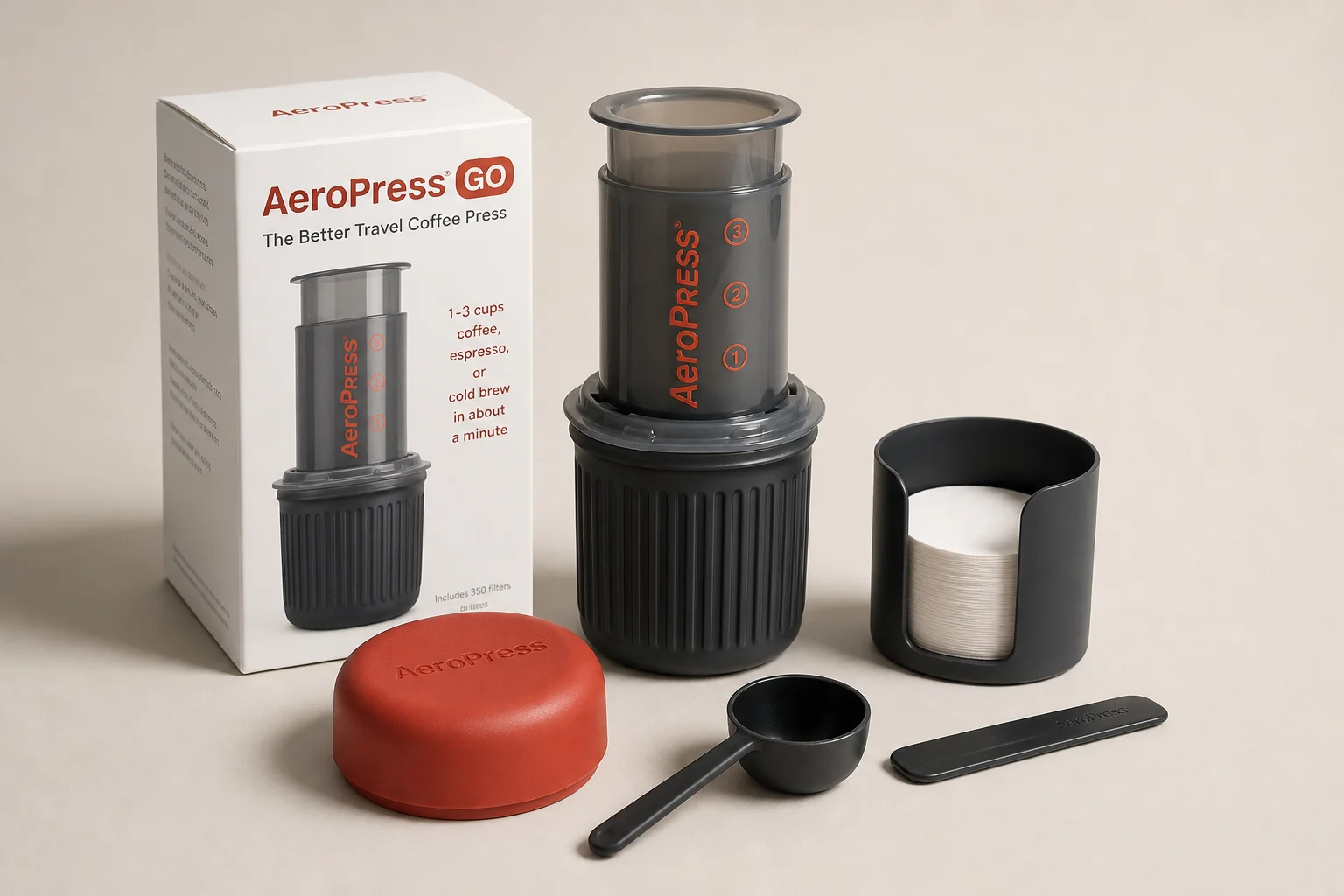
Aeropress Go Review: A Compact Travel Brewer That Solves One Specific Problem
The Aeropress Go shrinks the original design and adds an integrated cup, but it may not address the travel challenges most coffee enthusiasts actually face.
Coffee Equipment
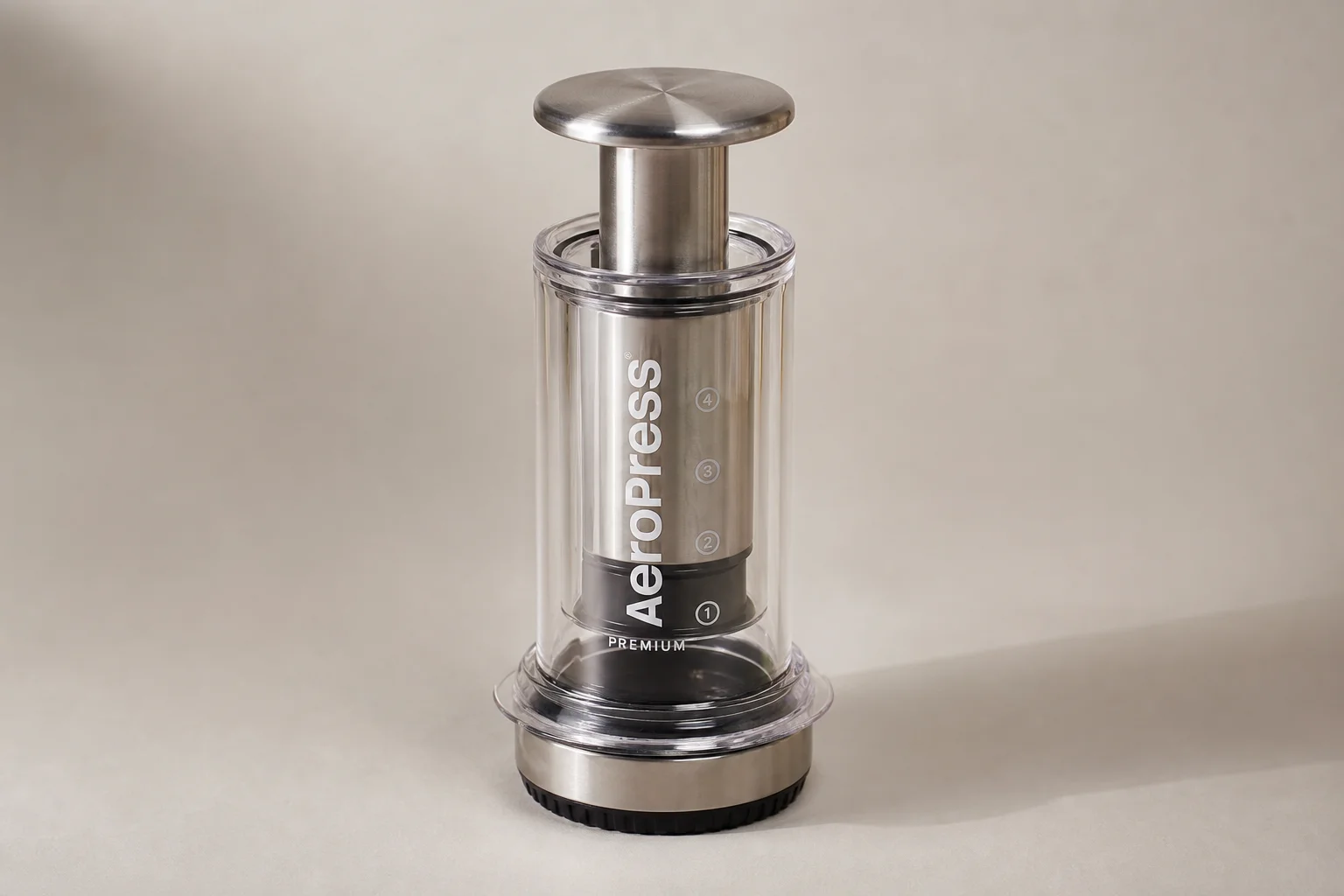
AeroPress Premium Review: Premium Materials, Practical Trade-offs
The AeroPress Premium brings glass and metal construction to a beloved brewer, but trades portability and durability for a more refined feel. Here's what changes in the cup and what matters before you buy.