Running Gear
Best Running Headlamps for Dark Winter Training: Three Lights That Cover Every Angle
A lightweight reactive headlamp, a long-burn battery workhorse, and a waist-mounted light system that keeps your eyes up on dark trails.
Introduction
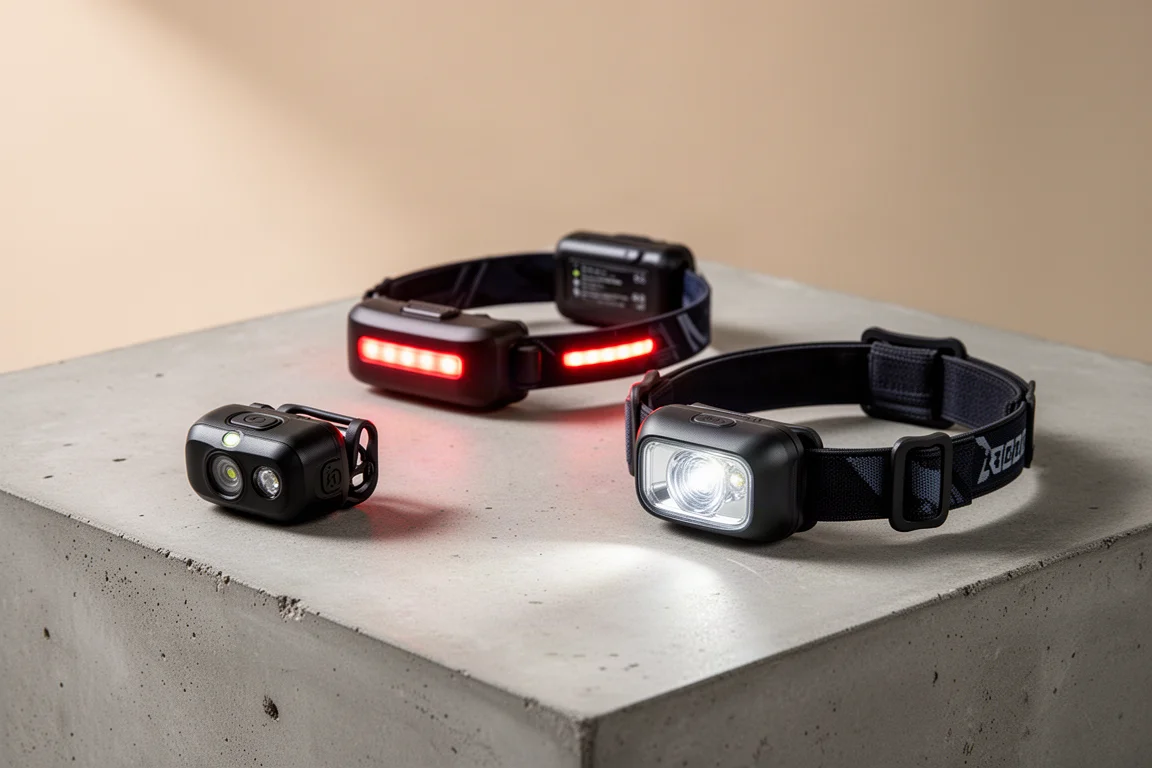
The days get shorter, the trails get darker, and at some point every runner who trains through winter faces the same question: how do you light the run without wrecking your form or your night vision? After several seasons of dark-morning miles, three lights have earned permanent spots in the rotation: the Petzl Swift RL for everyday running, the Petzl Nao+ for long nights, and the UltraAspire Lumen 800 waist belt as the backbone of the whole night-running strategy.
Petzl Swift RL
The Swift RL is the favorite daily running headlamp, and the reason is weight. It is light enough that you forget it is on your head, which matters when you are wearing it for every pre-dawn run of the week.
It also packs genuinely clever technology: a reactive sensor adjusts brightness automatically as conditions change. If you head out at 4:30 a.m. and the sun starts coming up by 5:45, the lamp eases off on its own instead of blasting full power into morning daylight.

Petzl claims it can throw light forward about 80 meters on its brightest setting, which is plenty for picking out rocks and roots on the trail. Where it falls short is ultra-distance: for a 100-mile night this is not the lamp to bet on, but for daily miles it is hard to beat.
Petzl Nao+
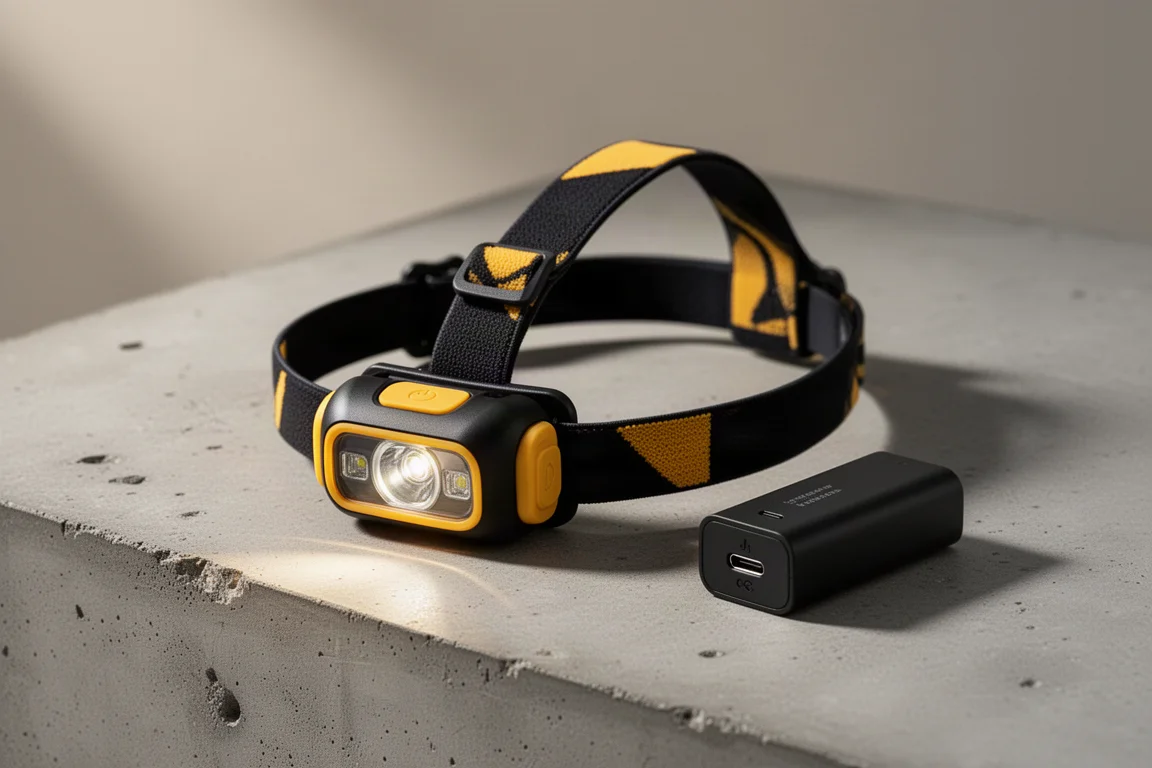
When battery life is the priority, the Nao+ takes over. This is the long-burn workhorse of the collection, chosen for the nights when you simply cannot afford the light dying on you.
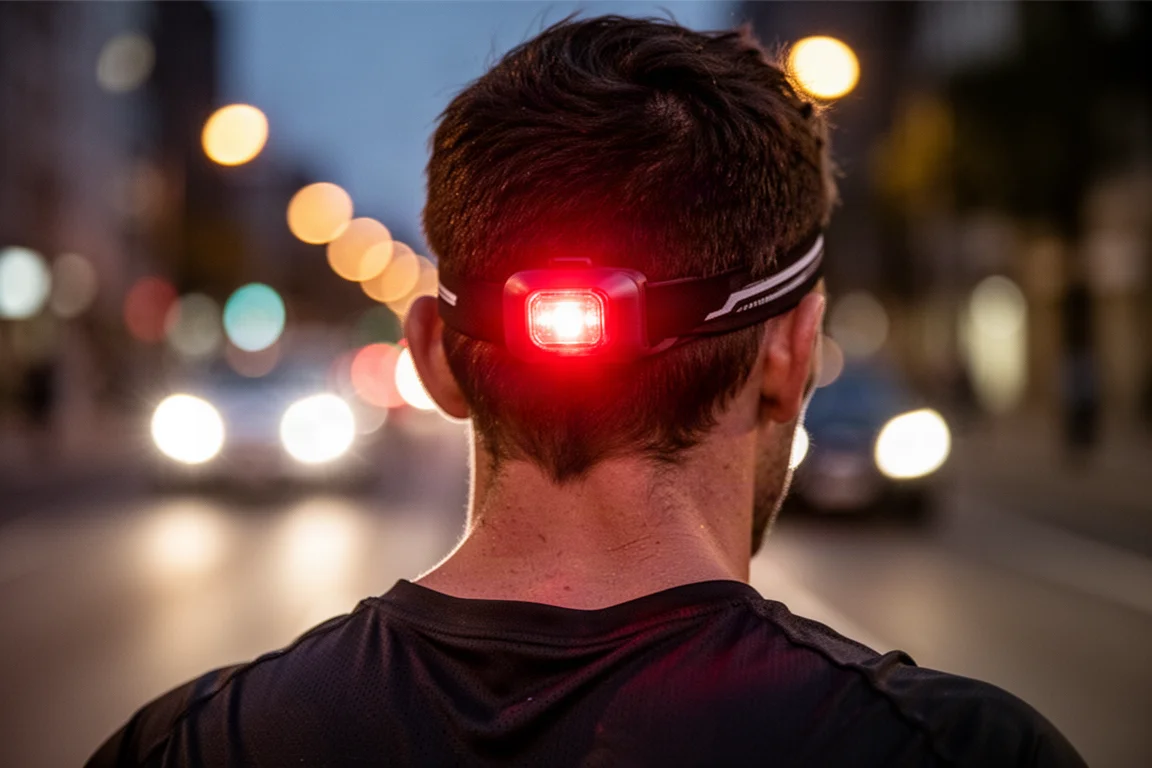
One detail makes it especially valuable in urban environments: a blinking red light on the back of the headband. Cars, bikes, and everyone else approaching from behind can see you coming, which is critical for safety when you are running city roads in the dark.
The Nao+ has also proven its durability, holding up through years of winter training without complaint.
UltraAspire Lumen 800
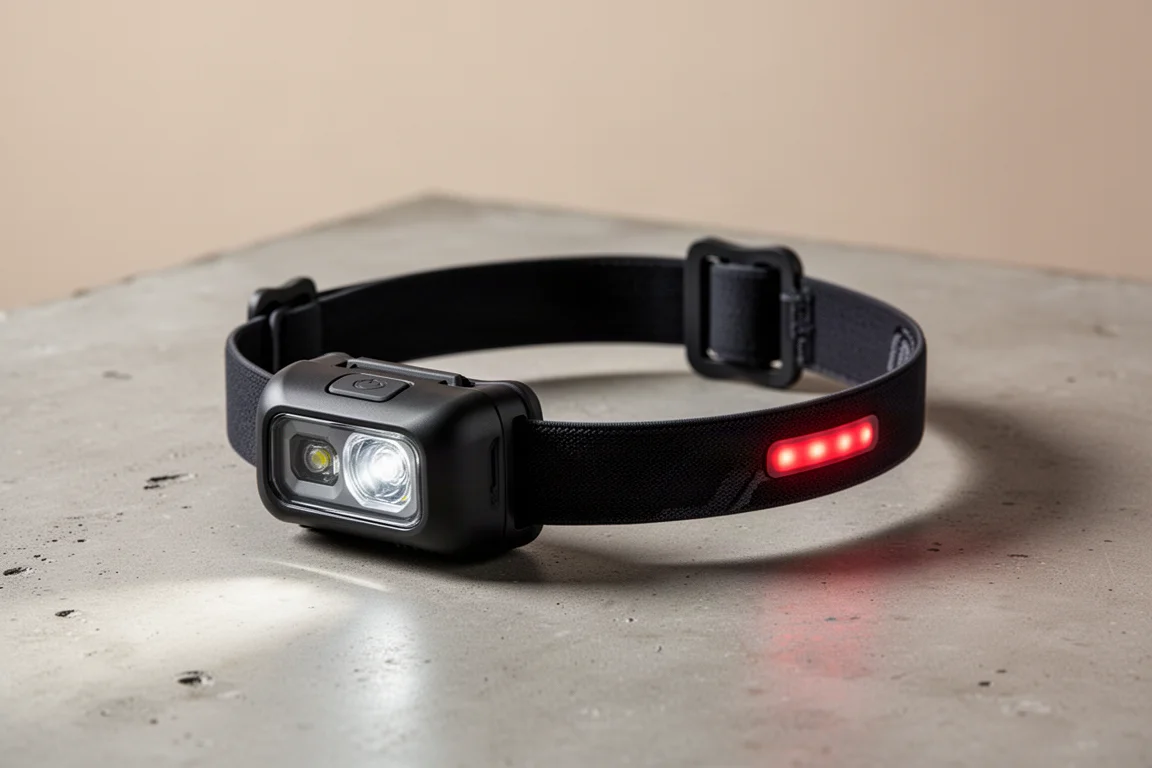
This one changes how you run at night. Instead of sitting on your head, the Lumen 800 goes around the waist, shining its beam down at your feet. That might sound like a small difference, but it solves a real problem: when you look down at the ground to avoid tripping, your shoulders slump and your breathing cavity collapses, which can inhibit breathing, especially late in a long race.
The strategy that works is a headlamp on the head shining straight ahead for spotting hazards at distance, and the waist belt lighting the ground right in front of you. Eyes stay up, posture stays tall, and breathing stays open.

The lamp also uses what UltraAspire calls 3D lighting, designed to avoid the tunnel vision you get with head-mounted beams. A headlamp creates a narrow cone straight ahead, so you lose awareness of what is to the sides of the trail. The waist belt throws a broader, wider beam, so you can see the edges of the path around you.
Built like a tank is the fairest description: after years of use it still looks like the day it was bought.
The Rechargeable Advantage
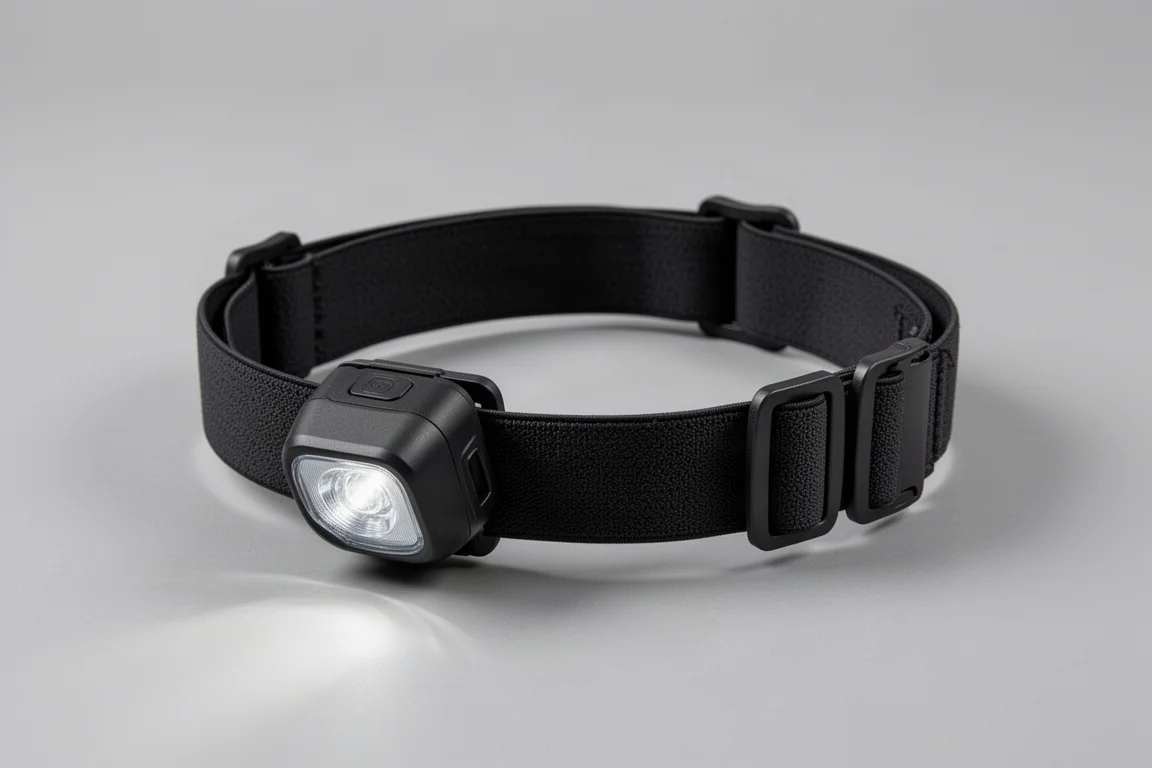
All three of these lights recharge over USB, so there are no batteries to buy, carry, or discover dead at the trailhead. That last point matters more than it sounds: older battery-powered headlamps have a way of showing up drained exactly when you need them. Rechargeable is simply the better way to live, and every light recommended here works that way.
Building Your Night-Running Setup
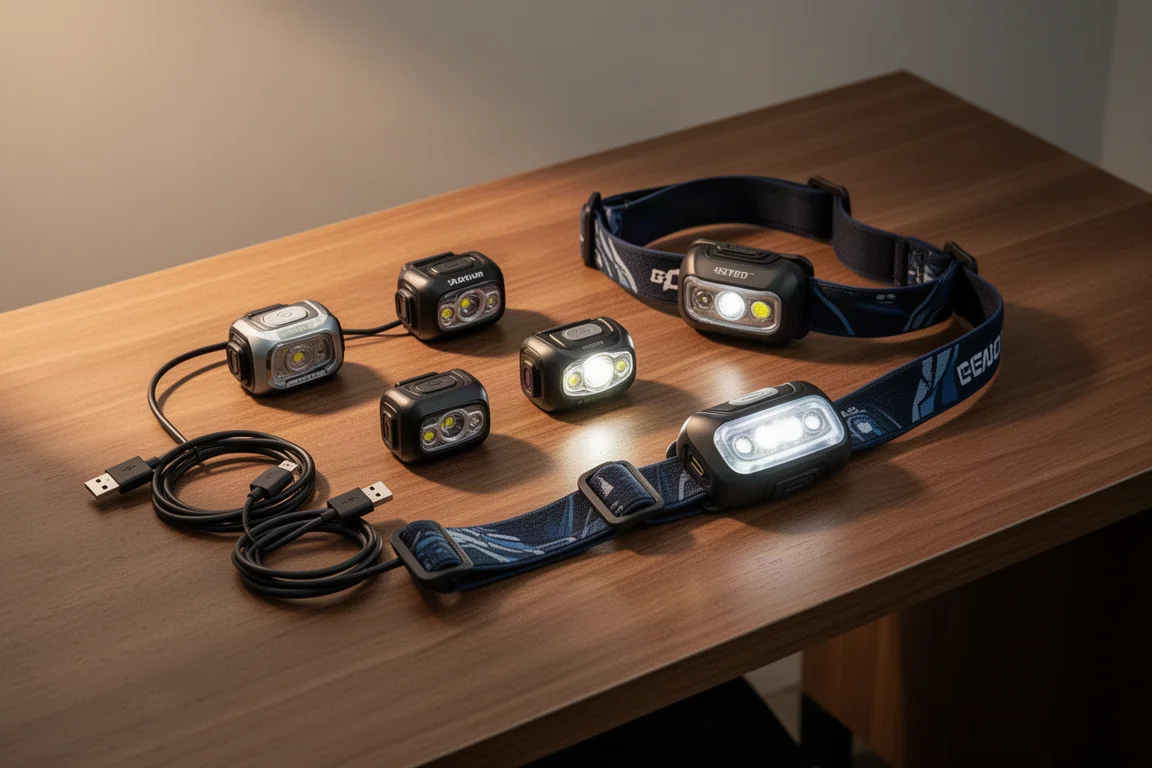
For most runners, the combination is more powerful than any single light. A lightweight reactive headlamp for daily miles, a long-battery option for the longest nights, and a waist belt to keep posture upright and peripheral vision open covers nearly every dark-training scenario. City runners should weight visibility more heavily: even with good street lighting, being seen by cars, trucks, buses, and cyclists is half the job.
Conclusion
Running through winter does not require suffering in the dark. The Petzl Swift RL handles everyday training with almost no weight penalty, the Petzl Nao+ extends your range on the longest nights and keeps you visible from behind, and the UltraAspire Lumen 800 fixes the posture and tunnel-vision problems that headlamps alone create. Put together, they make dark-trail running something to look forward to rather than endure.
Further reading
Related Reviews

Running Gear
Best Running Caps 2026: Nine Tested Options for Summer and Winter
A comprehensive guide to nine running caps tested across different conditions, from lightweight summer options to waterproof winter choices.

Running Gear
Best Running Caps: A Guide to Summer and Winter Options
A comprehensive review of nine running caps for different conditions, styles, and preferences, from lightweight summer options to waterproof winter choices.
Running Gear
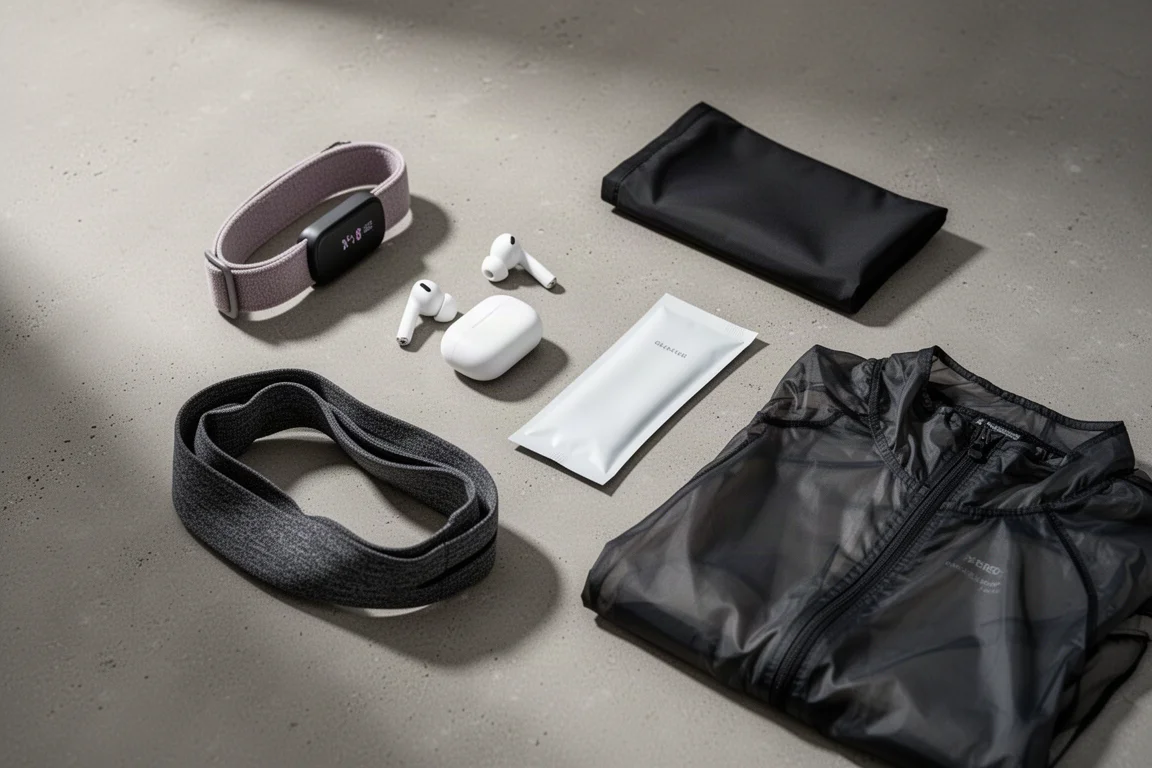
Best Running Gear 2026: Five Picks That Earn Their Place
Five running upgrades covering heart rate, audio, fuelling, carrying and weather protection, with the trade-offs worth knowing before you buy.