Running Gear
Best Running Head Torches 2026: Seven Picks From Entry-Level to Ultra-Ready
A practical buying guide to seven running head torches, covering brightness, burn time, weight, and the features that actually matter on dark winter trails.
Introduction
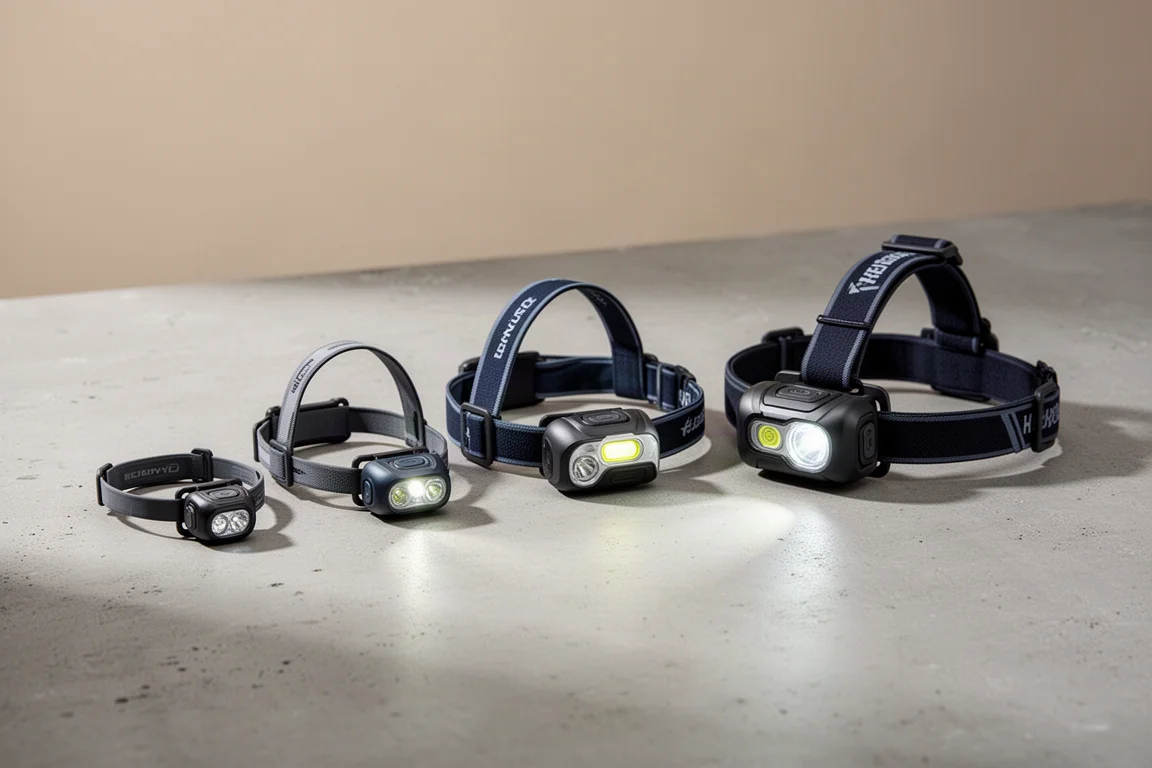
A good head torch is arguably the single most important piece of winter running kit. Whether you are jogging on lit pavements just to be visible to others, or moving at speed on unlit trails, the right light makes dark-night running safer and genuinely more enjoyable.
The head torch market has become crowded and confusing, with everything from 60-lumen units to sellers claiming absurd figures like 10,000 or 20,000 lumens. Treat those wild claims with skepticism: lumens are hard to measure consistently, and a torch that genuinely pushed that much light would struggle to last two hours on a charge. Stick to well-established brands that have invested real development into their headlamps, such as Fenix, Led Lenser, Nitecore, and Petzl, and you will avoid buying four or five units before finding the one that works.
This guide breaks the decision into three practical areas, then matches seven torches to the type of running you actually do.
How We Chose: Three Things That Matter
Brightness, measured in lumens, is the starting point. More lumens means a brighter beam, but the right number depends on where you run, how fast you move, and how technical the terrain is. A good rule of thumb: around 200 lumens is the basic requirement, because anything less struggles once you are moving at running speed. If your routes include occasional trail sections, stepping up to 300 or 400 lumens makes a bigger difference than the numbers suggest, lighting the ground ahead and keeping you confident and trip-free.
Burn time and battery performance come second. Look for a unit that is fully rechargeable but can also run on standard batteries. That combination saves money over time, is kinder to the environment, and gives you flexibility: carry spare AAAs in a race vest or running belt and you can effectively double your runtime on a long winter night. Brighter torches also tend to offer max, mid, and low settings, so you can drop to a mid output of around 350 lumens and dramatically extend burn time while still having plenty of light for most situations.

Functionality is third. Weight matters enormously when a unit sits on your head for hours; modern designs prove you do not need a lighthouse strapped to your forehead for strong performance. Also check waterproof and shock ratings for challenging winter weather, whether it has a rear-facing red flashing light (great for road visibility and often part of mandatory kit in ultra races with night sections), a lock mode so the torch cannot switch itself on in your bag and drain the battery, close-proximity or red lighting for reading maps or arriving at checkpoints without blinding everyone, strobe and SOS modes for emergencies, and above all, buttons and settings you can find and use in the dark without taking your focus off the trail.
Best Entry-Level: Led Lenser Neo4 and Nitecore NU25
If you mostly run on lit pavements through town with the odd dark road, around 200 lumens does the job well. The Led Lenser Neo4 is a solid entry-level torch packed with features, well built, lightweight, backed by a good warranty, and made by a brand with a long head-torch track record. It also includes a red flashing light on the back, which adds an extra layer of safety when you are out on winter roads.
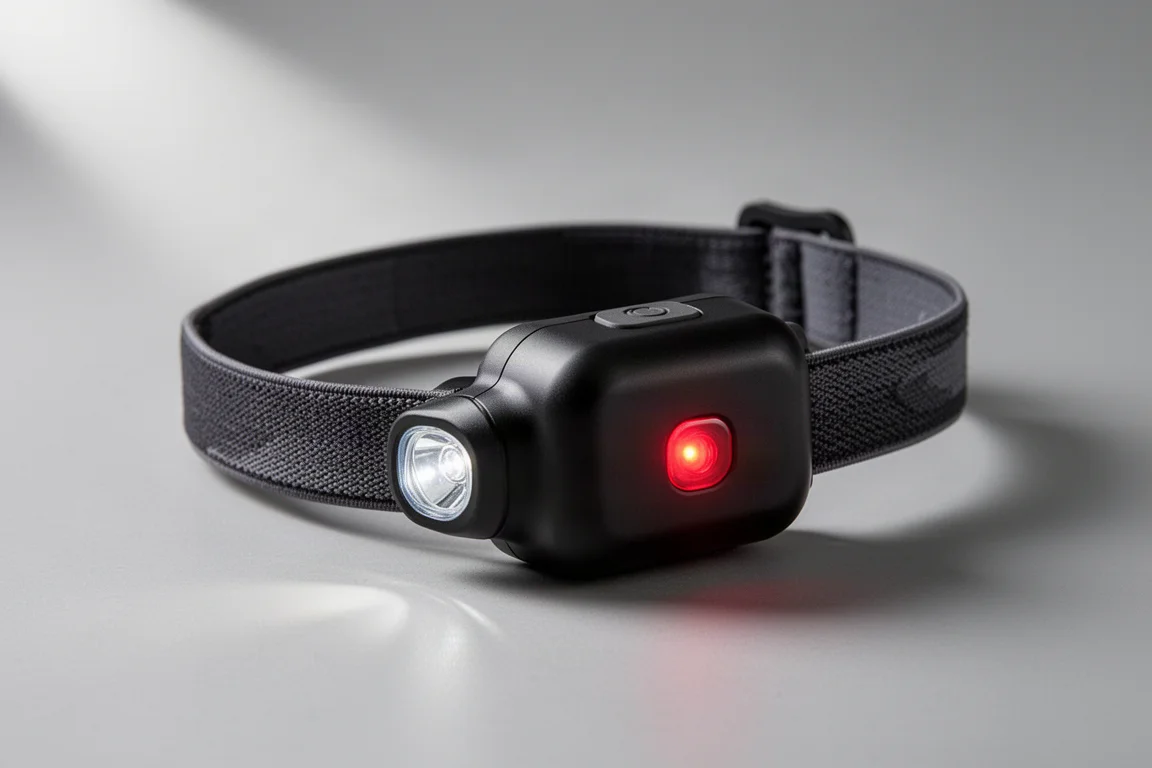
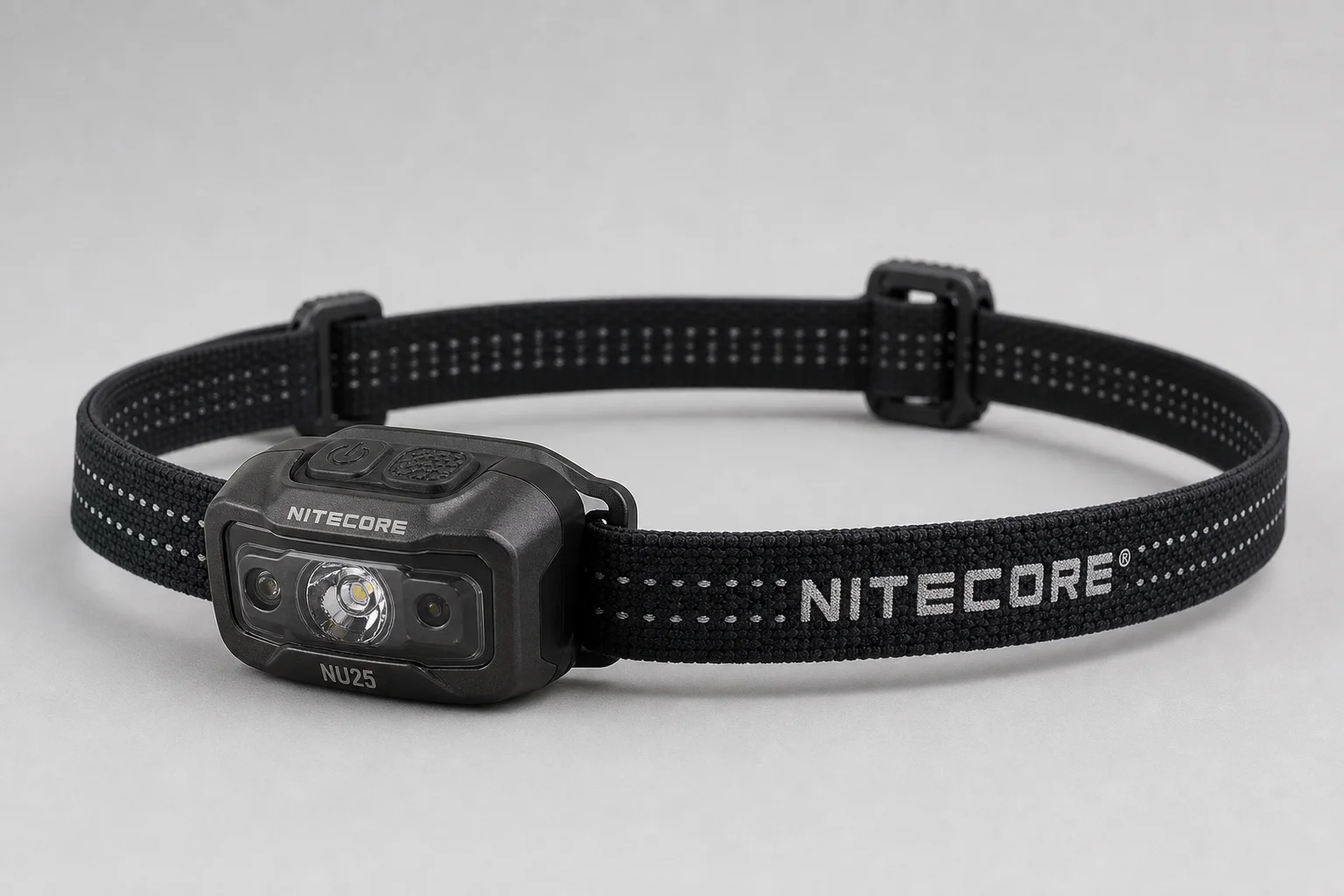
The Nitecore NU25 sits in the same bracket: roughly 200 lumens, light on the head, quality construction, and a sensible feature set. A standout touch is its red close-proximity light, activated by a dedicated button, which is genuinely useful when running with a group, reading a map at a checkpoint, or arriving at an aid station where you still need some light but do not want to blind the crew.
Best Mid-Range Trail Pick: Fenix HL18R-T
If you run on roads but regularly hit the trails through winter, 200 lumens will not cut it when you are moving at speed. Around 500 lumens is the sweet spot here.
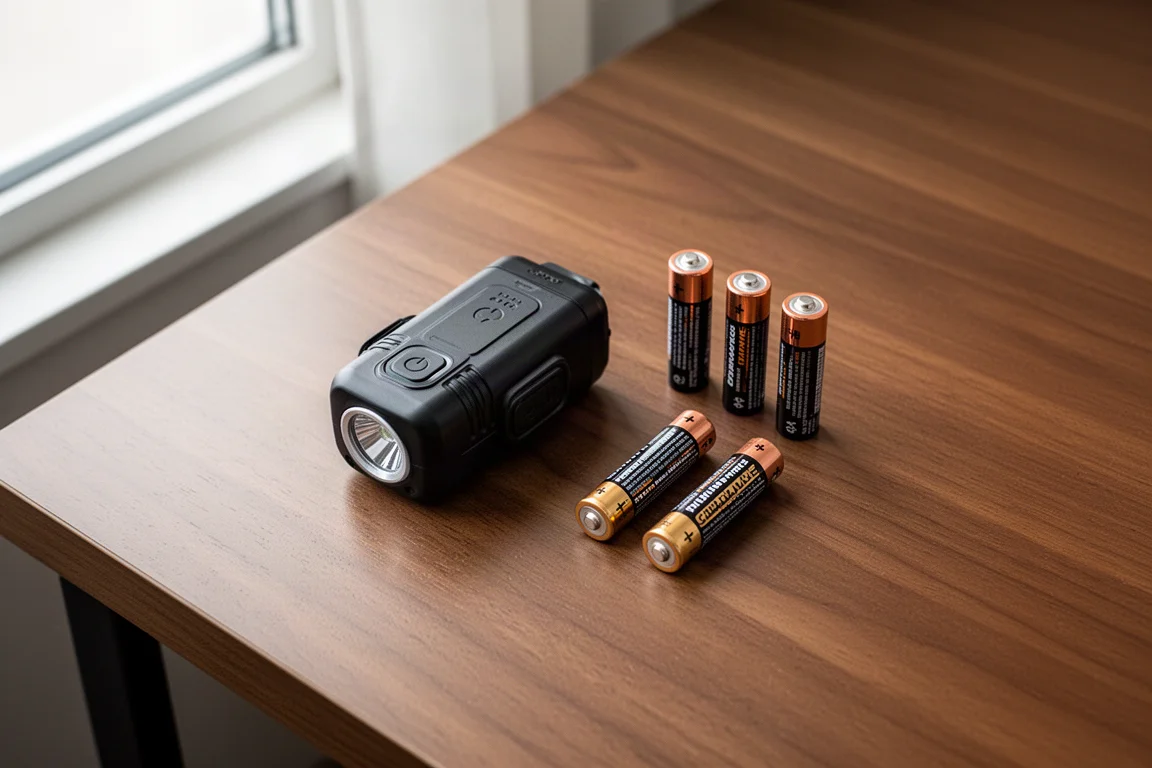
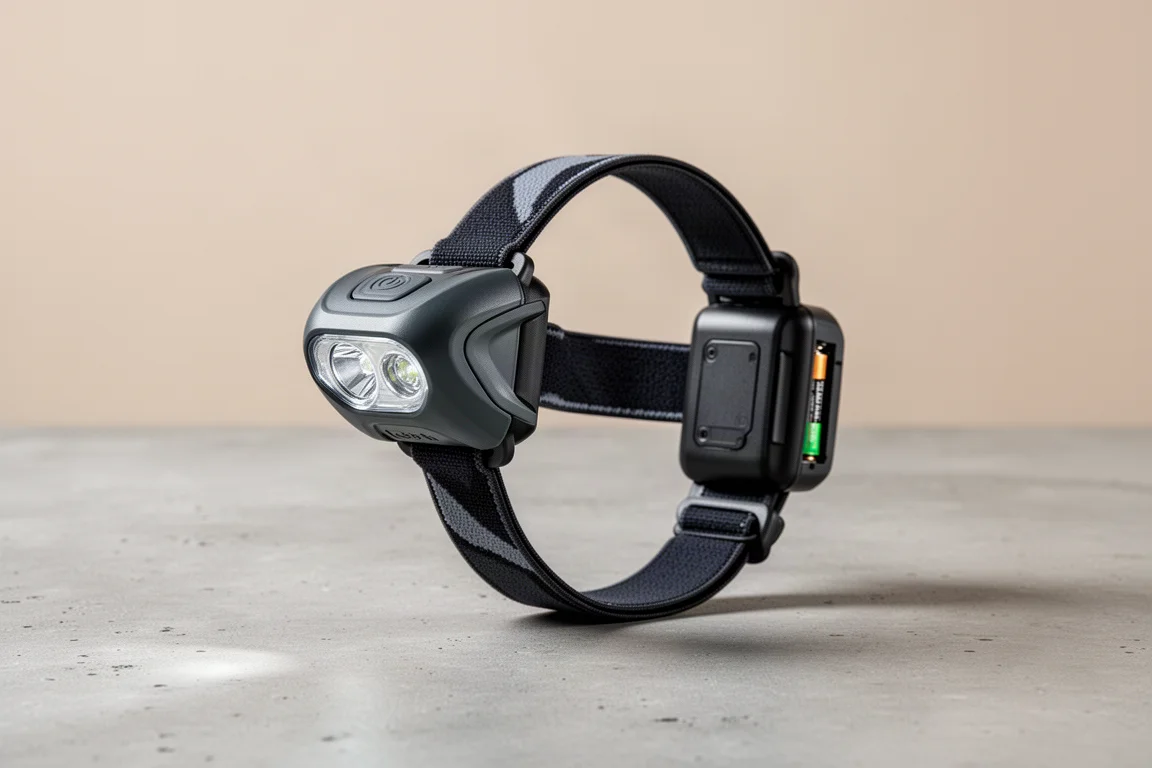
The Fenix HL18R-T delivers 500 lumens of output with genuinely good burn time, and weighs in at just 90 grams including its rechargeable battery. Even better, it can also run on standard AAA batteries, so for a long winter run you can stuff three spares in your vest and effectively double your battery life. It is the lighter-weight cousin of Fenix’s bigger torches, yet it punches well above its size.
Best Bright Upgrade: Nitecore UT32 and Petzl Actik Core 450
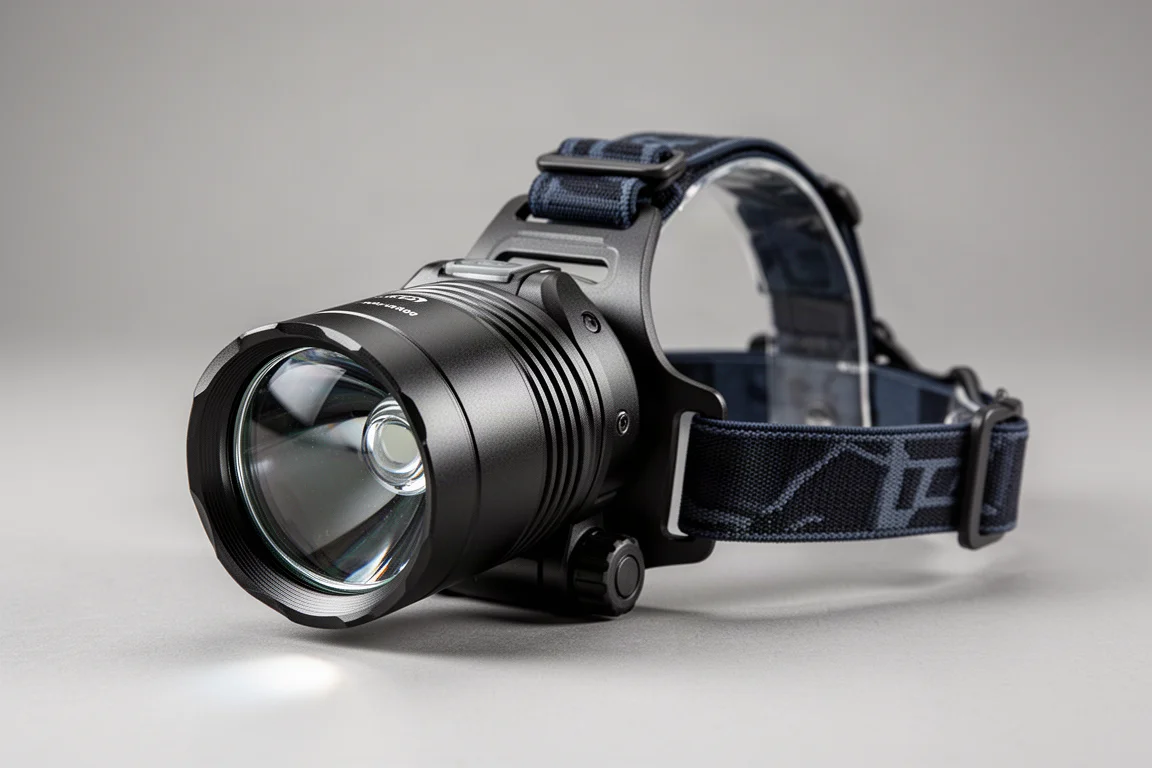
Two more torches sit comfortably in that 300 to 500 lumen band that suits road runners who also take on technical winter trails. The Nitecore UT32 pushes around 1,000 lumens on max power, which is more than bright enough to light up any trail ahead, and the Petzl Actik Core 450 offers ample light at its namesake 450-lumen output. Both are built to a high standard, carry good warranties, and come from brands that have been developing head torch technology for years.
Best for Long Nights and Ultras: Fenix HM65R-T and Petzl Nao+
If you are stepping up to long winter night runs across mixed terrain, or diving into ultra running and facing a full night on the move, you want the extra performance and adjustability that brighter torches provide.
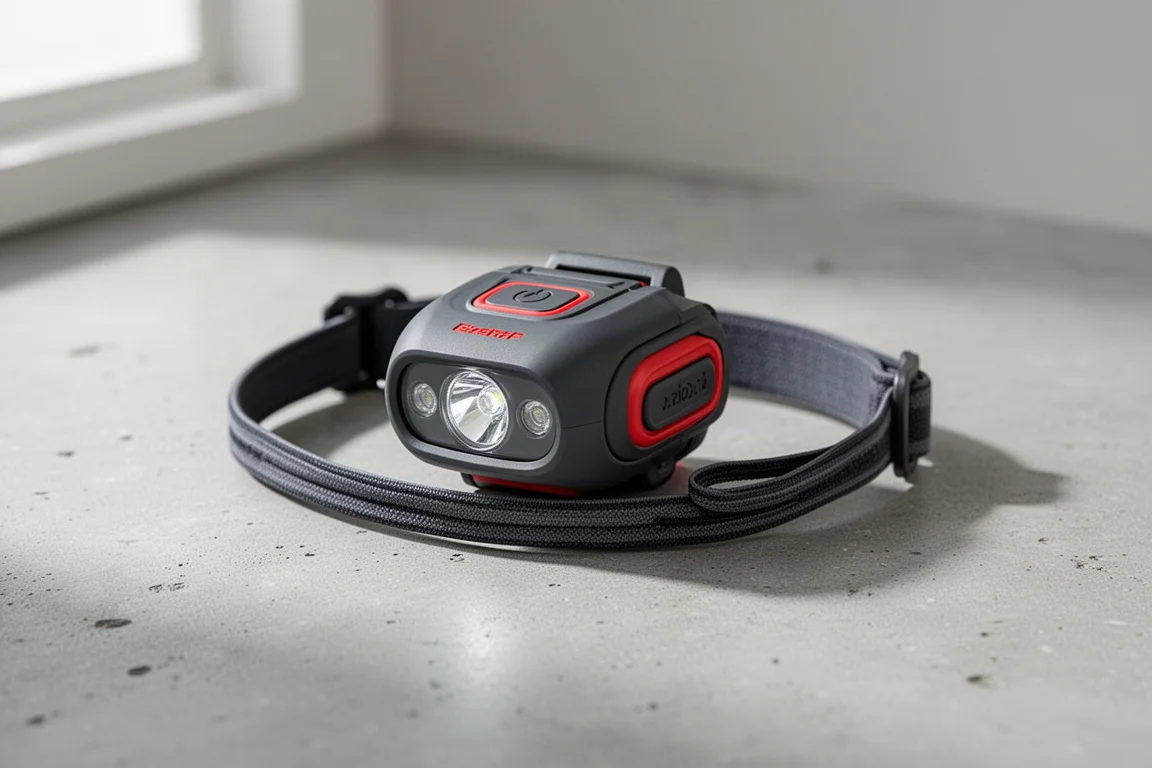
The Fenix HM65R-T puts out 1,500 lumens on max power, yet on its mid setting it still emits around 400 lumens, bright enough to light any trail, for roughly 10 hours of burn time. All of that comes in a unit weighing only 140 grams including the rechargeable battery. It is slightly bigger than some rivals, but brilliant when you weigh it against the performance on offer.
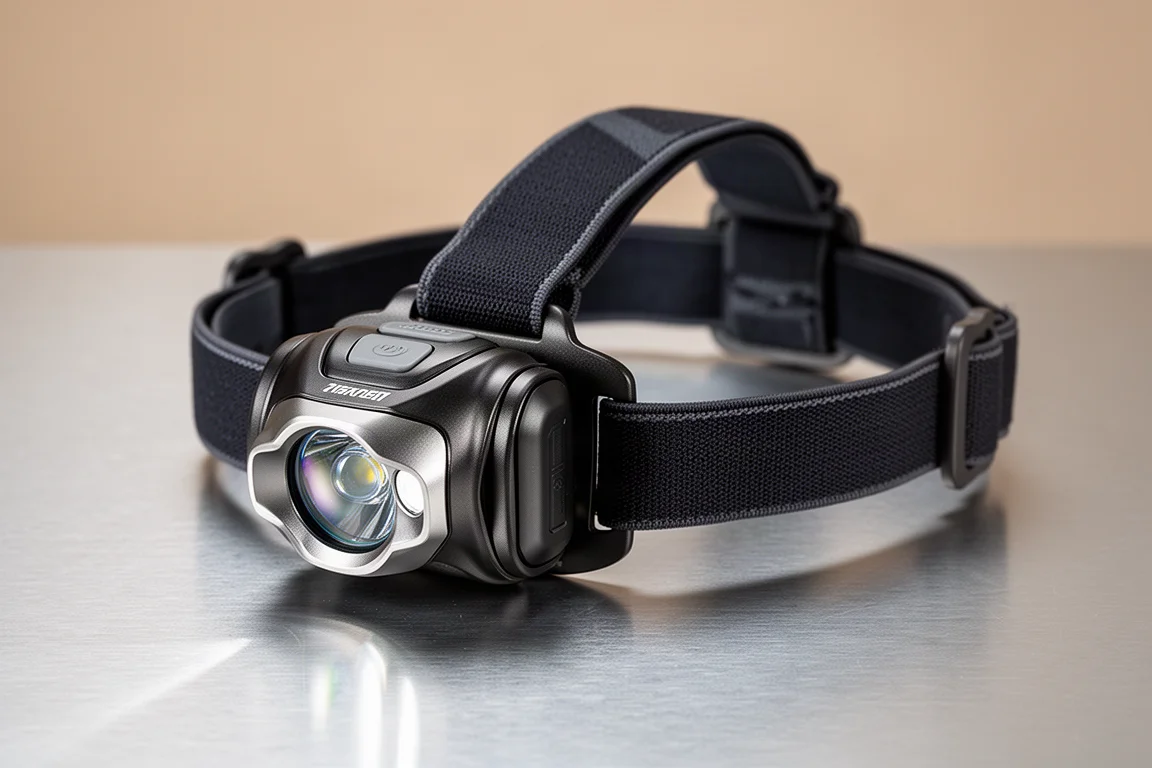
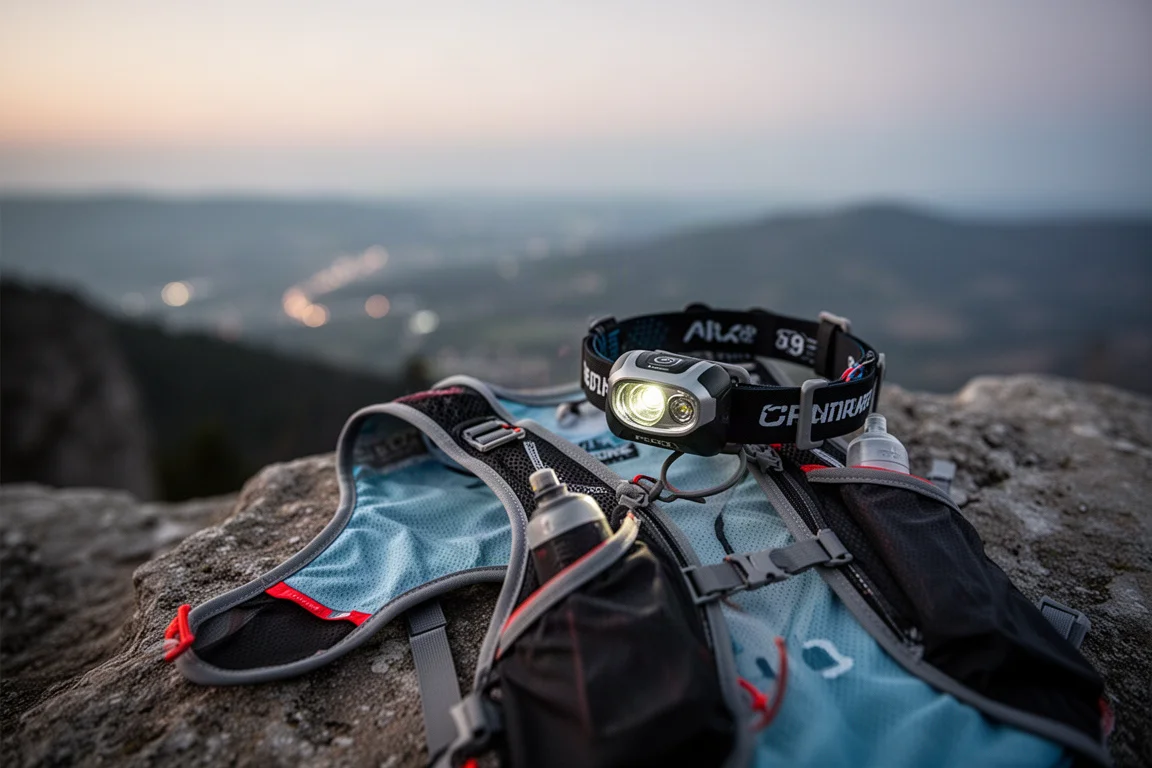
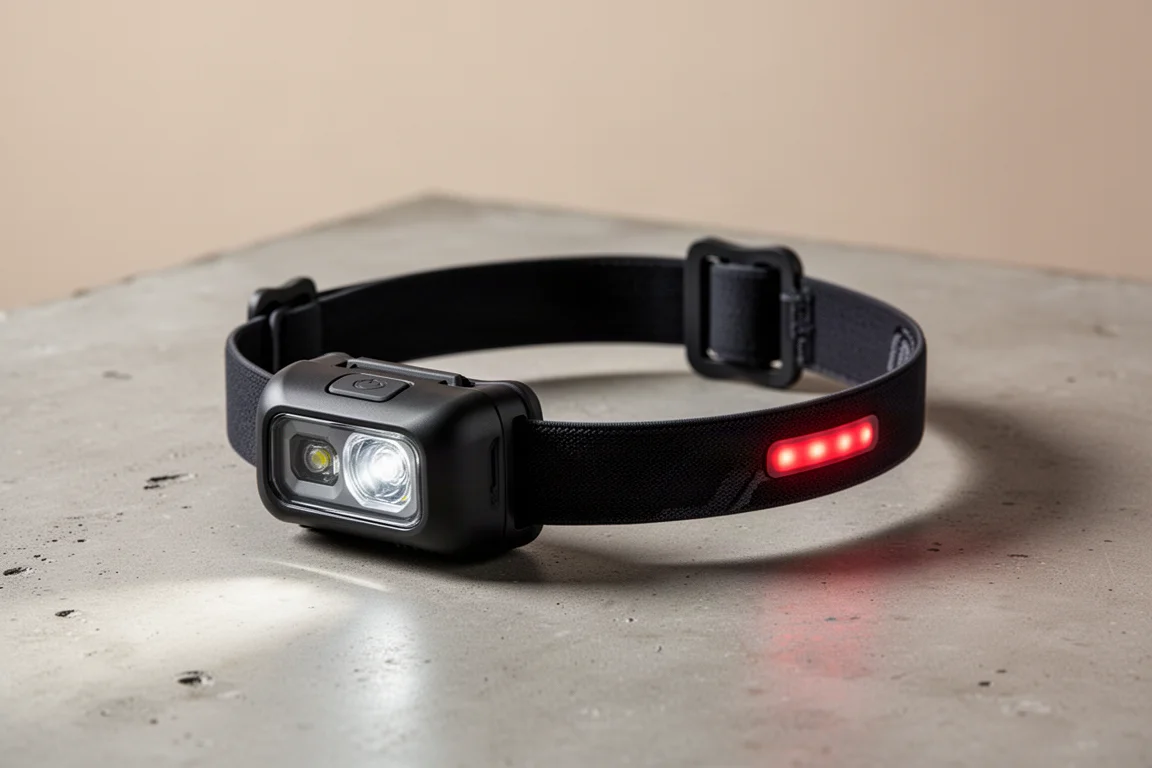
The Petzl Nao+ tops out at 750 lumens, though many runners operate it around the 350-lumen mark and never need max. Its party trick is reactive lighting technology: the upper section is not a light but a sensor that reacts to surrounding light, automatically dimming when you run near other head torches or enter a town with streetlights, which stretches battery life further. Set on max at around 350 lumens with reactive lighting active, it has been used to get through a roughly 12-hour winter night section of a multi-day ultra on a single charge. It also includes a rear red flashing light on the battery pack, constant red mode, and a side lock switch so it cannot turn itself on in your bag, a detail that matters more than you think when you reach into your pack mid-race and cannot afford a flat battery.

Buying Advice
Match the torch to your running, not to the biggest number on the box. Pavement and town runners: 200 lumens is fine, and a rear red light is a bonus. Road runners who occasionally go trail: aim for 300 to 500 lumens with rechargeable-plus-AAA flexibility. Fast, technical trail runners and ultra racers: look at 500 lumens and above with adjustable output, so you can drop to a mid setting of around 350 to 400 lumens and bank a 10-hour or longer burn time.
Whatever tier you buy into, prioritise low weight, a lock mode, easy-to-find buttons in the dark, and safety features such as strobe or SOS modes. And buy from an established brand: the anonymous listings promising 20,000 lumens and three weeks of battery life are best left alone.
Conclusion
The seven torches here cover the full range of night running: the Led Lenser Neo4 and Nitecore NU25 for lit-town running, the Fenix HL18R-T, Nitecore UT32, and Petzl Actik Core 450 for mixed road and trail use, and the Fenix HM65R-T and Petzl Nao+ for long nights, technical terrain, and ultra racing. Pick the one that matches your routes and pace, and dark winter evenings stop being something to endure and start being an adventure.
Further reading
Related Reviews
Running Gear
Best Running Caps 2026: Nine Tested Options for Summer and Winter
A comprehensive guide to nine running caps tested across different conditions, from lightweight summer options to waterproof winter choices.
Running Gear
Best Running Caps: A Guide to Summer and Winter Options
A comprehensive review of nine running caps for different conditions, styles, and preferences, from lightweight summer options to waterproof winter choices.
Running Gear
Best Running Gear 2026: Five Picks That Earn Their Place
Five running upgrades covering heart rate, audio, fuelling, carrying and weather protection, with the trade-offs worth knowing before you buy.