Running Gear
Six Running Gear Picks Worth a Look: Headphones, Belts, Kettlebells and Race Shoes
A six-product gear rundown covering bone conduction headphones, a running waist belt, an adjustable kettlebell, and three pairs of running shoes with very different jobs.
Introduction
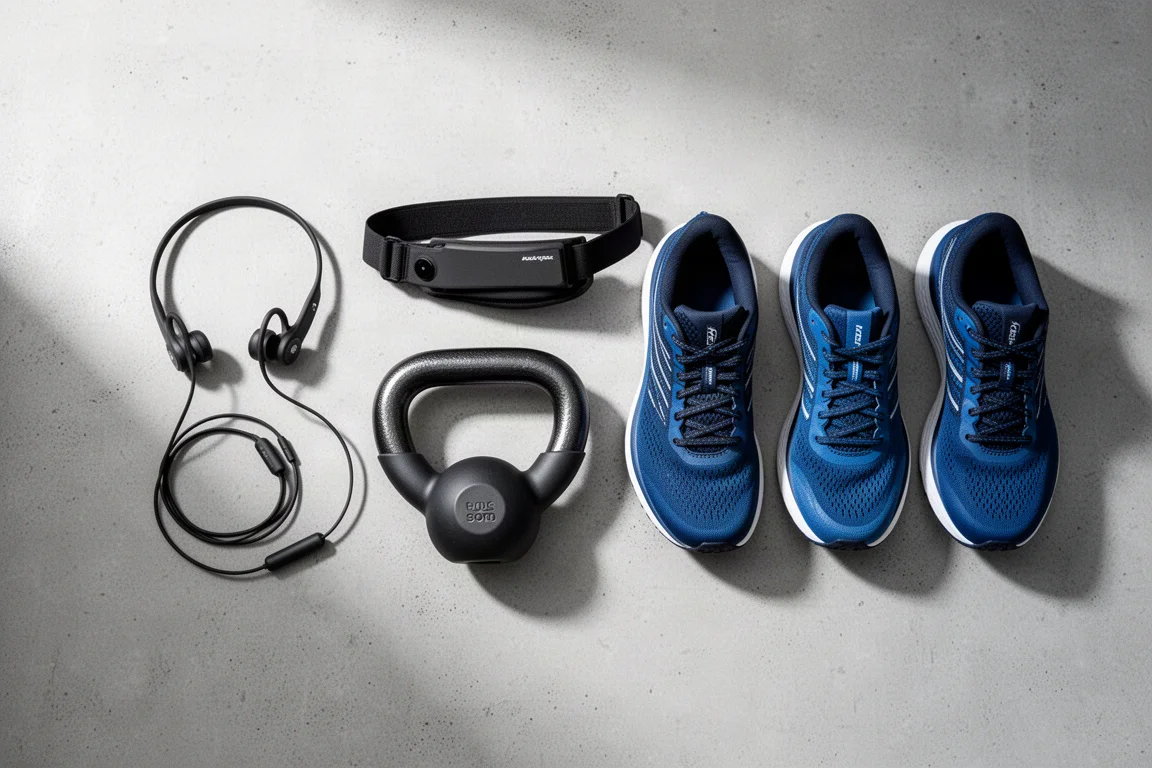
Gear has a habit of piling up in any training space, and not all of it earns a spot in the rotation. This roundup pulls together six pieces that recently made it into actual use: a pair of bone conduction headphones that work underwater, a lightweight running belt, an adjustable kettlebell with an unusual design, and three running shoes spanning trail, daily training, and race day. Each one has a clear job, and each has trade-offs worth knowing before you buy.
Nank Runner Diver 2 Pro
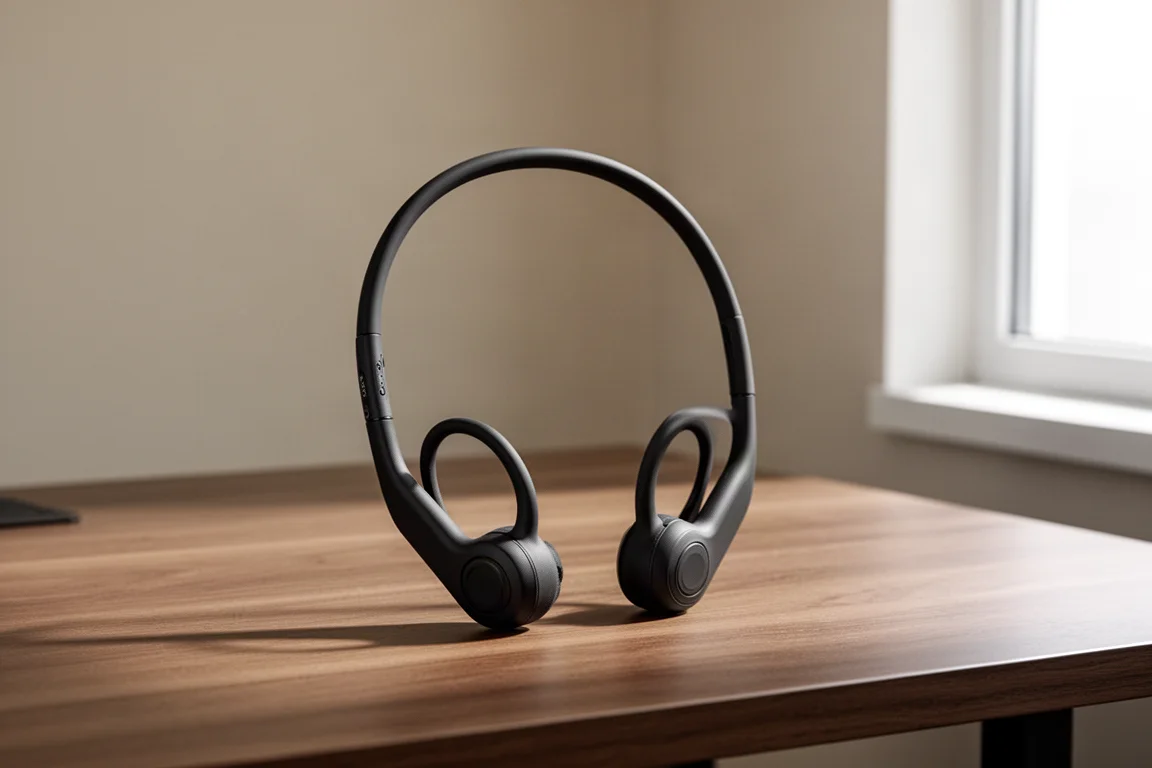
The Runner Diver 2 Pro is a bone conduction headphone from Nank, and its headline feature is simple: it works underwater. That alone puts it in a narrow category, since most wireless earbuds are useless once you hit the pool. The open-ear design also keeps you aware of traffic and surroundings on outdoor runs, which is a genuine safety advantage.
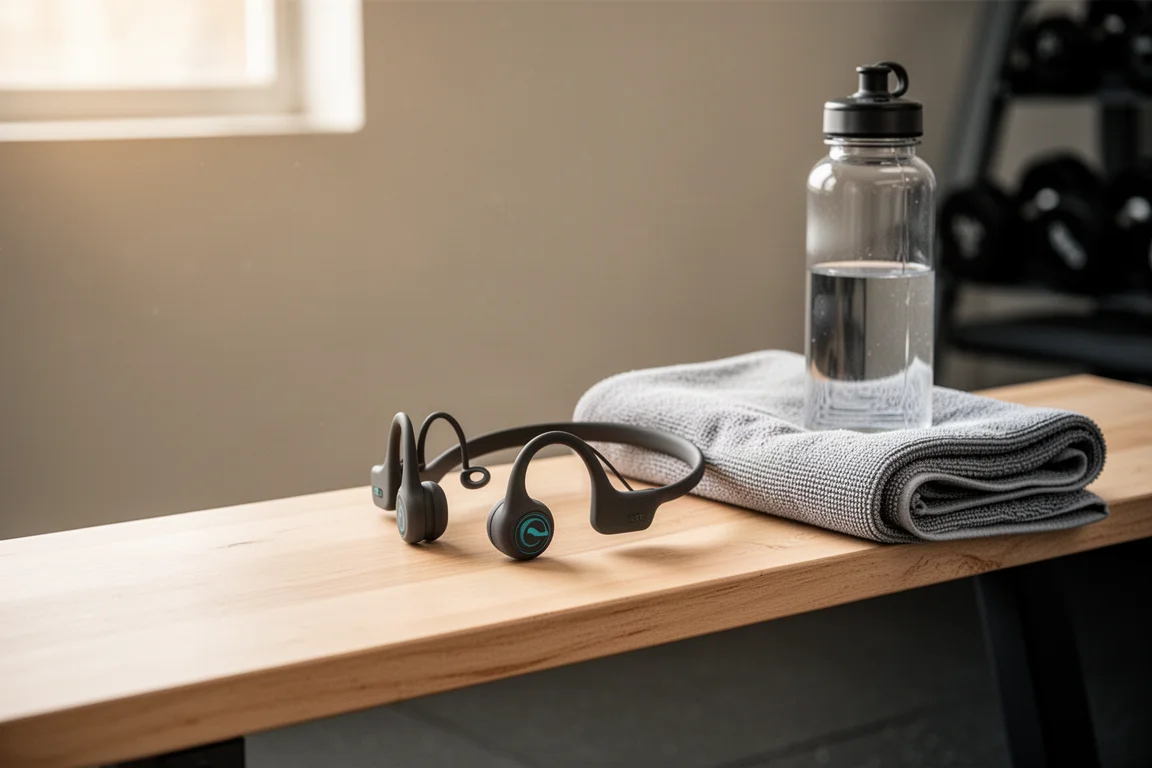
Battery life is another strong point here. If your training mixes swimming, running, and gym work, one pair of headphones that survives all three environments is a compelling proposition, especially if you have never gotten on with in-ear buds.
Nathan Pinnacle Featherlite Waist Belt
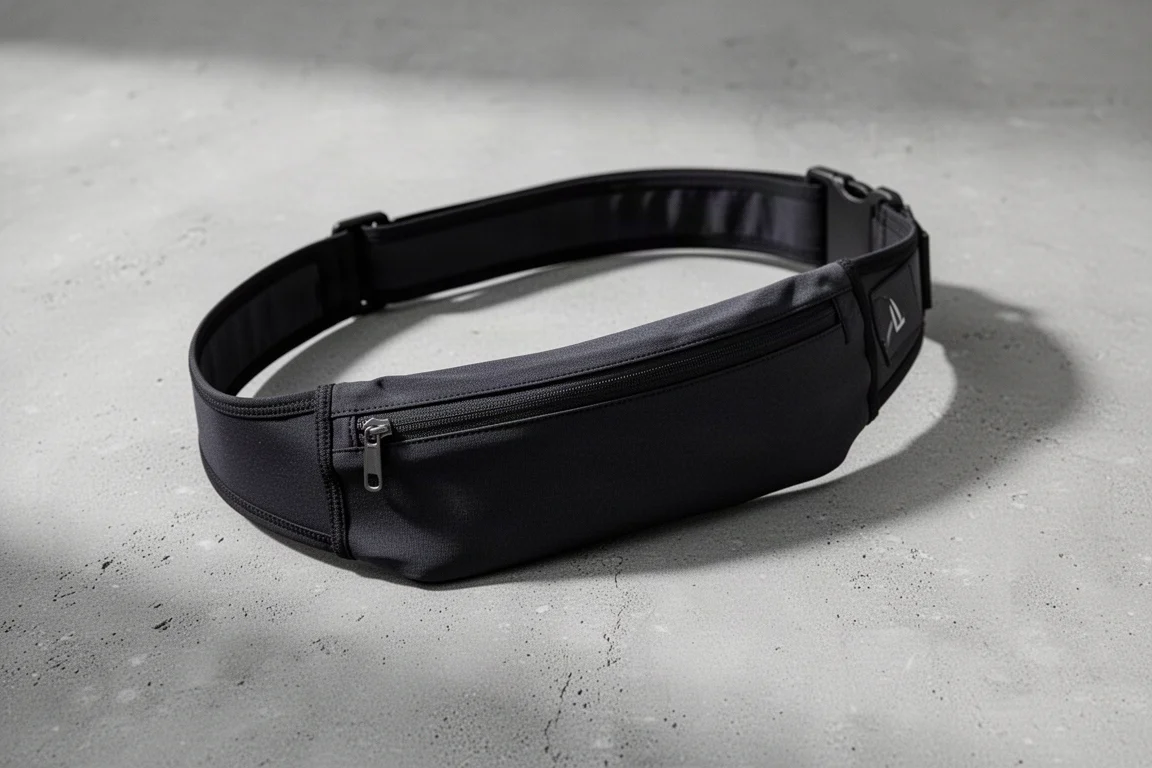
Nathan’s Pinnacle Featherlite Waist Belt is a slim running belt with a zippered pocket at the back that offers plenty of room for phone, gels, and keys. For slower, easier running, it works well and earns its place.
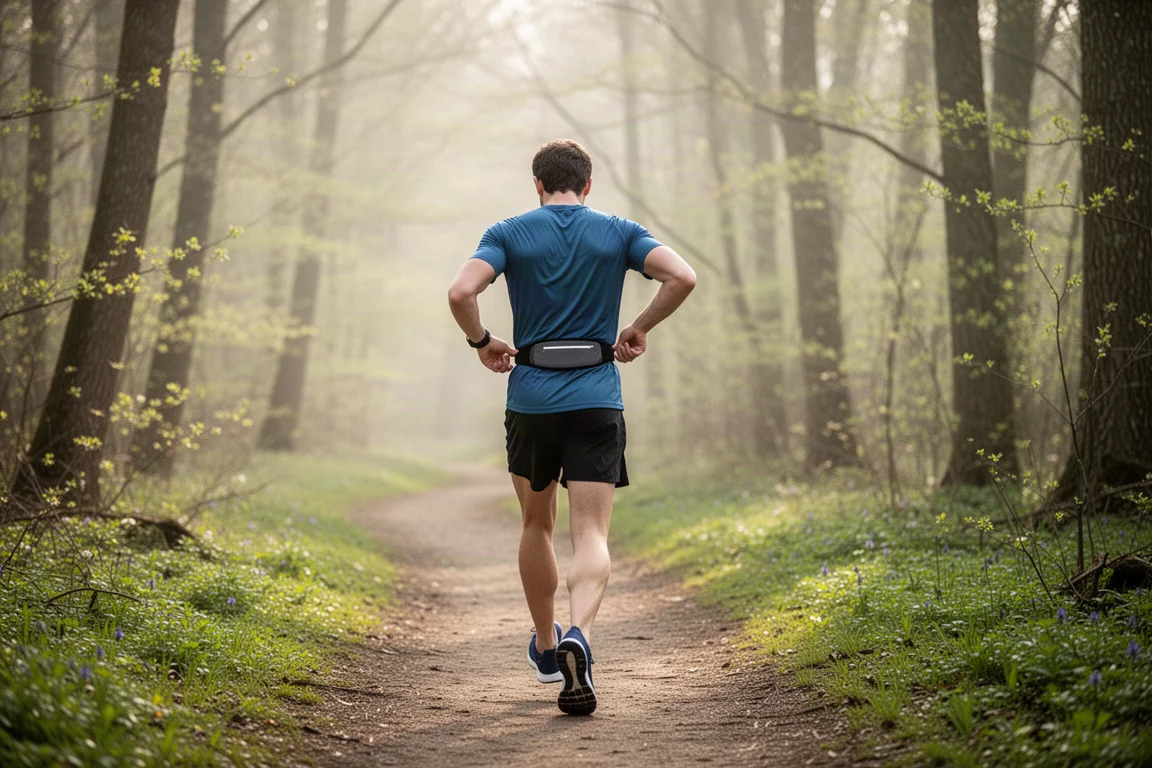
The honest caveat: at faster paces it gets bouncy. Around 8 to 8:30 per mile pace, it did not hug the body tightly enough, and it is better suited to 9-minute-mile-plus efforts and relaxed trail running in spring and summer weather. It is also worth noting that the belt runs long out of the box; trimming excess material to fit your body is a realistic adjustment if you, like many runners, dislike flapping fabric.
Kettlebell Apex
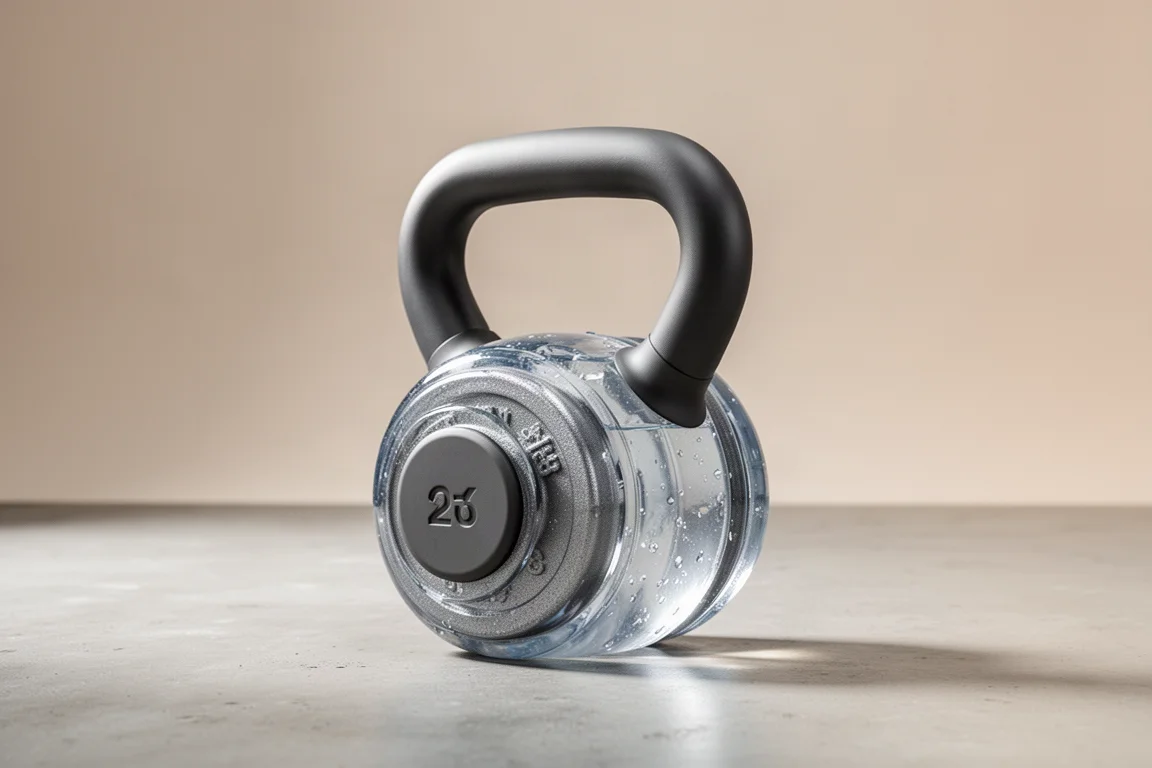
The Kettlebell Apex takes a genuinely interesting approach to adjustability: you add water to discs to change the weight. That makes it far more space-efficient than owning a rack of fixed kettlebells, and it is a natural fit for home gym and studio workouts.
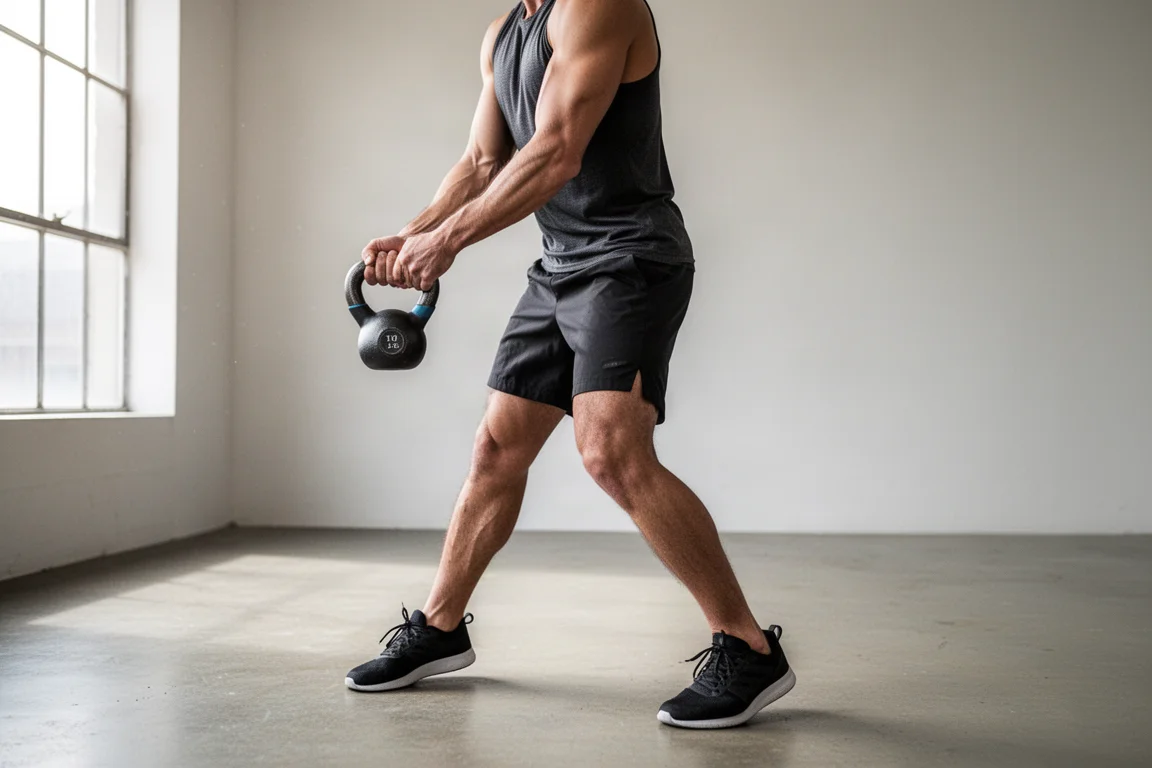
The handle deserves specific praise. Anyone who has trained with cheap kettlebells knows the feeling of a slick handle that makes every swing a grip panic; this one feels secure and confidence-inspiring through the movement. Even unloaded, it offers plenty of weight for many users, though the exact figure with the discs filled is not specified.
Diadora Nucleio 2
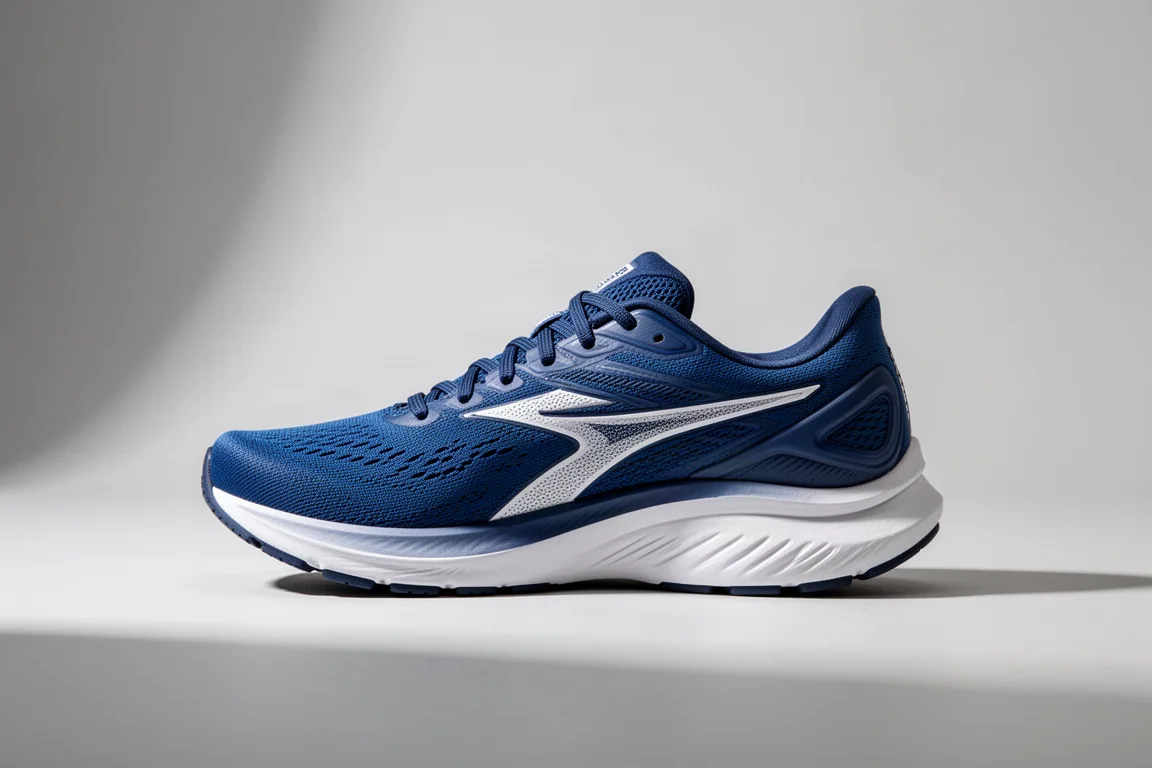
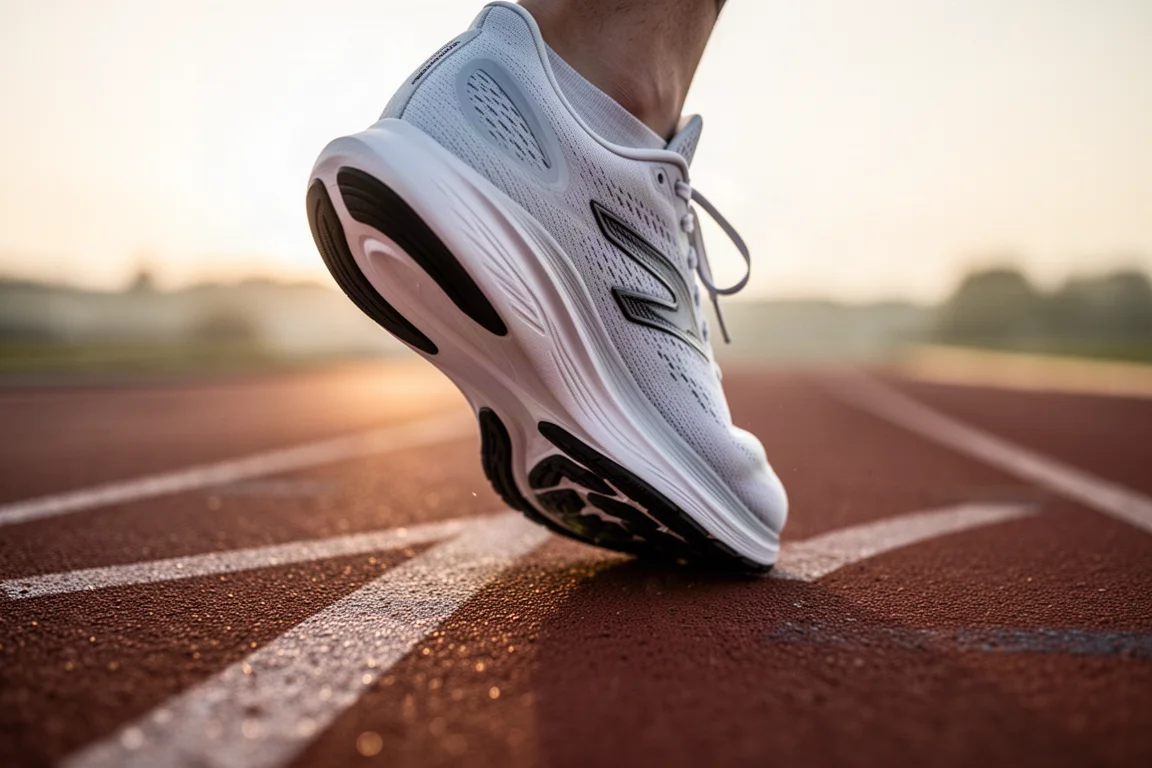
Diadora’s Nucleio 2 represents a big step forward for the Italian brand. An earlier Diadora release a couple of years back was firmly in walk-around-shoe territory and did not hold up as a running option. The Nucleio 2 is a different story: the midsole has taken a clear step forward, and the build quality around the heel counter and heel flare looks like the brand nailed the fit.
La Sportiva Predio Pro
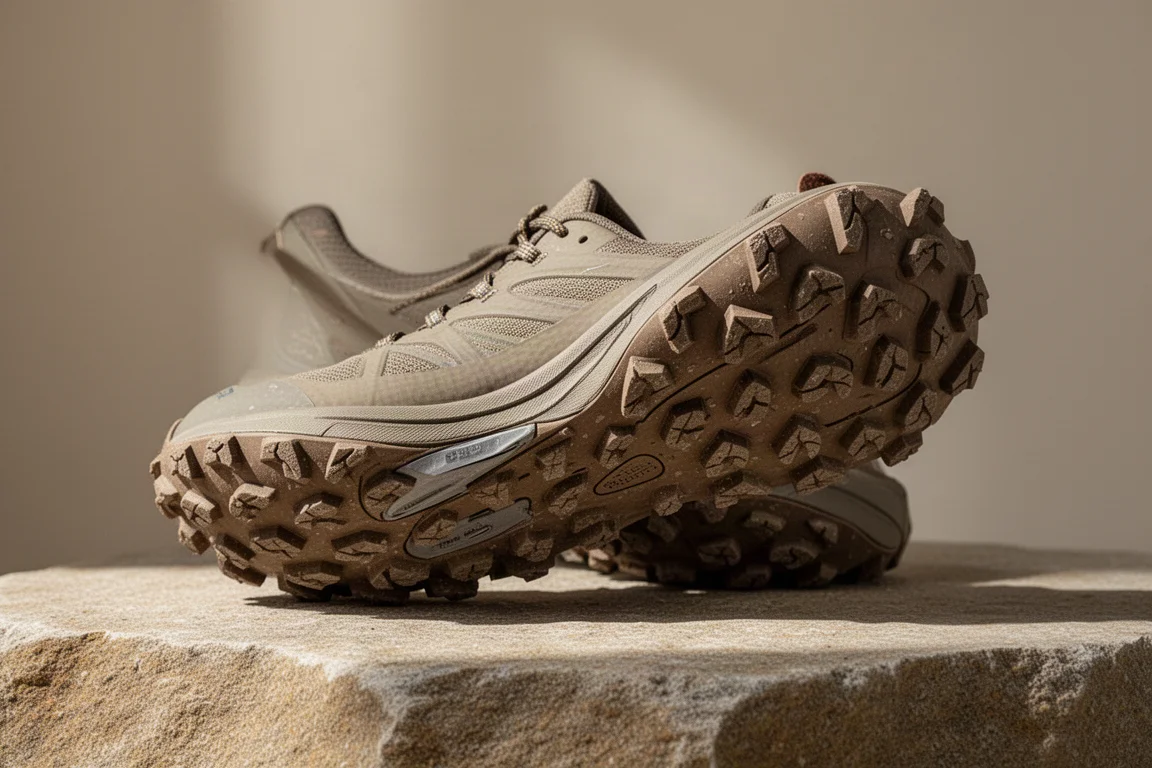
La Sportiva, based in northern Italy, brings the Predio Pro to the trail. This one has a plate in the midsole and an aggressive outsole tread, and it reads as a genuinely epic trail racing proposition. If your training lives on dirt, this is the shoe in this roundup that should grab your attention.
Hoka Cello X1 2.0
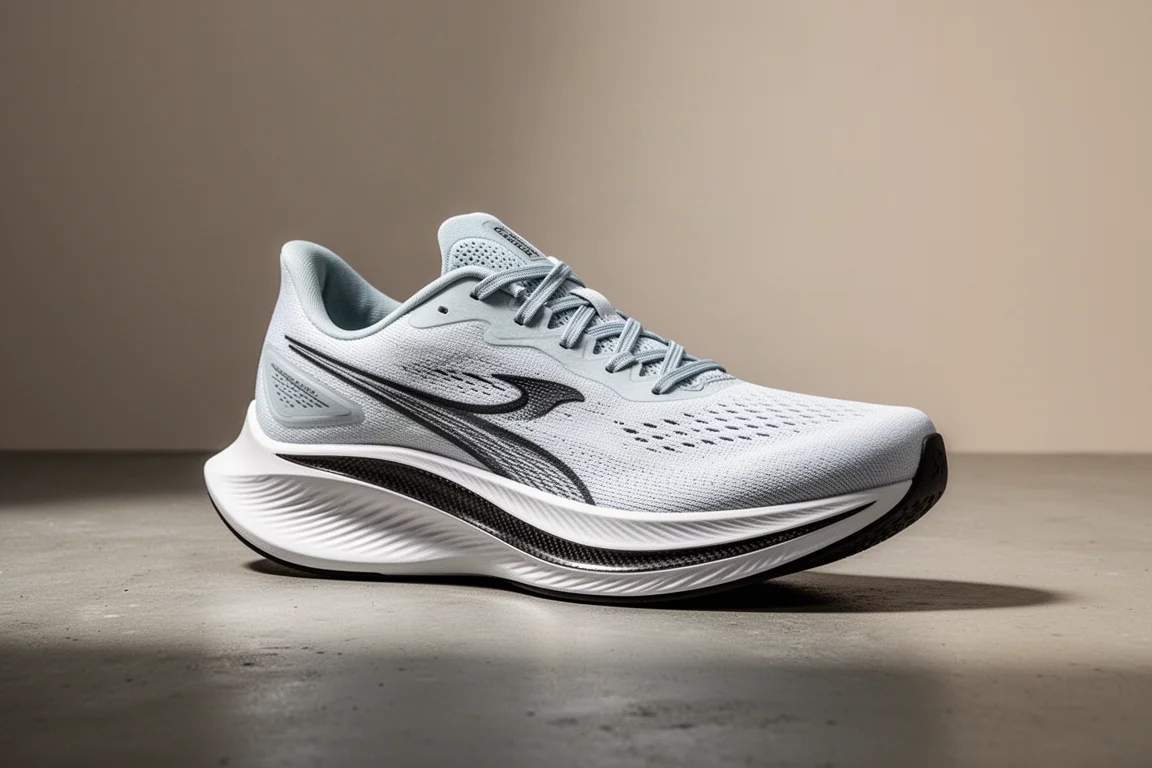
The Hoka Cello X1 2.0 is the race-day weapon of the group: a carbon-plate marathon and half marathon racer built for speed. The plate is visible in multiple places through the midsole, and the shoe is strikingly light, with a measured weight of 6.8 oz. For anyone chasing a half marathon or marathon personal best, this is the kind of shoe that changes race morning.
Overall Buying Advice
Match the product to the workout, not the wishlist. The Nank headphones earn their keep for swimmers and multi-sport athletes; the Nathan belt is best for easy-paced trail runs rather than tempo work; the Kettlebell Apex suits compact home setups; the Diadora Nucleio 2 fits daily road training; the La Sportiva Predio Pro is the trail pick; and the Hoka Cello X1 2.0 is strictly a race-day tool. If you buy only one, buy for the discipline you actually spend most of your time in.
Conclusion
This mix of gear covers the full training week: sound in the pool, storage on easy trail miles, strength work at home, and two very different shoes for road and trail, topped off with a serious carbon racer. Prioritize fit and use case over hype, and each of these can find a legitimate place in your rotation.
Further reading
Related Reviews
Running Gear
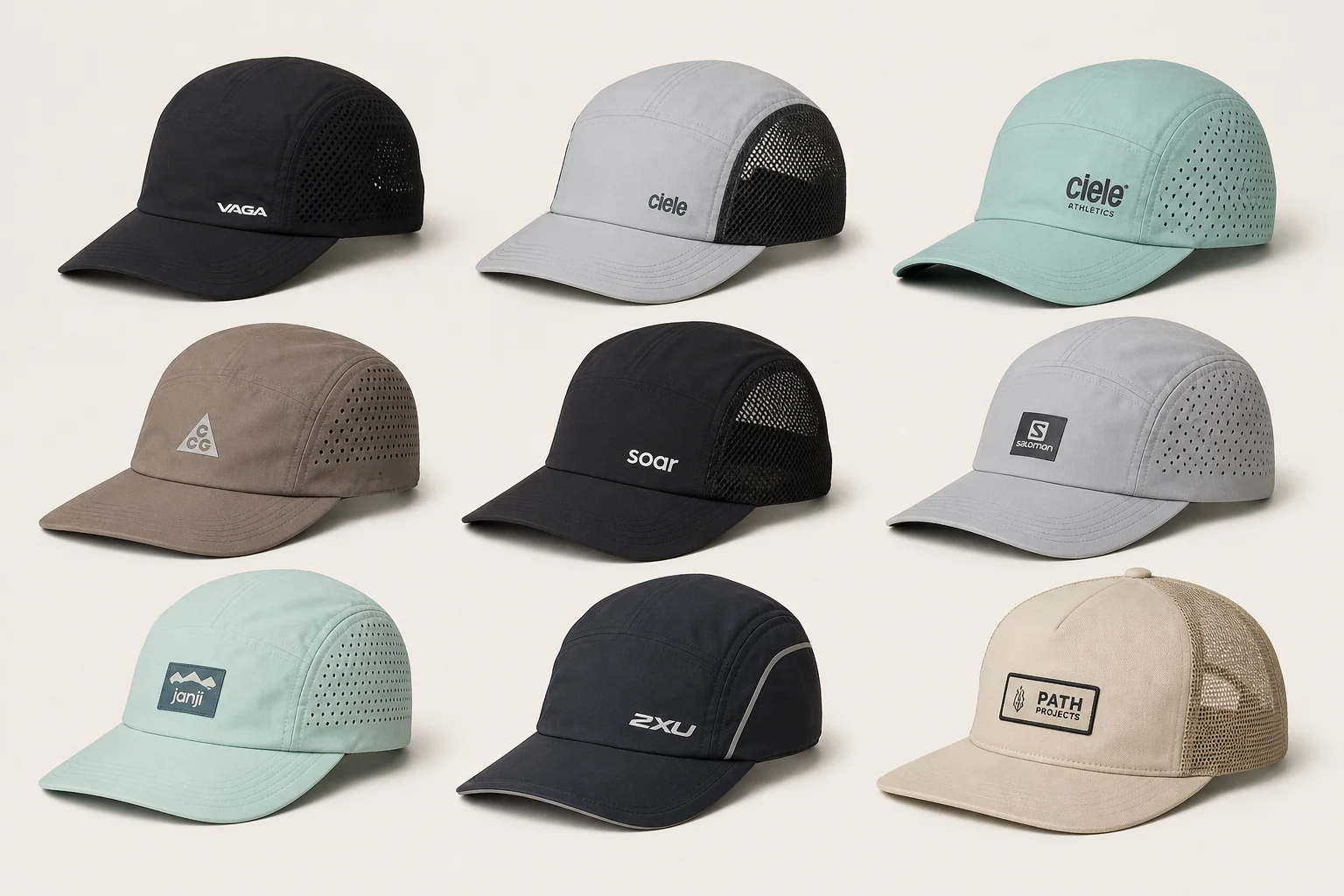
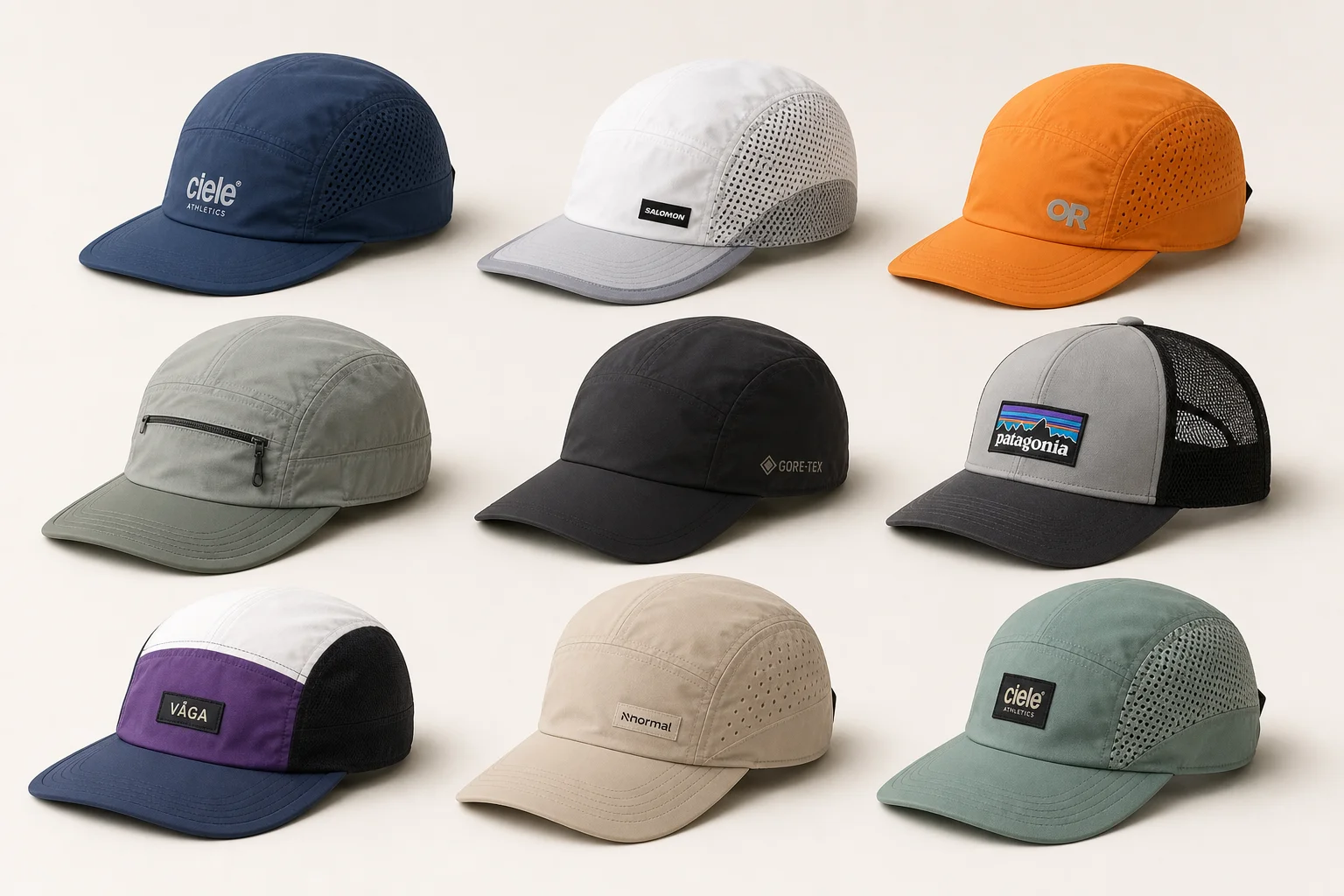
Best Running Caps 2026: Nine Tested Options for Summer and Winter
A comprehensive guide to nine running caps tested across different conditions, from lightweight summer options to waterproof winter choices.
Running Gear
Best Running Caps: A Guide to Summer and Winter Options
A comprehensive review of nine running caps for different conditions, styles, and preferences, from lightweight summer options to waterproof winter choices.
Running Gear
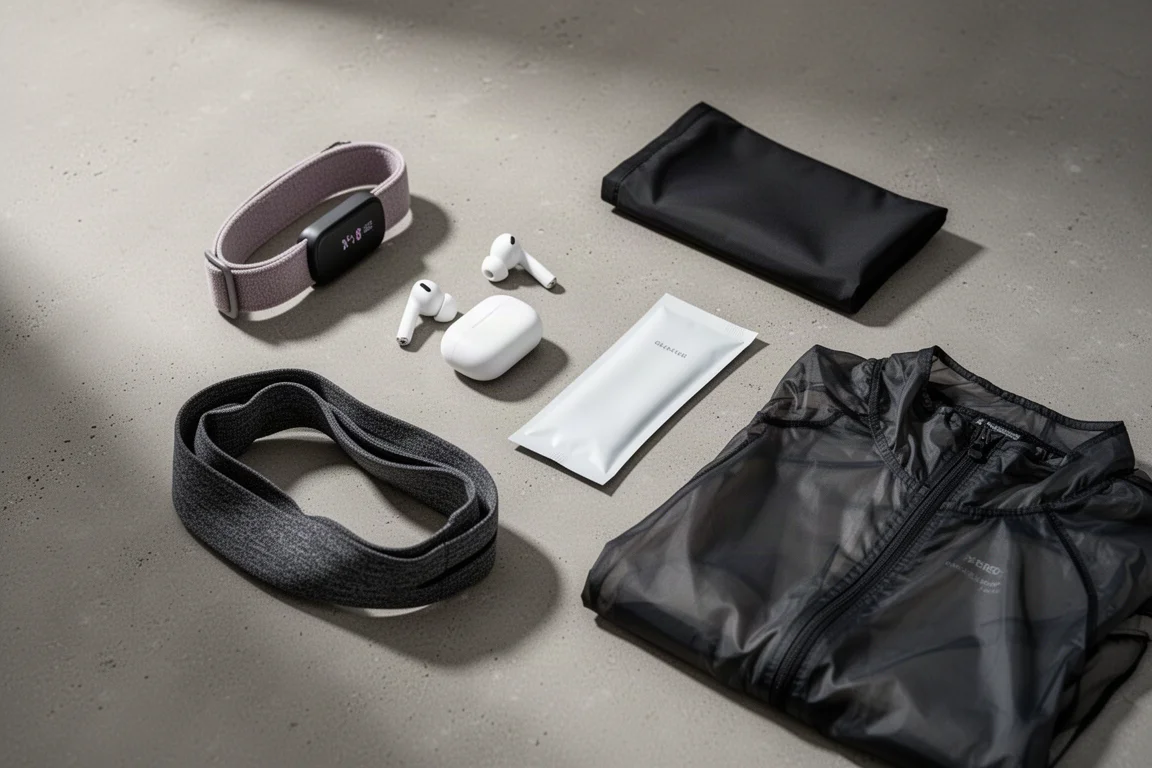
Best Running Gear 2026: Five Picks That Earn Their Place
Five running upgrades covering heart rate, audio, fuelling, carrying and weather protection, with the trade-offs worth knowing before you buy.