Running Gear
Best Running Gear Picks: 12 Tested Essentials Worth a Look
From belts and bone conduction headphones to trail shorts and a multi-day running pack, twelve pieces of running kit that earned a place in our monthly picks.
Introduction
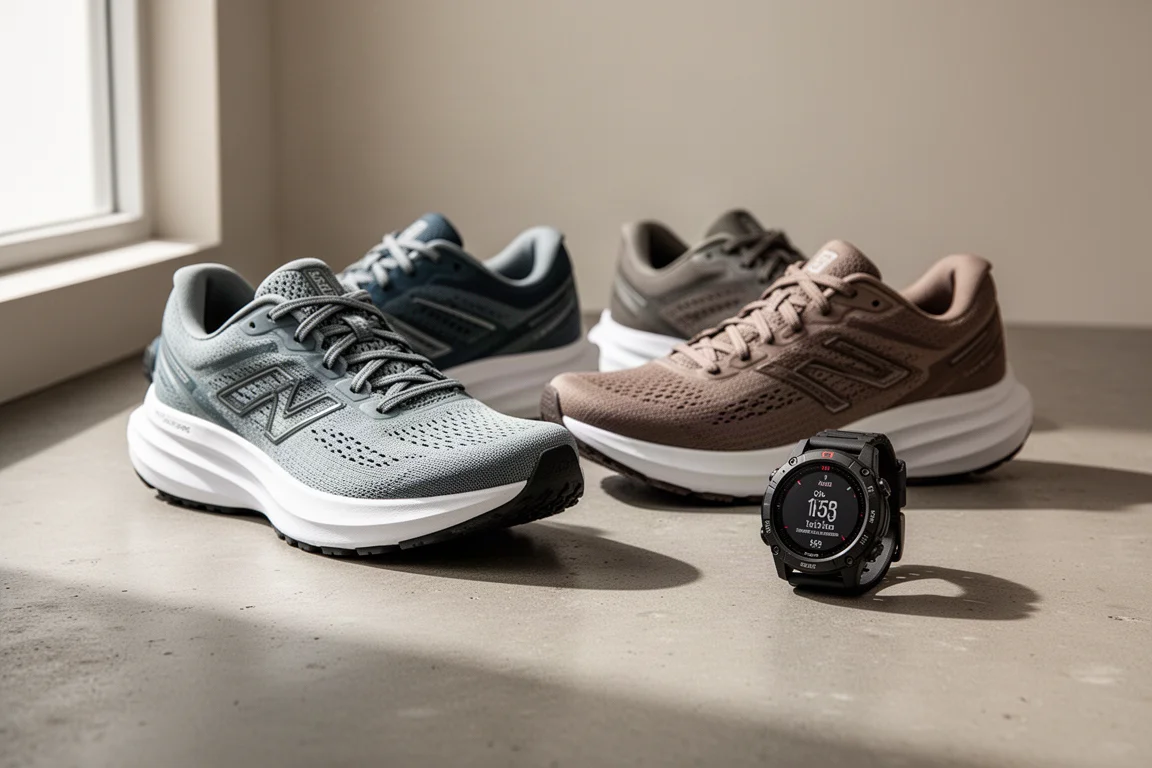
Every month the test team puts a wide range of running kit through real training, racing, and everyday use. These monthly picks are not claims about the absolute best products money can buy. They are the items that earned genuine enthusiasm after weeks of actual miles: a running belt that stays put when loaded, headphones for every budget, shorts built for long training blocks, socks that disappear on the foot, and a pack designed for running across a country.
What unites this selection is practicality. Each product solves a specific problem, from carrying fuel on a marathon long run to filtering river water on a multi-day route. If you are refreshing your kit drawer, these are the pieces worth a closer look.
Compressport Running Belt
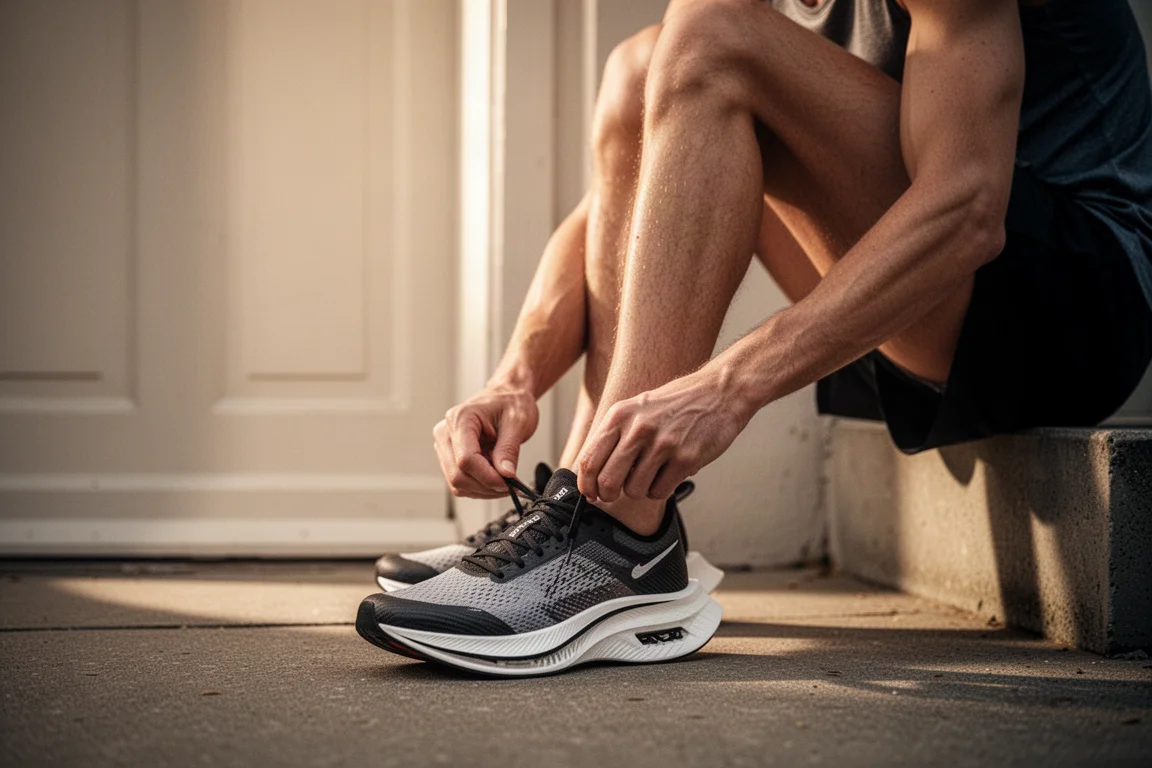
The Compressport Running Belt has been in testing for a while and has held up well. It is a large tubular belt sized to your waist, so the fit is snug enough that it does not move around at all on the run. Small toggles let you attach a race number, and loops on the back take trekking poles or a rolled-up jacket, which sits comfortably against the body.
Loaded lightly, with a phone, a couple of gels or a bar, and a soft flask, it is held tightly with no bouncing worth complaining about. Even when really fully loaded with soft flasks on a long run, there was only a slight, non-annoying bounce. The main gripe is that it is one big pocket running all the way around, so over long runs items converge and heavier stuff gathers in one place. Sticky gel wrappers and wet flasks drifting toward your phone or cards is not ideal, and a divider or three separate pockets would fix it. With just a couple of items, everything stays put nicely. It costs £45, currently reduced to £31.50 on the Compressport website.
Nank Runner Diver Bone Conduction Headphones
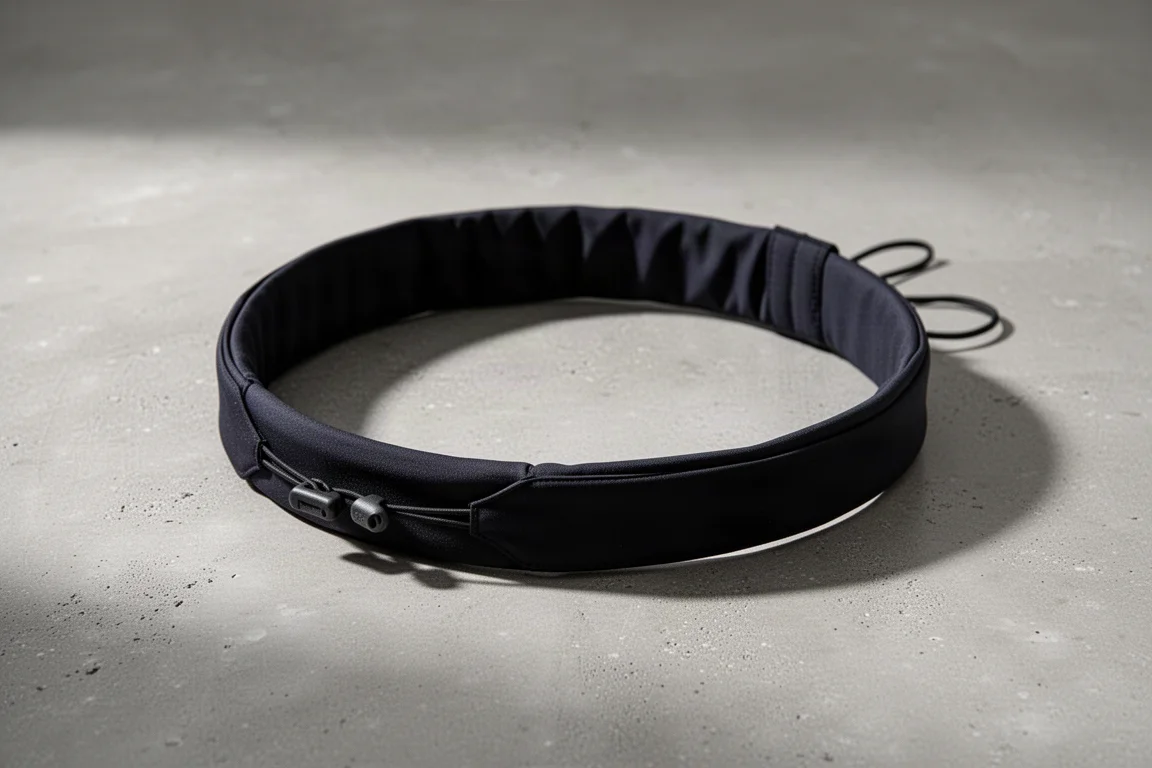
The Nank Runner Diver are bone conduction headphones with both Bluetooth and built-in MP3 playback. That combination matters: on everyday runs you can stream from your phone, but in races or for swimming you can leave the phone at home and play music from the headphones themselves. You get 10 hours of claimed battery life, 16GB of onboard storage, roughly 3,000 to 4,000 songs, and an IPX8 fully waterproof rating, so swimming with them is genuinely on the menu.
They priced at $169.99 or £135, though they are consistently reduced below the listed figure. In use they were very comfortable, worn with sunglasses and a cap on every run, and the side buttons work well on the move. Audio quality is fine for bone conduction rather than amazing, and they still struggle with volume next to very busy roads, though in general they are loud enough. Realistic battery life at max volume is closer to eight or nine hours, dropping further in MP3 mode, which is a bit more battery intensive. Even so, four or five hours of MP3 playback at full volume is more reliable than some alternatives, and very few brands offer both Bluetooth and MP3 in one set. At £169.99 they are pricey, but the flexibility is real.

JLab Go Air Sport Headphones
The JLab Go Air Sport prove you do not need to spend big on running headphones. At £30 you get a sweat-resistant IP55 design, an ear hook layout for a secure fit, strong battery life, three sound modes controlled from the buds themselves, and small tips to fine-tune the fit. They were race tested at a marathon and have stayed in regular rotation since.
Sound performance is solid for the money, and the battery typically lasts through a week of runs. The obvious thing missing is active noise cancellation, but for fit, sound, battery life, and durable design, these are excellent value. If the budget were only £20 to £30, these would be the pick for running, full stop. Do not be put off by the low price.
Soundcore Sport X10 Earbuds
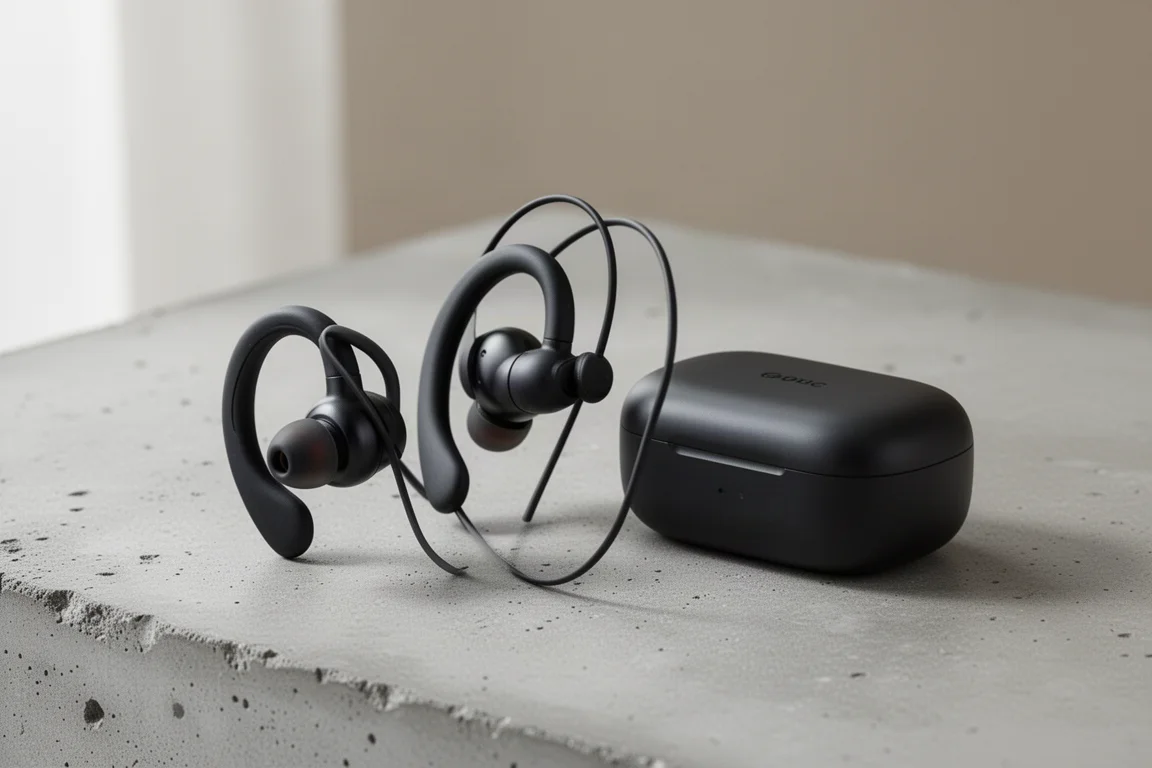
The Soundcore Sport X10 are true wireless earbuds at £90, noticeably cheaper than premium sports rivals. The headline feature is the ear hook, which rotates flat so the buds fit neatly in the case, then swings over the ear for a secure fit. For runners who can never find true wireless earbuds that stay put, soft rubbery hooks like these make a real difference, and the rotating design lets you dial in a comfortable angle.
Sound quality is very good even if it does not quite match Soundcore’s larger, more premium buds, with a strong low end if you like bass-heavy music. You also get active noise cancellation and app-based sound customization. The earbuds are very small and comfortable, and they have stayed put on recent runs. At £90 they are good value; closer to £70 they would be excellent.

SunGod Ultra Running Sunglasses
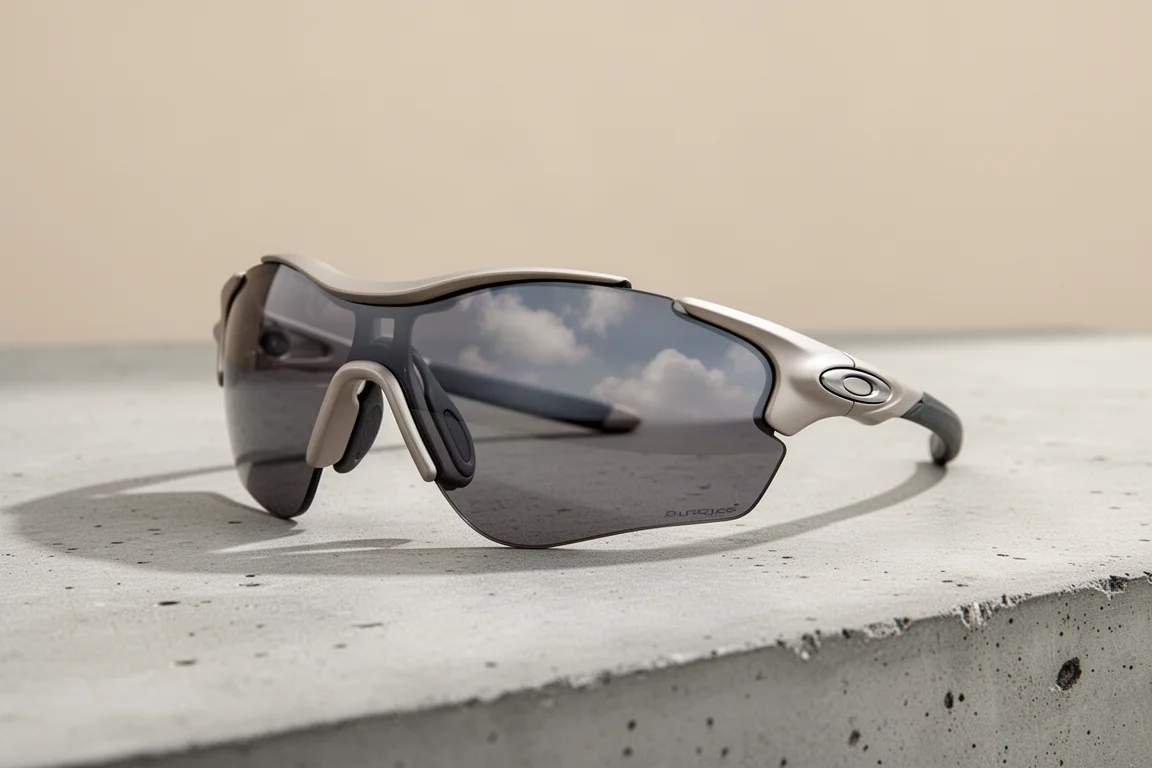
The SunGod Ultra are the brand’s first dedicated running sunglasses, wrapping further around the face for more coverage. The nose bridge looked intimidatingly hard at first, but interchangeable versions are included, so it can be matched to your own nose shape and works really well.
The ordering experience is a genuine highlight: you can customize the logo colour, the ear-gripping sock section, and the main body, which is made from 100% recycled plastic, and choose between glass and plastic lenses. The photochromic lens option raises the price to £170 from about £130, but it proved very handy for runs that move in and out of changing light, such as a treelined section before track sessions. On the track itself, during all-out 400m and 200m efforts, they did not budge and were easy to forget they were being worn. The only caution: at this price, do not sit on them.
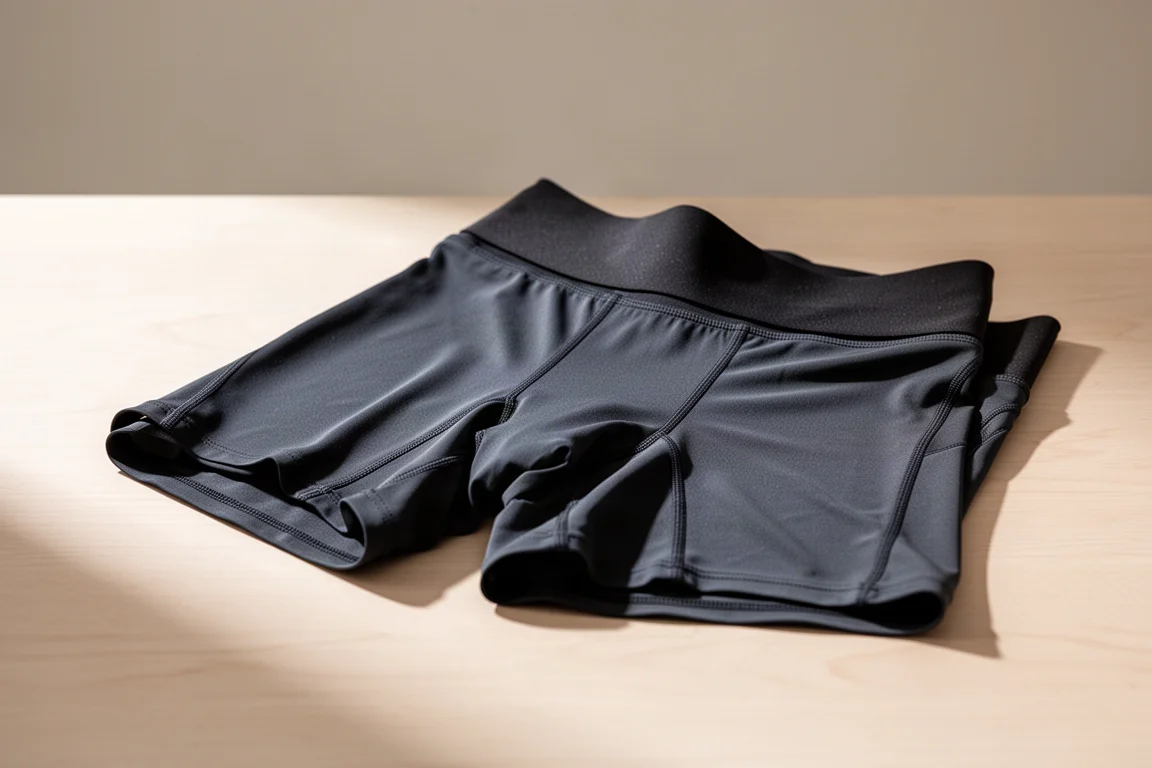
On Running Sprinter Shorts
The On Running Sprinter shorts look like cycling-short style bottoms, but they are far more than a sprint-day item. The double-layer waistband area and a small key attachment point make them genuinely practical, and the deep side pockets fit a phone that does not budge, plus plenty of gels and long-run essentials. For marathon training, that storage is the whole point.
They come in a bluey-green called C, a mulberry purple, and black. The fit is normal cycling-short styling rather than super-compression tight, so a pant line may show if that is a concern, in which case split shorts remain the alternative. Despite having none of the grippy leg seams many tighter shorts use, they stayed put with no riding up. They feel good enough for racing too, which makes the slightly misleading Sprinter name an easy thing to forgive.
Under Armour Speed Pocket Trail Shorts
The Under Armour Speed Pocket Trail shorts cost £55, which is an investment, but they back it up. They use a stretchy ripstop-style fabric, so catching them on undergrowth should not tear the shorts, and they have handled both trails and road without issue.
Storage is where they shine. Two pockets hold one or two energy gels, a zip pocket keeps keys or change secure, and up front there is the speed pocket itself: drop a large phone in and it should not move while you run. That claim sounded optimistic, but a big Galaxy phone stayed put even during quicker efforts. Honestly, they could replace a running belt for many runners. The fit is spot on too. Expensive, but a pair that will get grabbed on a regular basis.
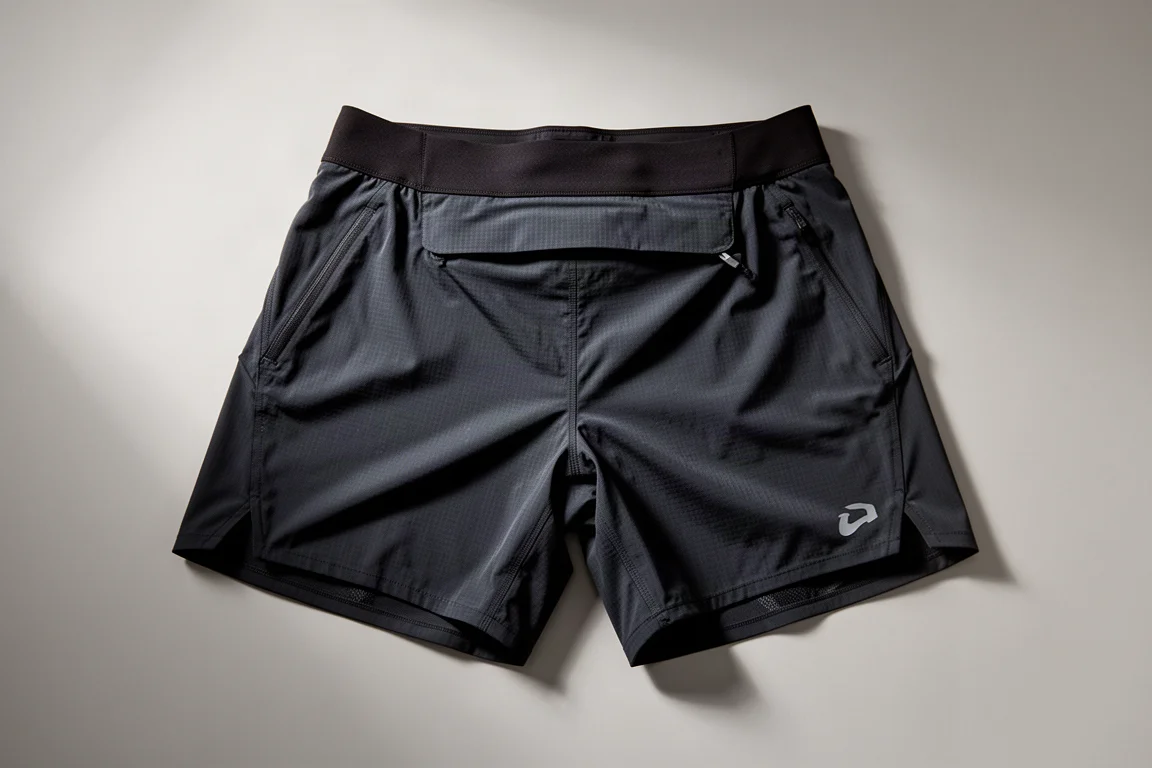
Arc’teryx Northern 7-Inch Shorts
The Arc’teryx Northern 7-inch shorts are built for multi-sport use rather than running alone, which makes them a good match for anyone whose training mixes trail running with hiking and time outdoors. They feel lightweight, relaxed, and comfortable without being baggy, and there is enough room to add an inner layer if you prefer one. There is no built-in lining, which is a minus for pure running use but makes sense for a hiking-capable short.
Two rear pockets cover the essentials: one zippered for secure items and one looser pocket that takes gels on the run. At £60 they are expensive for a pair of shorts, but Arc’teryx gear tends to last for years, so it reads more as a long-term investment than an impulse buy. They look good enough that they ended up being worn around town too, which says something about the cut and finish.
Belega Enduro No-Show Socks
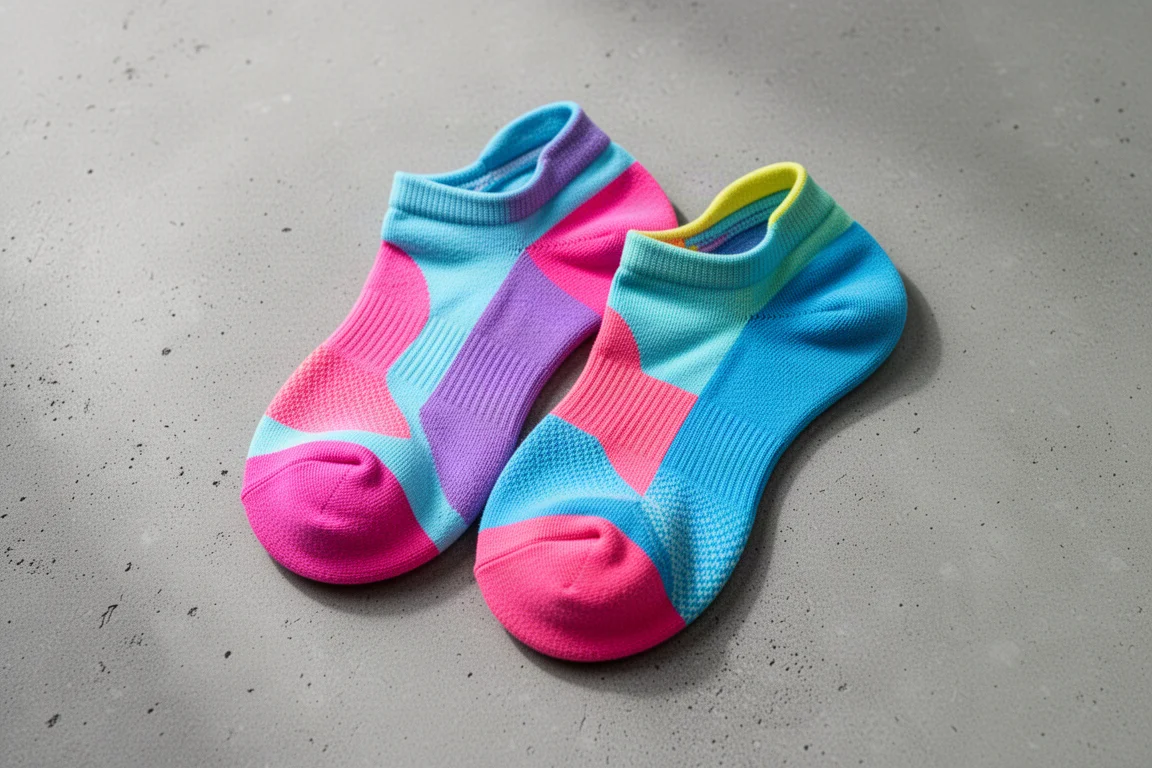
The Belega Enduro no-show socks cost £14 direct from the website, or around £10 elsewhere, and tick the boxes that matter: they do not ride down, they do not cause blisters, they keep feet comfortable in heat or cold, and they come in fun colours.
The construction details are thoughtful. There is a women’s fit that is slightly thinner with support under the arch, slightly thicker toes, and a deep heel pocket, all with interlocked stitching so there are no seams or rubbing points. Through walking, running, and a variety of workouts, they never came down. The company also supports community projects, kitting out the chapters of the Back of My Feet project in America each season alongside initiatives in South Africa, which is a nice touch if brand values matter to you.
Under Armour ArmourDry Run Crew Socks
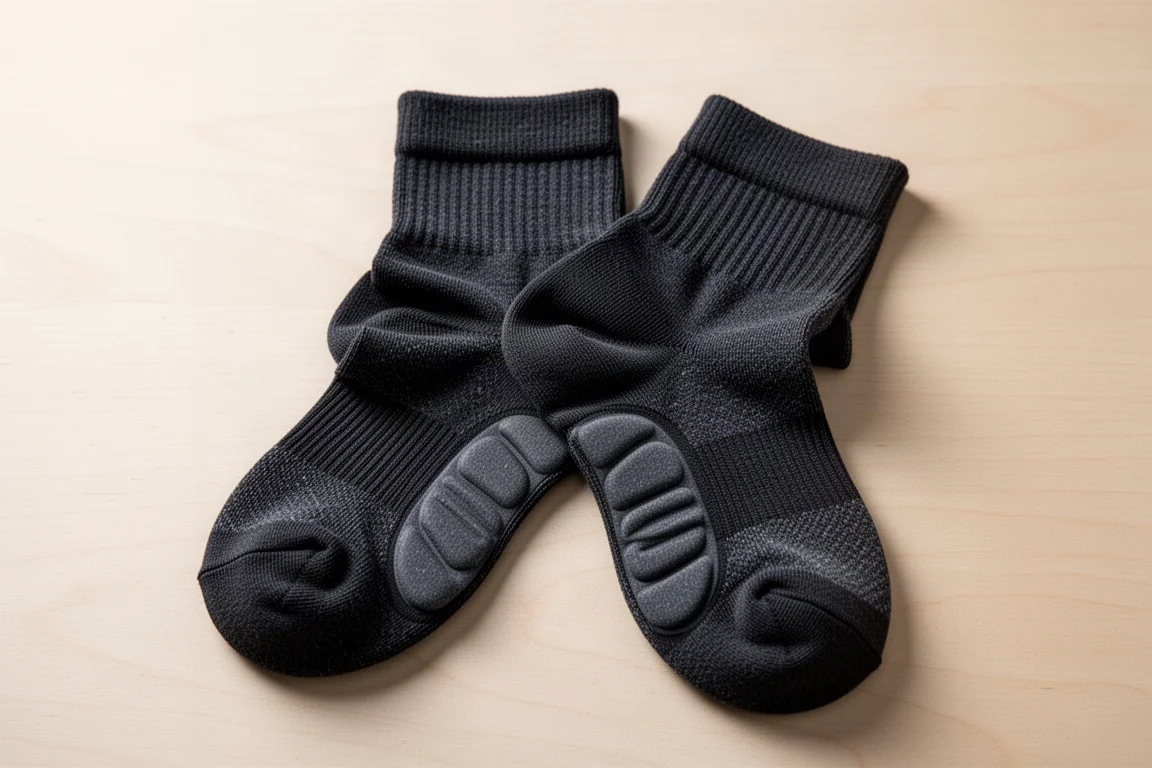
The Under Armour ArmourDry Run Crew socks take the opposite approach to ultralight race socks: they are quite thick, cushioned, and supportive. That makes them the right choice for trail running and long easy runs, where a plush, well-padded sock helps the foot settle into the shoe comfortably.
On a warm-day trail run with new shoes, where a thin sock felt like a rubbing risk, these worked fantastically. Supportive areas hug the foot nicely, and despite the padding they did not feel too hot in warm conditions. The longer ankle collar is another plus for anyone who dislikes low-cut socks: plenty of elastication hugs the lower shin without feeling too tight. A big thumbs up, and likely a regular in the rotation.
CamelBak eddy+ LifeStraw Bottle
The CamelBak eddy+ bottle with a built-in LifeStraw is a hydration backup for routes where water access is unreliable. The LifeStraw filters most of the nasties from just about any water source, so you can drink from a river or a puddle rather than depending on shops. On routes where you might go 40 miles without resupply, that kind of insurance is invaluable.
Filtration works in two stages: a hollow fiber filter removes bacteria, parasites, and microplastics, while an ion exchange filter reduces lead, taste, and odour and takes out chlorine and other chemicals. The downside is that it is not particularly lightweight and it is a big, firm bottle. It costs £45, and CamelBak offers other bottles with the same built-in LifeStraw technology, so those alternatives are worth a look too.
Instinct XXL 18-24L Running Pack
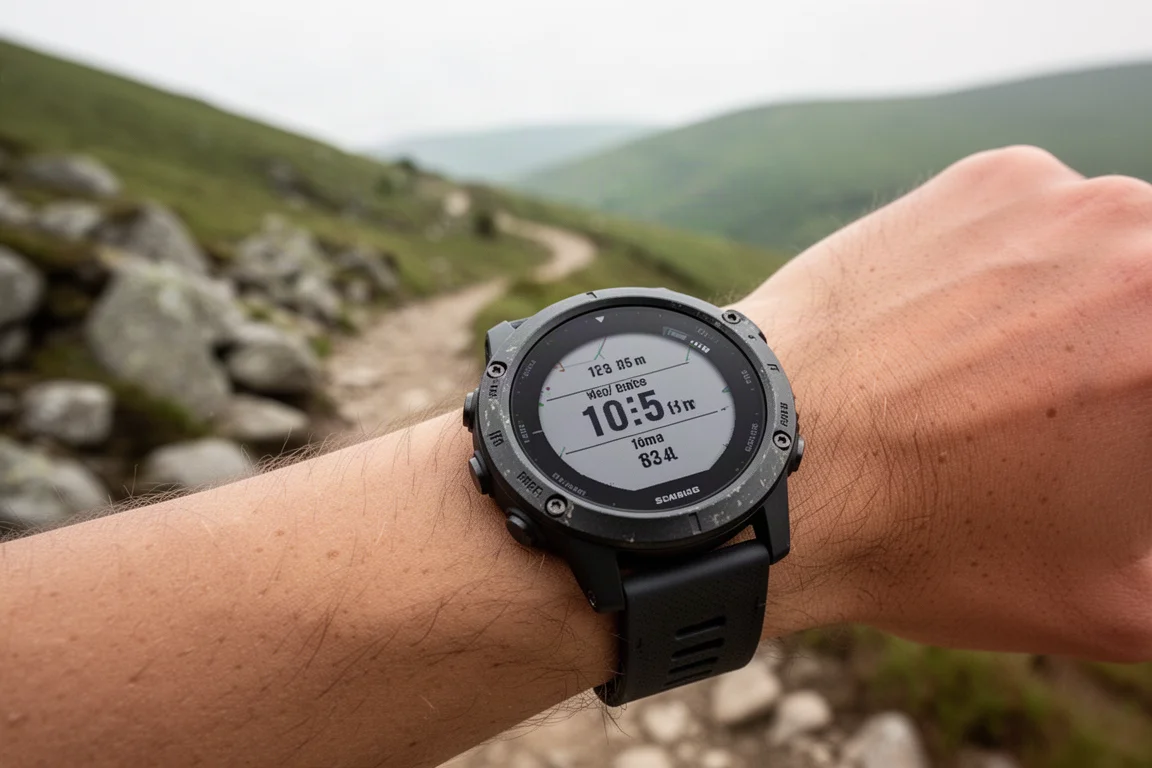
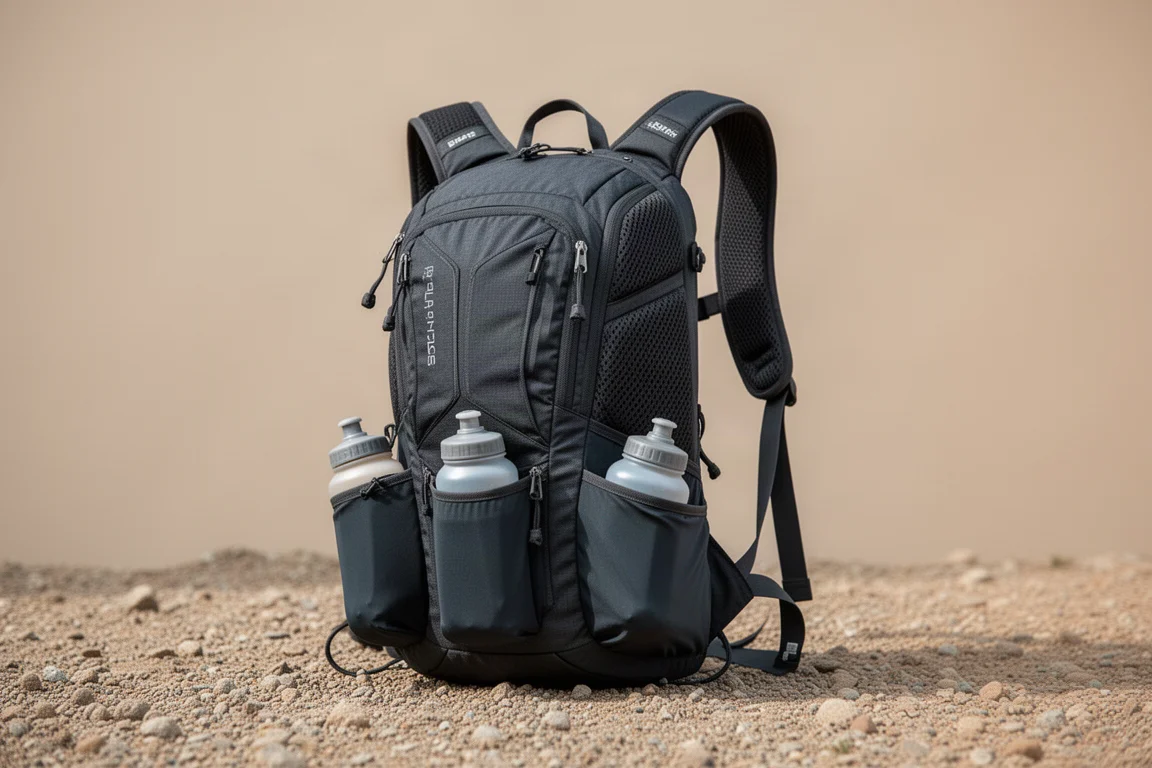
The Instinct XXL 18-24L running pack is built specifically for multi-day running adventures, and it has been chosen to carry around eight kilos of gear for a 70-day run. The design is genuinely well thought out. Bottle storage sits up front, with a lower pouch option to reposition the bottles, and the padded, breathable back keeps the load comfortable. The harness is padded with wide straps up top, and extra compartments, such as a rear panel pocket for a solar charging panel, show how much attention has gone into the details.
Storage is nicely compartmentalized: one big main compartment, a separate pocket, and a large bottom stash pocket that swallows a sleeping bag and bivvy sack. Waterproof compartments let you keep important kit safe without dry bags. The weight is taken off the lower back and spread evenly, so it genuinely feels like you are carrying less than you are. It weighs 620 grams and costs £187 in the UK. Training has gone well with it so far; long-term durability will be judged on the road.
Buying Advice
Match the product to the problem before you spend. If your long runs mean carrying a phone, gels, and a flask, the Compressport belt or a storage-rich short such as the On Sprinter or the Under Armour Speed Pocket Trail will do more for you than any single gadget. For headphones, budget clearly changes the answer: the JLab Go Air Sport at £30 is the value pick, the Soundcore Sport X10 at £90 adds ANC and a clever rotating hook, and the Nank Runner Diver earns its premium with waterproofing, MP3 storage, and phone-free racing.
Socks are the cheapest upgrade with the biggest comfort return, and the Belega Enduro and Under Armour ArmourDry cover the thin-and-barely-there and thick-and-cushioned ends of the spectrum respectively. For eyewear, the SunGod Ultra suits runners who want coverage and adaptability to changing light. And if you are planning anything multi-day, the Instinct XXL pack and the CamelBak eddy+ LifeStraw bottle form a sensible foundation for self-supported routes.
Conclusion
This month’s picks reward a simple principle: buy for the run you actually do. A belt that does not bounce, shorts that swallow your phone, socks that stop blisters, and headphones that survive sweat and marathons all remove small frictions that add up over hundreds of kilometres. Whether you are building a marathon training kit or loading a pack for a multi-day adventure, each item here has already proven itself in real use, and that is the best recommendation any piece of gear can carry.
Further reading
Related Reviews
Running Gear
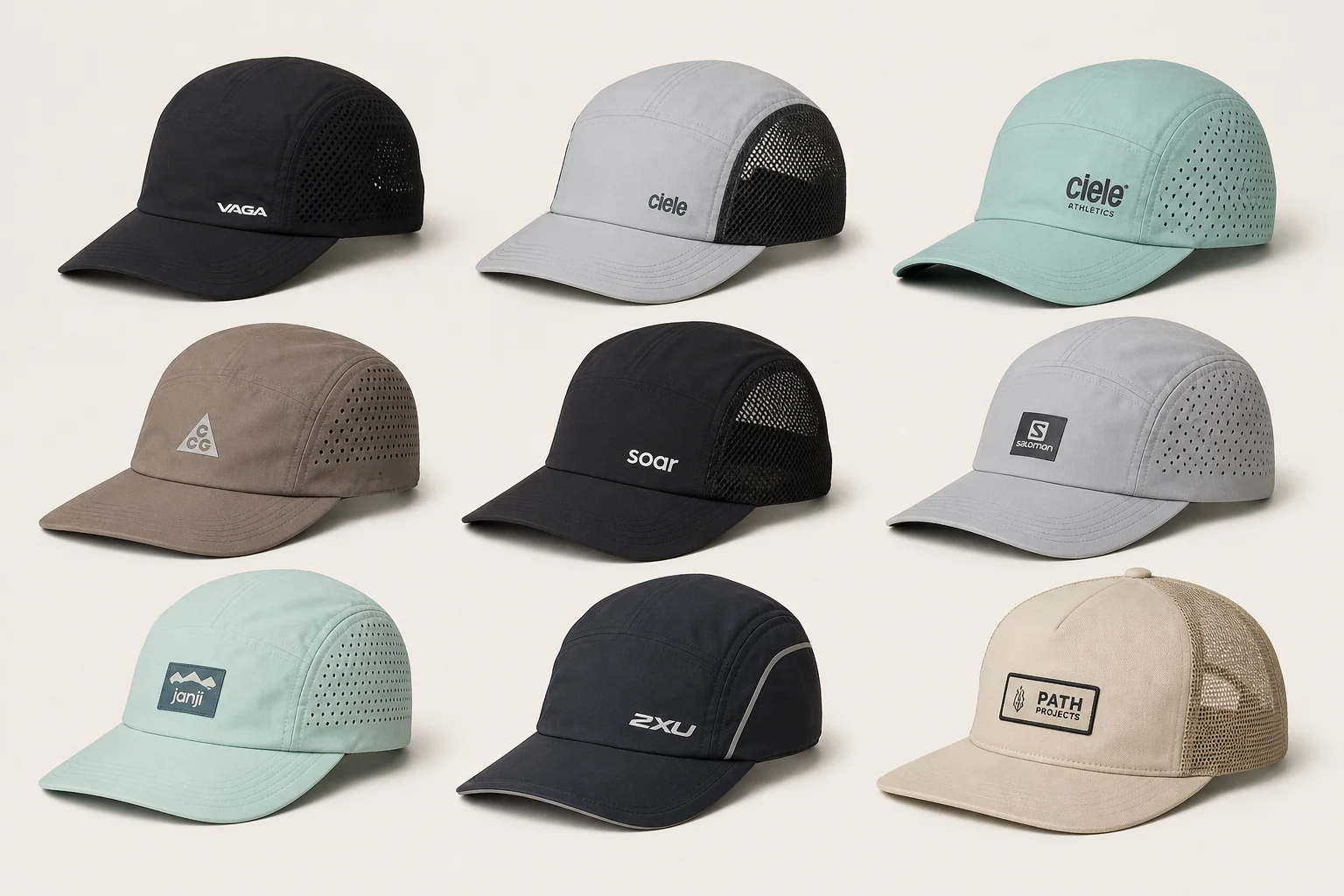
Best Running Caps 2026: Nine Tested Options for Summer and Winter
A comprehensive guide to nine running caps tested across different conditions, from lightweight summer options to waterproof winter choices.
Running Gear
Best Running Caps: A Guide to Summer and Winter Options
A comprehensive review of nine running caps for different conditions, styles, and preferences, from lightweight summer options to waterproof winter choices.
Running Gear
Best Running Gear 2026: Five Picks That Earn Their Place
Five running upgrades covering heart rate, audio, fuelling, carrying and weather protection, with the trade-offs worth knowing before you buy.