Running Gear
Best Running Gear Picks 2026: Four Essentials Worth Adding to Your Kit
Four running essentials that solve real problems on the road, from arm-based heart rate tracking to lightweight weather protection and low-profile carry.
Introduction
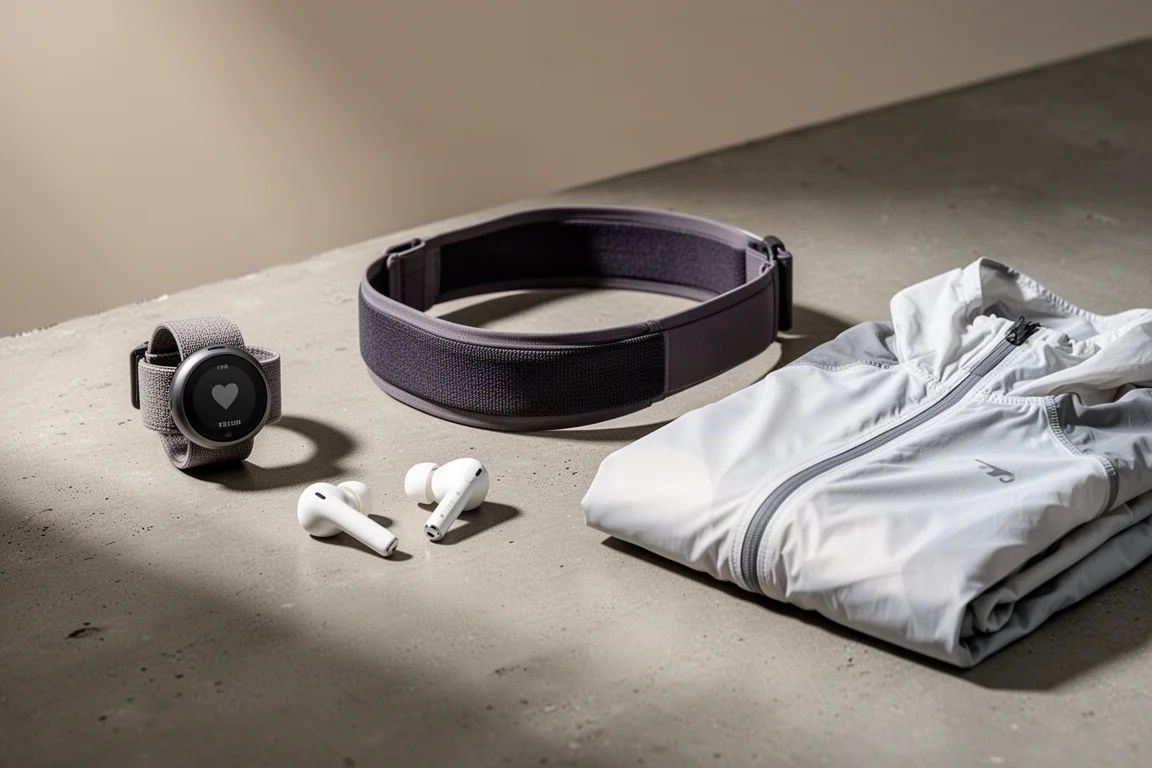
The right kit rarely transforms a single run on its own, but it quietly changes how often you get out of the door. A monitor that reports effort honestly, earbuds that stay put, a belt that carries the essentials, and a shell that handles wet weather all remove small frictions that pile up over a training block.
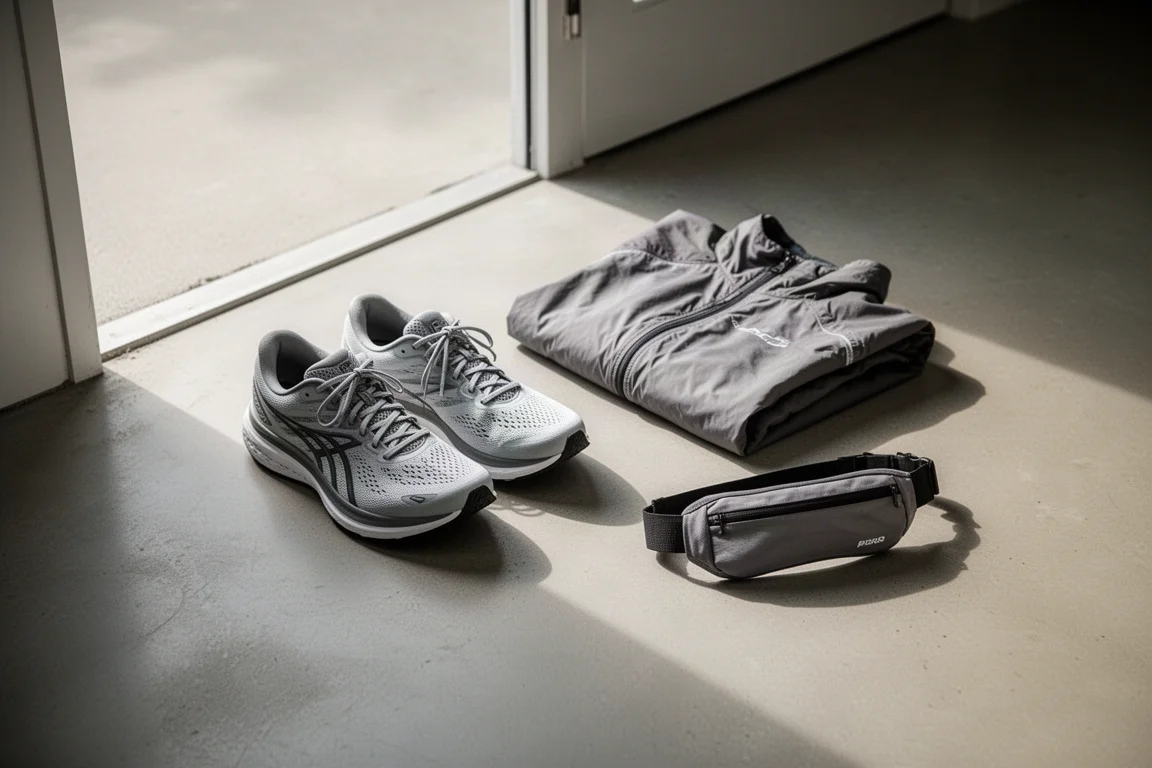
The four picks below earn their place because each one solves a specific, recurring problem rather than adding a feature for its own sake. Heart rate data you actually trust, audio that does not fall out mid-run, storage that does not bounce, and protection that folds away once the weather clears.
Comfort matters more than most runners admit. The more comfortable the kit, the more likely it is to be worn, and the more likely the run happens at all. That principle runs through every product here.
What Makes Running Gear Worth Buying
Three questions decide whether a piece of running gear deserves a place in the drawer. Does it remove a real obstacle, does it hold up in the conditions you actually train in, and does it stay comfortable for the length of your longest session.
The first question matters most. Gear that solves a problem you do not have tends to sit unused, while something as simple as a belt that stops a phone from bouncing can change how often long runs happen.
Reliability is the second filter. Data is only useful if it is consistent enough to compare week to week, and weather protection is only useful if it is light enough that you stop noticing it. Anything that fails either test tends to get left at home.
Packability and weight round out the list. A shell that can be carried without a thought, or a monitor that disappears under a sleeve, is far more likely to become part of the routine than something that has to be planned around.
COROS Heart Rate Monitor: Arm-Based Heart Rate Tracking
Heart rate is one of the few metrics worth checking day in, day out, because it reflects both fitness and effort level. Collecting it reliably is the difficult part. Chest straps can chafe and sit awkwardly under a sports bra, and wrist-based optical sensors have not been accurate enough for the numbers to be used with confidence.
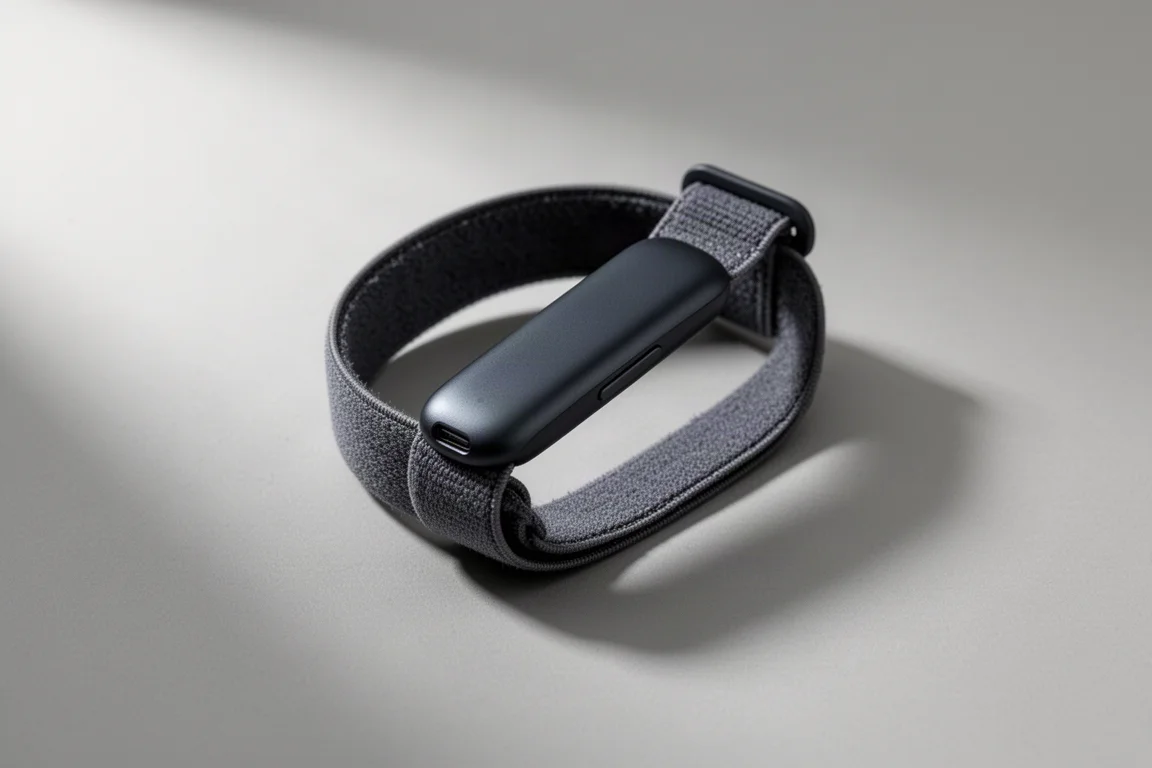
COROS takes a different route with an arm-based monitor designed to be worn on the inside of the upper arm. It is the only heart rate monitor the brand makes, with no chest strap equivalent in the range, which reflects a fair amount of confidence in the approach.
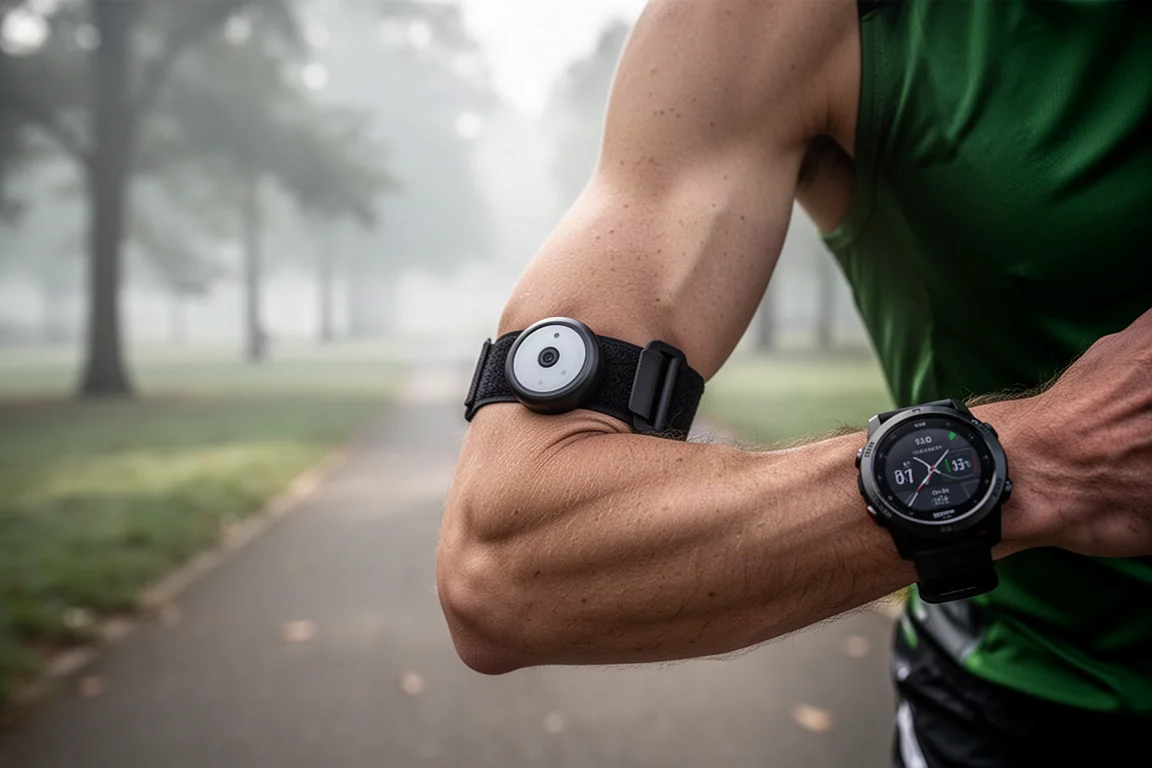
That position produces a steadier optical reading than a wrist sensor while avoiding the pressure points and rubbing associated with a chest strap. For runners who have given up on heart rate training because of discomfort or unreliable readings, this is the piece that makes the metric usable again.
Apple AirPods: Audio That Stays in Place on the Run
In-ear headphones have long been a problem for runners with smaller ear canals, with buds working loose within the first kilometre. AirPods changed that for many people by simply staying seated, which means long runs can now include a podcast or a phone call along the way.
That flexibility is the appeal. Audio is entirely optional, and plenty of runners happily cover long distances without any entertainment at all, but having the choice makes longer efforts feel shorter and keeps the time productive.

FlipBelt: Low-Profile Carry for Phone and Keys
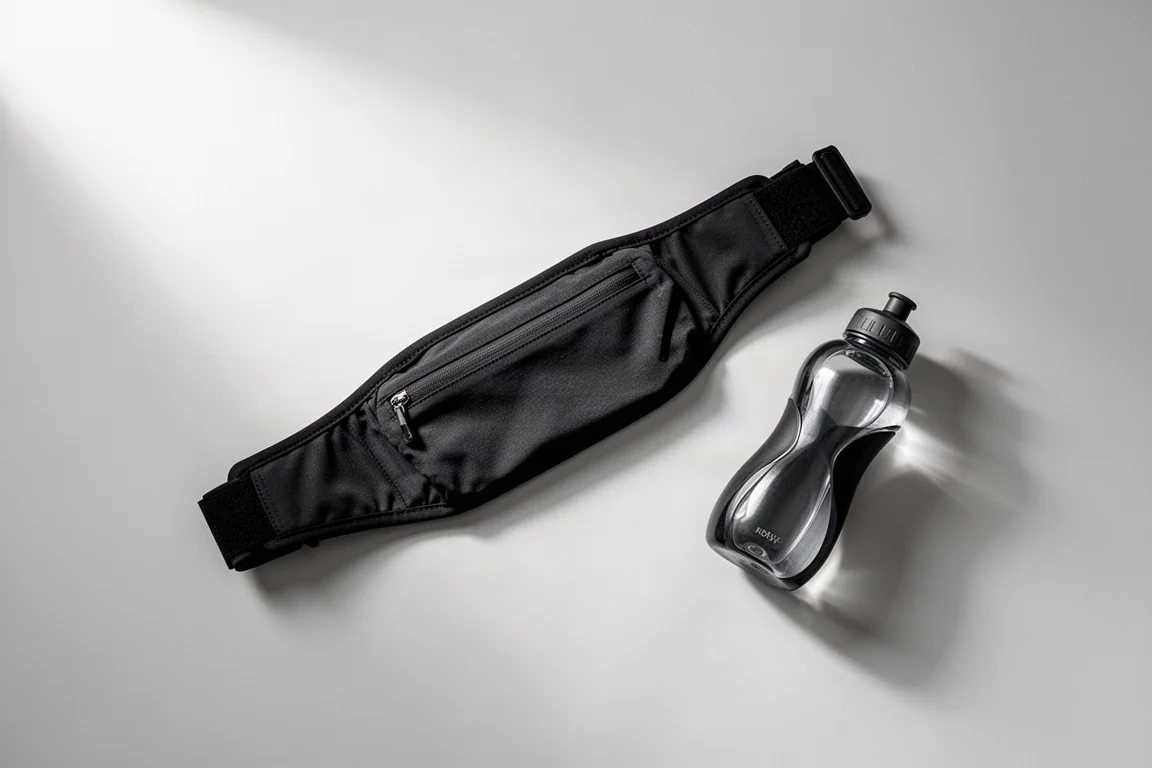
A belt that holds a phone and keys without bouncing is one of the least glamorous and most genuinely useful pieces of running kit. FlipBelt does exactly that, keeping the essentials flat against the body and out of the way.
The trade-off is capacity. This style of belt is built around flat carry rather than hydration, so runs that need fluid on board call for a different design, such as a belt with a holster for a flask or bottle.
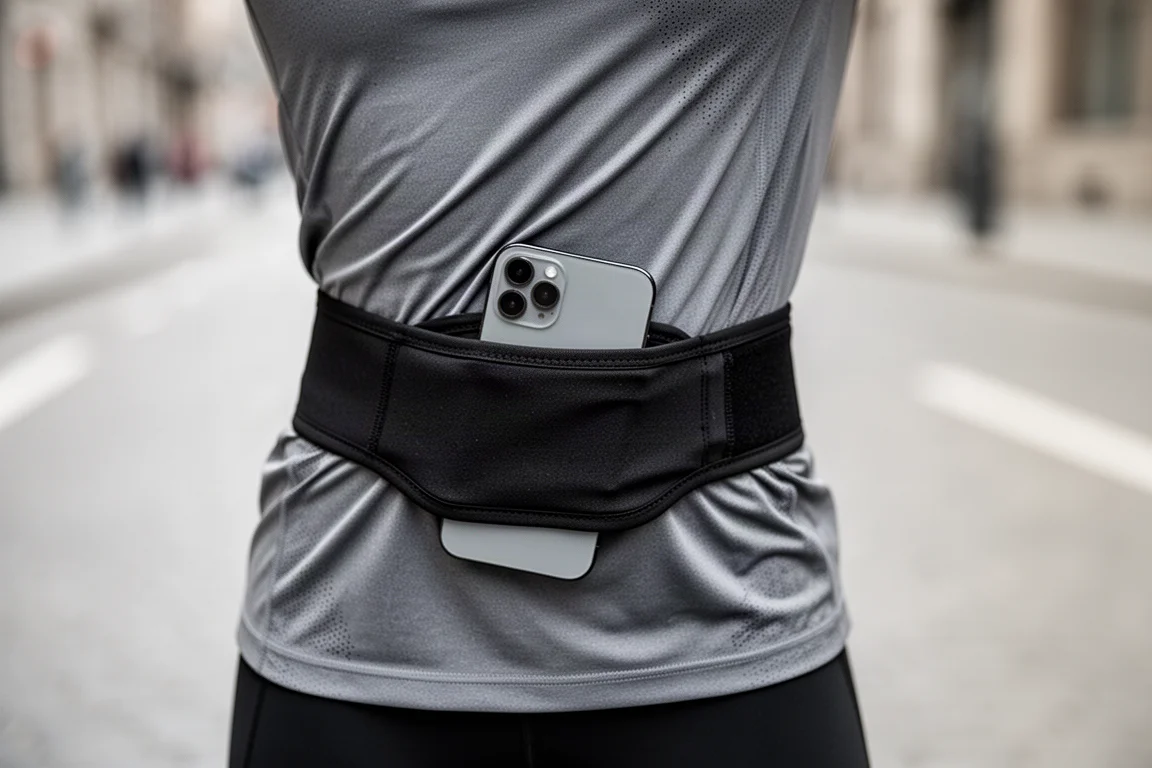
For everyday training, the simplicity is the point. Phone and keys go in, nothing shifts around, and the belt disappears under a running top. It is the kind of item you stop thinking about, which is the highest compliment kit like this can receive.
On Ultra Jacket: Lightweight Protection for Wet Weather
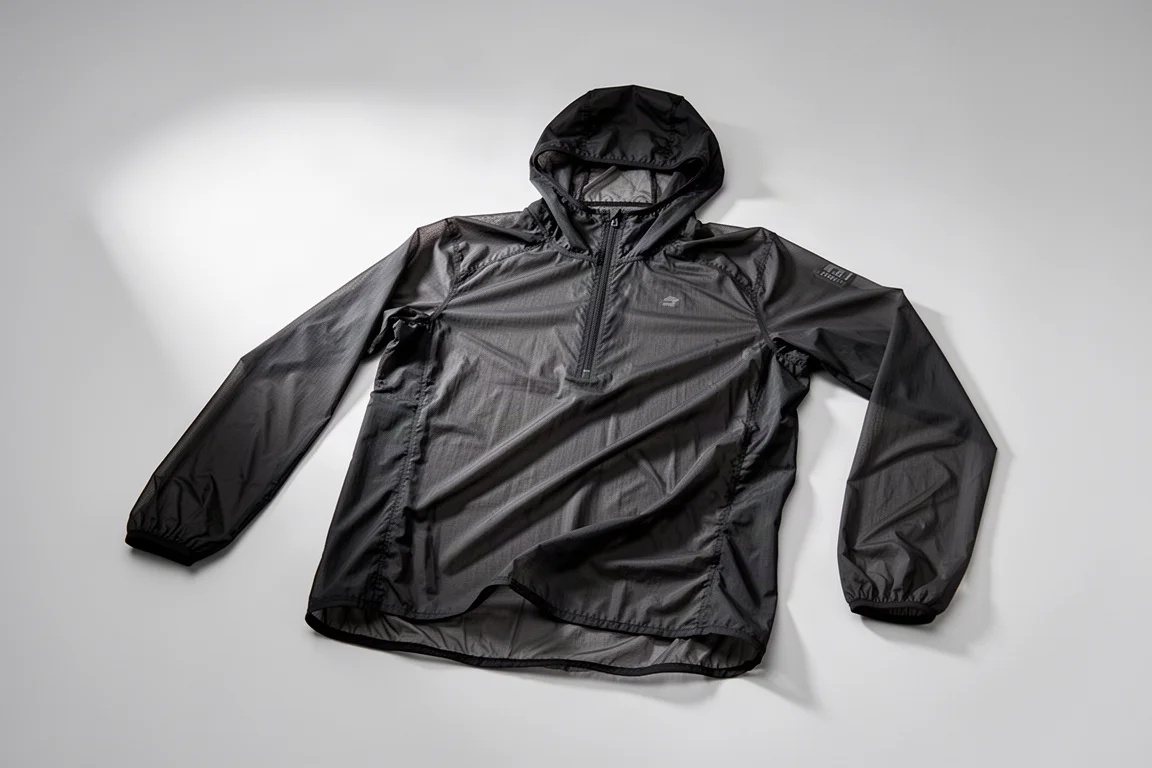
Getting out of the door is hardest when the forecast is uncertain. The On Ultra Jacket is built for exactly that hesitation: it is very lightweight and waterproof, so a cold, wet morning no longer turns into an unplanned rest day.
Packability is where it earns its place. It is often shed after the first kilometre and tied around the waist, and it is light enough that carrying it that way barely registers. Very few shells combine real weather protection with almost no carried weight.
That combination suits runners who overdress to get out of the door and then warm up quickly. You get the confidence to leave the house in poor conditions, and the option to stow the jacket the moment it stops being needed.
Buying Advice: How to Choose What to Add First
Start with the problem that actually interrupts your training rather than the item that looks best online. If heart rate data has never been reliable enough to act on, the arm-based monitor is the natural first step. If long runs drag because there is nothing to listen to, earbuds solve that directly.
Carry and weather protection come next. A belt answers the question of where the phone and keys go, while a lightweight waterproof jacket removes the weather excuse entirely. Both are unglamorous purchases that quietly increase how often you head out.

Beyond these four, the wider picture is worth remembering: fuel, socks, headwear, strength work, and a structured training plan all contribute to how a season goes. None of them needs to arrive at once, and consistency with one addition beats a drawer full of unused gear.
A sensible order is to fix discomfort first, then reliability, then convenience. Buy the item that removes your biggest excuse this month, run with it for a few weeks, and let the next gap become obvious before spending again.
Conclusion
None of these four products will carry a training block on its own, and none of them claims to. What they do is remove the small obstacles that turn a planned run into a skipped one, whether that is a chafing chest strap, earbuds that fall out, keys with nowhere to go, or a forecast that looks worse than it is.
Choose the one that matches the friction you recognise, add it to the rotation, and let the rest of your kit follow once the gap is clear.
Further reading
Related Reviews

Running Gear
Best Running Caps 2026: Nine Tested Options for Summer and Winter
A comprehensive guide to nine running caps tested across different conditions, from lightweight summer options to waterproof winter choices.

Running Gear
Best Running Caps: A Guide to Summer and Winter Options
A comprehensive review of nine running caps for different conditions, styles, and preferences, from lightweight summer options to waterproof winter choices.
Running Gear
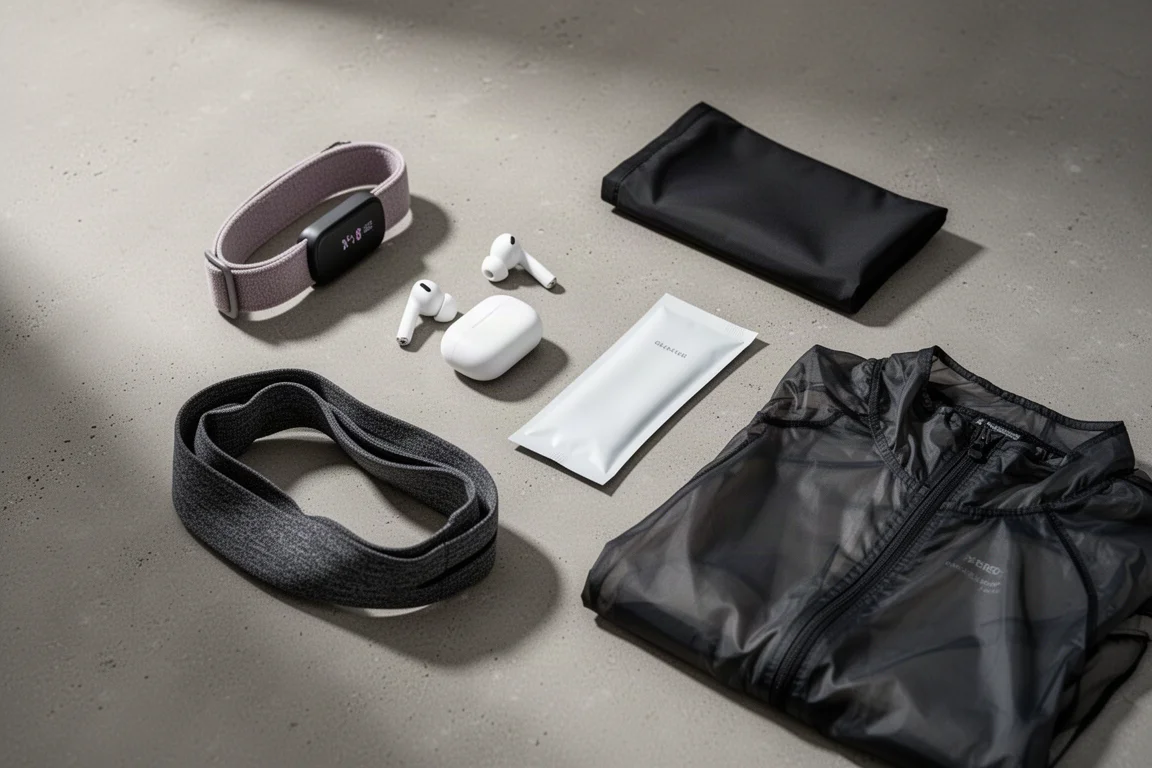
Best Running Gear 2026: Five Picks That Earn Their Place
Five running upgrades covering heart rate, audio, fuelling, carrying and weather protection, with the trade-offs worth knowing before you buy.