Running Gear
Running Gear Awards: The Standout Brands and Products of 2024
From Hoka's remarkable turnaround to ASICS banger after banger, plus earbuds and running tech worth a second look.
Introduction
It is that time again: a look back at the running gear that defined the past year. Some brands went from strength to strength, one struggled to keep up, and a couple of non-shoe products quietly earned a place in a regular training rotation. Here is how the year stacked up.
Most Improved Brand: Hoka
Hoka put out a remarkable run of releases over the past year. The Skyward X brought a huge stack and improved midsole foam, though it felt like a bit too much shoe for lighter runners. The Cielo X1 proved genuinely durable over 100 miles (160 km), offering stable, cushioned rides ideal for heel strikers and midfoot landers who want some stability, with an excellent upper fit.
The Mach X2 may be the best Hoka yet in terms of upper wrap, with a smooth midsole transition and great outsole traction. The Mach 6 has been a clear favorite among runners, and models like the Rocket X2 and Clifton keep showing up on race days. Improved outsoles across the lineup seem to be the biggest driver of Hoka’s turnaround, and word of mouth in local running clubs plus solid availability in small running shops has helped the brand build momentum.
The Brand That Needs to Improve: New Balance
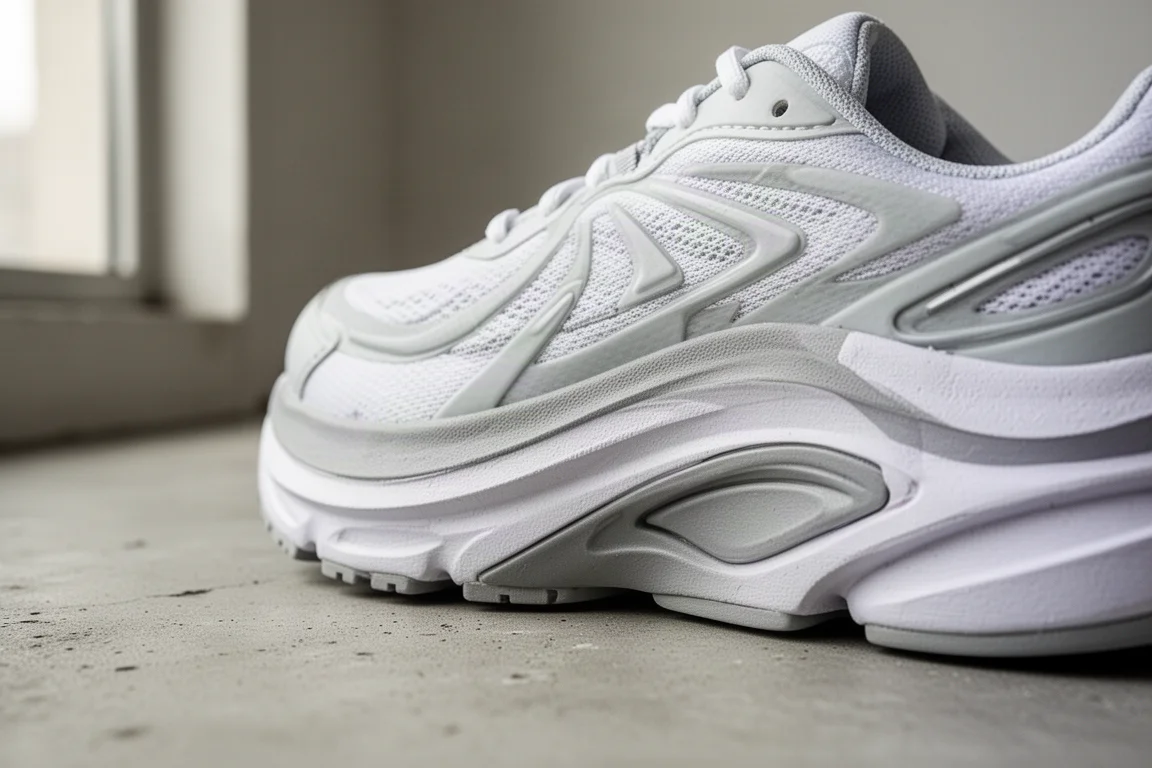
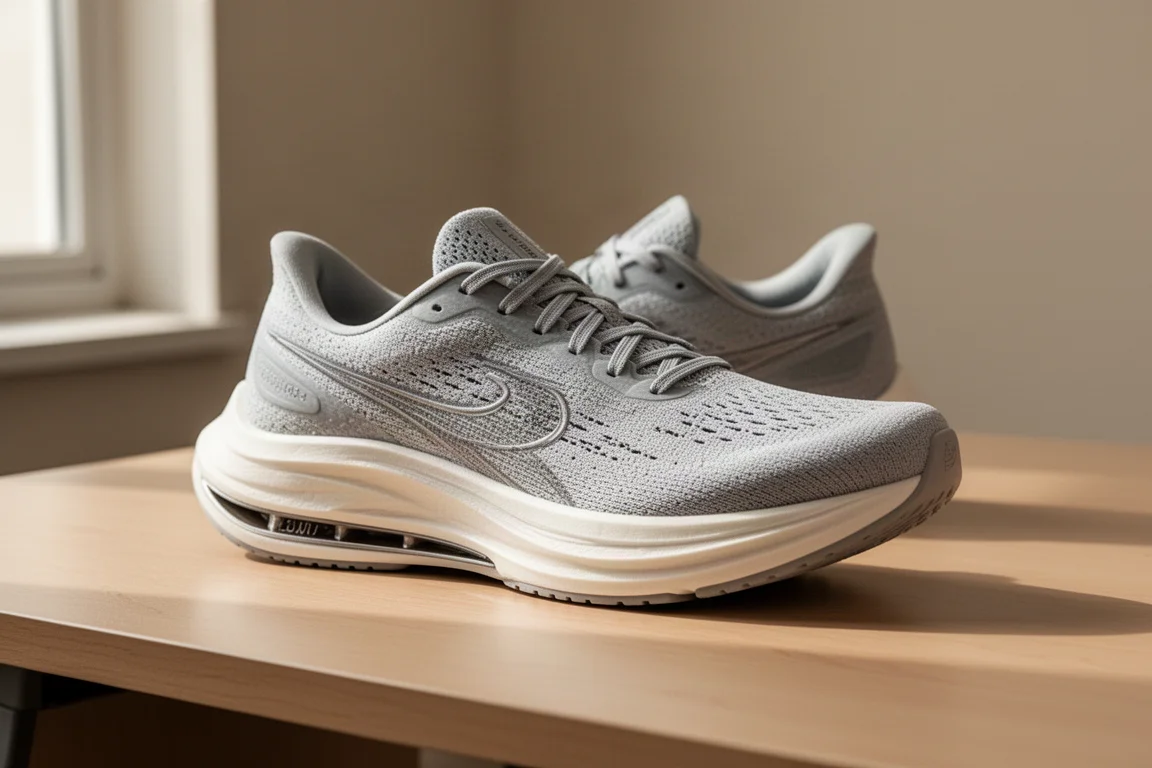
New Balance lands at the bottom of the pile this year. The Rebel v4 was a real disappointment on foot: too squishy and compressive, with a shoddy upper fit and super stretchy laces that made lockdown difficult. The thin insoles felt pointless, and the coarse material was not comfortable.
The SC Trainer v3 was the bigger letdown, especially for the price in the UK. It is cushioned, but there is no real propulsive feel, and cheaper shoes like the Nike Zoom Fly 6 and Puma Deviate Nitro 3 offer compressive, more propulsive rides for far less money. At around £220 in the UK, it is a tough sell. The software is fine, the outsole is okay, but nothing here justifies the premium over rivals.

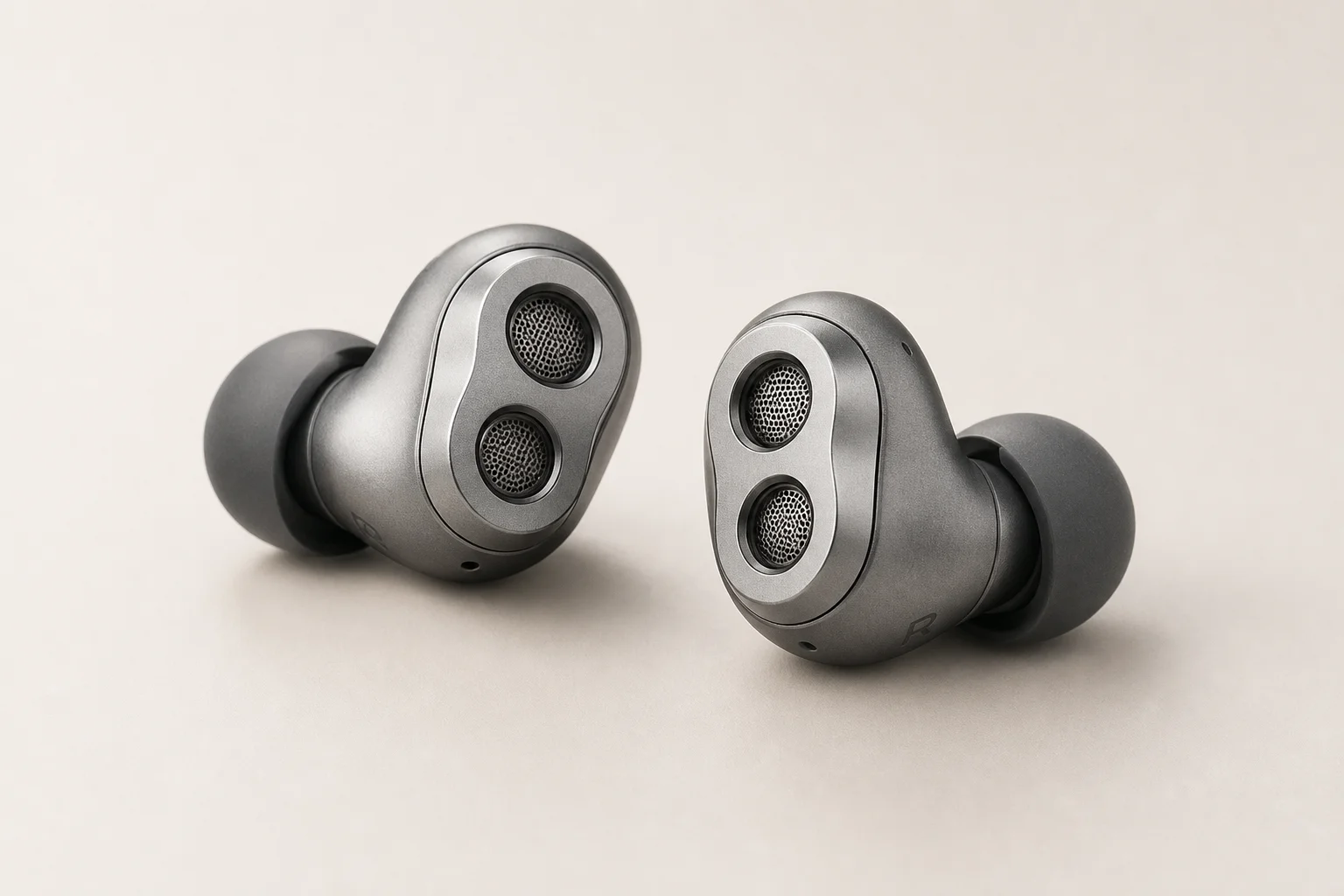
Best Non-Shoe Tech: EarFun Air Pro 4
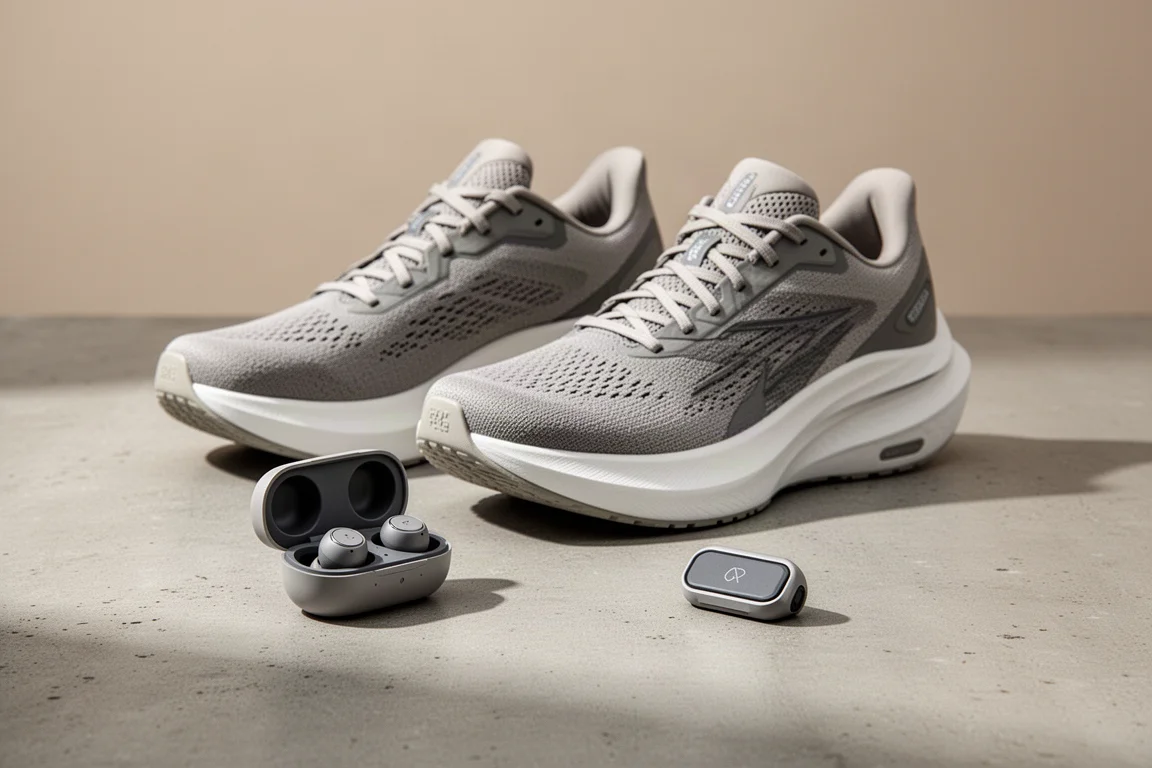
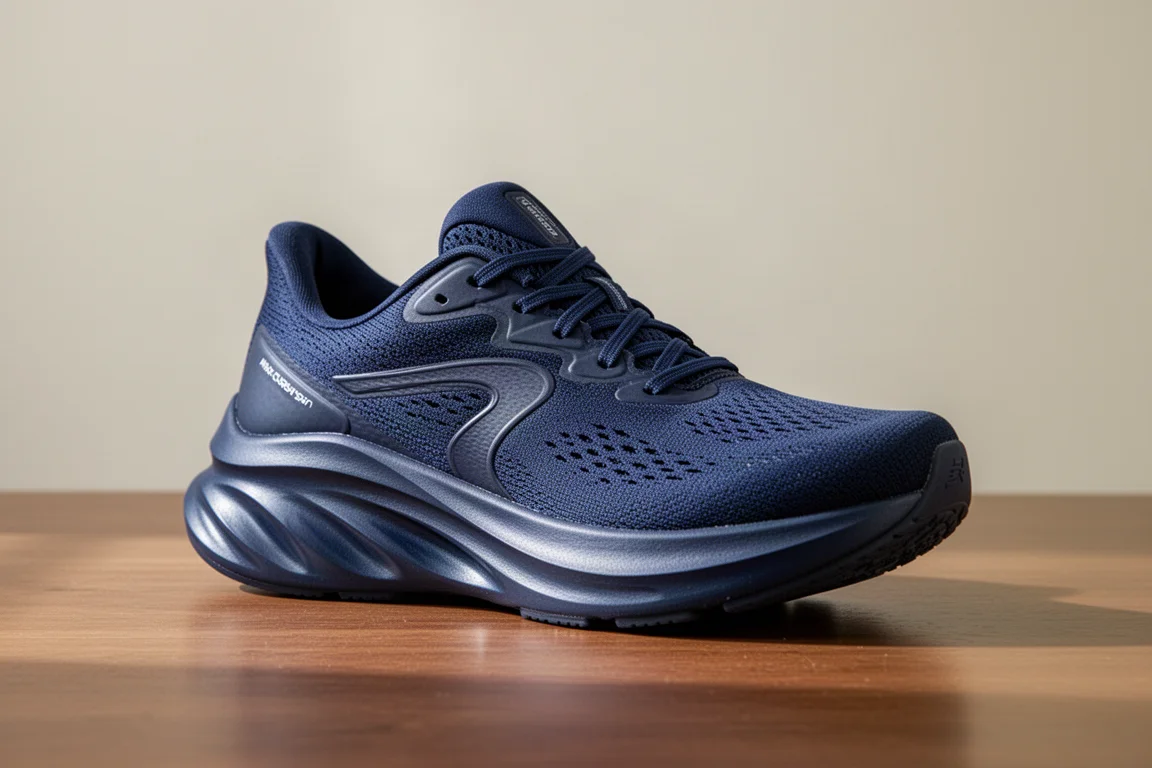
The EarFun Air Pro 4 wireless earbuds have been used constantly over the past few months, and they deliver without hype. The sound is transparent, clear, and crisp, with good detail, and battery life is genuinely strong: around 10 hours of use, with the quick-charging case recharging them multiple times. A short five-minute top-up gets you going again before a run.
Noise canceling is adjustable, and bass improves with it enabled, though it is best avoided when running in urban areas with traffic. At around £60 in the UK, these are top-notch earbuds for the money.
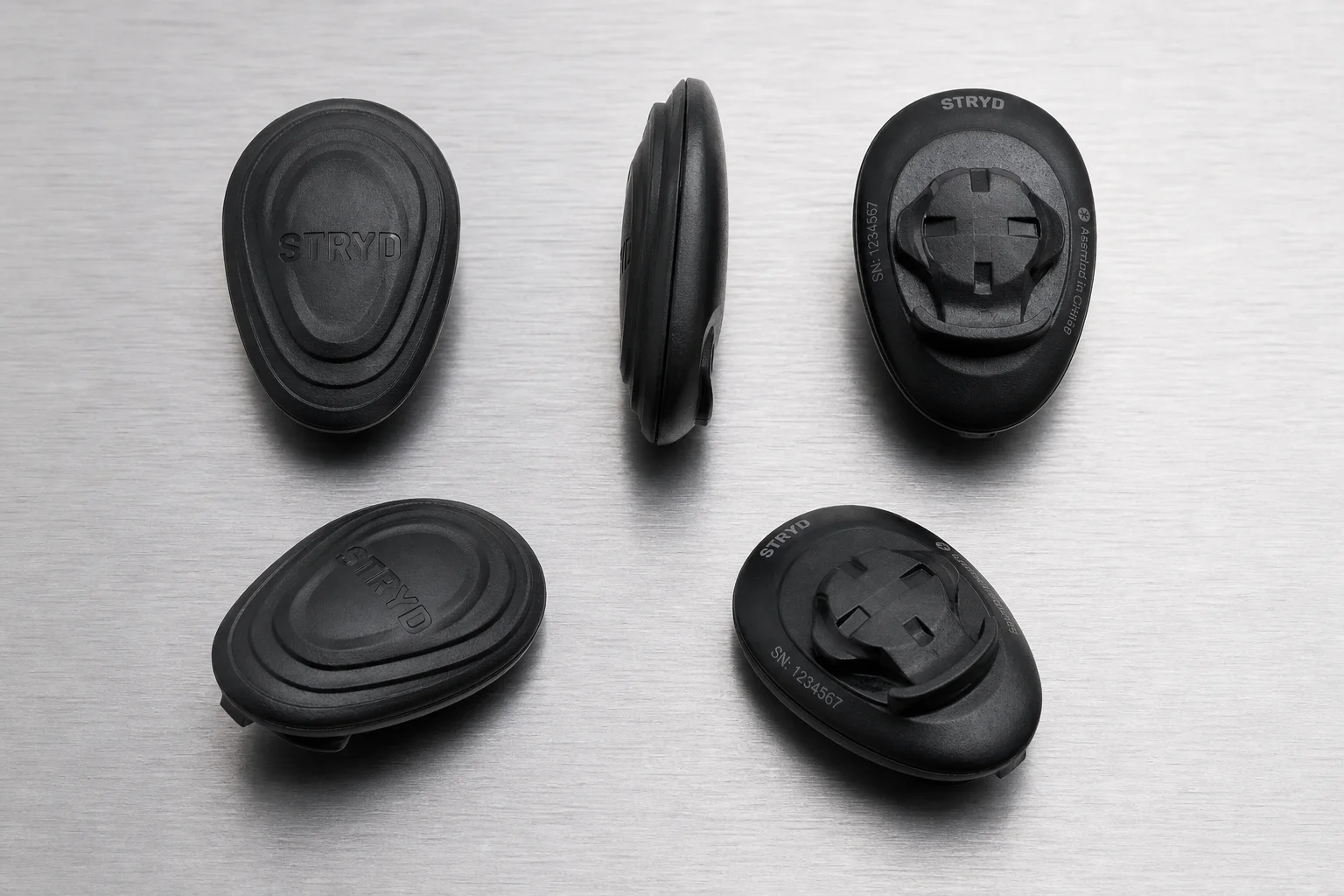
Worth a Look: Stryd Foot Pod
The Stryd foot pod is a more curious piece of tech. Is it a must-buy? Probably not for most runners. For experienced runners training for a marathon who want deeper data, it can earn its place. The power meter is genuinely useful for gauging effort while racing, and if pacing is your main requirement, it could really help.
What stands out is how much Stryd improved the software and companion apps over the year at no extra cost. Pulling data over used to be a chore; now it is essentially automatic. The extra subscription metrics are easy to skip, and obsessing over foot strike data is best avoided, but the core product keeps getting better.
Honorable Mention: Nike
After a year of mixed releases, the Zoom Fly 6 deserves real credit. Nobody expected it to be this good. The outsole traction is fantastic across multiple surfaces, the midsole combines a crispy carbon plate with ZoomX and SR02 foam in a beautifully balanced ride, and the upper is comfortable with easy lockdown. At its price point, the plated cushioning is terrific.
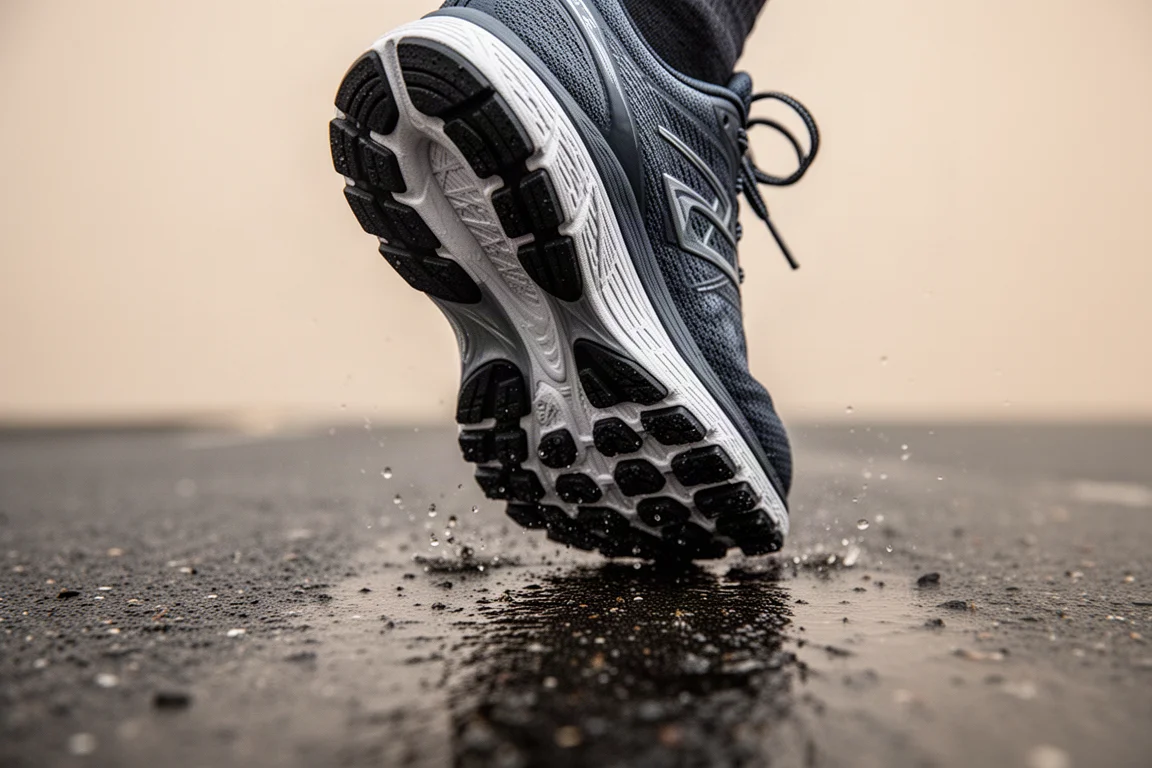
The Alphafly 3 remains a great shoe at the top of the range, and the Pegasus 5 Trail is an underrated gem, softer than the standard Pegasus with a noticeably better ReactX formula. The Pegasus Plus and Pegasus 41, however, felt less special. Here is hoping 2025 brings more consistency.
Brand of the Year: ASICS
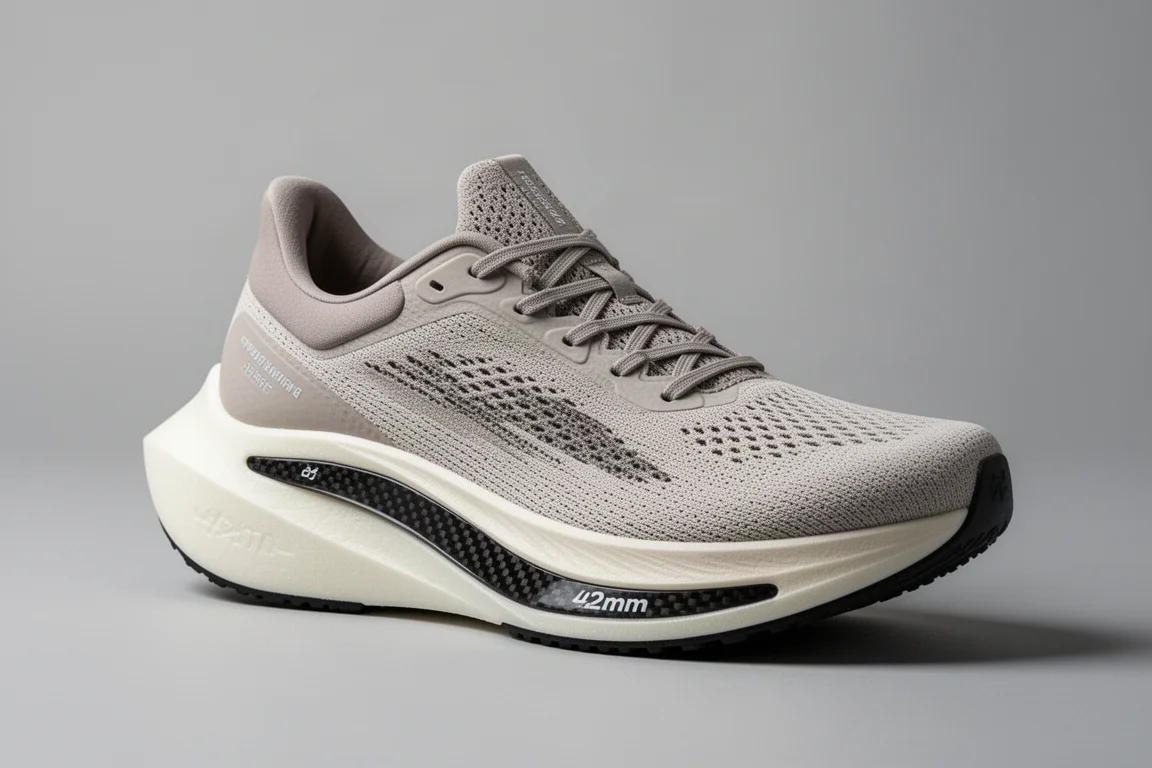
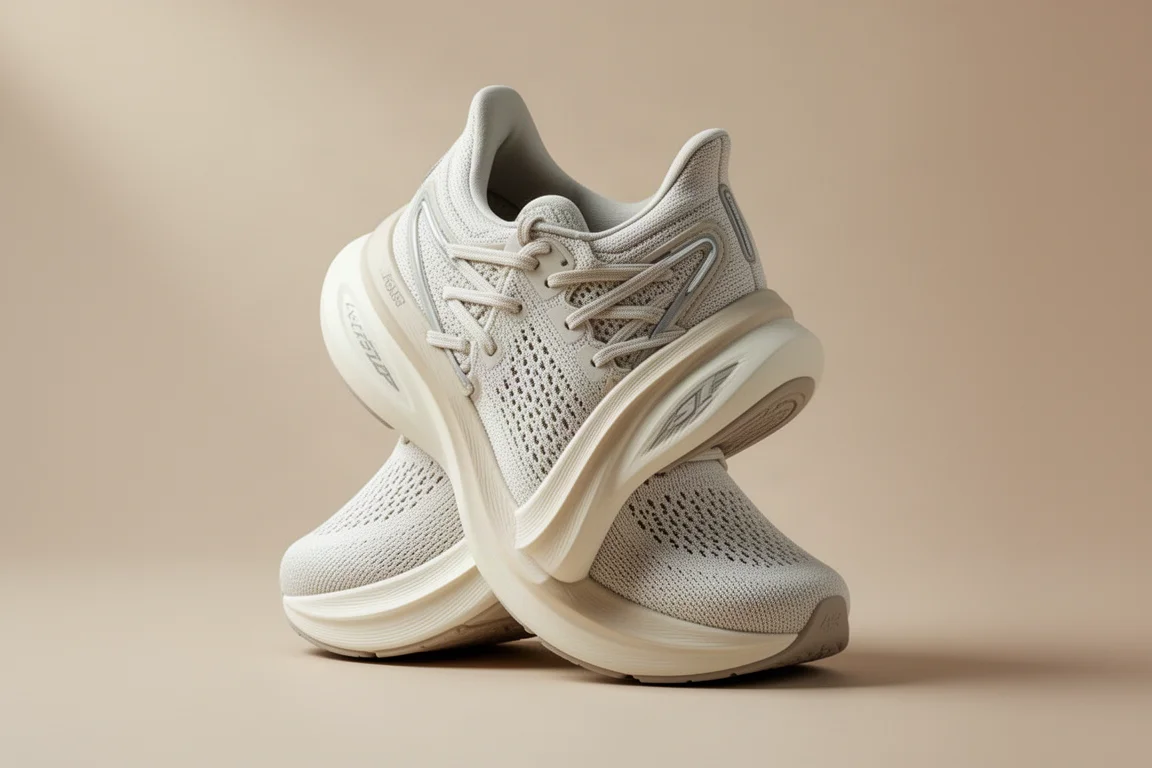
Banger after banger: ASICS produced an embarrassment of riches this year. The Novablast 4 has been in rotations all year, and the Novablast 5 improves on it with a softer midsole, top traction, and more nuanced upper lockdown. The Superblast 2 somehow made one of the best long-range super trainers better still, with improved traction, extra foam, and a refined upper.

The Meta Fuji Trail is one of the most versatile plated shoes of the year, with a more rigid, higher-stacked build, top-tier foam, and a brilliant road-to-trail outsole. The staples, the Nimbus and Kayano, both gained wider bases, more resilient foams, and improved outsoles. And the Meta Speed Sky Paris and Edge are the lightest, most energizing race shoes out there, at a price slightly below the Vaporfly, and they still sell out almost instantly. Subtle improvements, no drawbacks: ASICS is easily the brand of the year.
Buying Advice
If you want a daily trainer with excellent fit and traction, the Mach X2 or Superblast 2 are safe bets. If your budget is tight but you want a propulsive, cushioned ride, the Zoom Fly 6 offers plated performance without a premium price. For music on easy runs, the EarFun Air Pro 4 punches well above its price, and the Stryd foot pod only makes sense if you genuinely want deeper training data. Avoid overpaying for cushioning alone: several far cheaper shoes now deliver it just as well.
Conclusion
The past year rewarded consistency and real improvement over headline specs. Hoka earned the biggest turnaround, ASICS took the crown with refinement after refinement, Nike sneaked in with a surprise hit, and New Balance has work to do. The right pick comes down to fit, feel, and the kind of running you actually do.
Further reading
Related Reviews
Running Gear
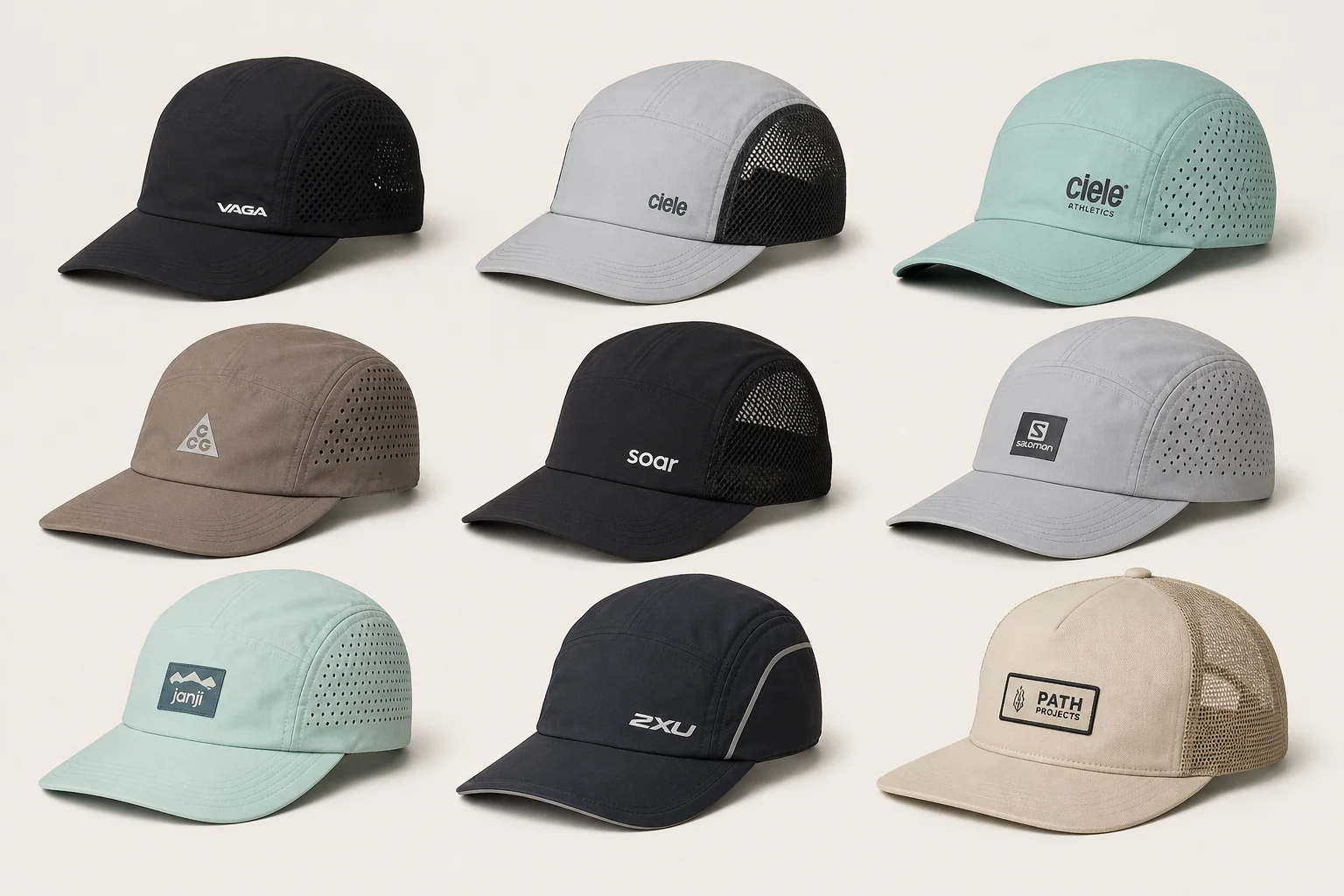
Best Running Caps 2026: Nine Tested Options for Summer and Winter
A comprehensive guide to nine running caps tested across different conditions, from lightweight summer options to waterproof winter choices.
Running Gear
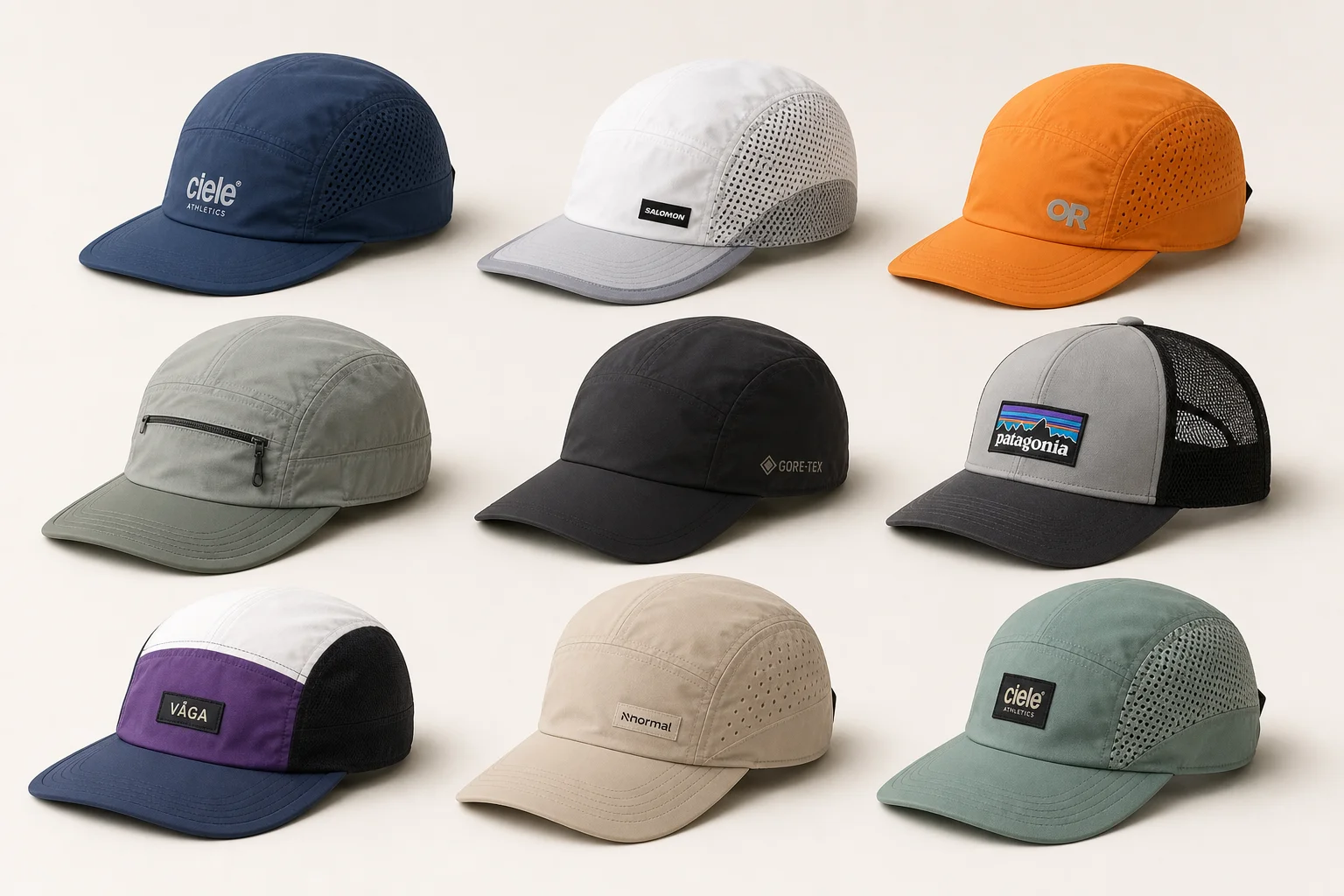
Best Running Caps: A Guide to Summer and Winter Options
A comprehensive review of nine running caps for different conditions, styles, and preferences, from lightweight summer options to waterproof winter choices.
Running Gear
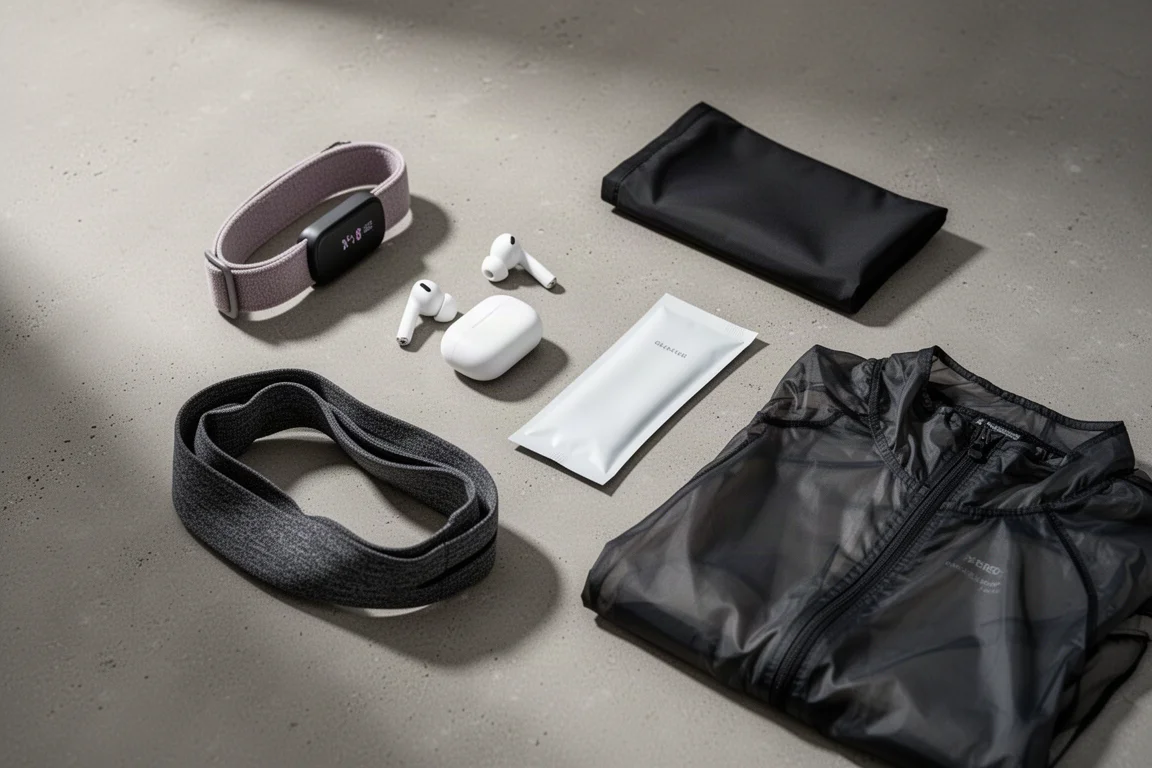
Best Running Gear 2026: Five Picks That Earn Their Place
Five running upgrades covering heart rate, audio, fuelling, carrying and weather protection, with the trade-offs worth knowing before you buy.