Running Gear
Best Running Belts for Every Run: 8 Picks Tested for Comfort, Capacity and Durability
From budget-friendly daily belts to trail-ready hydration options, these eight running belts cover everything from 10Ks to ultramarathons.
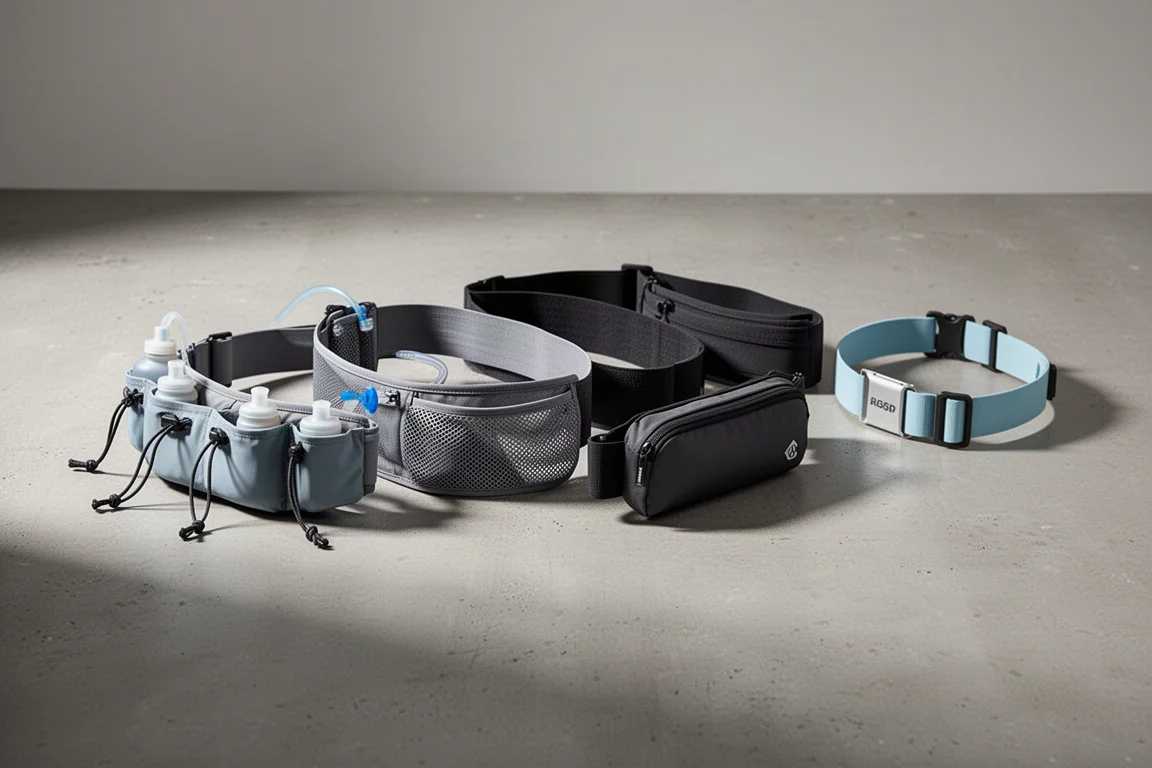
Introduction
A good running belt is one of those pieces of kit that quietly earns its place on every run. It gives you somewhere to stash the everyday essentials, keys, phone, travel cards, a bit of cash, and, on longer efforts, gels, fuel, hydration and even water bottles. We have tested dozens of the latest belts for comfort, durability and capacity, and these are our top picks for every kind of run.

Before You Buy: How Much Fuel Should a Belt Carry?
For a 10K that takes under an hour, if you are well fueled and hydrated at the start there is no need to top up carbs on the run, though you might want a little water with you. Once runs stretch beyond 90 minutes, think two to three hours and beyond, half marathons for some of us and full marathons for all of us, aim to take in 30 to 60 grams of carbs per hour to keep energy levels up and hit your race goals. Knowing that number makes it much easier to pick a belt with the right capacity for your longest runs.
Decathlon Trail Running Hydration Belt
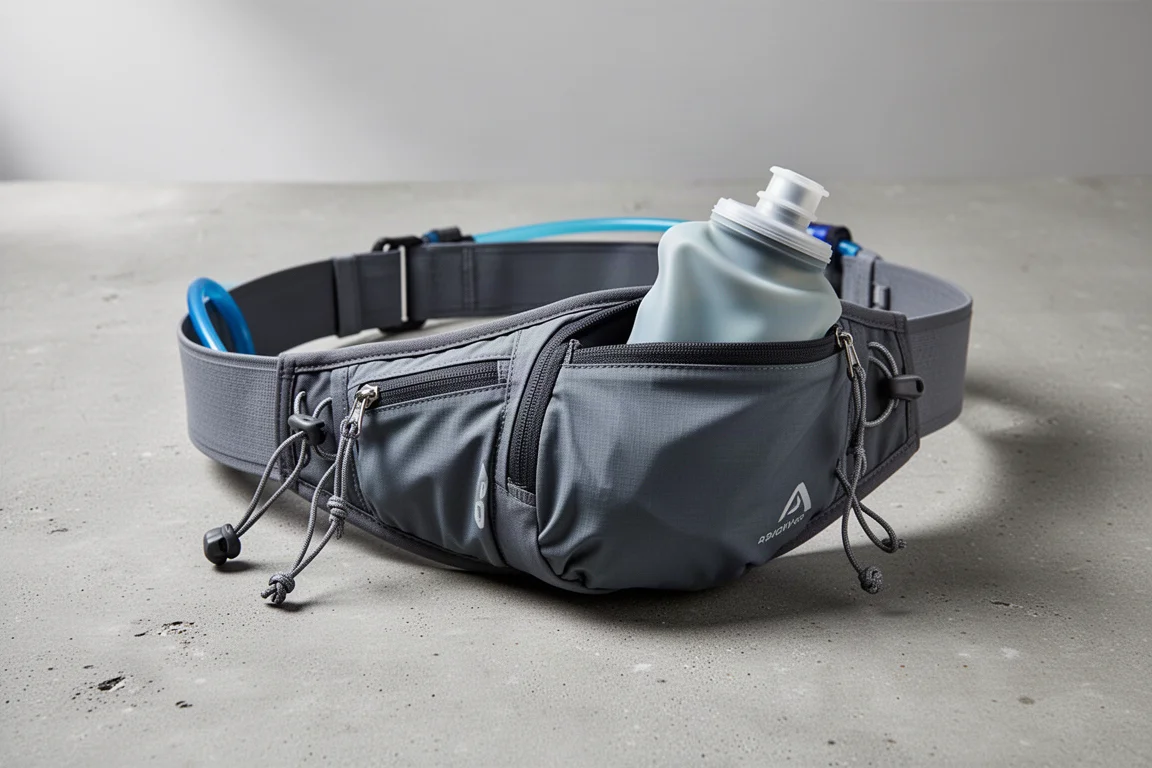
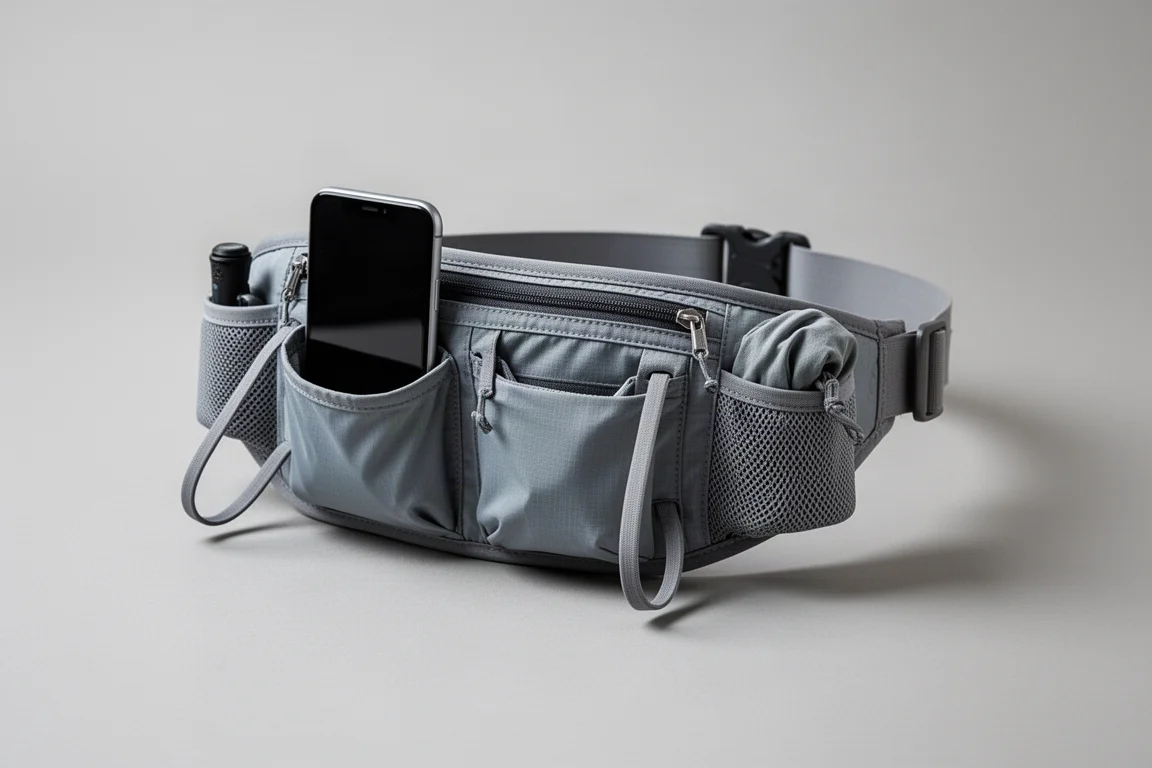
The Decathlon Trail Running Hydration Belt costs £25 in the UK and is designed with trail runs in mind. It has loops on the back for poles during ultramarathons, toggles on the front for race numbers, and genuinely high capacity, with big pockets front and back. The rear pocket takes a 500ml soft flask with room to spare, and inside it there are smaller pockets for items you do not need to access often, like a key.
At the front there is another large pocket with a waterproof zip pocket behind it for your phone, which keeps it away from sticky gel residue, sweat and rain, plus side pockets for extra gels. What really sets it apart is the fast toggles on the sides that cinch the belt tight against you, so it stays snug even as a soft flask empties and shrinks. It comes in two sizes with a wide range, and it is a strong option for marathon training or long trail runs where you would rather not carry a rucksack.
CamelBak Ultra Belt
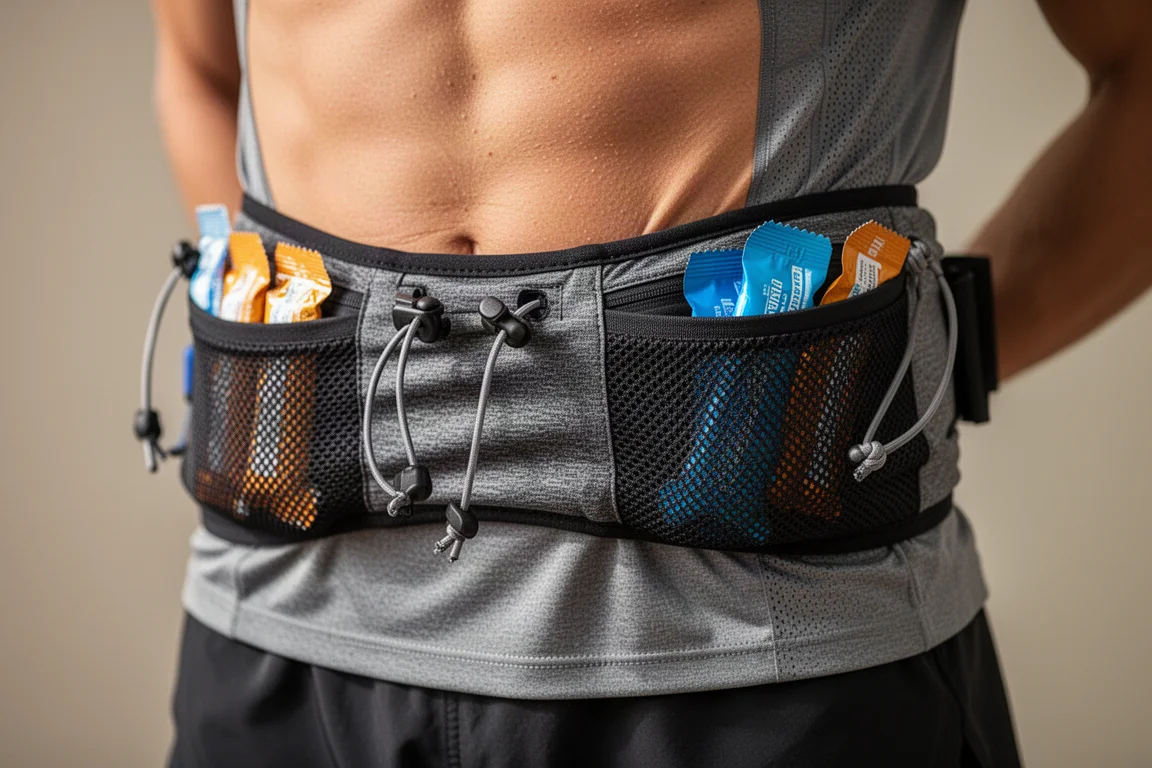
The CamelBak Ultra Belt costs £50 in the UK and $60 in the US. It is another very high-capacity belt with plenty of separated pockets, so you can divide up your kit: a 500ml soft flask in the back pocket or smaller flasks slotted around the belt, a dedicated phone pocket, and separate spaces for gels. That separation makes long runs much easier, you always know where everything is, and you can keep sticky gel wrappers away from the rest of your kit.
The mesh on the inside sits comfortably against the skin for long periods and absorbs a lot of sweat, and the back pocket can be tightened to hold a larger flask in place while keeping the belt from bouncing. It sits nicely on the hips and can even be worn a little higher. For marathon training or racing, it carries all your gels plus a phone with ease.
Fletic Bolt Double Running Pouch Belt
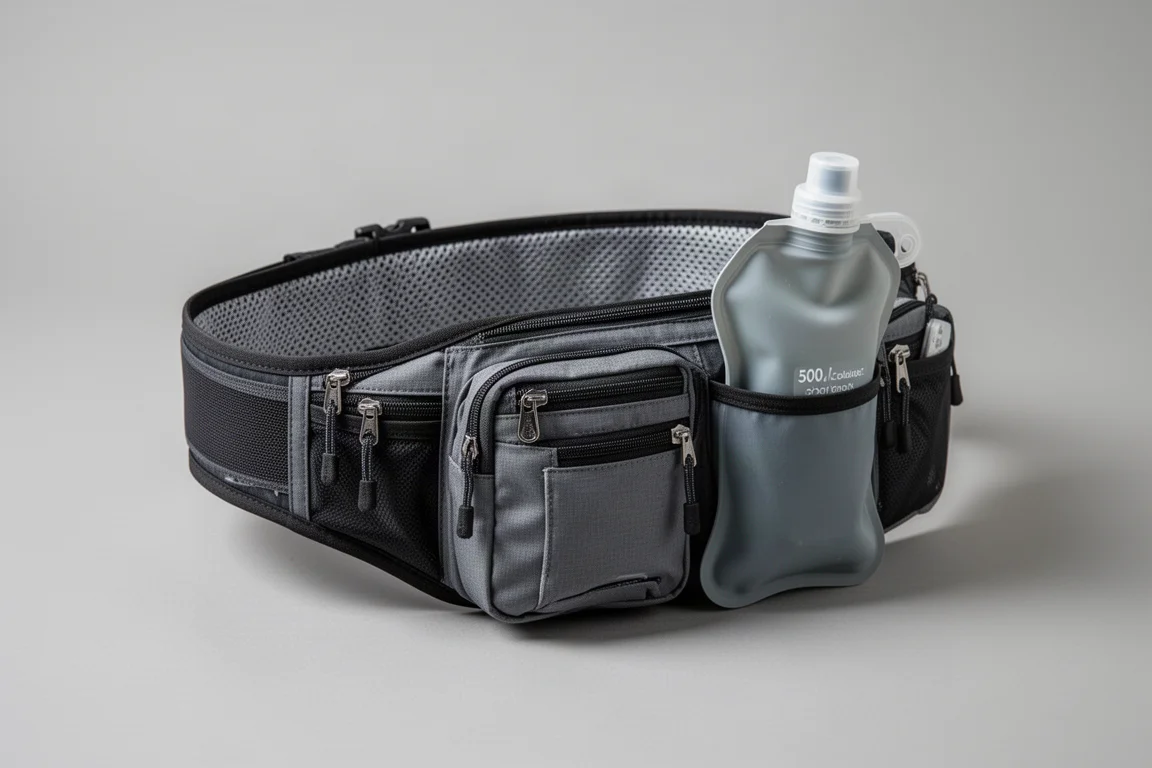
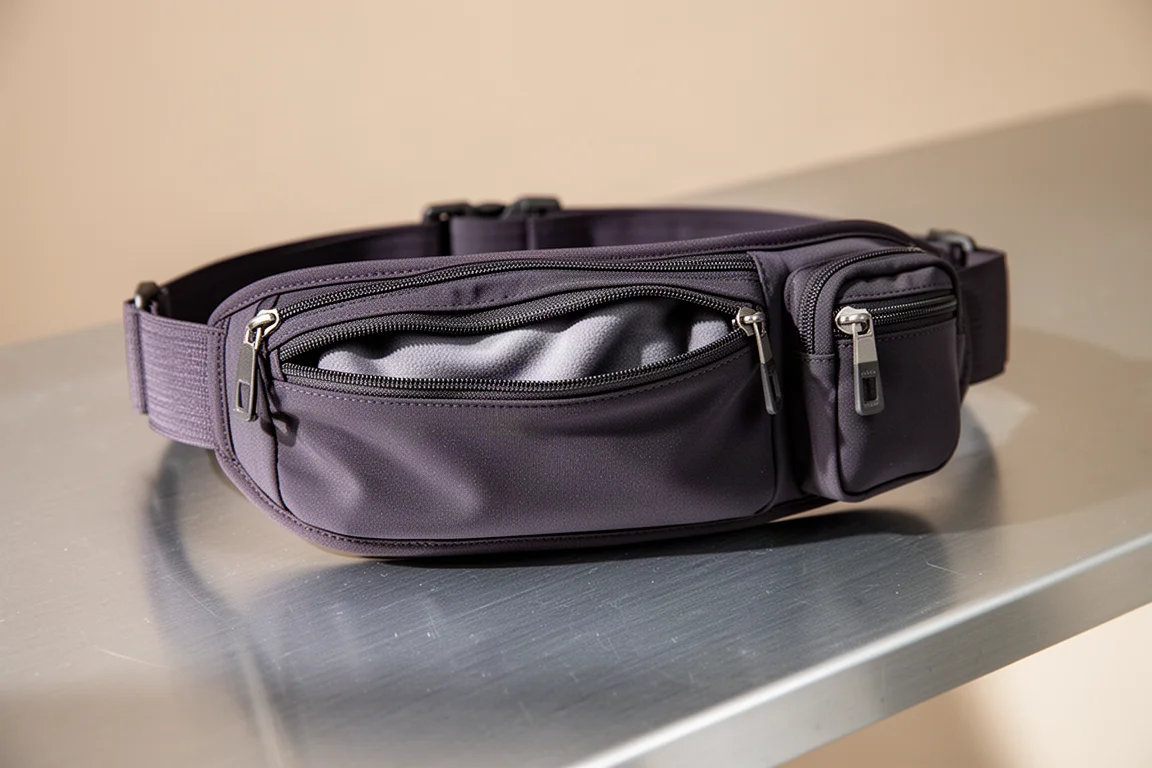
This has been our daily belt for about three years and it is still the favorite. The Fletic Bolt keeps things simple: one really large pocket and a smaller side pocket. The large pocket holds a fairly beefy phone with room to spare, and the smaller pocket still manages cards, keys and anything else you want to throw in. On marathon days, without the phone, it becomes an excellent gel pouch, the main pocket can hold seven or eight gels and the smaller pocket another three.
It is made from a tough, stretchy material that has survived near-daily use for years with no real issues, the zips work well, and the fit is secure with no bouncing at the smallest setting on a 30-inch waist. If you are not planning on ultramarathons, this is the belt we would point most runners to first.

Fletic Ultimate Two Running Belt
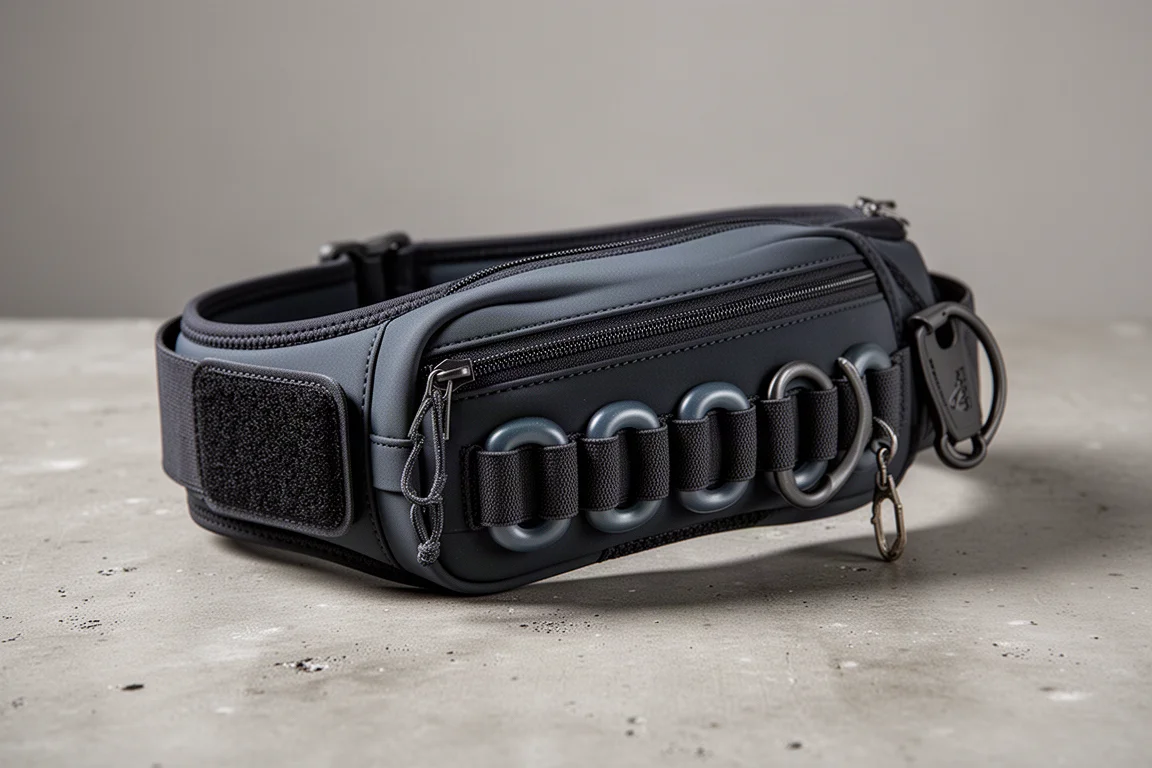
The Fletic Ultimate Two is a slightly more serious option. Its main section holds a phone or gels, though very large phones can be a tight squeeze, and a secondary velcro pocket at the end handles smaller items like keys or hydration tablets, which you can pull out quickly without stopping to unzip anything. There are trail-focused extras too: bib straps so you can attach a race number without safety pins, elasticated loops for quick-access gels, and a key loop.
It is a hard-wearing belt that still looks great after years of use. One trade-off is that it is quite chunky, with a thick, wetsuit-like material, so in hot weather you may notice a sweatier midriff. In cooler conditions that is not an issue at all.
The North Face Summit Race Ready Belt
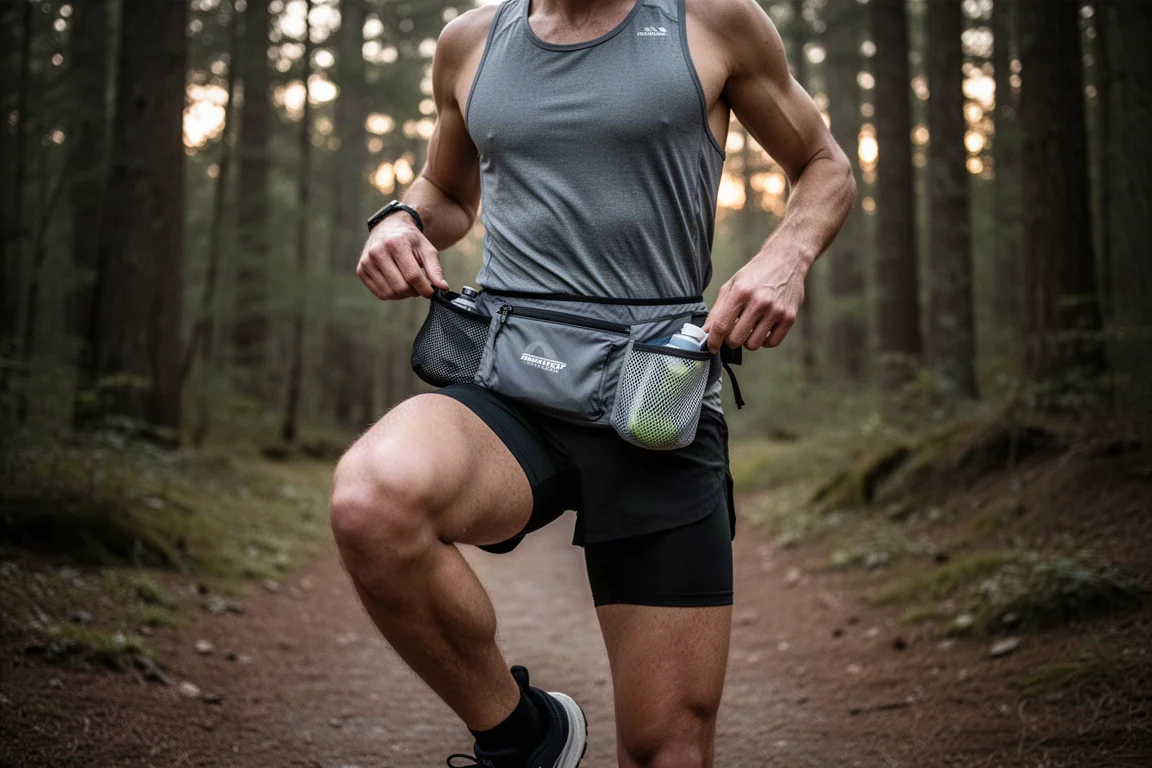
The North Face Summit Race Ready Belt takes a different approach. It is a one-piece design you step into rather than clip on, and it fits very well as a result. It is not as hard-wearing as the Fletic belts, but that makes it lighter and far more breathable, which is ideal for hotter conditions or anyone who does not want a chunky belt on their waist.
It has a zip pocket that fits smaller phones, plus four open stash pockets for gels so you can choose which access point works best for you. There are bib clips and the ability to carry collapsible poles. Loaded with just gels, you barely notice it on your waist, which makes it a very appealing breathable option for a marathon where you only want to carry fuel.
Naked Running Belt
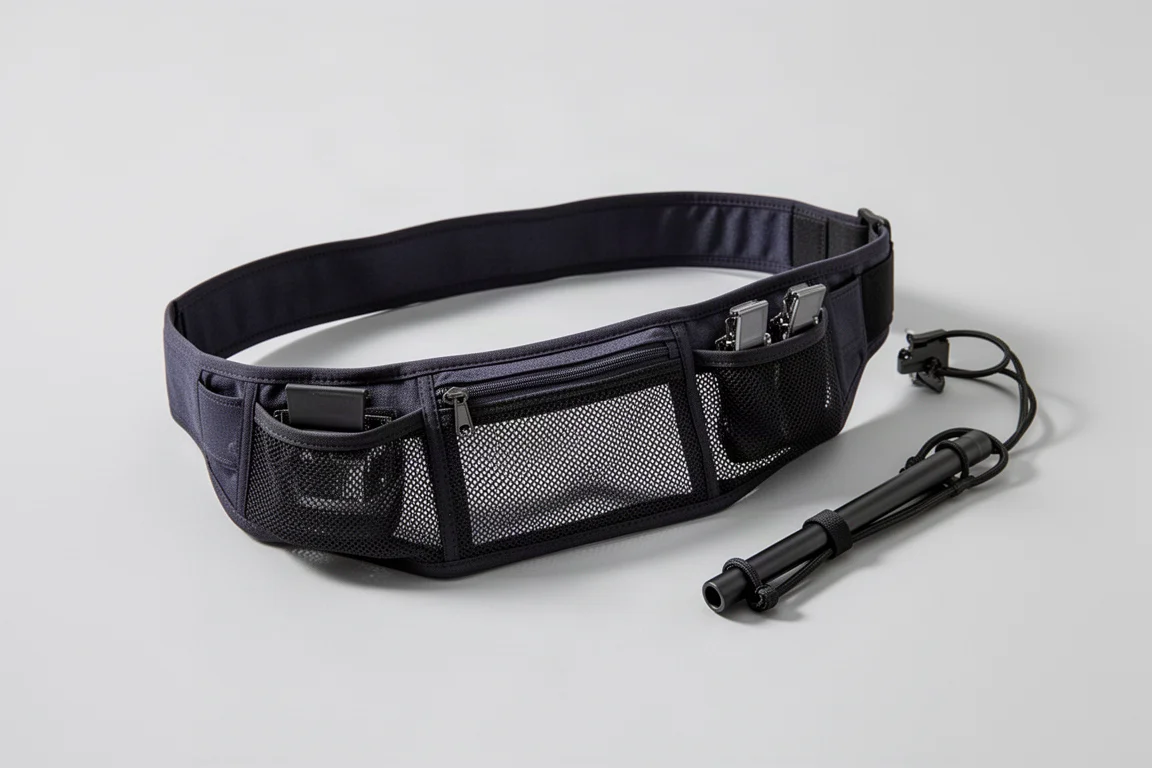
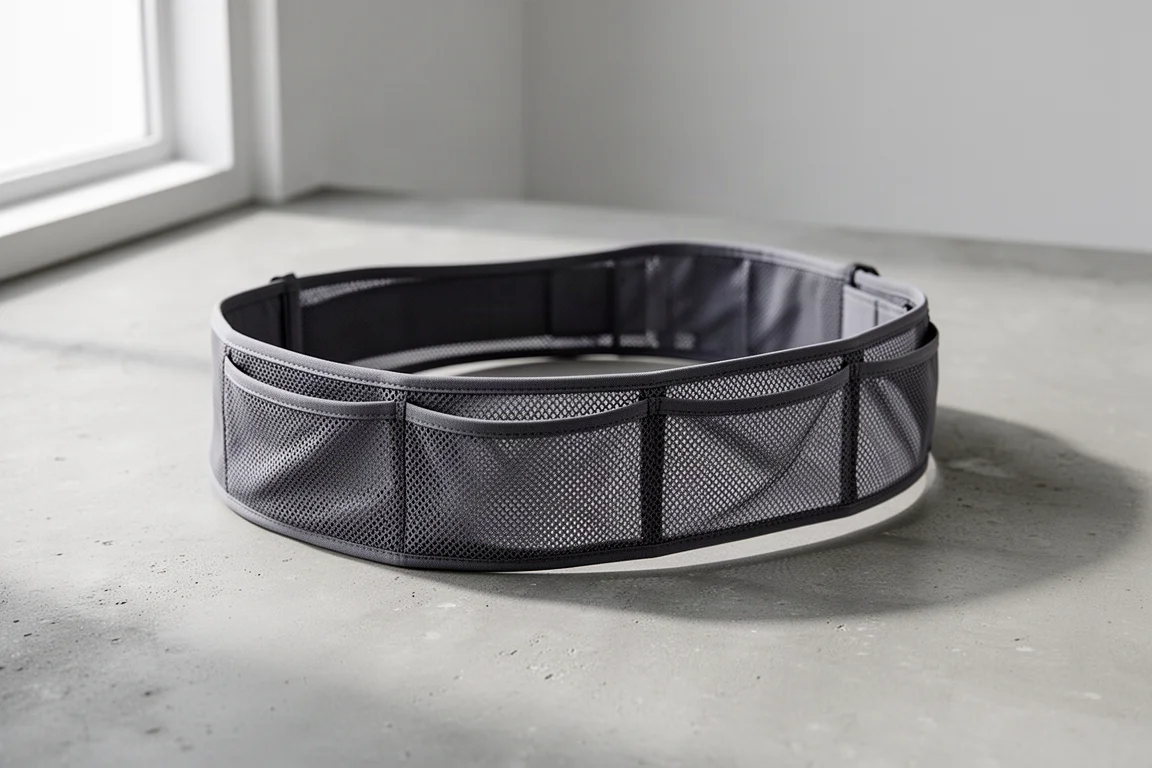
The Naked Running Belt is our go-to for adding simple storage to any run. It is wide, soft and lightweight, with four accommodating stretch mesh pockets that hold a surprising amount of stuff without bouncing, since the thin fabric sits close to the body. That fast-drying mesh does not hold much moisture and has proven surprisingly durable: after a 1,830-mile, 67-day run along the Danube it shows some wear but is still going strong.
The capacity is excellent, enough for everything you need in a marathon, and you can squeeze a small shell jacket in the back or even a 500ml soft flask, though with a flask fitted it is not entirely bounce free. There are tabs for race numbers, and the belt survives hundreds of washes.
FlipBelt Zipper
The FlipBelt Zipper is a long-time favorite. The soft but fairly thick fabric comes as a single fixed-size loop, so it is not adjustable, but it is really comfortable and softer against the skin than most. Storage is flexible: one zippered front pocket and a larger back pocket with multiple entry points. It will swallow larger phones, a marathon’s worth of gels, and even a lightweight shell jacket.
We prefer this version with the secure zippered pocket over the cheaper non-zippered options, because it lets you keep a phone, head torch or other crucial kit safely stashed. There is also a key loop for keys and headphone cases, and reflective options for added night safety. Ours is still going strong after years of use and hundreds of washes, though the zipper has started to show its age.
Innovate Race Belt
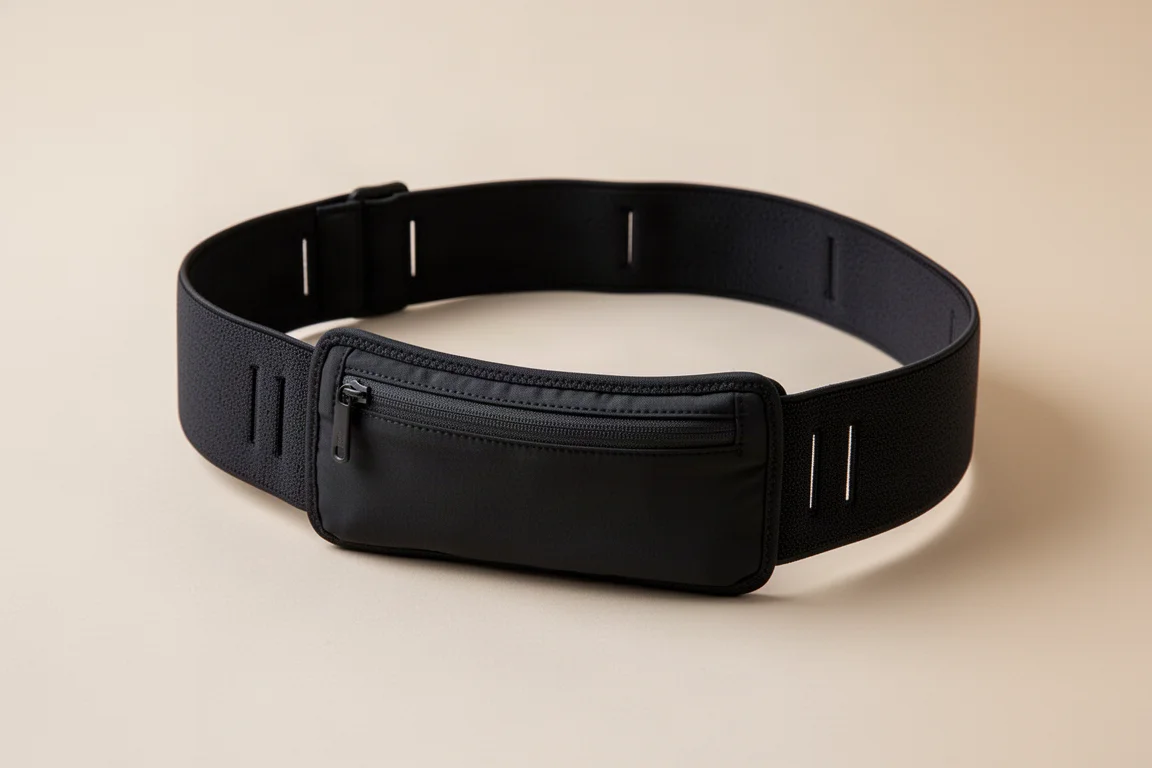
The Innovate Race Belt has a smaller overall capacity, but if you want a simple, versatile, adjustable belt for daily runs and accessible storage on ultras and longer trail runs, it is worth a look. It is very lightweight and, while it comes in one size, the adjustable belt lets you scale the fit up and down.
There is a main zippered pocket that holds a larger smartphone, a large open drop-in pouch in front of it to keep other items away from your phone screen, a small side mesh pocket for a headphone case, head torch, buff or gloves, a hooded pocket, and a key loop. The standout trail trick is a pair of loops on the front that carry poles for easy access; they sit more securely with larger poles, and the pouch can be spun around to sit at the back while the poles face forward.
Overall Buying Advice
If you want one belt for everything from daily runs to marathon training, the Fletic Bolt is the most versatile all-rounder here. For long trail runs and ultras, look at the Decathlon hydration belt, the CamelBak Ultra Belt or the Innovate Race Belt depending on how much fluid and pole-carrying ability you need. If breathability matters most, the North Face Summit is the lightest and most comfortable option, while the Naked Running Belt and FlipBelt Zipper are excellent simple-storage picks that have proven themselves over years and hundreds of washes.
Conclusion
The best running belt is the one that matches the distance and the kit you actually carry. Match the capacity to your fueling plan, check the fit against your waist, and any of these eight belts will keep your essentials close without getting in the way of the run.
Further reading
Related Reviews
Running Gear
Best Running Caps 2026: Nine Tested Options for Summer and Winter
A comprehensive guide to nine running caps tested across different conditions, from lightweight summer options to waterproof winter choices.
Running Gear
Best Running Caps: A Guide to Summer and Winter Options
A comprehensive review of nine running caps for different conditions, styles, and preferences, from lightweight summer options to waterproof winter choices.
Running Gear
Best Running Gear 2026: Five Picks That Earn Their Place
Five running upgrades covering heart rate, audio, fuelling, carrying and weather protection, with the trade-offs worth knowing before you buy.