Running Gear
Best Running Belts 2026: 10 Tried and Tested Picks for Training and Racing
From gel-hauling ultramarathon belts to minimal everyday runners, ten tested running belts covering every distance and budget.
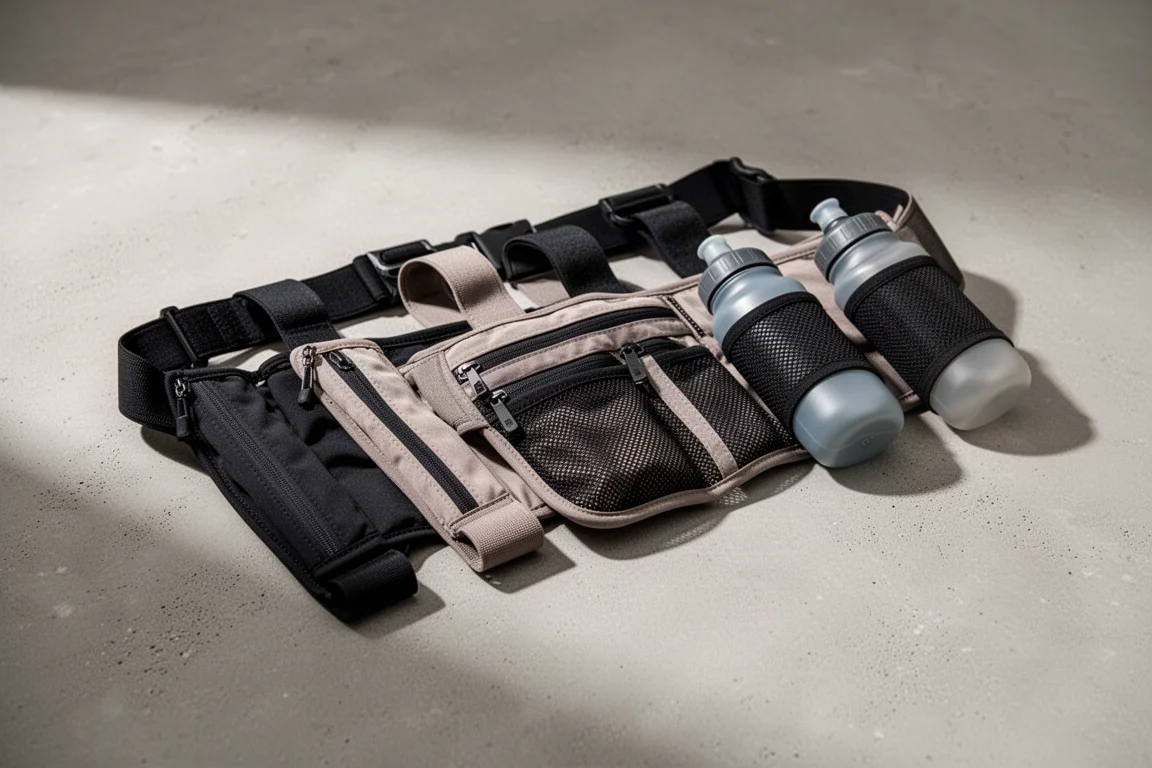
Introduction
A good running belt is one of those pieces of kit that quietly earns its place. It gives you somewhere to stash your everyday run essentials, from keys, phone and travel cards to gels, fuel and even water bottles on longer runs and races. We have tested dozens of the latest belts for comfort, durability and usability, and these ten stood out for different reasons.
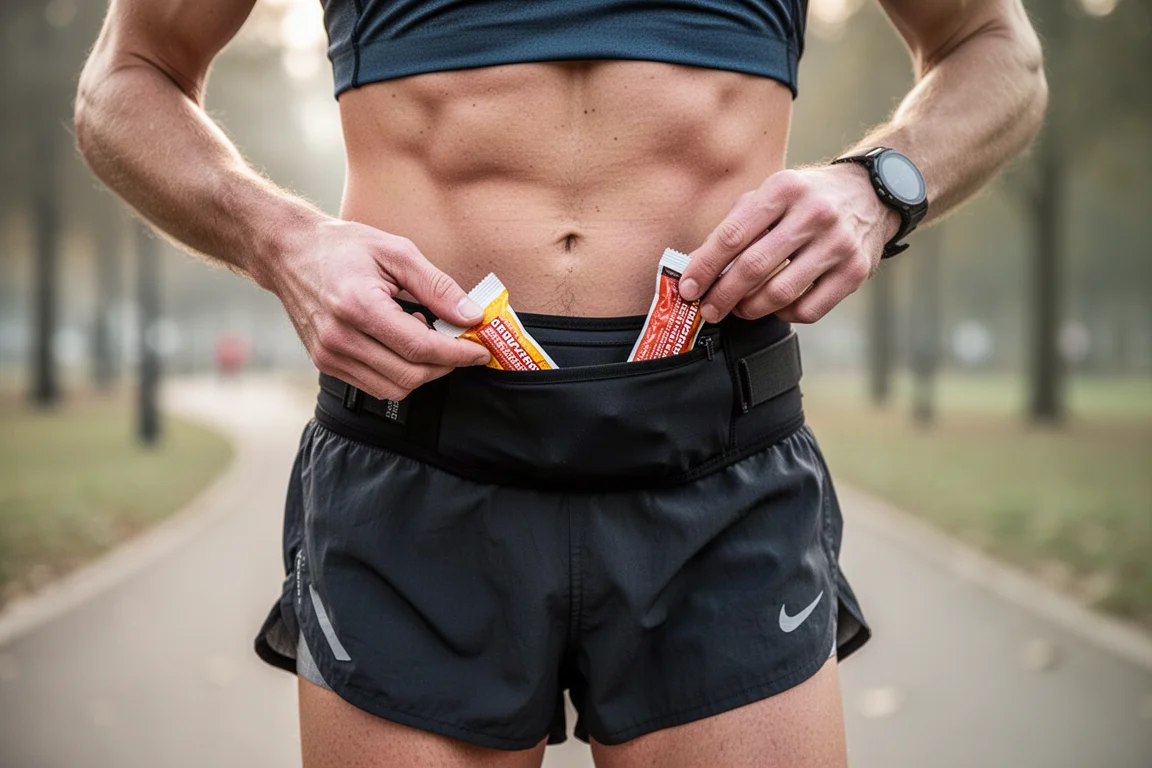
How Much Fuel Should Your Belt Carry?
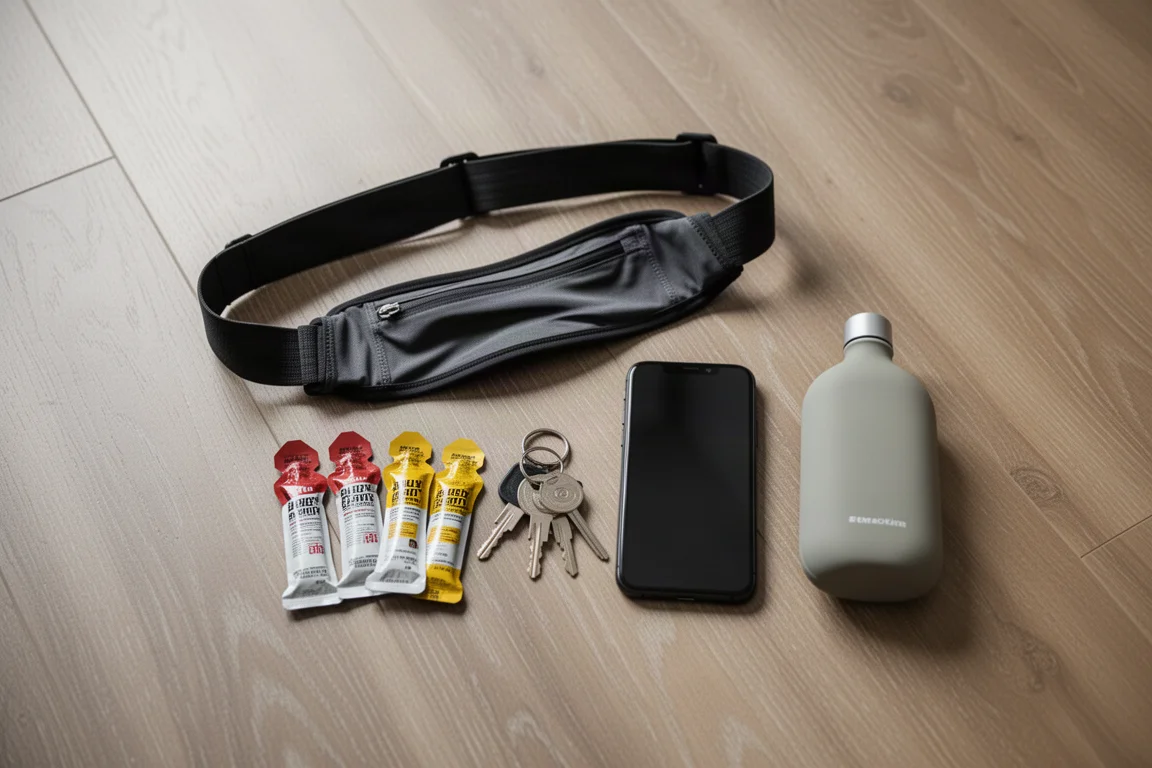
Before choosing a belt, it helps to know what you actually need to put in it. For a 10K that takes less than an hour and starts well fueled, there is no need to top up carbs on the run. Once your run stretches past 90 minutes, whether that is a half marathon, a full marathon or an ultra, aim for at least 30 grams of carbs per hour. For many runners that rises to between 30 and 60 grams per hour, and some elite runners may target as much as 90 grams per hour, though that kind of intake takes some gut training.
Fitletic Ultimate 2 Running Belt
The Fitletic Ultimate 2 is a beast. Designed for longer distances, it is built to hold a lot of gels as well as plenty of other bits and pieces. The main compartment is massive and stretchy, thanks to neoprene construction, easily swallowing a Google Pixel 5 with room to spare. A smaller side neoprene pocket with a velcro strap is handy for quick-access items like keys. Multiple loops let you arrange gels top to bottom, left to right, or crossed over, and you can fit around nine or ten gels on top of the main compartment. There is also a clip for keys, bib holders for race day, and a wide strapping range that suits most waist sizes. Durability is excellent: an earlier version lasted about four years of constant use, with only the zip eventually failing. It comes in at £25 in the UK, which is excellent value.
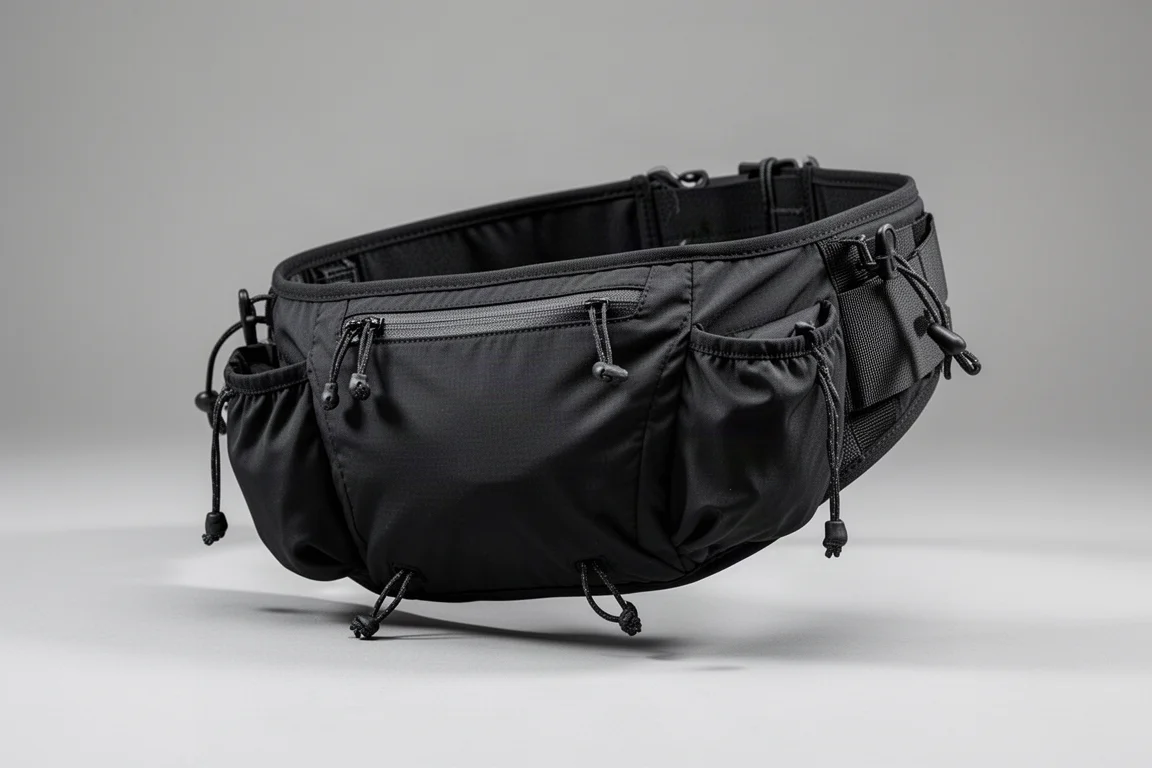
The North Face Flight Ready Race Belt
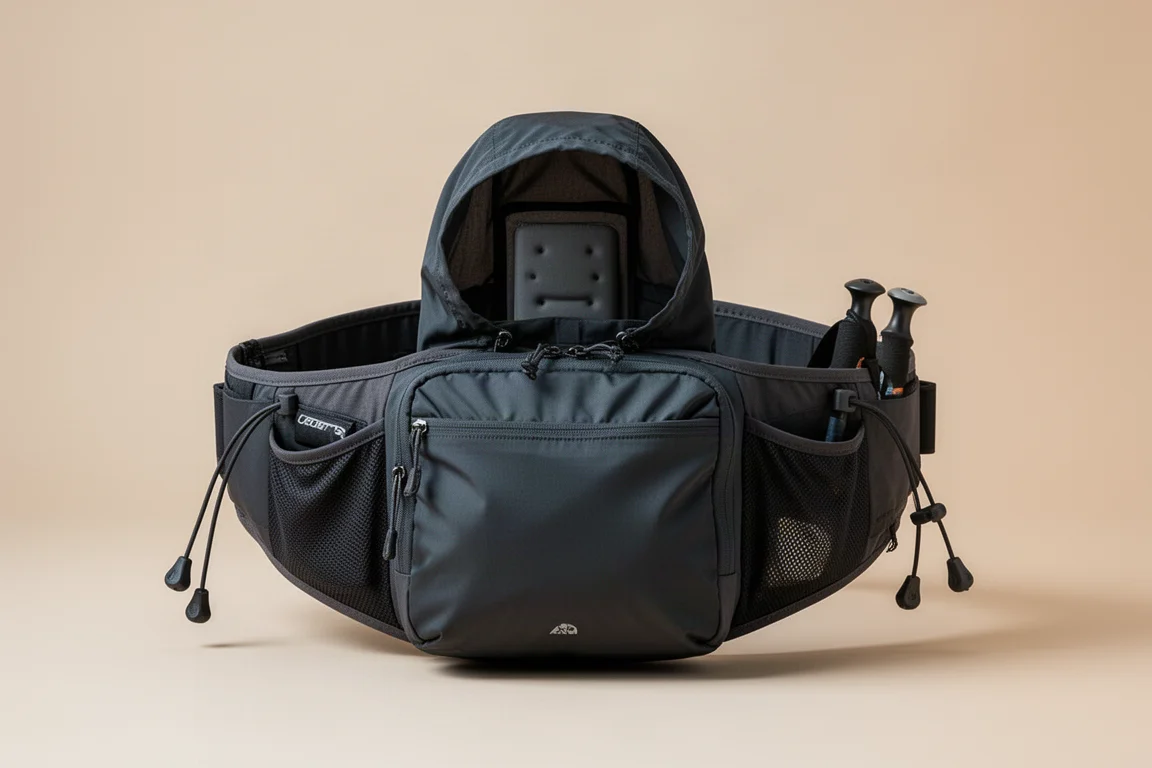
The North Face Flight Ready leans toward ultras and longer distances, though it works as an everyday belt too. At the back, toggles with silicone-coated webbing let you stash trekking poles securely on your lower back, easy to grab when the terrain changes. The rear pouch can hold a 500ml soft flask, a nice way to add hydration without wearing a vest. Storage includes one decent-sized main zip compartment that swallows large smartphones or lots of gels, plus two hooded stretch stash pockets on the sides. Toggles on the front let you attach a race bib, useful when you are layering jackets on and off during a long day. It is very lightweight, feels minimal against the body, and the long, easy-pull zip feels well built.
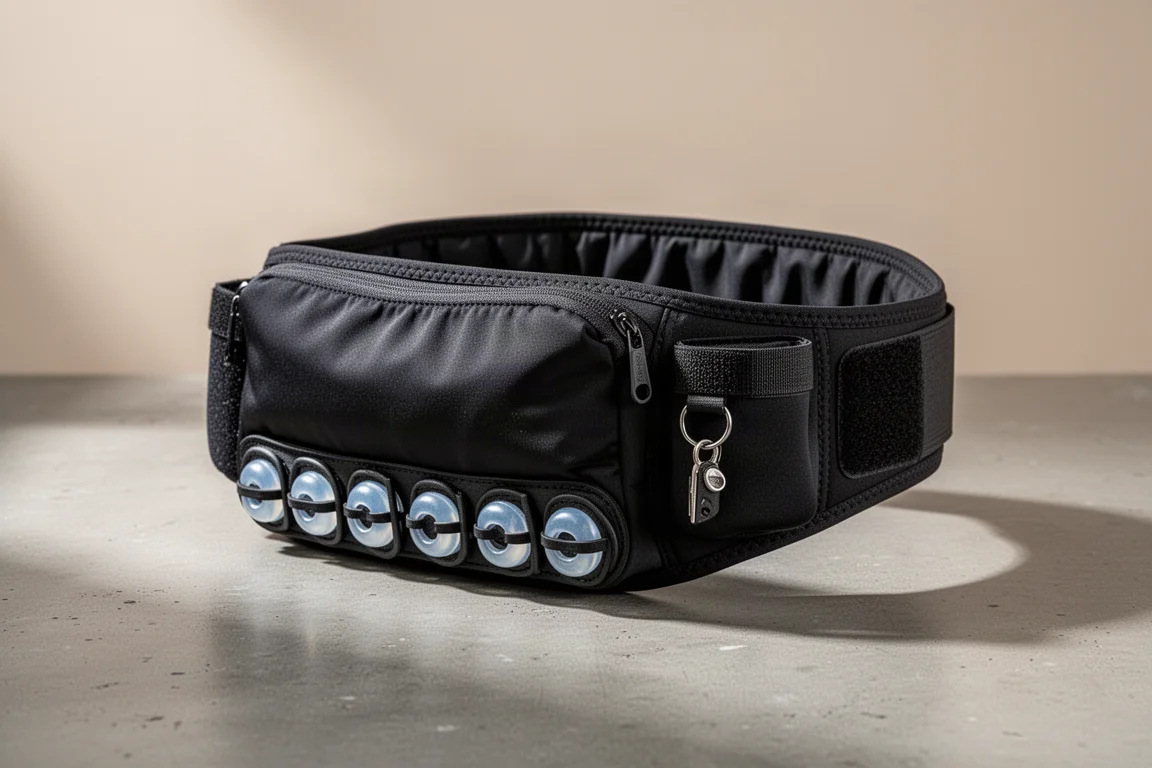
Kiprun Hydration Flask Carrying Running Belt
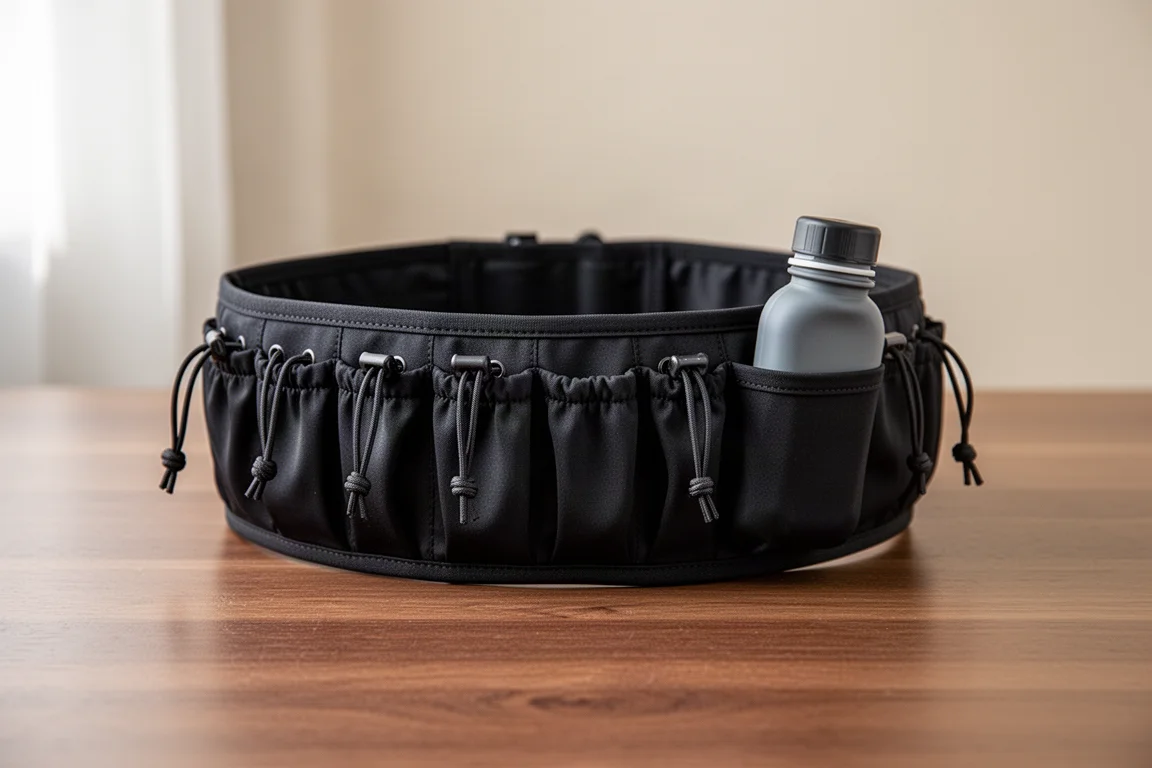
This Kiprun belt, originally called the Kiprun Marathon Belt, is our current top pick for marathons and long runs because of its simple, well-executed design. It is a fitted belt with a series of pockets running around the outside, many of which interconnect underneath, with some fully separated pockets if you want to keep your phone away from hydration flasks. In a recent marathon, one runner carried a 250ml soft flask, two 150ml soft flasks, two gels and a phone, all carried comfortably with no bouncing. The little string pull tabs make it easy to grab items on the move. It costs £19.99 in the UK or $24.99 in the US, and it can go in the washing machine on a sports cycle. The trade-off is durability: a small hole developed after several months, so it may not be a long-term workhorse. Check the size guide on the product page, it is tucked in as one of the side images.
Ultimate Performance Runners Pack
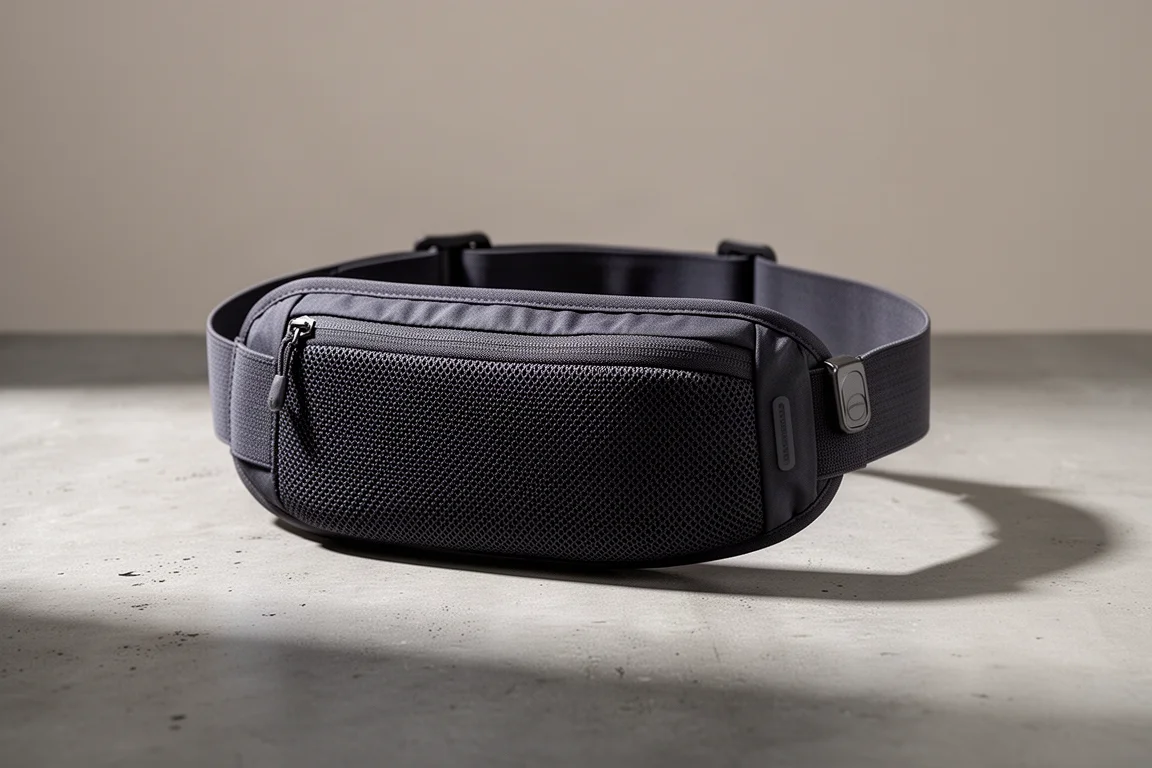
This has been worn for every marathon its long-time owner has ever run, which says a lot. It is very much a racing belt: super lightweight with a generous mesh pocket that easily fits an iPhone 11 plus gels, though it is in no way waterproof, so put your phone in a pouch if rain is likely. The magnetic fastening does not budge, and unlike clasps that can loosen mid-race, this one stays put. It is easy to adjust, genuinely unisex, and fits a wide range of runners. You can wear it around the waist or up near the stomach under your bib, pull it tight, and it will not bounce. A simple, lightweight option if you are just carrying a phone and a couple of gels.
FlipBelt Zipper
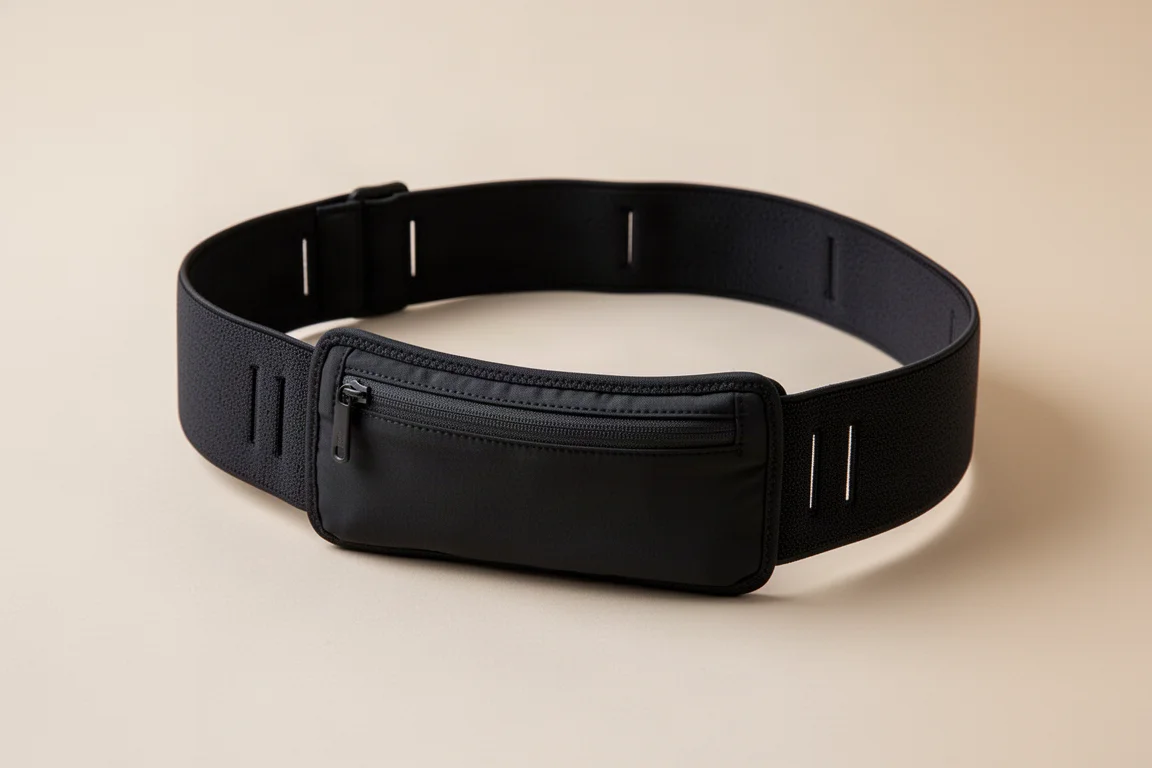
One of the all-time favourites here. The FlipBelt Zipper is a thick fabric belt that stretches and flexes, coming in sizes from extra small to extra large. You get one main zippered compartment at the front that takes larger smartphones easily, plus one long back pocket accessible from multiple points that flexes to whatever you put in it, a jacket, numerous gels, anything. A key hook is great for securing a headtorch or house keys, or clipping on headphone cases on long runs. The fabric is thick and can run a bit warm, but it has been used comfortably in 100-mile races with no bounce. It costs £35 or $39, there is a reflective option, and if you do not need the zip you can go for a cheaper standard FlipBelt.
CamelBak Ultra Belt
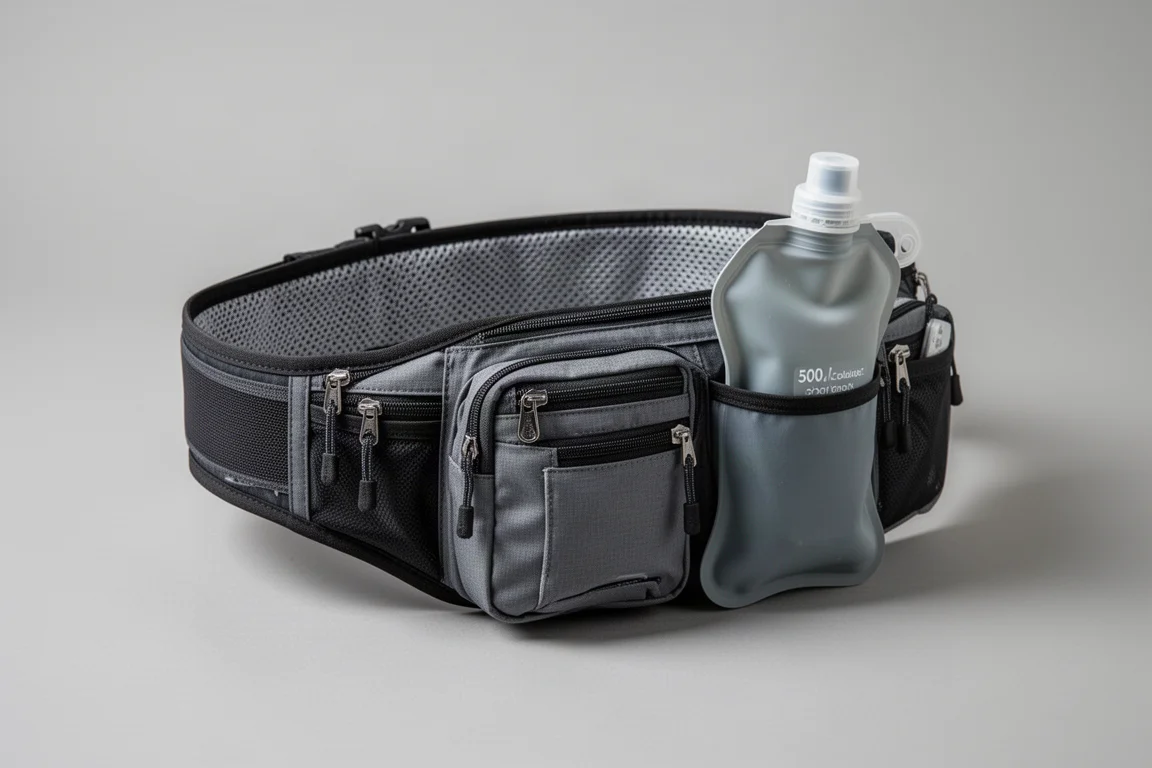
At £45 in the UK or $54.99 in the US, the CamelBak Ultra Belt is fairly pricey, but it is a really comfortable way to carry a lot of stuff. It is one of the few belts that handles a 500ml soft flask well: a big back pocket takes the bottle, and pull cords tighten it securely in place, which is rare for a bottle that size. Alongside the back pocket you get two side pockets, one with an external pocket, plus a zippered front pouch and another pocket behind it, so it is excellent for separating your phone and essentials away from sticky gels or bottles. The mesh is comfortable against the skin for hours, and the belt tightens in several places to eliminate bounce despite roughly 2 litres of total capacity. That makes it more than most marathon racers need, but ideal for shorter ultras or heavy-carry training runs, and it has survived a year of washing machine sports cycles without issue.
Fitletic Bolt Running Belt
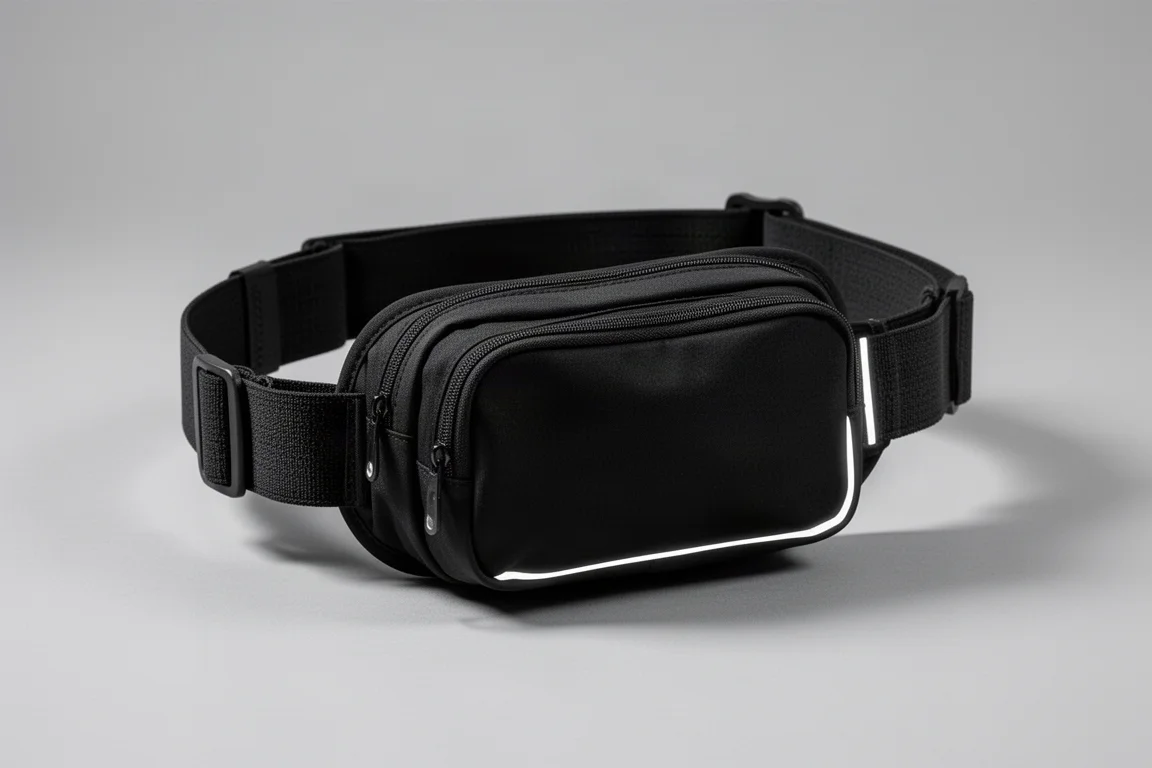
The Fitletic Bolt is a strong all-round favourite for daily use. The main compartment is enormous, holding a Google Pixel 5 with room for a bigger phone and plenty more, yet nothing bounces around. A second, still-quite-large compartment fits keys and cards, so you are not fishing past your phone for essentials. Reflective detailing adds visibility, and it comes in around four colourways if you want something brighter than the understated black. The material is thick and durable but light, noticeably lighter than the Ultimate 2, and the belt strap itself is really thick and sturdy: once you cinch it to your waist size, it never comes loose mid-run. If you want a comfortable, not-too-heavy everyday belt with the flexibility to carry more when you need to, this is a fantastic choice.
Lululemon Fast and Free Running Belt
The Lululemon Fast and Free sits on the expensive side, but it is made from a fabric that feels like the brand’s leggings, super soft against the skin. It can be worn directly against skin in summer with no rubbing or discomfort. The design is one bigger pocket that, once a larger smartphone is in, has little room left, plus two small drop-in pockets suitable for keys or lip balm, another drop-in pocket on the side, a key clip, and subtle reflective details. The traditional clasp fastening has not loosened or bounced, and it adjusts to fit most runners comfortably. It is more of a training belt than a race belt, since the zip is built more securely than it is quick to open mid-race, and you would probably want a separate place for your phone if racing with gels. It is machine washable and comes in a few colours and patterns.
Nathan Fit Adjustable Zipster
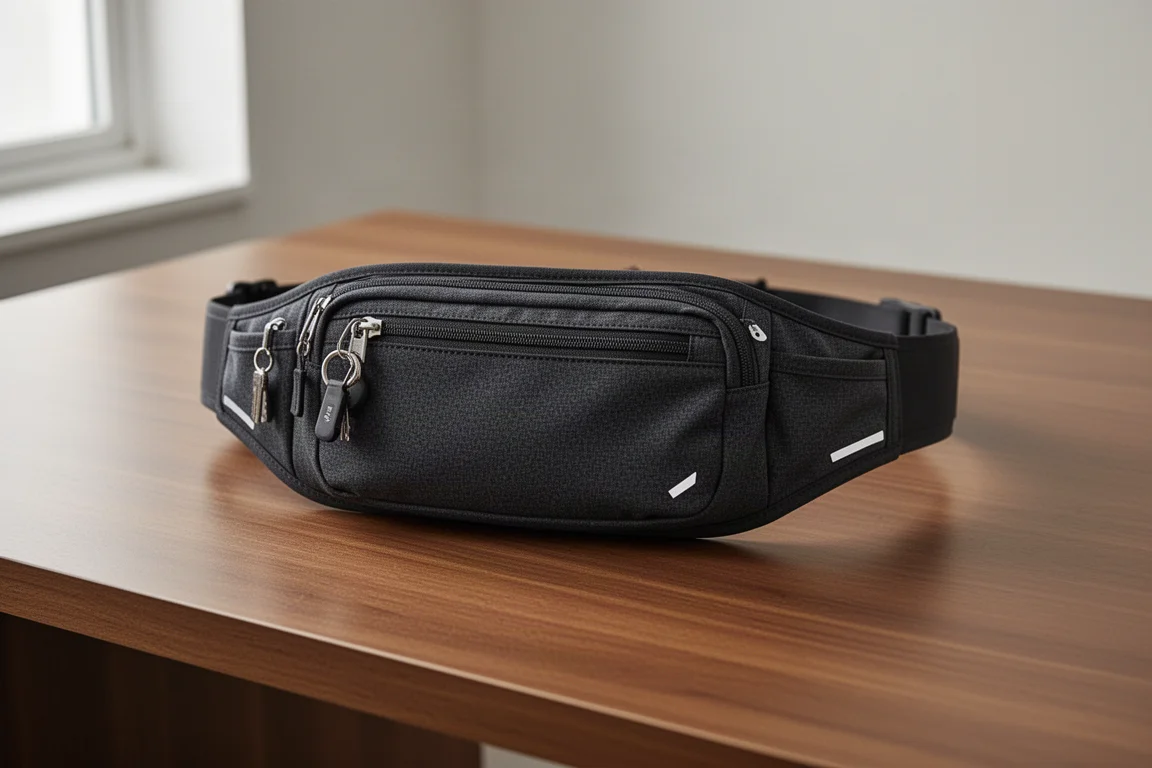
The Nathan Fit Adjustable Zipster takes a slightly different approach: a hook clip at the back that hooks in and holds the belt really tight. Despite initial skepticism about a buckle against the back, it is comfortable, and the stretchy fit is great when layering up over jackets or base layers. The fabric is lightweight and more minimal than something like the FlipBelt Zipper. You get one main zippered compartment that will just about squeeze in a larger phone, plus stretchy hooded stash pockets on the sides that accommodate several gels without bounce or the risk of them falling out. The long strap makes sizing flexible, though smaller runners will need to tuck away the excess so it does not flap, which matters on ultras. The main complaint is the small zip pull, which is fiddly with cold fingers and raises slight durability concerns. Best for shorter training runs or commutes with keys, a phone, a gel and some cash.
Salomon Sense Pro Belt
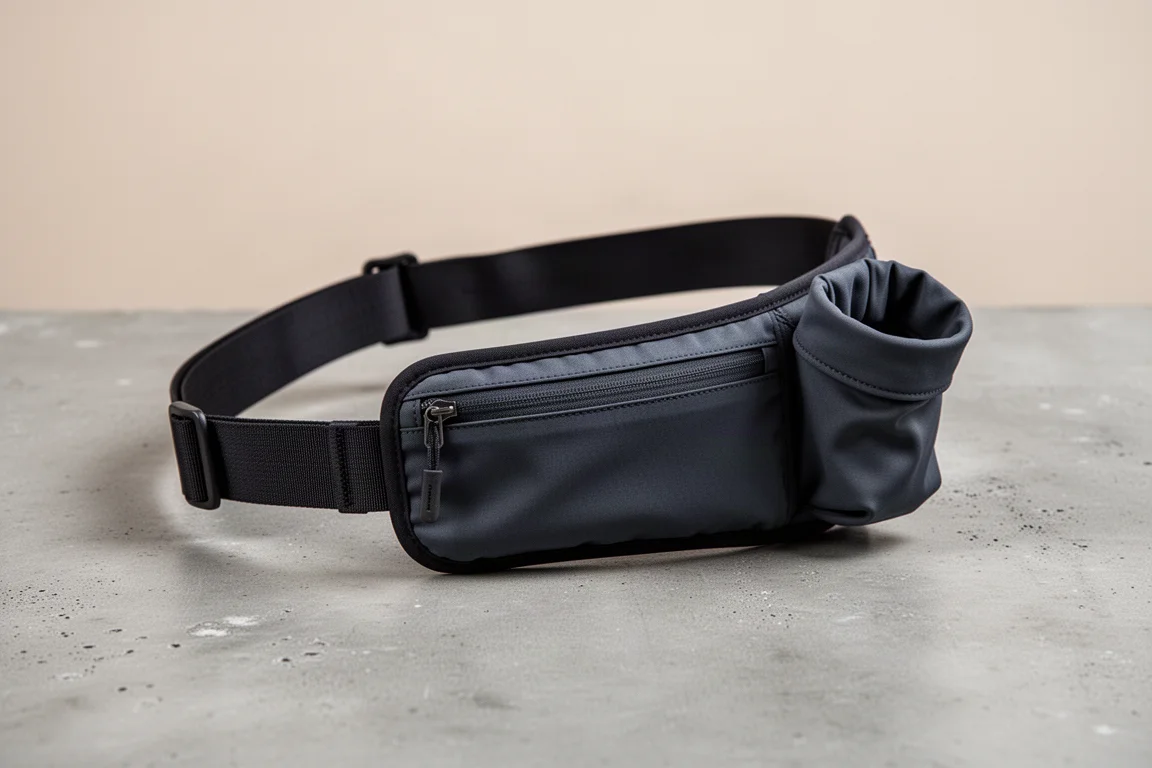
The Salomon Sense Pro is another belt designed for going ultra. It has a broader waistband feel and comes in sizes from extra small to extra large. You get one big front hooded stretchy stash pocket, two side stretch mesh pockets (unhooded, so make sure items bulk out the space), and a large rear stash pocket. Rear cables with toggles let you carry trekking poles, and Salomon has added a small piece of extra padding on the back where the poles would press against your spine, a clever touch that prevents chafing. It is probably the lightest belt tested, with no zips and no clips, all very minimal in the name of saving weight. That means you need to choose the right items for the open pockets, especially on steep descents. The broad band spreads pressure nicely and avoids that shrivelled-up, cutting-in feeling some belts have, and it can connect with other pieces of Salomon’s lightweight ultra kit. It is also the most expensive here, at £40 or $49.95 in the US.
Buying Advice
If you race long and need serious fuel capacity, the Fitletic Ultimate 2 and CamelBak Ultra Belt carry the most. For marathon and long-run value, the Kiprun belt is hard to beat at its price. For pure race-day minimalism, the Ultimate Performance Runners Pack is proven, and the Salomon Sense Pro is the pick for ultra runners who also want to carry poles. For everyday training, the Fitletic Bolt, FlipBelt Zipper and Lululemon Fast and Free cover different comfort and style preferences, while the Nathan Zipster suits short runs and commutes.
Conclusion
The best running belt depends on what you are carrying and how far you are going. Match the capacity to your fueling needs, check the fit range before buying, and any of these tested picks should carry your essentials comfortably from 10K to ultra.
Further reading
Related Reviews
Running Gear
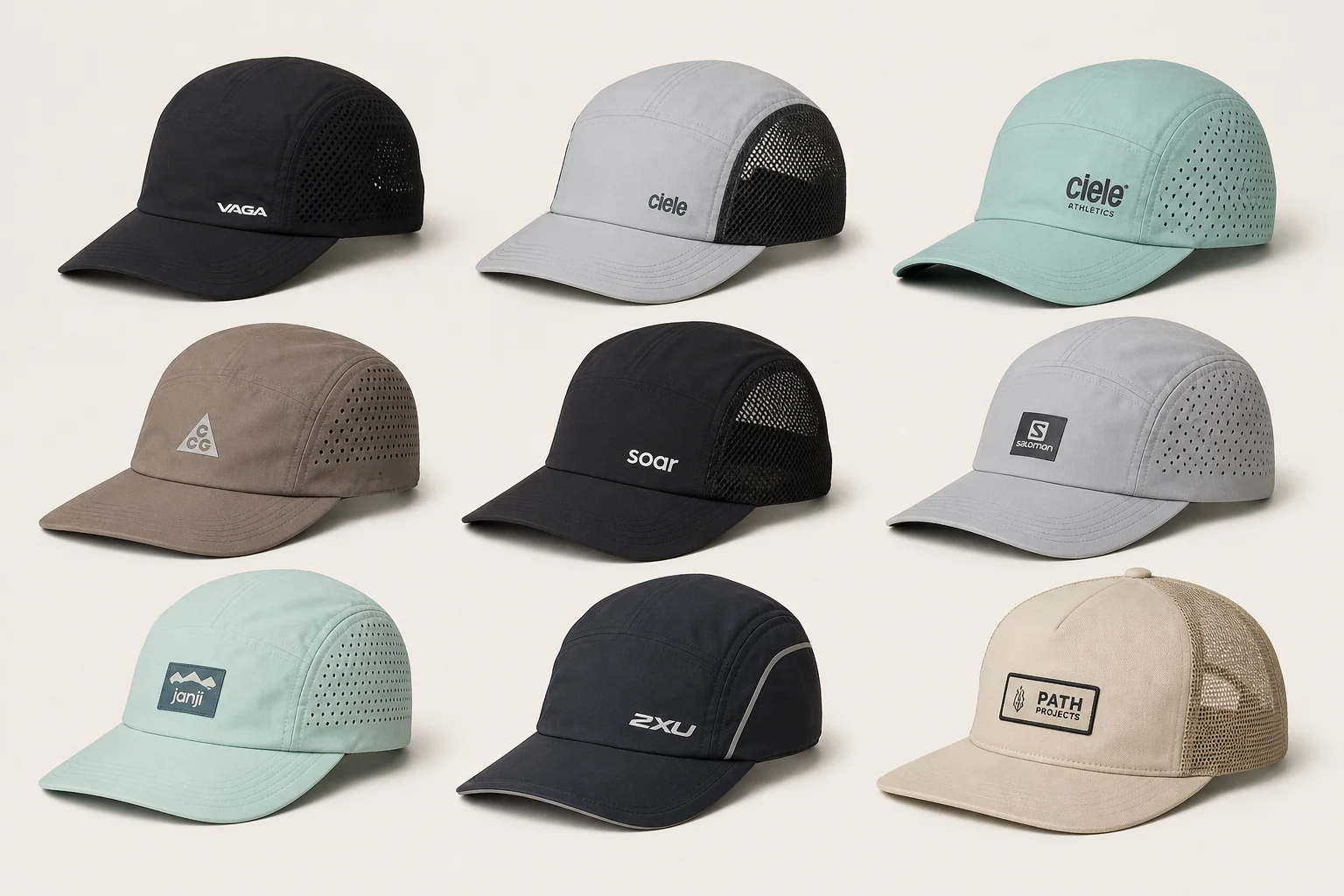
Best Running Caps 2026: Nine Tested Options for Summer and Winter
A comprehensive guide to nine running caps tested across different conditions, from lightweight summer options to waterproof winter choices.
Running Gear
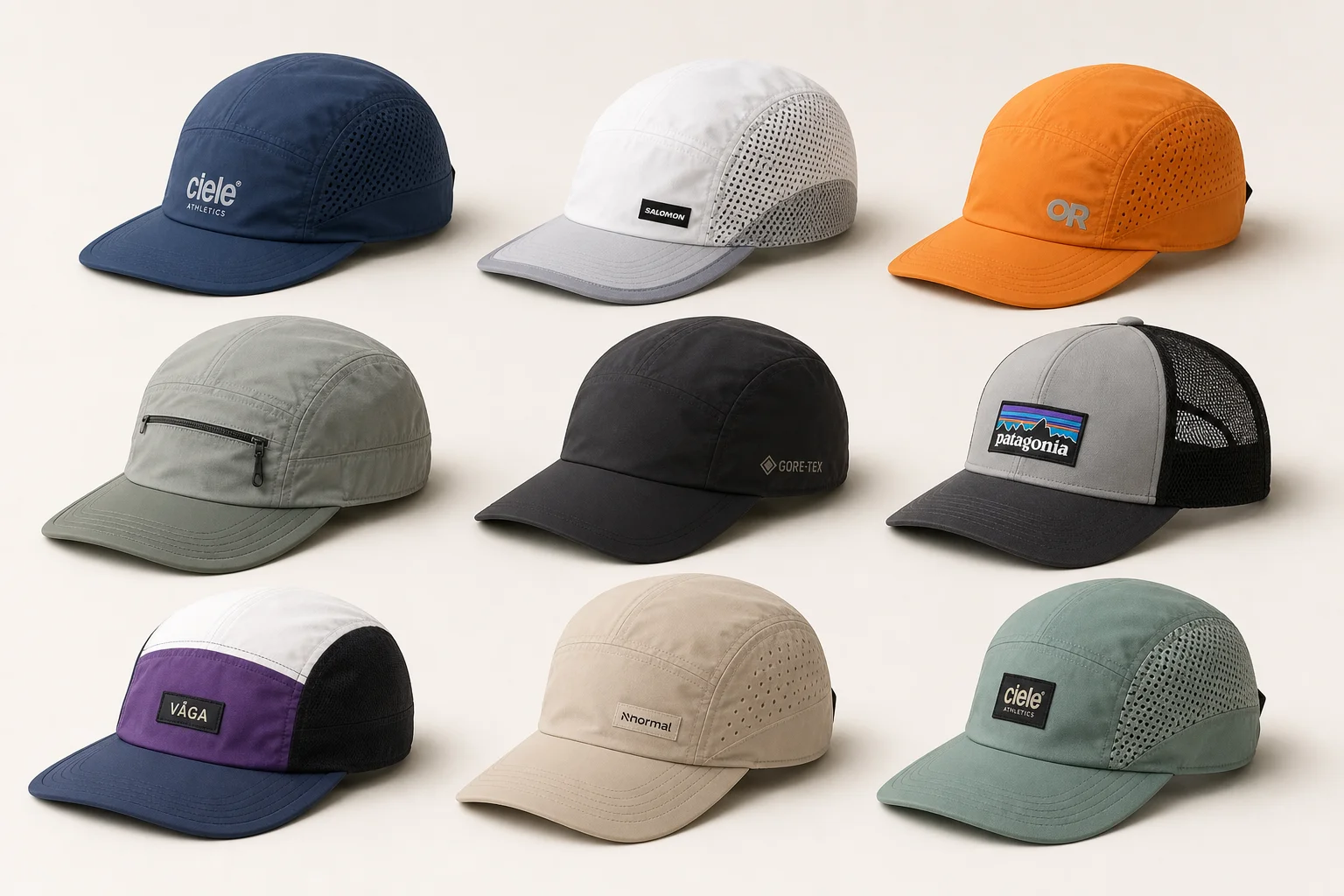
Best Running Caps: A Guide to Summer and Winter Options
A comprehensive review of nine running caps for different conditions, styles, and preferences, from lightweight summer options to waterproof winter choices.
Running Gear
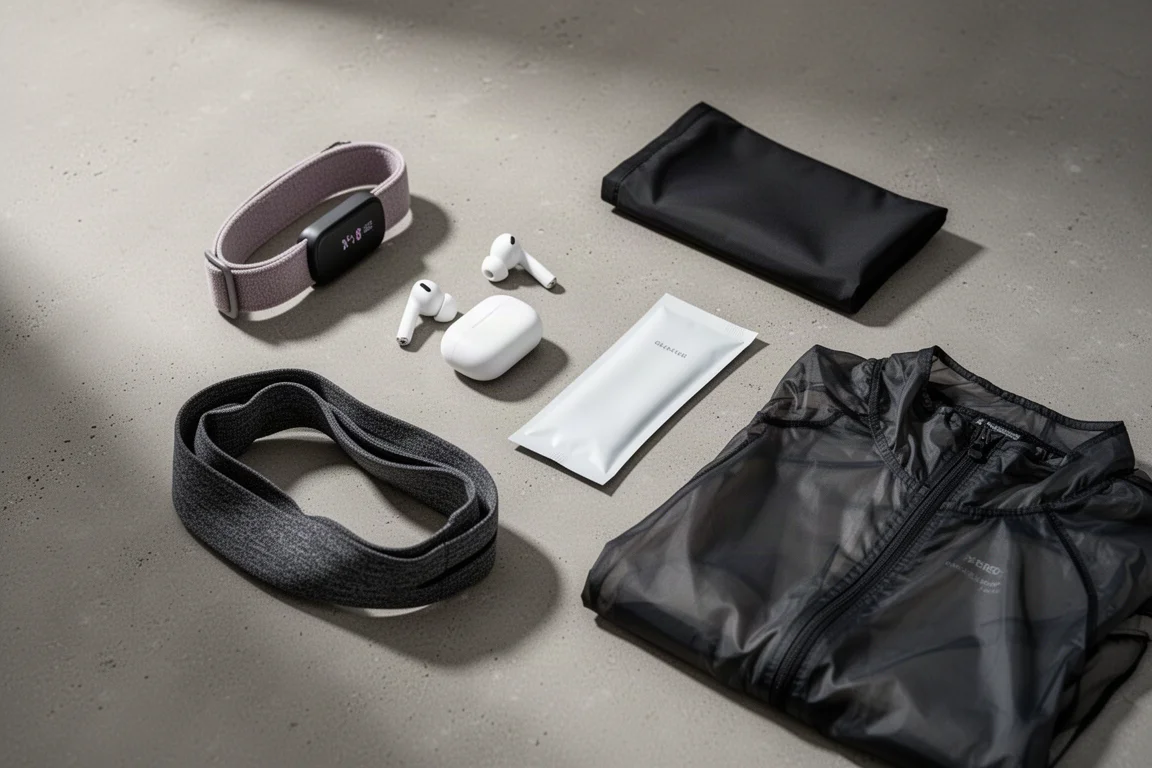
Best Running Gear 2026: Five Picks That Earn Their Place
Five running upgrades covering heart rate, audio, fuelling, carrying and weather protection, with the trade-offs worth knowing before you buy.