Hand Tools
Best Rubber Mallets 2026: Three Mallets Worth a Spot in Your Toolbox
Three rubber mallets compared for bounce, build quality, and value, from a premium pick to a solid budget option.
Introduction
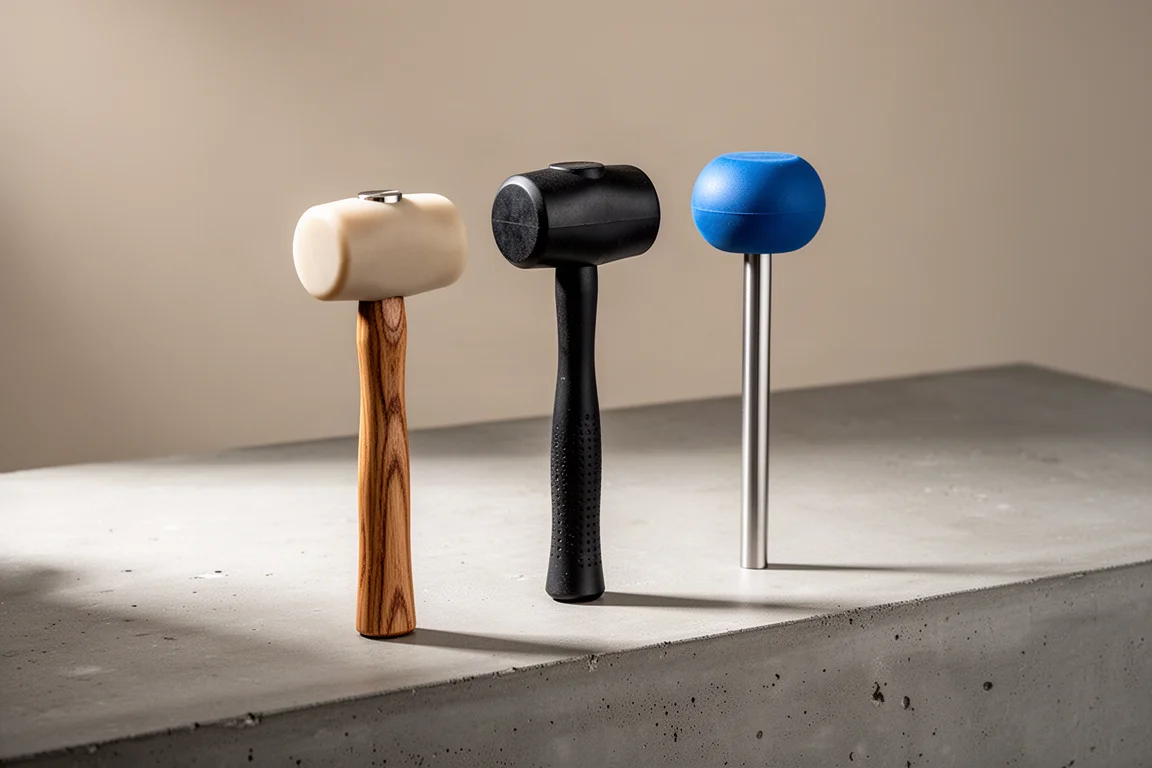
A mallet is one of those tools everyone ends up needing, and the good news is that the price gap between a great one and a mediocre one is small. The difference between a high-quality rubber mallet and a low-quality one can be around five dollars, but that small gap shows up clearly in performance, especially in how much the head bounces on impact.
We compared three mallets side by side to see where the money actually goes.
What Makes a Good Mallet?
The classic definition of a mallet is a hammer with a disproportionately large head for its handle, or a really short handle for its head size. Today, most people picture rubber mallets, and there are plenty of choices on the market.
The key performance difference is bounce. A well-made mallet stops dead on impact, transferring nearly all of its energy into the workpiece. A poor one keeps bouncing, which wastes energy and can make precise work frustrating.
Best Overall: Estwing Deadhead Mallet
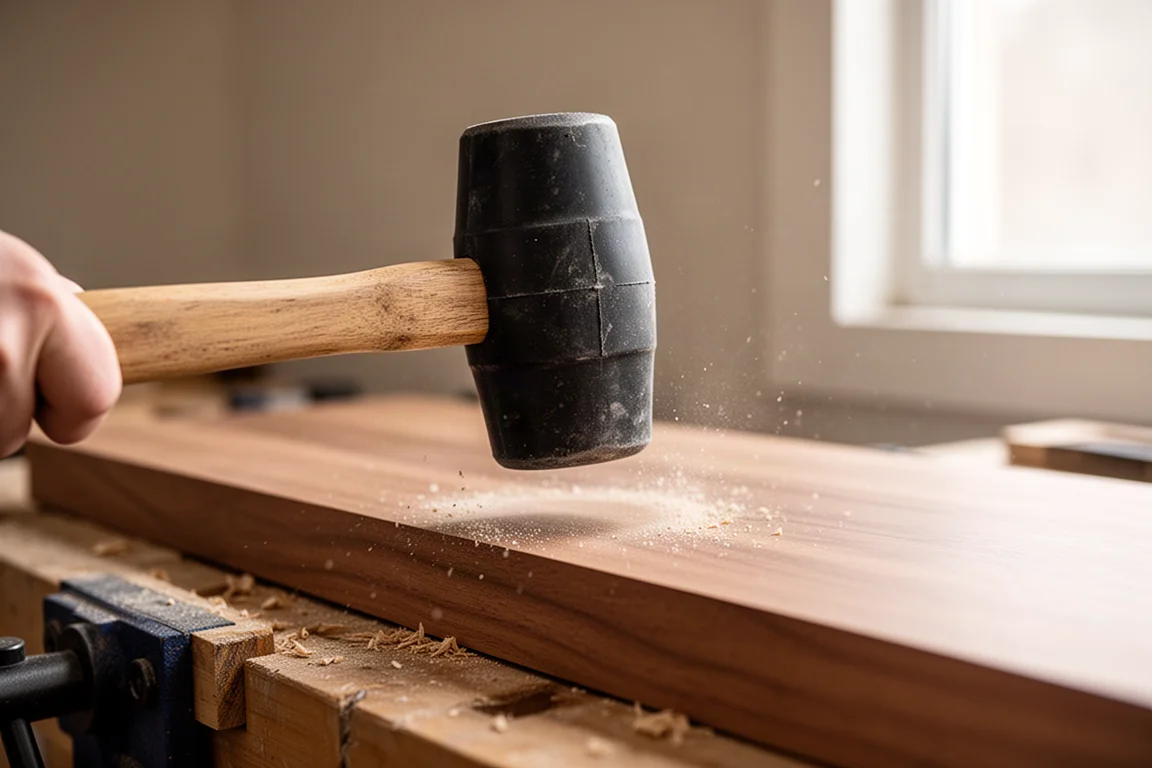
The Deadhead Mallet by Estwing is the standout of the group. It has a hickory handle and a non-marring head, and when it strikes a surface it simply stops dead. Hit something with it and you see almost no bounce at all, which is exactly what you want from a mallet.
It is a little larger than the other mallets compared here, making it the biggest of the bunch, but that extra size comes with the best impact behavior.
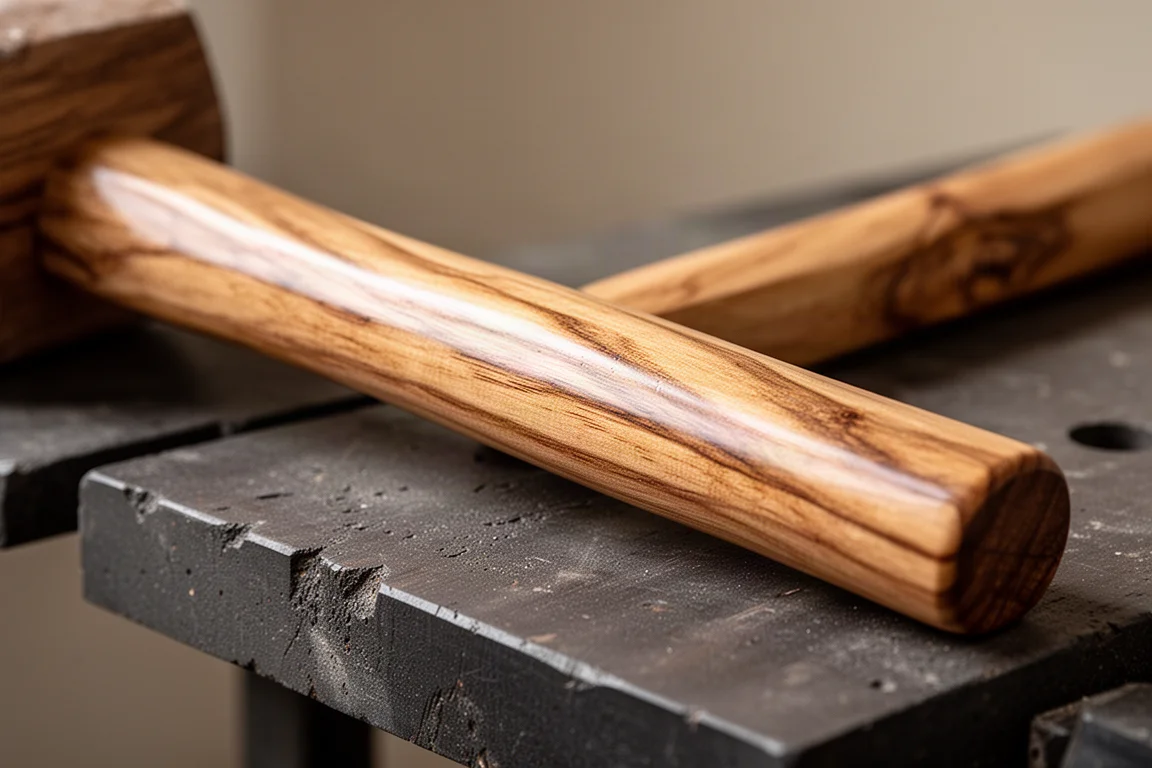
At around 20 dollars, it sits in the middle of the price range and delivers performance well above that price point. This is the favorite pick, and it is easy to see why once you compare the way it lands against cheaper options.
Best Two-Faced Option: Estwing DFH 24 oz Rubber Mallet
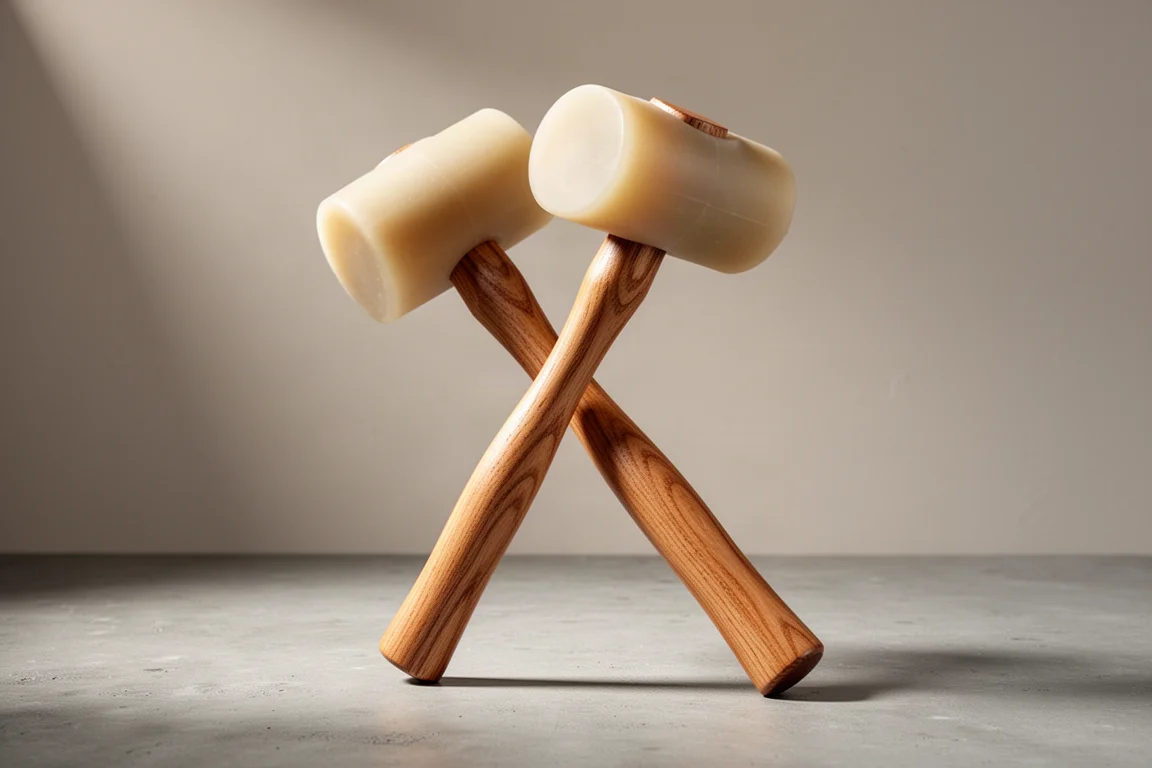
The DFH 24 ounce by Estwing is another strong performer with a really nice handle. Its key feature is the two-sided head: one non-marring dead-blow style side, and a black rubber side. The difference is noticeable in use, with the black rubber side showing more bounce than the firmer face.
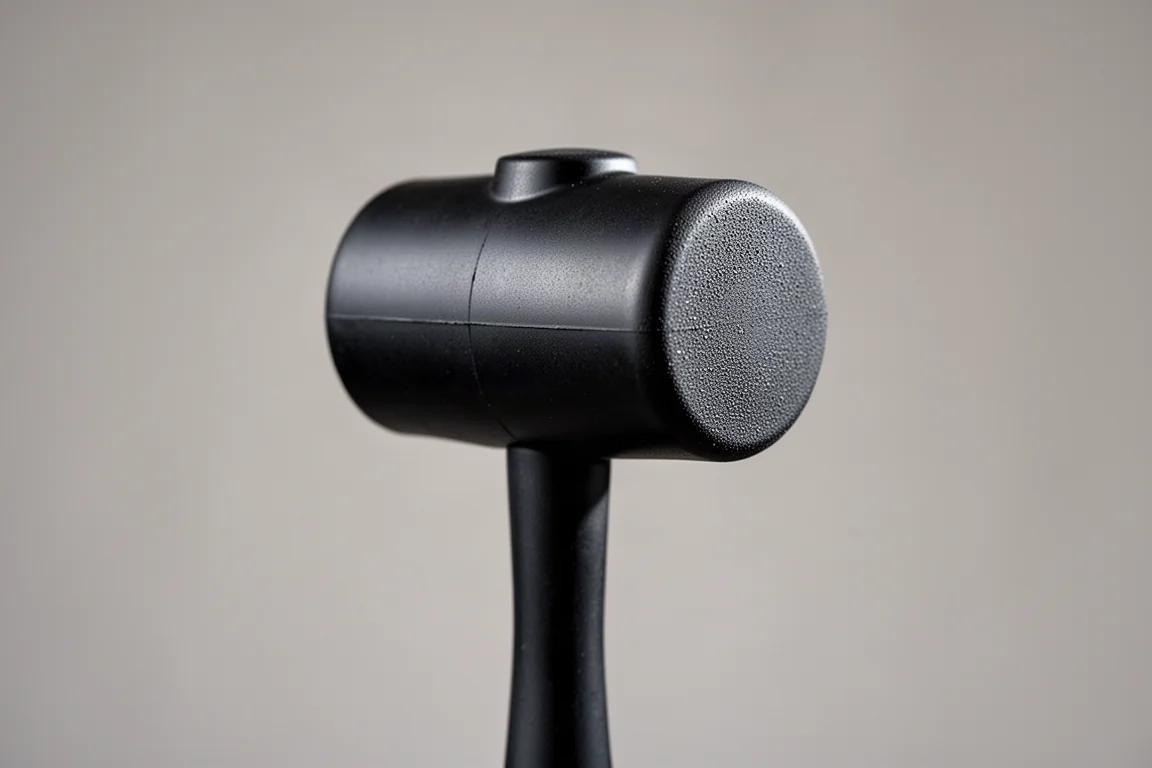
At around 10 dollars, it is a great value if you are working with a tight budget. If you want a versatile mallet with two different striking faces, this one covers a lot of jobs for very little money.
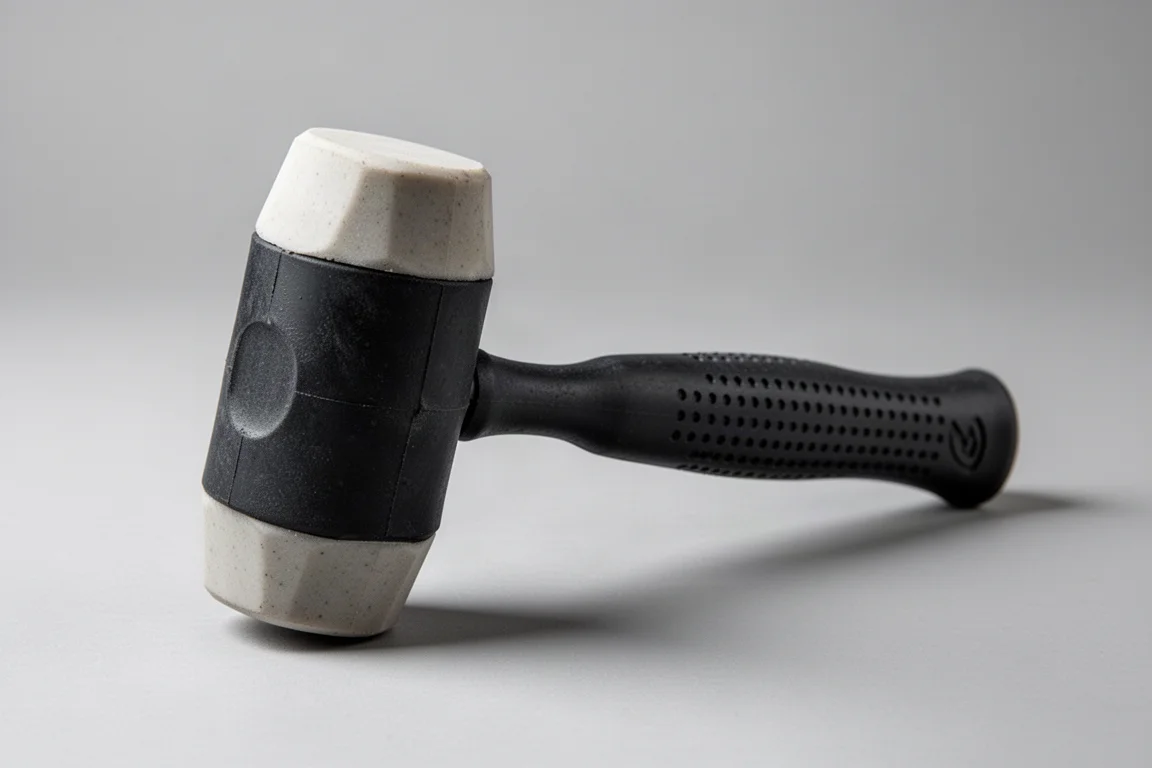
Premium Pick: Blue Point Rubber Mallet
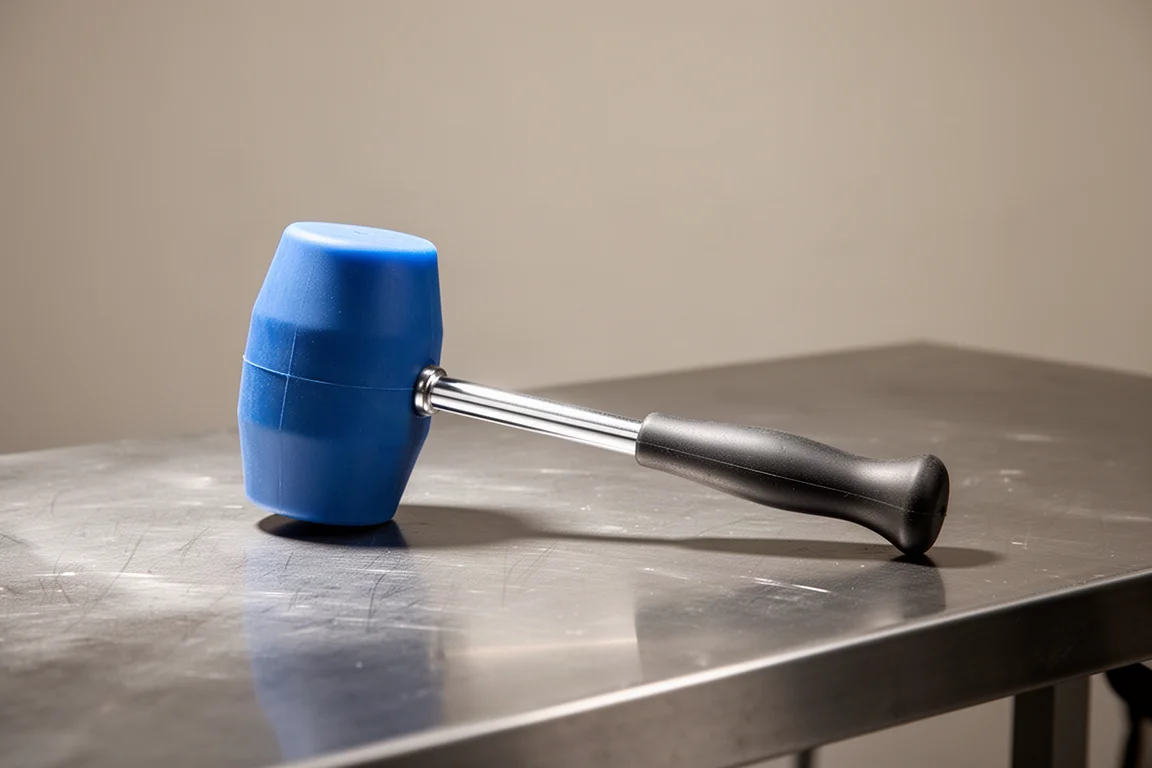
The Blue Point mallet sits at the premium end of the range, currently listed around 33 dollars. In testing, it showed noticeably more bounce than the Estwing Deadhead, and it was difficult to stop the head from rebounding on impact.
Between the Blue Point and a similar budget mallet, the handles are a little better on the Blue Point, but there is not a big difference in actual use. If you want to spend a bunch of money to have a Blue Point, go for it, but the premium price does not buy clearly better performance here.
Buying Advice
There is a real performance gap between these mallets, and Estwing stands out in both picks. If you have around 10 dollars, the DFH 24 ounce is a great choice. If you can spend a bit more, the Deadhead Mallet is the favorite for its dead-stop impact and hickory handle.
On the very low end, ultra-cheap mallets can work as decent stoppers, but construction quality suffers. Some budget examples are essentially a pole stuck through a rubber head, held on by a nail, and they start coming apart with use. Everyone should have a few mallets around for all kinds of jobs, from persuading parts into place to smoothing materials, and some people even use two together.
Conclusion
The Estwing Deadhead Mallet is the clear favorite for its dead-stop performance and comfortable hickory handle at around 20 dollars. The Estwing DFH 24 ounce is the value pick with two useful striking faces for about 10 dollars, while the Blue Point commands a premium price without delivering a clear performance advantage. Pick the Deadhead if you want the best, the DFH if you want the most mallet for your money.
Further reading
Related Reviews
Hand Tools
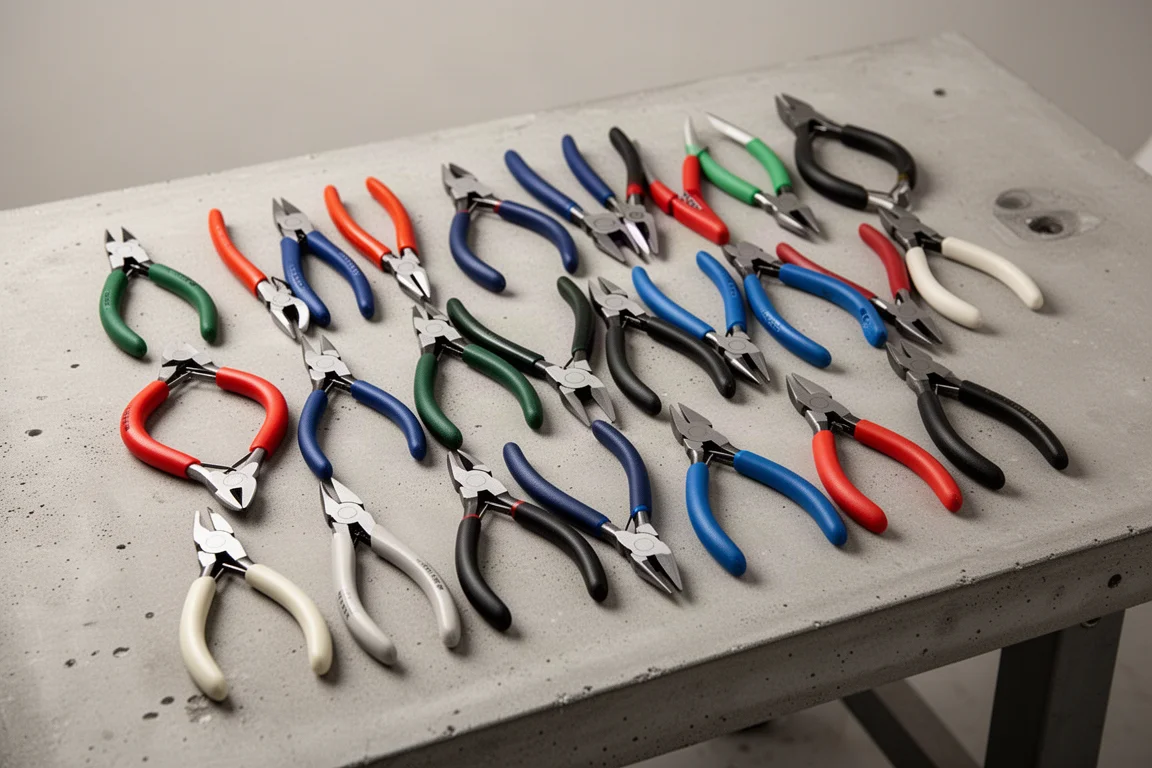
Best Diagonal Cutters 2026: 16 Pliers Tested for Cutting Power and Durability
We put 16 diagonal cutters through nail, screw, drill bit, and hex key tests to find the best value picks for your toolbox.
Hand Tools
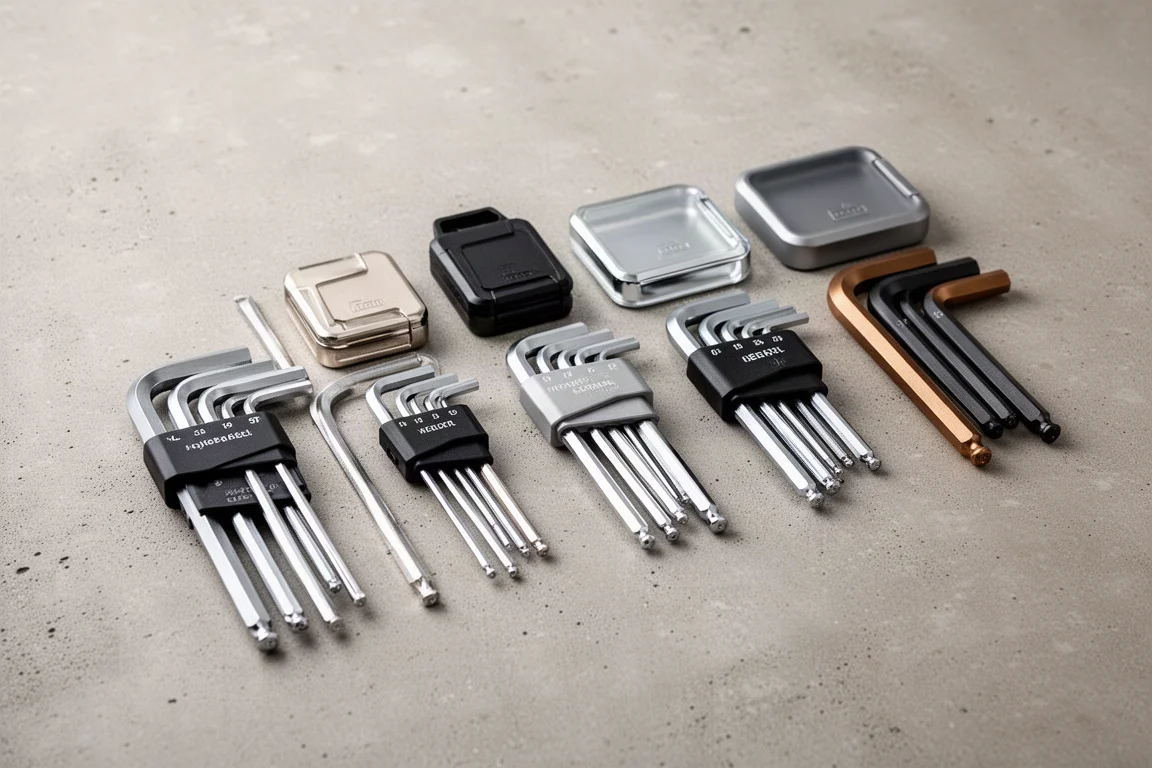
Best Hex L Key Sets 2026: Nine Sets Tested for Real-World Torque
Nine hex L key sets from budget to premium, tested for torque, fit, and durability. See which sets deliver real performance and which ones to skip.
Hand Tools
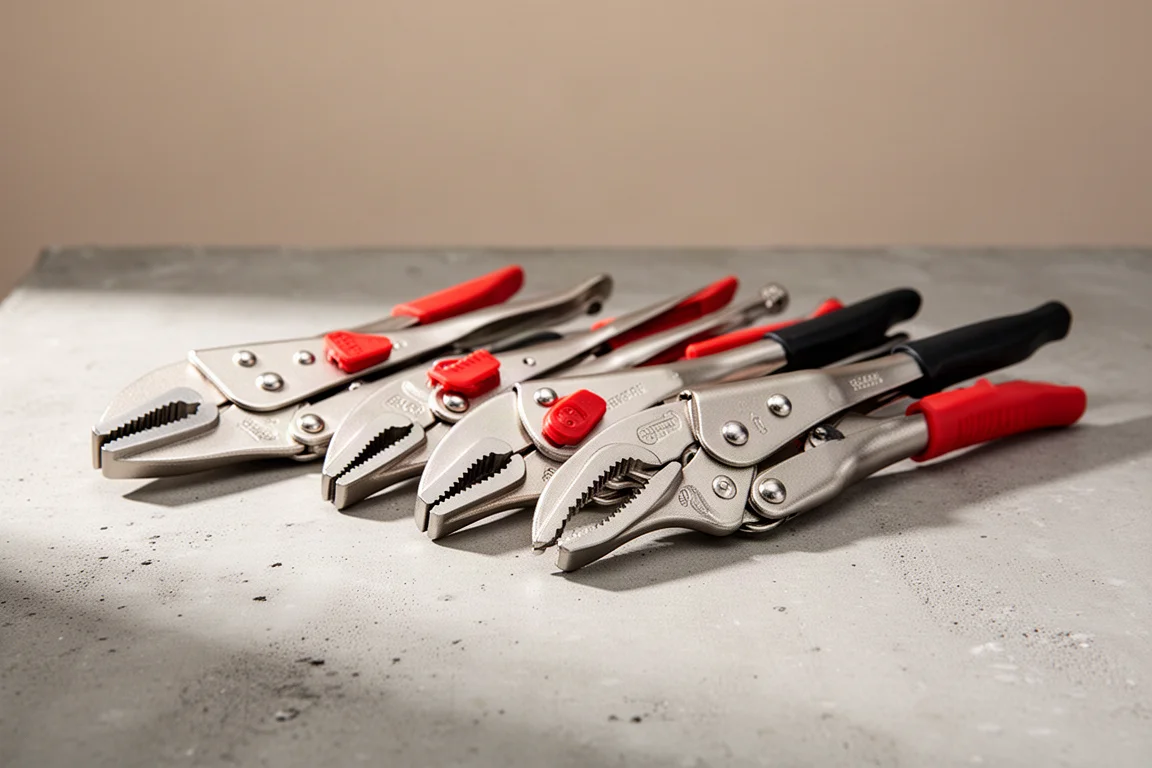
Best Locking Pliers 2026: Top Picks Tested for Grip and Durability
We tested 18 brands of 10-inch locking pliers for grip strength, jaw bite, build quality, and ease of release to find the best options for tough jobs.