Hand Tools
Best Roto Head Ratchets: 8 Options Compared, From Budget to Premium
We compare roto head ratchets from Titan, Wurth, KS Tools, Snap-on, Pittsburgh, Olsa Tools, Wera, and KTC on back drag, locking heads, price, and ergonomics.
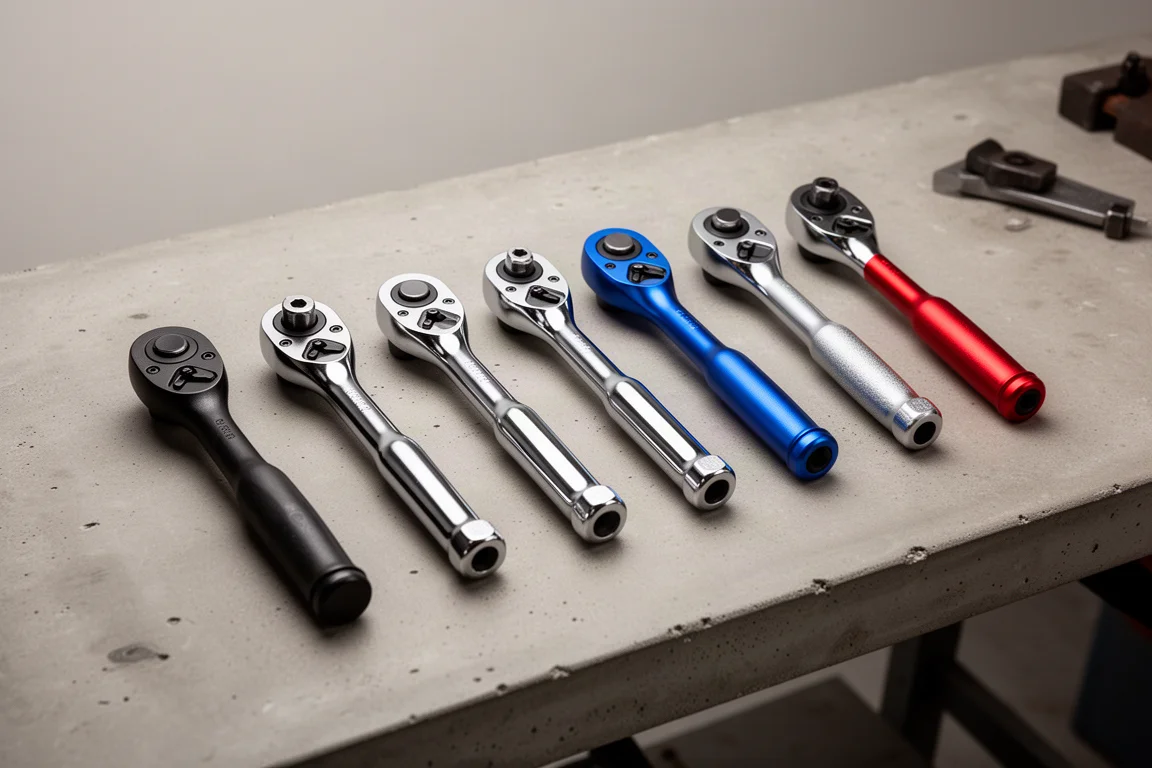
Introduction
Roto head ratchets are the odd ones out in most toolboxes. Unlike a flex head, which tilts side to side, the rotating head pivots all the way around and locks anywhere in between, which makes them genuinely useful for starting fasteners in awkward spots, working like a nut driver in the palm of your hand, and then flipping over into normal ratcheting duty without reaching for a second tool. They are not daily drivers for everyone, and all of them share one known weakness: noticeably higher back drag than a straight ratchet. That is not really what they are for. The question is which brand balances back drag, head size, and ergonomics best. We put nearly a dozen of them side by side, ran a few through a back drag gauge, and came away with clear buys and a couple of skips.
Best Budget Starter: Titan Roto Head Ratchet
If you have never used a roto head ratchet and just want to see what the fuss is about, the Titan is the place to start. At roughly 15 to 17 dollars, these are about as cheap as this category gets. They come in anodized colors made from aluminum, plus a plain black steel version. The steel one is less pretty but has a smaller, thinner head, so if head size matters to you, choose strength over looks and save a few dollars in the process.
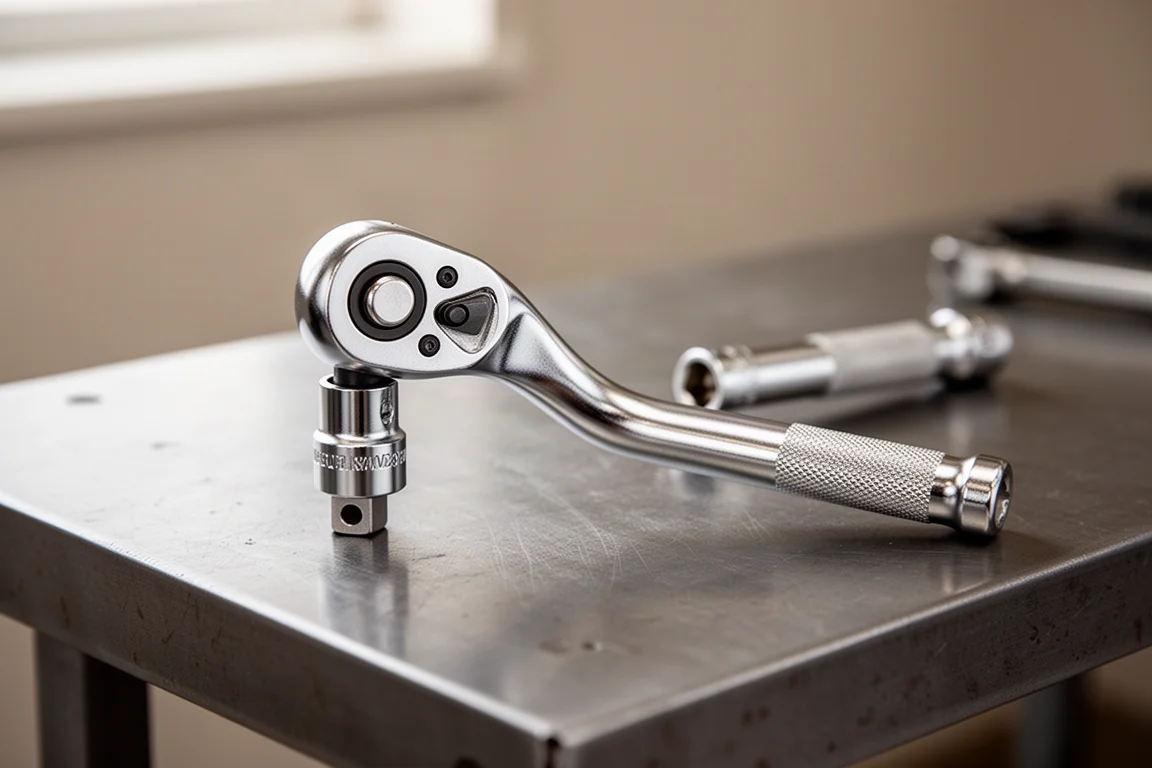
These are simple tools. There is no push button socket release and no lock on the rotating head; you just flip the head by hand to reverse direction. They do come in a bit driver version too, and they work well as an improvised nut driver, especially in the larger sizes. Back drag sits in the medium range, which measured around three to four inch-ounces on the gauge, respectable for this design. For the money, the Titan is a solid buy.
Wurth and KS Tools: The Versatile All-Rounder
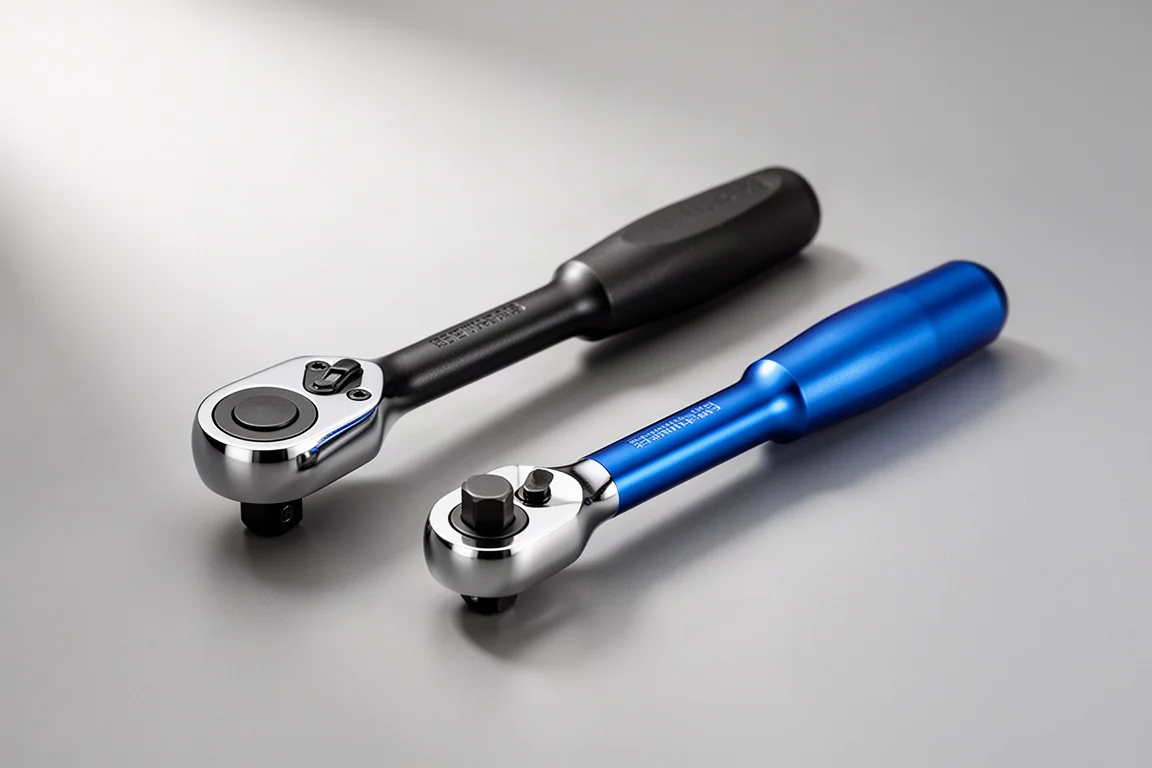
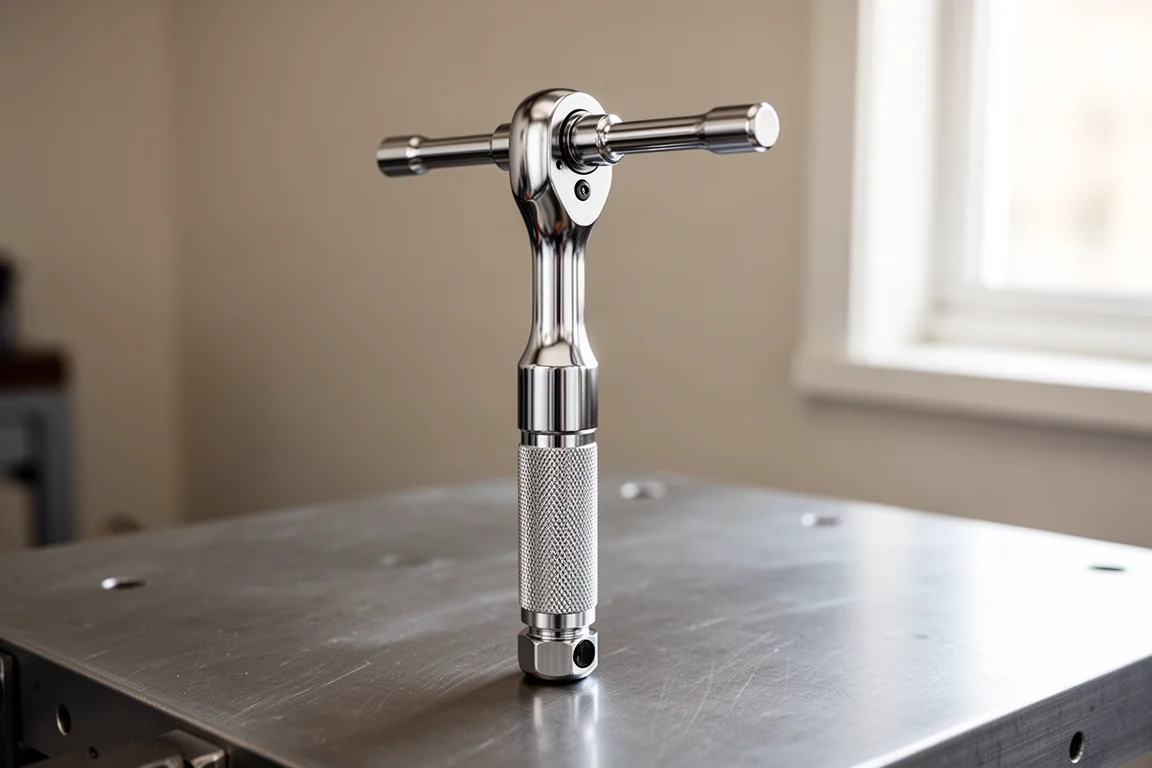
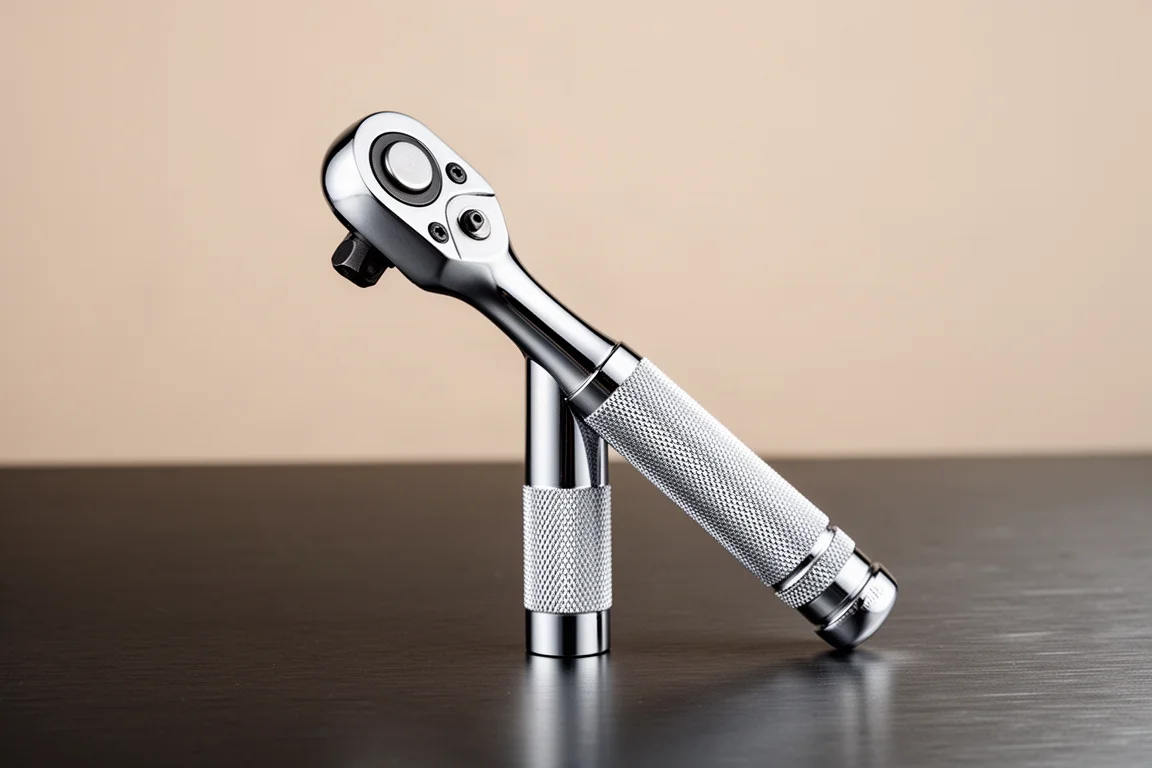
The Wurth roto head ratchet was a recent discovery and immediately stood out. It does two things almost nothing else in this group does. First, it has a push button socket release and a locking head controlled by a knob, so when you set it in a nut driver position it actually stays there. Second, it has a party trick: press a button and the handle extends out into a T-handle, which is genuinely handy.
Back drag is not the lightest, but the head size is quite small for a 3/8 drive. At around 45 dollars on sale, it is a definite buy and unlike anything else likely to be in your toolbox. The identical tool is also sold under the KS Tools brand, and the KS Tools version was found at the same price online. Expect slow shipping if ordering internationally, with delivery times measured in weeks rather than days. The Wurth version is a strong buy on its own merits.
Best of the Bunch: Snap-on Roto Head Ratchet
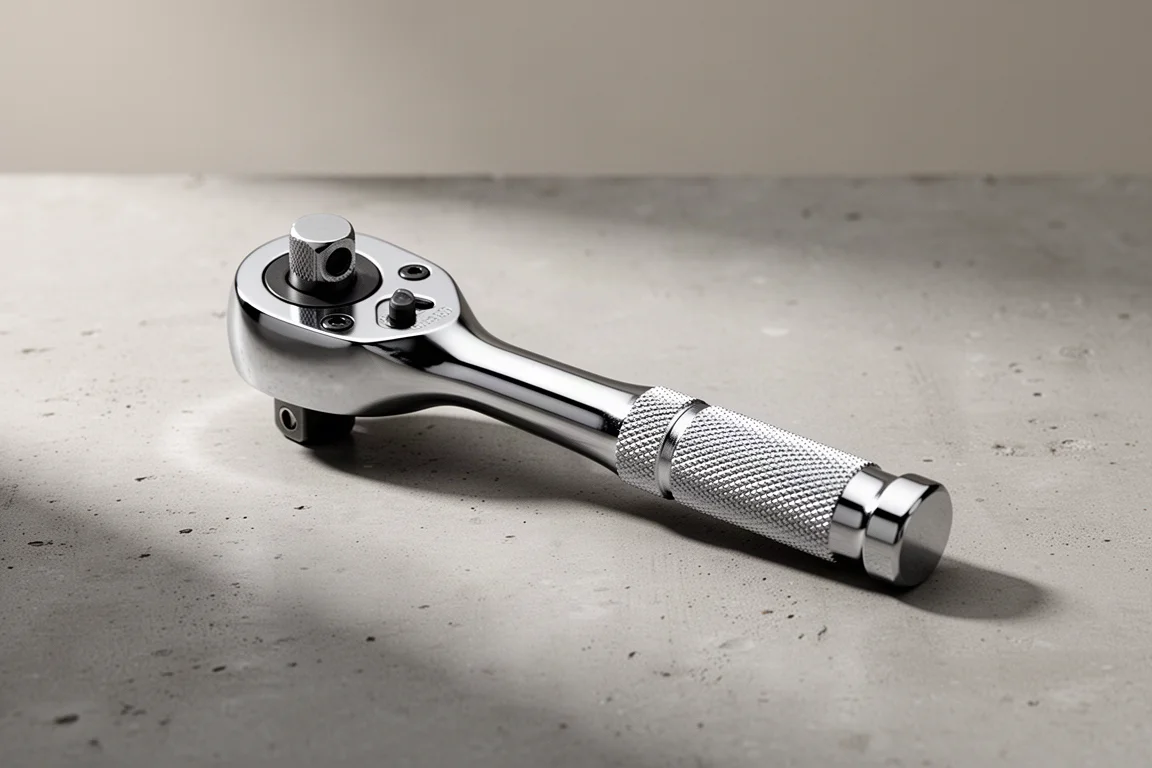
The Snap-on is the most expensive ratchet here at roughly 170 to 180 dollars, and it is also the best one of the bunch. No hedging. It has the lowest back drag of the group, measured around the three-to-four range, it is the smoothest, it feels the best in the hand, and the tension lands just about right and can be adjusted via the set screw. The head is also impressively thin for the class.
Normally it is hard to justify a nearly 200 dollar ratchet when cheaper options get close on fit and finish, but in the roto head category the gap is real. If you can swing the price, this is the one worth it. Snap-on also makes a 3/8 drive version, though the quarter inch model tested here is the standout.
Best Value Buy: Pittsburgh Roto Head Ratchet
The Pittsburgh is the polar opposite of the Snap-on in price: about 12 dollars, one tenth the cost. In flex head testing it nearly matched the big names, and here it is very good without quite being as good. What makes it special is the back drag, which measured an astonishing one to two inch-ounces, right up there with Koken-level smoothness. That is remarkable for a tool at this price.
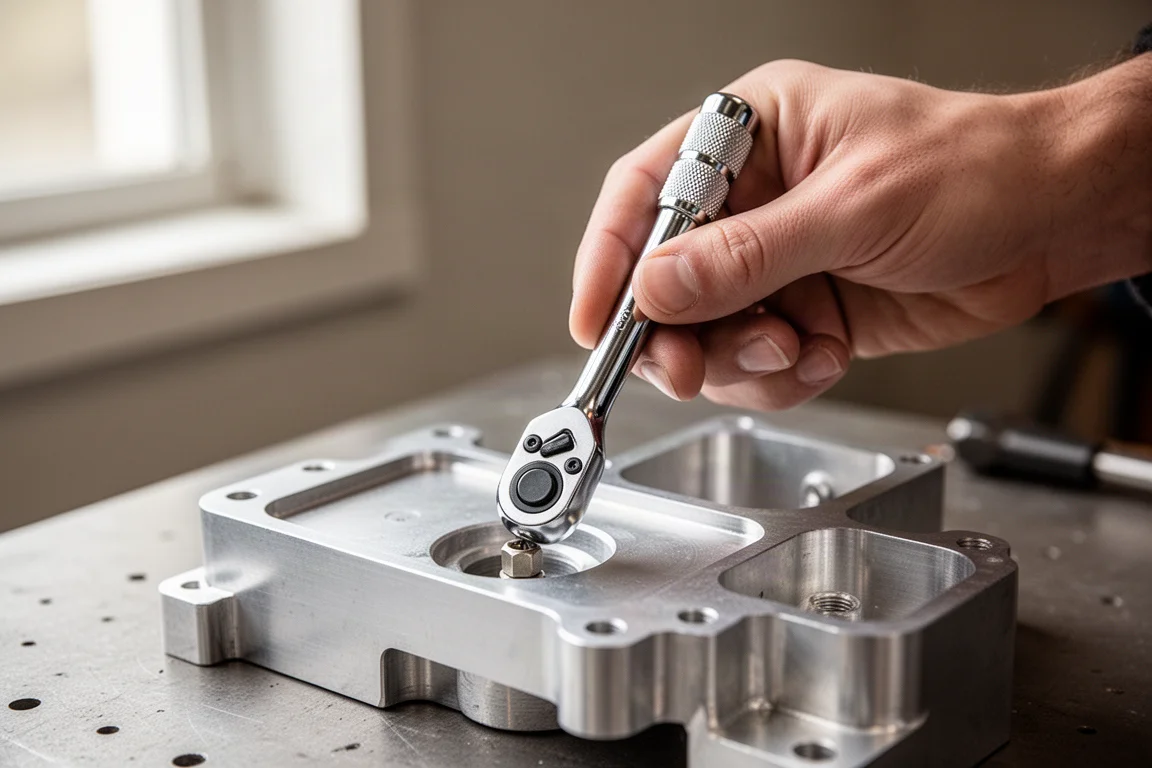
It also has a locking socket release, which is more useful on a swivelling head than on a regular ratchet, since you are flexing it around and are more likely to knock a socket loose. If you are unsure whether a roto head belongs in your box, this is the perfect, low-risk way to find out. A strong buy at under 20 dollars, especially when on sale. A 3/8 version exists too, though these tend to shine most in 1/4 drive.
Olsa Tools: Great Finish, Mixed Verdict
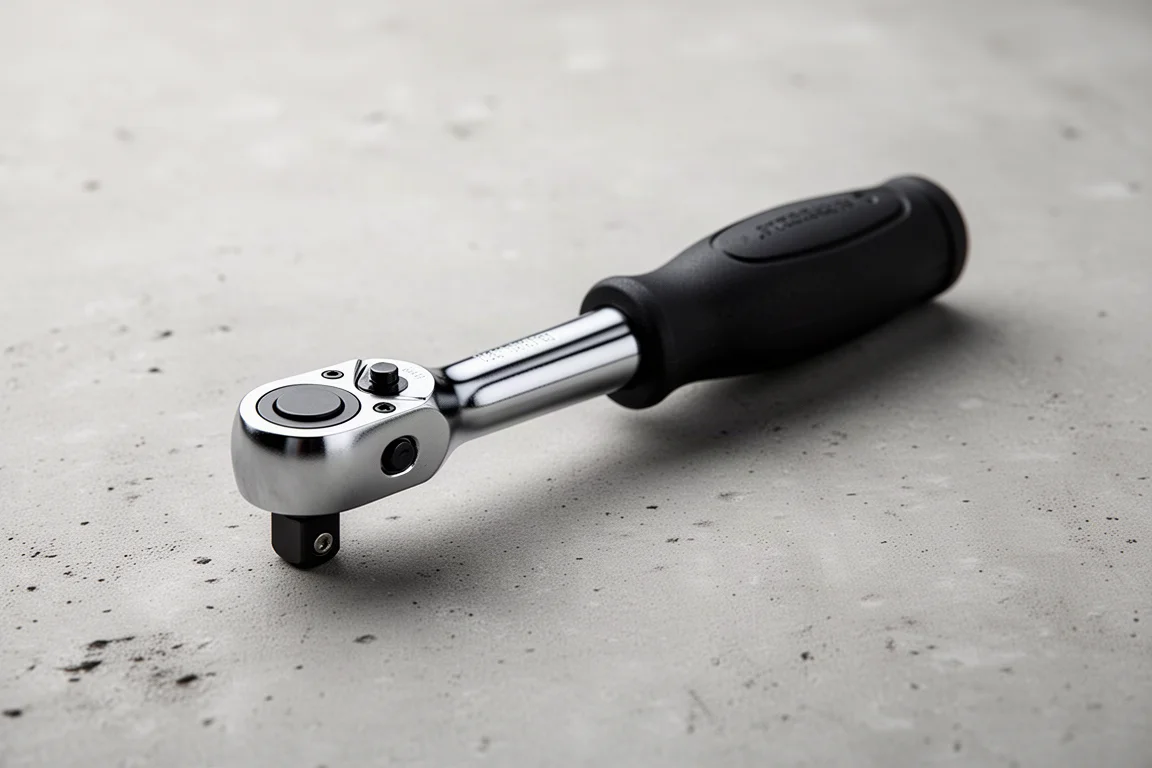
Olsa makes a pair of roto heads in 1/4 and 3/8 drive, and the build quality is genuinely nice. The chrome is good, the machining is clean, and the 1/4 inch model has quite reasonable back drag. At about 25 dollars for the 1/4 inch and 40 dollars for the 3/8, the prices are fair, and they sell a combo kit as well.
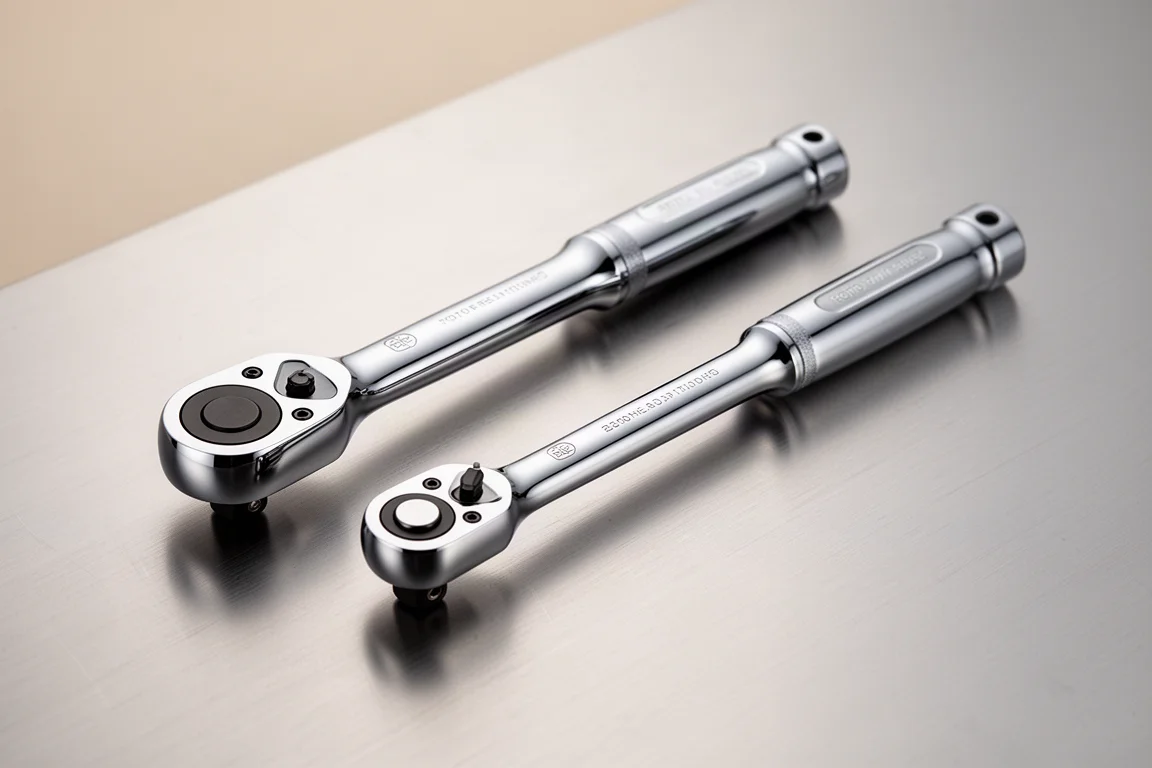
The knocks are on feel rather than quality. Head lock-up has a bit more play than some competitors, the 3/8 version has heavier back drag, and the handle shape is clumsy for screwdriver-style use, with a sharp edge that gets in the way. The verdict: the 1/4 inch is a buy, the 3/8 inch is a skip, because better options exist at that size.
Wera Zyklop: The Locked-Position Specialist
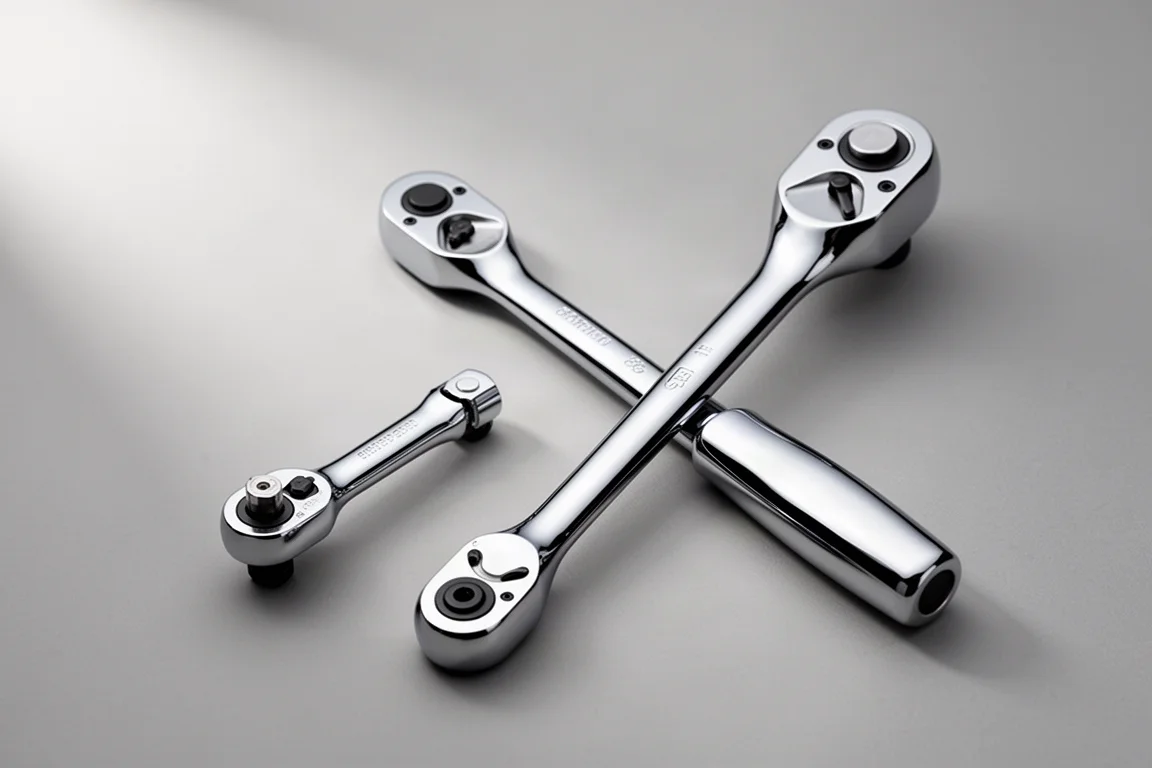
The Wera Zyklop ratchets, made in the Czech Republic, work differently from everything else here. You pull the button down to release the head, pivot it through a fairly stiff motion, and it locks firmly wherever you leave it. There is no free float mode; it is always locked. That is the good and the bad. It never slips out of position, but repositioning costs an extra step compared to heads you can simply swing by hand. The socket retention button works in the 90 degree position, which is a nice touch.
At 65 dollars for the small one and 80 dollars for the larger one, these are not inexpensive. The 1/4 inch version is the one to get; the size suits the use case, and back drag measured in the five-to-six range. The 3/8 inch only makes sense if you specifically want to run 3/8 sockets without an adapter. Buy the small one, skip the big one unless you have a real reason.
KTC: The Craftsmanship Pick
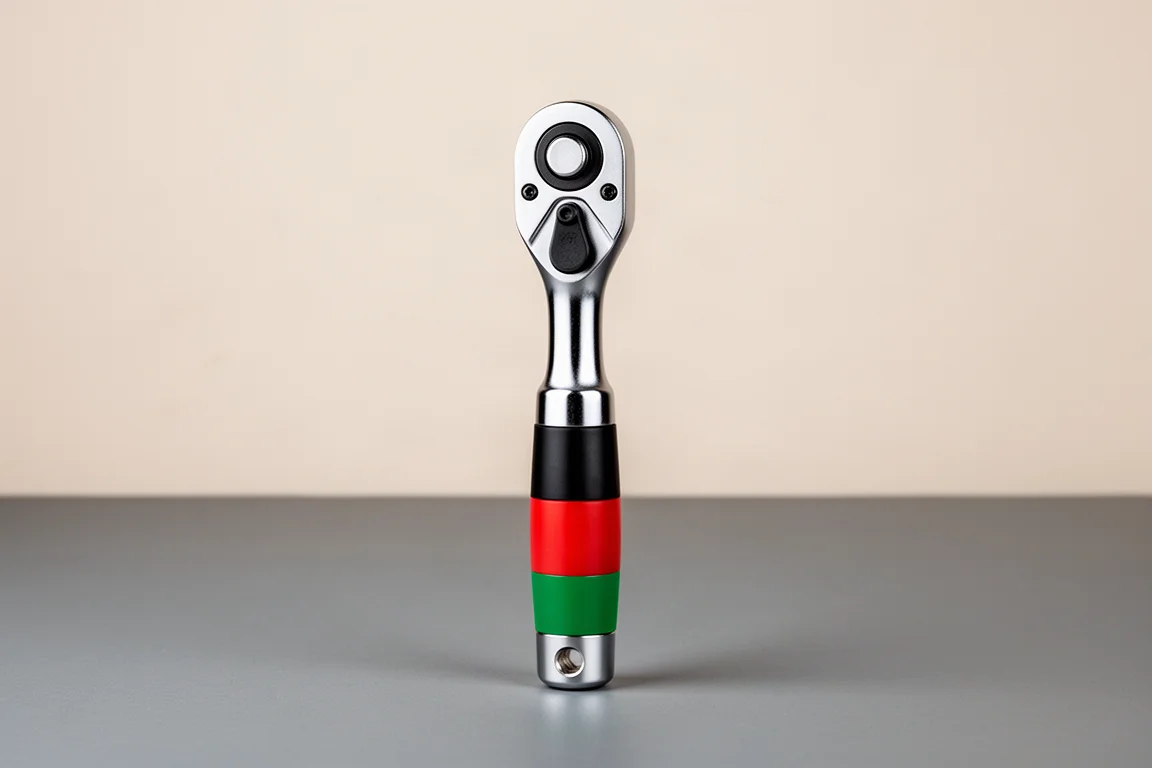
KTC is a Japanese company, and these ratchets are generally regarded as some of the nicest roto heads available. The handle shape, the knurling, the chrome, the fit and finish: everything feels substantial and beautifully made. These are heavier, more duty-grade tools, and picking one up makes that obvious immediately. They come in three lengths, all 3/8 drive only; there is no 1/4 inch version.
Back drag is medium, heavier than the Snap-on and even the Pittsburgh, though that is partly the 3/8 drive penalty. What sets the KTC apart is size: the head is dramatically smaller than the Olsa and noticeably smaller than the Wera, roughly matching the Snap-on’s compact footprint. At 65 to 80 dollars depending on length, they are a buy for anyone who values fit and finish. They also carry a small sliding metal sleeve on the handle that grows on you quickly.
Buying Advice: Which Roto Head Ratchet Should You Get?
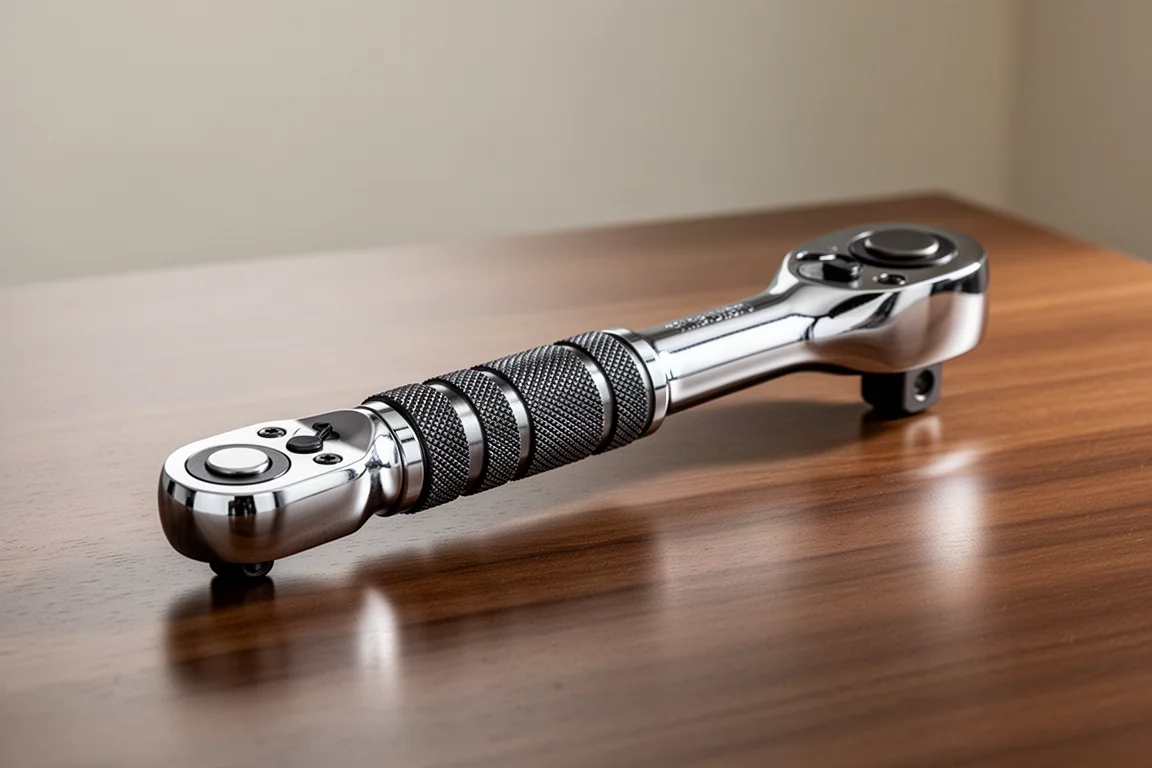
These ratchets earn their keep in specific situations. The classic use case is a fastener like a triple square or hex bolt recessed somewhere awkward: use the roto head like a screwdriver to get it started in line with the bolt, apply direct pressure, then crank it down without ever swapping tools. Add a bit adapter and it becomes whatever fastener type you need. That one-tool convenience is the whole point of the category.
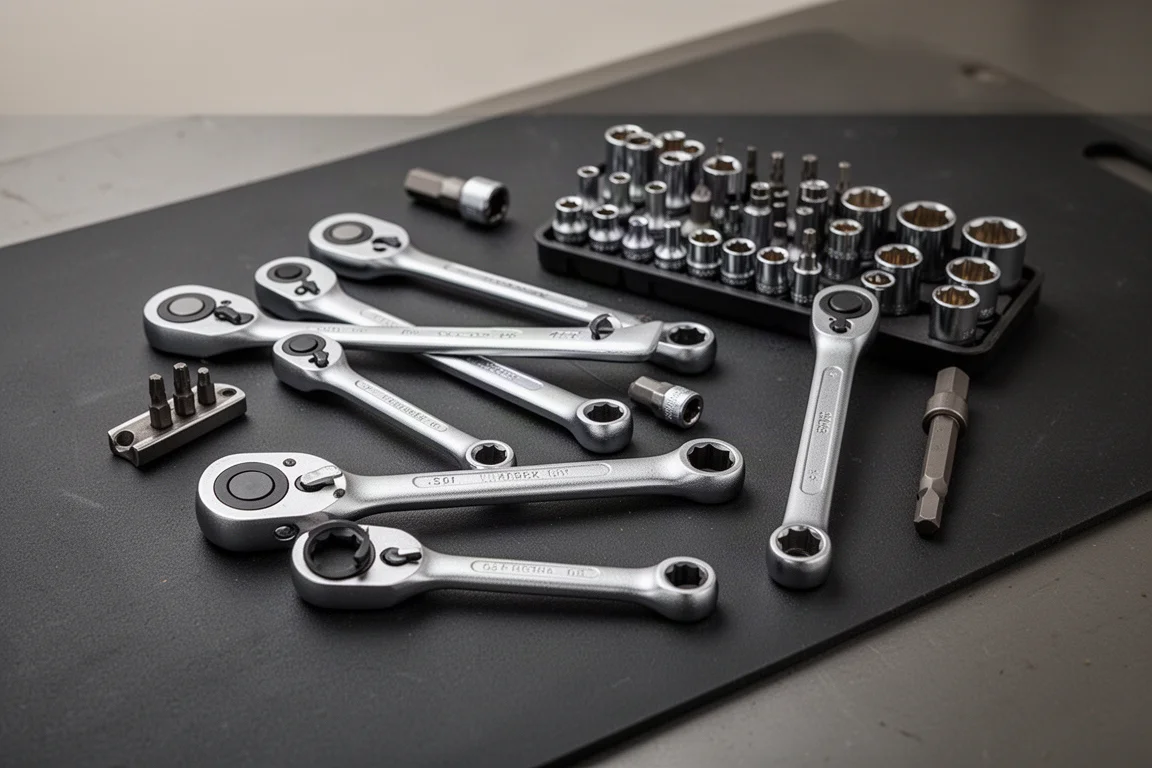
On price, the field breaks down neatly: the Titans run 15 to 18 dollars, the Pittsburgh 12 to 18, the Olsas 25 to 40, the Wurth and KS Tools around 45, and the Wera and KTC models both sit at 65 to 80, with the Snap-on a hefty 170 to 180. Most people prefer these in 1/4 drive, with the KTC being the notable exception where the 3/8 format works beautifully. If you want one cheap tool to test the waters, get the Pittsburgh. If you want the best and can pay for it, the Snap-on.
Conclusion
Roto head ratchets reward a specific kind of work, and the right pick depends on how deep you want to go. The Pittsburgh is the undisputed value play with near-zero back drag, the Snap-on is the overall best performer, the Wurth and KS Tools bring unique locking and T-handle versatility, and the KTC delivers the finest build quality in the group. The Titan, the Olsa 1/4 inch, and the Wera 1/4 inch all make sense as targeted buys, while the 3/8 inch Olsa is the one clear skip. Pick the one that matches your fasteners and your budget, and this unusual ratchet may well earn a permanent spot in your box.
Further reading
Related Reviews
Hand Tools
Best Diagonal Cutters 2026: 16 Pliers Tested for Cutting Power and Durability
We put 16 diagonal cutters through nail, screw, drill bit, and hex key tests to find the best value picks for your toolbox.
Hand Tools
Best Hex L Key Sets 2026: Nine Sets Tested for Real-World Torque
Nine hex L key sets from budget to premium, tested for torque, fit, and durability. See which sets deliver real performance and which ones to skip.
Hand Tools
Best Locking Pliers 2026: Top Picks Tested for Grip and Durability
We tested 18 brands of 10-inch locking pliers for grip strength, jaw bite, build quality, and ease of release to find the best options for tough jobs.