Power Tools
Best Right Angle Impact Drivers: Makita vs Milwaukee Compared
We put three cordless right angle impact drivers through working torque, max torque, and best-case forward tests to see which one deserves space in your tight-work toolbox.
Introduction
Right angle impact drivers are one of those niche categories most people ignore until the day a fastener sits exactly where a normal drill cannot reach. Between plumbing runs, inside wall cavities, or behind engine components, a right angle head turns an impossible job into a routine one. The catch: this category delivers modest torque by design, so choosing the right model matters more than usual.
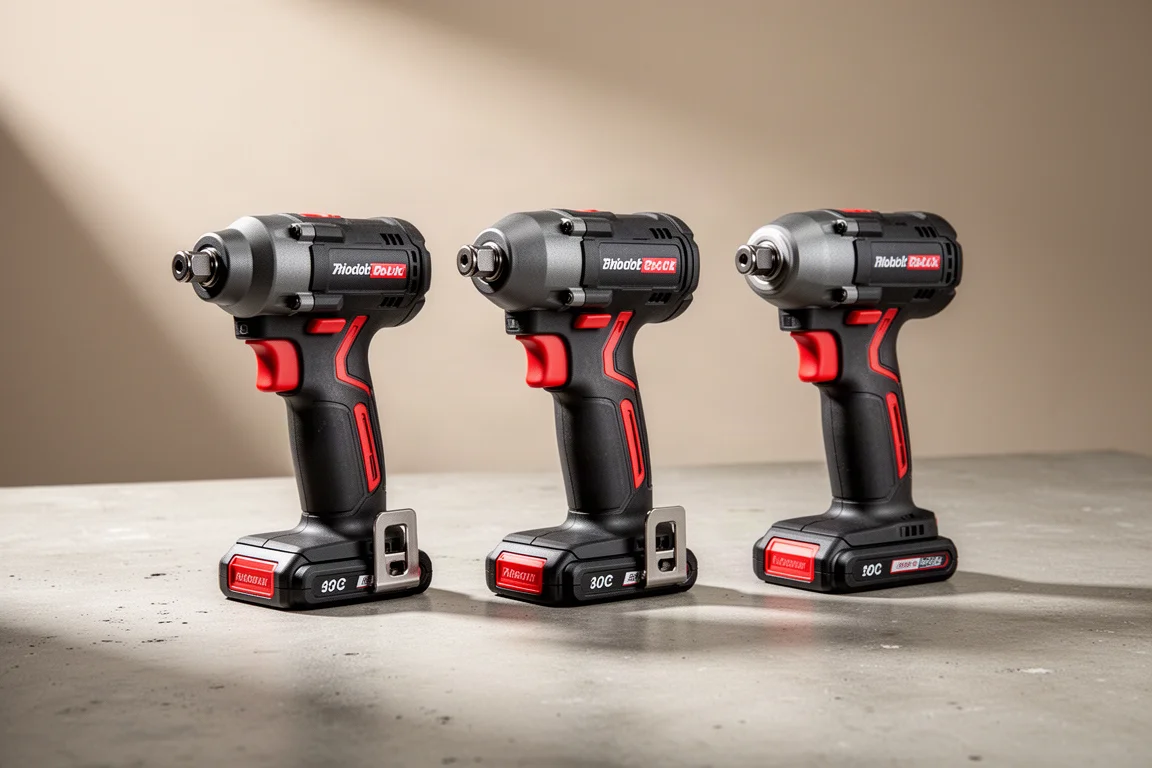
To find out which ones are worth buying, three cordless right angle impact drivers went through a consistent test battery: a 5-second working torque run in forward, a 10-second max torque run in reverse, and a 10-second best-case max torque run in forward with freshly charged batteries. The results separated the field more clearly than the spec sheets suggest.
Why Right Angle Impact Drivers Are a Niche Worth Understanding
These are impact drivers, not right angle impact wrenches or ratchets, and the distinction matters. Standard impact drivers deliver torque numbers that sound impressive on a box, but in real use they are driving deck screws, occasional lags, and small fasteners. Right angle versions sacrifice outright power for access, so torque output in this category is genuinely modest across the board.
That makes the practical differences between models meaningful. If a driver cannot deliver enough torque for the job at hand, the compact head is worthless. With only a handful of options on the market, here is how the three main contenders stack up.
Makita XLT01Z: The Premium Import Option
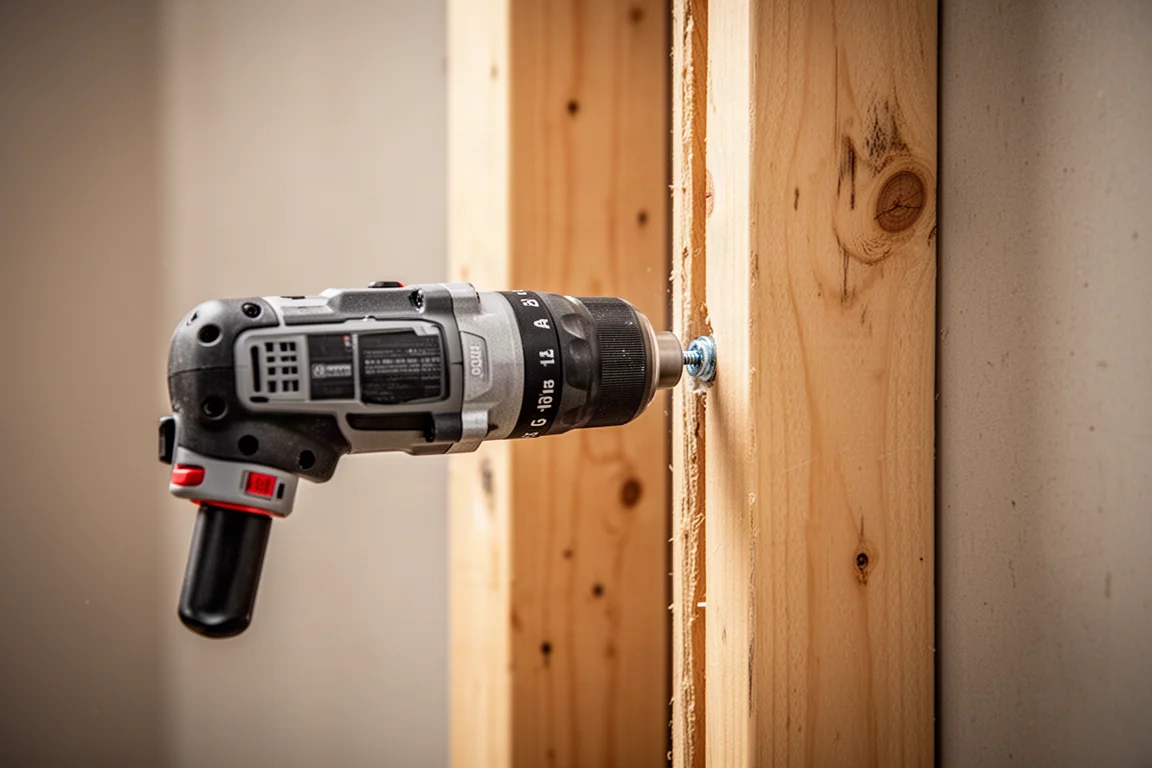
The Makita XLT01Z sells for $179 bare and is made in Japan. It is not a new model by any means, but it remains Makita’s only right angle impact driver, which makes it a default search result for anyone shopping this category.
In testing, it put up 27 ft-lbs in the working torque run, 47 ft-lbs in reverse max torque, and 43 ft-lbs in the best-case forward run. Makita’s tools have historically favored reverse, and that pattern held here. It also had the smallest head length of the group, which counts for a lot in this category. The concern is price: at $179 for 43 to 47 ft-lbs of output, the price-for-performance ratio is the weakest of the bunch.
Milwaukee 2667-20: The 18V Brushed Contender
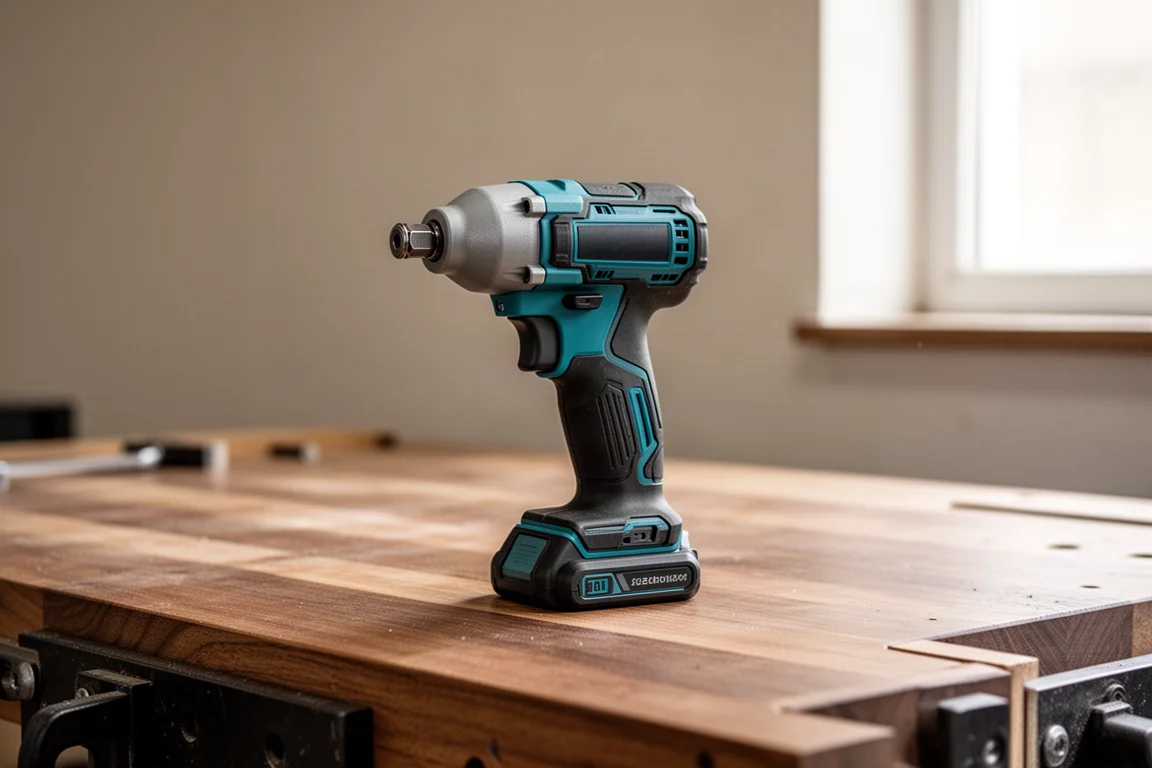
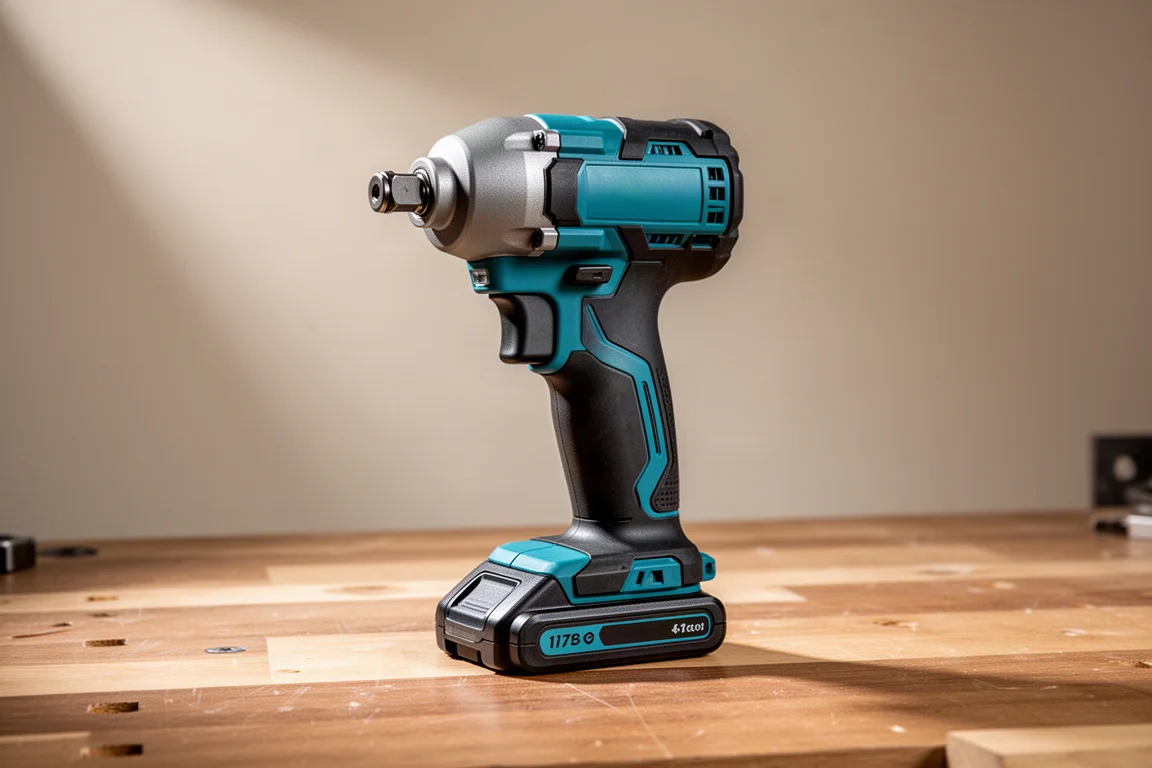
The Milwaukee M18 2667-20 sells for $149 bare and uses a brushed motor. Notably, there is no more expensive fuel-brushed version of this driver in 18V; this is the only one. The design is very similar to the Makita, and the head measured about 2.2 inches.
On the numbers, it scored 52 ft-lbs in working torque, 45 ft-lbs in reverse max torque (oddly less than its forward working run), and 53 ft-lbs in the best-case forward test, where it reclaimed its spot above the Makita. It hit roughly 95 percent of its rated torque claim in testing. It sits above the Makita in most runs, but it still is not close to what a dedicated M12 right angle impact wrench delivers for actual bolt work.
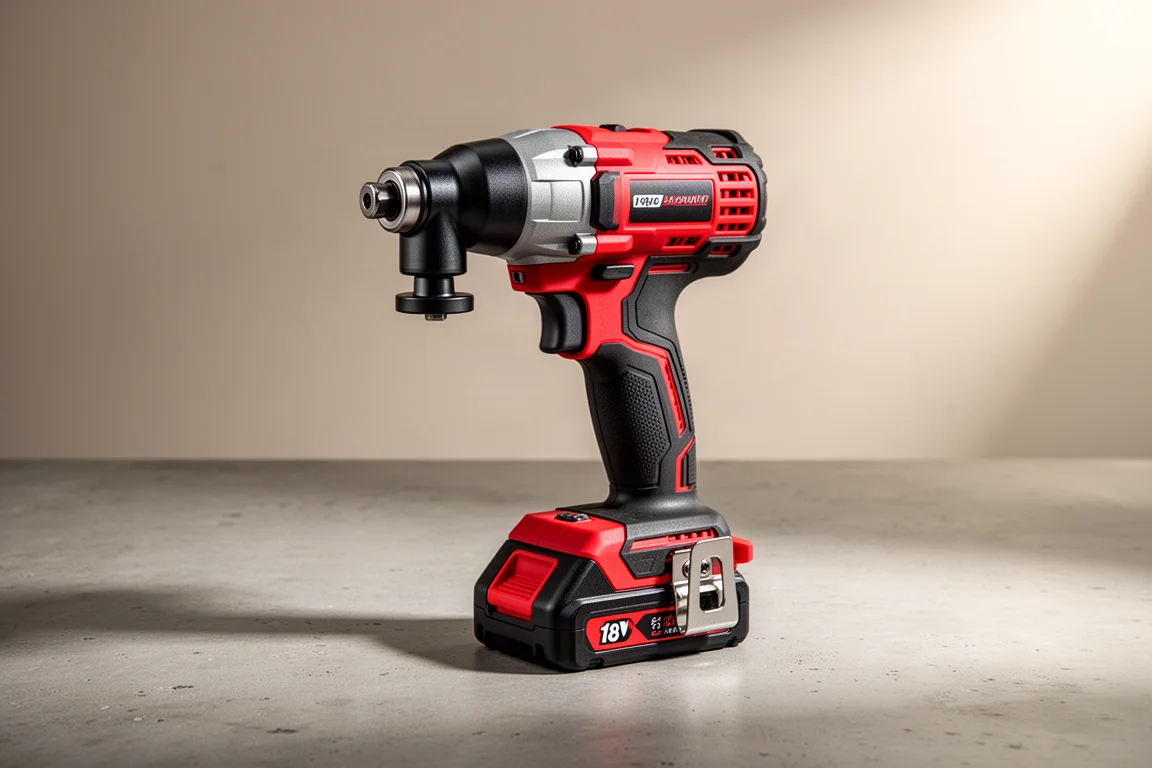
Milwaukee M12 2467-20: The Compact Value Pick
The M12 2467-20 drops the price to $99 bare with a smaller form factor, though the head measured slightly longer at 2.24 inches. Milwaukee rates it for 660 in-lbs versus 675 for the M18 version, and testing used the XC 6.0 M12 pack, which has proven the most reliable pairing.
In the runs, it managed 34 ft-lbs of working torque, 52 ft-lbs in reverse, and 38 ft-lbs in best-case forward. Interestingly, it preferred reverse to forward on the day. It delivered 100 percent of its rated claim, and while it packs a bit less punch than its M18 sibling, the lower price and compact size make it an interesting middle ground.
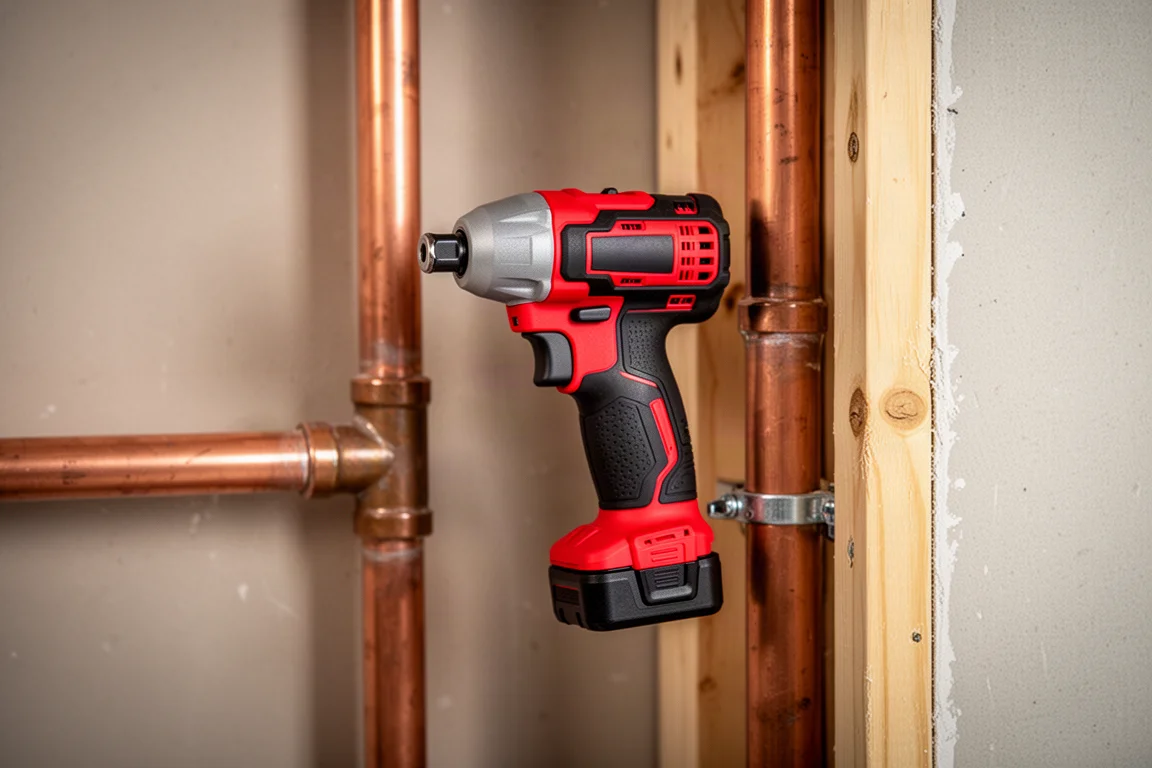
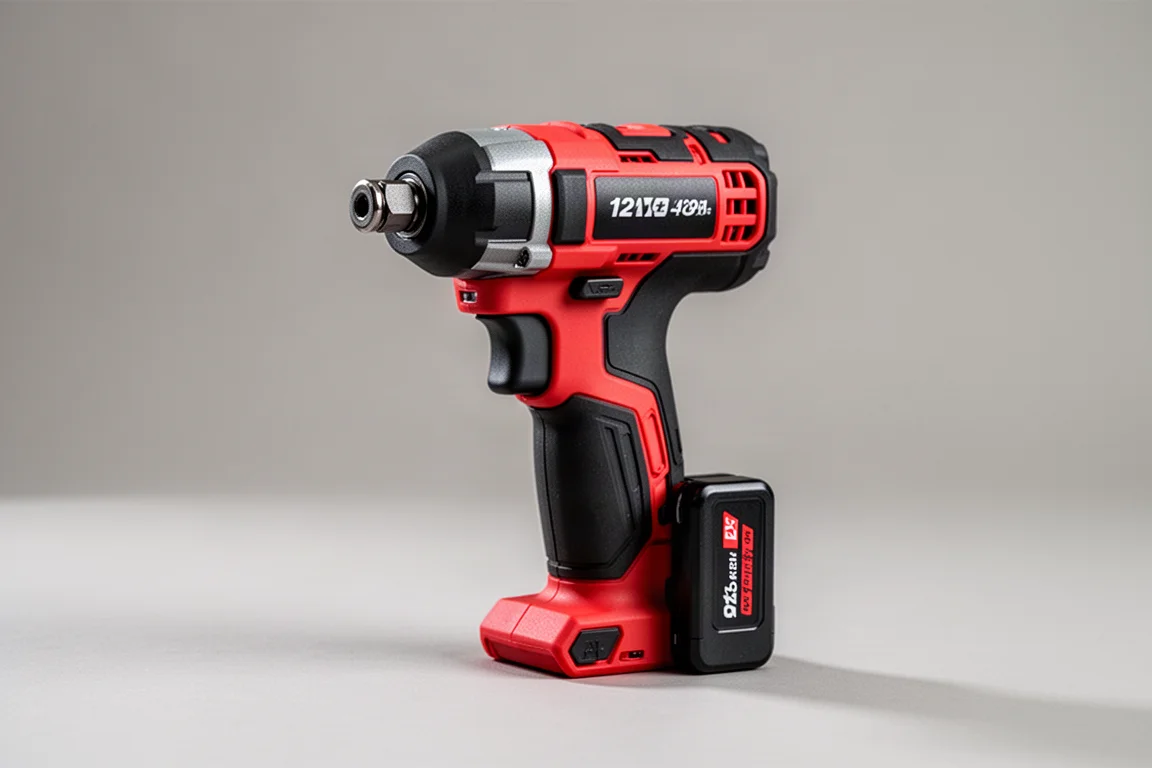
How the Field Compares
A fourth option worth knowing about: Skil sells a brushless 12V right angle impact driver for $99, often as a kit, making it the cheapest entry in the category. Despite a small 2Ah battery, it topped the forward torque tests with 67 ft-lbs of working torque and 84 ft-lbs best-case forward, benefiting from a more modern brushless design and 360-degree lighting that puts the others to shame.
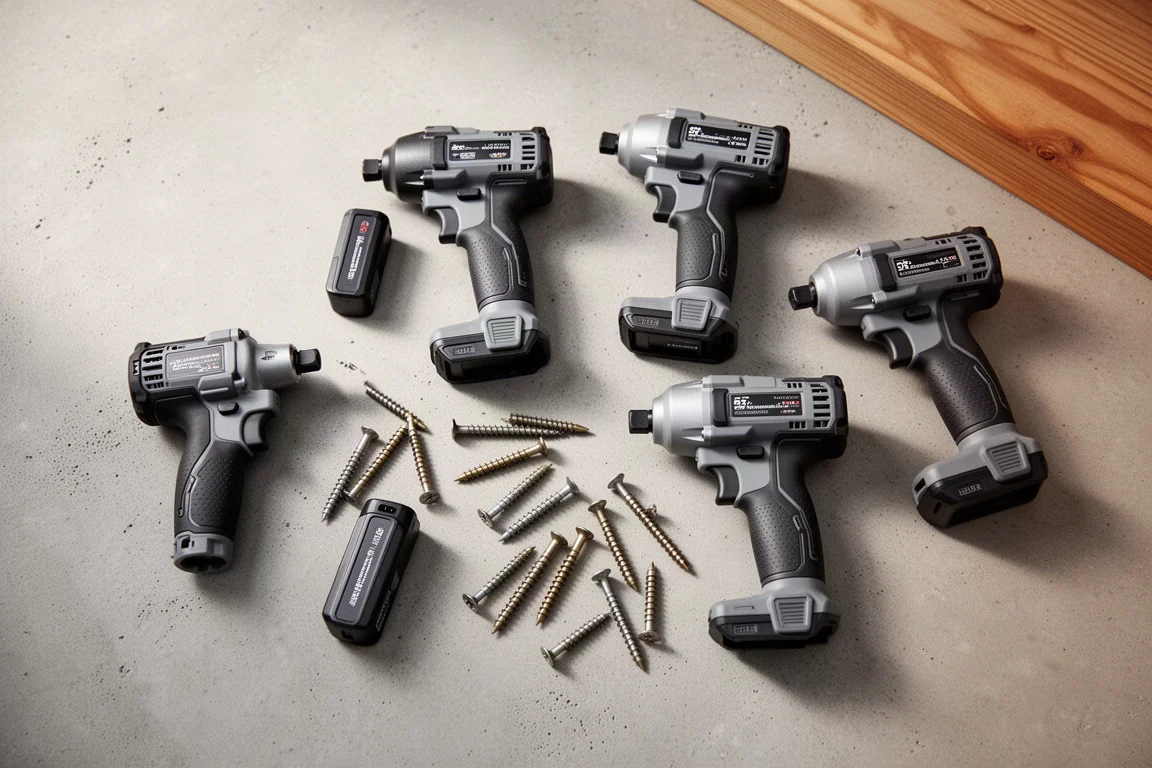
Across the whole group, converting rated torque to foot-pounds gave a fairly honest preview of real performance. The Makita, M12, and Skil all delivered around 100 percent of their claims, with the M18 just shy. On raw numbers the Makita is the smallest head but the weakest value; the M18 lands mid-pack; and the M12 offers better pricing with comparable real-world output.
Buying Advice
For most buyers, the deciding factors are access and value. If you already own a battery platform, staying within it usually makes sense, and all three drivers here performed honestly against their ratings. The Makita makes sense for Makita platform users who want the smallest head available, while the M18 suits Milwaukee 18V owners who want more headroom than the 12V option.
The M12 2467-20 stands out as the practical pick: it costs less than the M18, delivered 100 percent of its torque claim, and its compact head suits the plumbing and between-studs work this tool exists for. For tight-space fastening, spending more does not clearly buy more capability in this category.
Conclusion
Right angle impact drivers are all about compromise, and the testing showed that the cheapest and most compact options often punch hardest for the money. The Makita XLT01Z brings the smallest head and premium build, the Milwaukee 2667-20 adds 18V power at a mid-tier price, and the M12 2467-20 balances price, size, and honest performance. Match the tool to your battery platform and your tightest job, and any of these can earn a spot in the toolbox.
Further reading
Related Reviews
Power Tools
Best 1-Inch Pistol Impact Wrenches: Three Heavy-Duty Options Compared
We compare three 1-inch pistol impact wrenches, from a budget-friendly Harbor Freight model to a premium Caterpillar unit, to help you choose the right one.
Power Tools
Best 3/4-Inch Impact Wrenches 2026: Five Contenders Compared
We compare five 3/4-inch impact wrenches across price and performance, from a budget Amazon option to Snap-on's most powerful model yet.
Power Tools
Best Budget Cordless Tools 2026: Walmart Finds That Punch Above Their Price
We tested five cordless tools from Walmart, including a high-torque impact wrench that trades blows with Milwaukee and a $35 duster that outperforms its price class.