Hand Tools
7 Ratchets Compared: Which Ones Have the Lowest Back Drag?
We measured back drag on seven popular ratchets, from the Craftsman B Series flex head to a 90-tooth GearWrench, and the gap between best and worst was dramatic.
Introduction
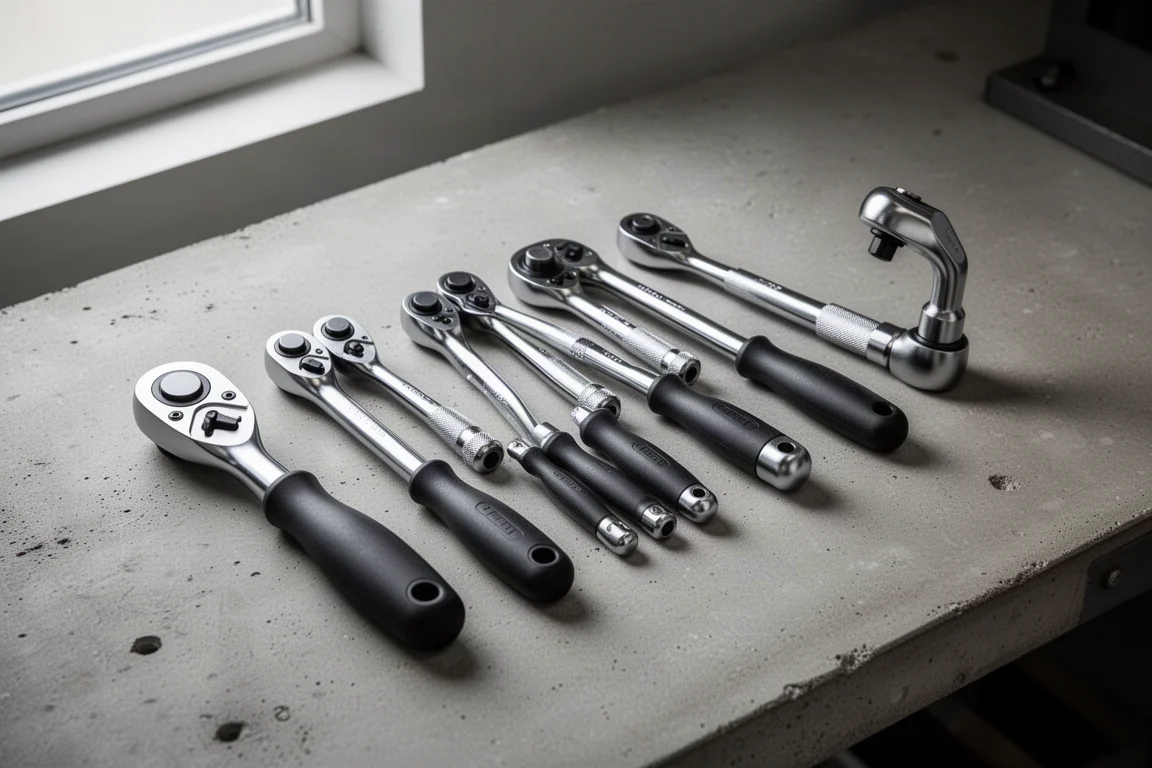
Back drag is the resistance you feel when a ratchet free-spins backward, and on a tight fastener it can be the difference between a ratchet that works and one that keeps spinning the bolt out of your grip. That became obvious with the Craftsman B Series flex head, which showed some of the highest back drag in this comparison and proved frustrating in real use. To put the numbers in context, seven ratchets went through the same simple bench test, and the results ranged from a silky 100 all the way to 725.
How the Back Drag Test Worked
Each ratchet was mounted in the same fixture and wound up in the same direction with a consistent technique. The point where the mechanism held was read off a marked scale from 0 up to 1,000, then marked and recorded. The absolute numbers matter less than the relative gaps between tools, since the same setup and method applied to every ratchet.
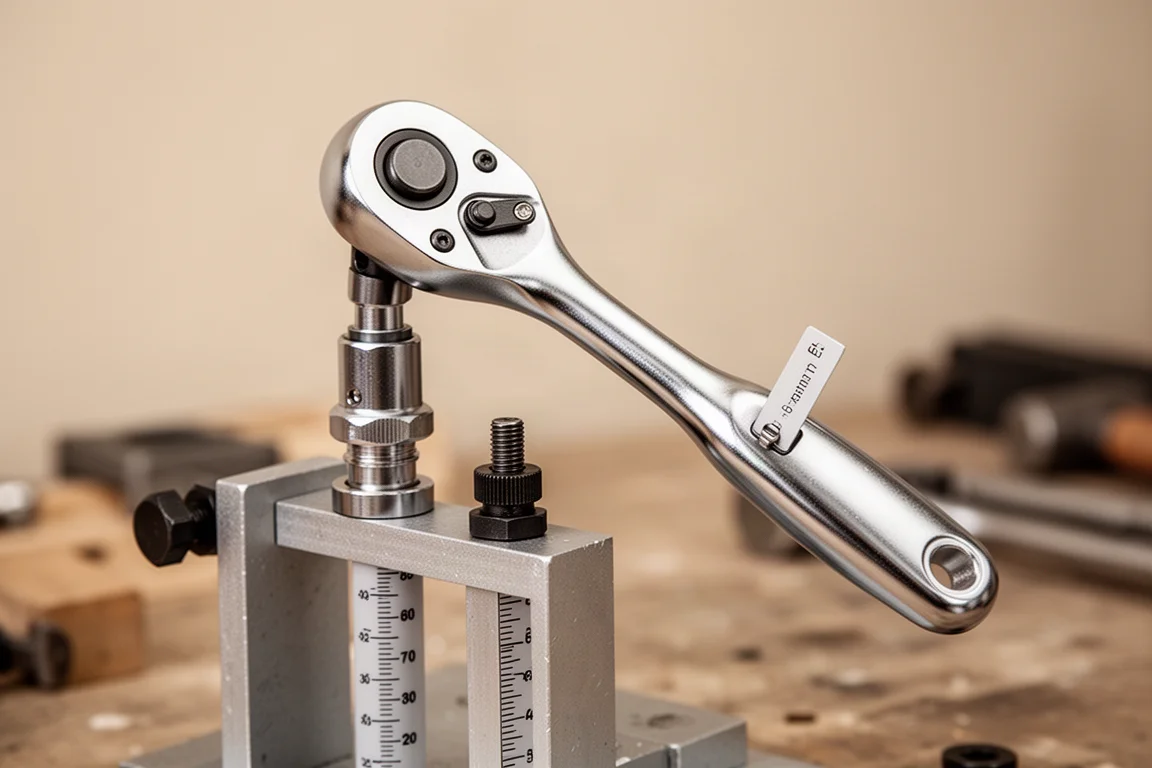
It is worth noting that some ratchets showed variability between runs, reading higher when spun quickly and lower when turned slowly, while others repeated almost identically every time. That consistency itself says something about the quality of the internals.
Craftsman B Series Flex Head Ratchet
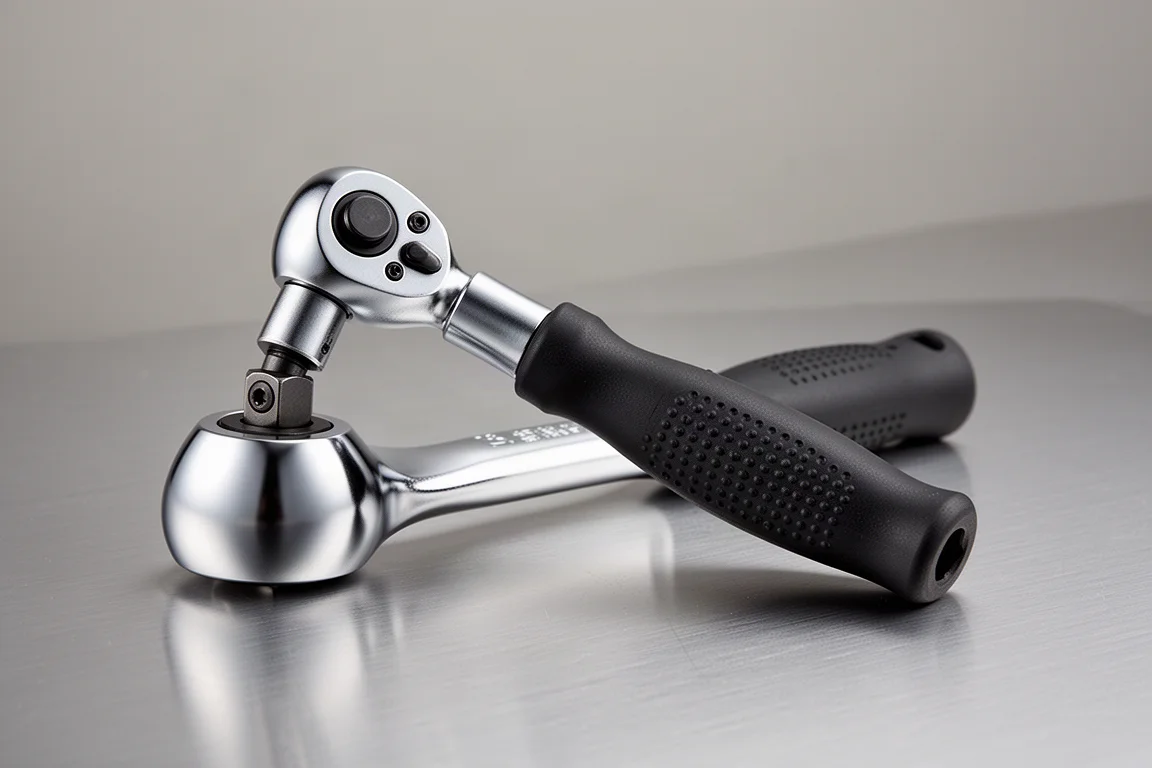
This is the ratchet that started the whole comparison. With roughly 725 of back drag, it recorded the highest reading of any tool tested, and the real-world frustration matched the number. When used with a hex bit to tighten 8 mm bolts on a telescope mounting plate, the back drag overcame hand-tightened resistance and the bit kept spinning out instead of turning the bolt. That is a serious drawback for a flex head tool that otherwise has obvious appeal for working in tight or angled spots.
GearWrench 90-Tooth Ratchet
The GearWrench 90-tooth quarter-inch came in at around 300, which seems to be a fairly typical figure for a modern mid-range ratchet. Beyond the back drag, one detail stands out immediately: the head is noticeably slim, roughly half the thickness of the B Series head. In confined spaces that low-profile head can matter as much as the free-spin feel.
Craftsman Overdrive 180-Tooth Ratchet
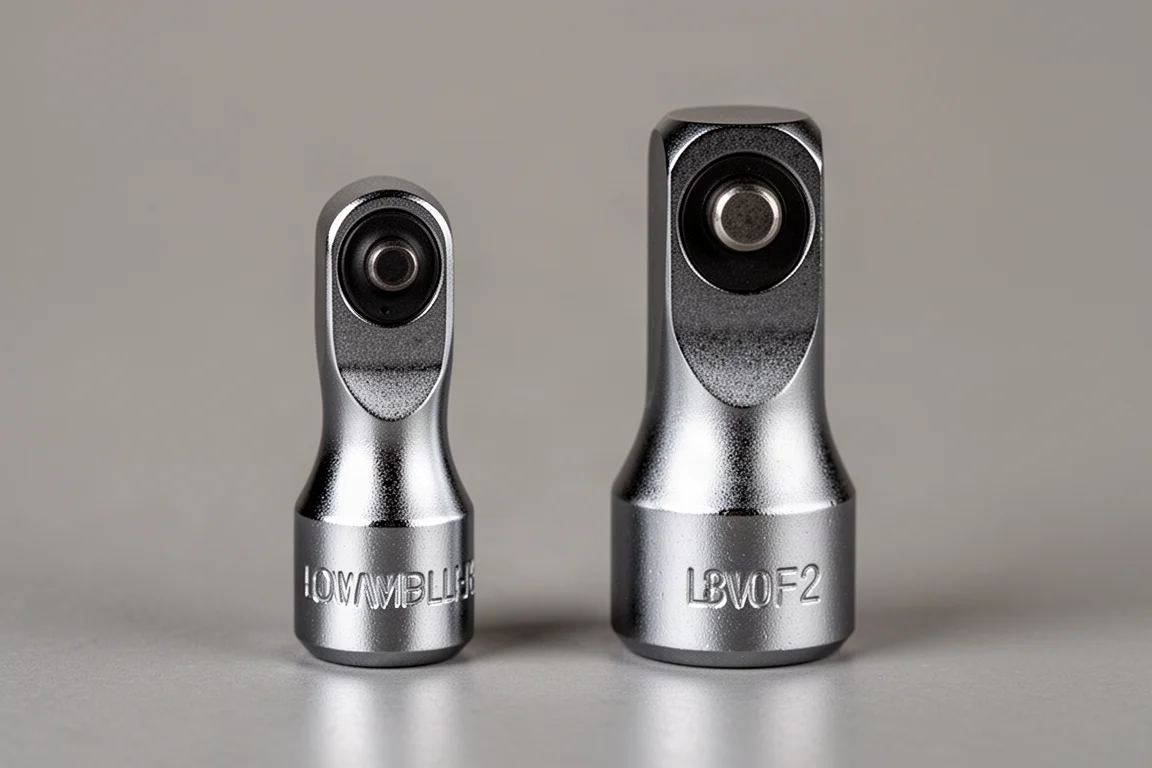
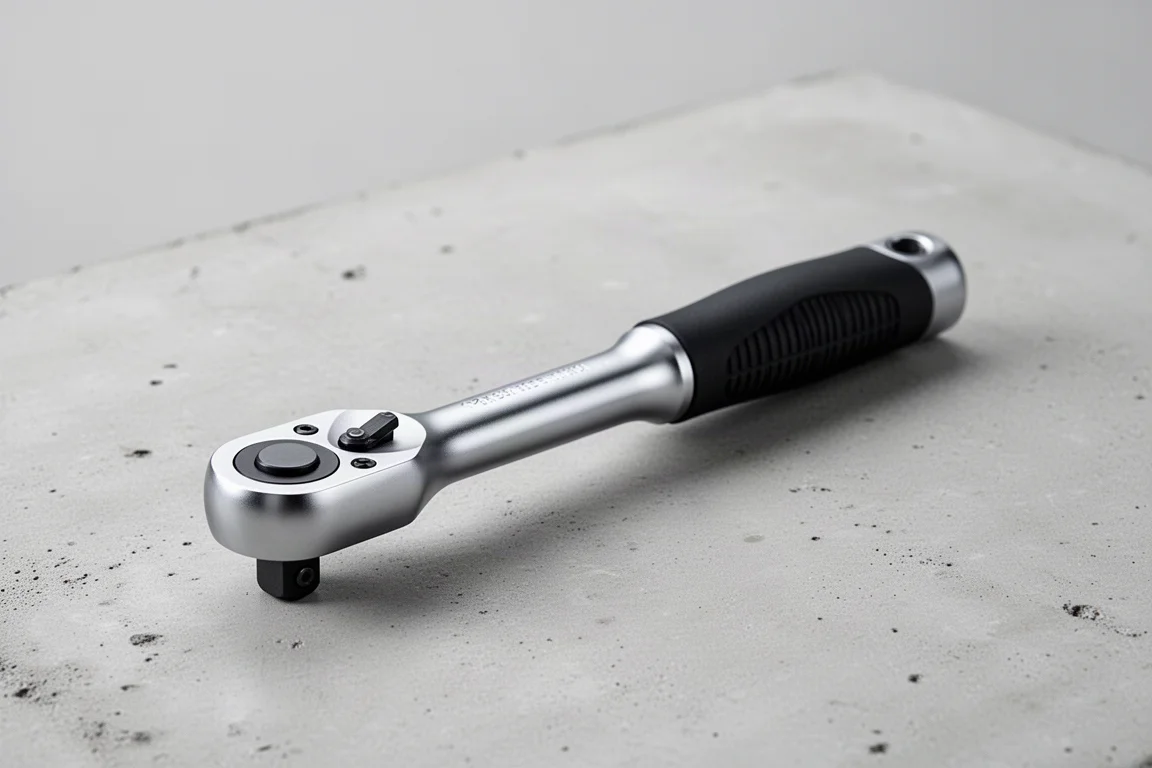
The Craftsman Overdrive, marketed as a 180-tooth design, came in higher than the GearWrench at around 400. Its hang tag lists it as made in Taiwan, the same origin as the GearWrench. A 180-tooth mechanism should mean a short swing arc, and the back drag figure is respectable rather than exceptional, landing it in the same territory as the Titan and the Duralast.
Snap-On Ratchet
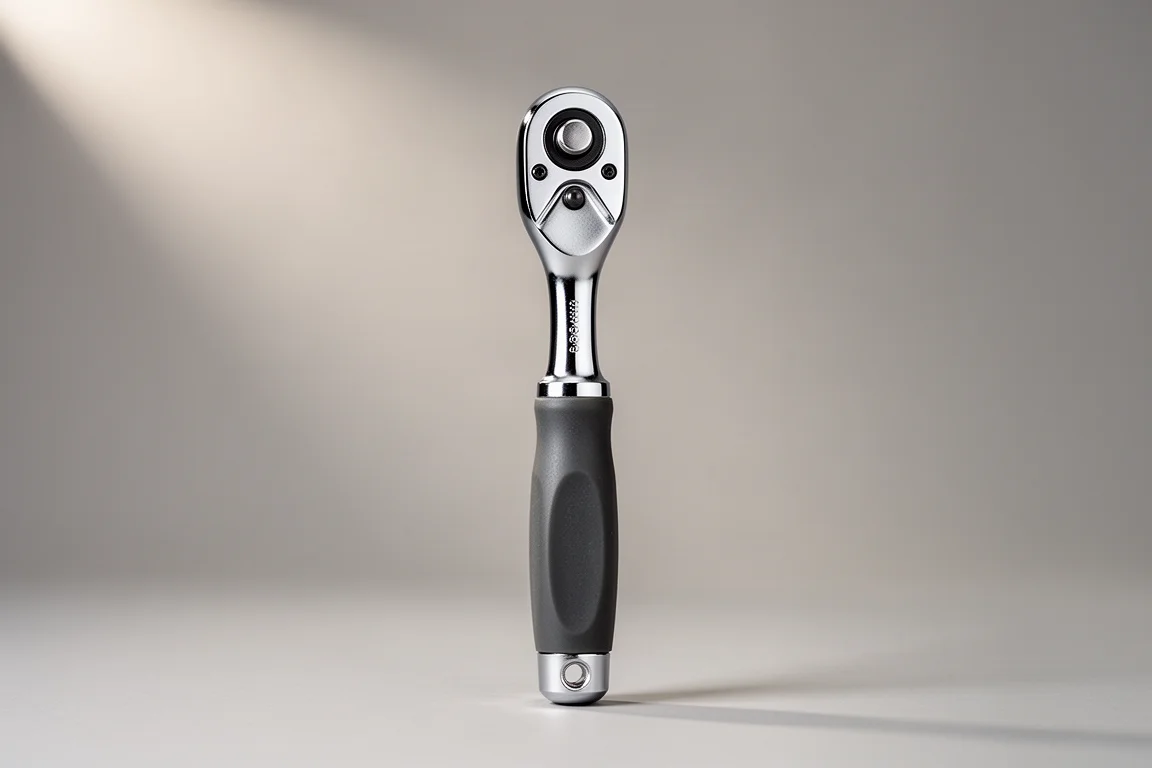
The newer Snap-On was one of the standout performers, hanging at roughly 175, and it never quite reached 200 on the scale. That is the second-lowest reading of the entire test and backs up the reputation. For perspective, an older serviced 36-tooth Snap-On in the same family measured around 700, a reminder that age and wear dramatically change back drag even within the same brand.
Channellock Ratchet
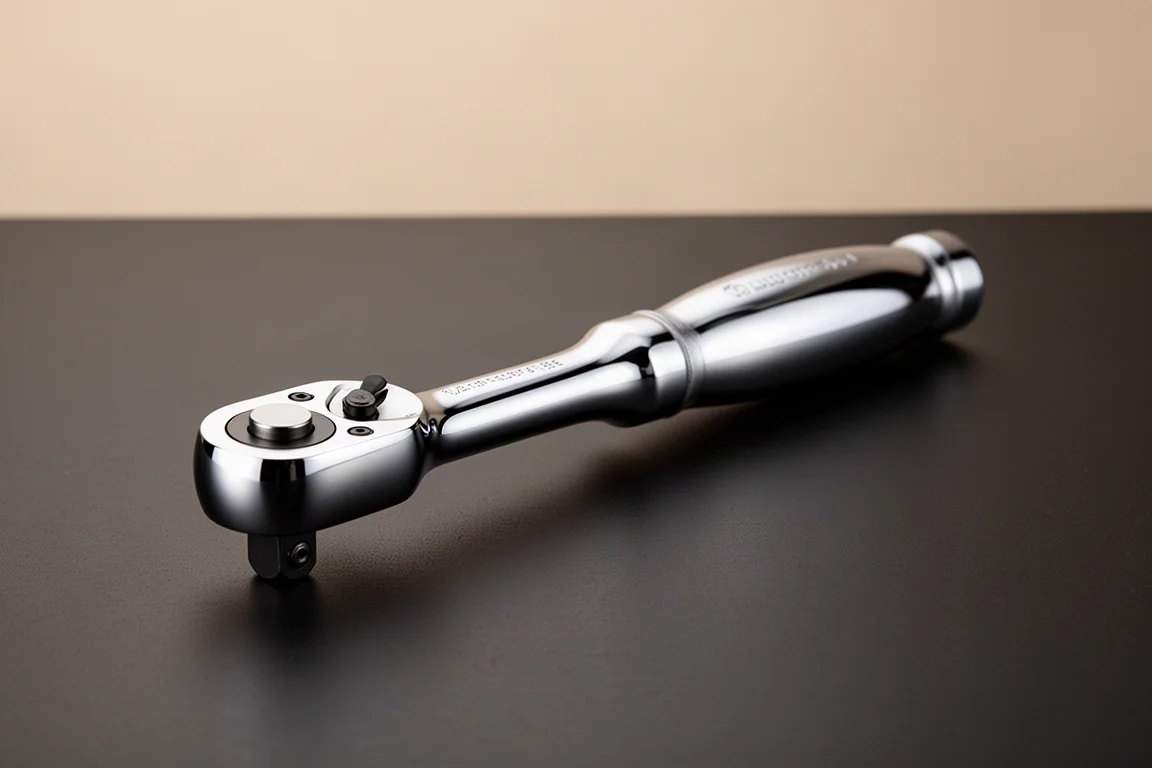
The Channellock surprised with fairly low back drag, measuring around 200 and matching the Snap-On’s neighborhood on the scale. It also showed decently consistent behavior between runs. For a ratchet at a typically accessible price point, that is a strong result and makes it one of the quiet achievers in this group.
Duralast 72-Tooth Ratchet
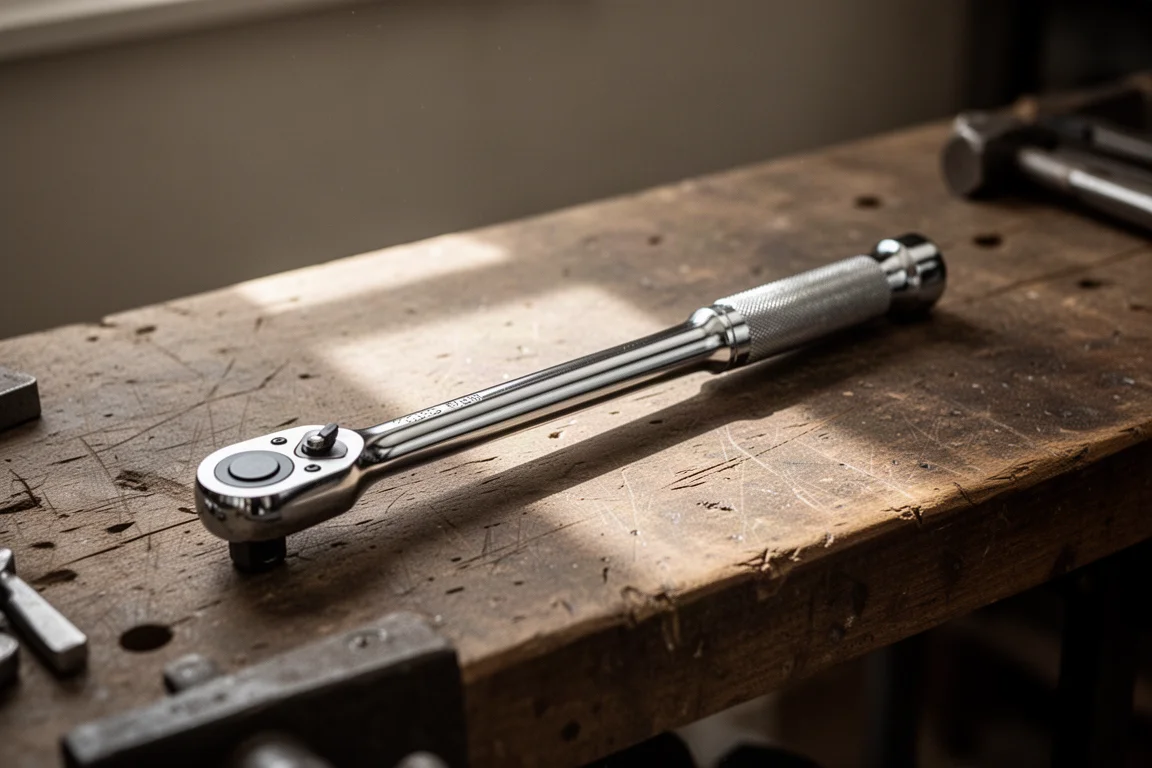
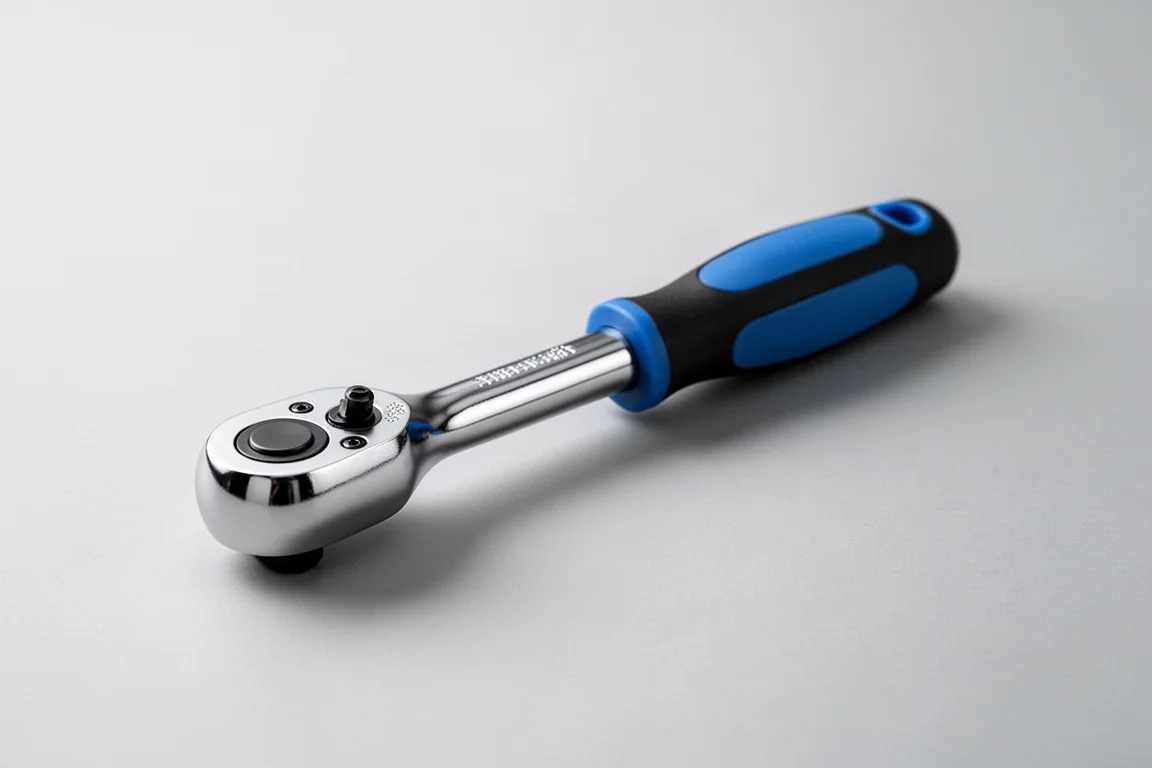
The Duralast 72-tooth was the clearest example of inconsistency in the test. Readings ranged anywhere from 250 when turned slowly to 400 when spun quickly, and the mechanism did not feel smooth inside. Calling it 300 is arguably generous, but even that mid-pack number comes with a caveat: what you feel at the handle changes run to run, which is not what you want from a precision tool.
Titan Ratchet
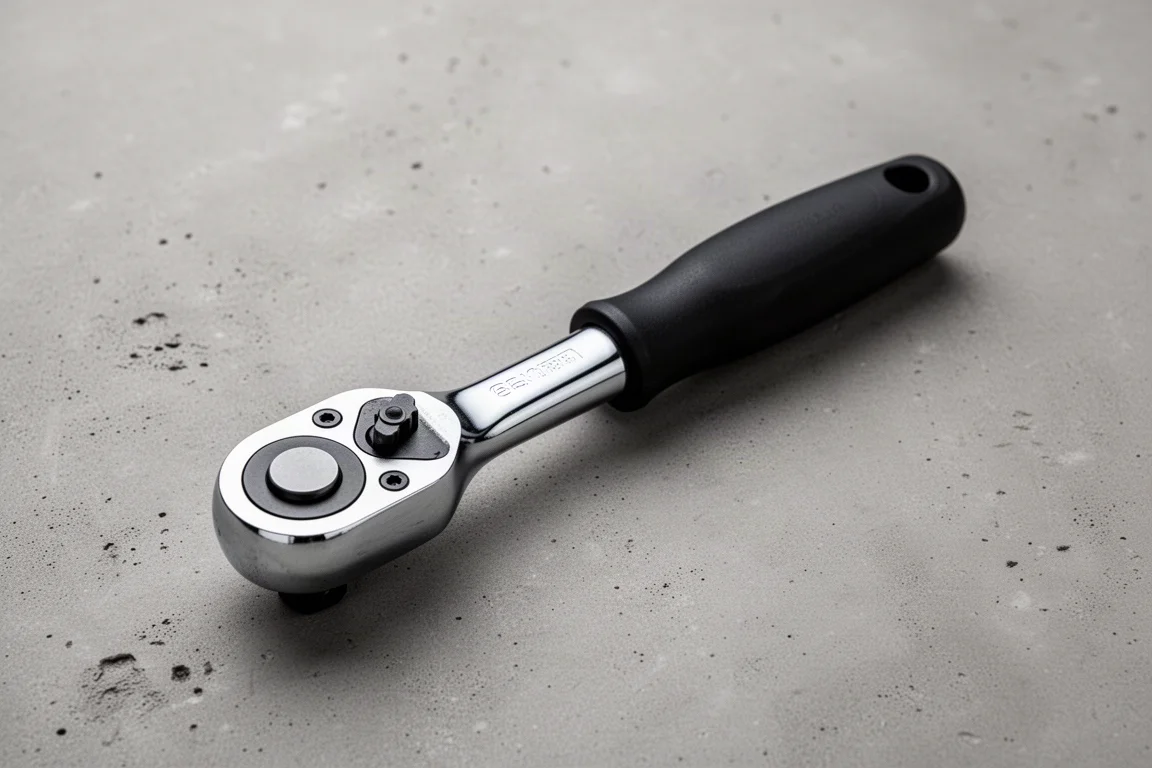
The Titan hovered between 375 and 400, and the description that fits best is crunchy but excellent. The mechanism has a tactile, deliberate feel rather than a silky free spin, and it repeated its readings reliably. If you value positive engagement over buttery back-drag numbers, the Titan’s character may actually work in your favor.
The Final Ranking
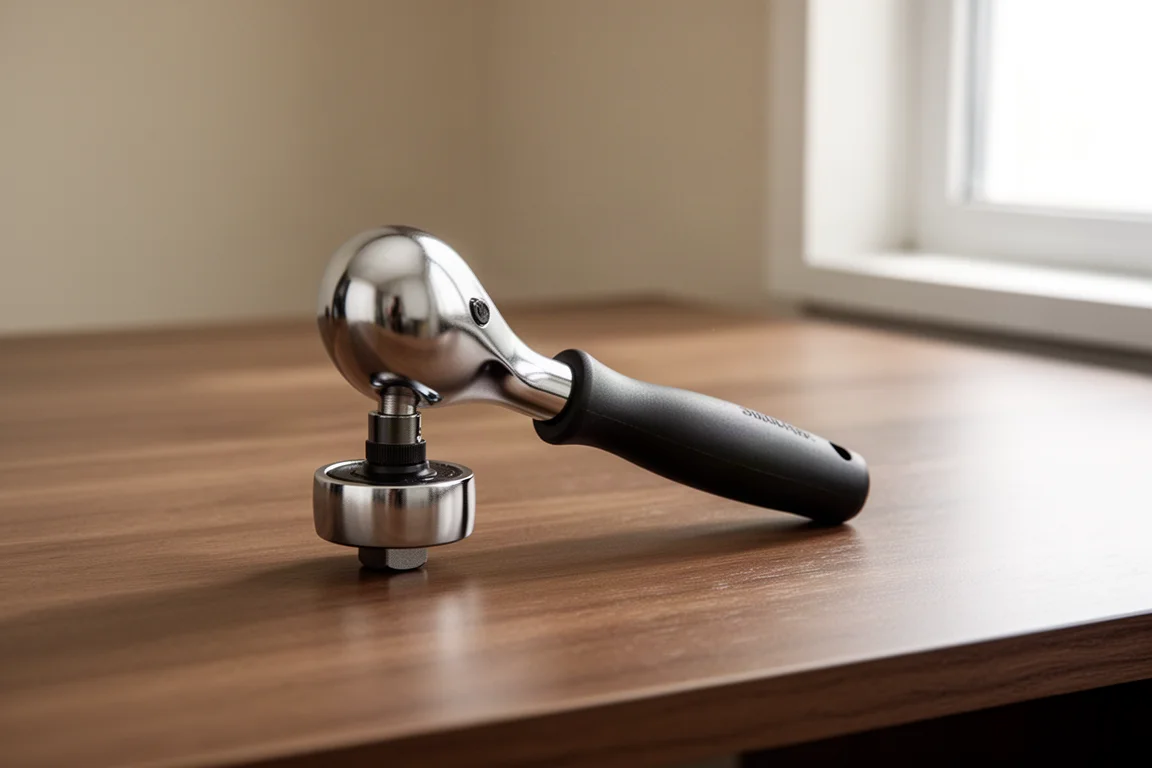
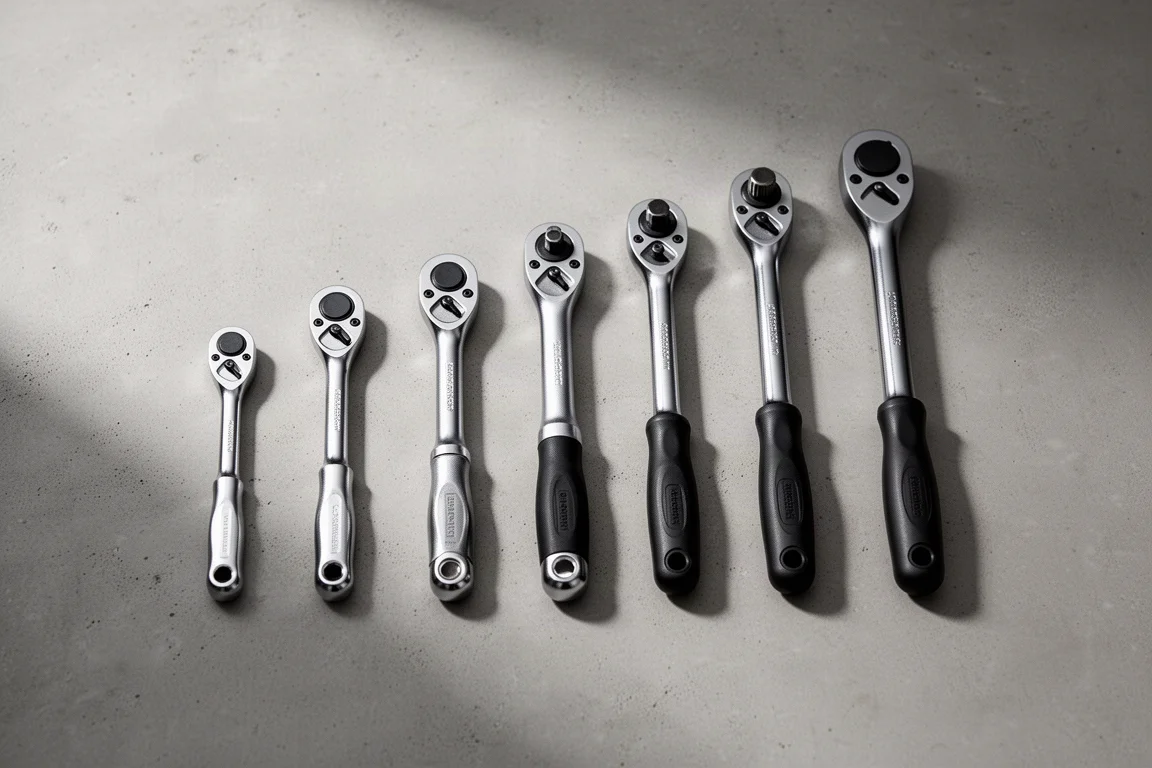
Lined up side by side, the spread is striking. The best reading was about 100, the worst about 725, roughly seven times higher. Most modern ratchets clustered around 300, which appears to be the industry norm. The standout low-drag tools were the small flex head at 100 and the newer Snap-On at 175, with the Channellock close behind at 200. The Titan, Craftsman Overdrive, and Duralast sat in the 400 or high-300 range, the GearWrench landed at a typical 300, and the Craftsman B Series flex head brought up the rear at 725, roughly twice the Duralast and more than three times the Channellock.
Conclusion
If low back drag is your priority, the evidence here points to a small flex head design as the benchmark, with the newer Snap-On and the Channellock as strong conventional alternatives. Most modern ratchets cluster around 300, so anything noticeably below that is a genuine differentiator, and anything above it, like the Craftsman B Series flex head, deserves a hands-on try before you buy, especially if you work with hex bits or finger-tight fasteners where back drag can defeat you.
Further reading
Related Reviews
Hand Tools
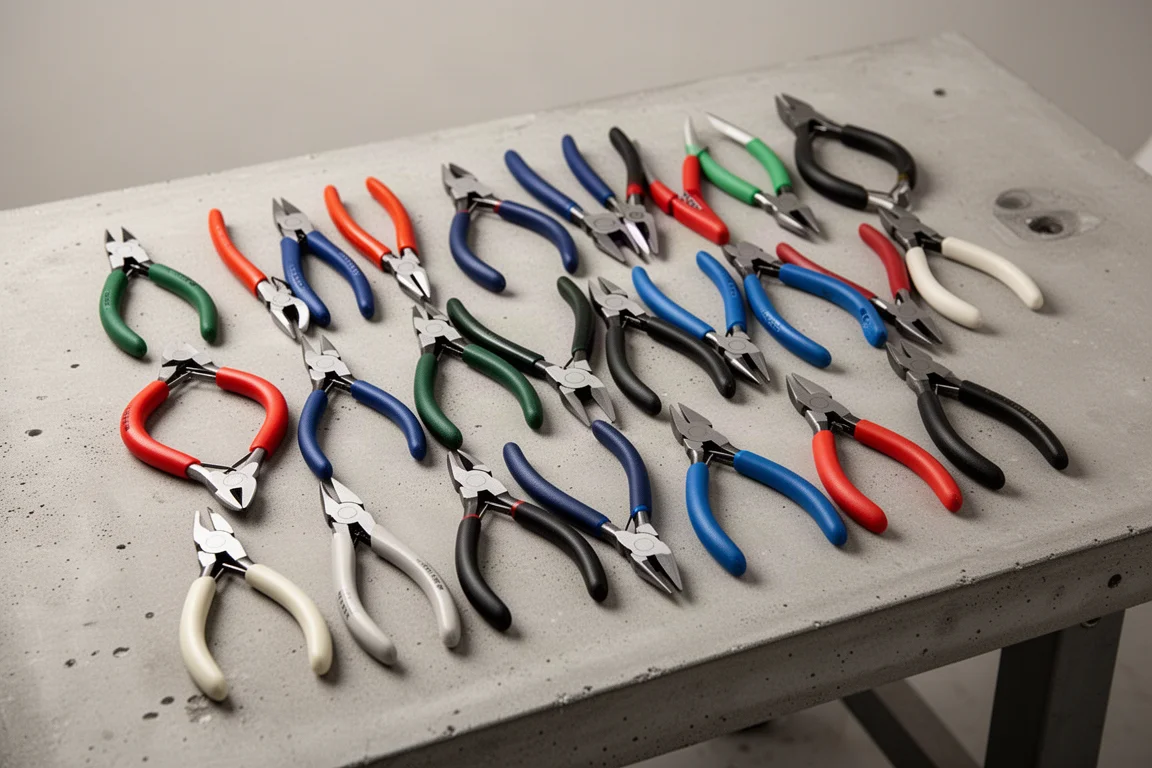
Best Diagonal Cutters 2026: 16 Pliers Tested for Cutting Power and Durability
We put 16 diagonal cutters through nail, screw, drill bit, and hex key tests to find the best value picks for your toolbox.
Hand Tools
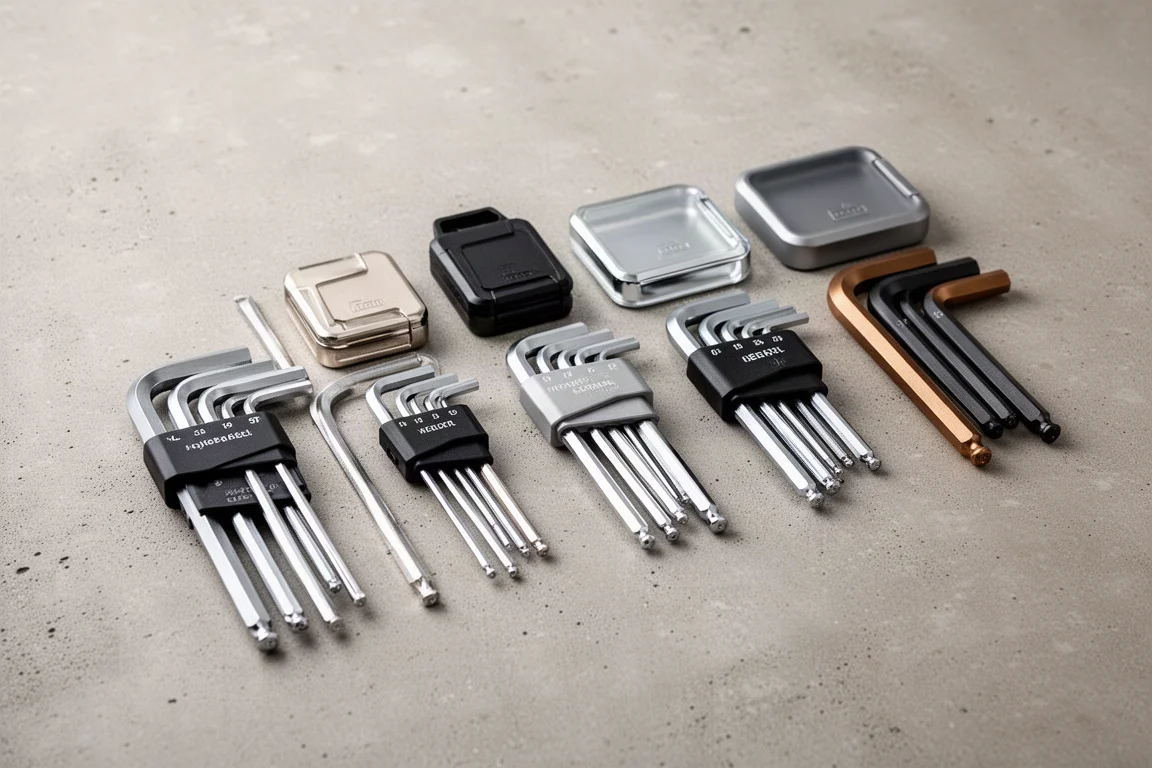
Best Hex L Key Sets 2026: Nine Sets Tested for Real-World Torque
Nine hex L key sets from budget to premium, tested for torque, fit, and durability. See which sets deliver real performance and which ones to skip.
Hand Tools
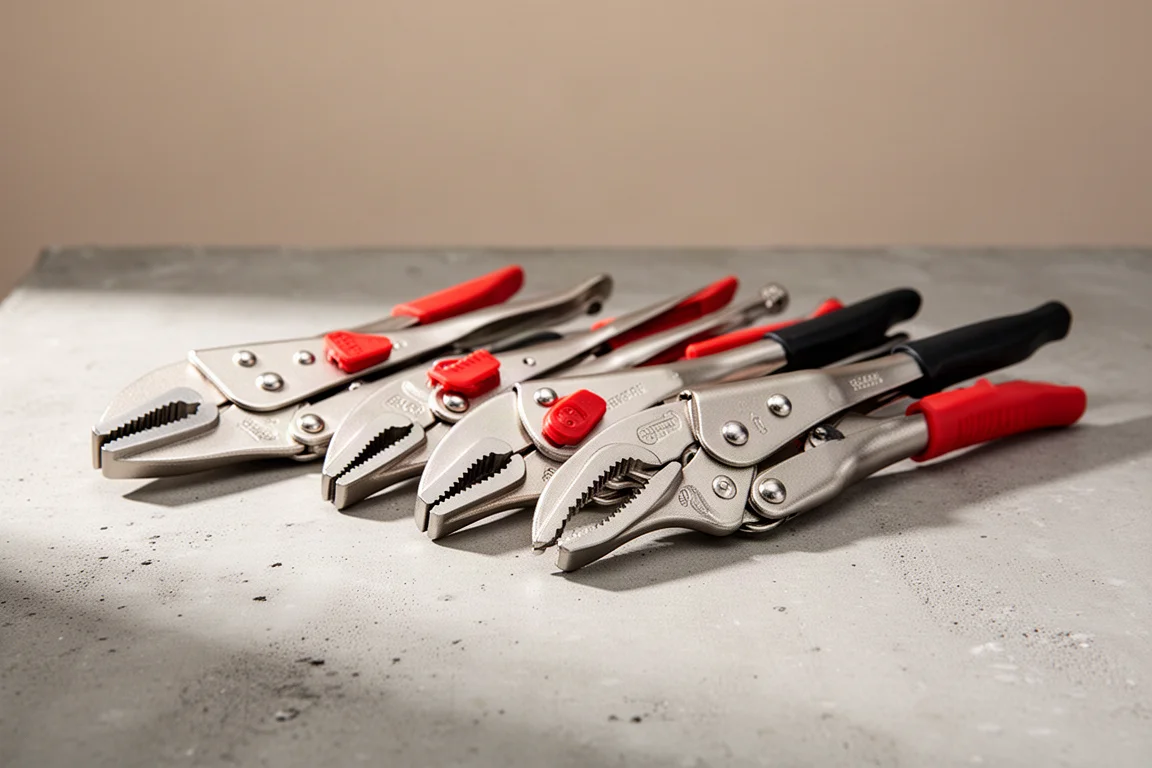
Best Locking Pliers 2026: Top Picks Tested for Grip and Durability
We tested 18 brands of 10-inch locking pliers for grip strength, jaw bite, build quality, and ease of release to find the best options for tough jobs.