Hand Tools
Ratcheting T-Handles Compared: GearWrench, SATA, and Snap-On Options Worth a Look
Three ratcheting T-handle systems and one clever adapter, compared for feel, storage, fitment, and value.
Introduction
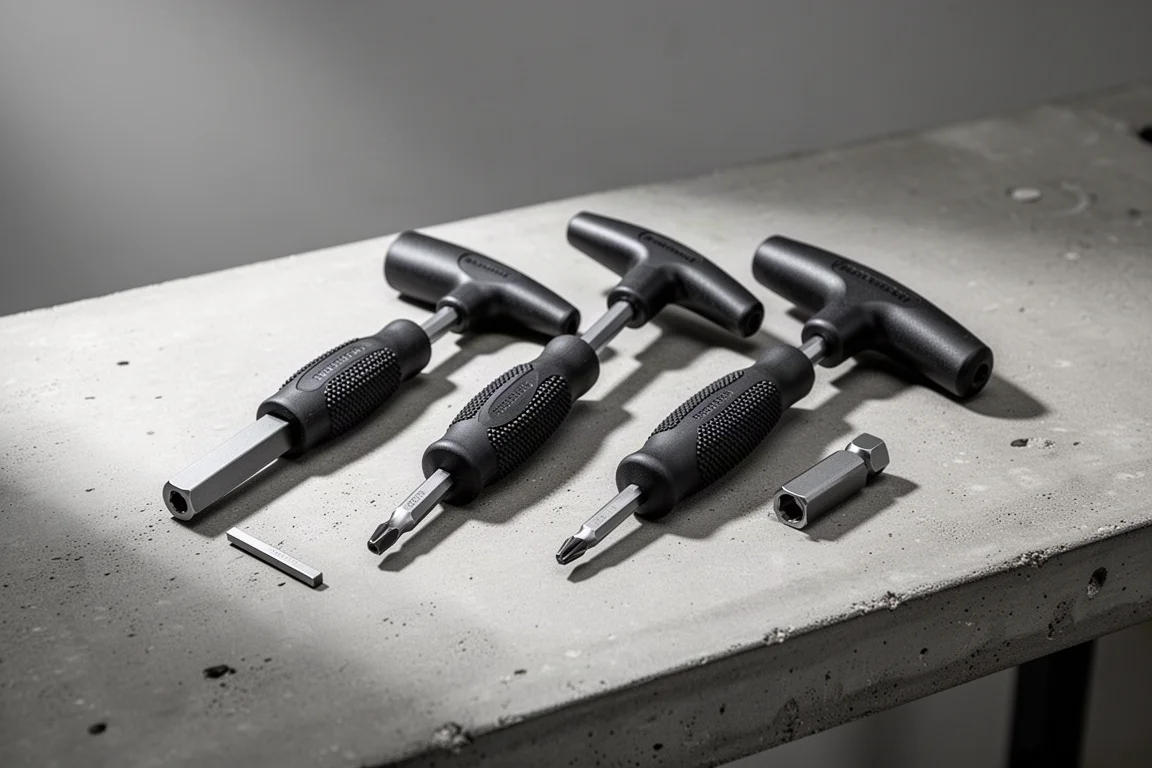
If you already own a pile of quarter-inch square drive bits, a ratcheting T-handle is one of the most satisfying ways to use them. In this comparison we look at three handles: the GearWrench ratcheting T-handle, the very closely related SATA version, and the Snap-On ratcheting bit driver that serves as the premium benchmark. We also cover a tiny GearWrench quarter-square to quarter-square adapter that costs under two dollars and can quietly expand how you build out a set.
Why a Ratcheting T-Handle Deserves a Spot in Your Kit
A good T-handle gives you speed on long fastener runs, a comfortable two-handed grip for stubborn ones, and fine ratcheting control in tight quarters. The handles covered here all take quarter-inch square bits, which matters if you are already invested in a bit system. Prices for the GearWrench and SATA handles generally sit under twenty dollars each, while the Snap-On options run in the sixty to ninety dollar range depending on the variant.
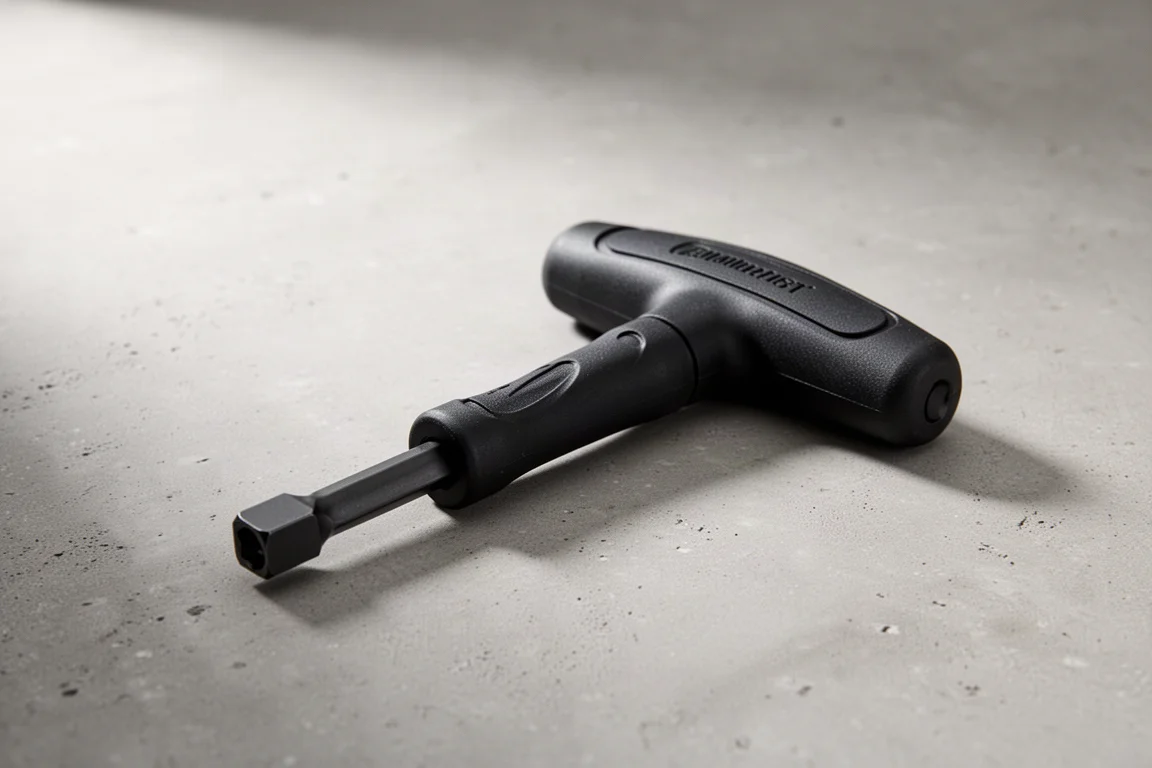
GearWrench Ratcheting T-Handle
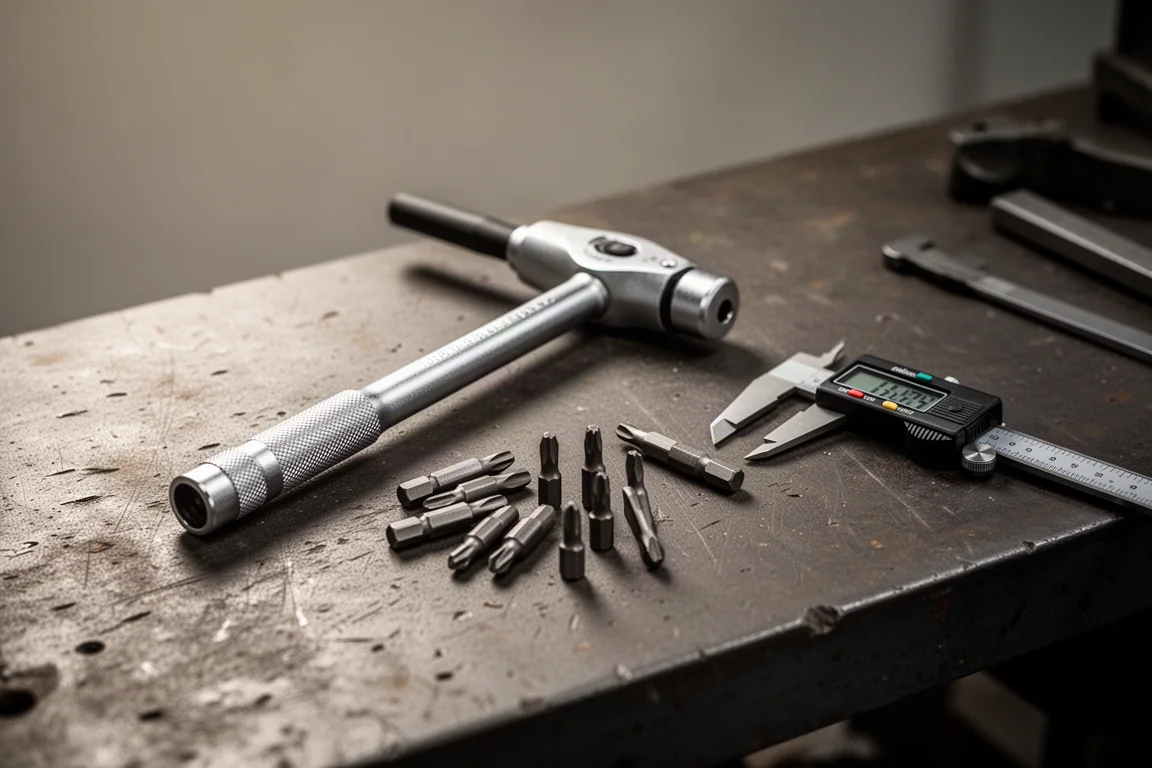
The GearWrench version is a quarter-inch square ratcheting T-handle that works fine with Snap-On branded bits. It measures roughly 87 millimeters across the T and about 90 millimeters end to end, which is within half a millimeter of the SATA handle. The molding, markings, and indentations all point to the same basic design, so the ratcheting internals are likely shared.
Ratchet engagement counts out to roughly 11 clicks per quarter turn, which suggests something in the neighborhood of a 44-tooth mechanism. The grip is rubberized hard plastic, very similar in feel to the SATA. Reversing the ratchet is easy, and the tool feels solid in the stationary configuration. There is a hidden bit storage cavity, but it has an odd design quirk: a T-shaped tab means the release only works when the ratchet switch is positioned exactly in the middle, and there is a small hole at the bottom of the storage tube that could let dirt in. It also spins fast when used with a drill. Overall it is a nice solid, easily reversible handle that serves its purpose well.
SATA Ratcheting T-Handle
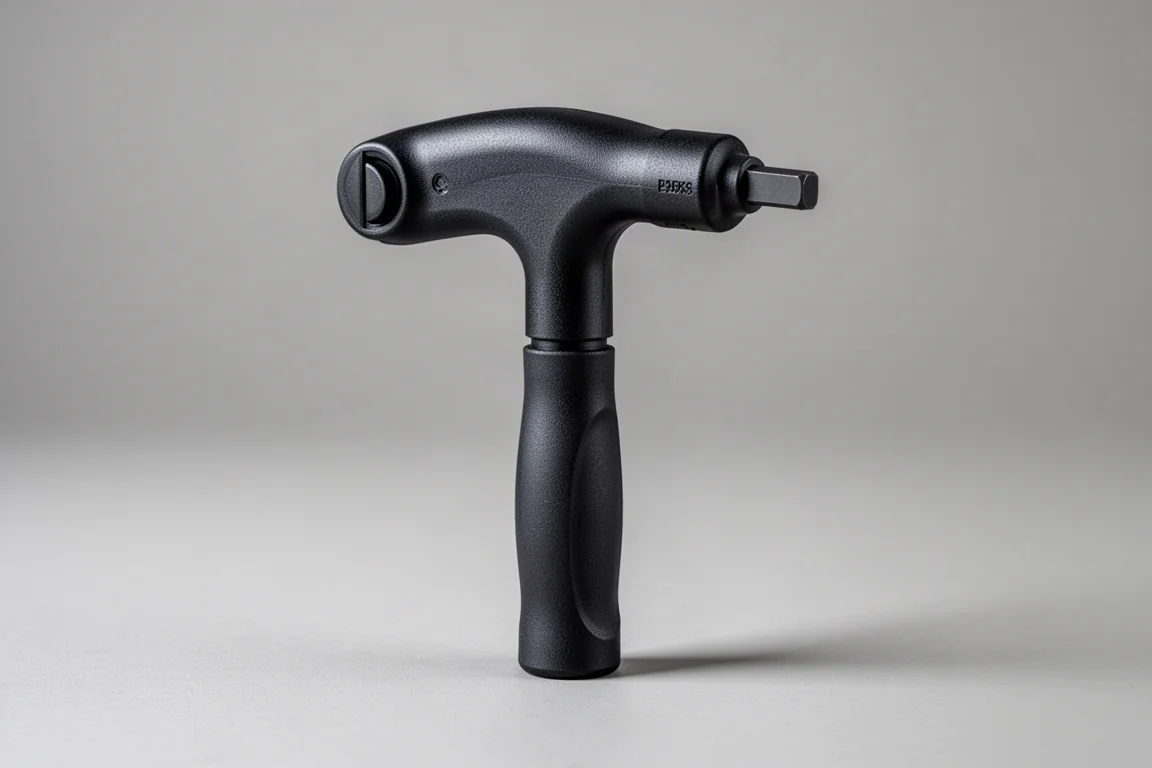
The SATA handle came in a set with SATA branded attachments and behaves almost identically to the GearWrench. Both brands sit under the Apex Tool Group umbrella, and side-by-side measurements confirm the same footprint: about 87 millimeters on the T and roughly 89.5 millimeters end to end, with identical moldings and markings.
In use, the ratchet count matches at around 11 clicks per quarter turn, and the rubberized hard plastic grip feels nearly the same. One practical difference: the SATA version can be pulled apart more easily, which is useful if you want to clean or relubricate the mechanism, though getting deep into the ratchet guts is still not straightforward. For the price, it is hard to argue against.
Snap-On Ratcheting Bit Driver
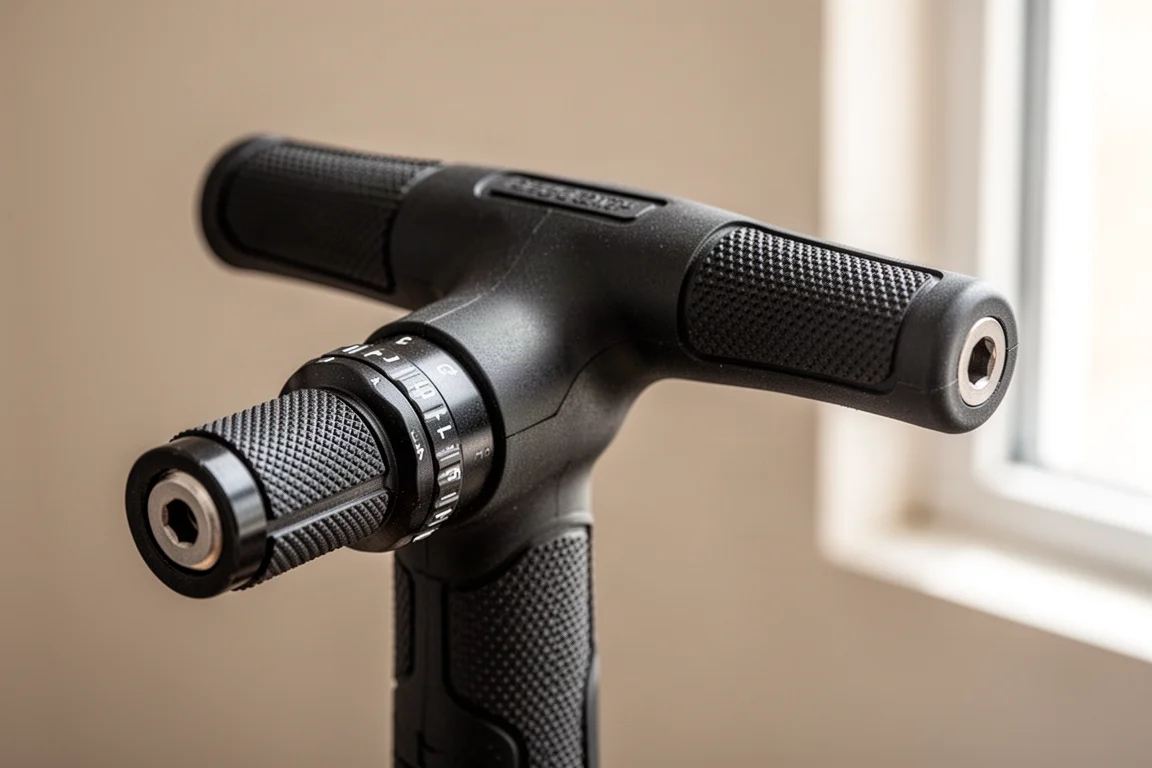
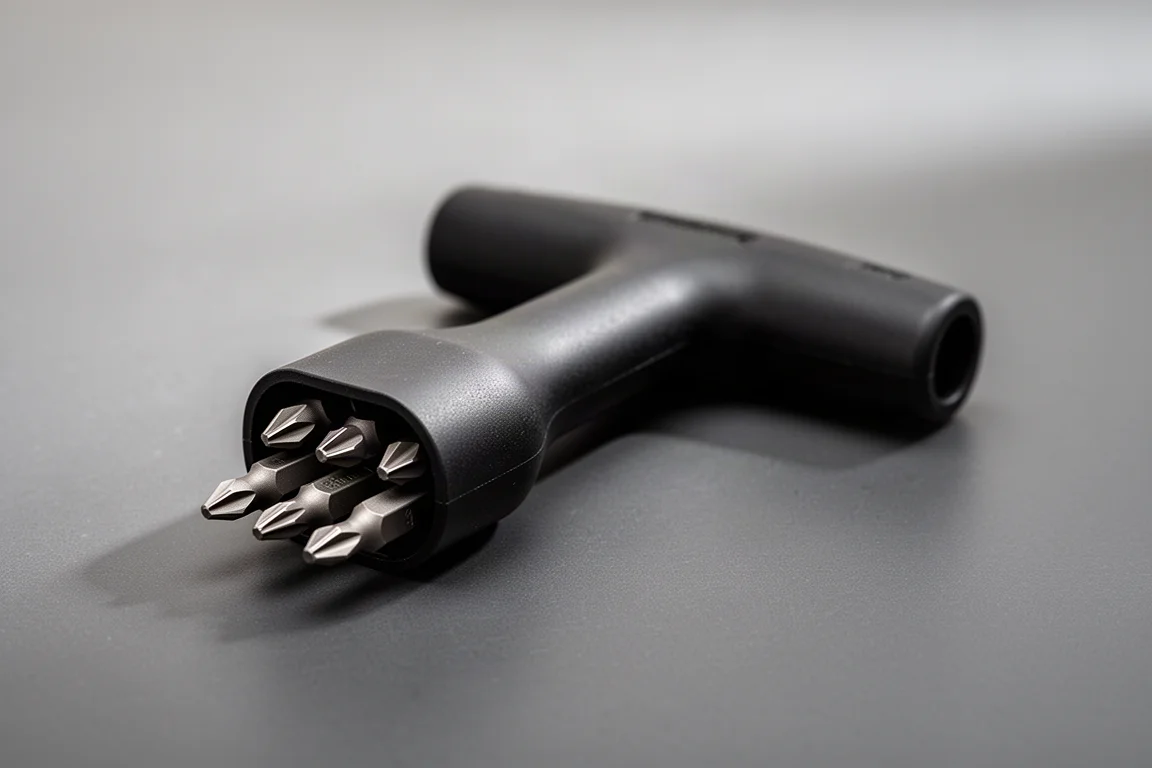
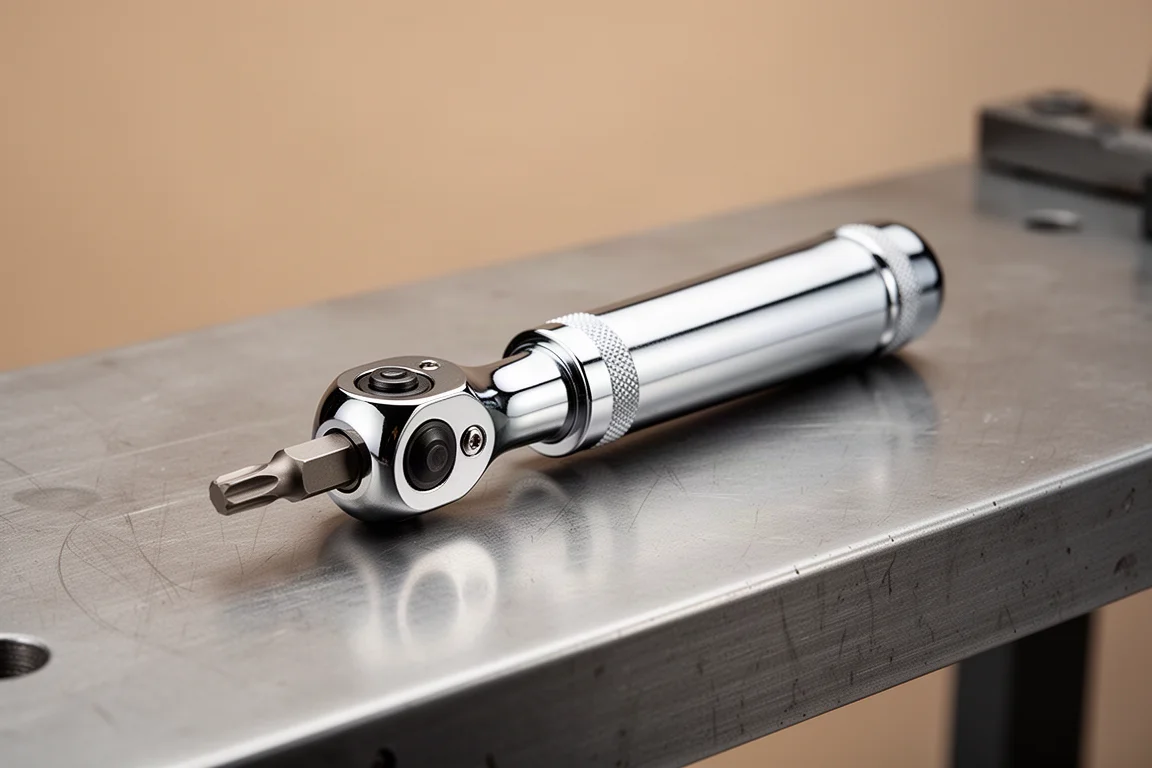
The Snap-On is the premium reference here, and the differences show up in the details. The grip feels denser, with noticeably more resistance in the ratchet and a thicker click. A hand-count suggests roughly 7 to 8 clicks per quarter turn, which works out to around a 28-tooth mechanism, fewer teeth than the budget options but with a firmer feel.
Snap-On also bundles features the others lack: in-handle bit storage, o-ring seals, and a spinner configuration where you can drop a bit in and even store it. Side-to-side play with an adapter fitted is very similar to the budget handles, with only a touch more movement on one of them, which is not a deal breaker. At roughly sixty to seventy dollars for the standard handle, and pushing eighty or ninety for the flexing version, you are paying a real premium for that refinement.
GearWrench Quarter-Square to Quarter-Square Adapter
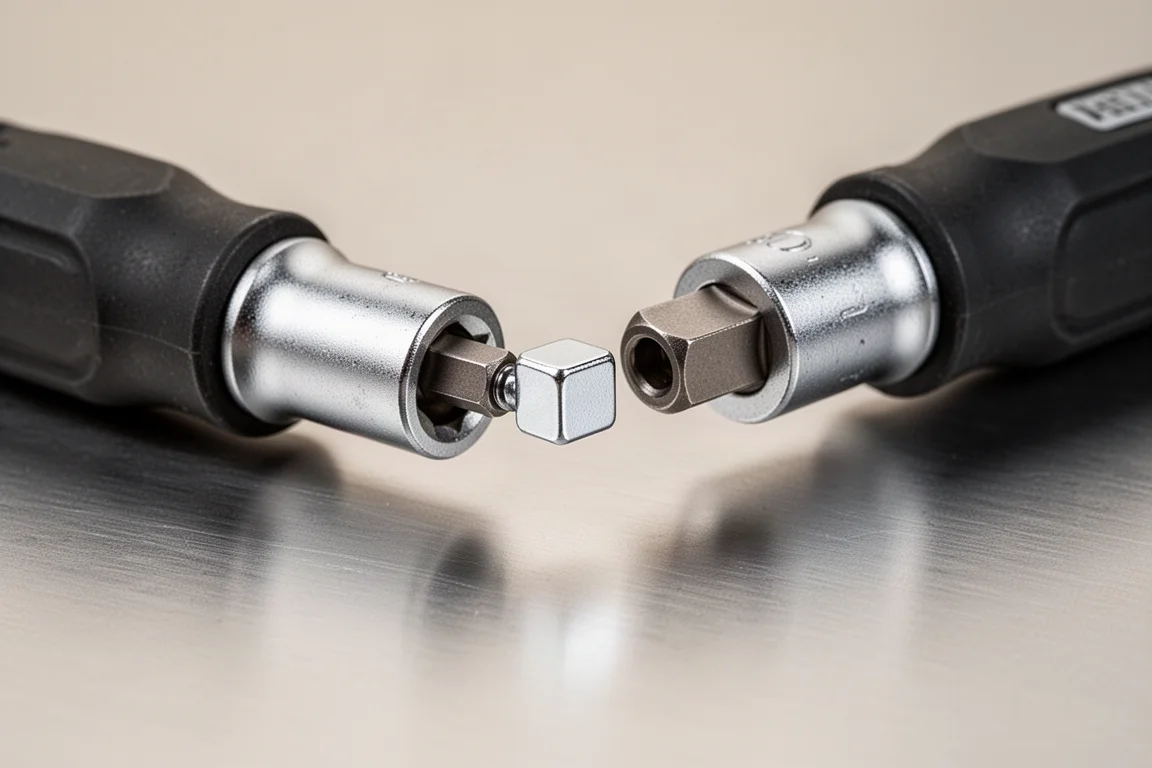
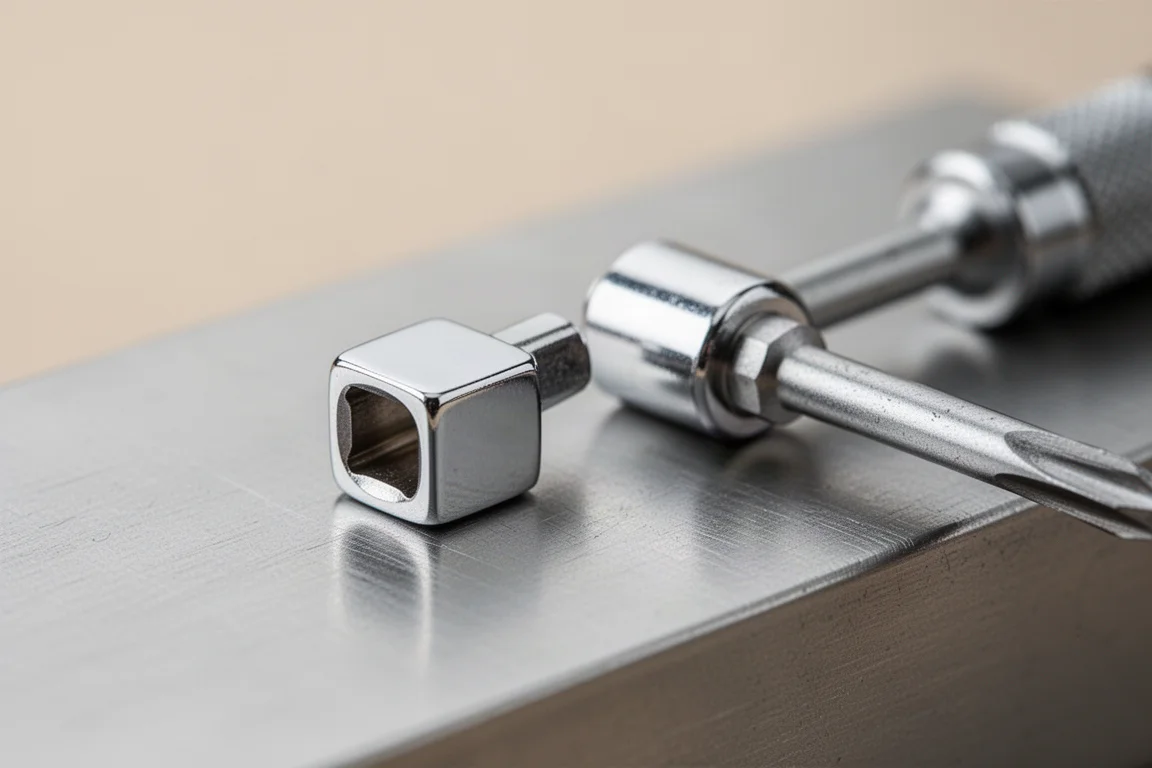
This one is unusual: a quarter-inch square to quarter-inch square adapter, made in Taiwan, retailing under two dollars. On its own it sounds nearly useless, but it adds flexibility when building out a set. You can drop it onto your driver and then attach another quarter-inch square piece to extend your reach, effectively stacking components in ways a plain hex-to-square adapter cannot.
There are caveats. It does not fit on the driver in one orientation, only the other, and it does not work with sockets, which feels like a missed opportunity. You also should not force anything that is not designed for it; a hex-to-square piece pressed in there required pliers to remove. Some buyers have been caught off guard by the square-to-square configuration, so know what you are ordering.
Buying Advice
If you want to build out an extended bit system without paying Snap-On money, the GearWrench and SATA handles are easy to recommend. Yes, they are made in China and you can feel the quality gap against the Snap-On, but at under twenty dollars each they deliver most of the everyday performance. If you are already deep into the Snap-On bit ecosystem and value denser grips, stronger ratchet resistance, and sealed bit storage, the premium driver justifies its price. And at under two dollars, the GearWrench adapter is a low-risk add-on if you are stacking components in this system.
Conclusion
The GearWrench and SATA T-handles are effectively twins with shared internals, generous ratchet counts, and honest pricing, while the Snap-On remains the premium choice for feel and features. Add the tiny square-to-square adapter if you want extra configuration options for a couple of dollars. Any of them is a worthwhile upgrade over going without a proper T-handle.
Further reading
Related Reviews
Hand Tools
Best Diagonal Cutters 2026: 16 Pliers Tested for Cutting Power and Durability
We put 16 diagonal cutters through nail, screw, drill bit, and hex key tests to find the best value picks for your toolbox.
Hand Tools
Best Hex L Key Sets 2026: Nine Sets Tested for Real-World Torque
Nine hex L key sets from budget to premium, tested for torque, fit, and durability. See which sets deliver real performance and which ones to skip.
Hand Tools
Best Locking Pliers 2026: Top Picks Tested for Grip and Durability
We tested 18 brands of 10-inch locking pliers for grip strength, jaw bite, build quality, and ease of release to find the best options for tough jobs.