Hand Tools
Best Ratcheting T-Handle Screwdrivers: Williams, Snap-on, and SATA Compared
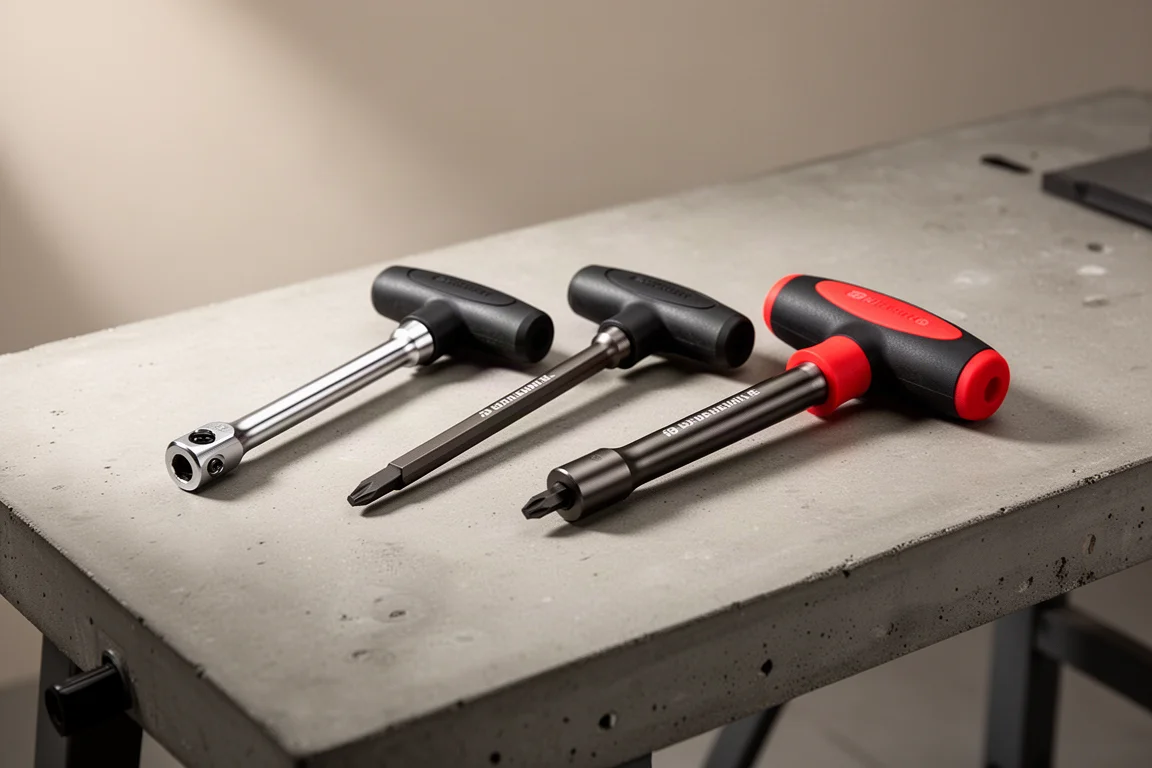
Three ratcheting T-handle screwdrivers, including two that share identical tooling and one with a quirky direction collar.
Introduction
Ratcheting T-handle screwdrivers occupy a small but useful niche: they give you the leverage and speed of a T-handle, but with a ratcheting mechanism so you never have to regrip. The catch is that not all of them work the same way, and the differences between brands can be surprising. In this comparison, two of the three tools turn out to be essentially the same product at very different prices, while the third has a design quirk worth understanding before you buy.
Quick Take
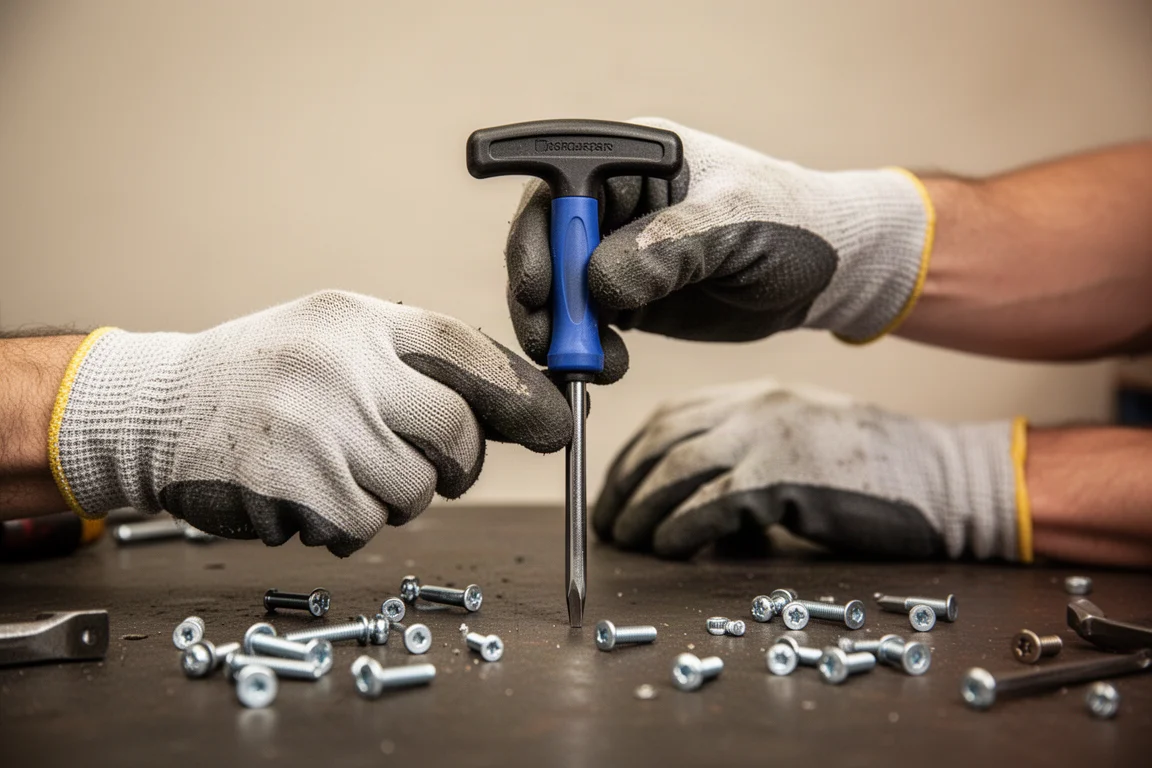
A T-handle really only works well in ratcheting form. Without a ratchet, you constantly have to modify your grip, and the only comfortable spot on the handle is right at the collar. With a ratchet, you can grip it once, hang on, and let the mechanism do the work.
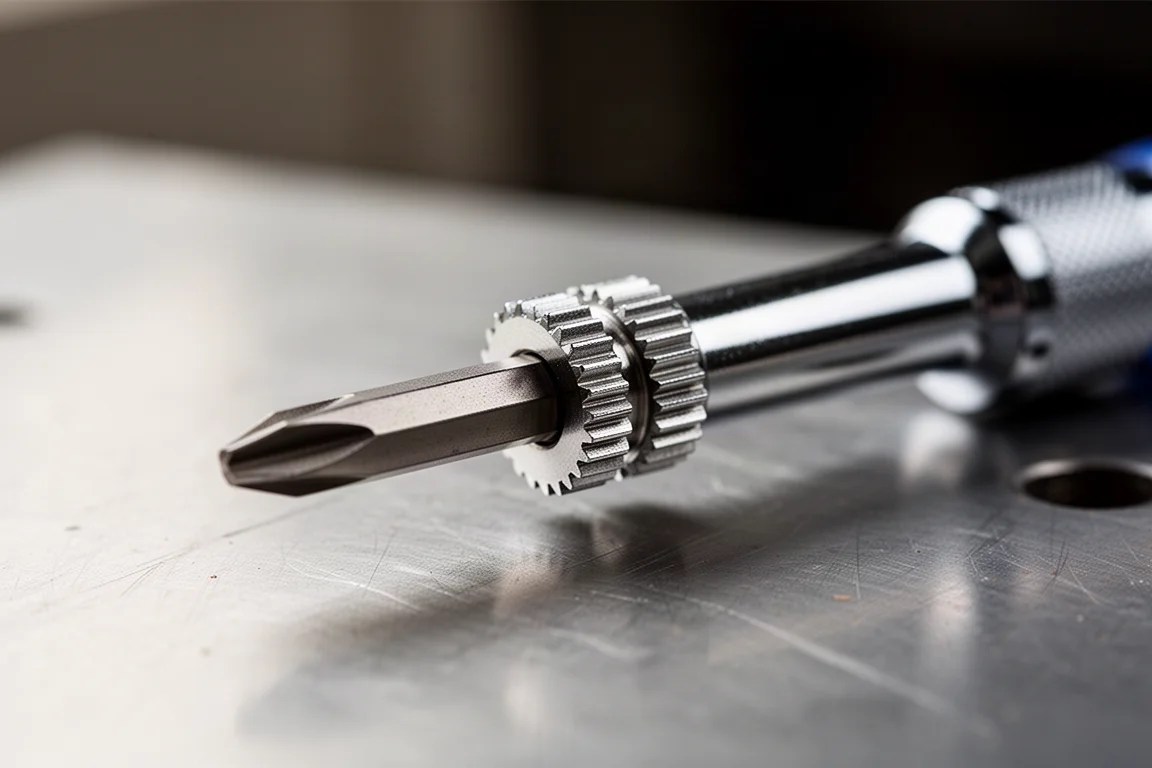
Ratchet tooth count matters too, especially for tight spaces. Counting the clicks between rotations on the featured tool gives roughly 28 teeth, which means the ratchet engages about every quarter turn. That is a reasonable, usable figure for general work.
Williams WRST1 Ratcheting T-Handle Screwdriver
The Williams WRST1 is a short-shaft ratcheting T-handle that sells for around $32. The ratcheting mechanism counts out to roughly 28 teeth, so it engages frequently enough for quick, small rotations in confined spots.
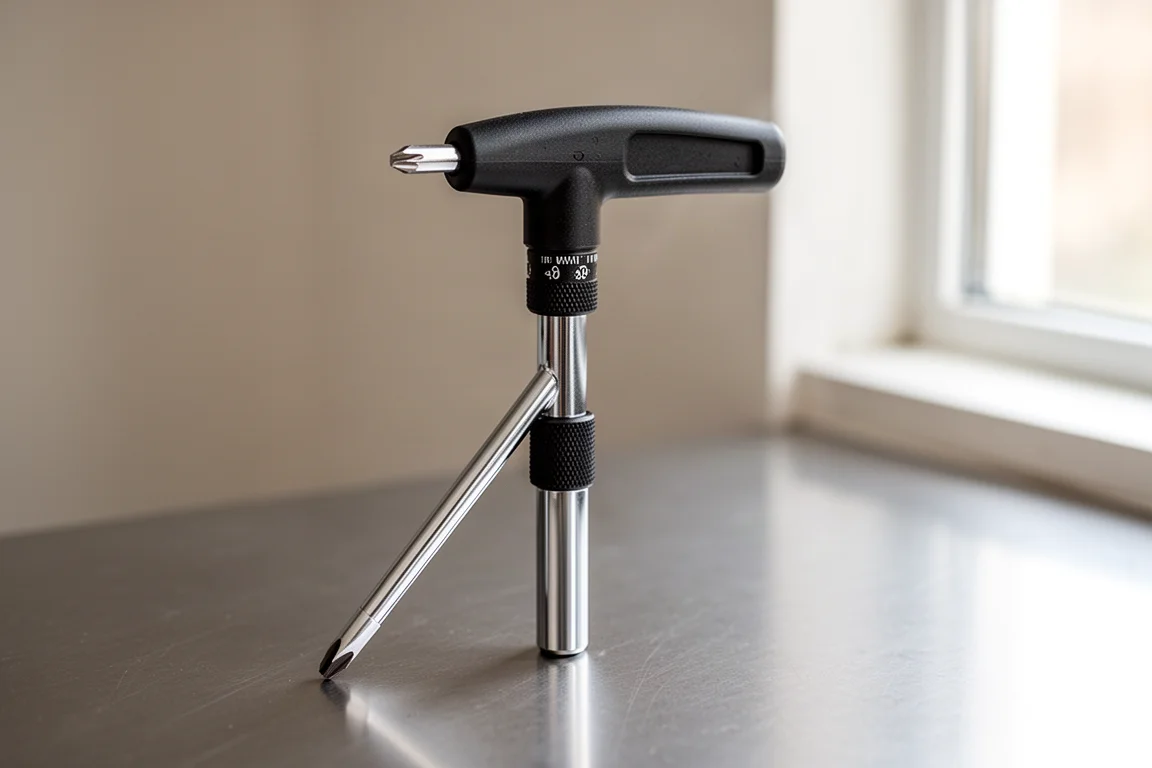
One design detail stands out: the direction collar turns in the same direction you want the bit to turn. That sounds obvious, but it is genuinely more intuitive than the alternative, and not every brand does it this way. Flip the collar toward the direction you want to tighten and you are done.
The WRST1 also ships with a magnetic Snap-on SDM 222 Phillips bit, which is a nice touch for a tool at this price. Both the Williams and its branded twin carry the same warning not to use them as a pry bar, chisel, or punch, so treat it as a precision driver rather than a utility bar.
If you want the T-handle experience without paying a premium badge price, this is the value pick. Same solid design, fully functional, roughly half or less of what the branded alternative costs.
Snap-on T-Handle Ratcheting Screwdriver
Here is the interesting part: the Snap-on T-handle and the Williams are absolutely identical. The same manufacturer makes both. The molding, the font on the warnings, the identical reference numbers, and the ratcheting mechanism all match. Even the warning label reading “not a pry bar, chisel or punch” carries the same reference code on both tools.
What you pay extra for is the badge and the range. Snap-on offers three different lengths, with the longest available in black at around $90, a mid option around $80, and a short version, plus a mini version that sits well beyond the Williams price point. The shorter Snap-on versions come in red or orange, which is a welcome change from plain black if you like a bit of color in your tool drawer.
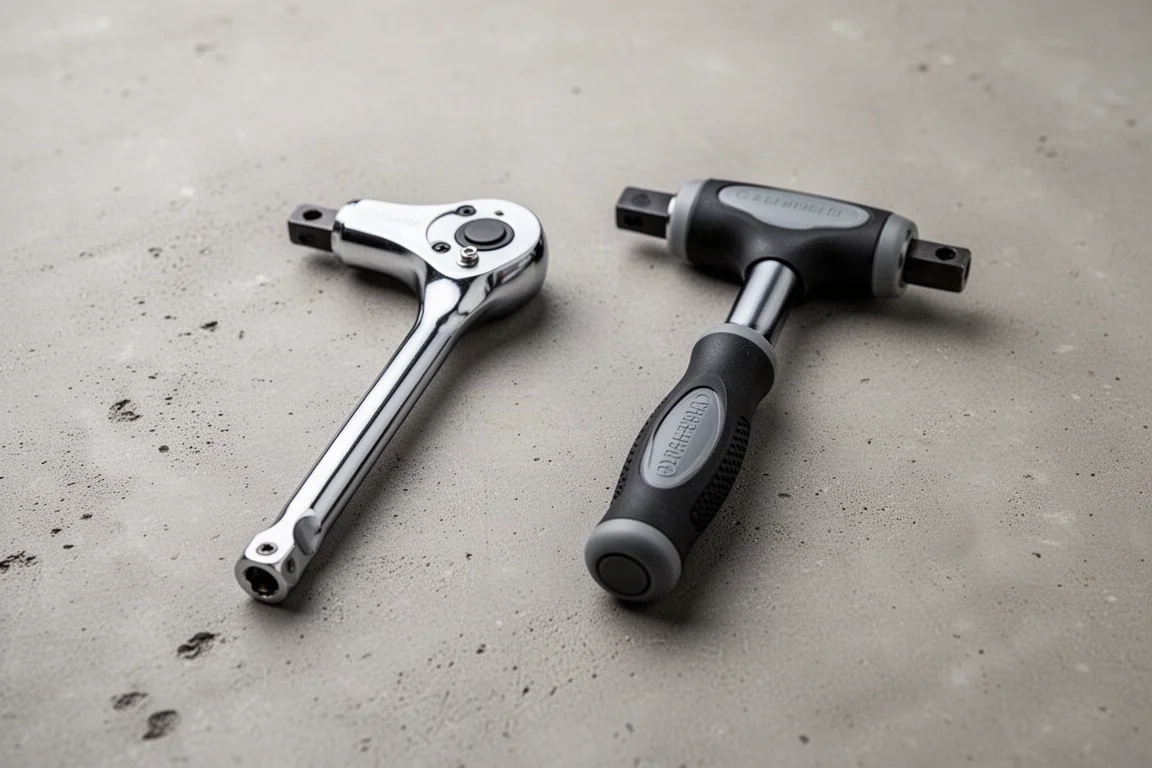
Functionally, you are getting the same tool as the Williams: the same intuitive direction collar that turns the way you want the bit to rotate, the same solid design, and the same magnetic bit supply. If brand preference or availability through your Snap-on dealer matters, it is a perfectly good buy. If it does not, the price difference is hard to justify.
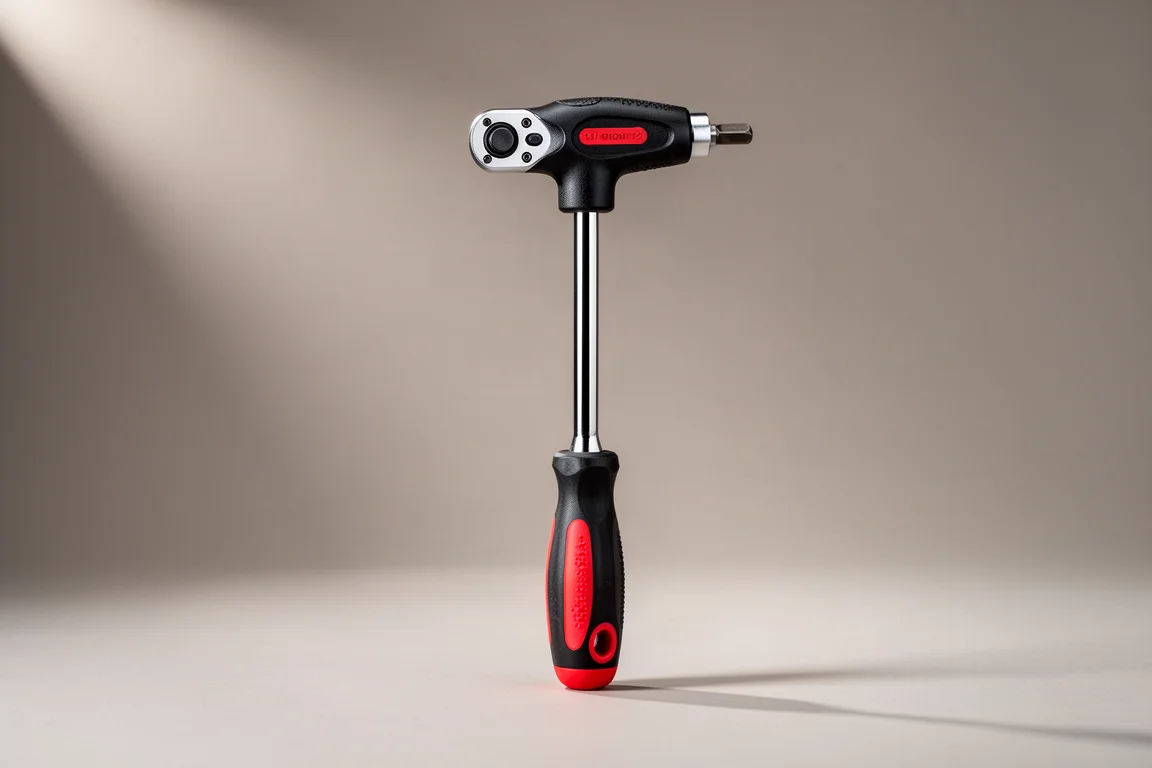
SATA T-Handle Ratcheting Screwdriver
The SATA T-handle rounds out the comparison, and it shares a family trait with Michael Pro: the two are identical, coming from the same company or rebrand arrangement. Build quality is in the same general class, but one difference may bother some users.
On the SATA, the direction collar has to be turned in the opposite direction from the one you want to tighten. To drive a screw clockwise, you flip the collar counterclockwise, and vice versa. Some people adapt to this instantly. Others find it constantly trips them up mid-task. Compared with the Williams and Snap-on approach, where the collar turns the way you want the bit to go, it is noticeably less intuitive.
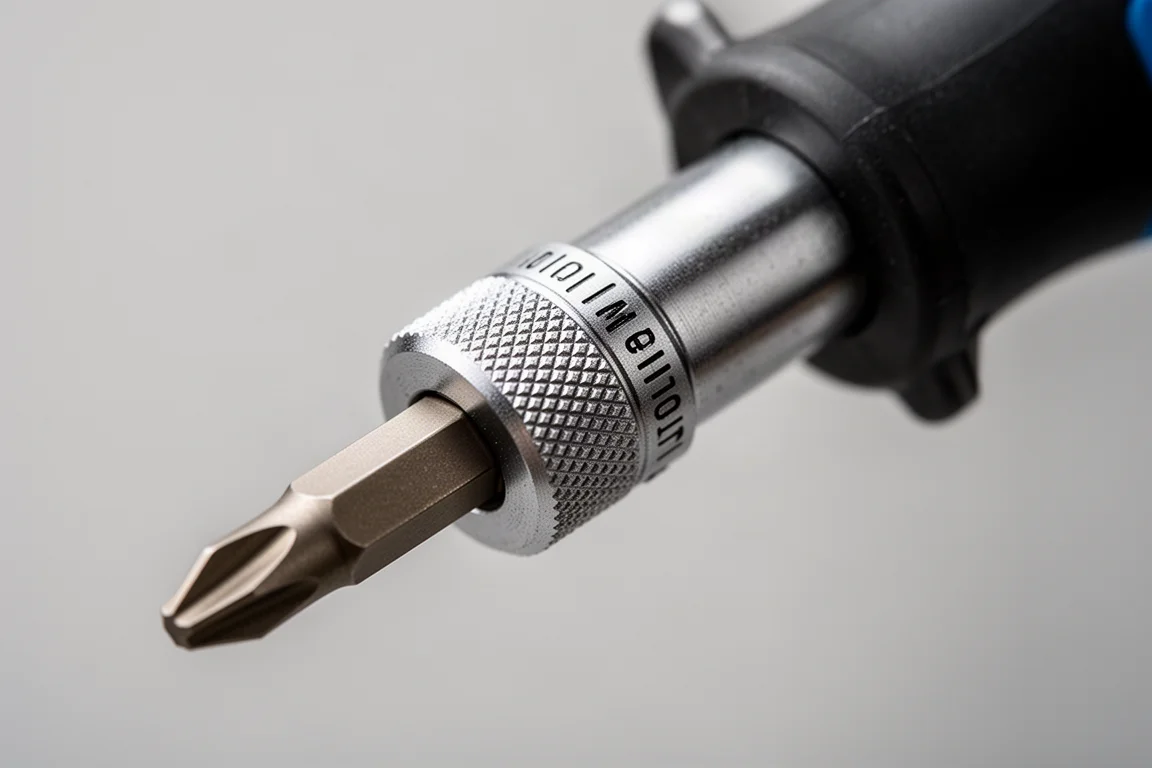
If you are shopping in this tier, it is worth handling one first, or at least being aware of the reversed collar logic before committing.
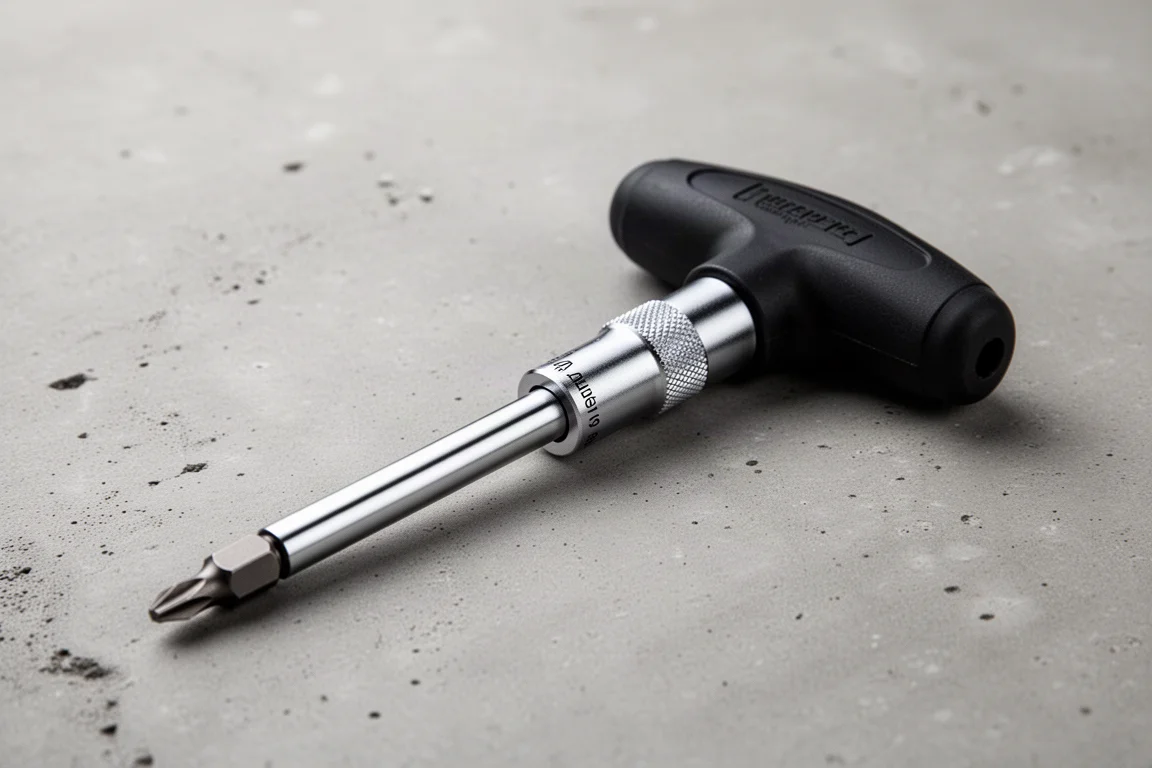
Buying Advice
For most buyers, the Williams WRST1 is the easy call: same tooling as the premium version, an intuitive direction collar, a magnetic Phillips bit included, and a price around $32. Choose the Snap-on if you want the brand, need one of the longer lengths, or prefer the red or orange color options on the shorter versions. The SATA is a reasonable alternative, but test the reversed direction collar first to make sure it does not frustrate you.
Conclusion
The takeaway from this comparison is simple: check who actually makes the tool before you pay for the badge. Two of these three T-handles are the same product wearing different names, and the only meaningful differences are price, length options, and color. Once you know that, picking the right one becomes a lot easier.
Further reading
Related Reviews
Hand Tools
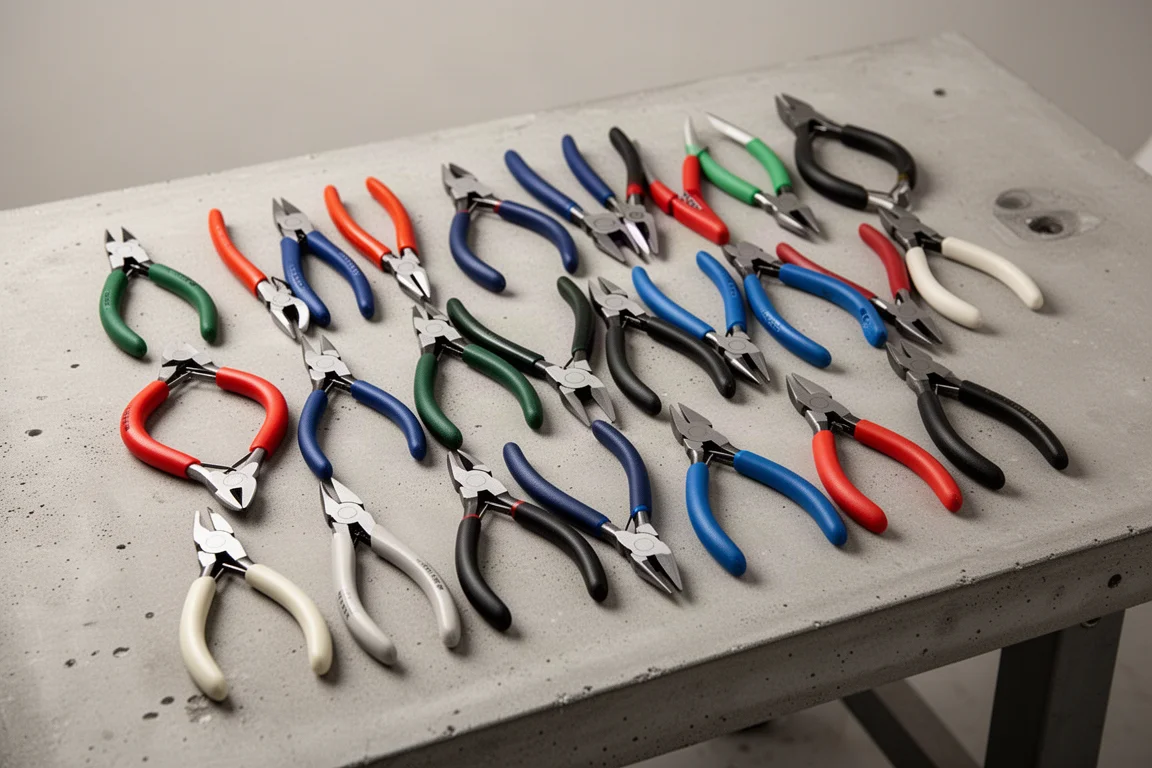
Best Diagonal Cutters 2026: 16 Pliers Tested for Cutting Power and Durability
We put 16 diagonal cutters through nail, screw, drill bit, and hex key tests to find the best value picks for your toolbox.
Hand Tools
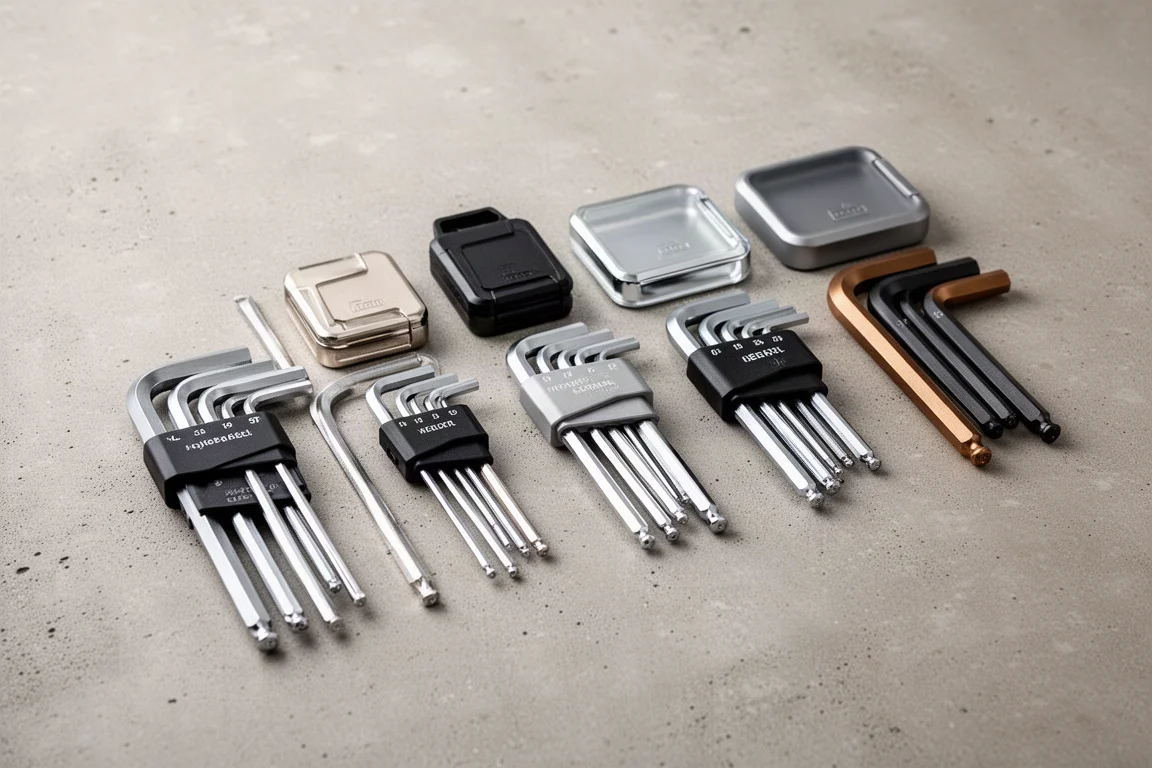
Best Hex L Key Sets 2026: Nine Sets Tested for Real-World Torque
Nine hex L key sets from budget to premium, tested for torque, fit, and durability. See which sets deliver real performance and which ones to skip.
Hand Tools
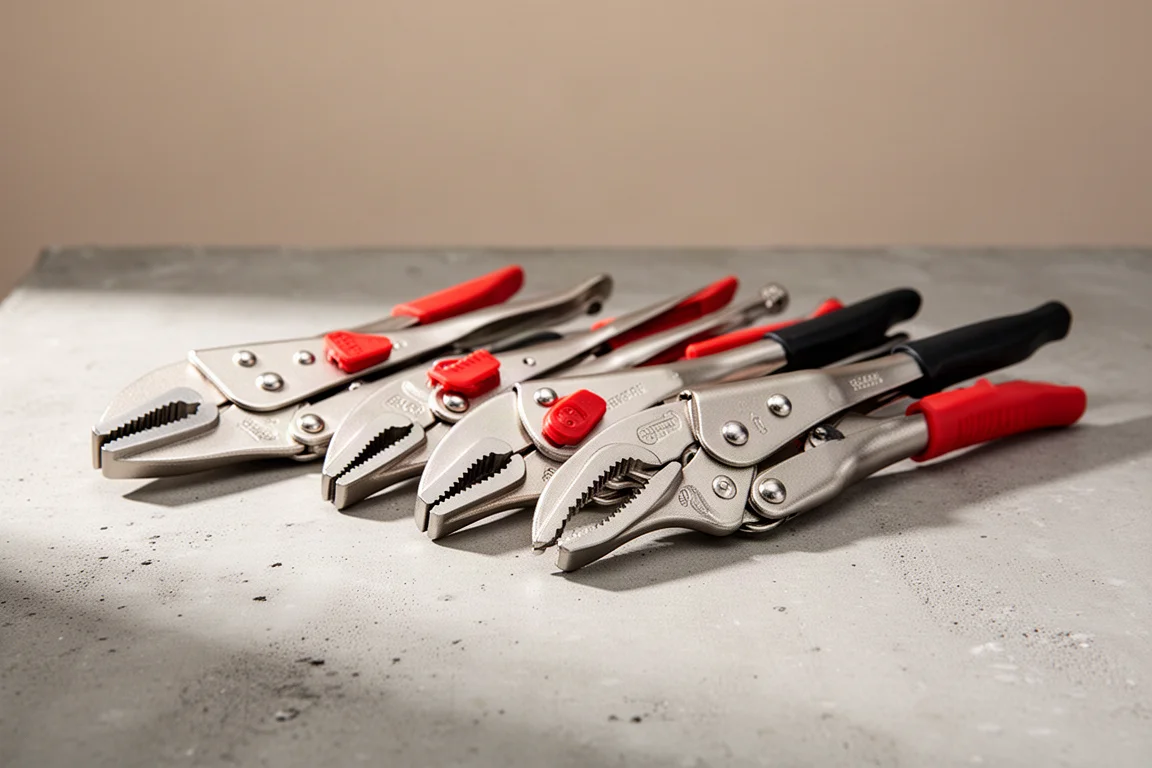
Best Locking Pliers 2026: Top Picks Tested for Grip and Durability
We tested 18 brands of 10-inch locking pliers for grip strength, jaw bite, build quality, and ease of release to find the best options for tough jobs.