Hand Tools
SATA vs Michael Pro Ratcheting Stubby Screwdriver: Two Nearly Identical Tools, Tested
Two ratcheting stubby screwdrivers that look like they came from the same factory went head to head. Here is how close they really are, and which one edges ahead.
Introduction
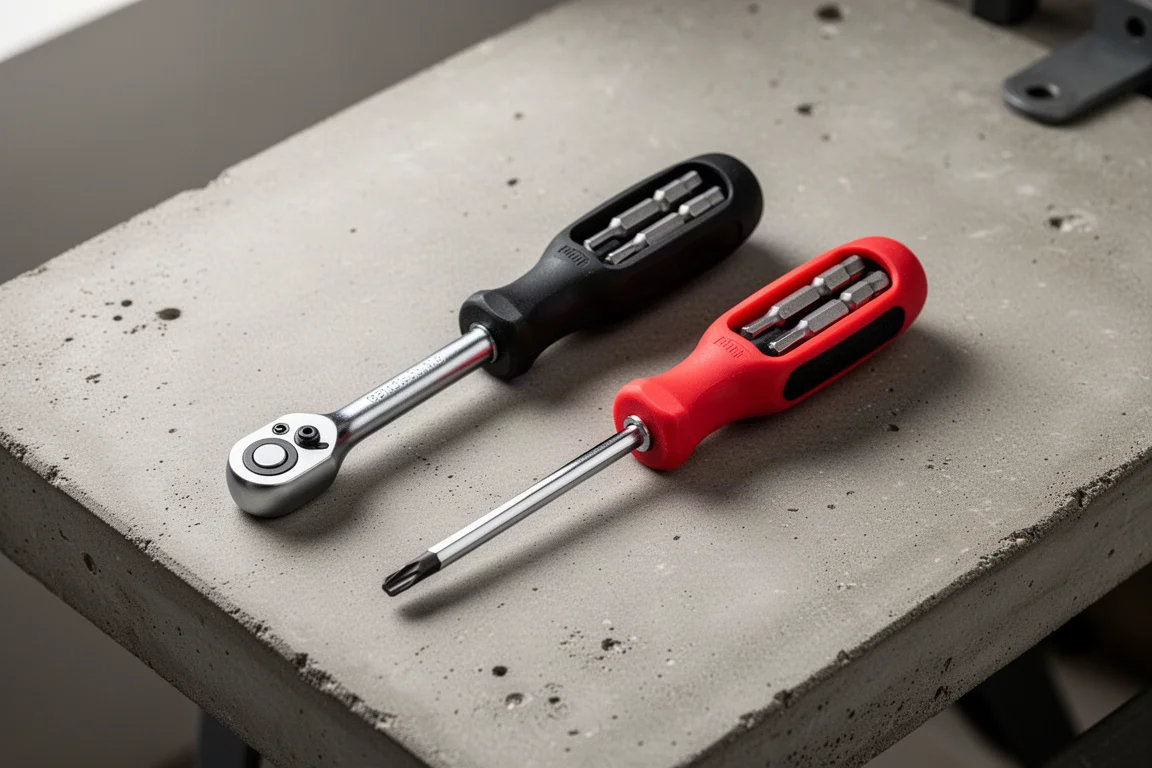
Ratcheting stubby screwdrivers occupy a useful niche: short enough for tight spaces, ratcheting enough to save your wrist. Two of them, the SATA ratcheting stubby and the Michael Pro ratcheting stubby, have recently been put through detailed side-by-side testing, and the results are genuinely interesting. On paper they appear nearly identical, right down to the bit storage layout, and the measured performance confirms that suspicion almost exactly.
This comparison walks through what the tests found, where the two tools differ by a hair, and which one makes more sense for your toolbox.
How Close Are They Really?
Both screwdrivers include bit storage in the handle, and both shipped with six bits stored in the rear of the handle. One small difference at unboxing: the SATA unit did not come with a bit loaded in the chamber, while the Michael Pro arrived with six stored bits plus one already seated in the chuck.
Weight is nearly a wash. Measured at home, the SATA came in around 107 grams and the Michael Pro around 105 grams, though independent testing recorded 103 grams for the SATA and 105 for the Michael Pro, the reverse order. Either way, the difference is a couple of grams, well within what the stored bits themselves can account for.
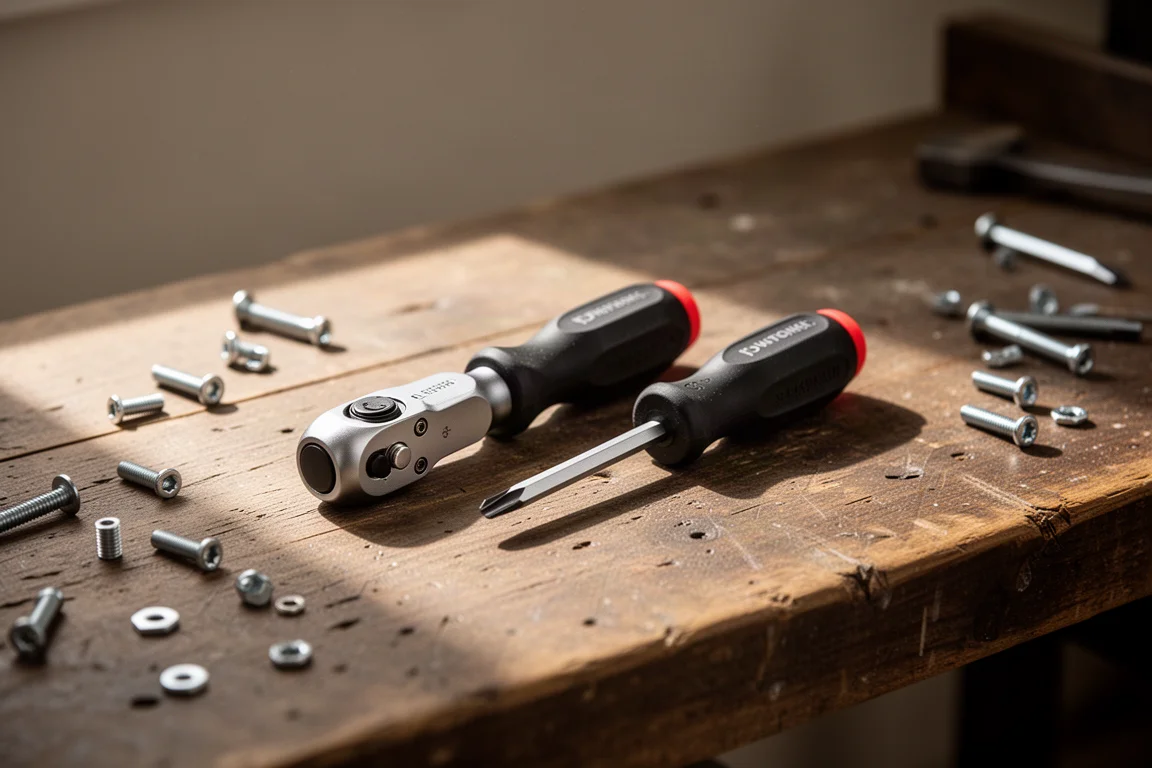
Country of origin adds a wrinkle. The Michael Pro packaging states Taiwan, while the SATA was believed to be made in China. Without original packaging for the SATA, it is hard to say whether that reflects two different production lines, differing map designations, or a labeling inconsistency. What seems clear is that these two tools share a very common design origin.
Ratcheting, Wobble, and Lock Rotation
Arc swing was tested by completing a full 360 degree rotation using a 50 degree ratcheting window. The Michael Pro needed 9.9 swings, the SATA 10.5, a difference small enough to sit within testing margin of error.
Back drag is where a clearer gap appeared: the Michael Pro scored a 10 on that test while the SATA scored an 8. Given how close everything else is, this may simply reflect manufacturing variability between individual units rather than a systematic design difference.
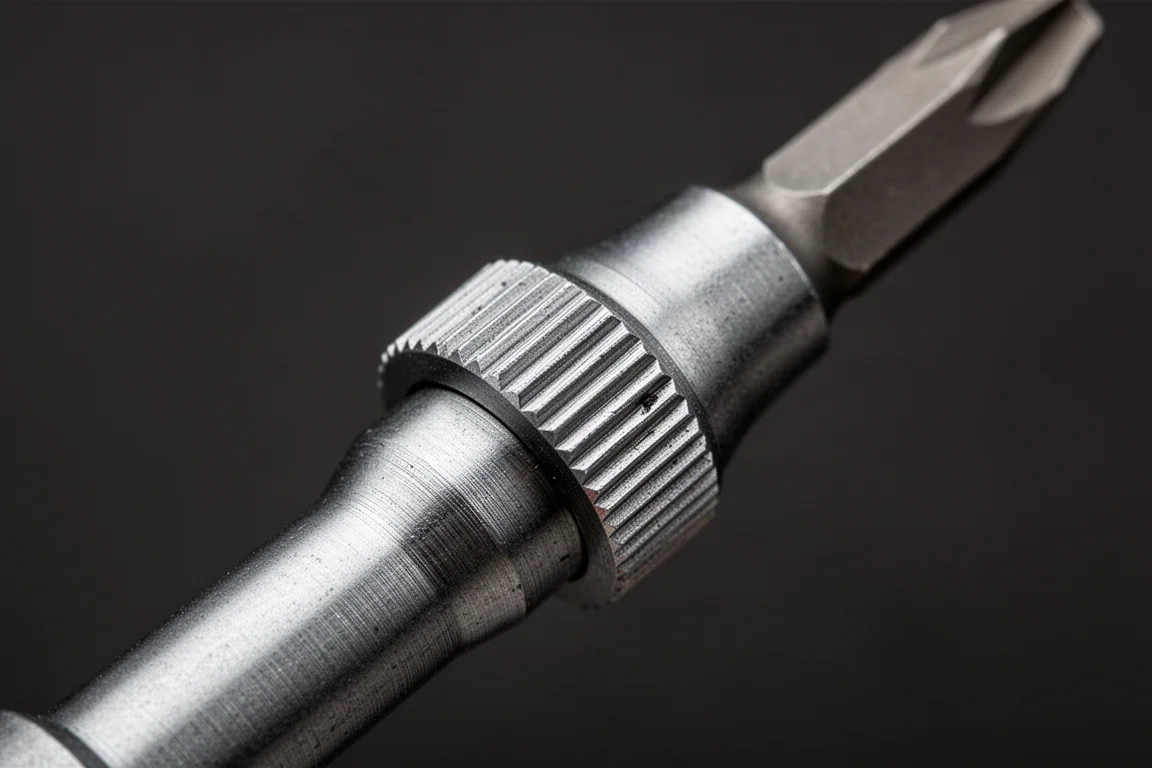
Bit wobble was measured at roughly a 13 rating for the SATA versus a 10 for the Michael Pro. Lock rotation tells a similar story: with the collar set to the center position, the SATA shows noticeably more wiggle, a result that matched independent testing. One plausible theory is that units come off the assembly line with slight performance variation, and the ones within tighter tolerance are retained for the in-house brand while others are distributed to third-party sellers under different names.
Magnet Strength and Bit Retention
Magnetic strength is one of the few categories where a slight edge consistently showed up. In repeated head-to-head pulls across multiple positions, the Michael Pro bit magnet held the screw in almost every trial, with the SATA winning only once. Formal testing recorded the two as equal, but hands-on results lean toward a small Michael Pro advantage.
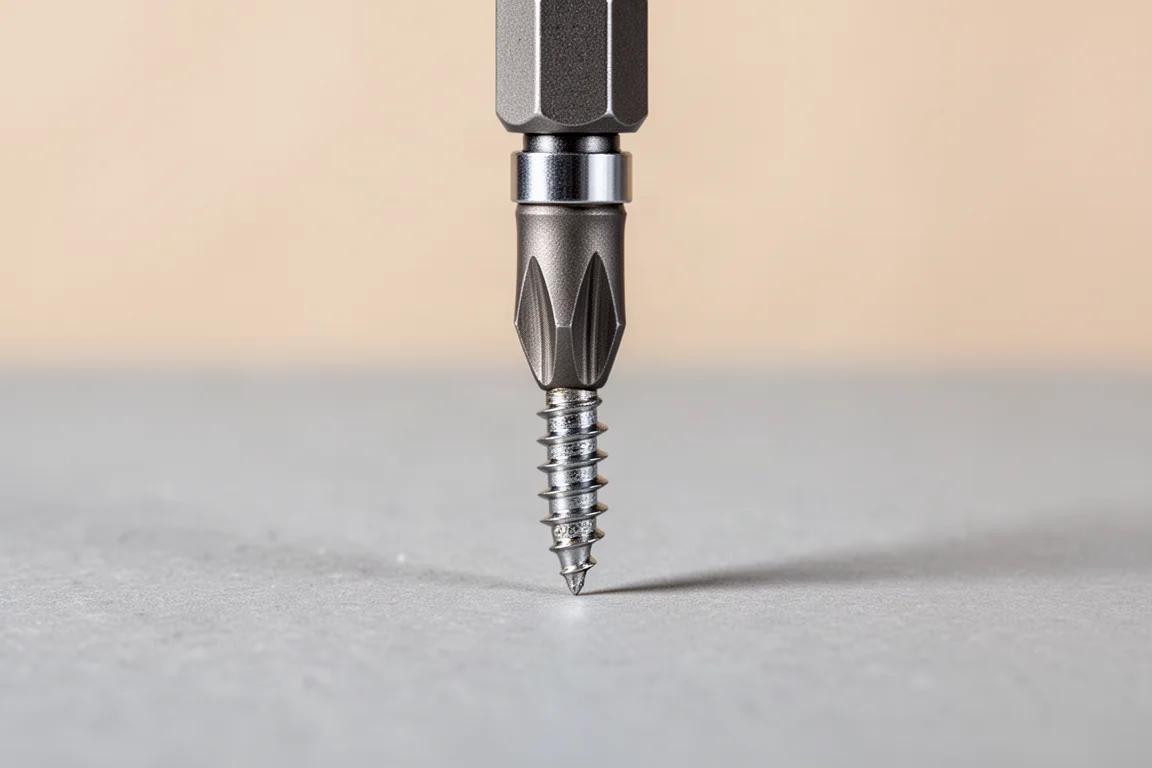
Bit strength testing produced a difference of roughly 50 grams, which sounds meaningful but lands both tools bunched in the middle of the broader field of screwdrivers tested alongside them. In practical terms, neither tool stands out here in either direction.
Overall Scores and Value
When everything was tallied, the SATA scored 6.7 and the Michael Pro 6.8. That is about as close as two independently boxed tools can get, and it strongly supports the idea that these are essentially the same tool with minor unit-to-unit variation.
Pricing flips depending on where you look. Testing notes put the Michael Pro at 13 and the SATA at 16, but direct checks found the SATA roughly a dollar cheaper than the Michael Pro. The takeaway: check current prices at time of purchase, because the gap is small and can go either way.
Which One Should You Buy?
If the two are functionally near twins, the decision comes down to small, practical margins. The Michael Pro takes narrow wins in back drag, lock rotation tightness, bit wobble, and magnetic hold, plus it ships with a bit pre-loaded in the chamber. The SATA sometimes costs slightly less and performs essentially the same in arc swing, weight, and overall score.
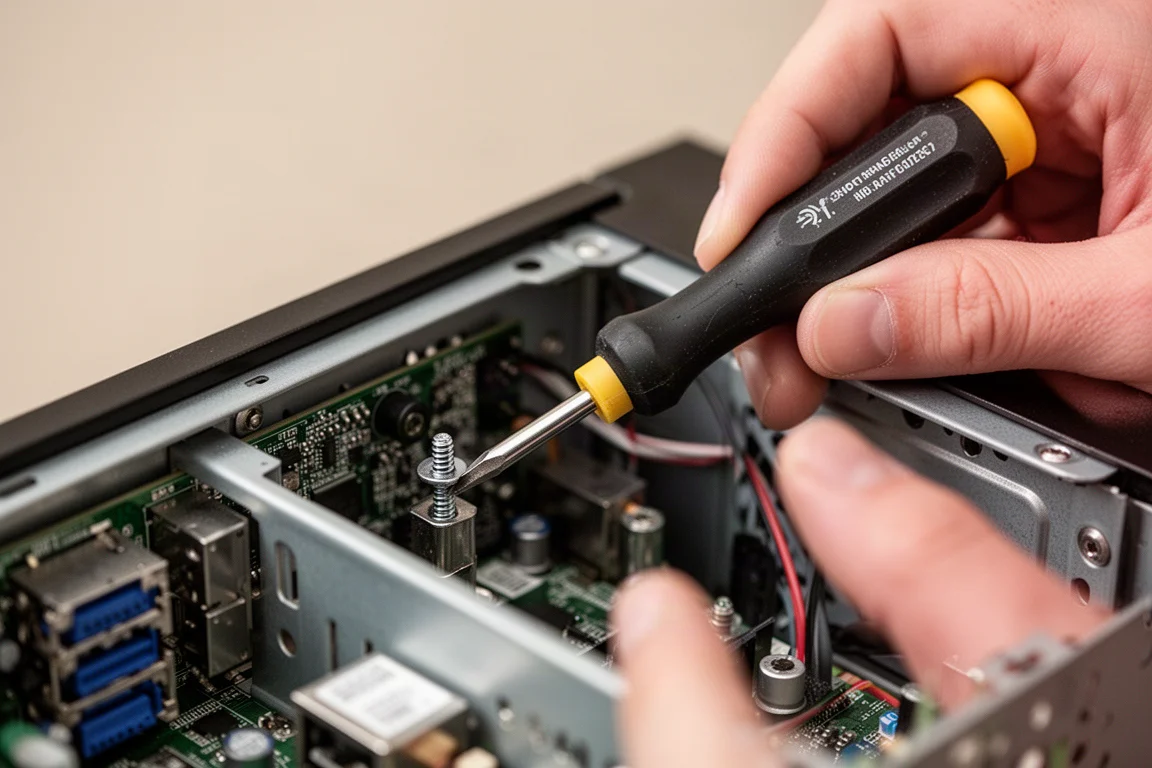
Either choice gets you a compact ratcheting driver with onboard bit storage that scored within a tenth of a point of the other. If you spot a meaningful price difference on the day you buy, let the price decide; if they are priced the same, the Michael Pro’s slightly tighter measured tolerances give it the tiniest of nods.
Conclusion
The SATA and Michael Pro ratcheting stubby screwdrivers are about as close to the same tool as two differently branded products can be. Scores of 6.7 versus 6.8, near-identical weights, and matching bit storage layouts make that clear. Buy whichever is cheaper that day, and if in doubt, the Michael Pro’s edge in back drag, wobble, and magnet strength is just enough to matter.
Product link
View more details for SATA Ratcheting Stubby Screwdriver
This product is mentioned in the review. Check the specifications, options, and compatibility before buying.
View more details for SATA Ratcheting Stubby ScrewdriverFurther reading
Related Reviews
Hand Tools
Best Diagonal Cutters 2026: 16 Pliers Tested for Cutting Power and Durability
We put 16 diagonal cutters through nail, screw, drill bit, and hex key tests to find the best value picks for your toolbox.
Hand Tools
Best Hex L Key Sets 2026: Nine Sets Tested for Real-World Torque
Nine hex L key sets from budget to premium, tested for torque, fit, and durability. See which sets deliver real performance and which ones to skip.
Hand Tools
Best Locking Pliers 2026: Top Picks Tested for Grip and Durability
We tested 18 brands of 10-inch locking pliers for grip strength, jaw bite, build quality, and ease of release to find the best options for tough jobs.