Hand Tools
Palm Grip Ratcheting Screwdrivers: Klein True Grip, PB Swiss Stubby, and Snap-on Compared
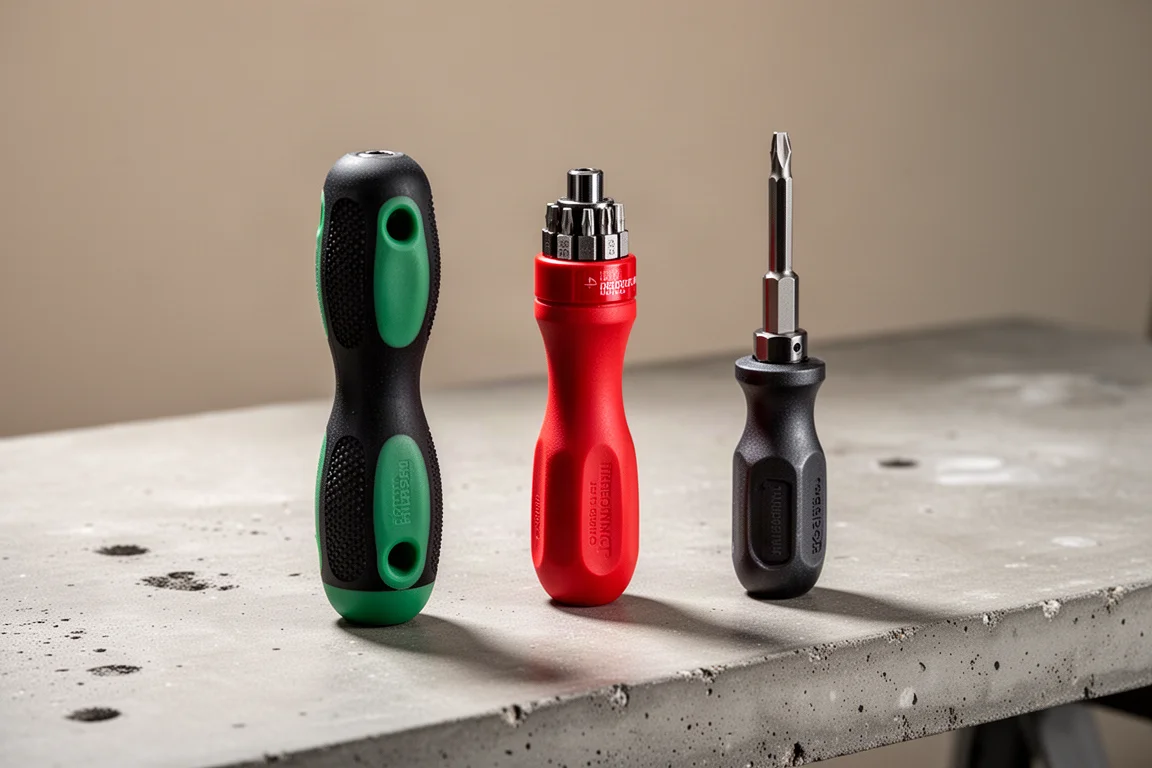
Three compact ratcheting screwdrivers take the ball-grip idea in different directions. Here is how the Klein True Grip, the PB Swiss stubby with bit carousel, and the Snap-on stubby stack up.
Introduction
The ball-grip screwdriver has been around in one form or another for decades, but it never really caught on. Early designs spent most of their effort on the rounded handle shape and very little on the ratchet mechanism itself, so the idea quietly faded. That changed recently. Klein Tools took its True Grip design, essentially a modified ball-grip screwdriver, and kept refining it with a strong quarter-inch hex receiver, a long dual-sided blade, and a well-thought-out ratchet. Meanwhile, PB Swiss pushes the stubby format further with a rotating bit carousel, and Snap-on offers a classic stubby that pairs beautifully with extra-long bits.
This comparison looks at three very different takes on the same idea: a full-size ratcheting driver, a modular stubby with bit storage, and a premium stubby for long-reach work.
Why the Ball Grip Works
The whole concept rests on having a palm-friendly, human-sized handle. Measured against classic proportions, the grip sits almost exactly at the golden mean ratio, which is a neat coincidence but not really the point. What matters is how it feels: the palm wraps around the ball, giving you control without the handle being too big or too small. It is surprisingly controllable for fastener work where precision matters.
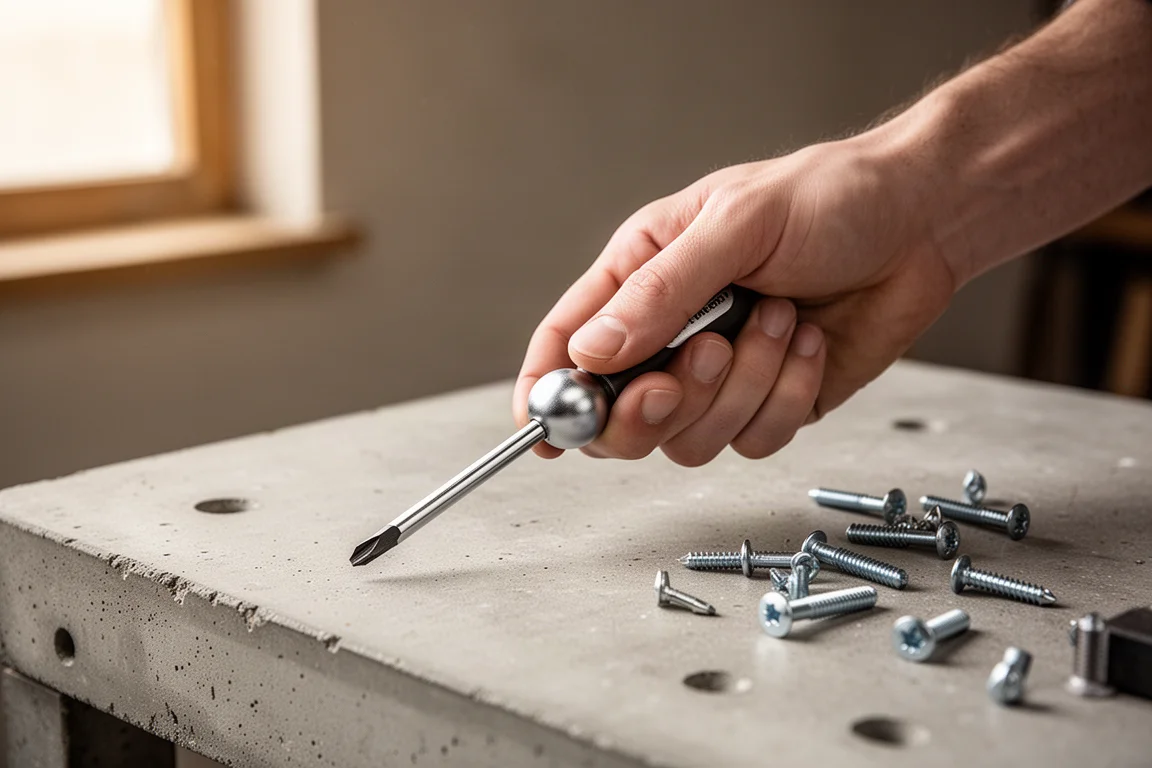
The other half of the equation is the ratcheting mechanism. Early ball-head designs from other makers simply were not as ratchet-friendly, and that is why they never took off. Klein got this part right, and it makes a bigger difference than any handle shape.
Klein Tools True Grip Ratcheting Screwdriver
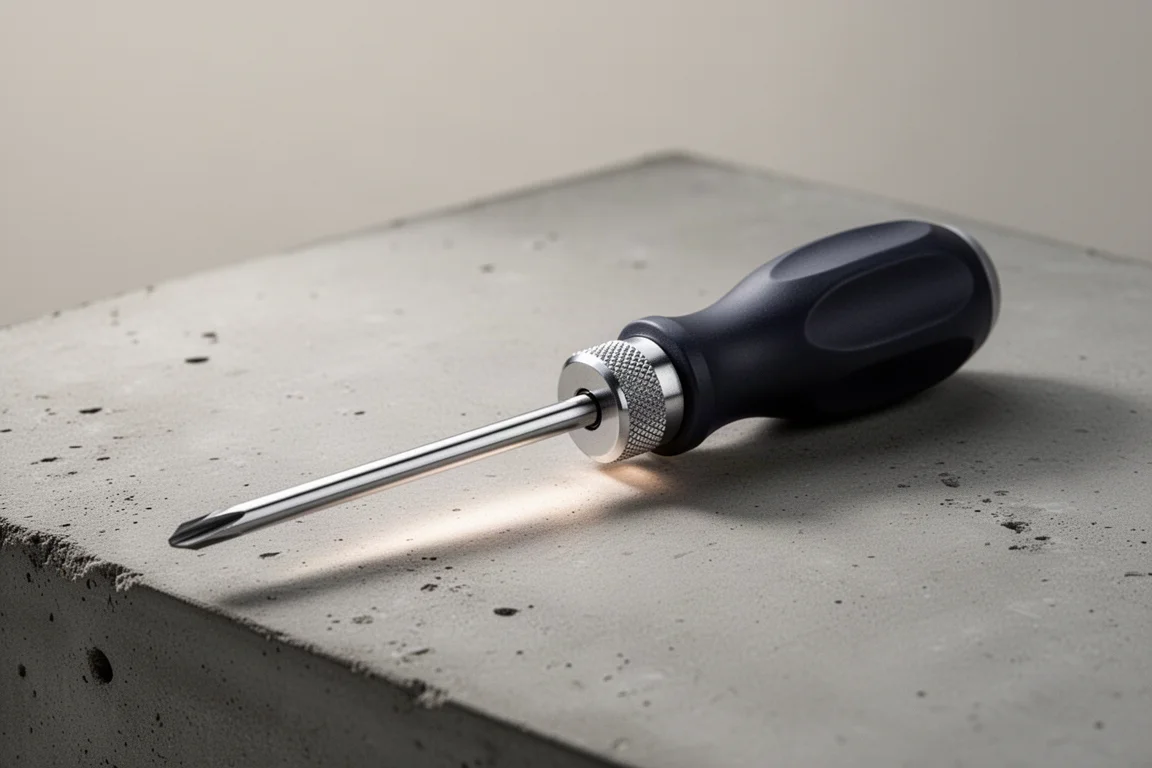
Klein’s True Grip is the most interesting of the three because it grew from a single design into a small family. The original version uses a long-shaft dual-sided blade held very tightly in a new-style quarter-inch hex receiver, effectively turning a stubby-style body into a genuinely capable full-size screwdriver. It is an outstanding configuration, even if the proportions read more like a long stubby than a classic full-size driver.
The ratchet direction is handled smartly. The switch turns in a direction that keeps the ratcheting mode intact even when you grab and twist the rotating column mid-task, so you will not accidentally flip into the wrong ratcheting direction while working. That detail matters more than it sounds, because competitors got it backwards.
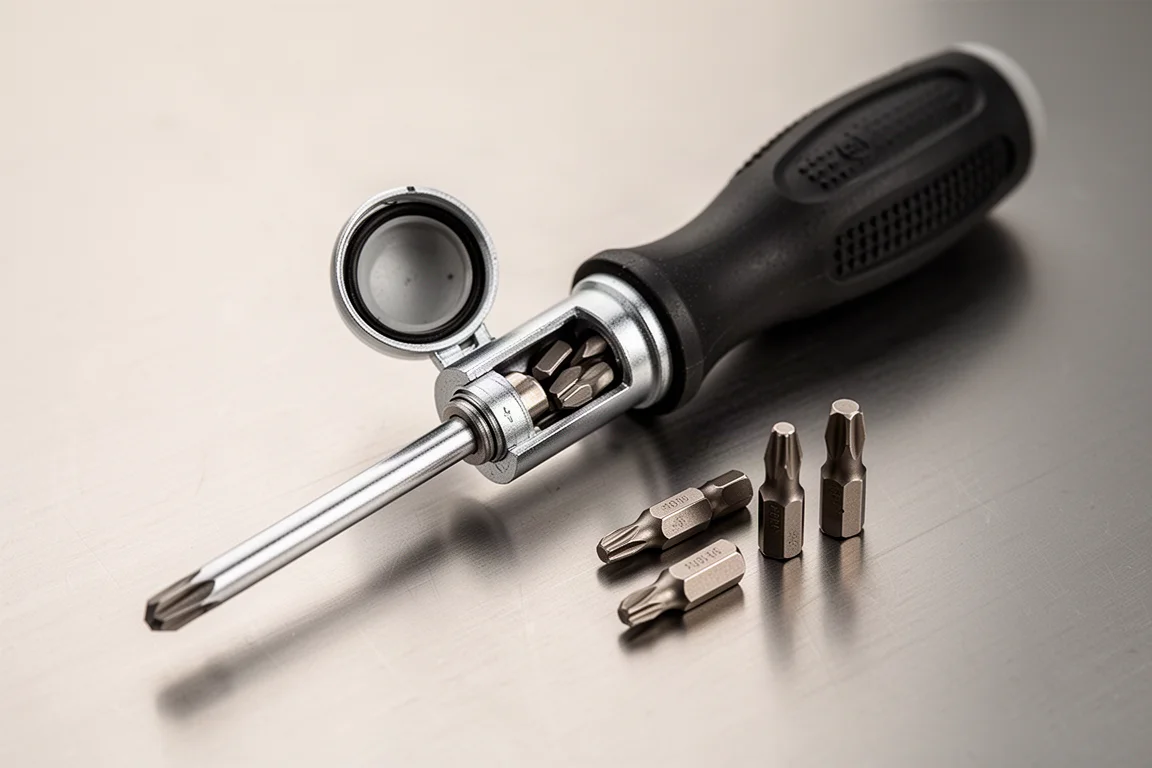
There is also a second configuration in the family: the top pops off to create an instant stubby, and the hollow handle doubles as bit storage. You can use the cap as its own small driver, combine the two, or just carry the handle as a bit holder. The hex chamber grips nearly anything with a quarter-inch hex shank, and a light push seats the bit as solidly as conventional physics allows. It will not take the long double-sided blade, but it accepts locking adapters and shorter bits happily, which opens up useful combinations.
What is still missing is a combination of everything: bit storage built into the ratcheting version, plus some kind of pocket or belt holster so the driver stays in play while you work up a ladder. Those feel like natural next steps for an already strong platform.
PB Swiss Ratcheting Stubby with Bit Carousel
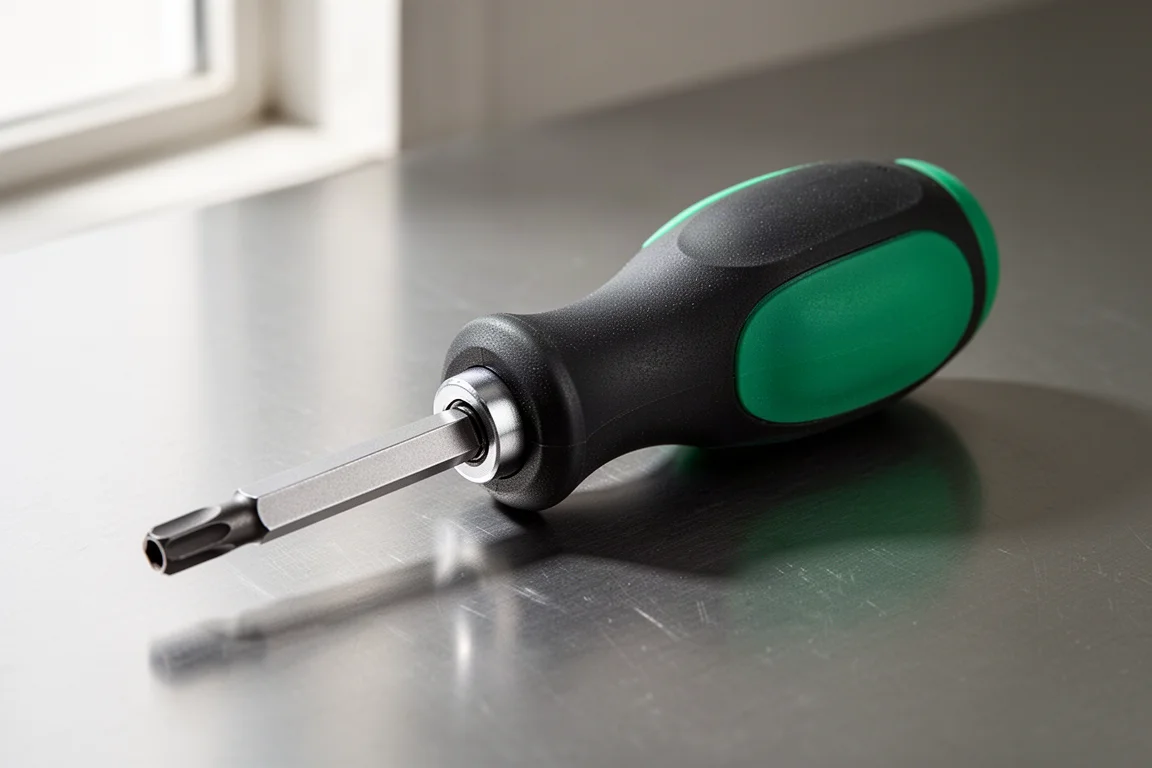
The PB Swiss stubby is the clever one of the group. It is a ratcheting stubby with a rotating bit carousel built into the top, combining bit storage and ratcheting in one small tool. Paired with a standard quarter-inch magnetic bit, it fits the hand nicely and is genuinely fun to use. It is a medium stubby, not a super stubby, and that proportion turns out to be wildly functional.
There is one notable quirk: the rotating column turns in the opposite direction from Klein’s. If you grab the column and twist while working, you can flip the ratchet into the wrong direction without noticing. Klein clearly made the smarter call here, and it is the one meaningful ergonomic knock against the PB Swiss design.
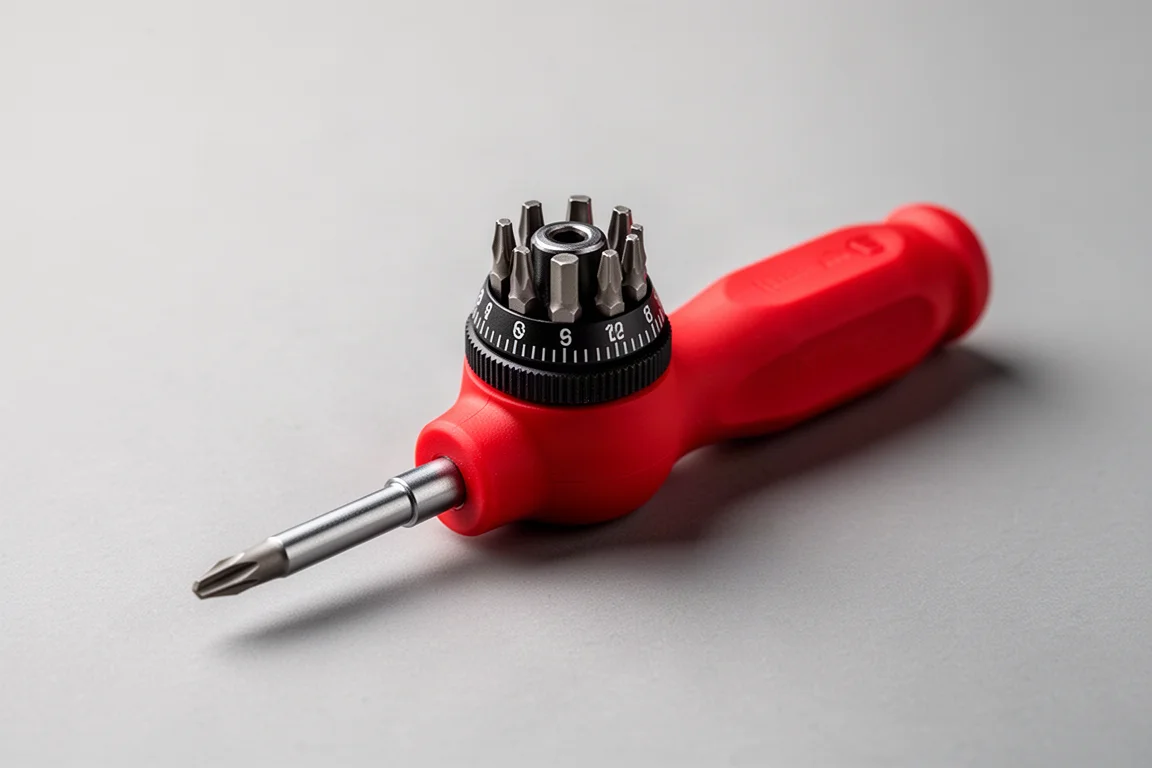
The trade-off is capacity. The carousel cannot accept the long double-sided bits that the Klein driver handles so well, so it is limited to standard quarter-inch magnetic bits. Within that limitation, though, it is hard to beat as a pocketable ratcheting driver.
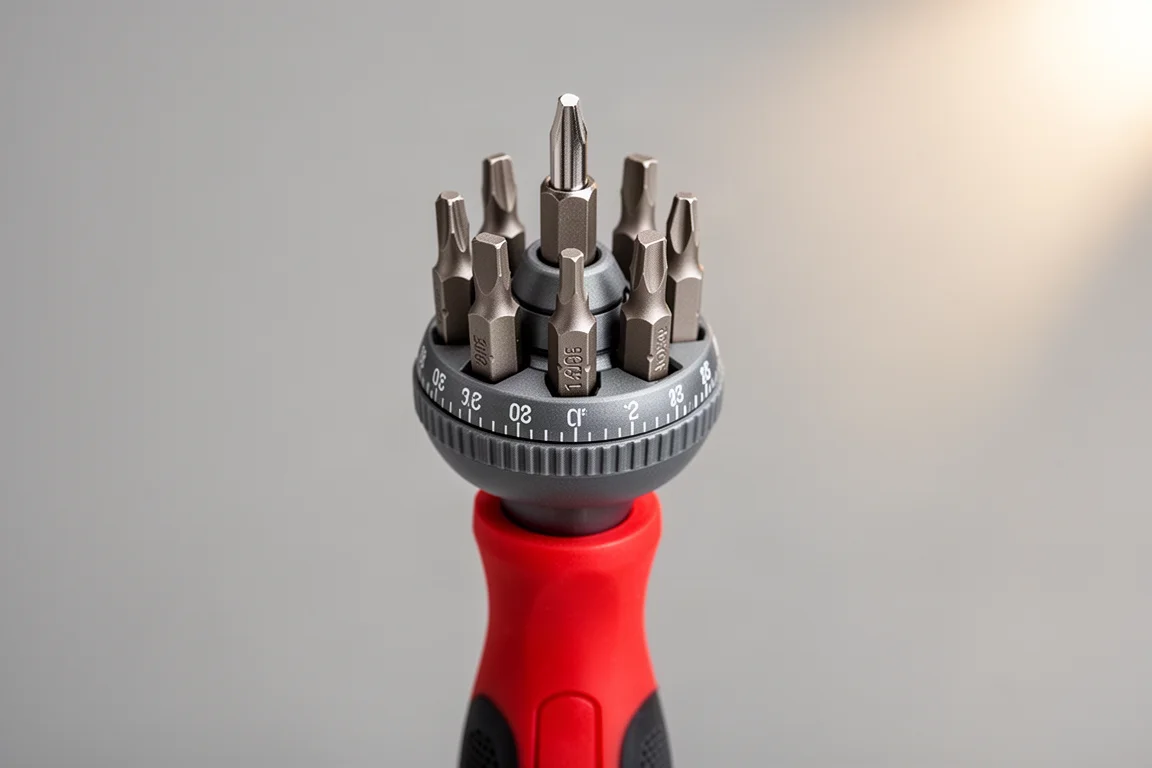
Snap-on Stubby Screwdriver with Long Bits
The Snap-on stubby is the traditionalist’s pick, and it shines in a specific scenario: fitted with an extra-long bit. That combination gives you plenty of light and plenty of sight on the fastener, while you control the driver from the far end of the handle. When the rotation direction is right, it feels excellent, and the same benefit applies to the Klein ratcheting version.
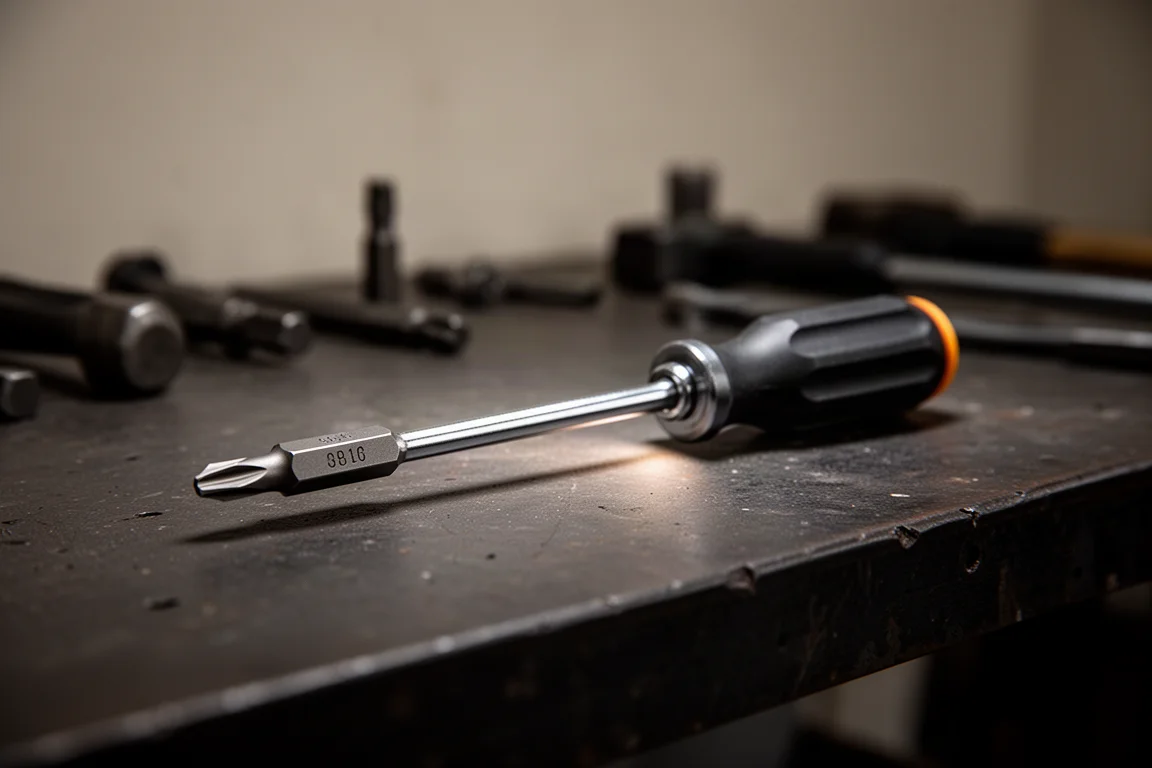
The catch is price. Snap-on pricing is famously steep, and a stubby in this configuration with the long bit likely runs over $100. The Klein, by comparison, costs considerably less while delivering a comparable working experience. Unless you are already invested in a Snap-on tool truck ecosystem, the value equation favors the Klein significantly.
Buying Advice
If you want one ratcheting screwdriver that does the most, the Klein True Grip is the easy recommendation: a tight hex receiver, a well-designed ratchet that will not flip direction on you, and modular configurations for stubby work and bit storage. If maximum functionality in the smallest package is the goal, the PB Swiss stubby with its bit carousel is unmatched, just be aware of the reversed rotating column. The Snap-on stubby with long bits is a lovely tool, but at likely over $100 versus a considerably cheaper Klein, most buyers will not miss what they are not paying for.
Conclusion
Ball-grip screwdrivers are having a genuine second act. Klein is taking a design and pushing it further with each revision, PB Swiss proves how much function can live in a stubby body, and Snap-on reminds us that the classic stubby plus a long bit is still a great combination. The conventional screwdriver is a proven tool, but there is clearly room for improvement, and these three show the direction is worth watching.
Further reading
Related Reviews
Hand Tools
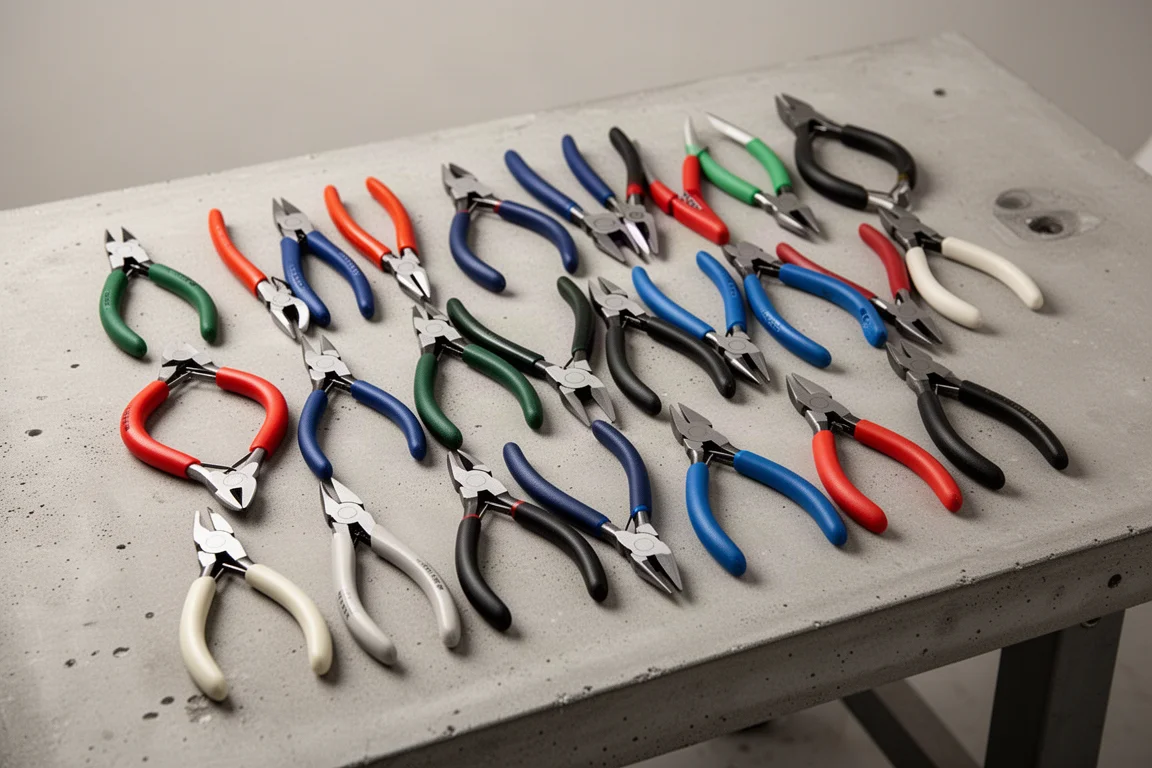
Best Diagonal Cutters 2026: 16 Pliers Tested for Cutting Power and Durability
We put 16 diagonal cutters through nail, screw, drill bit, and hex key tests to find the best value picks for your toolbox.
Hand Tools
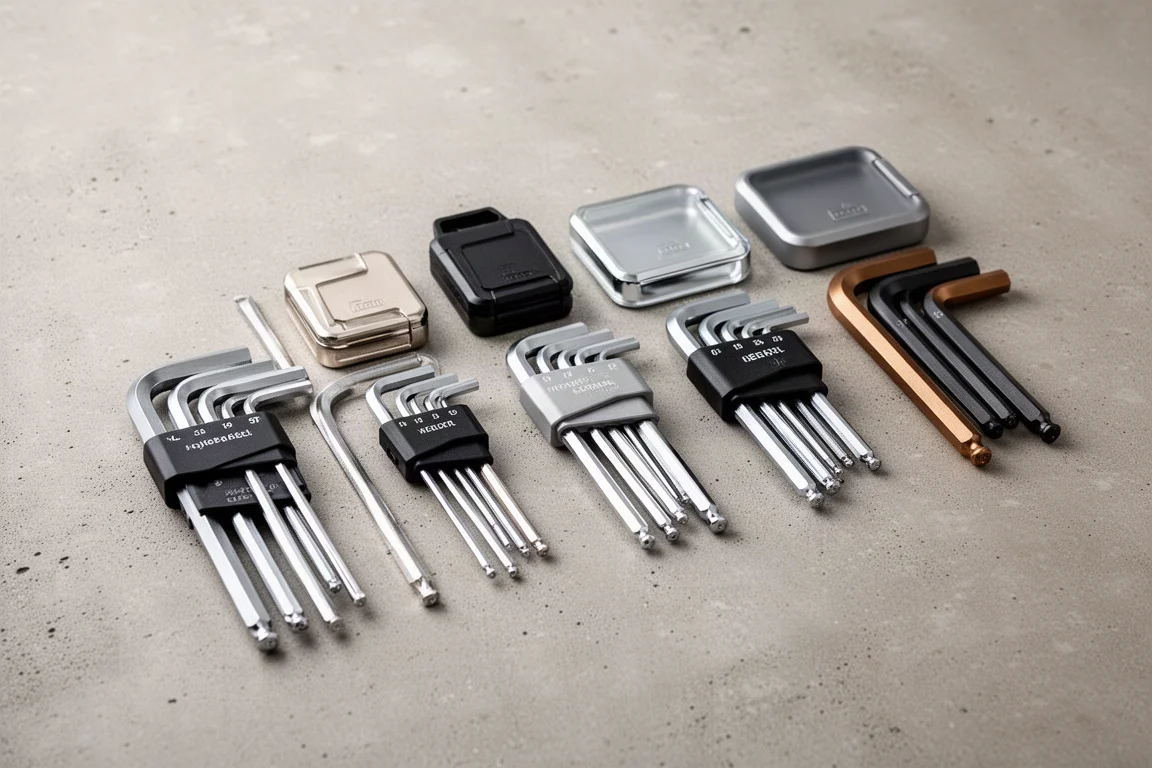
Best Hex L Key Sets 2026: Nine Sets Tested for Real-World Torque
Nine hex L key sets from budget to premium, tested for torque, fit, and durability. See which sets deliver real performance and which ones to skip.
Hand Tools
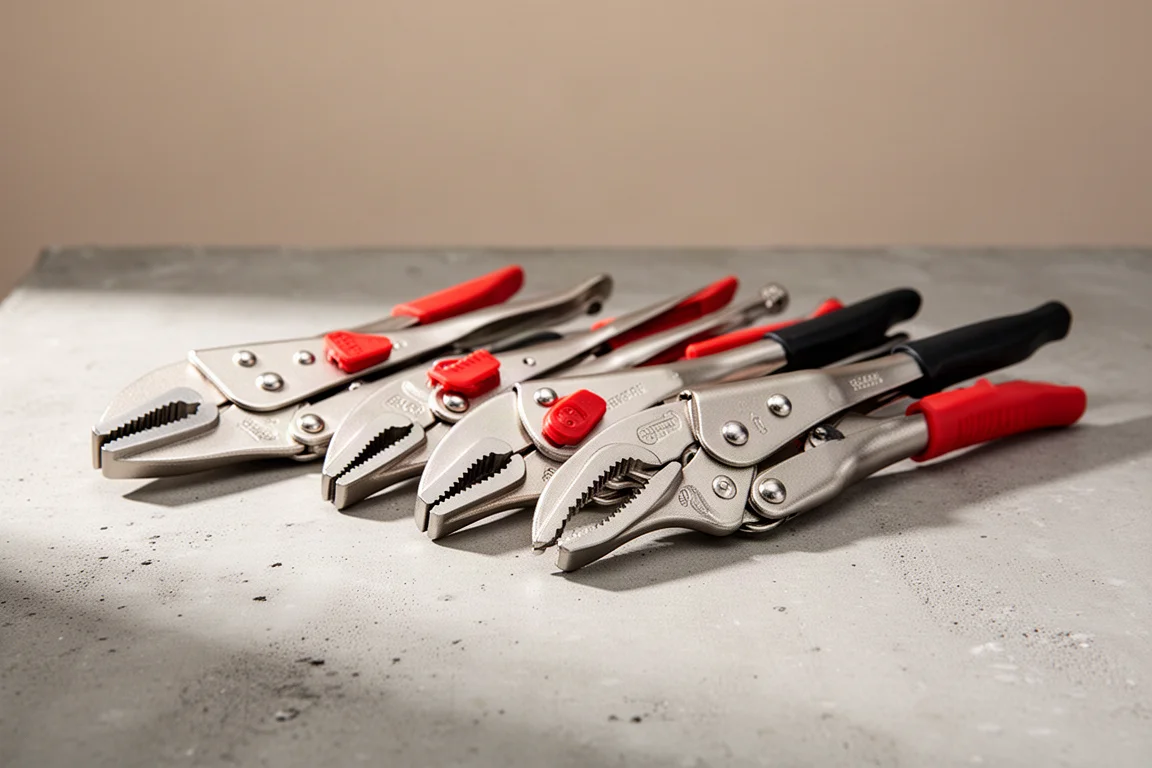
Best Locking Pliers 2026: Top Picks Tested for Grip and Durability
We tested 18 brands of 10-inch locking pliers for grip strength, jaw bite, build quality, and ease of release to find the best options for tough jobs.