Hand Tools
Best Ratcheting Screwdriver Handles: Three Handles Compared for High-Torque Bit Driving
A German-made 60-tooth ratcheting handle goes head to head with a Snap-On bit driver and a rebranded Craftsman Professional to see which earns a place on the bench.
Introduction
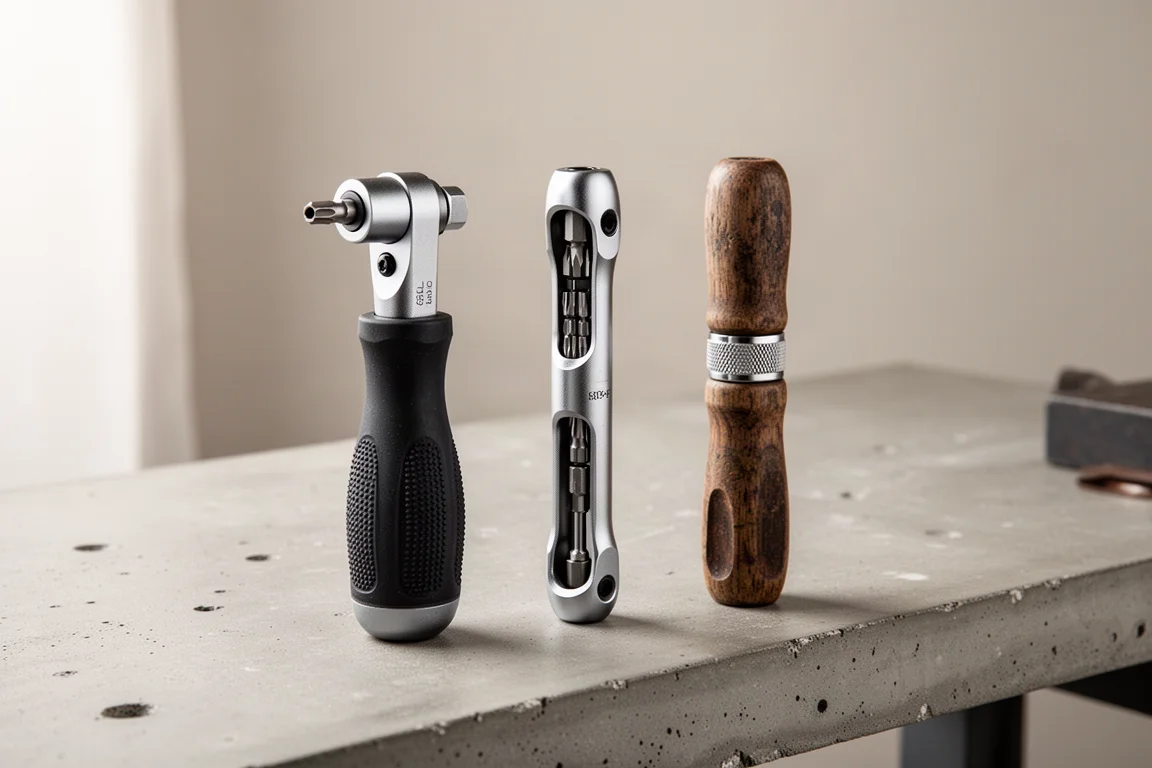
Ratcheting screwdriver handles look interchangeable until you actually load them up with torque. A recent bench session with three different handles, one of them the Phyllo Ergonic K from Germany, showed just how differently they can feel in the hand and under load. This roundup compares a 60-tooth, 180-degree swinging German handle against a Snap-On magnetic bit driver and an older Craftsman Professional made by Schroder, focusing on how each one holds bits, reverses direction, and handles serious torque.
Evaluation Criteria
The comparison centers on a handful of practical questions: how securely the handle grips its bits, how far the ratchet head swings, how much rotational play is in the mechanism, how the reversal ring behaves in use, and how much leverage you can generate when the job calls for real torque. Bit storage and socket compatibility also factored in, since a good ratcheting handle often moonlights as a low-profile socket driver.
Phyllo Ergonic K Ratcheting Handle
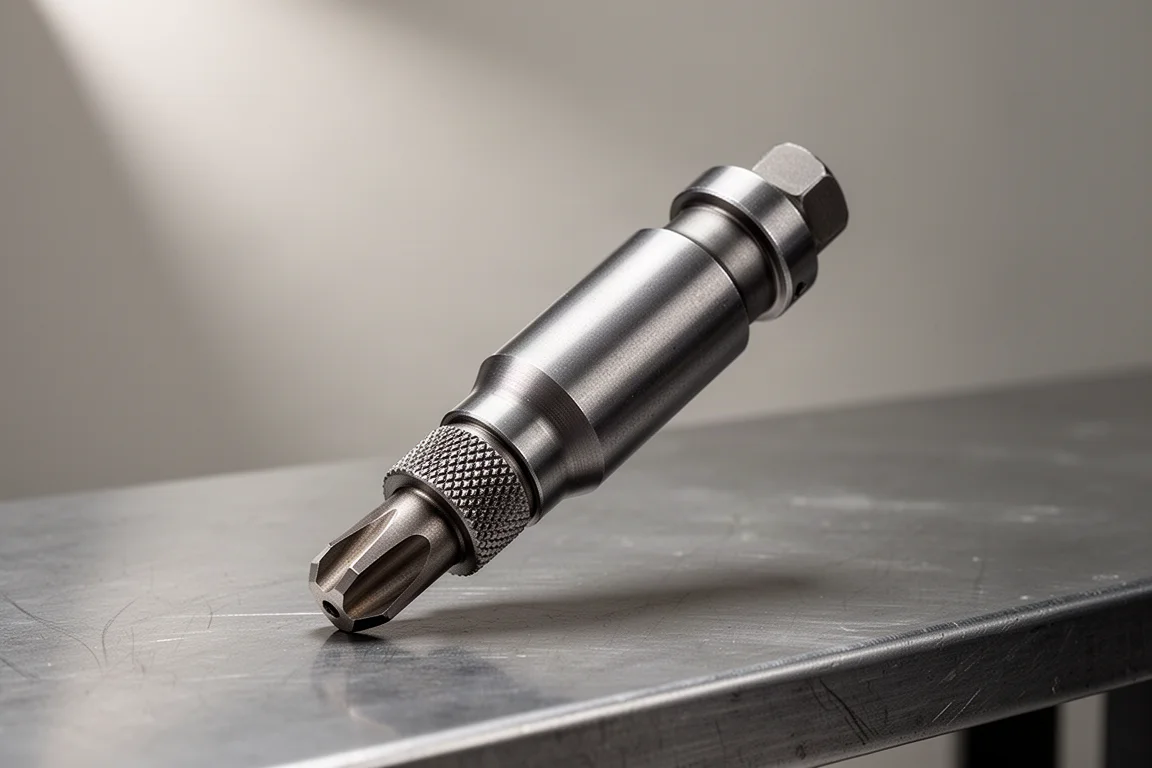
The Phyllo Ergonic K is a 60-tooth ratcheting screwdriver handle made in Germany that sells for around 37 dollars on Amazon. Its standout feature is a full 180-degree swing, released by a push button that pops a ball detent loose, letting the head pivot fully back and forth. The mechanism sits up front in metal with a heavy detent, and there appears to be an adjustment point under a star-shaped fastener if you want to tweak the tension.
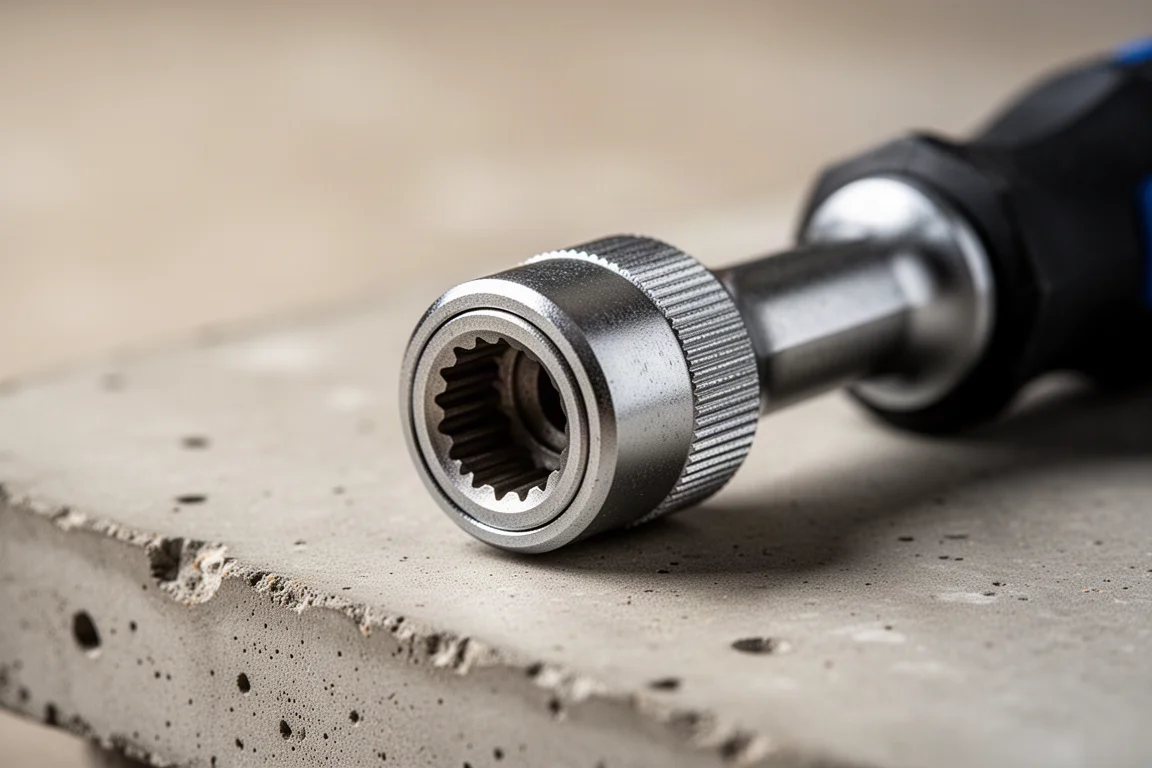
It runs a speed-bit style chuck that locks smaller bits in place rather than relying on a magnet, and it is rated for high-torque bit driving, reportedly up to 50 newton-meters. There is a lot of mass in the substantial rubberized handle, which translates into real leverage when driving larger fasteners. It also accepts attachments and shafts to run sockets, making it more versatile than a fixed stationary handle. The build quality is said to carry a lifetime warranty.
How It Feels and Torques Compared
The way you hold the Phyllo Ergonic K is fundamentally different from the other two. Its head forms roughly a 90-degree corner at the end of the tool, so you are mainly hanging onto just the handle, whereas the Snap-On and Craftsman let you grip both the bent end and the rear. That changes how the tool torques a fastener, and the design is clearly intended for high-torque bit driving.
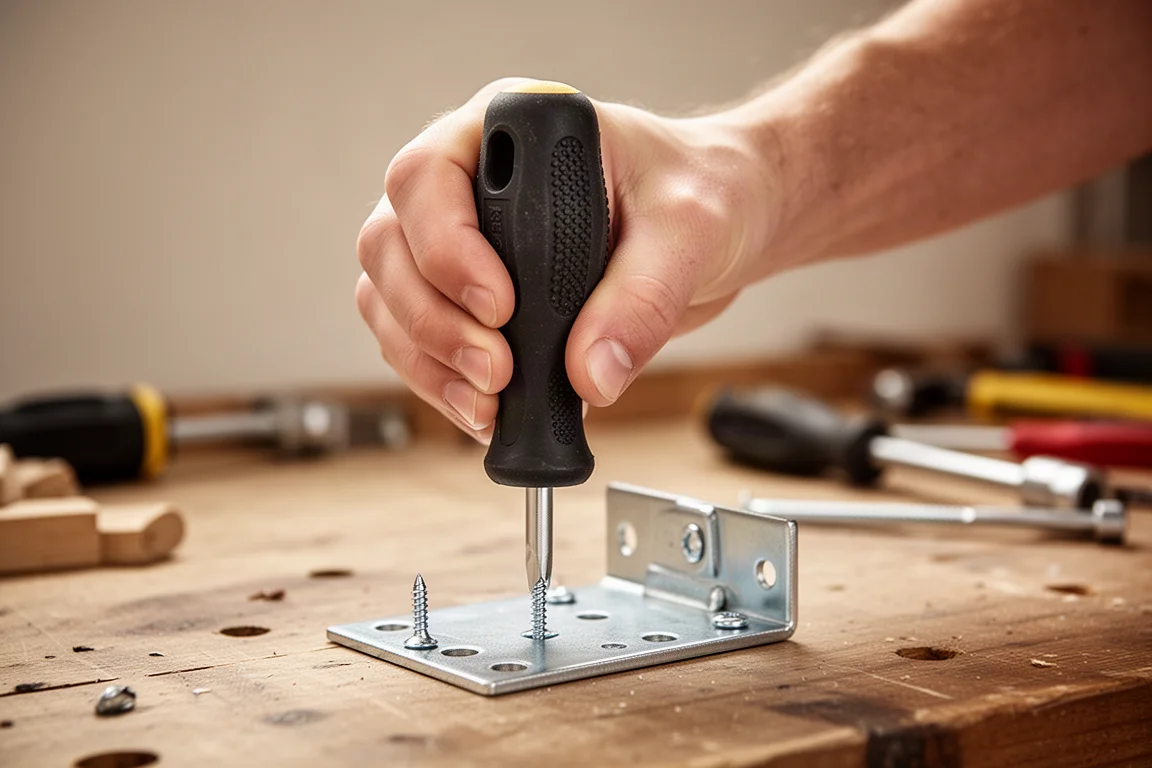
With the head pivoted, your hand sits at roughly a 45-degree angle to the shaft, which shortens the arc you can generate. Lining the handles up down the shaft shows a noticeable difference in off-axis leverage, and the Phyllo seems able to generate more of it, which suggests it has to be built stronger. One trade-off: the 60-tooth mechanism has some rotational play, visible in the large dished-out gear teeth in the head, and with a longer bit that motion gets amplified.
Snap-On Bit Driver Ratcheting Handle
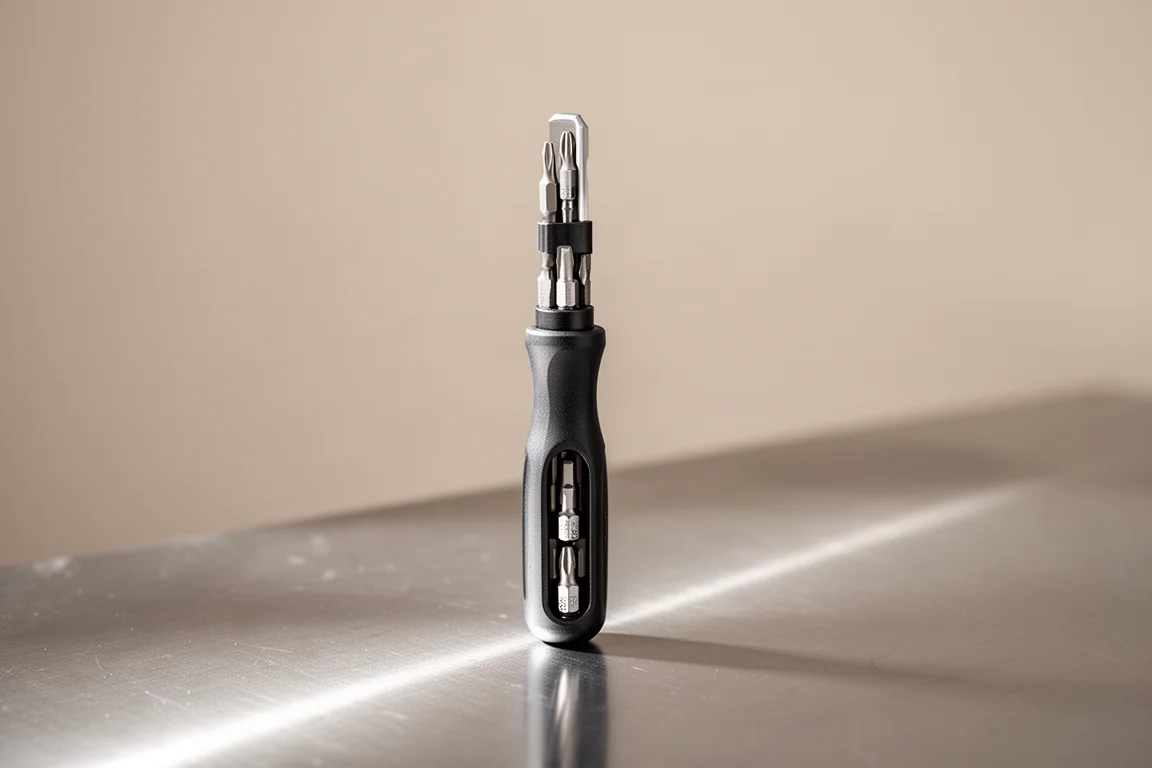
The Snap-On handle takes a different approach: a magnetic bit holder rather than a locking chuck. It offers a five-position swing rather than a full 180 degrees, with several positions on each side of center. The rear of the handle is hollow and serves as bit storage, which keeps the tool slim but costs it the heft of the German handle. Even so, the grip is quite good thanks to its rubbery texture.
Its defining feature is a very large reversal ring, and the impression is mixed: half the time it is convenient, and half the time it gets bumped off the intended direction, leaving you to figure out what went wrong mid-task. Where it shines is in the mechanism itself. Locked in, it is impressively solid with minimal rotational play, noticeably tighter than the Phyllo’s 60-tooth head.
Craftsman Professional Ratcheting Screwdriver
The Craftsman Professional is actually a rebranded German-made tool, believed to be built by Schroder, and it behaves similarly to the Snap-On: a limited five-position swing rather than a full 180 degrees, and a magnetic-style bit holder up front. It is an older tool that has lasted a long time, which says something about its build.
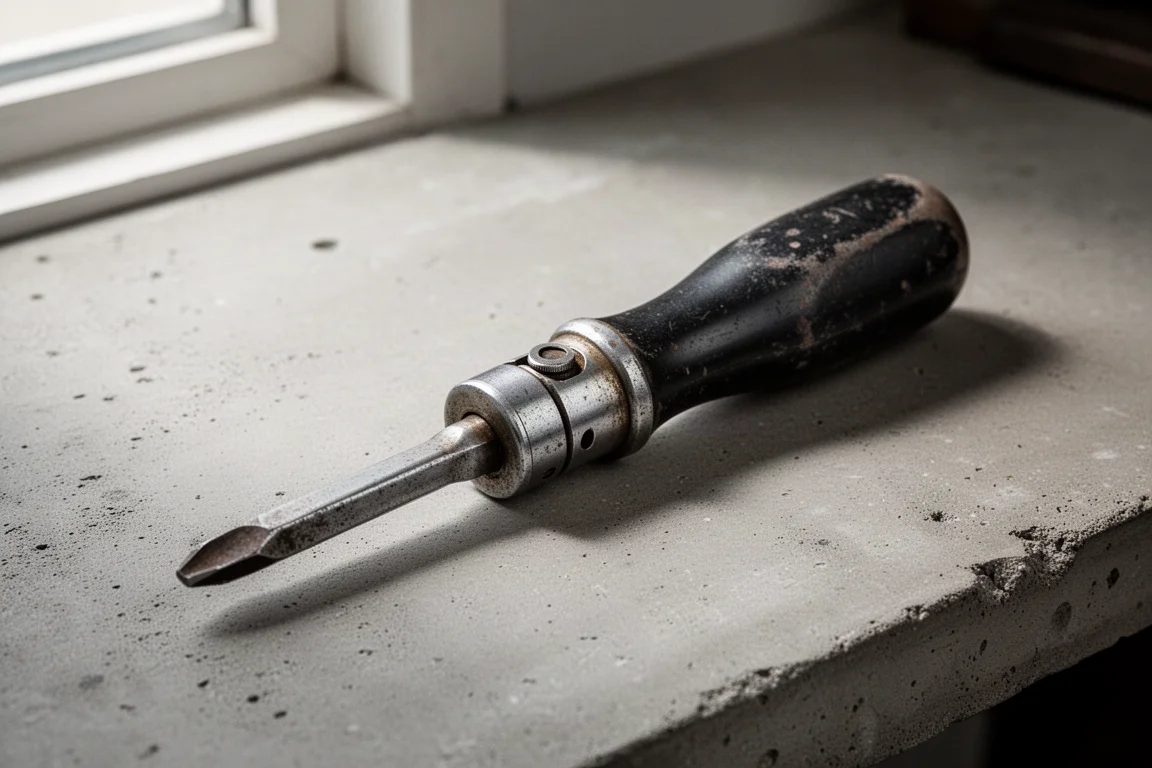
Its weak point is the bit retention. The front sleeve freely slides, and as torque is applied things tend to shift, which makes it the least confidence-inspiring of the three under load. Like the Snap-On, it has bit storage in the rear of the handle.
Using It as a Socket Handle
One of the more interesting uses for a handle like the Phyllo Ergonic K is as a compact socket driver. Where a fixed handle only works in one plane, a ratcheting handle with a full 180-degree swing lets you take full advantage of the swing arc even in tight or awkward positions.
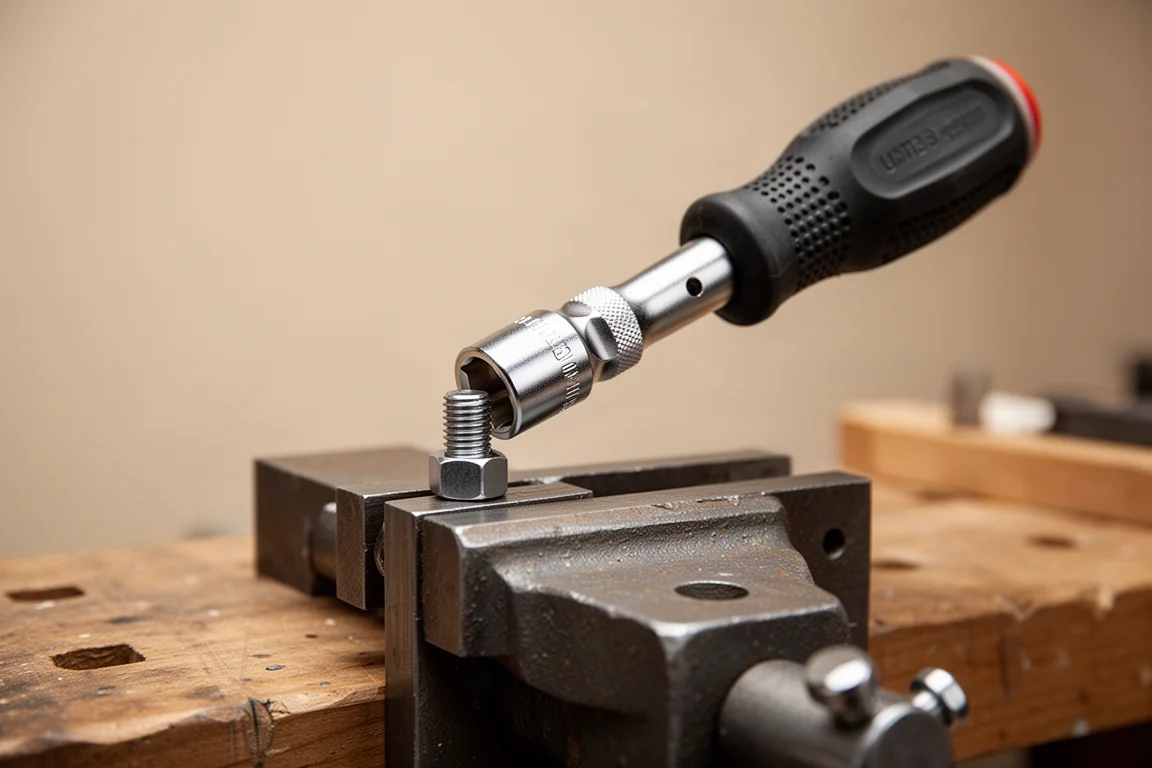
You can either use an attachment or swap in different shafts on the Snap-On handles to do something similar, but the Phyllo’s design makes off-axis leverage genuinely usable, which is exactly where a fixed stationary handle falls short.
Buying Advice
If you want a modern, high-torque ratcheting handle made in Germany with a full 180-degree swing and locking bit retention, the Phyllo Ergonic K is the strongest pick of the three, with the caveat that the 60-tooth mechanism carries a bit of rotational play. The Snap-On is the tighter ratchet and a great all-rounder, especially if you value its slim bit-storing handle, but watch that large reversal ring. The Craftsman Professional is a proven older design, though its sliding front sleeve makes it the least secure under heavy torque.
Conclusion
All three handles are legitimate tools, but they solve slightly different problems. The Phyllo Ergonic K stands out for raw leverage, locking bit retention, and its full-swing head, the Snap-On for mechanism tightness and everyday handling, and the Craftsman Professional for longevity. Match the handle to how much torque and off-axis control your work actually demands.
Further reading
Related Reviews
Hand Tools
Best Diagonal Cutters 2026: 16 Pliers Tested for Cutting Power and Durability
We put 16 diagonal cutters through nail, screw, drill bit, and hex key tests to find the best value picks for your toolbox.
Hand Tools
Best Hex L Key Sets 2026: Nine Sets Tested for Real-World Torque
Nine hex L key sets from budget to premium, tested for torque, fit, and durability. See which sets deliver real performance and which ones to skip.
Hand Tools
Best Locking Pliers 2026: Top Picks Tested for Grip and Durability
We tested 18 brands of 10-inch locking pliers for grip strength, jaw bite, build quality, and ease of release to find the best options for tough jobs.