Hand Tools
Best Ratcheting Combination Wrench: 14 Brands Tested and Ranked
Fourteen ratcheting combination wrenches put through ratcheting efficiency, grip, back drag, and failure load tests, with one clear value pick and one premium standout.
Introduction
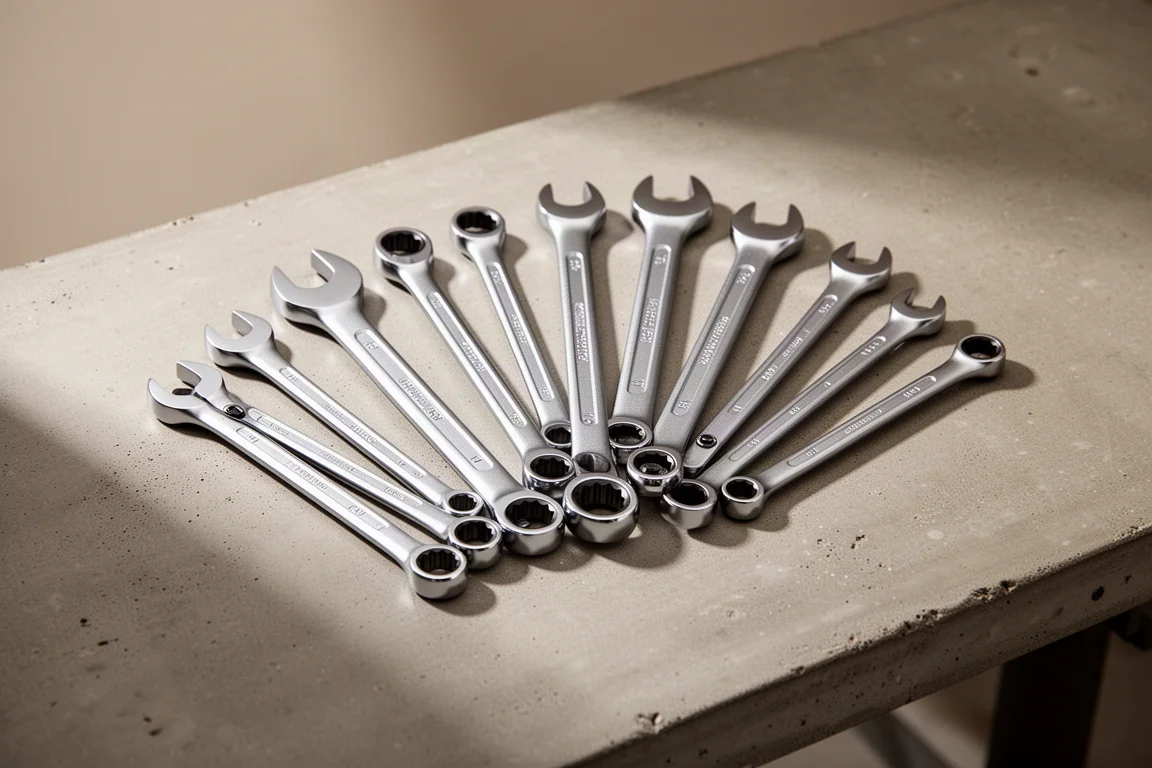
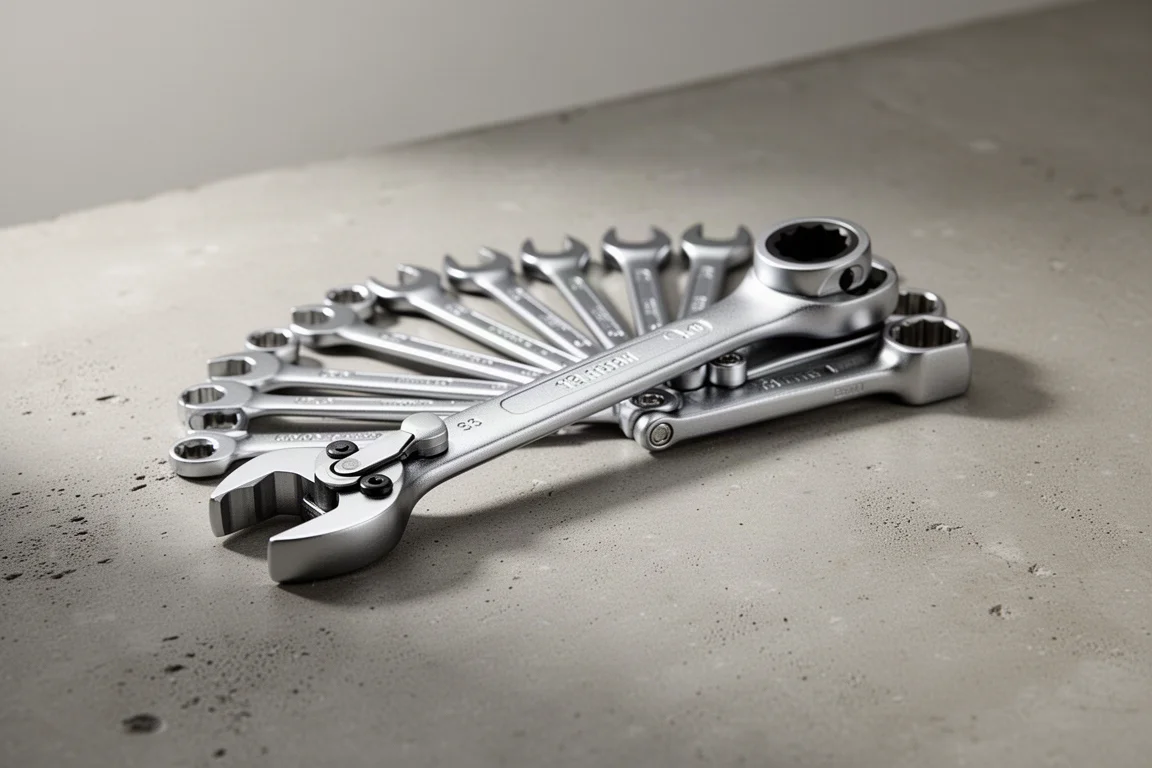
Ratcheting combination wrenches can save a huge amount of time, especially when you are working in tight spaces where a full socket swing is impossible. The real question is which brand deserves your money. To find out, fourteen popular ratcheting combination wrenches in 1/2 inch size were put through a series of practical tests: ratcheting efficiency in a 40 degree working space, grip on a heavily rusted bolt, open end gripping strength, back drag, outer diameter measurements, and failure load for both the box end and the open end.
The results were surprising. Some of the cheapest wrenches punched well above their price, while one of the most expensive struggled in several tests. Here is how each brand performed.
How We Evaluated
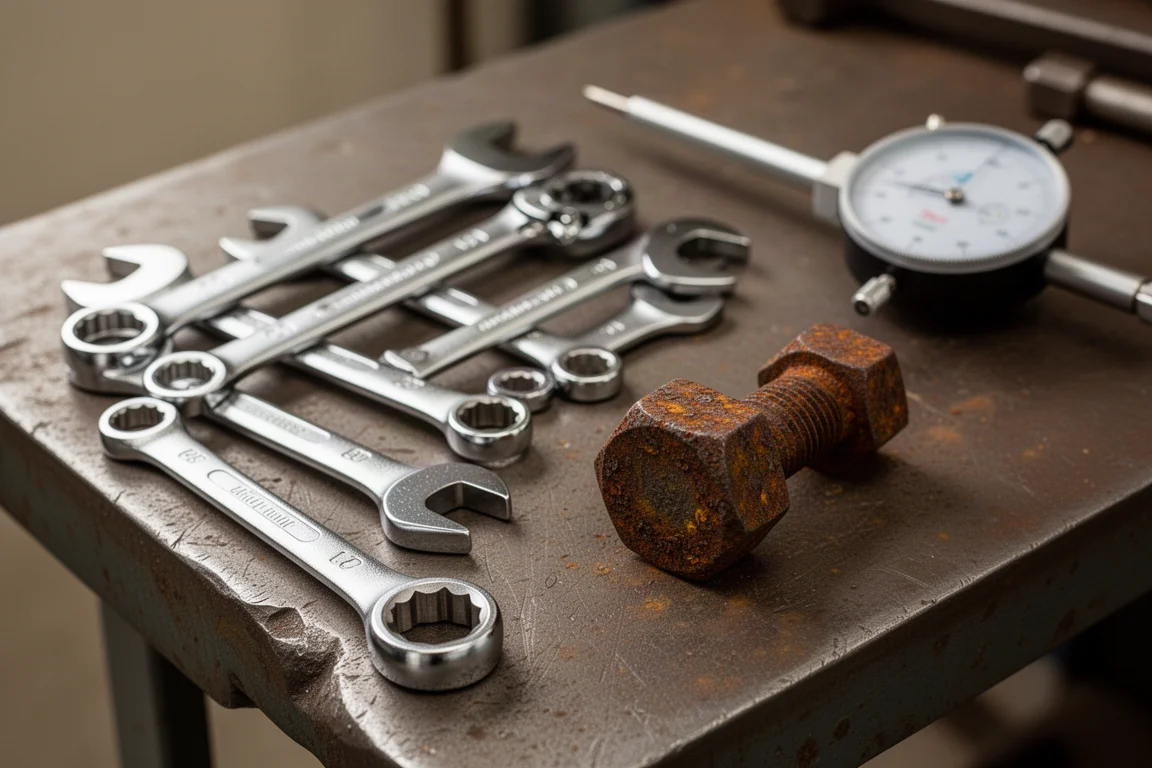
Each wrench was tested in the same 1/2 inch size under identical conditions. Ratcheting efficiency was measured by counting how many back and forth passes it took to complete a full 360 degree circle within a 40 degree space, which exposes how much slop each ratcheting mechanism has. Grip was tested on bolts treated with an aggressive rusting agent, first with the box end using a washer to reduce contact area, then with the open end without the washer.
Back drag was measured with a socket, fishing line, and a scale, since a stiff ratchet makes removing or installing a fastener in a tight space genuinely difficult. Finally, failure load tests used soft coupling nuts for the box end and hard tool steel Allen key stock for the open end. Grade eight bolts typically break around 660 in-lb, which gave a useful benchmark for the rusted bolt tests.
GearWrench: The Budget Benchmark
At $20 for five wrenches, or just $4 each, GearWrench is the least expensive brand tested. The 12-point box end uses an off-corner loading design to reduce fastener rounding, and the 72-tooth ratchet needs only a 5 degree arc swing. It is made in China and weighs 96.2 g.
Its weaknesses showed in the efficiency test, with about 15 degrees of slop and 25.5 passes to complete a full circle. But it excelled elsewhere: it had the lowest back drag of the entire field at just 109 g, the open end gripped to 714.4 in-lb before rounding the bolt, and the open end held 1,128 in-lb before giving up. With an average finish of 4.5 at this price, it performed very well.
Olsa Tools: Strong Box End, Stiff Ratchet
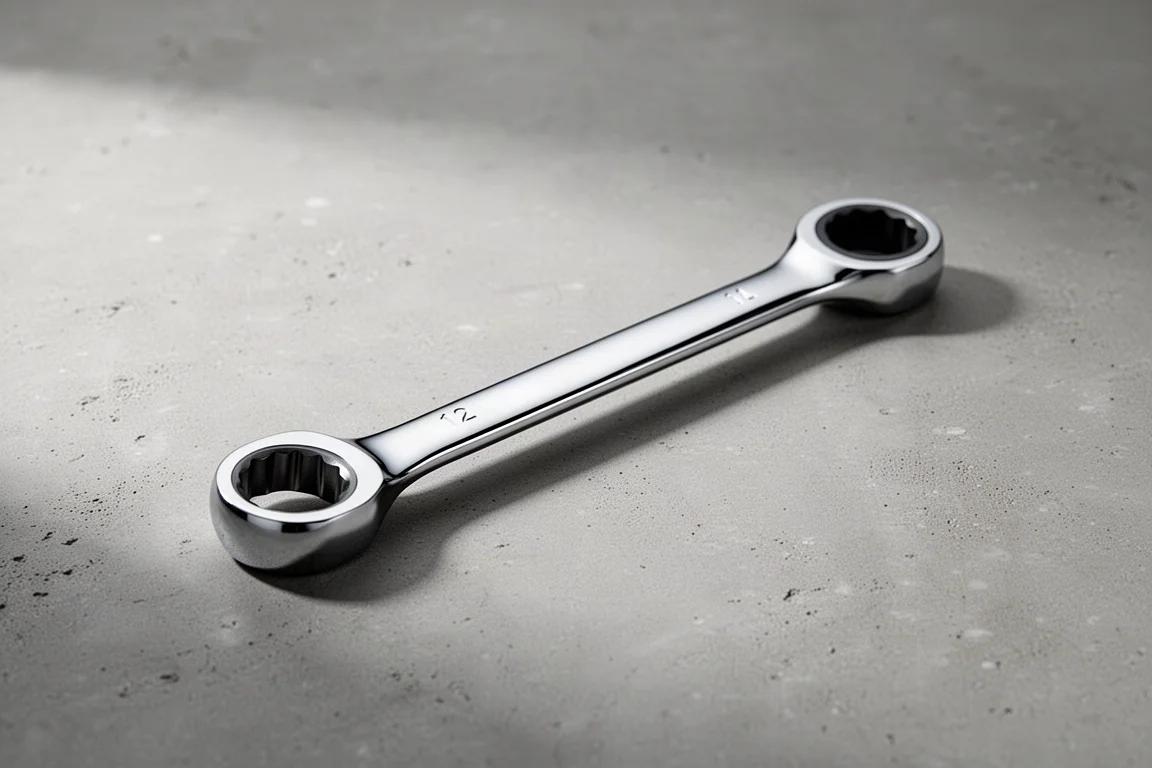
Olsa sells a set of 12 wrenches for $80, or about $6.50 each, and claims 100-tooth ratcheting wrenches made of premium unbreakable steel. They are made in Taiwan and weigh 103.2 g. In practice, the mechanism had around 17 degrees of slop and needed 27 passes per circle, and back drag was very high at 743 g.
Where Olsa shone was strength and grip. The six-point box end outlasted the bolt at 668 in-lb, the open end reached 675.9 in-lb, and in the box end failure test the wrench held 514 lb before breaking. The premium unbreakable steel claim did not literally hold, but for the price the strength figures are impressive.
Jet Tech: Cheap but Weak Where It Counts
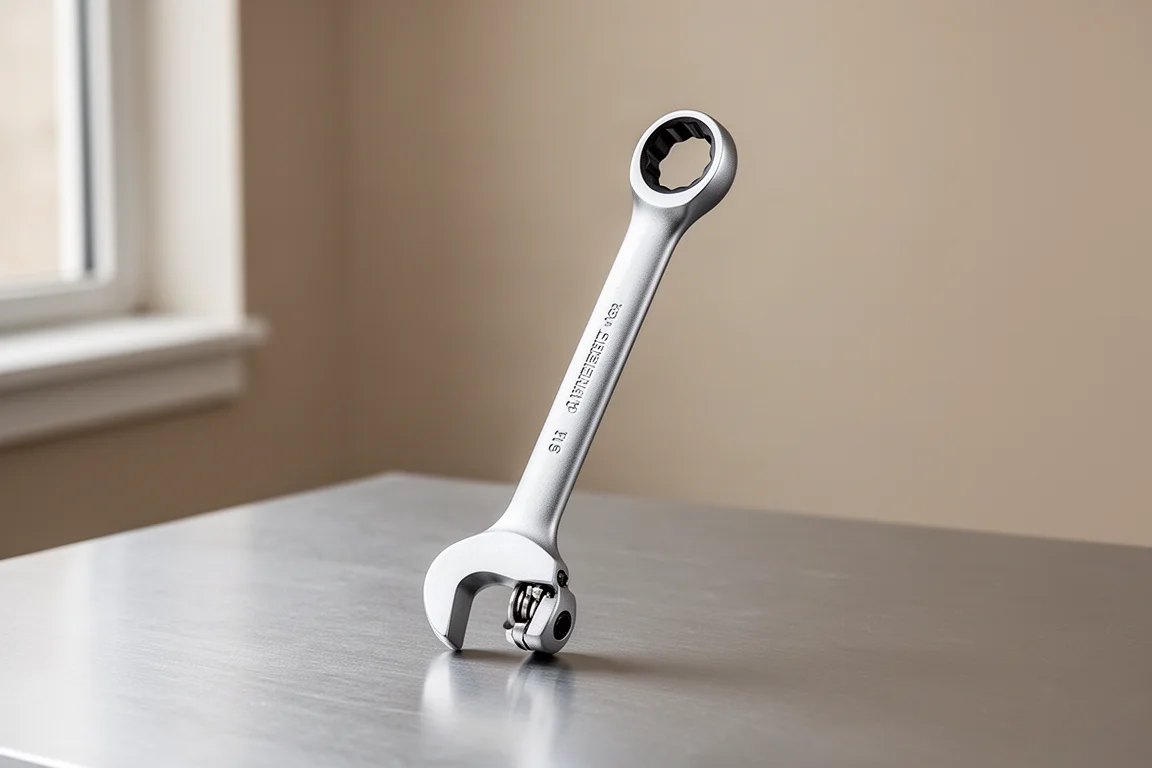
At $9, Jet Tech offers a 12-point box end with an off-corner design that distributes force on the rounds rather than the corners. It is made in China and weighs 101.9 g. Unfortunately, it finished last in ratcheting efficiency with 33.5 passes per circle and had the highest back drag at 772 g, which is far too much to work efficiently.
It did take the lead in open end strength at 1,233 in-lb, but the wrench took considerable damage doing so, and the box end failed early at just 226 lb. Overall, it is hard to recommend over slightly better alternatives.
Jagger: Good Grip for Ten Dollars
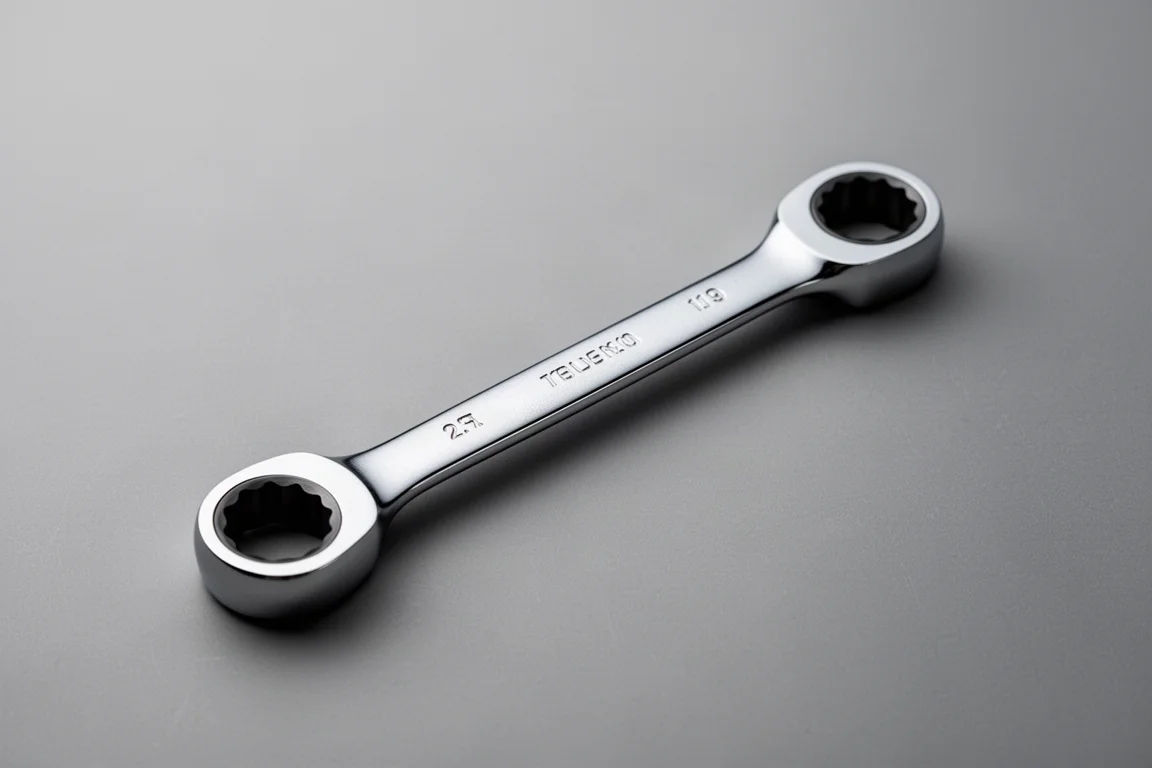
For $10, one dollar more than Jet Tech, Jagger offers a 72-tooth ratcheting system with a claimed 5 degree arc swing. It is made in China and weighs 99.5 g. Efficiency was about the same as GearWrench, taking 25 passes per circle, and back drag was middling at 580 g.
Grip and open end strength were the highlights. The box end made it to 605 in-lb before losing grip, and the open end took the overall lead at 1,290 in-lb, though it took visible damage in the process. For the price, the grip performance is genuinely good.
Tekton: The Best Value Pick
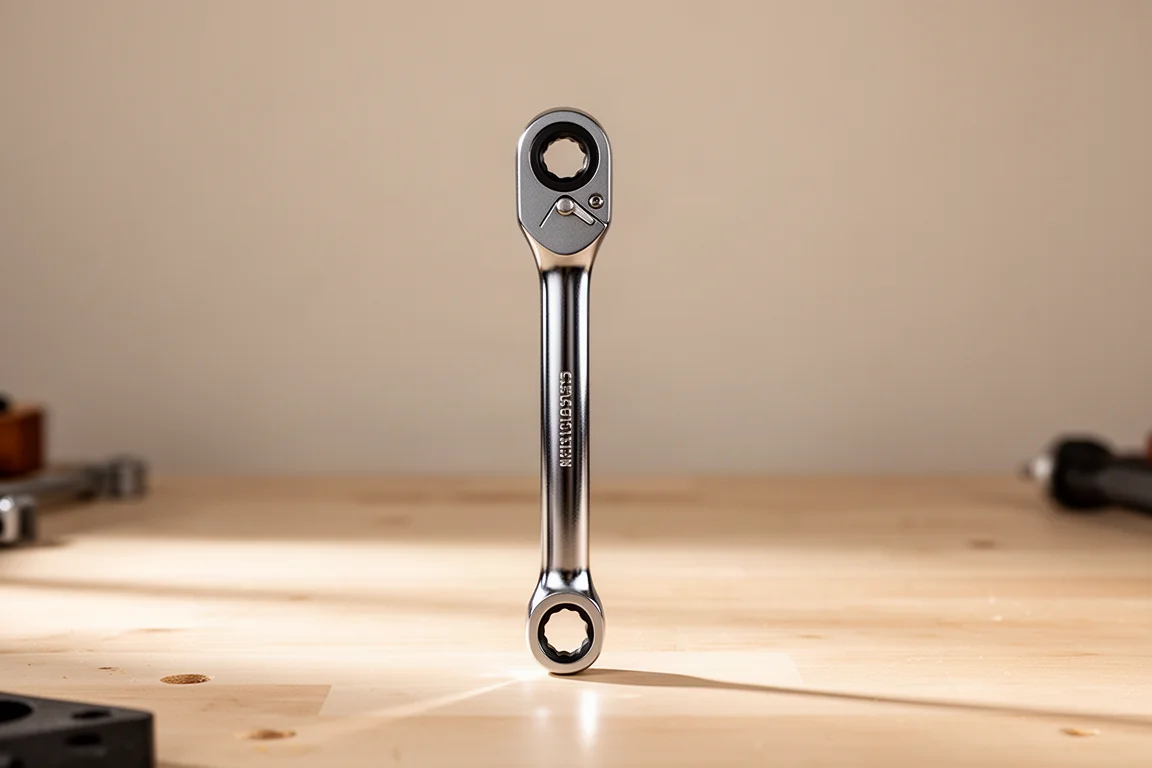
At $15, the Tekton uses a six-point box end that fits hex fastener heads snugly and resists slipping off, paired with a 72-tooth ratchet needing only a 5 degree arc swing. It is made in Taiwan and weighs right at 100 g. It was doing about 20 degrees of progress per stroke, the best in the field at that point, completing a circle in 18 passes.
The rusted bolt test confirmed the snug fit: Tekton reached 793.8 in-lb, the best box end grip result of the entire test. Back drag was a reasonable 394 g, and open end strength hit 1,173 in-lb. The weak spot is the ratcheting mechanism, which failed at just 224 lb in the failure test. Even so, considering both performance and price, this is the wrench to buy if you are choosing just one.
DeWalt: Direct Torque Design, Mixed Results
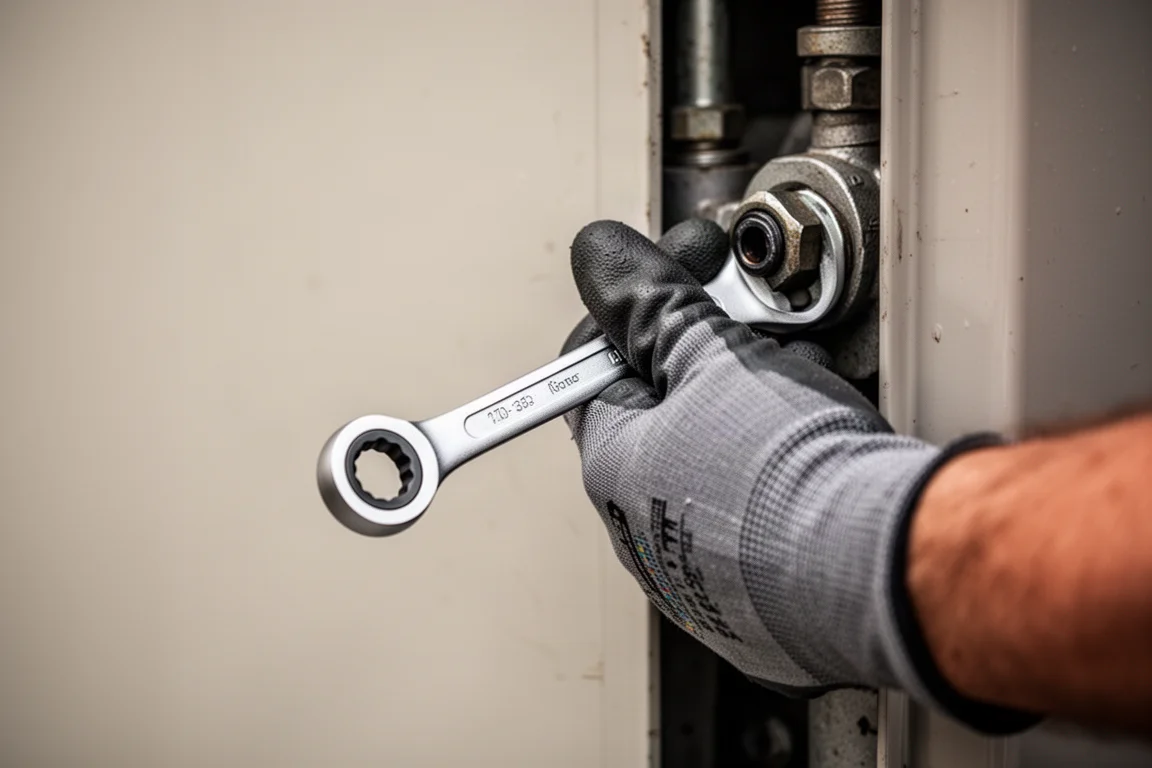
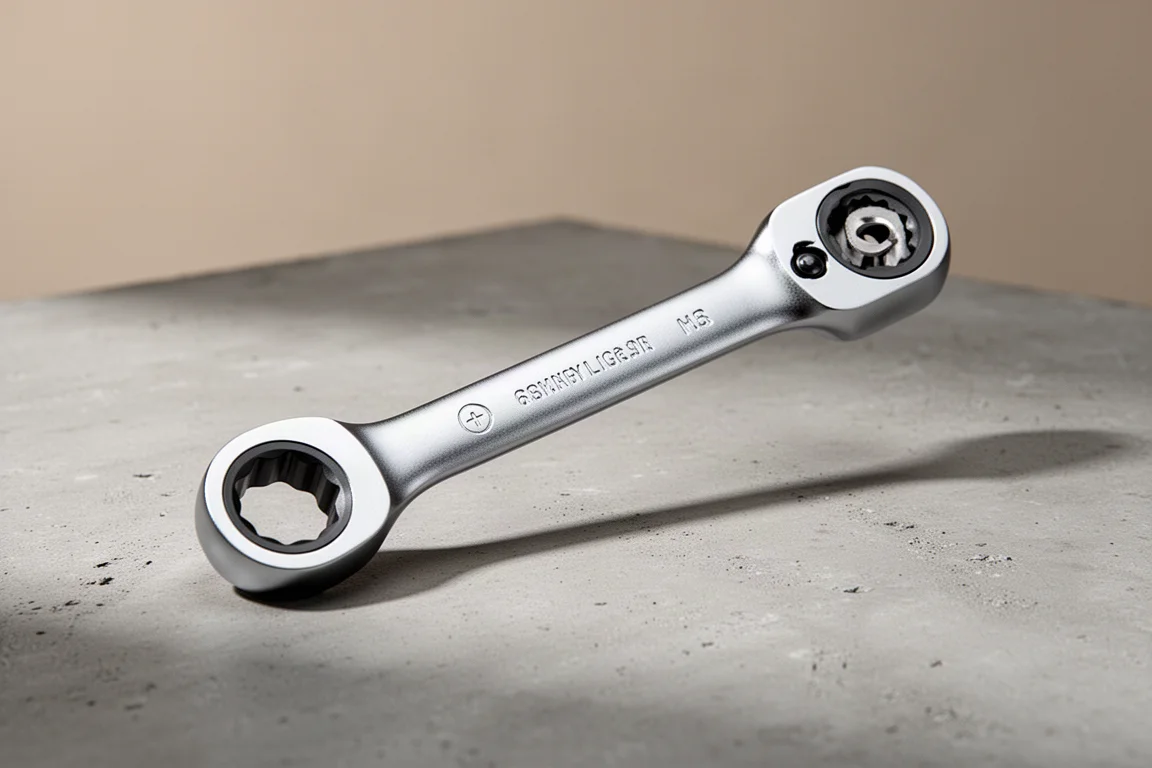
At $16, DeWalt uses 72 teeth with a 5 degree arc swing and its direct torque technology, which is designed to help prevent fastener rounding. It is made in Taiwan and is the lightest wrench here at 92.1 g. It had noticeably more slop than Tekton but still managed 24 passes, good enough for second place at that stage.
In the grip tests it held its own, with 666.4 in-lb on the rusted bolt box end test, but the open end began rounding the bolt early at 587.4 in-lb. The box end failure load of 368 lb was actually better than most brands, and the coupling nut stayed in great shape.
Craftsman: Solid, Unremarkable
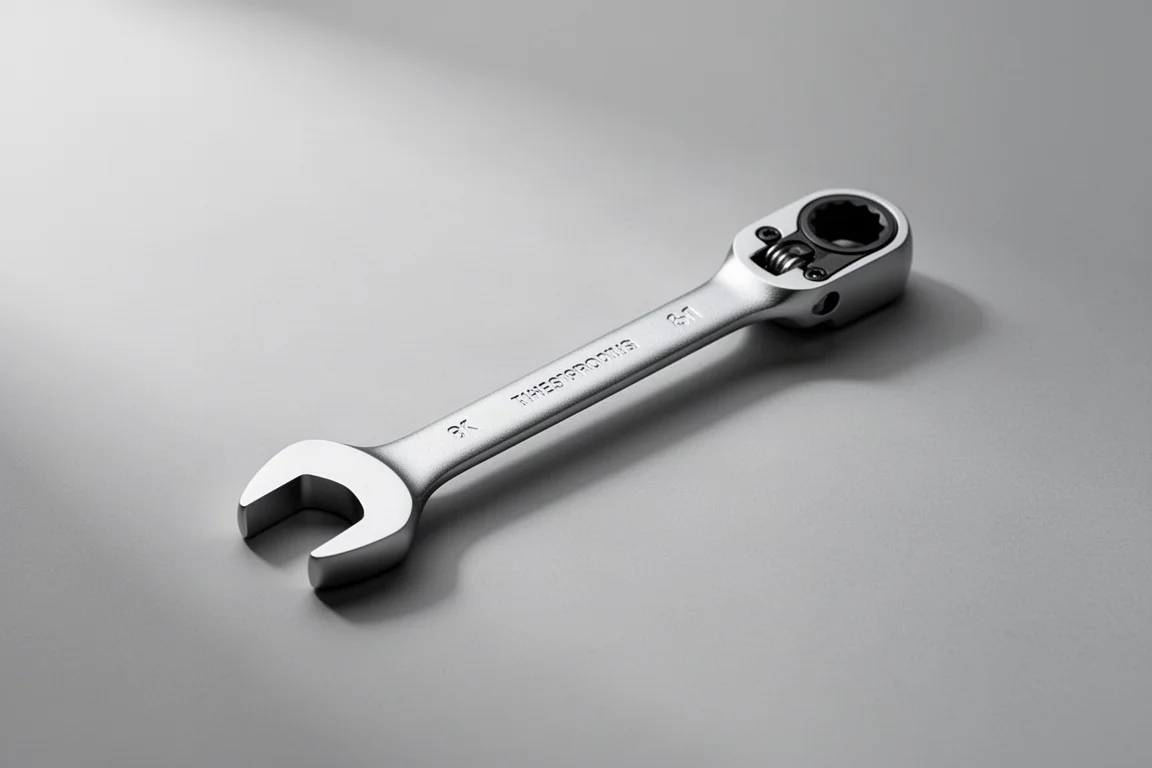
At $17, the Craftsman includes a 15 degree box end offset for knuckle clearance and a 72-tooth ratcheting box end for access in tight spaces. It is made in Taiwan and is relatively light at 90 g. It completed the efficiency circle in 24 passes with slop similar to DeWalt, and back drag was average at 549 g.
Grip results were mixed: the 12-point box end rounded the bolt at 691 in-lb, a strong second place at the time, but the open end gave up early at 469.5 in-lb. In the failure test it broke at 415 lb, the third best box end result, though the coupling nut took considerable damage.
Williams and Capri Tools: Mid-Pack All-Rounders
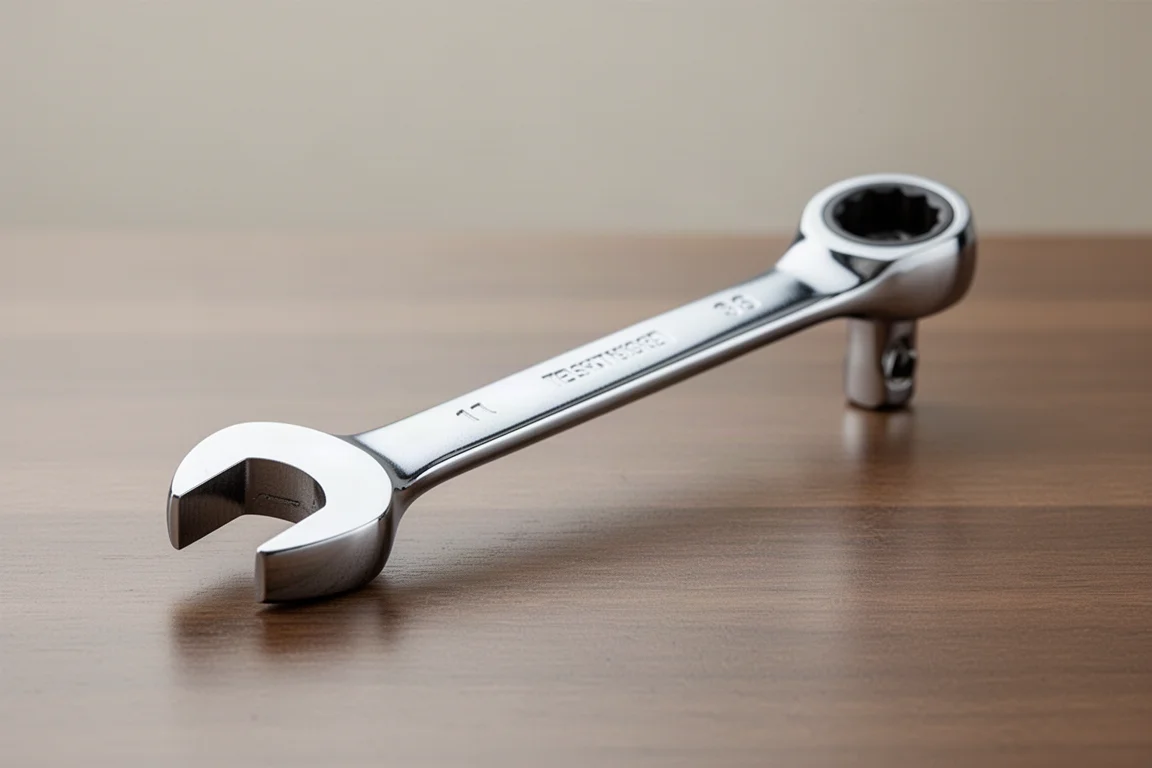
Both Williams and Capri Tools sell at $20. The Williams 12-point box end has recessed corners for extra turning power and a 15 degree angle for knuckle clearance, and it is the only wrench with a directional lever so you can switch directions without flipping the wrench. It is made in Taiwan and weighs 97.1 g. It needed 28 passes per circle, the box end gave up early at 447.7 in-lb, but back drag was excellent at 289 g and it is one of the most compact wrenches at 0.98 in.
The Capri Tools wrench is a 72-tooth six-point reversible design with a 15 degree box end offset, also made in Taiwan, and it is the heaviest of the mid-priced group at 117.5 g. It matched Tekton’s efficiency at 18 passes and had the second best back drag at 237 g. Grip was below average on both ends, and the box end failed at 302 lb.
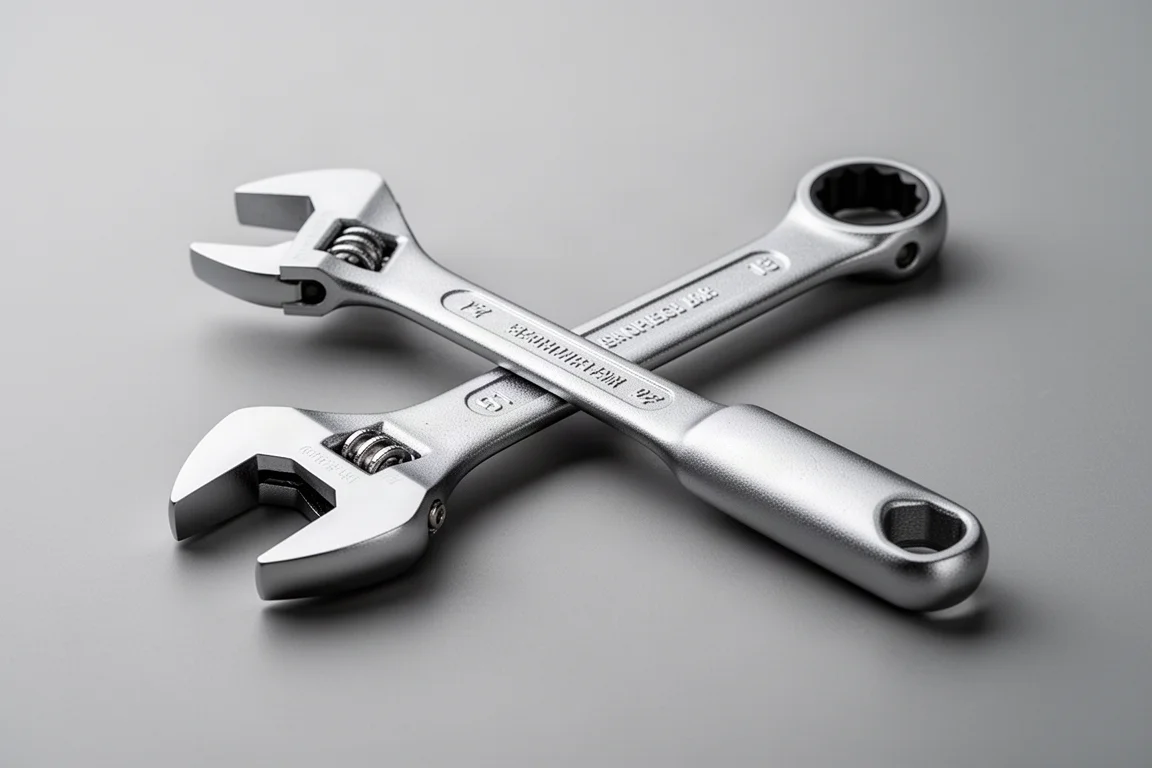
Greenlee: The Toughest Open End
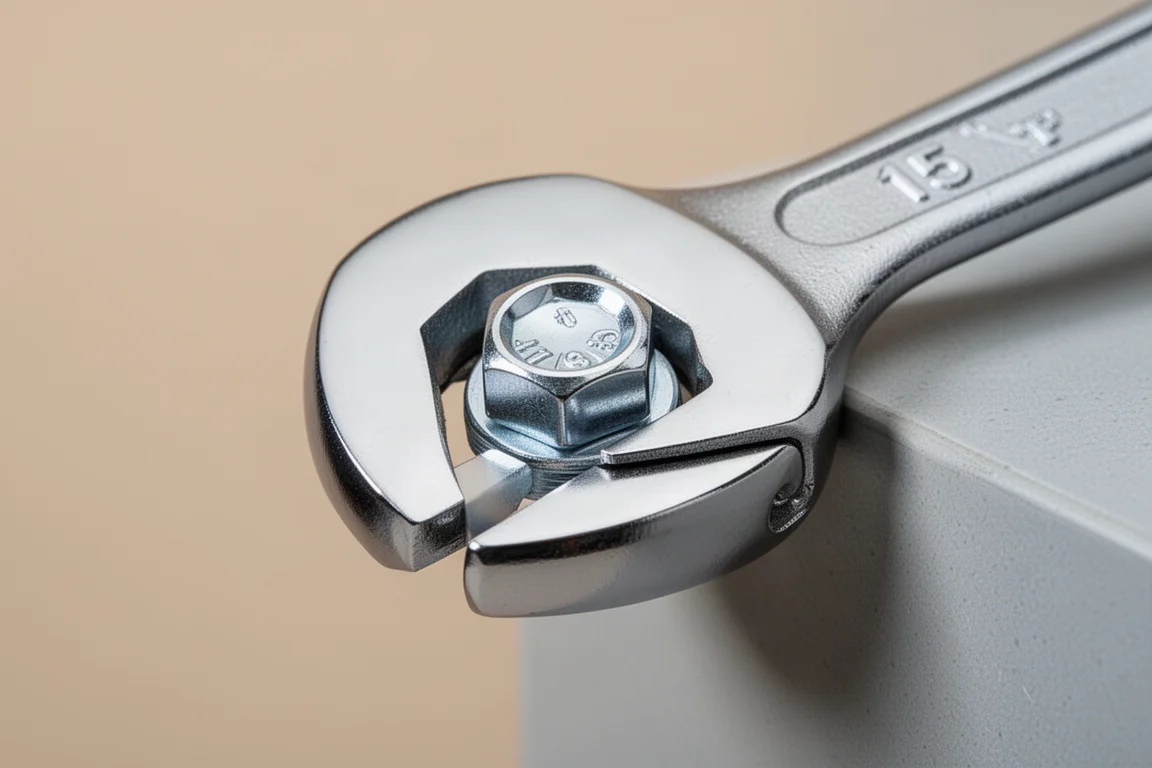
At $22, the Greenlee has a reversible switch and a 15 degree box end offset, with a claimed 5 degree arc swing. It is made in Taiwan and weighs 101.9 g. Efficiency was middling at 22 passes and back drag was disappointing at 601 g for the price.
But the Greenlee is built tough. Its open end finally gave up at 1,311 in-lb, the best open end strength result of the entire test, and it held up better than most under the load. It rounded the rusted bolt at 610 in-lb on the open end and broke at 371 lb in the box end failure test.
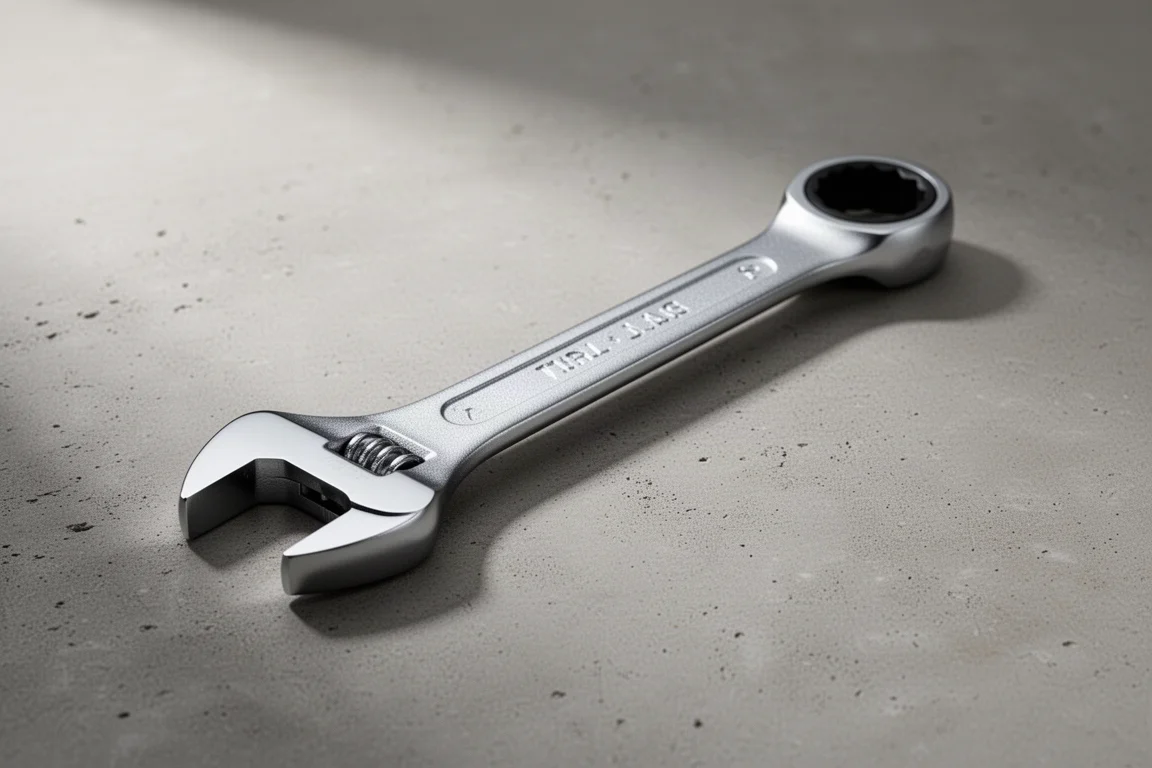
Wera Joker 6000: Second Best Ratcheting Efficiency
At $23, the Wera Joker 6000 stands apart with a metal plate in the jaw for a practical holding function and a double hex geometry that reduces slipping risk. It is made in the Czech Republic and weighs 100.9 g. Its 80-tooth ratchet was clearly more efficient than the 72-tooth competition, completing a circle in just 16 passes, second only to SK.
It also had the least open end slop at 0.14 in of travel and modest back drag at 408 g. The box end maintained excellent contact and broke the bolt at 667 in-lb. The trade-offs: the open end design performed poorly at 404.4 in-lb, the open end jaws took heavy damage at 866 in-lb, and the ratchet broke at 396 lb.
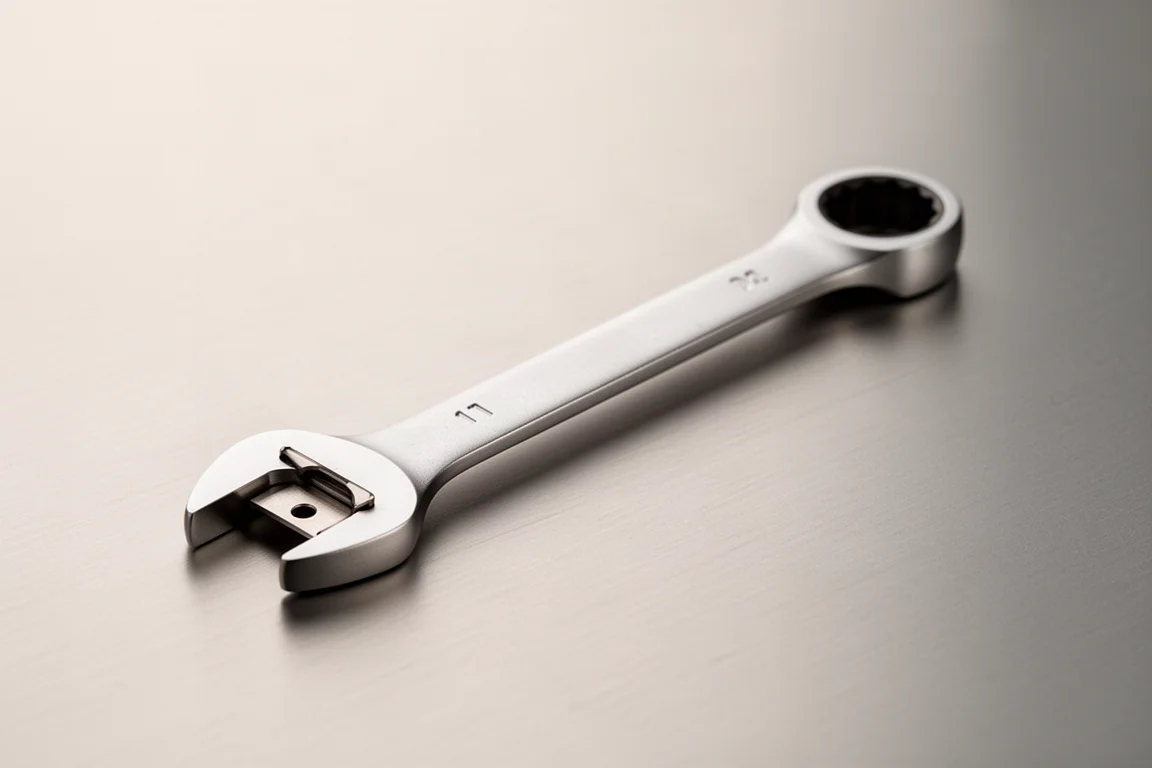
Proto: Light and Efficient
At $26, the Proto is a 12-point wrench with a reversing lever designed for quick one-hand operation. Made in Taiwan, it is the lightest after DeWalt at 85.6 g. It performed better than average in efficiency at 18.7 passes, though not quite matching Wera.
The box end grip was strong, losing grip only at 719.5 in-lb on the rusted bolt. Back drag was a weak point at 647 g, and the off-corner loading design causes a lot of unloaded back and forth travel. The box end broke at 341 lb, and open end strength landed near average at 1,045 in-lb.
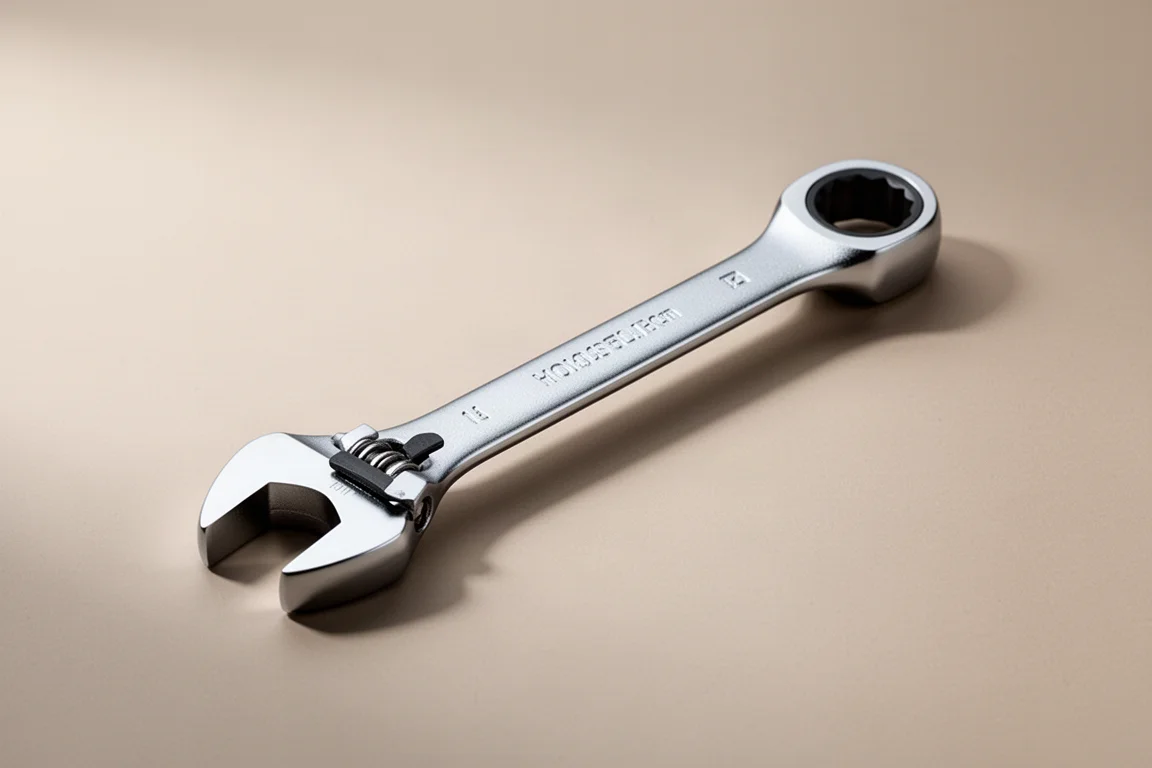
Blue Point: Premium Price, Mixed Performance
At $39, the Blue Point is sold by Snap-on and brings a 15 degree offset box head, a 4.5 degree gear engagement for less movement to engage the next gear, a reversible ratcheting box, and a flank drive configuration for greater torque with less applied force. It is made in Taiwan and weighs 99.1 g.
Despite the specifications and the price, it really struggled in the efficiency test with 27 passes per circle. Grip results were below average on both ends, back drag was average at 415 g, and the box end failed at 336 lb. It is one of the most compact wrenches, but the performance does not justify the cost here.
SK: The Best Wrench, at a Price
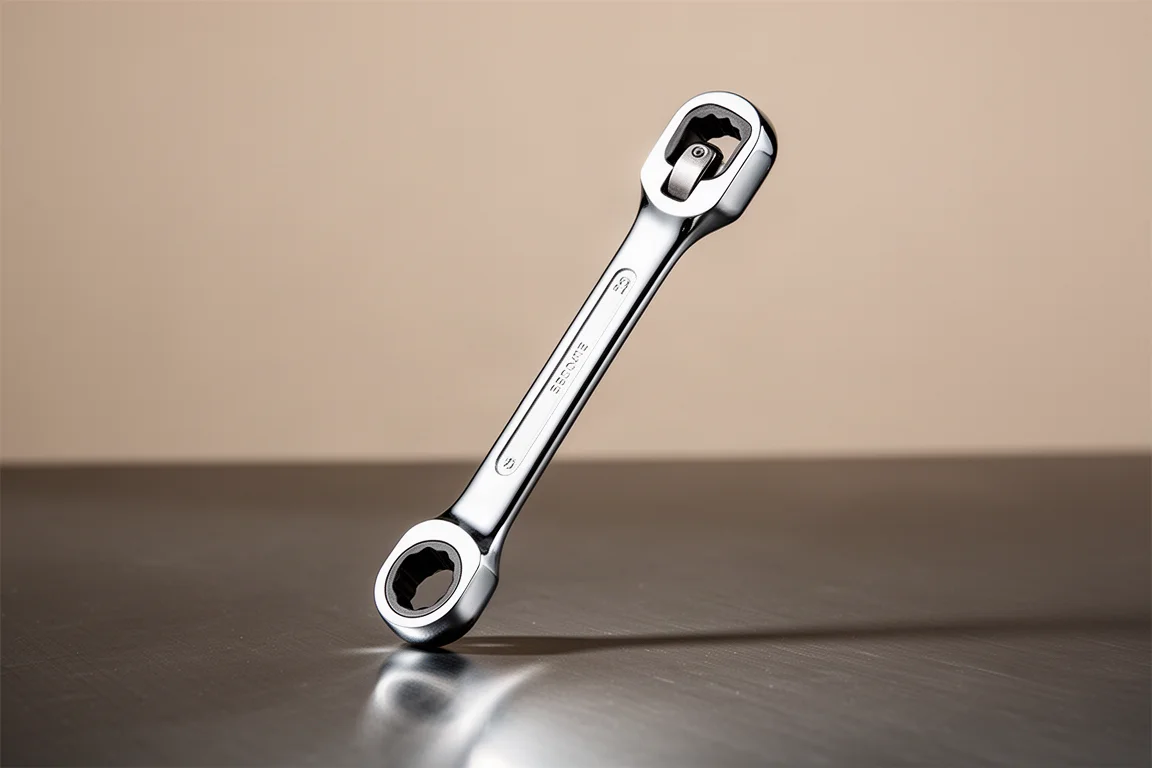
At $66, the SK is the most expensive wrench tested, and it is made in the USA. SK claims the lowest arc swing in the industry at 1.7 degrees, with 216 positions and six pawls to engage in tight spaces. It is by far the heaviest at 123.7 g and is built like a tank.
The claims translated into results. SK won the efficiency test outright with just 15.3 passes per circle, outlasted the bolt on the box end at 663 in-lb, and broke the bolt on the open end at 683.7 in-lb with no indication of jaw stretch, the only brand where jaw stretch could not be felt. It won the box end failure test at 531 lb, had very good back drag at 288 g, and is the most compact wrench with just 0.97 in of outer diameter on the open end. Its average finish of 3.67 was the best overall, and a remarkable 1.75 if you exclude the failure load tests. The main question is whether the performance justifies the price.
Overall Buying Advice
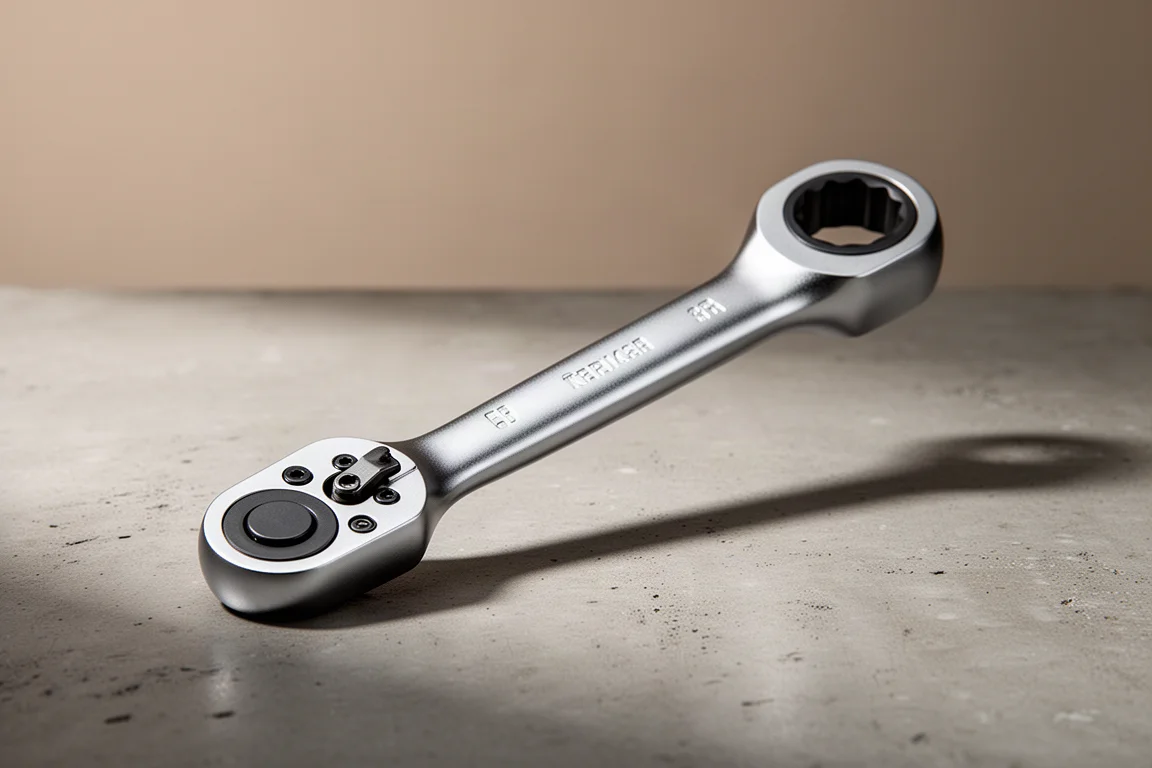
The SK is the best wrench in this comparison, full stop. But at $66 it is arguably way overpriced, and you could buy an entire set of GearWrench wrenches for less than the price of one SK. If you only occasionally need a ratcheting combination wrench, that math is hard to ignore.
For most buyers, the value ranking is more useful. The GearWrench delivered an average finish of 4.5 at just $4 per wrench, with the best back drag in the field and excellent open end performance. The Tekton, at 5.17, offers the best combination of ratcheting efficiency, grip on rusted fasteners, and price. If efficiency in tight spaces matters most to you and budget is secondary, the Wera Joker 6000 is the strongest non-premium option, and the Olsa Tools set is worth a look if box end strength is your priority. If you might ever push a ratchet to its absolute limit, the SK and Olsa are the toughest by a wide margin.
Conclusion
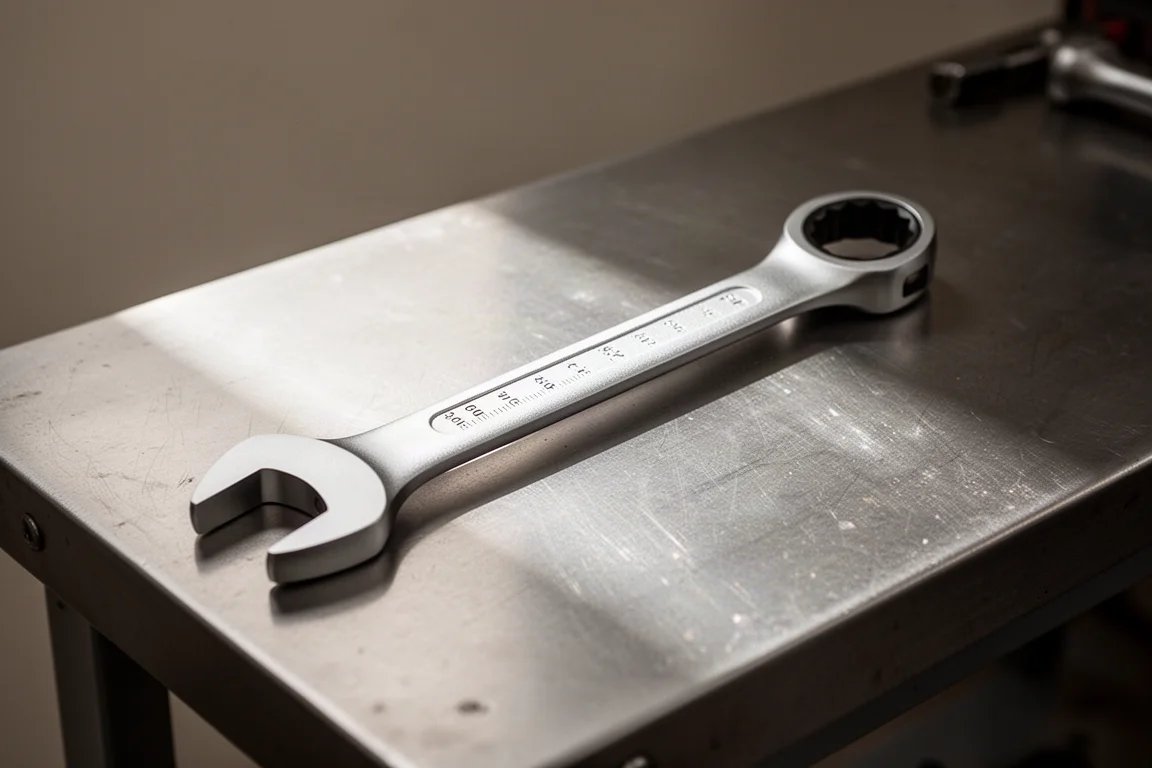
Fourteen wrenches, one clear efficiency winner in the SK, and one clear value winner in the Tekton. The GearWrench proves that very cheap tools can still perform well in the tests that matter day to day, while premium options like Blue Point show that price alone does not guarantee performance. Match the wrench to how hard you will actually work it, and you will not go wrong with the top value picks here.
Further reading
Related Reviews
Hand Tools
Best Diagonal Cutters 2026: 16 Pliers Tested for Cutting Power and Durability
We put 16 diagonal cutters through nail, screw, drill bit, and hex key tests to find the best value picks for your toolbox.
Hand Tools
Best Hex L Key Sets 2026: Nine Sets Tested for Real-World Torque
Nine hex L key sets from budget to premium, tested for torque, fit, and durability. See which sets deliver real performance and which ones to skip.
Hand Tools
Best Locking Pliers 2026: Top Picks Tested for Grip and Durability
We tested 18 brands of 10-inch locking pliers for grip strength, jaw bite, build quality, and ease of release to find the best options for tough jobs.